Phones are far better at surviving water than they were ten years ago, and the letters IP followed by two numbers on a phone's box are the reason many people take theirs to the beach without a second thought. Those two numbers mean something exact, and they do not mean a phone is waterproof. This guide explains what an IP rating measures, how water-resistant the main phones really are and why that fades, and how pouches, waterproof cases and diving housings fill the gap for the beach, the pool and the boat.
What an IP rating means
IP stands for ingress protection: how well something keeps out things that should not get in. The code is set by an international standard, IEC 60529, published by the International Electrotechnical Commission, and the same code is used on phones, earbuds, speakers, torches and outdoor lights.
The code is the letters IP and two digits. The first digit is for solids, from fingers down to dust. The second is for water. A higher number means more protection, and an X in either place means that part was not rated, not that it scored zero.
The first digit: solids and dust
Numbers 1 to 4 are about solid objects of shrinking size, from a hand down to a wire 1mm across. The two that matter for phones are:
- 5: dust-protected. Some dust may get in, but not enough to stop the thing working.
- 6: dust-tight. No dust gets in. Most recent phones are rated 6.
The second digit: water
| Digit | What it is tested against |
|---|---|
| 4 | Splashing water from any direction |
| 5 | Low-pressure jets of water from any direction |
| 6 | Powerful jets of water from any direction |
| 7 | Being put under water, from 15cm to 1 metre deep, for up to 30 minutes |
| 8 | Longer or deeper immersion, on terms set by the maker |
Two things in that table catch people out. The first is that 8 does not have one fixed meaning: the standard leaves the depth and time to the maker, who must state them. An IP68 phone tested at 1.5 metres and one tested at 6 metres are both IP68. The second is that the scale is not a simple ladder. Something rated IPX7 or IPX8 for immersion has not necessarily passed the jet tests for 5 and 6, so a phone that survives a dunking in a sink is not promised to survive a power shower.
Ratings on the other things you carry
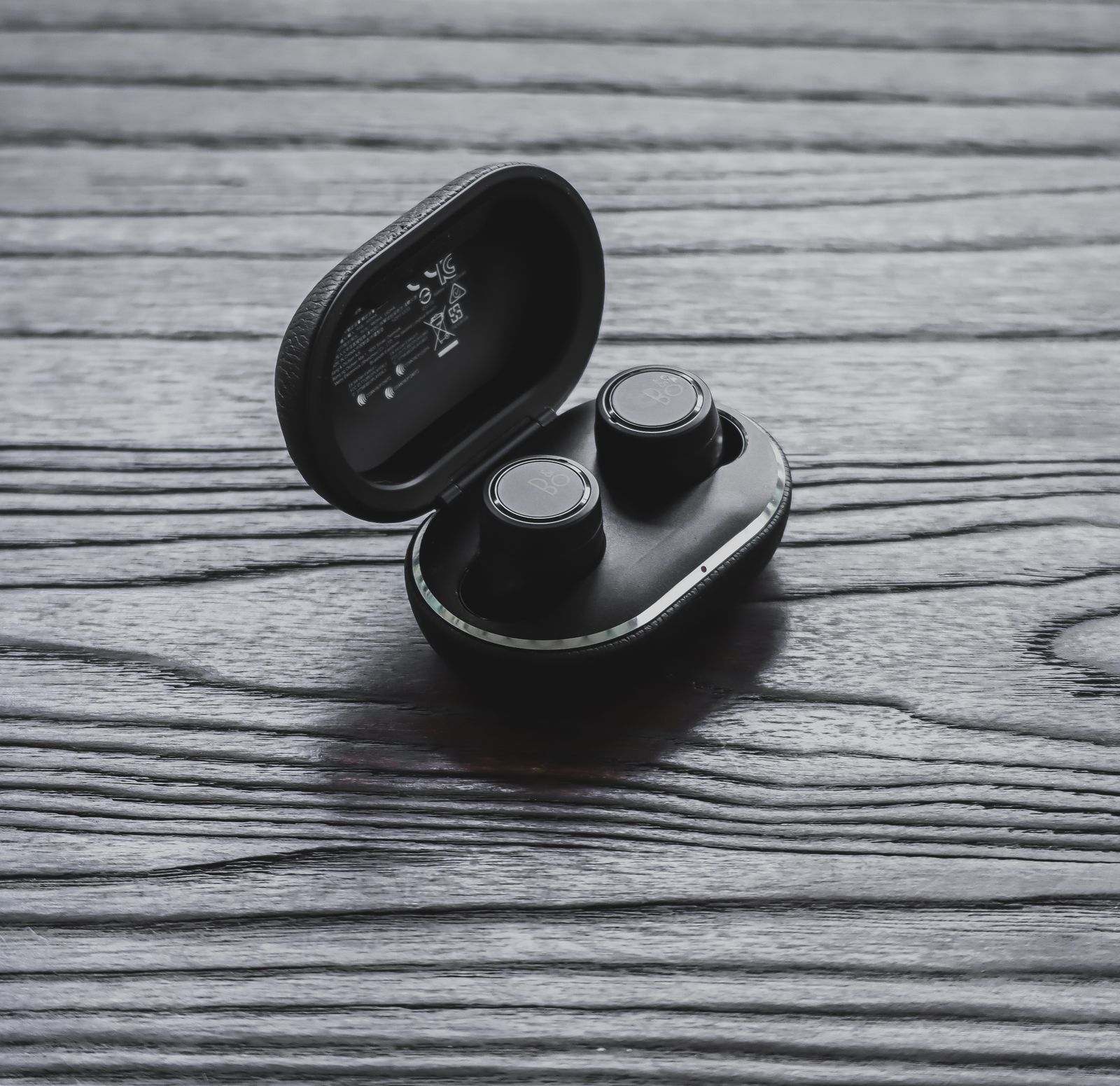
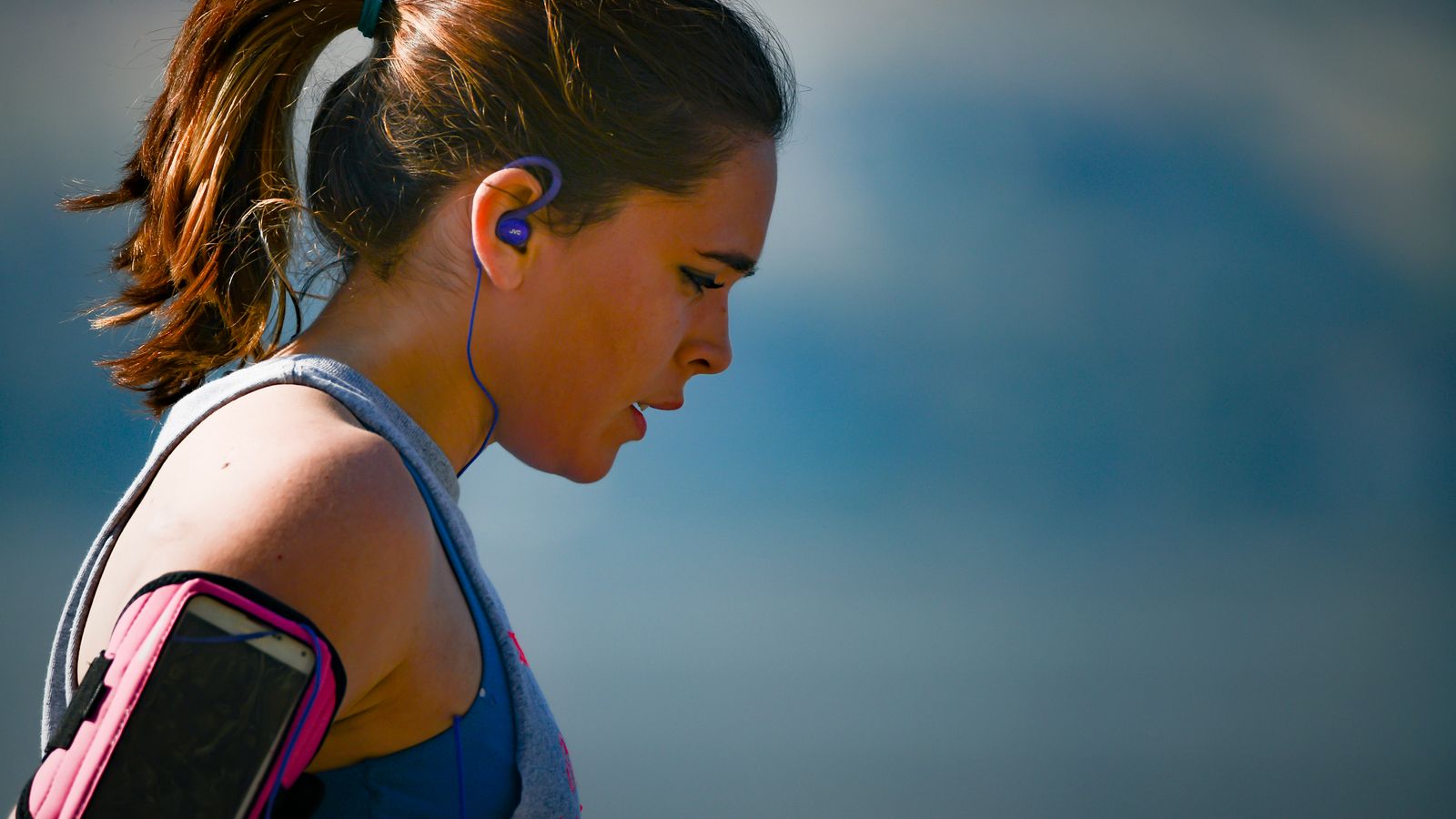
The same code appears on earbuds, speakers, power banks, torches and some cases, and it is read the same way. A pair of earbuds rated IPX4 has been tested against splashing, which covers sweat and light rain but not a dunking. A speaker rated IPX7 has been tested under water to a metre. Something with no IP rating at all has made no claim, which is not the same as being protected. Read the second digit against the table above, and for an 8, look for the depth and time the maker gives.
A rating also only covers the thing as it left the factory, with every flap and cover closed. An open port cover or a missing rubber plug on a speaker or power bank means the rating no longer applies.
What the tests are, and are not
IP tests are done in a laboratory, on new devices, in still, fresh water. They do not test salt water, chlorinated pool water, soapy water, hot water, waves, a jump into a pool or a phone dropped on a hard floor before it gets wet. That is why both Apple and Samsung add their own rules on top of the rating, set out below.
How water-resistant phones are, and why that fades
iPhone
Apple's own figures, under IEC 60529, are:
- iPhone 12 to iPhone 17, including iPhone Air and the 16e: IP68, up to 6 metres for up to 30 minutes;
- iPhone 11 Pro and 11 Pro Max: IP68, up to 4 metres for up to 30 minutes;
- iPhone 11, XS and XS Max: IP68, up to 2 metres for up to 30 minutes;
- iPhone XR, X, 8, 7 and the second and third iPhone SE: IP67, up to 1 metre for up to 30 minutes.
Samsung Galaxy
Samsung says its Galaxy phones usually have an IPX7 or IPX8 water rating, and that its IPX8 rating means 30 minutes of water resistance at a depth of 1.5 metres. It advises against deeper water and high-pressure water, and says water resistance is not guaranteed beyond 30 minutes. Check your own model's page, because ratings differ from phone to phone.
What the makers say not to do
Apple lists swimming or bathing with an iPhone, showers, water sports, high-speed or pressurised water, saunas and steam rooms, and dropping the phone, among the things to avoid. It also says to keep the phone away from soap, detergent, sun cream, insect repellent and perfume. Samsung's list is similar: salt water, pool water, soapy water, liquids containing alcohol, oils, perfume, sun cream and hand sanitiser, and saunas and steam rooms.
In other words, the rating is for an accident in fresh water, such as a drop into a sink or a puddle, not for taking a phone swimming.
Why it fades
Both makers say water resistance is not permanent. Apple says it can decrease as a result of normal wear; Samsung says it may weaken over time through ordinary wear and tear. A phone keeps water out with seals and adhesive round the screen, the back, the buttons and the SIM tray. Drops flex the frame, heat softens adhesive, sun cream and soap attack the seals, and a screen or battery replacement means new seals that may not match the factory ones.
Two more points matter. Apple says liquid damage is not covered by its warranty, though consumer law may still give you rights. And a phone that has been dropped may look fine and still have a gap in a seal. If a phone matters to you, treat its rating as a safety net that gets thinner each year, and use a pouch or case when you mean to get it wet.
Waterproof pouches
Waterproof pouches are the simplest way to take a phone near water. A pouch is a soft bag, usually clear plastic on at least one side, with a seal at the top: a roll-down top, a sliding clip, or a press seal like a food bag, sometimes with a second seal over it. Most come on a cord to wear round the neck or across the body.
What a pouch is good for
- keeping sand, spray and rain off a phone on the beach, by the pool or on a boat;
- keeping a phone dry in a kayak, on a paddleboard or at a water park;
- carrying a phone, keys and a card together in the water;
- any phone, whatever its rating, because the pouch does the work.
What to look for
Read the rating stated for the pouch itself. A pouch marked IPX8 should say how deep and for how long, as the standard asks. A clear window on both sides lets you take photos through the back. A pouch slightly larger than the phone is easier to seal than a tight one. The touch screen may not respond well through plastic, and Samsung notes that a touch screen may not work properly in water at all; fingerprint and face unlocking may not work through a pouch, so know your passcode.
Test it before you trust it
Before the first trip, seal a folded paper towel inside the empty pouch, hold it under water in a sink or bath for the length of time you expect to use it, then open it and check the paper is dry. Do this again at the start of each season, because seals and plastic age. Close the seal on a clean, dry edge: a grain of sand in the seal is the most common cause of a leak.
Pouches made for land are different. Running armbands and neck pouches keep sweat and showers off a phone, but unless they say they are waterproof and give a depth, do not take them into water.
Waterproof cases and diving housings
Waterproof cases
Waterproof cases are hard cases that seal all the way round the phone, with a membrane over the screen, sealed covers over the ports, and pressure buttons that press the phone's own buttons through the case. Unlike a pouch, a waterproof case can stay on every day, and most also protect against drops in the way tough cases do.
A waterproof case has to be made for one phone model, because the seals have to meet the phone's exact shape. Check the model name before buying, including Pro, Plus or Max. When using one:
- check the seal and port covers are clean and fully closed every time;
- open the case only when it and your hands are dry;
- expect sound to be quieter through the sealed speaker and microphone holes;
- remember that a case full of trapped warmth on a hot day can make the phone warmer.
Diving housings
Diving housings go further. They are rigid boxes, usually clear, made for taking photos and video underwater, snorkelling or diving. Each is rated by the maker to a depth in metres, and the rating is the limit to work to, not a target. Many have a handle, a lanyard point, and buttons or a Bluetooth link to work the camera.
Housings are tested to a depth for the same reason IP68 needs a depth: water pressure grows the deeper you go, and seals that hold at the surface can fail lower down. Rinse a housing in fresh water after the sea, let it dry, and check the seal for sand and hairs every time.
A pouch, a case or a housing: which to choose
The three do different jobs, and the choice depends on how often the phone will be near water and how deep it will go.
- A pouch suits the occasional day at the beach, by the pool or on the water. It fits most phones, goes on in seconds, and comes off when you are back on dry land. It gives little protection against a drop.
- A waterproof case suits someone who is near water or out in the weather often, and who wants drop protection too. It stays on every day, but it is made for one model and is bulkier than an everyday case.
- A diving housing suits snorkelling, diving and filming under water, where the depth matters and the controls need to work with the phone sealed in. It is for the trip, not for every day.
Many people who spend summer by the sea keep an everyday case on the phone and a pouch in the beach bag, which covers most days without changing cases.
The beach, the pool and the boat
The beach
Sand and sun are as much a risk as the sea. Apple says iPhones are made to be used where the air is between 0 and 35°C, and not to leave a phone in a parked car or in direct sunlight for long. On a hot beach, keep the phone in the shade, in a bag, or under a towel, and not on the sand in the sun. Sand gets into ports and the seals of cases, so a pouch earns its place even if you never go in the water. Sun cream on your hands is one of the substances both makers say to keep off a phone: wipe your hands before you pick it up, and use dust plugs in the charging port.
The pool
Pool water is chlorinated, and Samsung names it as a liquid to avoid. Apple's advice not to swim with an iPhone applies whatever its rating. For photos in or by the pool, a pouch or waterproof case is the answer, and the phone should be rinsed and dried afterwards only according to the steps below.
On a boat
On a boat, kayak or paddleboard, the risk is less that water gets into the phone and more that the phone goes over the side. A phone in a pouch round your neck or across your body, on a crossbody lanyard or with a wrist strap, stays with you. Lanyard and crossbody cases do the same with a case you keep on. A phone in the sea is usually a lost phone, rated or not. The guide to crossbody lanyards explains how the straps fit any case.
Rain, cycling and the outdoors
Rain is what most phones meet most often, and a rated phone handles normal rain well. Long spells of heavy rain on a phone mounted on handlebars are more testing, with water driven at speed. A sealed or waterproof case, or a mount with a rain cover, helps. The guide to bike and motorbike mounts covers rain and sun on the bars.
If a phone gets wet
Most of what people do with a wet phone comes from habit rather than the makers. Here is what Apple and Samsung say.
- Get it out and unplug it. Disconnect any cable straight away. Both makers say not to charge or connect anything until the phone is completely dry.
- Rinse if it was not plain water. Apple says that if a liquid other than water, such as a drink or sea water, gets on an iPhone, rinse the area with tap water and then wipe it with a soft, lint-free cloth.
- Dry the outside. Wipe it with a soft, clean cloth.
- Let the water out of the port. Apple says to tap the phone gently against your hand with the charging port facing down to remove excess liquid.
- Leave it somewhere dry with moving air. Apple suggests a dry area with some airflow, and says a fan blowing cool air into the port may help.
- Wait before charging. Apple says to wait at least 5 hours before charging with a cable or connecting an accessory, and to use a wireless charger only once the phone is wiped and dry.
What not to do
- No heat. Apple says not to dry a phone with an external heat source, so no hair dryer, radiator or oven.
- Nothing in the port. Apple says not to put anything into the port, naming cotton buds and paper towel.
- No compressed air. Apple lists it among things not to use on a wet phone.
- No rice. Apple's advice, updated in 2024, says not to put a wet iPhone in a bag of rice, because small particles of rice can damage it. Fresh air does the job.
- Do not open the SIM tray until the phone is dry, Apple says.
Recent iPhones show an alert if they detect liquid in the charging port. Leave the phone to dry and try again later. Speakers and microphones can sound muffled until the water in them evaporates; Apple suggests putting the phone speaker-side down on a lint-free cloth to let water drip out. If a phone does not work normally after it has dried, take it for repair rather than charging it again and again.
Questions people ask
Is IP68 the same as waterproof?
No. IP68 means dust-tight and protected against immersion to a depth and for a time the maker states: 6 metres for 30 minutes on recent iPhones, 1.5 metres for 30 minutes for Samsung's IPX8 rating. The makers still say not to swim with the phone, and both say the protection weakens over time.
Can I take my phone in the sea or the pool?
Not on its own. Both makers advise against salt and pool water, and Apple advises against swimming with an iPhone. Use a pouch or a waterproof case, and rinse the outside of the phone with tap water afterwards if any sea water reached it, then dry it as above.
Do I still need a waterproof case if my phone is IP68?
For deliberate use in water, yes. The rating is a safety net for accidents, it is measured in still fresh water on a new phone, and both makers say it fades with wear. A case or pouch also keeps sand and sun cream out of the seals.
Can I take photos underwater through a pouch?
Usually, with a clear window over the camera. The touch screen may be unreliable under water, so many people set the camera running before going under, or use the volume button as a shutter. Test the pouch with paper inside first.
Should I put a wet phone in rice?
Apple says not to, because small particles of rice can get into the phone. Tap out the water, then leave the phone somewhere dry with moving air, and wait before charging.
Where to go next
For water, start with waterproof pouches, waterproof cases or diving housings. For keeping a phone clean and safe:
- How to choose a phone case: tough, bumper and waterproof cases side by side
- How to clean your phone safely: what the makers say you can use
- Crossbody phone lanyards: keeping a phone on you by the water
- Power banks explained: power for a long day out