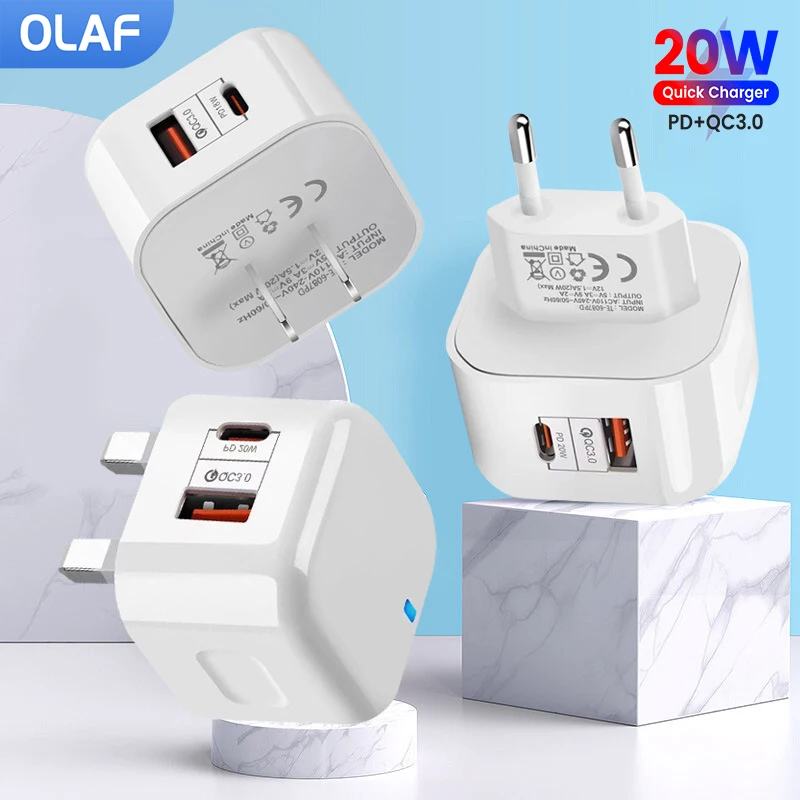
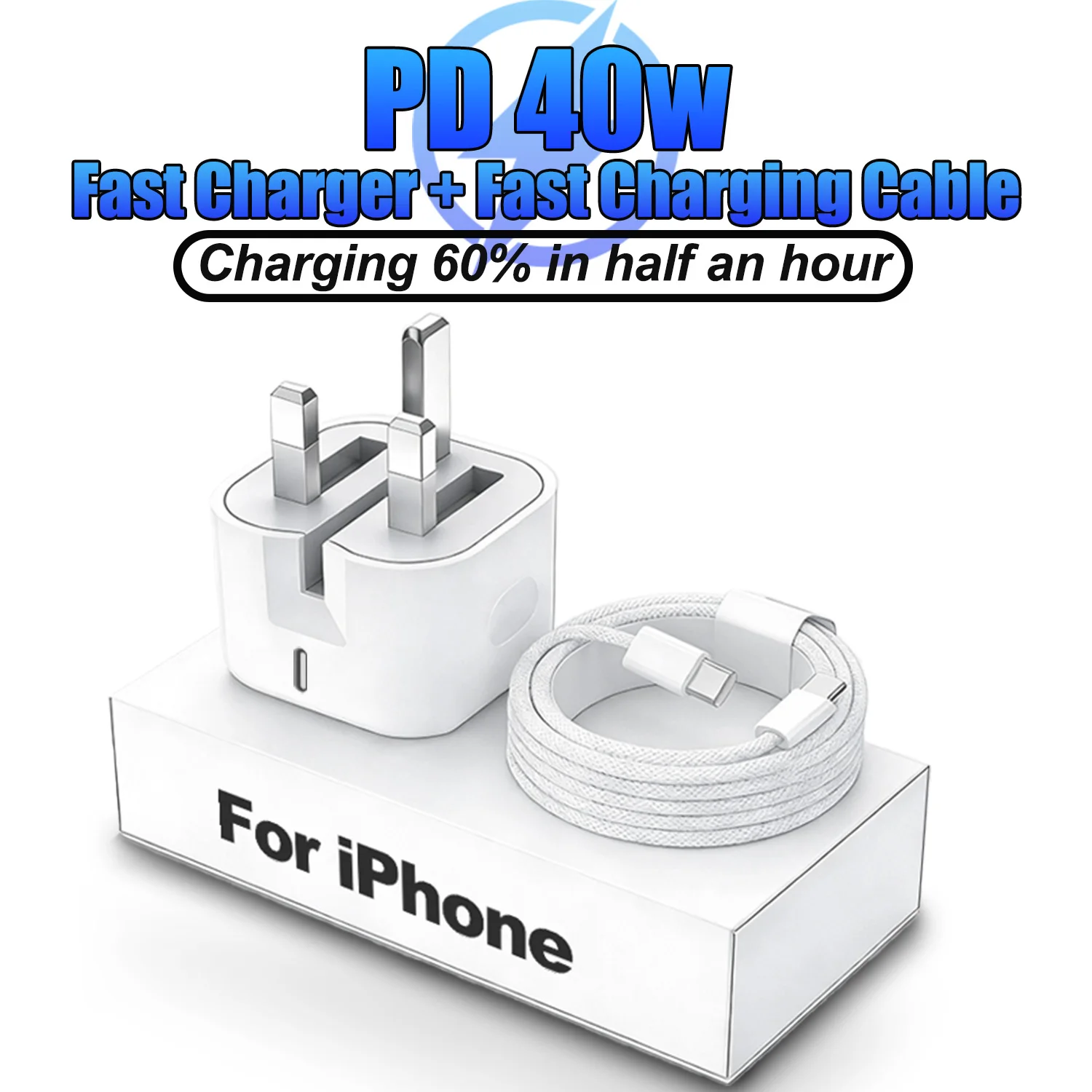
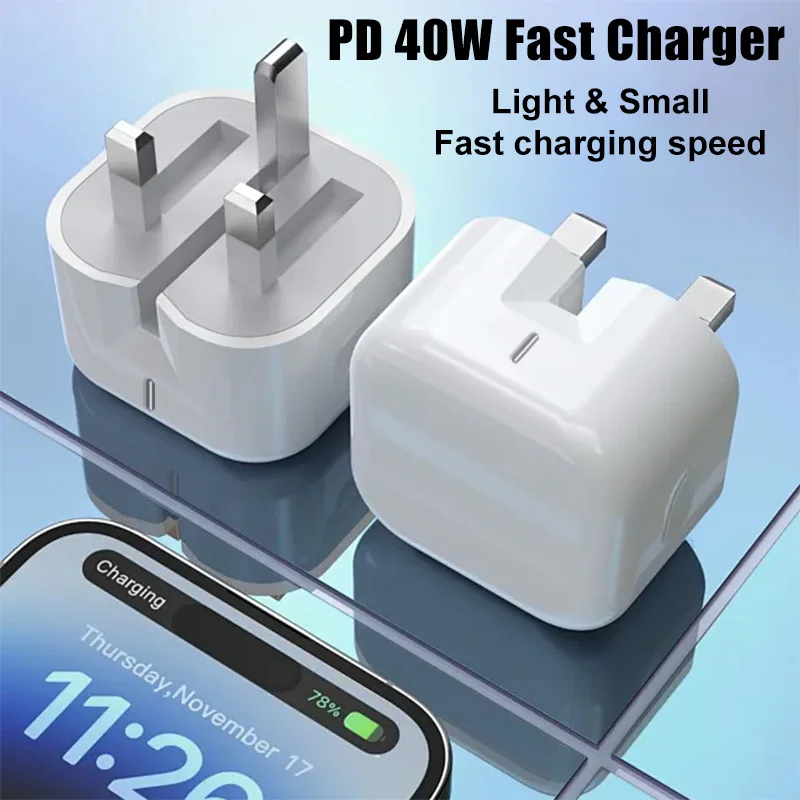
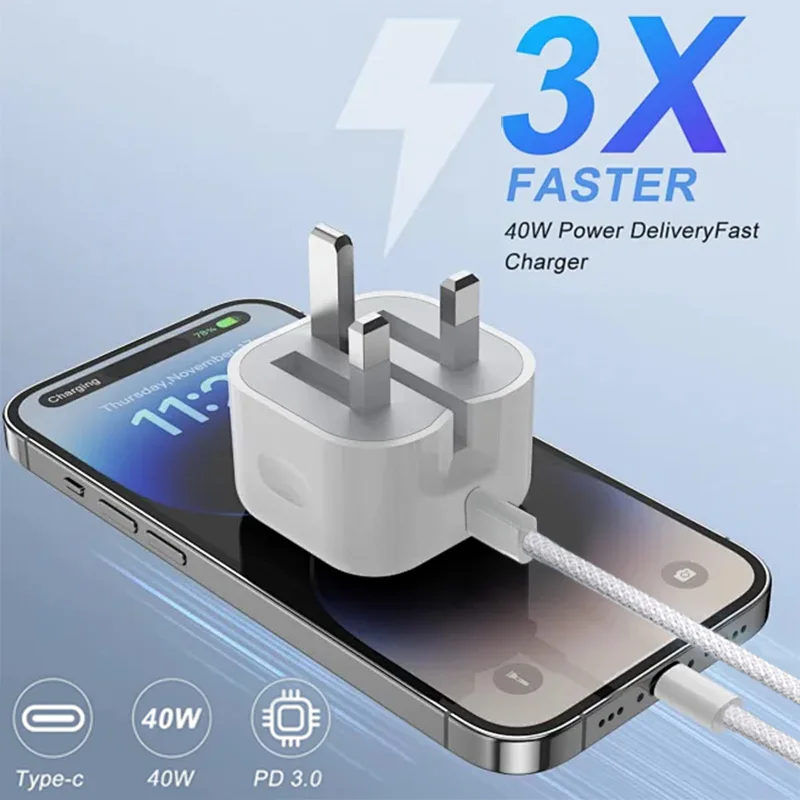
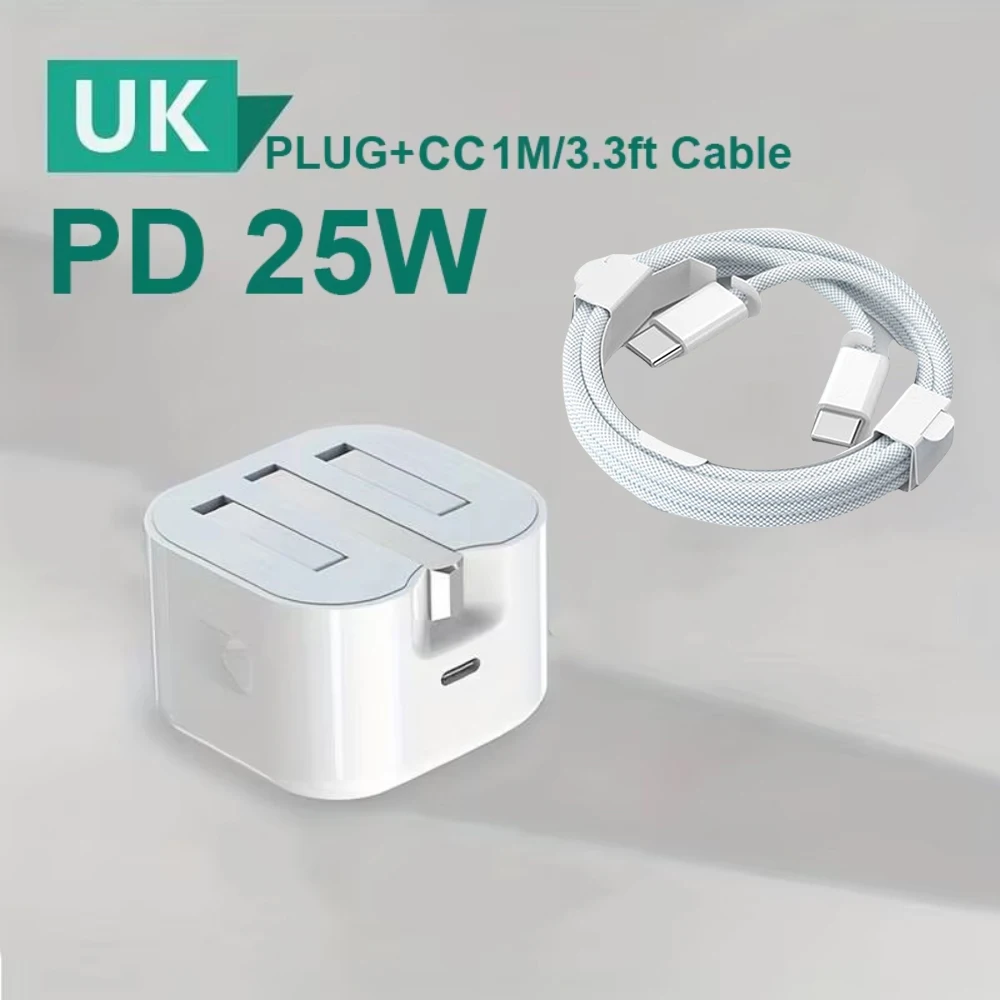
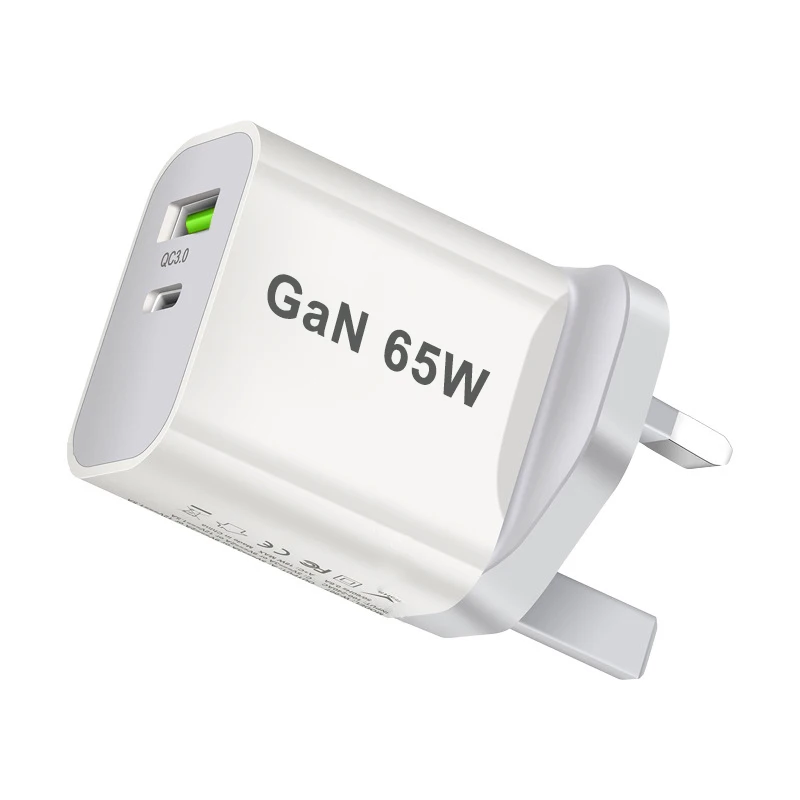
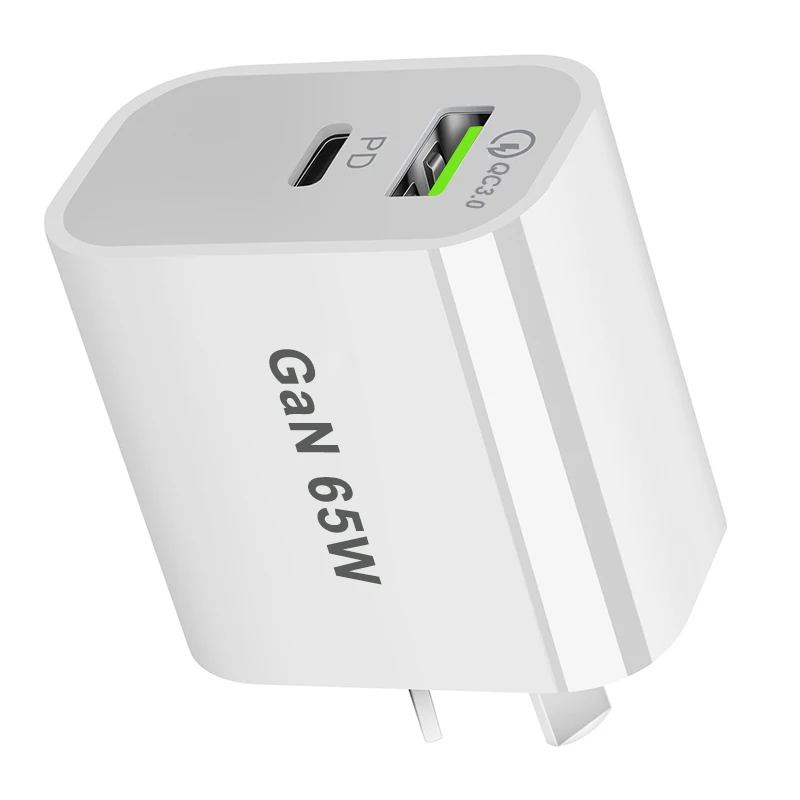
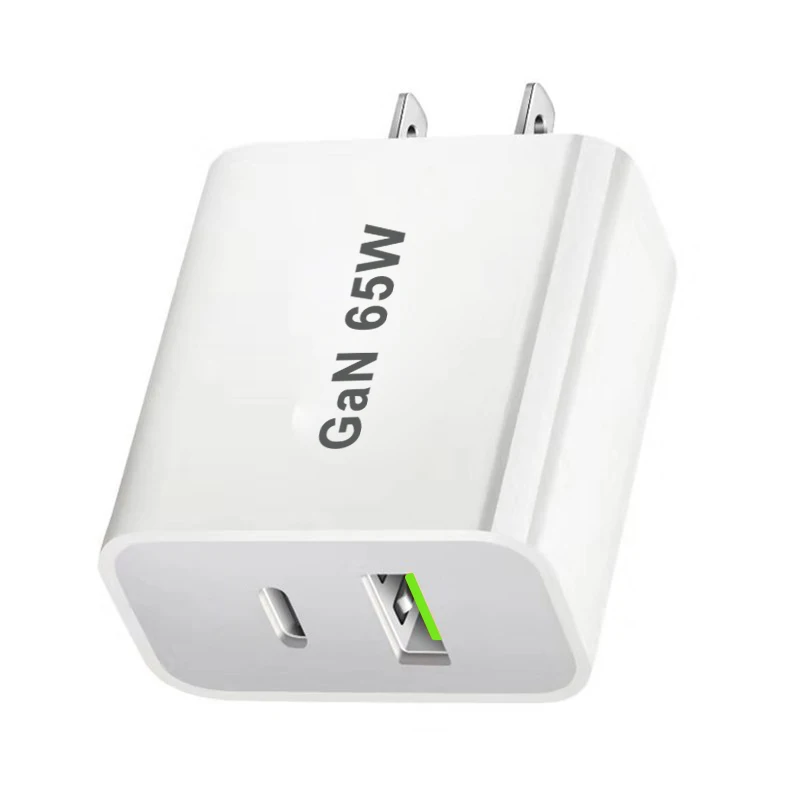
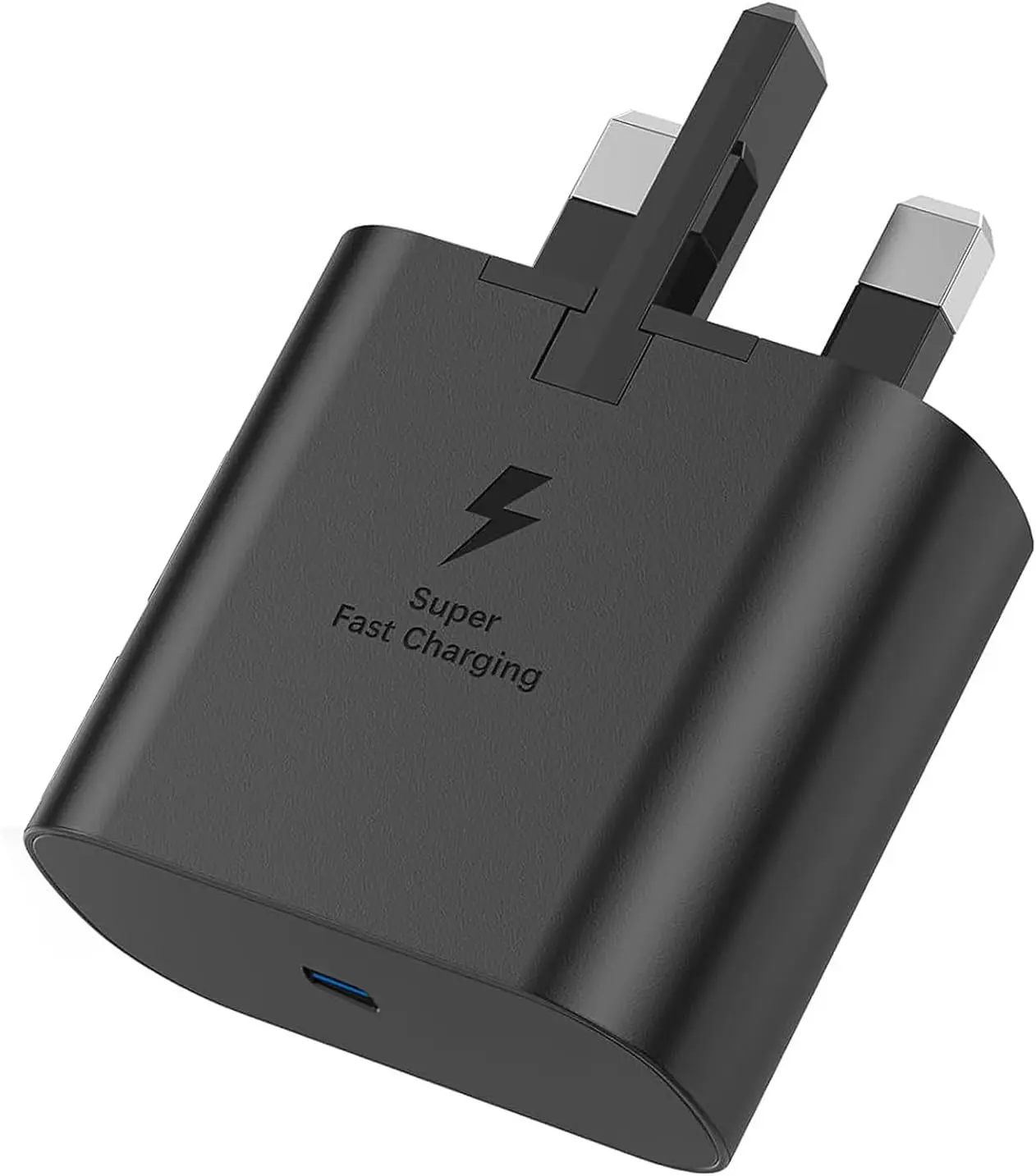
A phone charger with a proper UK plug
A wall charger is the plug that turns the mains into the few volts a phone battery wants. Every charger in this range has a UK three-pin plug built in, the plug UK law expects on a device that goes straight into a home socket, so there is no foreign plug balanced in a travel adapter by the bed. These suit anyone who needs a charger for a new phone, a spare for work, or one plug for a household's phones, earbuds and tablet.
Single-port, dual-port and multi-port chargers
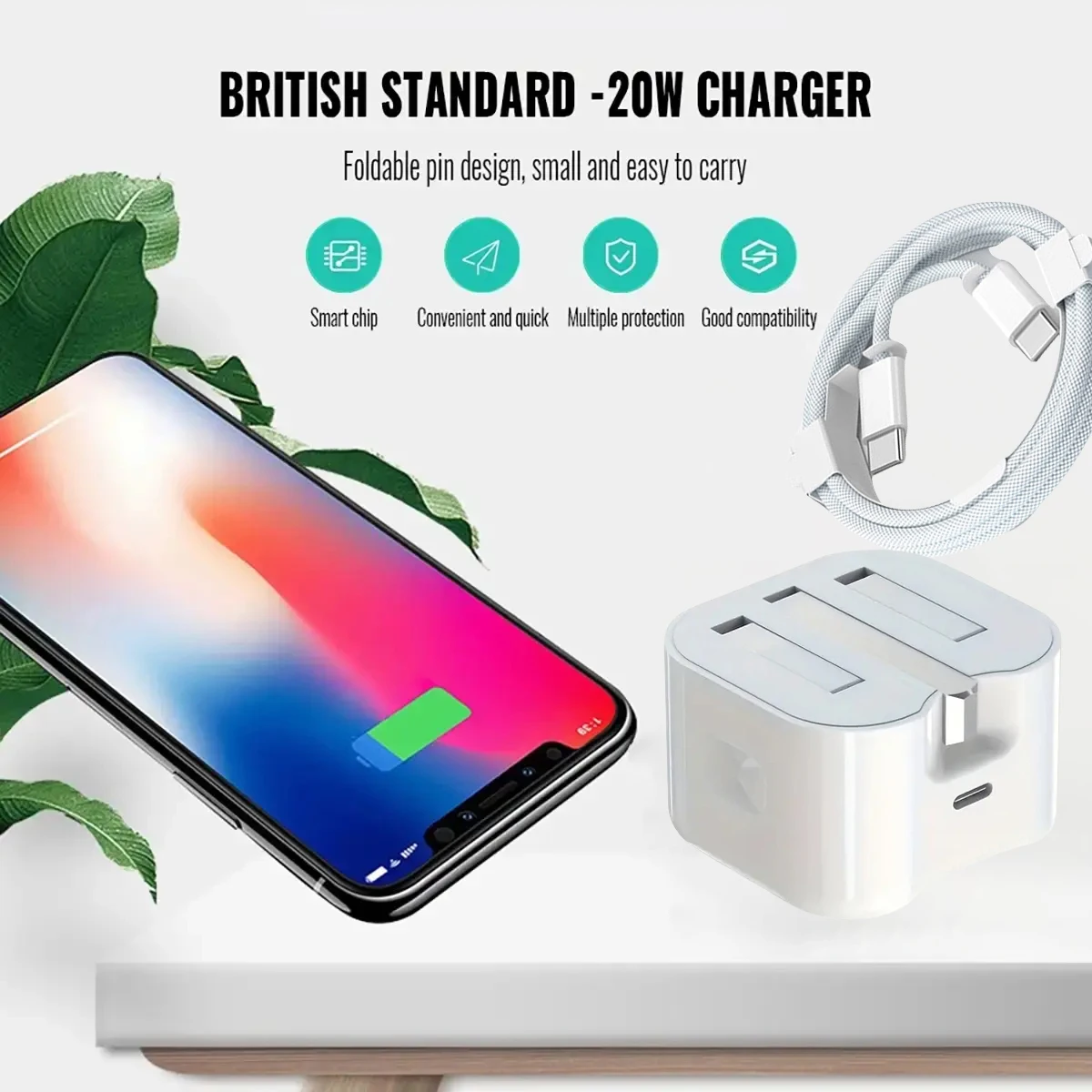
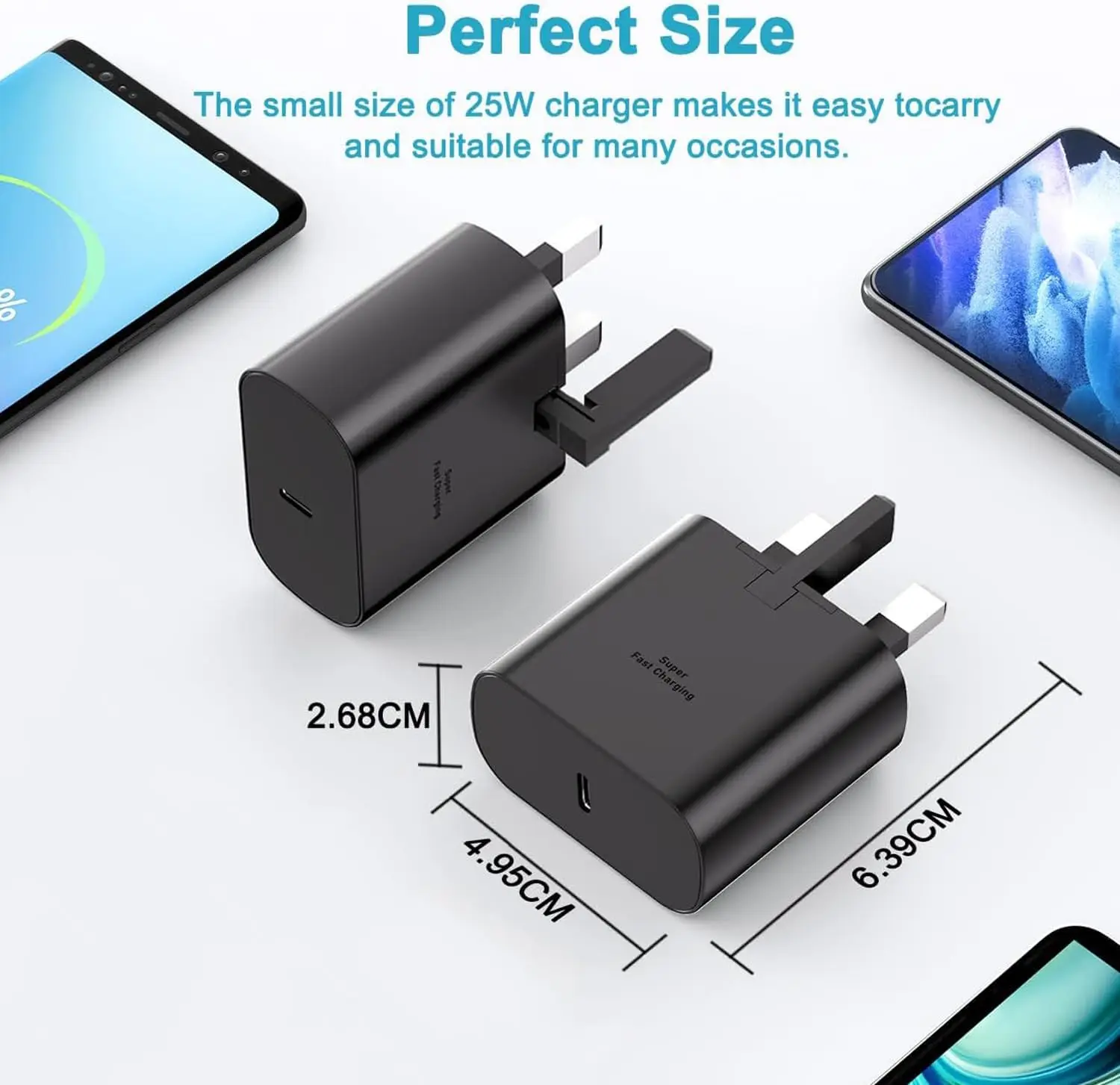
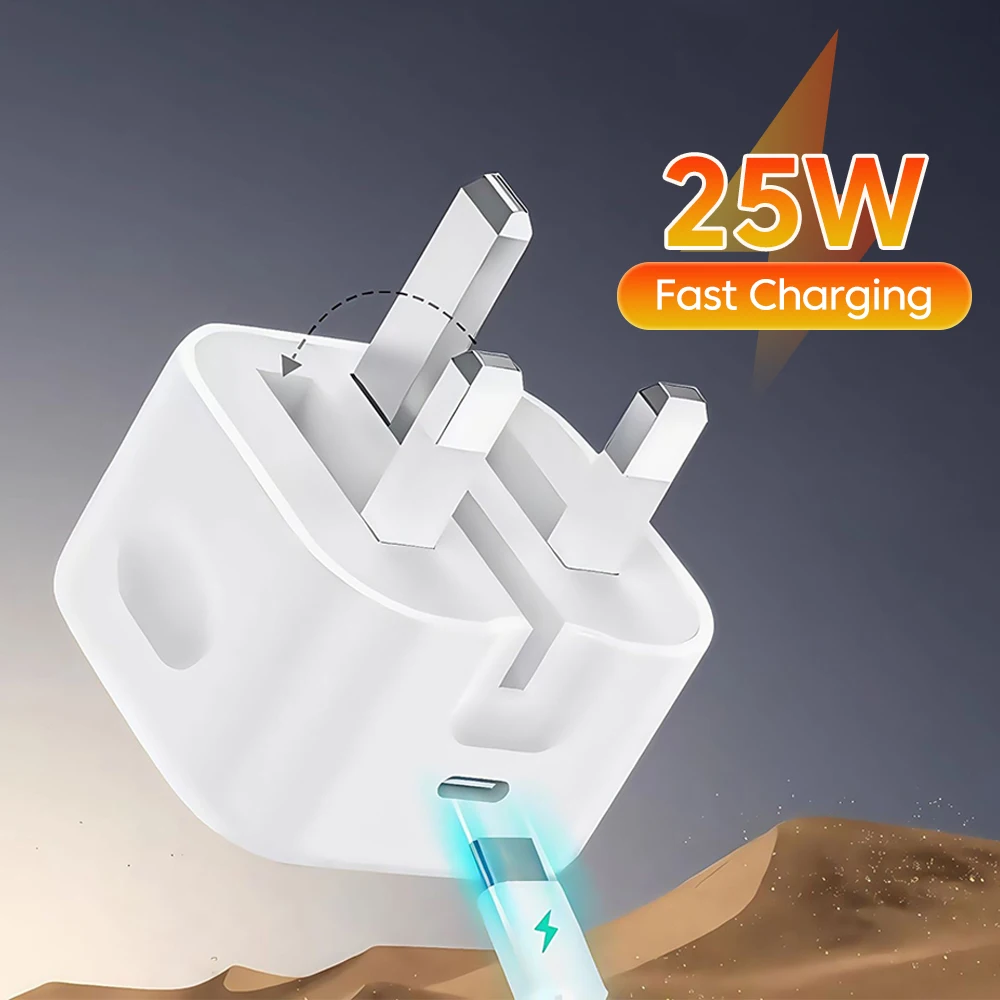
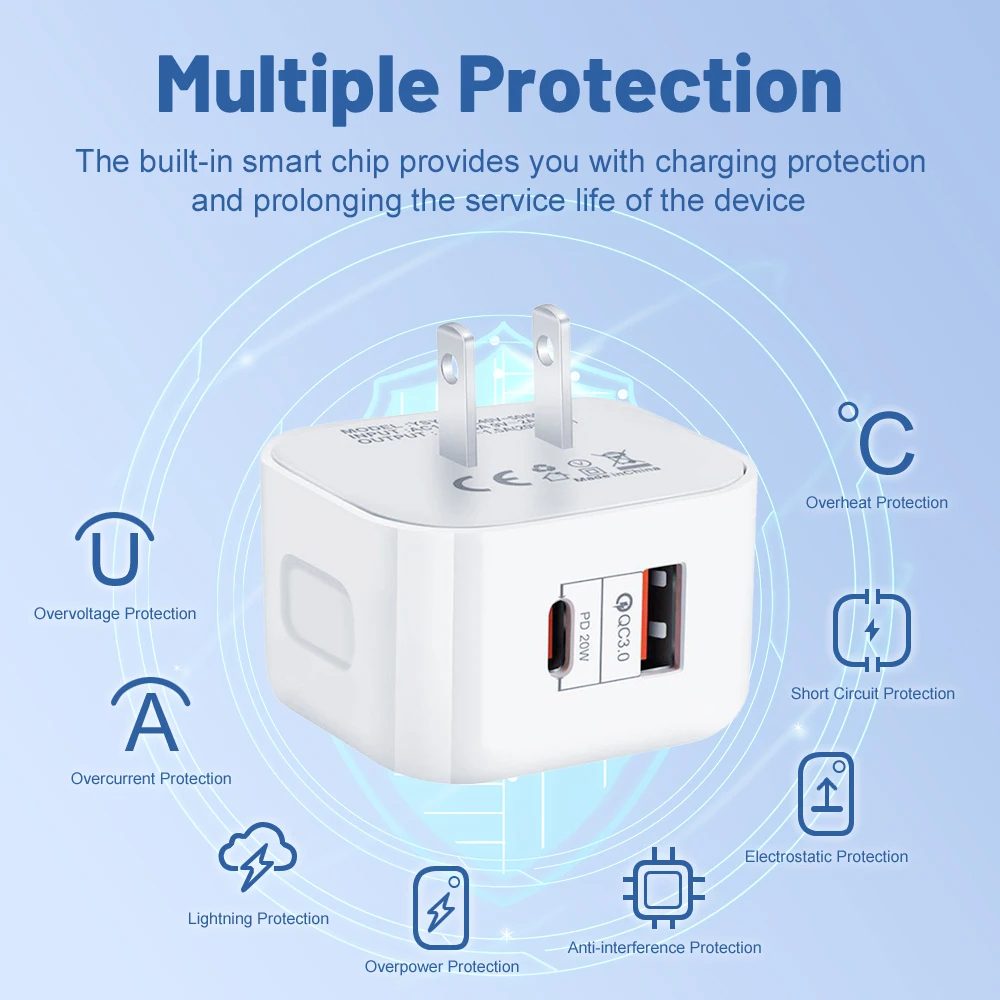
- Single USB-C chargers are the smallest and simplest. The ones here today are 20W with USB Power Delivery, the fast-charging standard used by most phone makers.
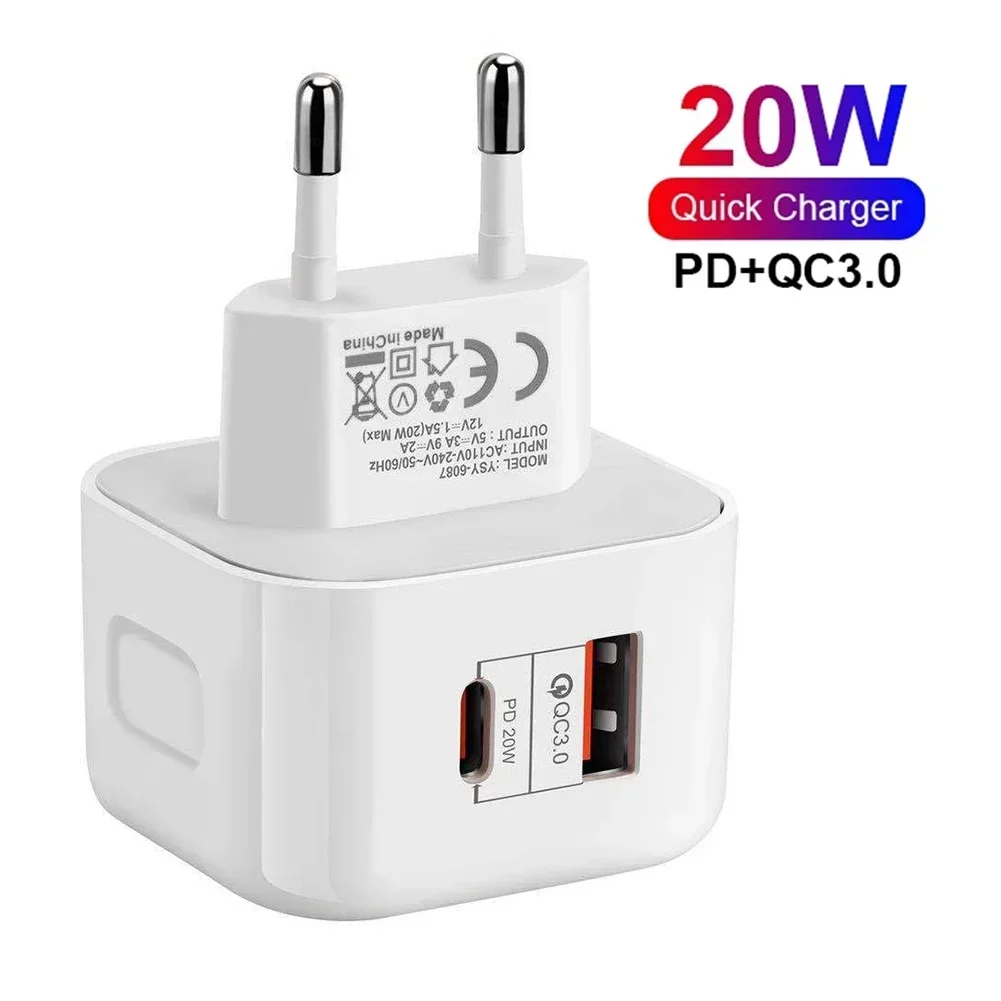
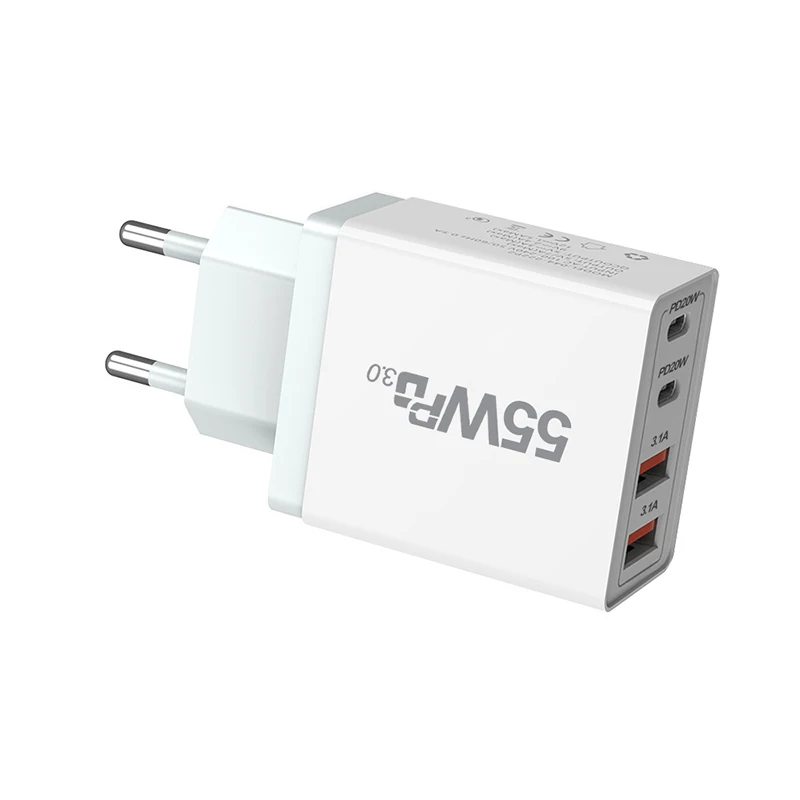
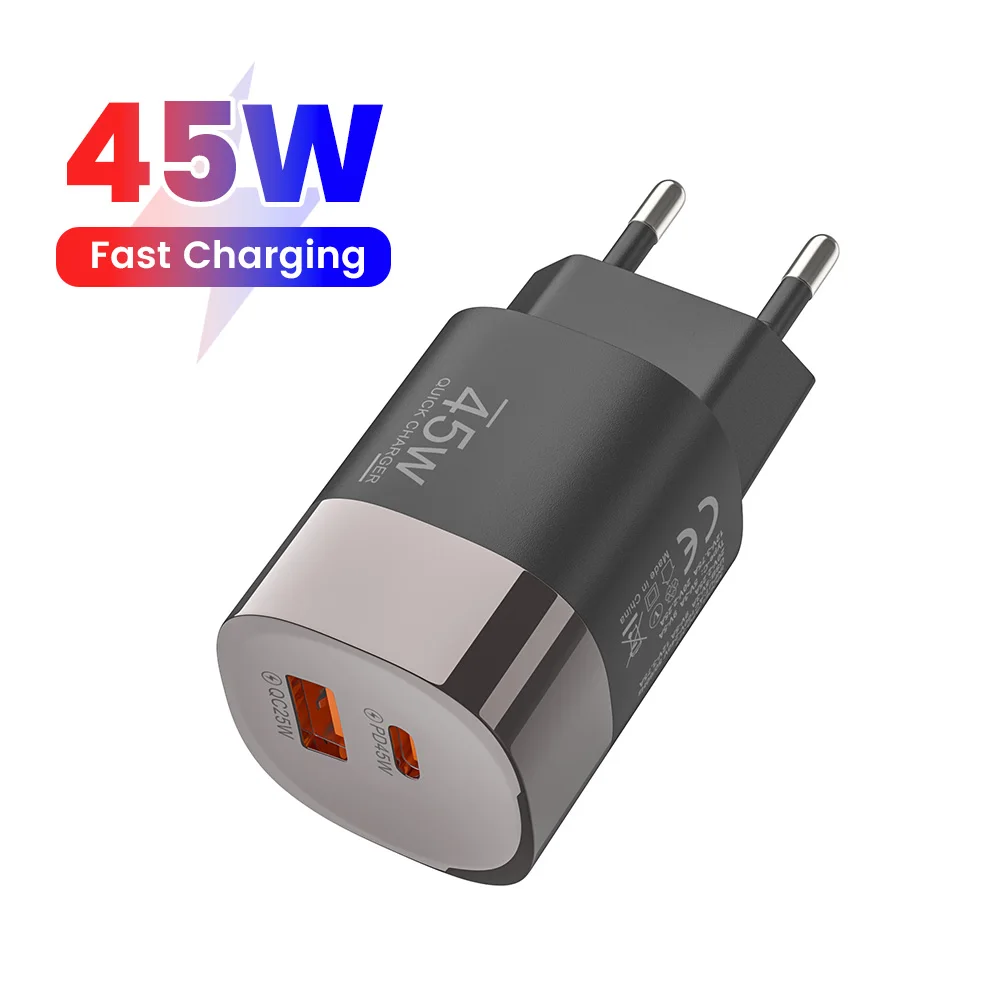
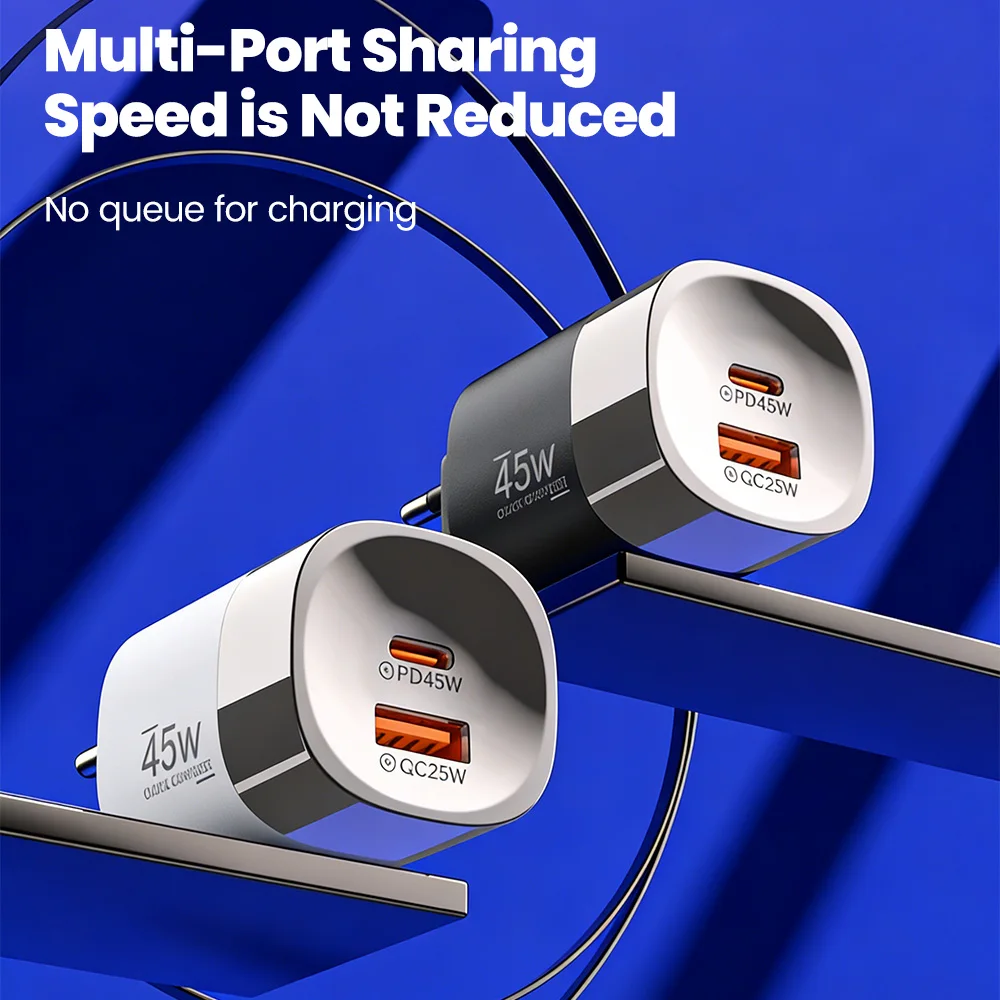
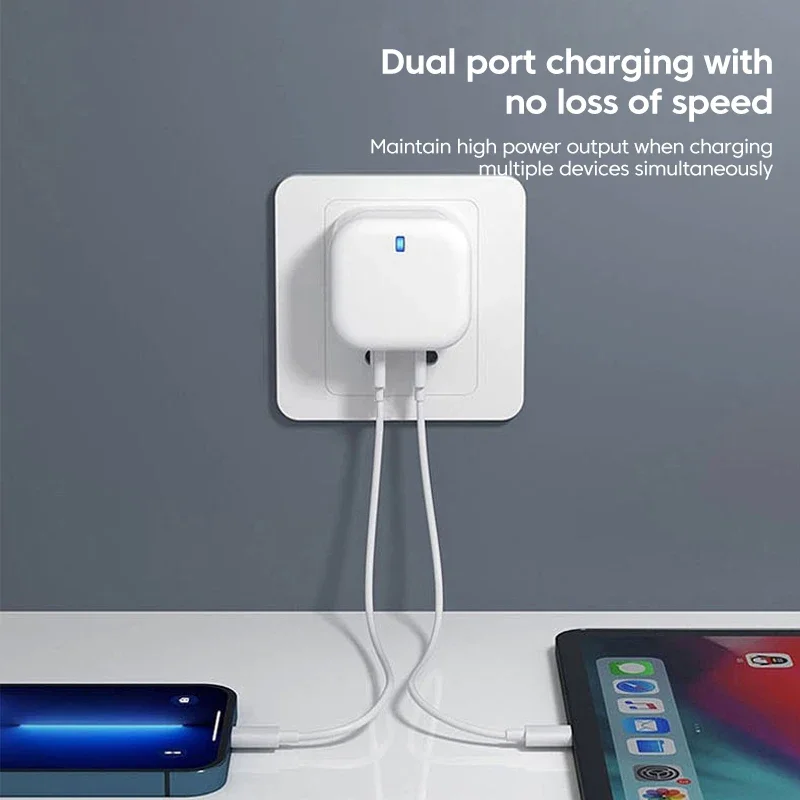
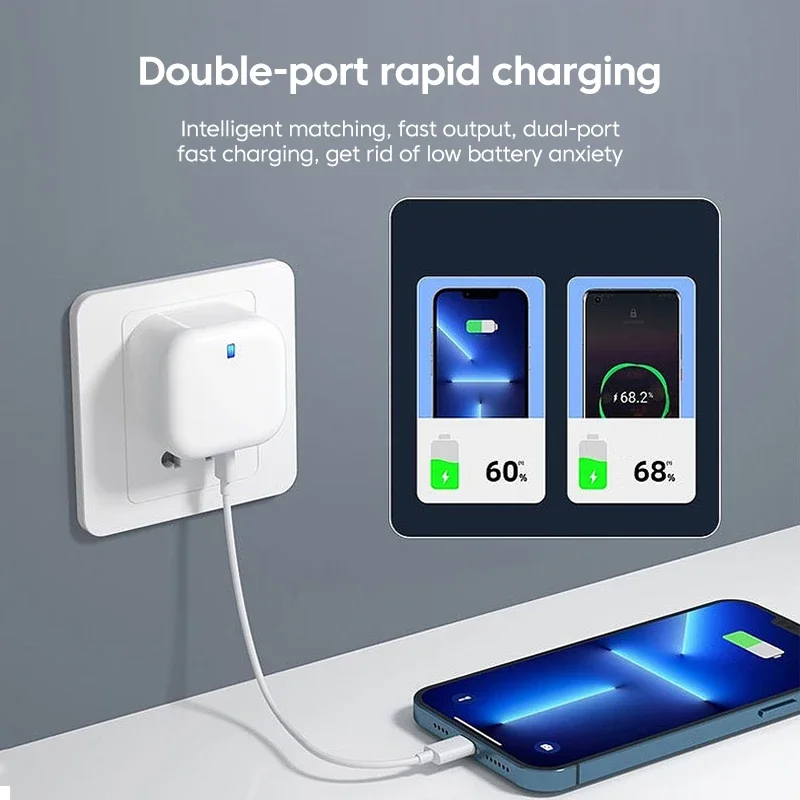
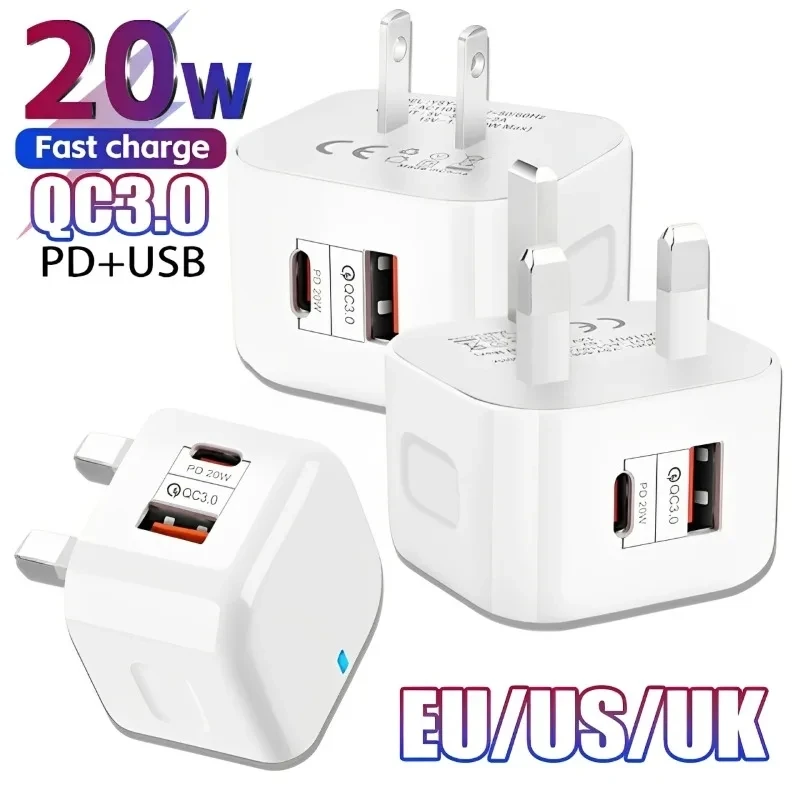
- Dual-port chargers have a USB-C socket and a USB-A socket, so a phone and a pair of earbuds or a watch charge from one plug. One here gives up to 20W from USB-C and up to 18W from USB-A with Quick Charge 3.0.
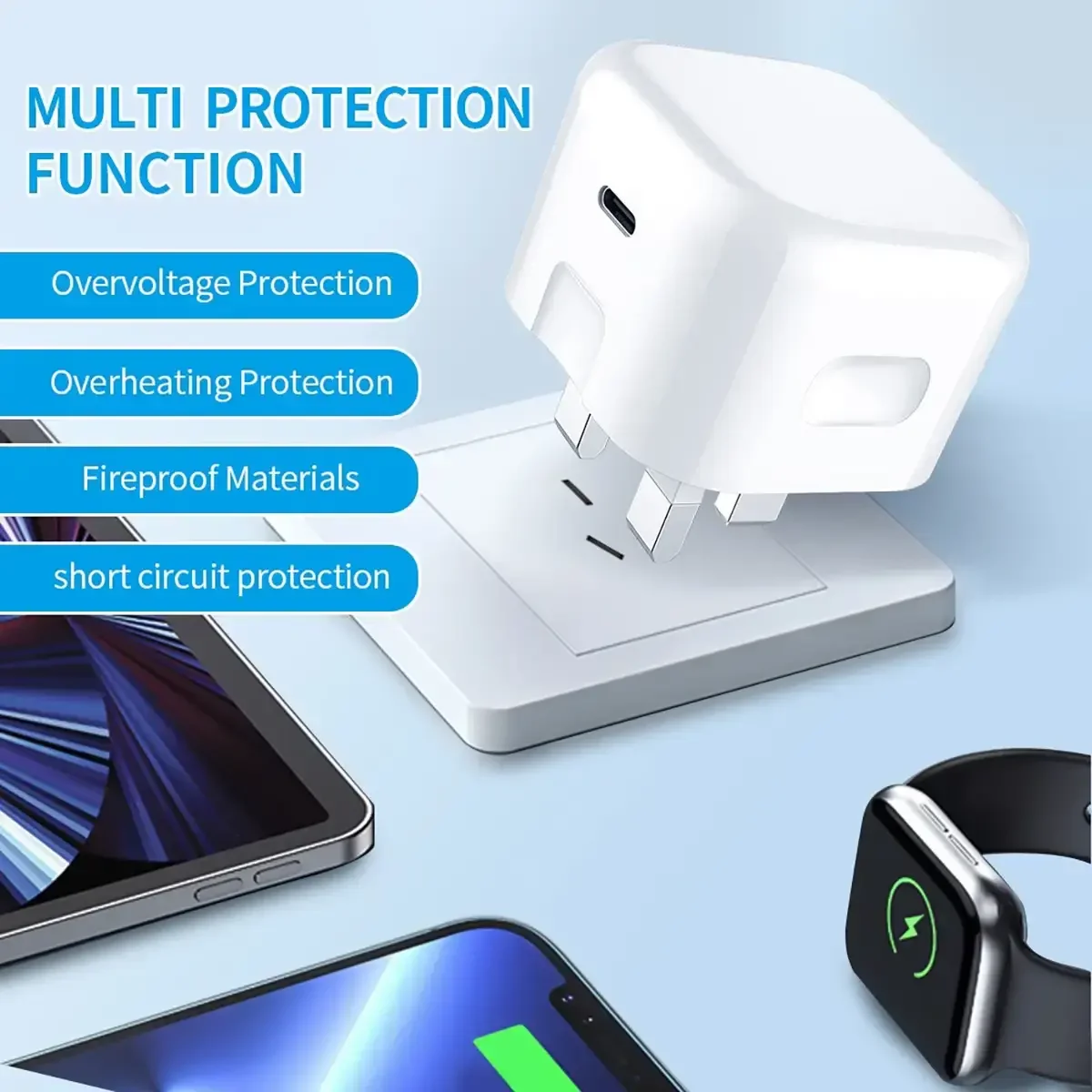
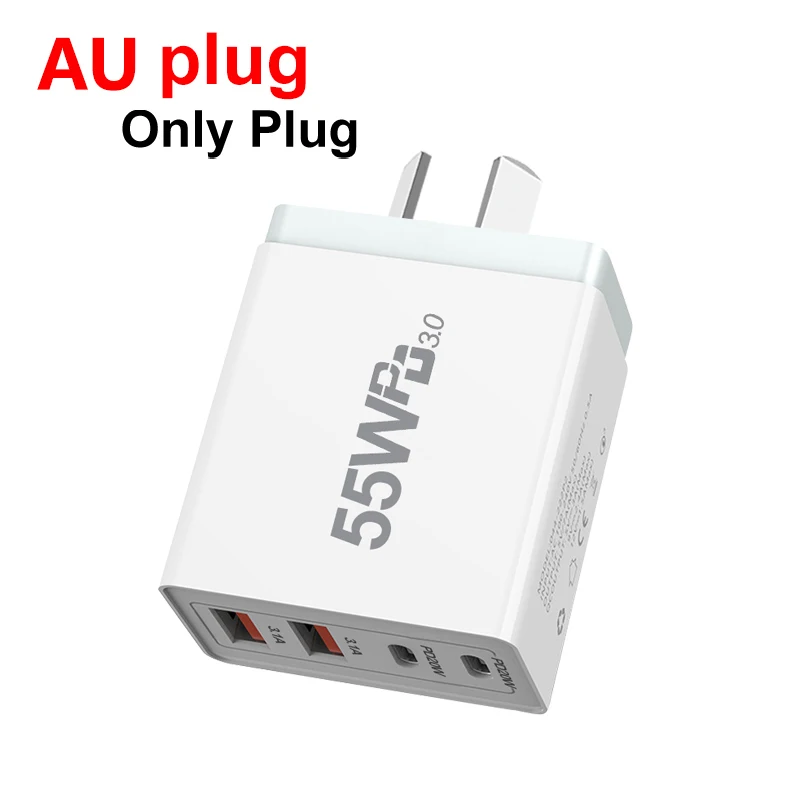
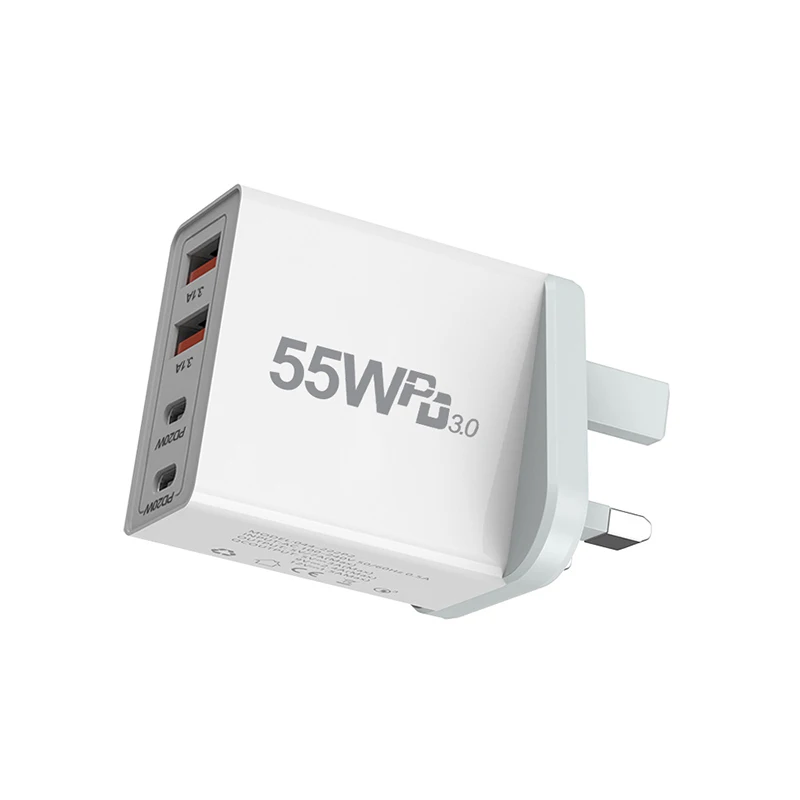
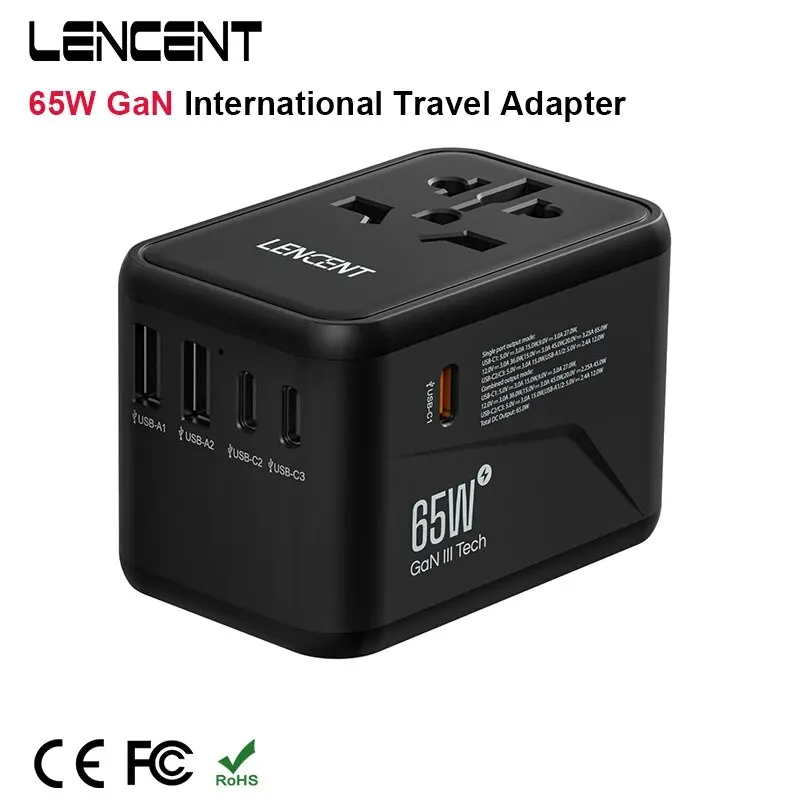
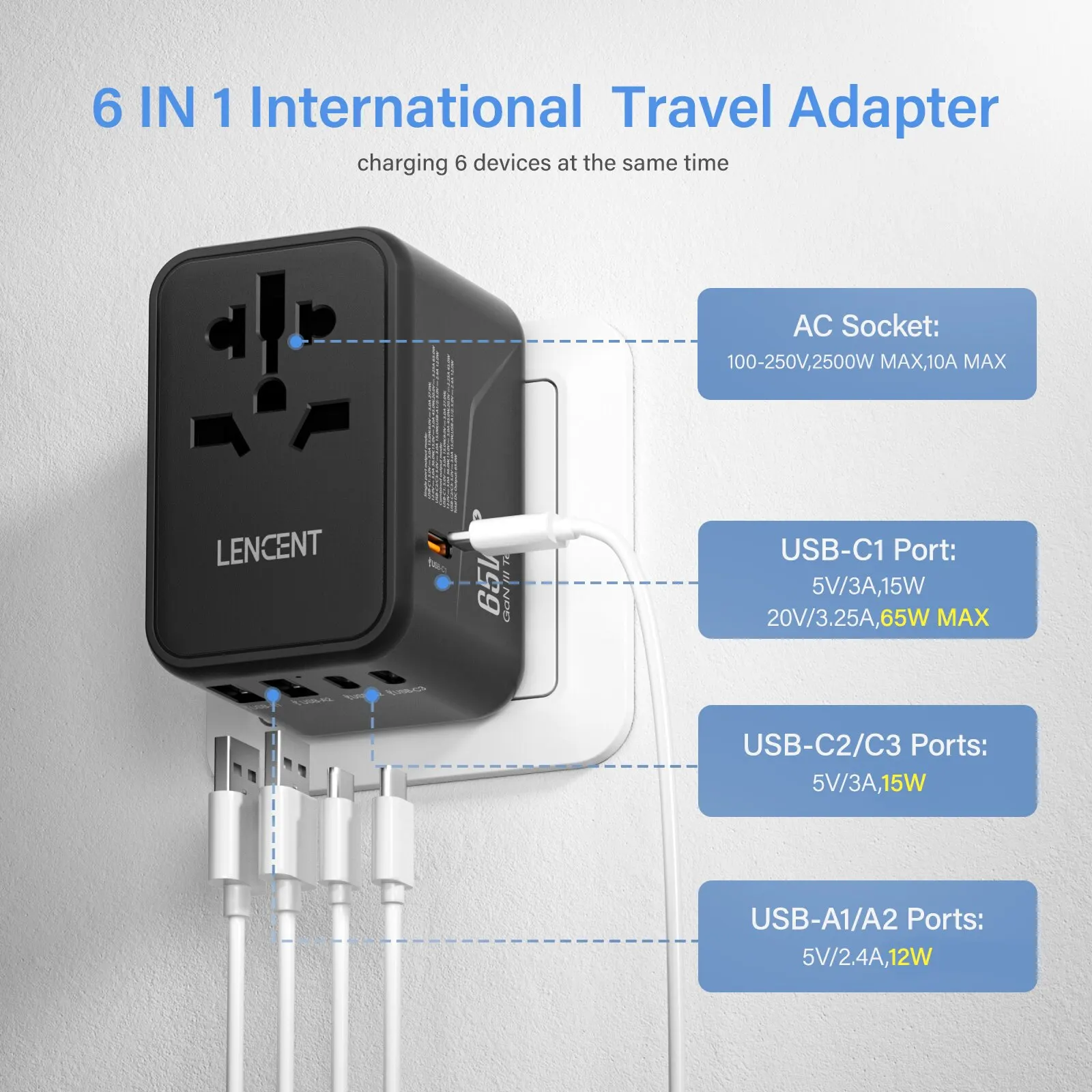
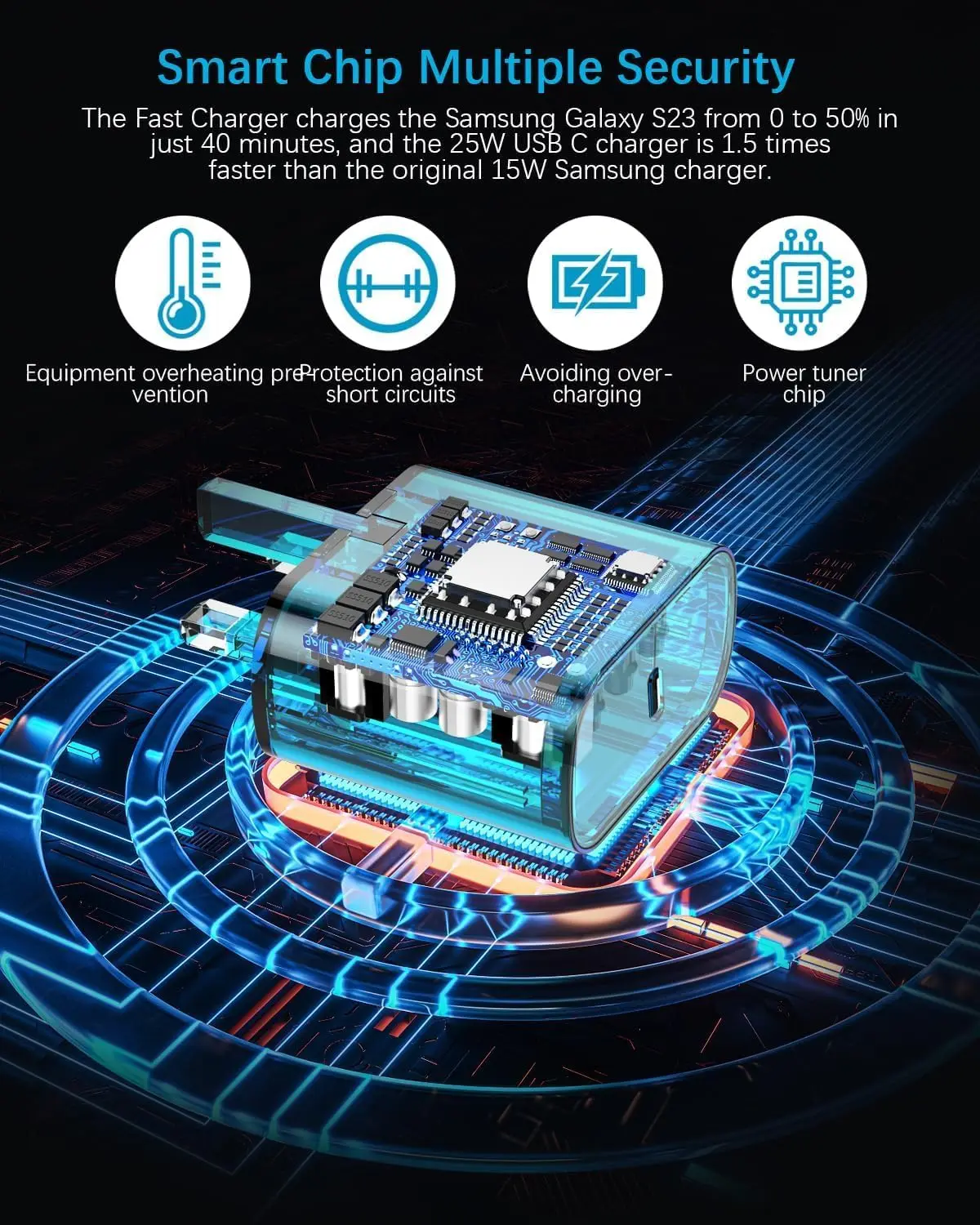
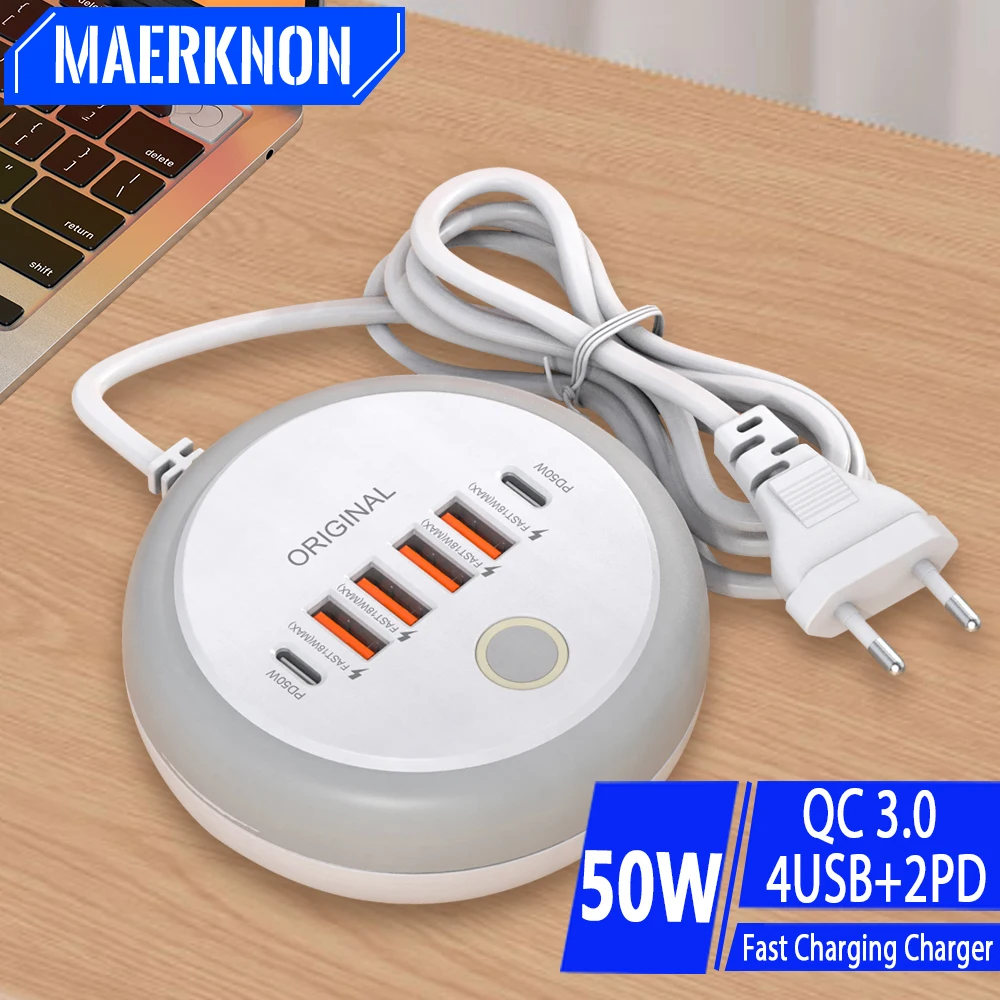
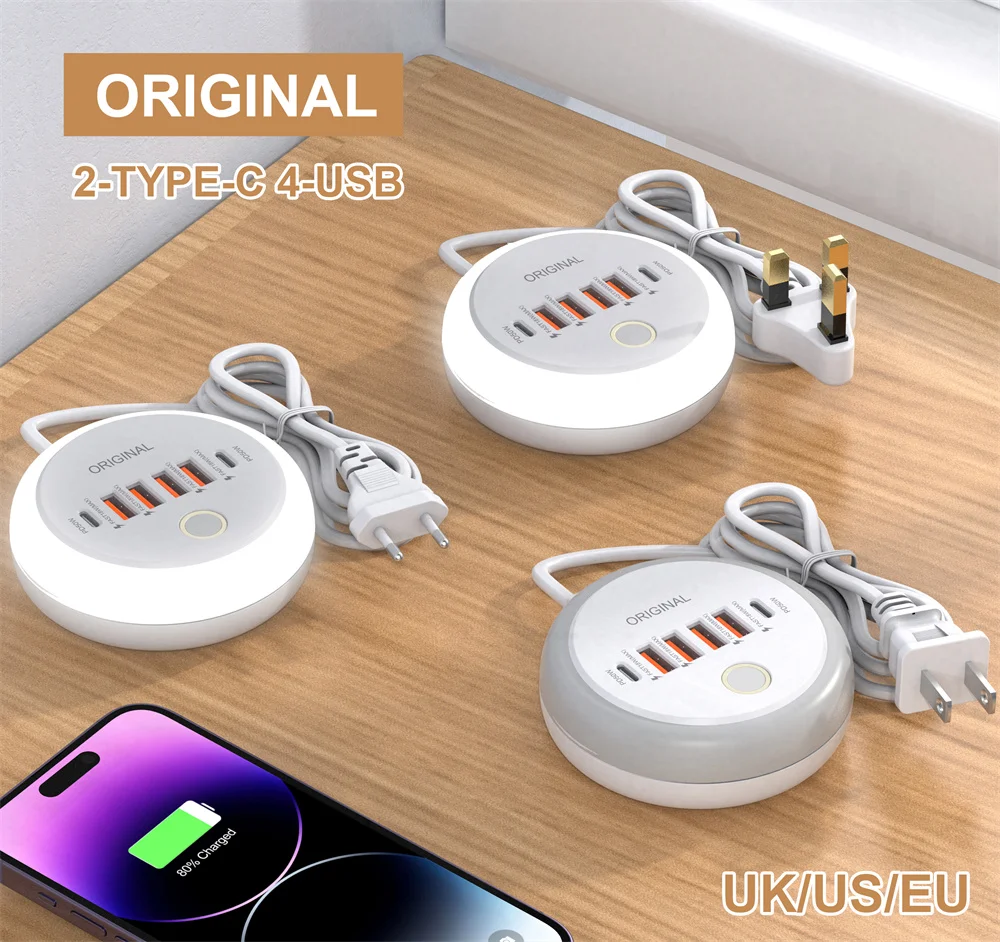
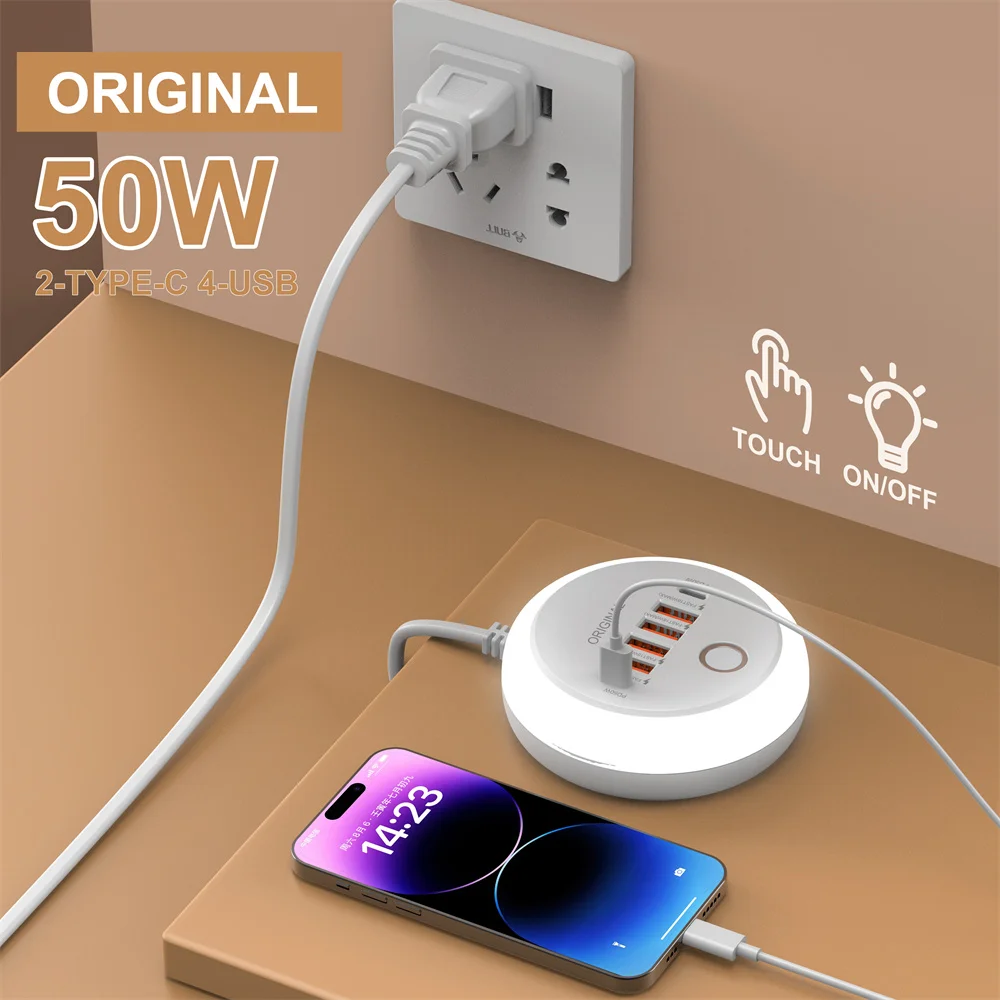
- Multi-port chargers put several sockets in one plug, for a bedside or a kitchen worktop where the whole household charges. One here has four USB-A and two USB-C sockets and 50W in all, in a flame-retardant case. That 50W is the total, shared between the sockets in use.
How to choose a wall charger
Start with the phone. Look for USB Power Delivery, often written PD, and the wattage. Apple asks for 18W or more with USB Power Delivery for fast charging on earlier iPhones and 20W for the iPhone 17e and iPhone Air, and quotes its fastest times for the iPhone 17, 17 Pro and 17 Pro Max with 40W or more. Galaxy phones reach their top speed on a USB PD charger that also supports PPS, at 25W or 45W depending on the model. A socket shaped like USB-C is not proof of fast charging on its own: the words to look for are PD or Power Delivery and the watts. Chargers are also filed by power in up to 20W and 20W to 45W.
Then count what charges in the same place and pick the sockets to match, and check the cable: a USB-C to USB-C cable carries fast charging end to end. The guide to fast charging explains the labels.
Questions people ask about wall chargers
Will a bigger charger damage my phone?
No. The number on a charger is a ceiling. The phone and charger agree a speed between them, and the phone takes only what it can use.
How do I tell a safe charger from a poor one?
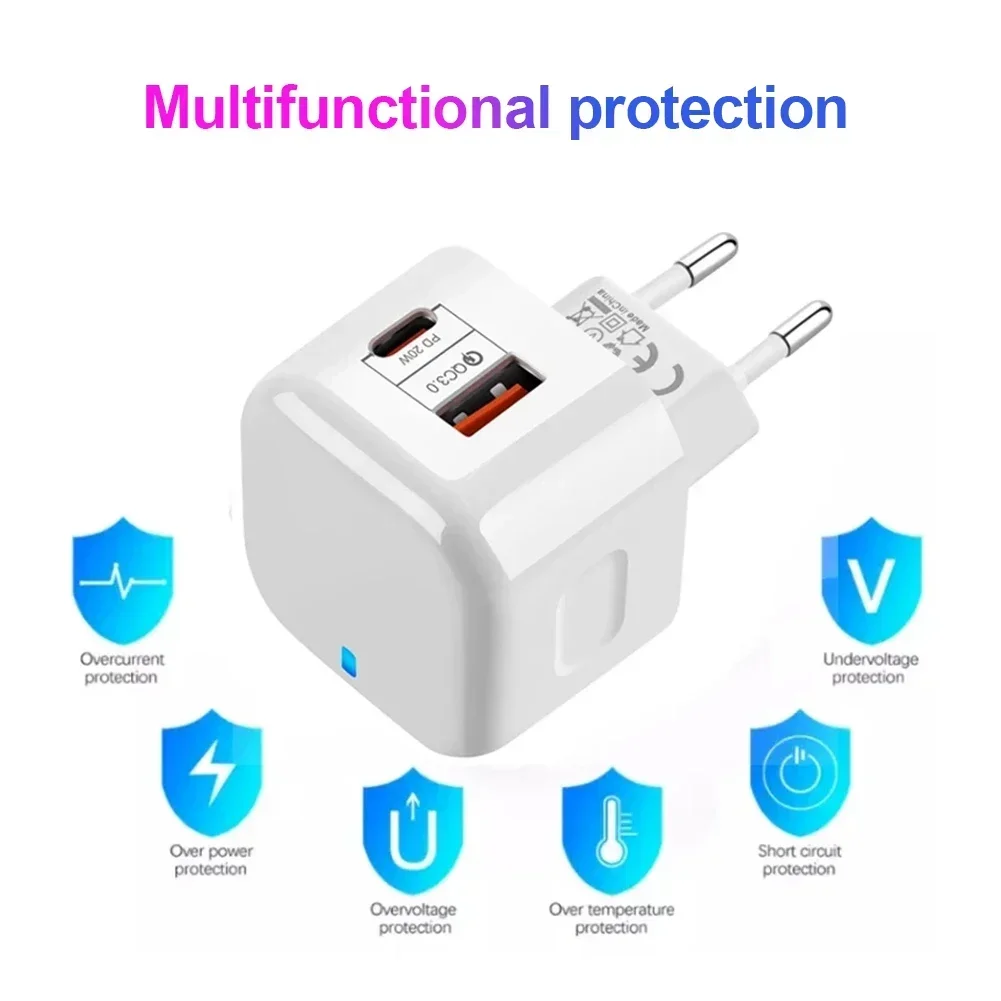
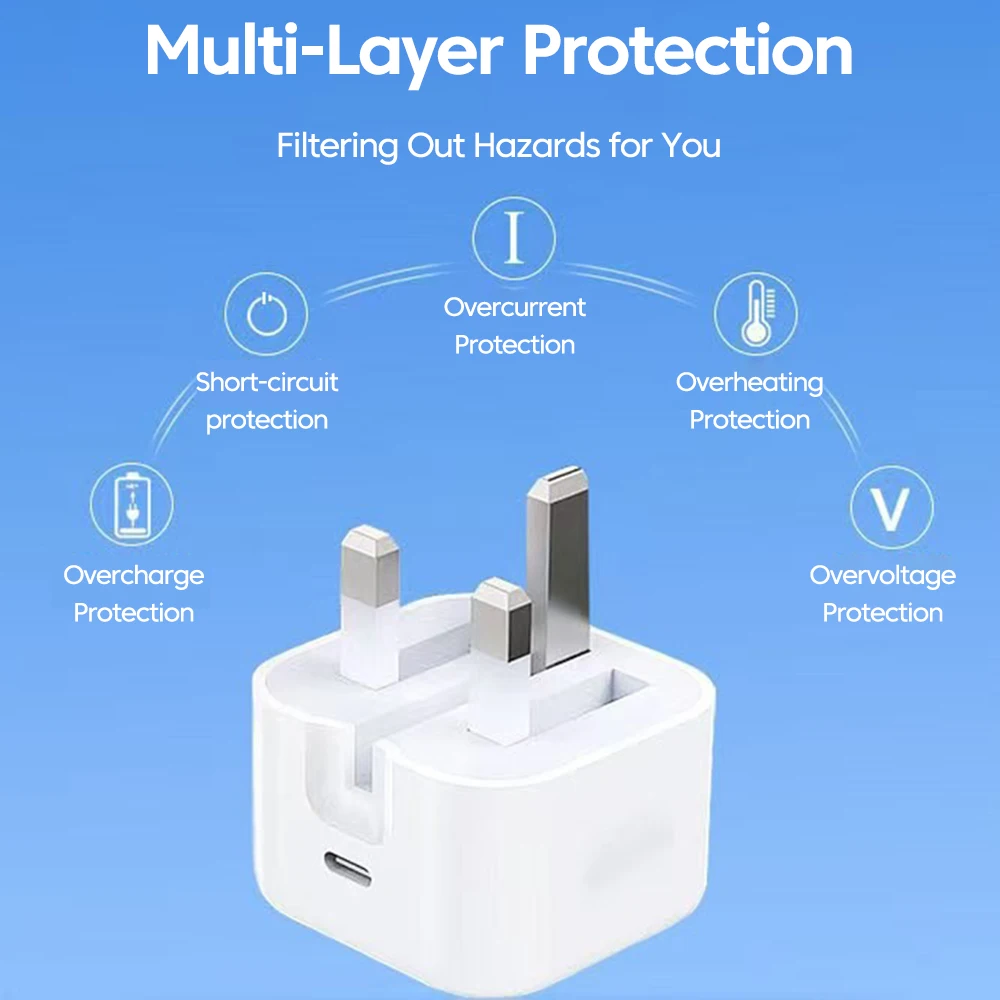
Look for a brand, a model number, a UKCA or CE mark, a name and address, and the output in volts and amps. There should be at least 9.5mm between the pins and the edge of the charger, and it should slide into a socket without force. Stop using any charger that smells odd, buzzes, sparks or gets too hot. The guide to choosing a safe phone charger goes through it.
Can I use a UK charger abroad?
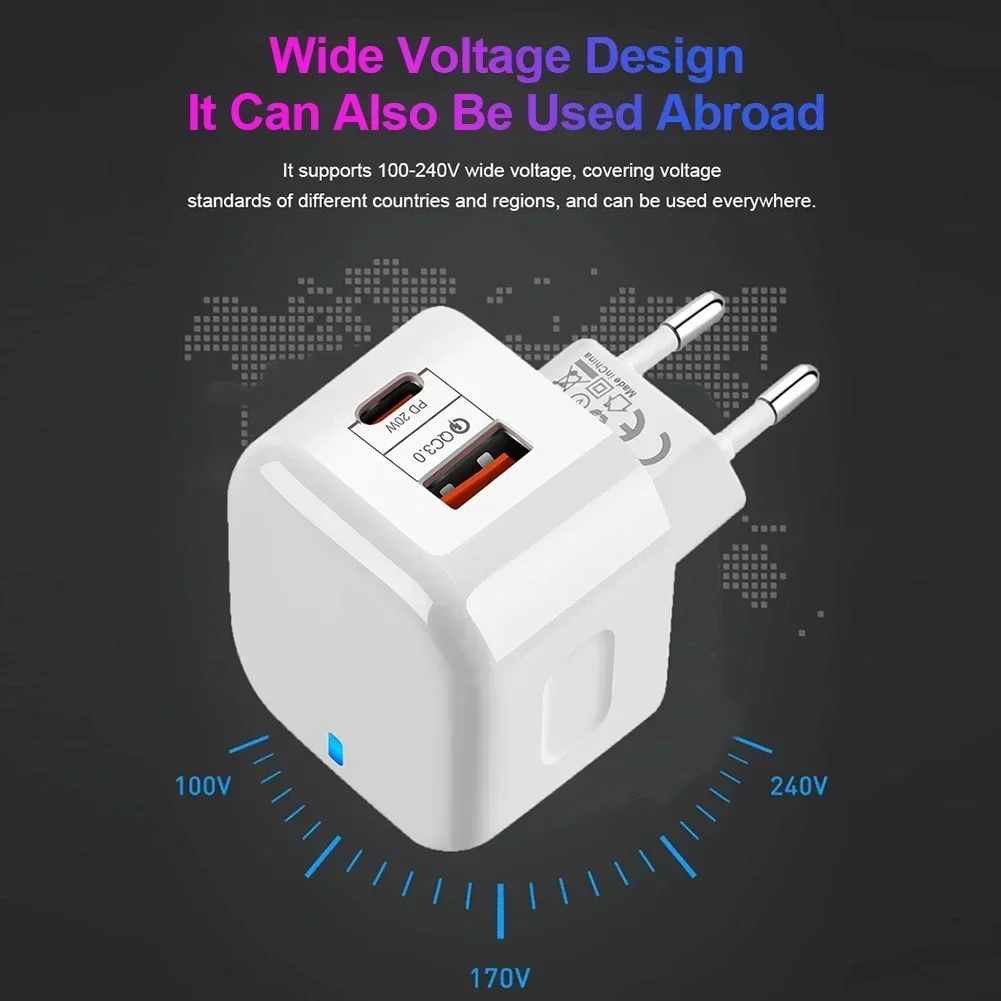
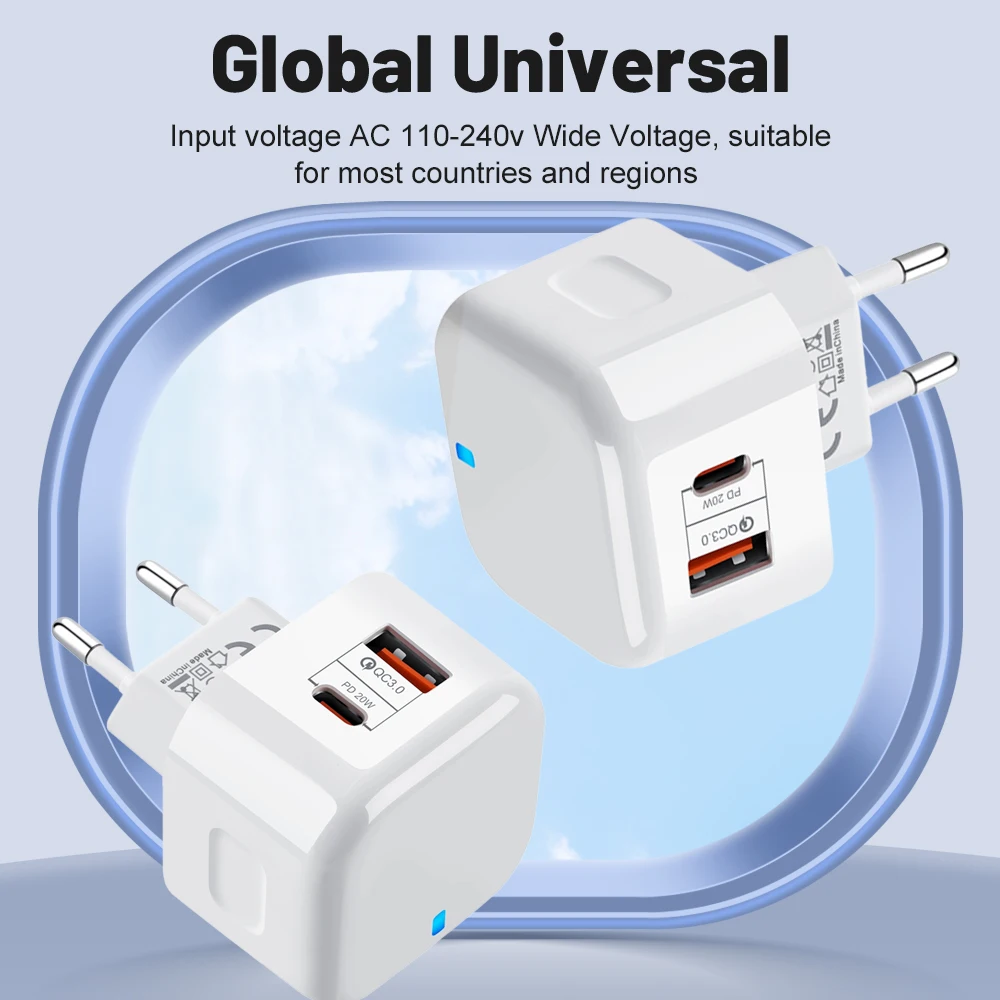
Check the input printed on it. One marked 100-240V works in most countries with a simple plug adapter.
How long does delivery take?
Delivery is included in every price and tracked to your door. Each product page says when it usually arrives.
More to look at