Two plugs to choose, not one
Every charging cable has a plug at each end: one for the phone, and one for whatever it plugs into, whether a wall charger, a car charger, a laptop or a power bank. Most cables that are bought wrongly are wrong at one of those two ends. So before anything else, look at the phone's socket and then at the charger's. The cables here are sorted first by the plugs at each end, then by how they are built and how long they are.
By the plugs at each end
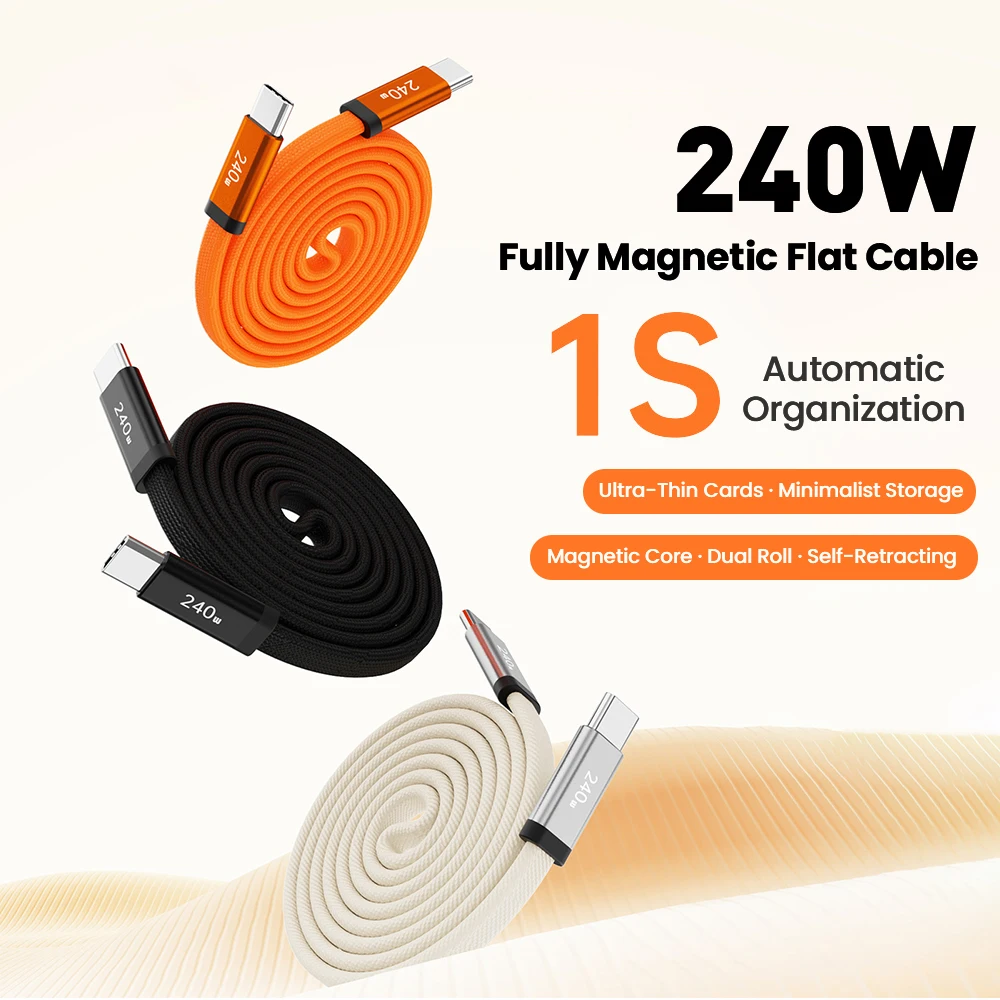
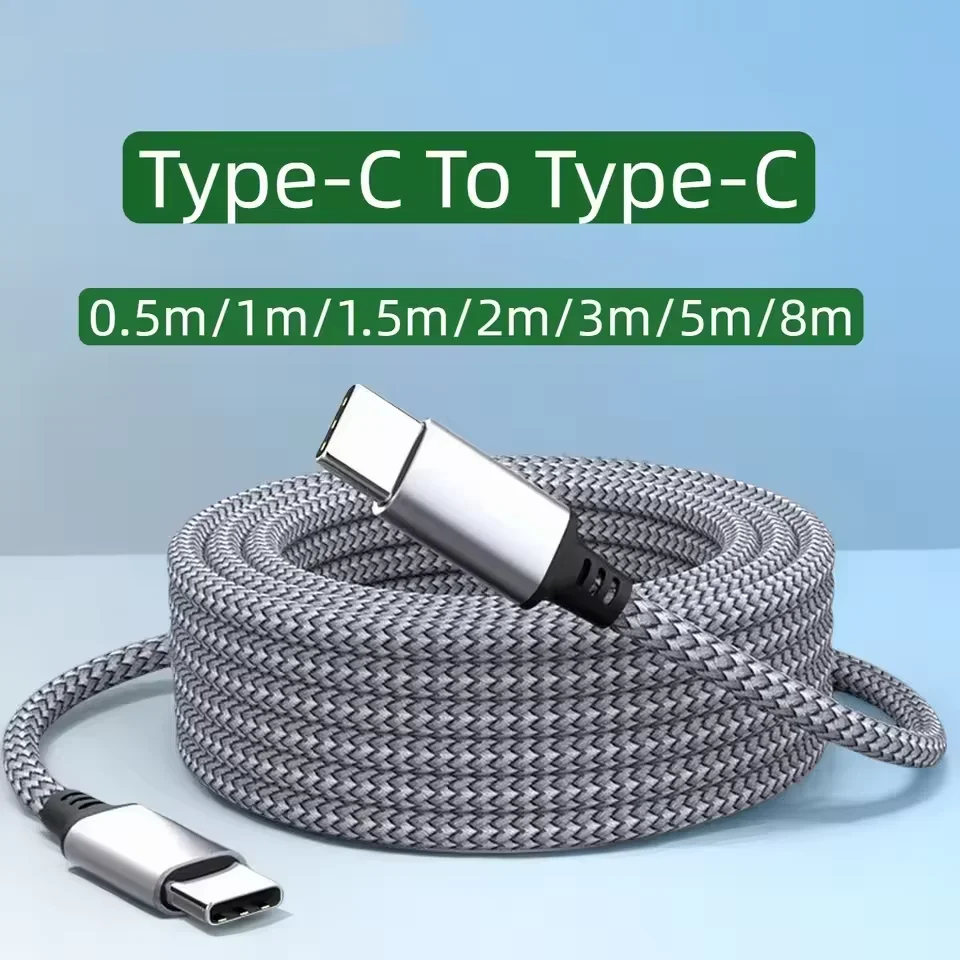
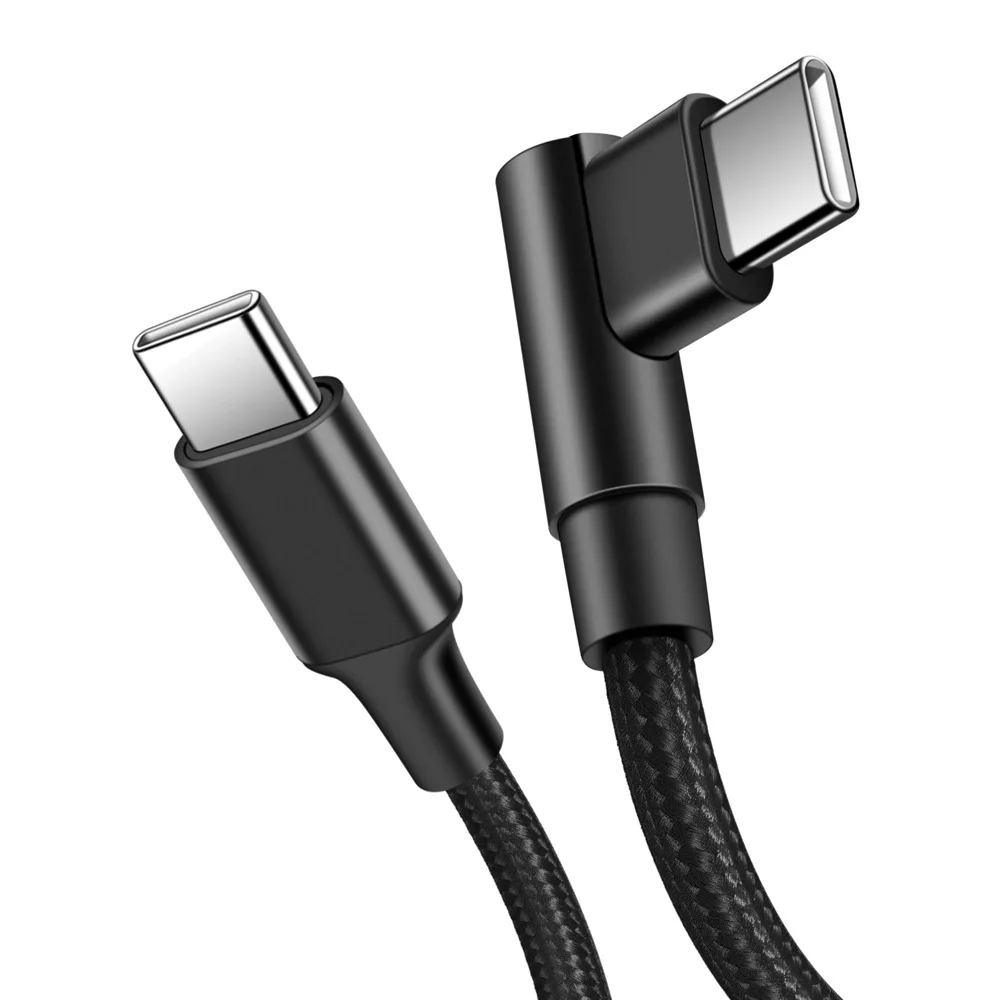
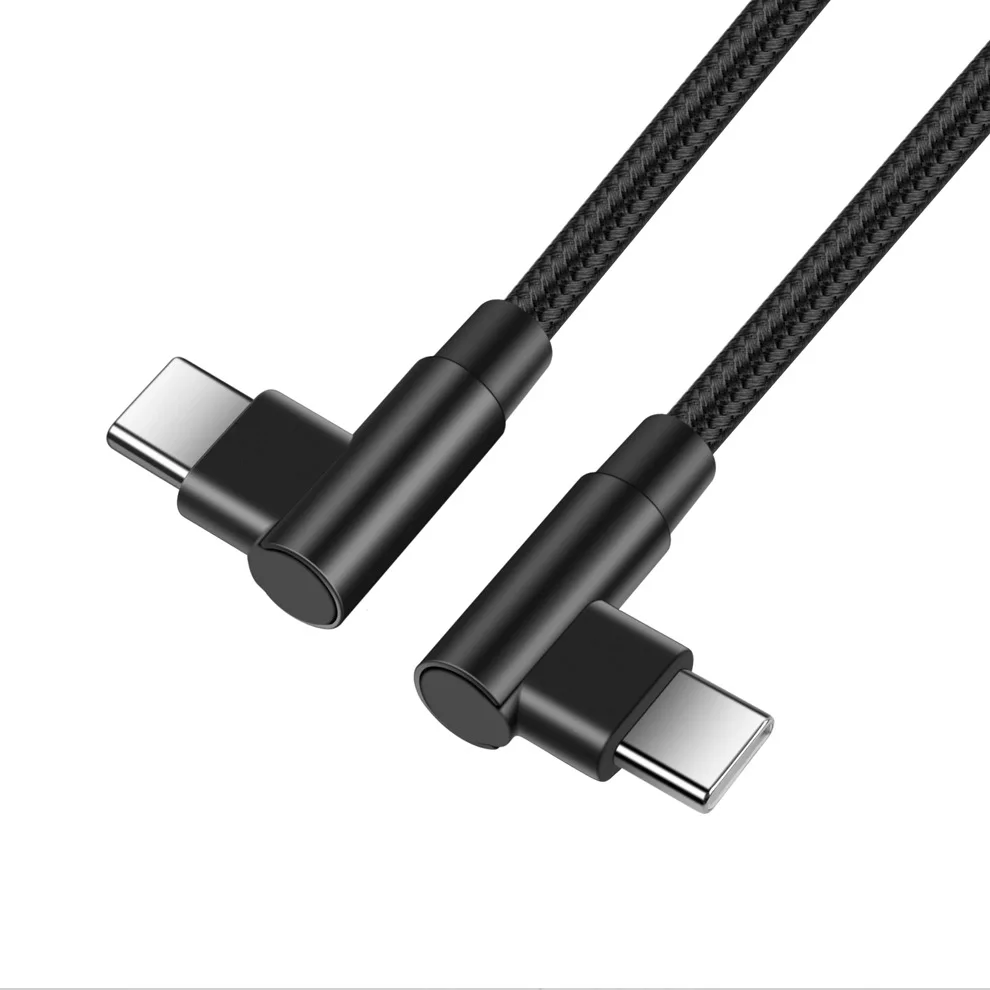
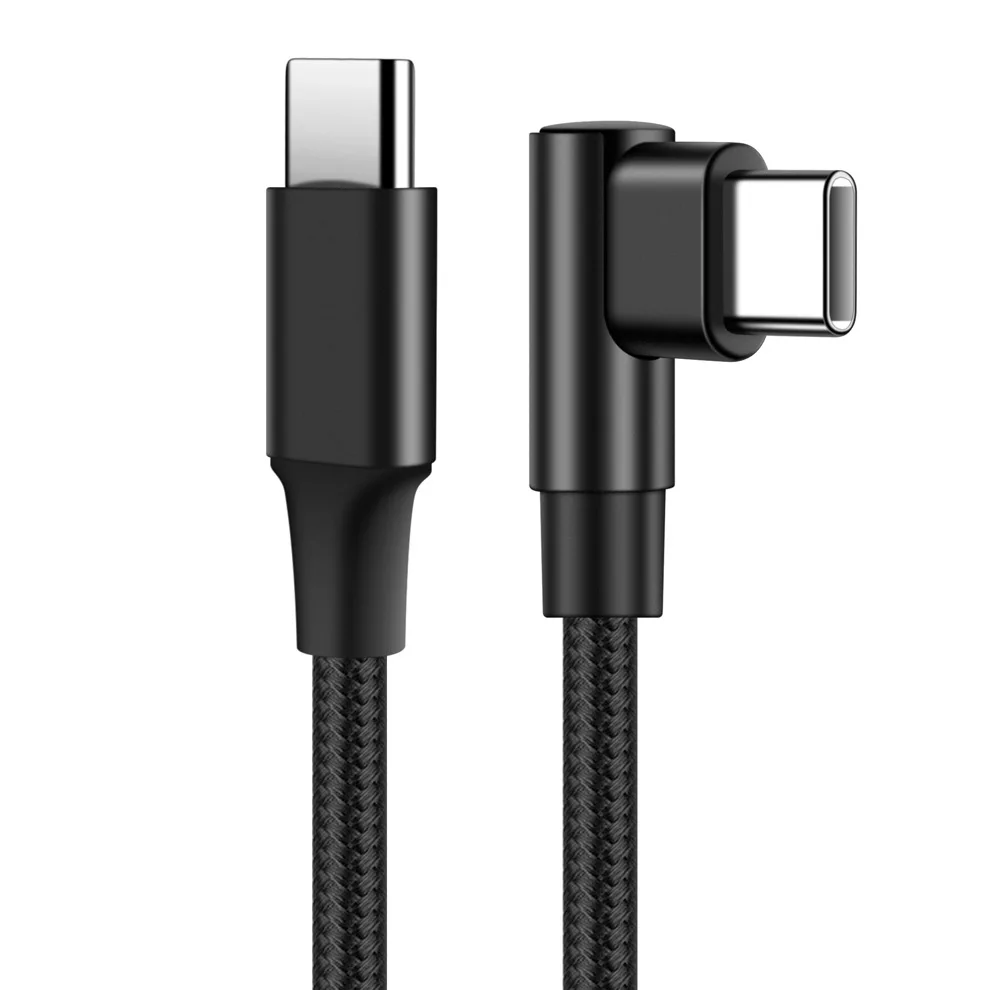
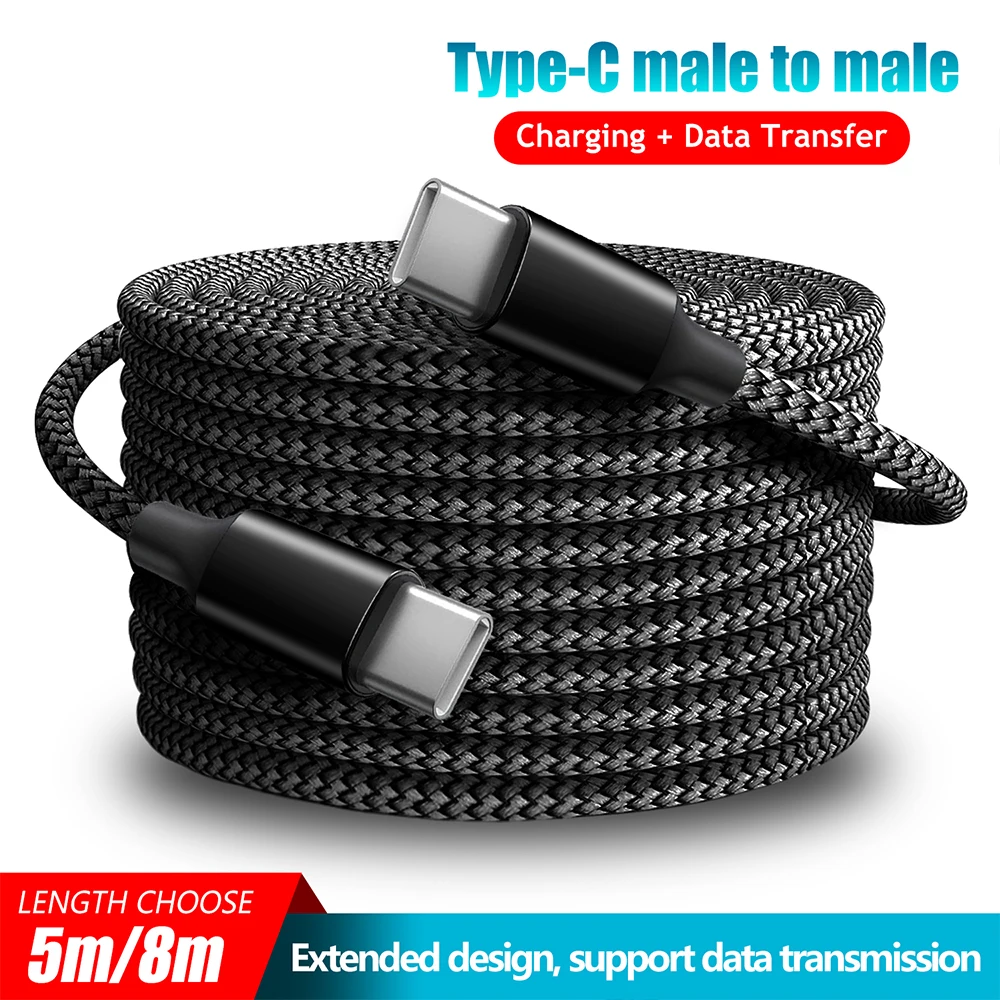
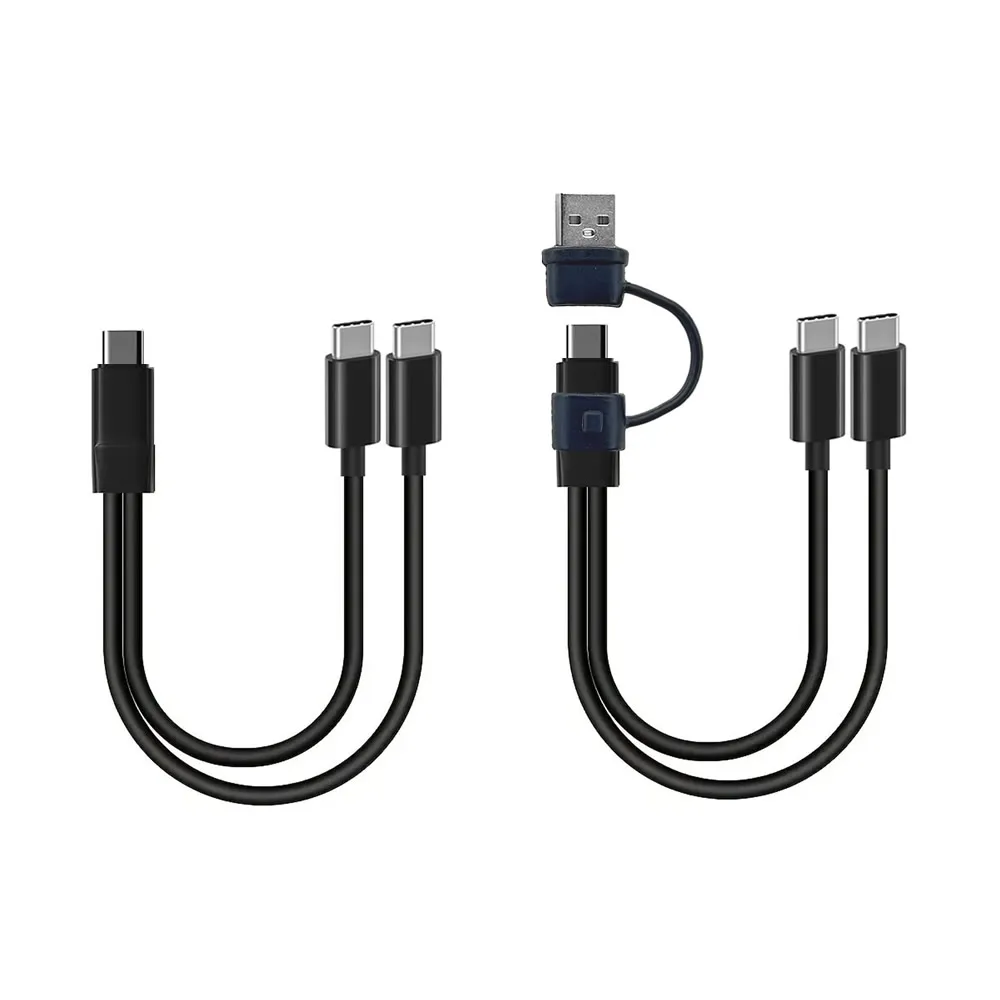
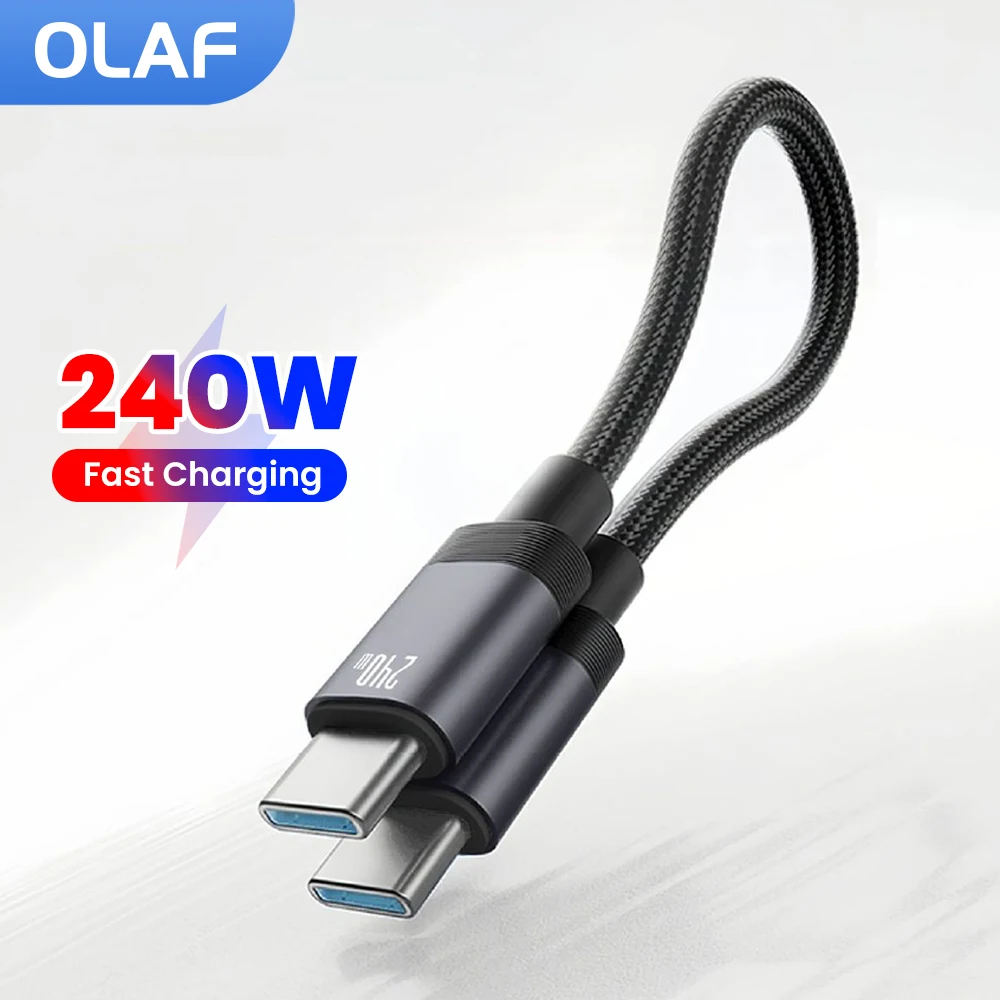
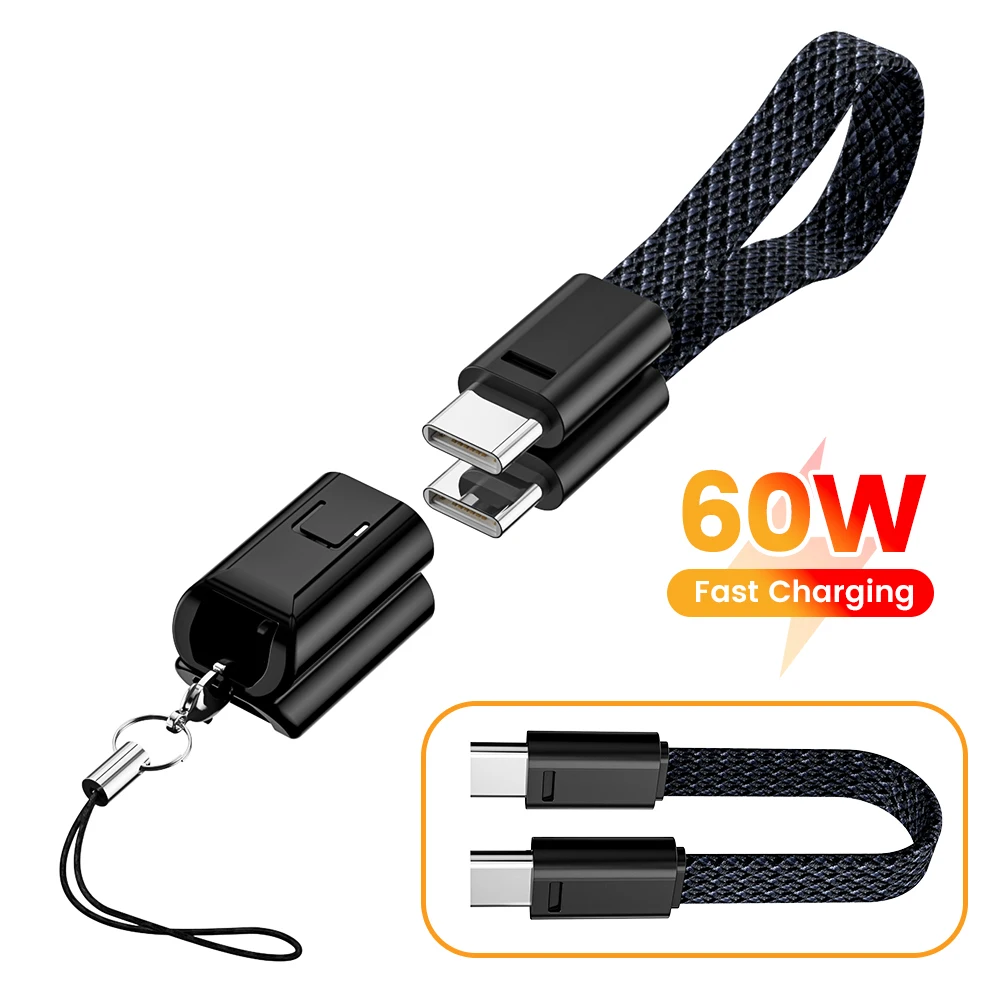
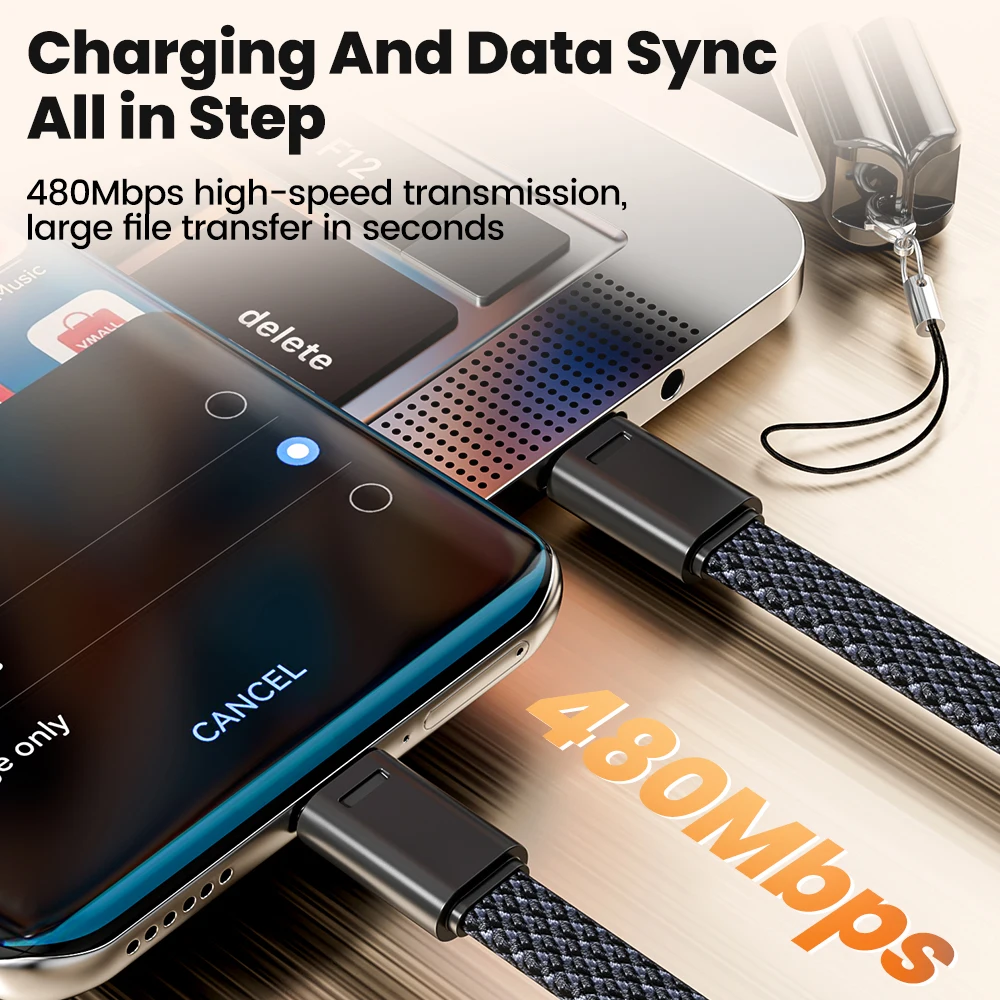
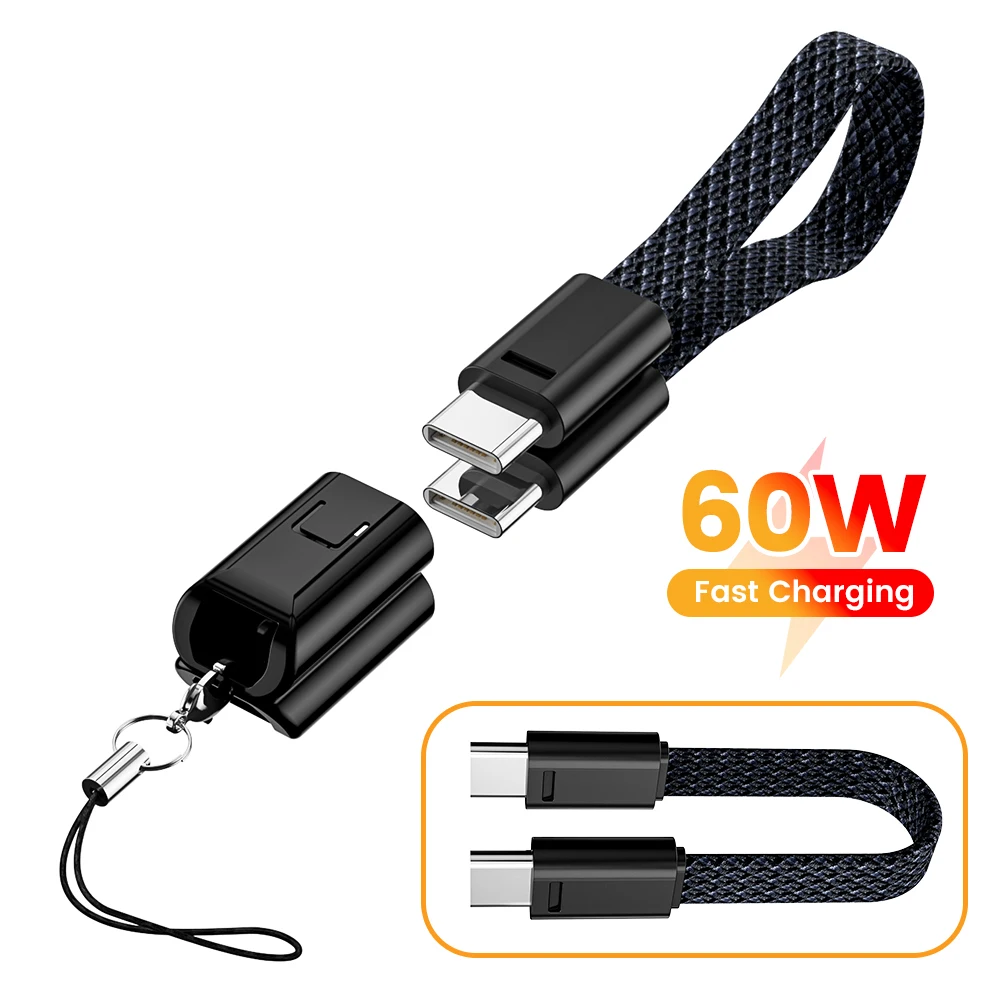
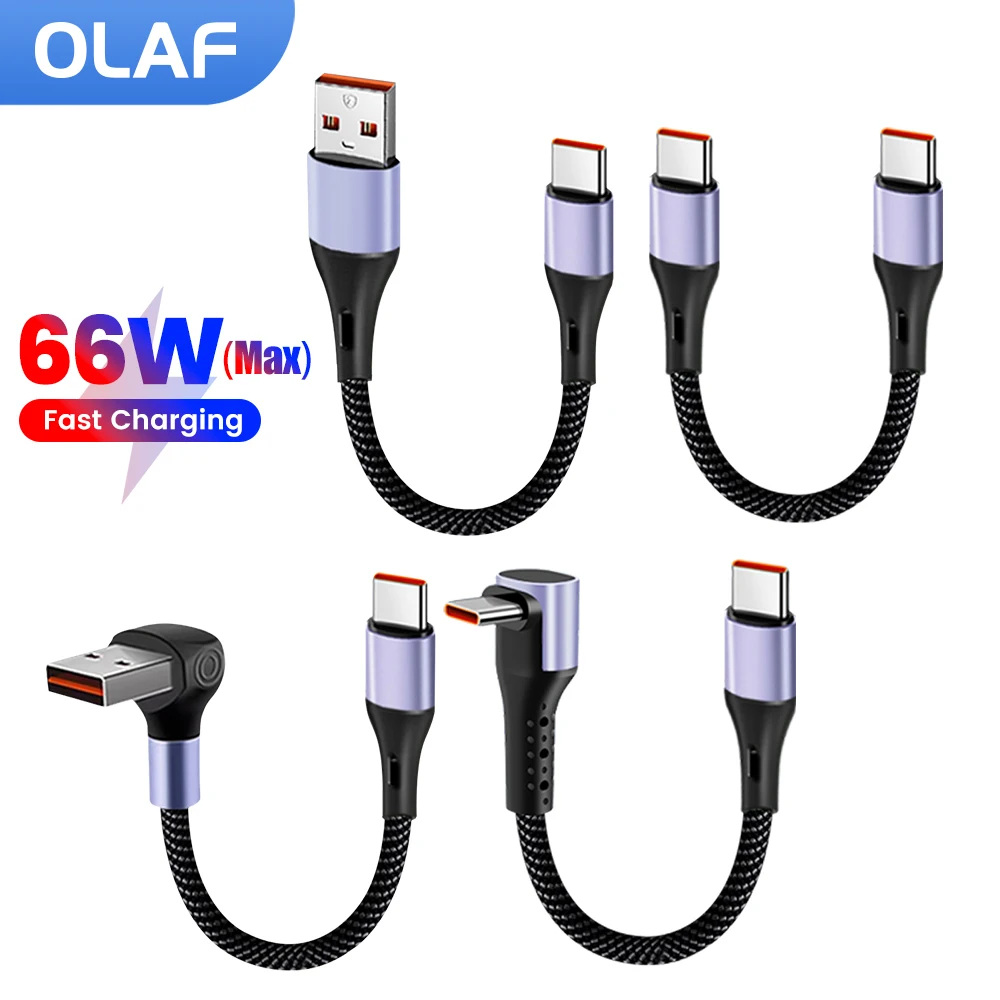
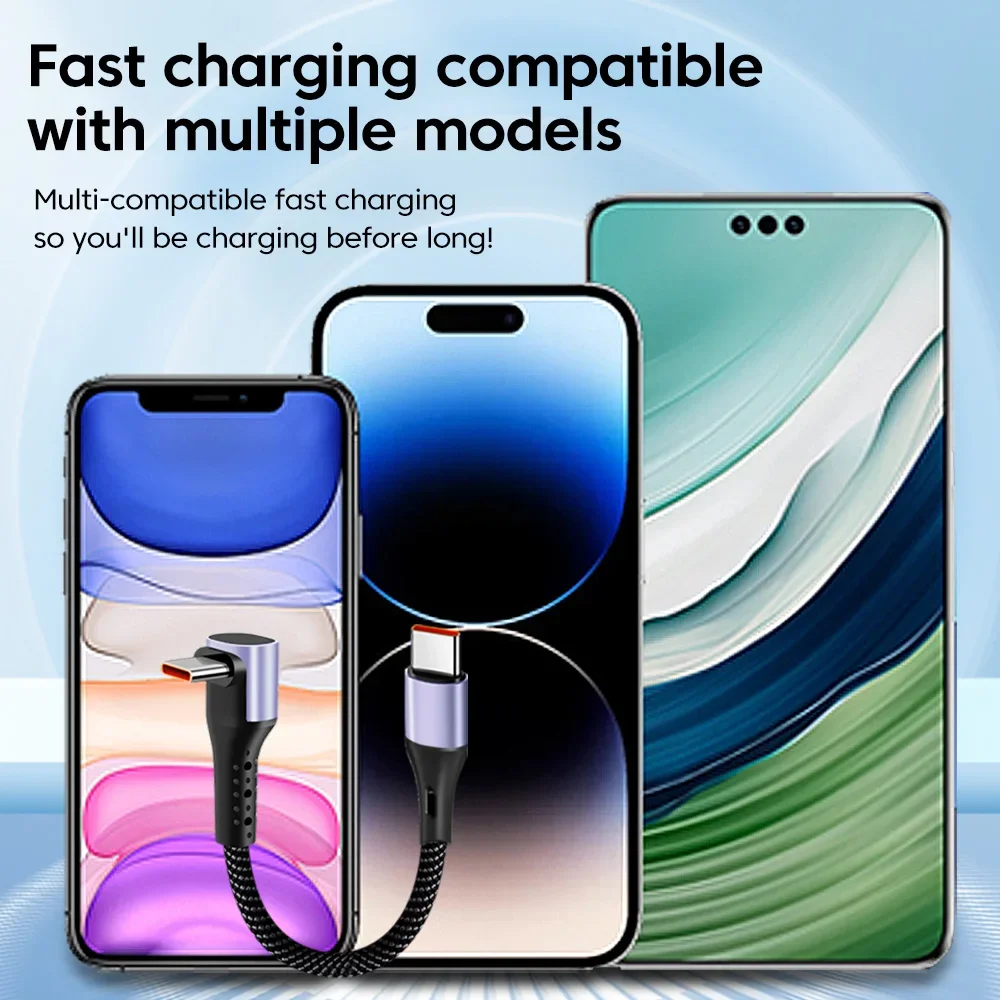
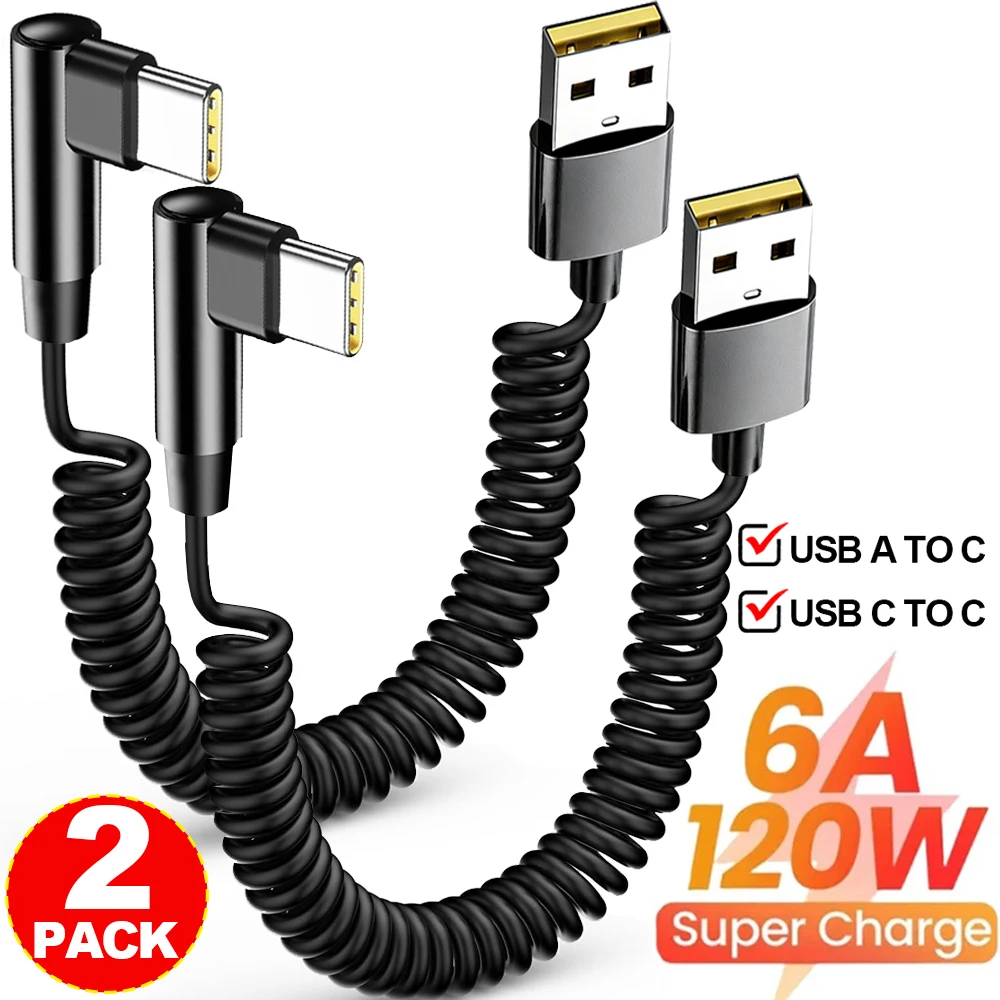
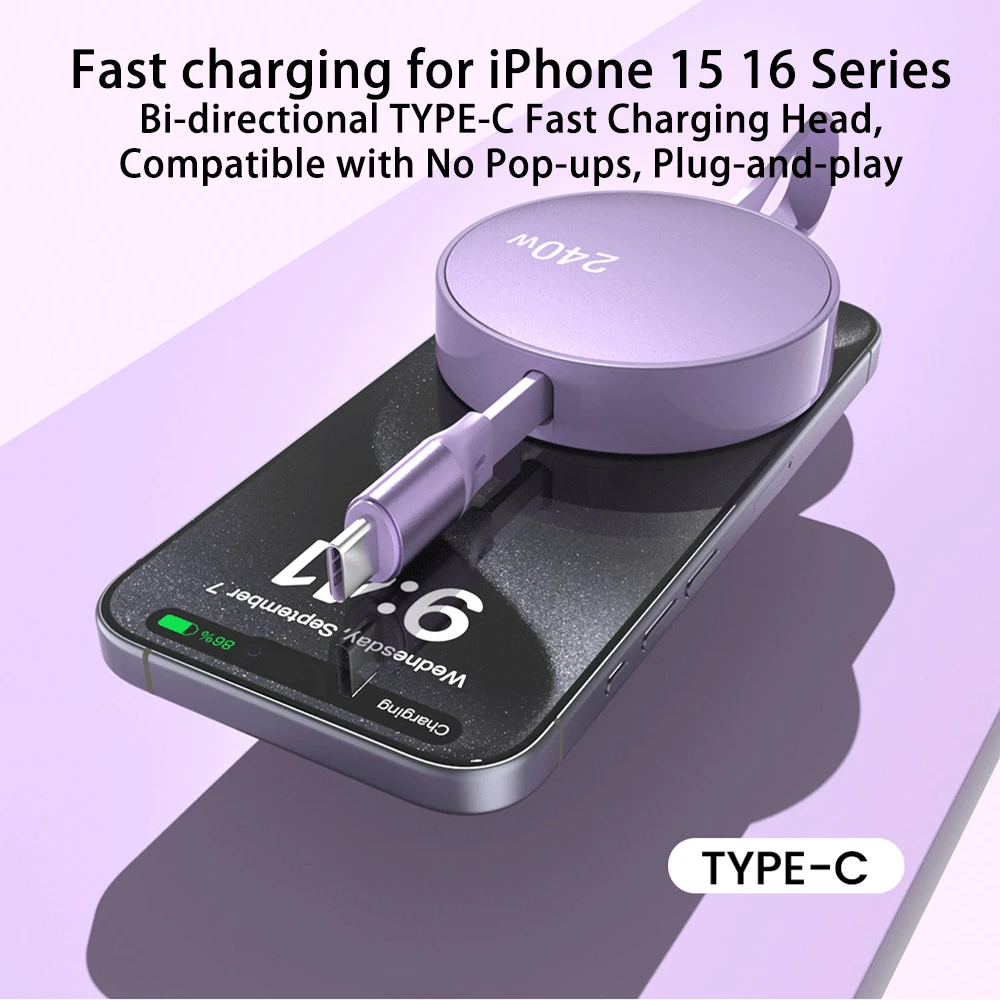
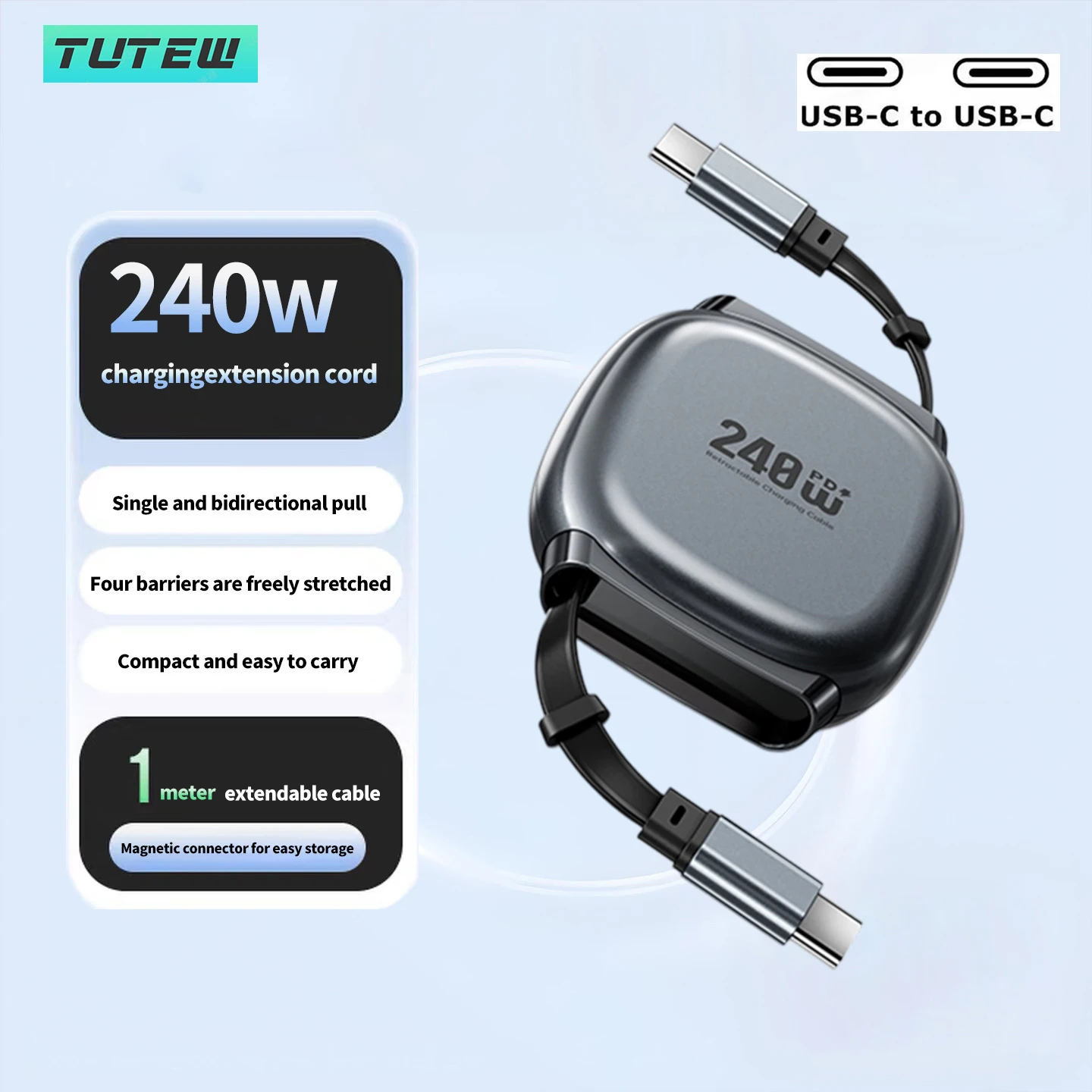
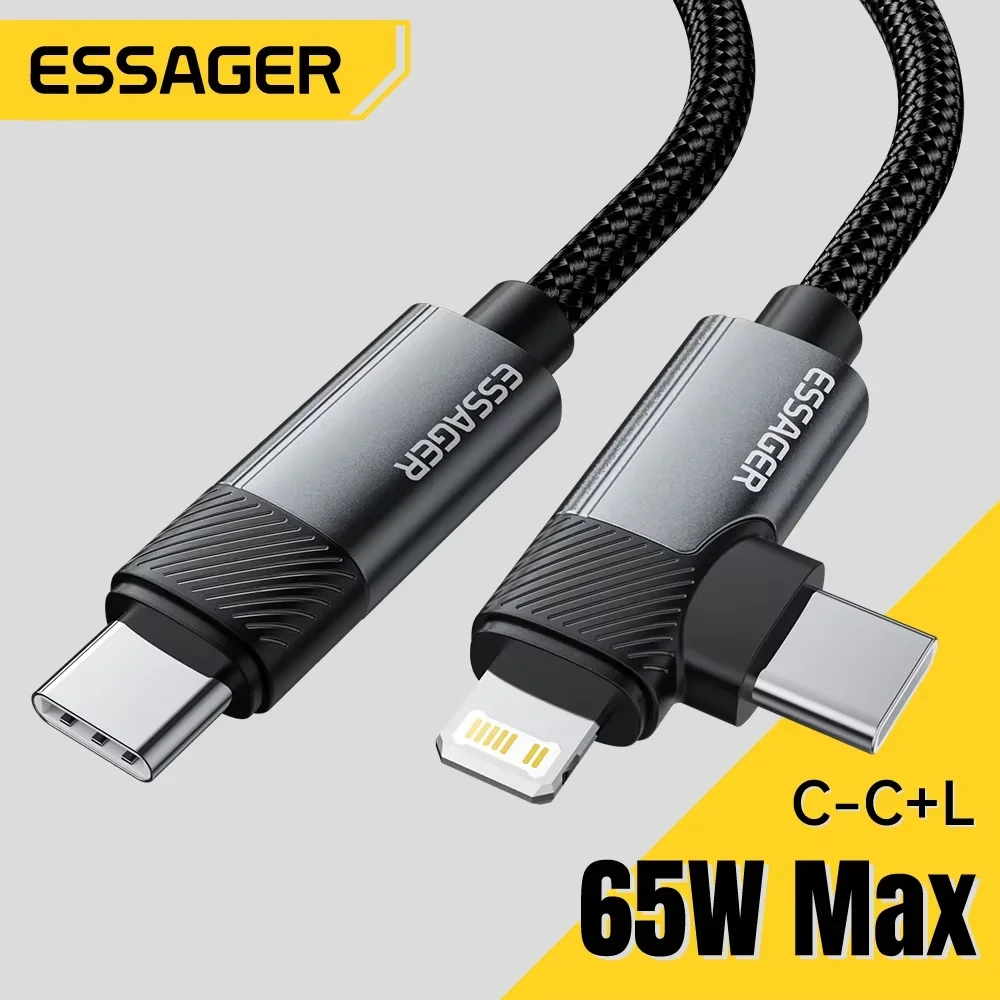
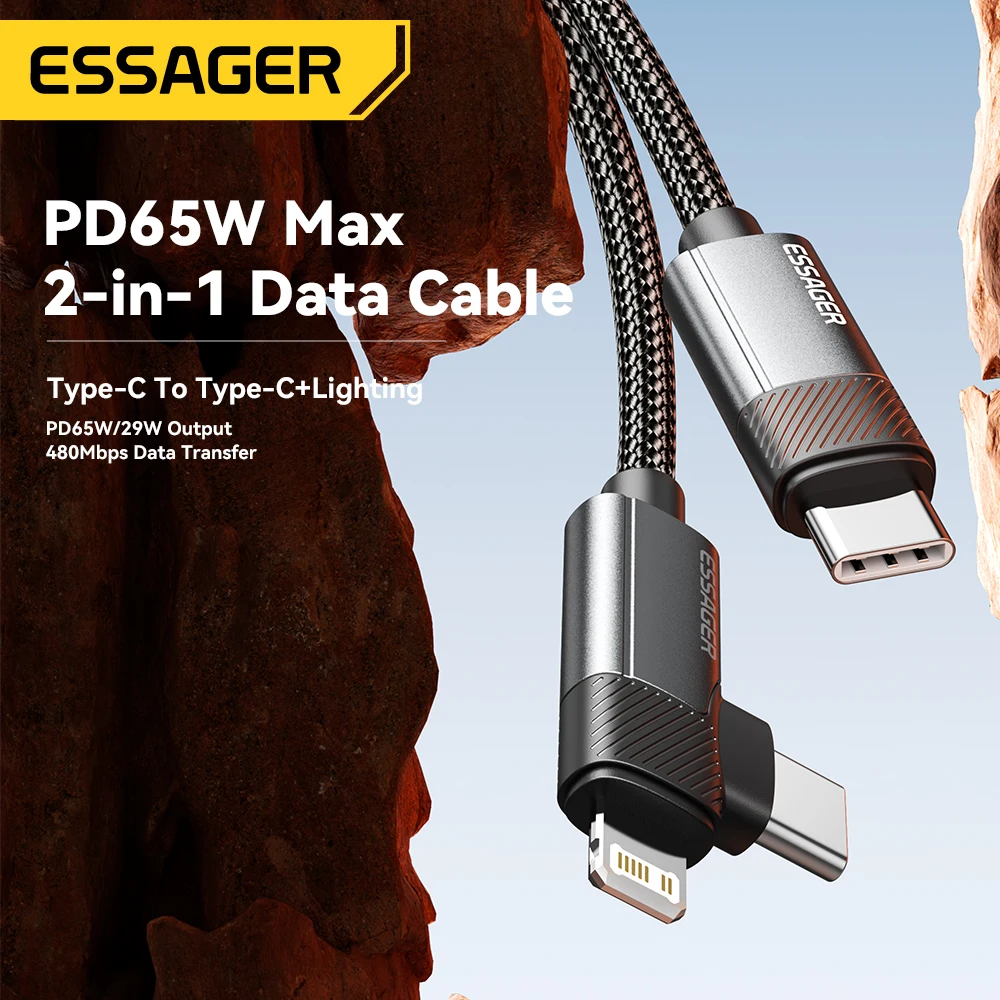
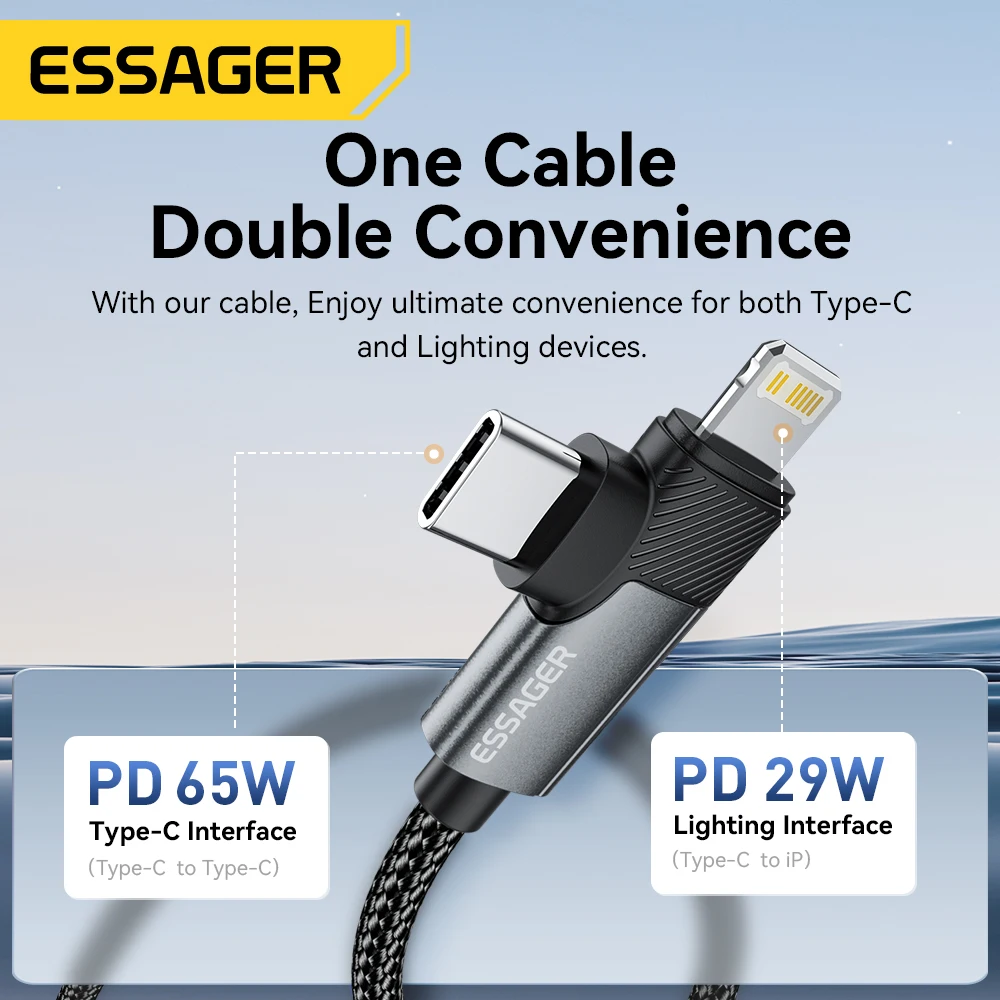
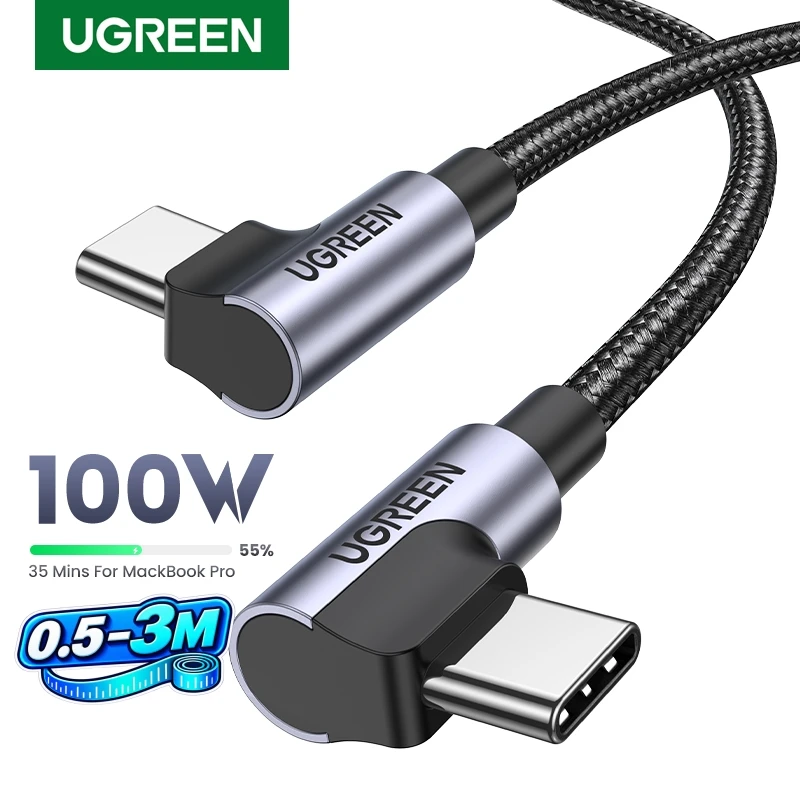
- USB-C to USB-C cables have the small oval plug at both ends, for iPhone 15 and later and recent Android phones on a USB-C charger. See USB-C to USB-C cables.
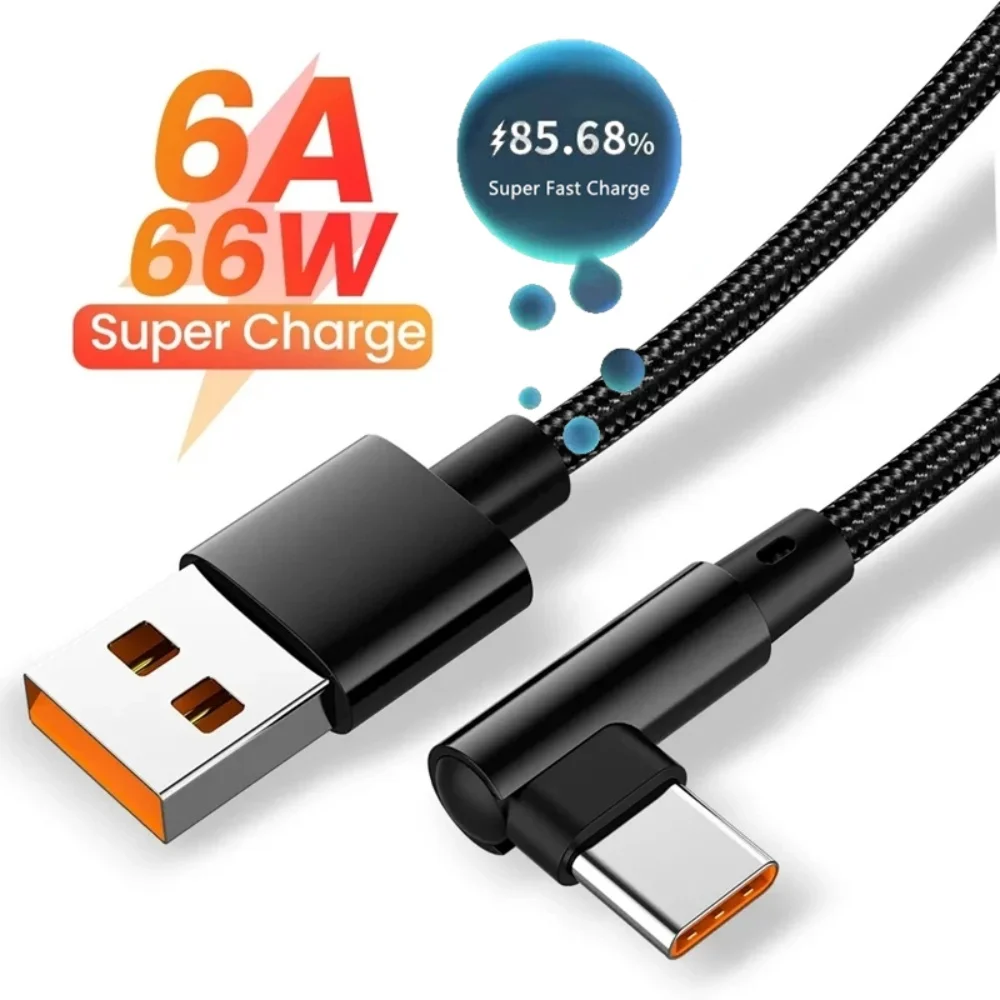
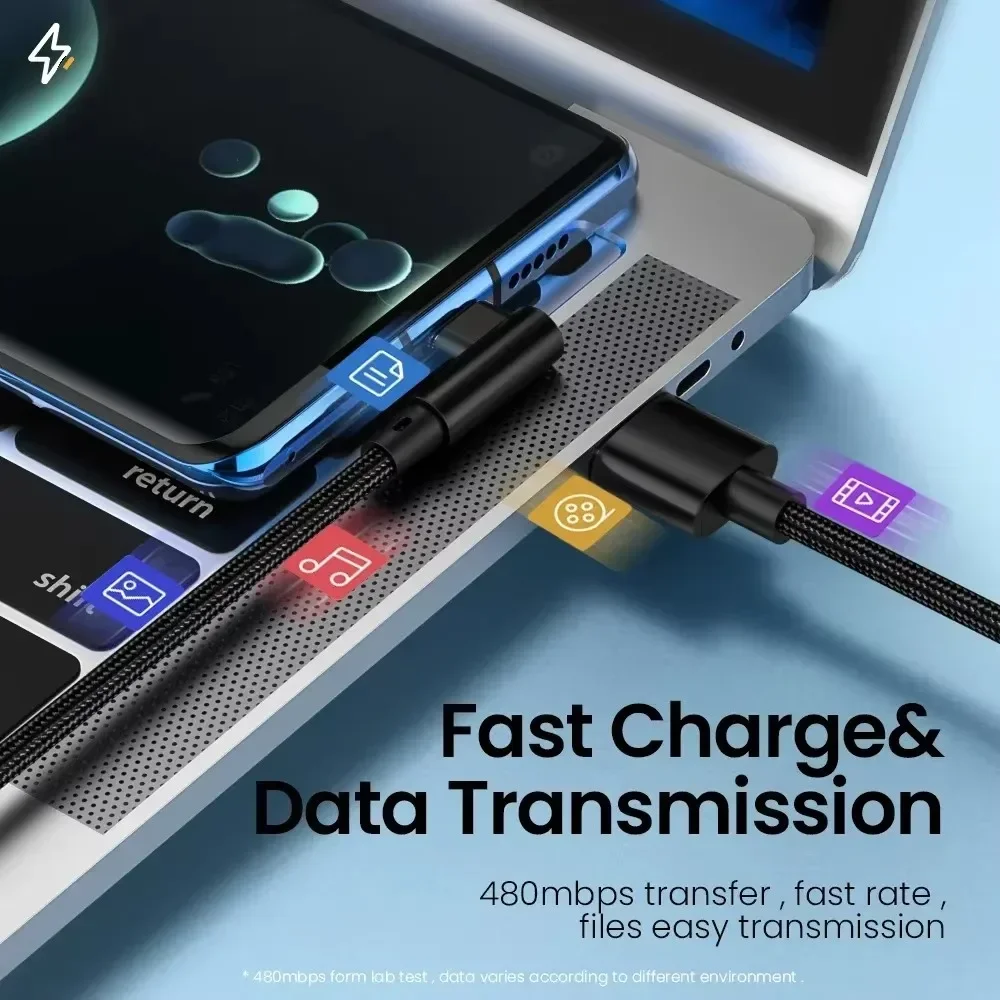
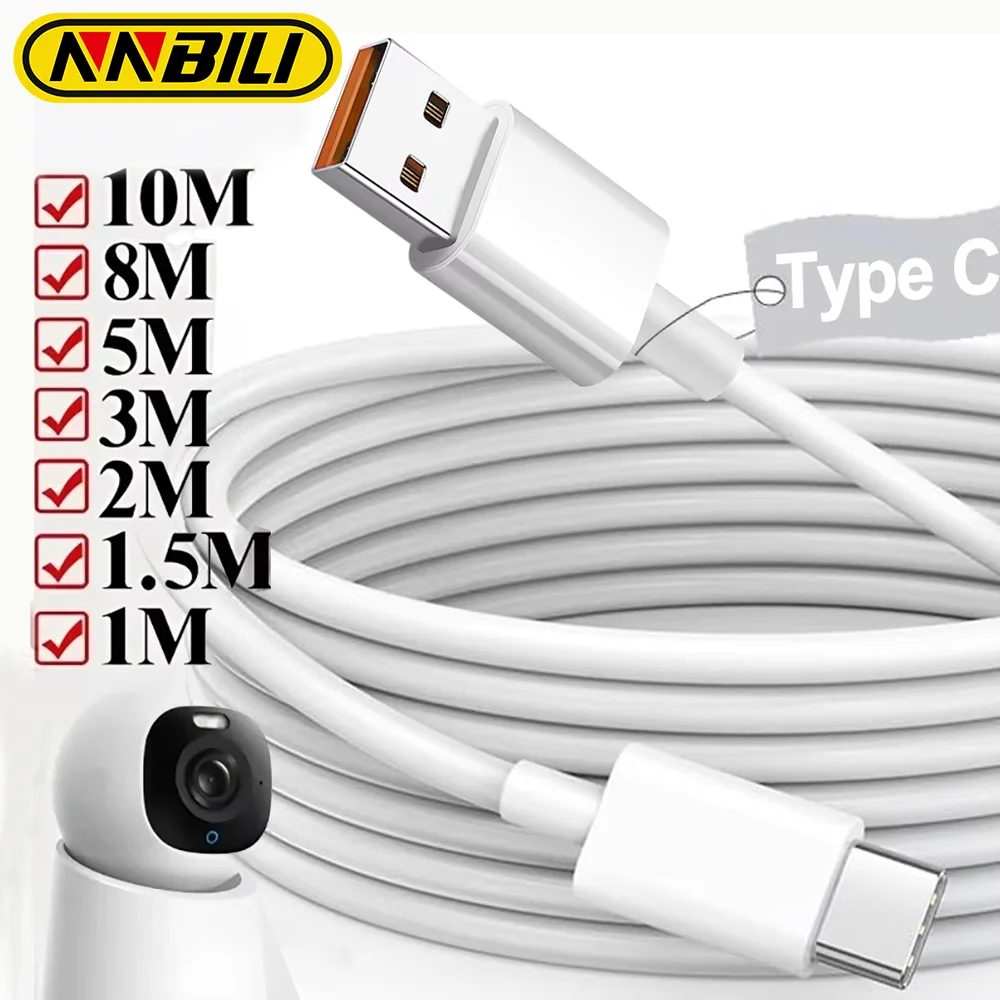
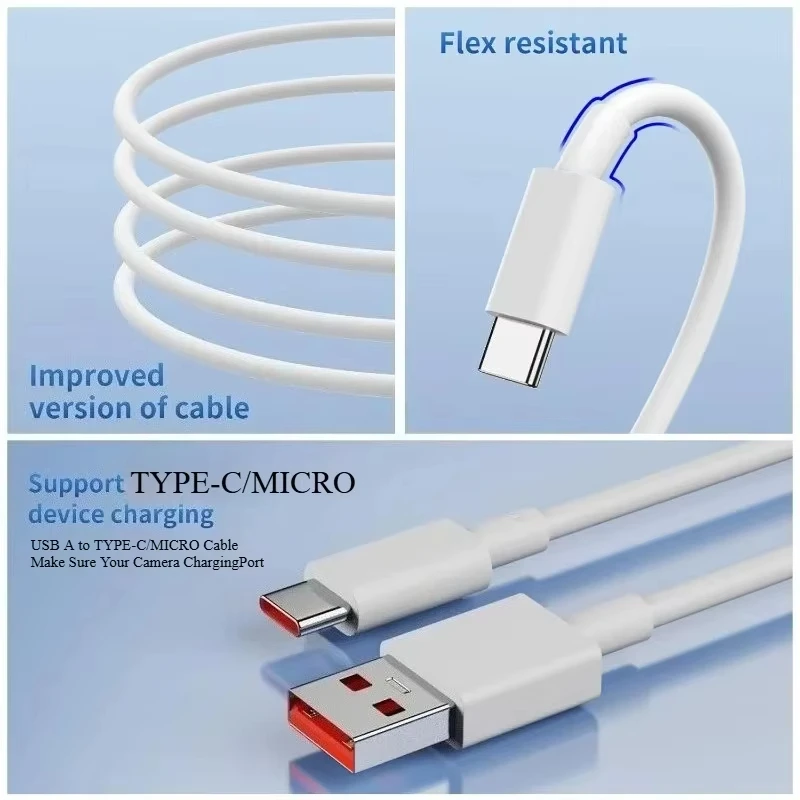
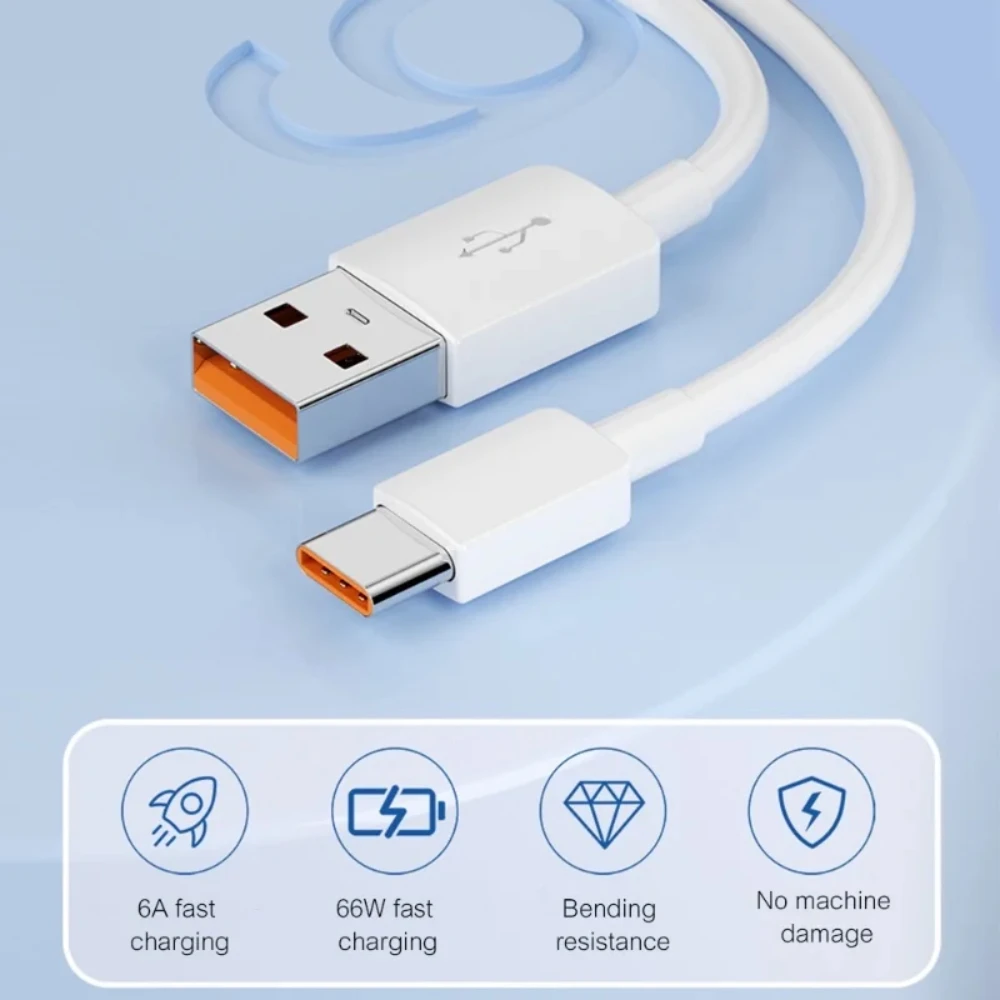
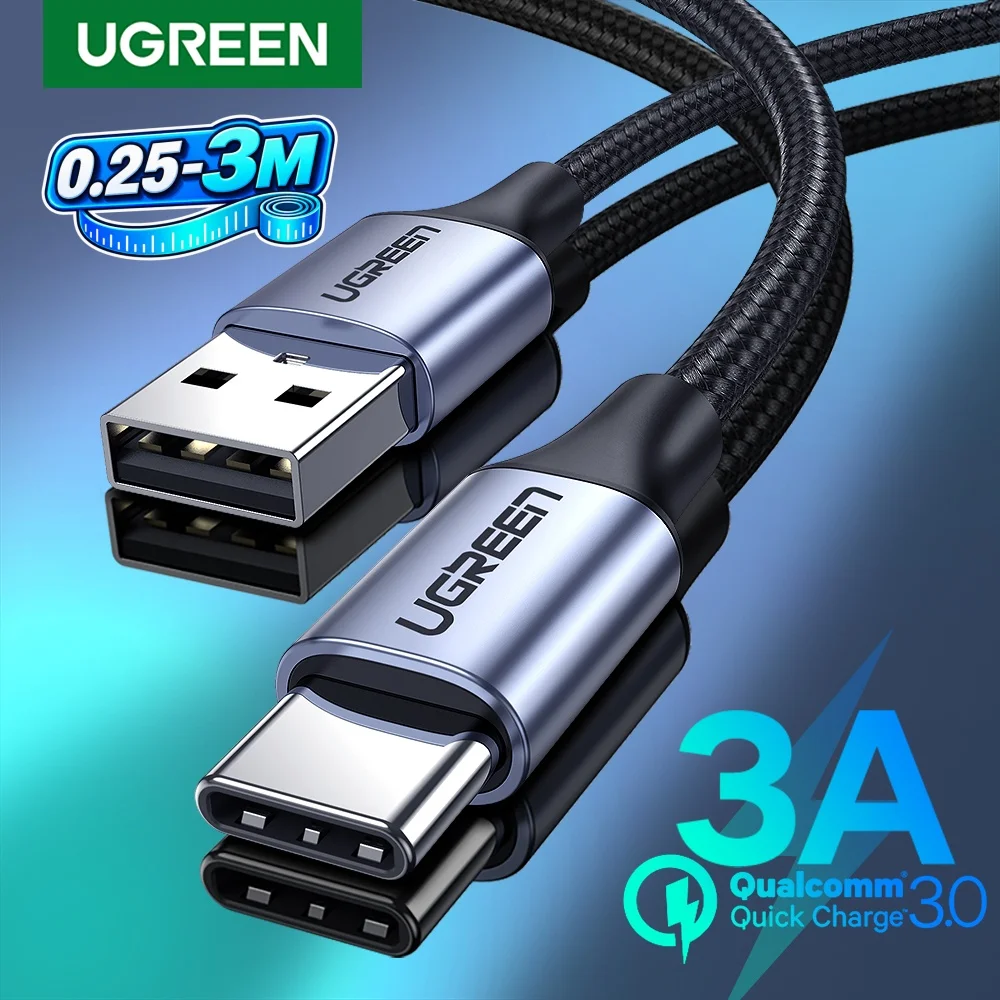
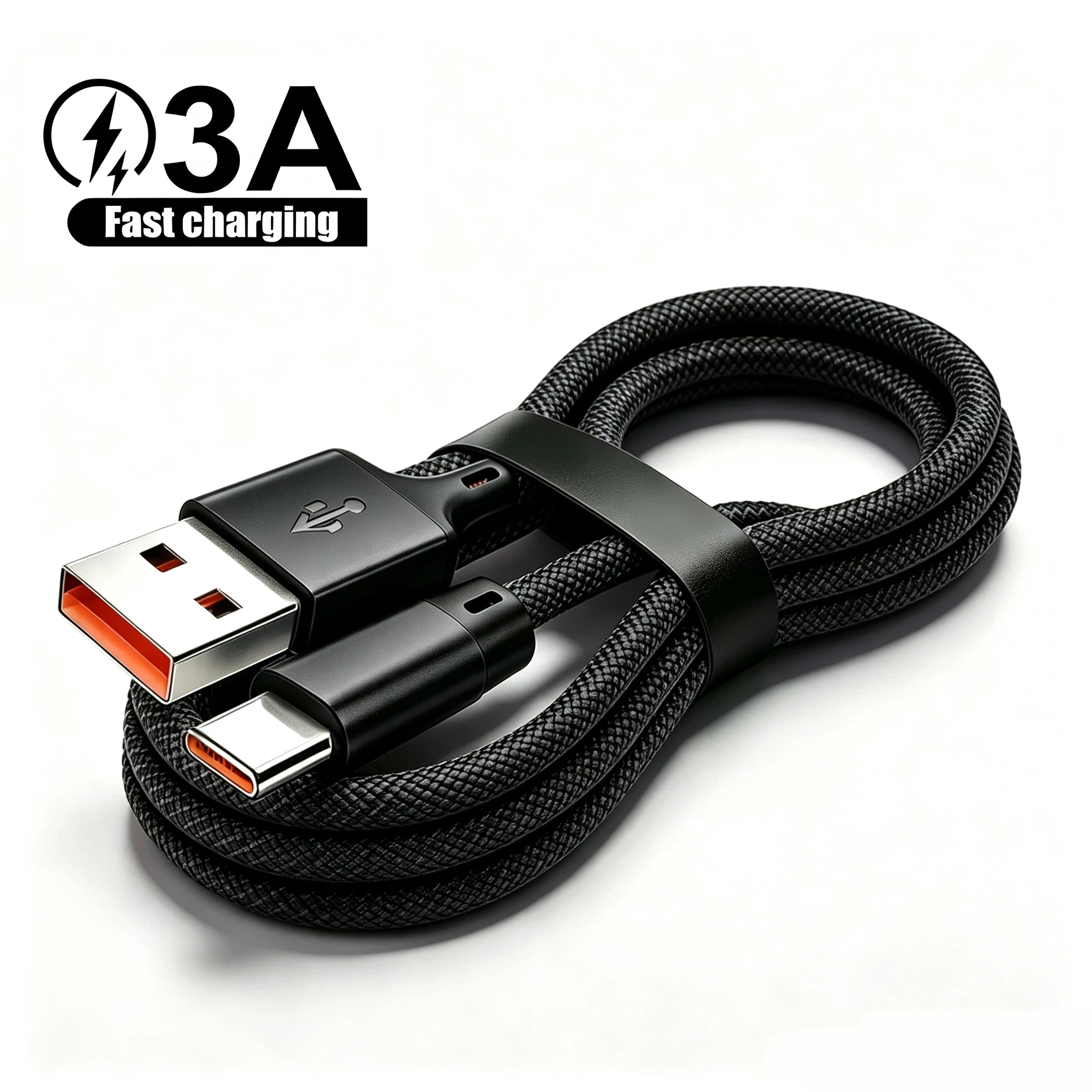
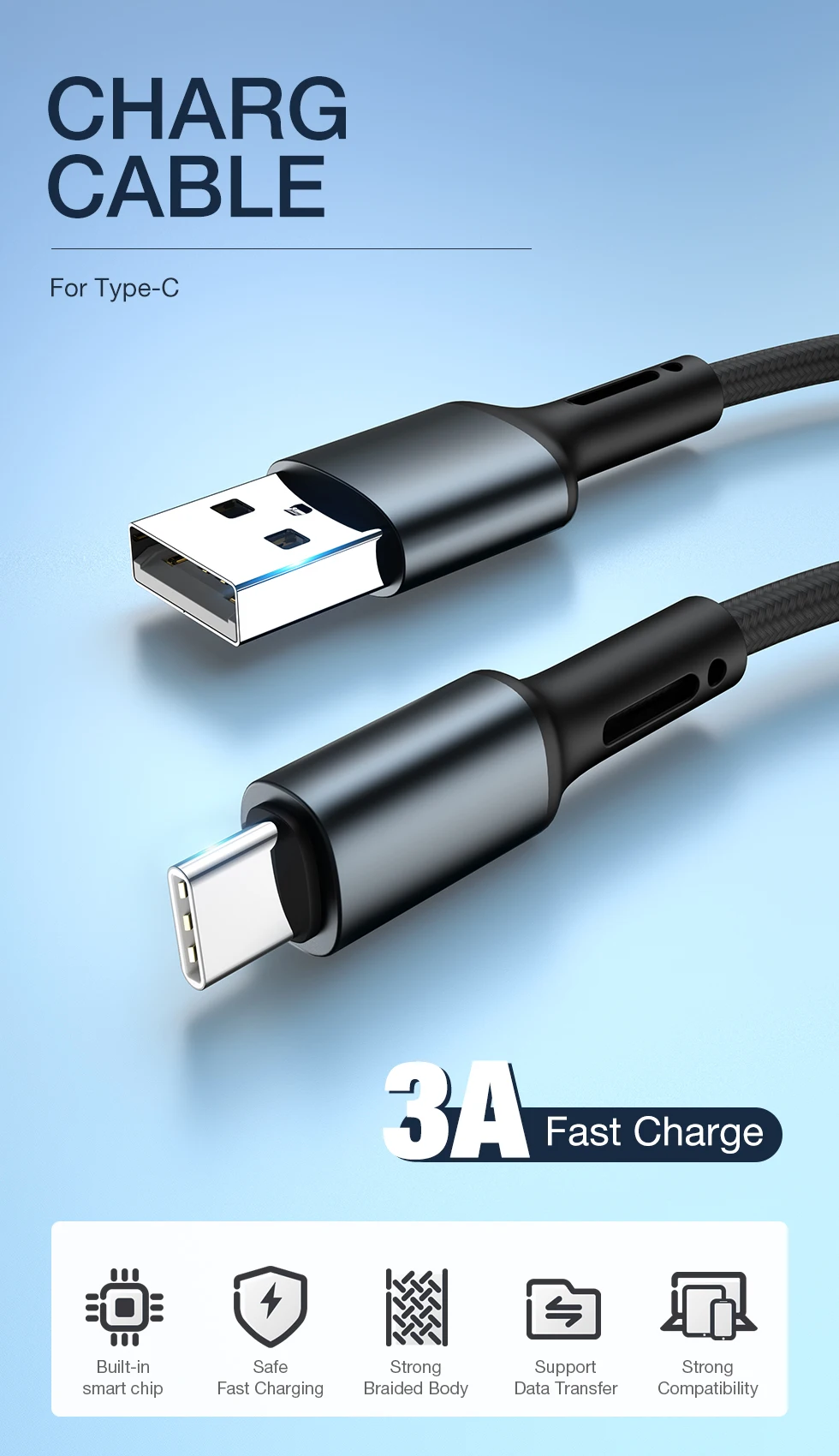
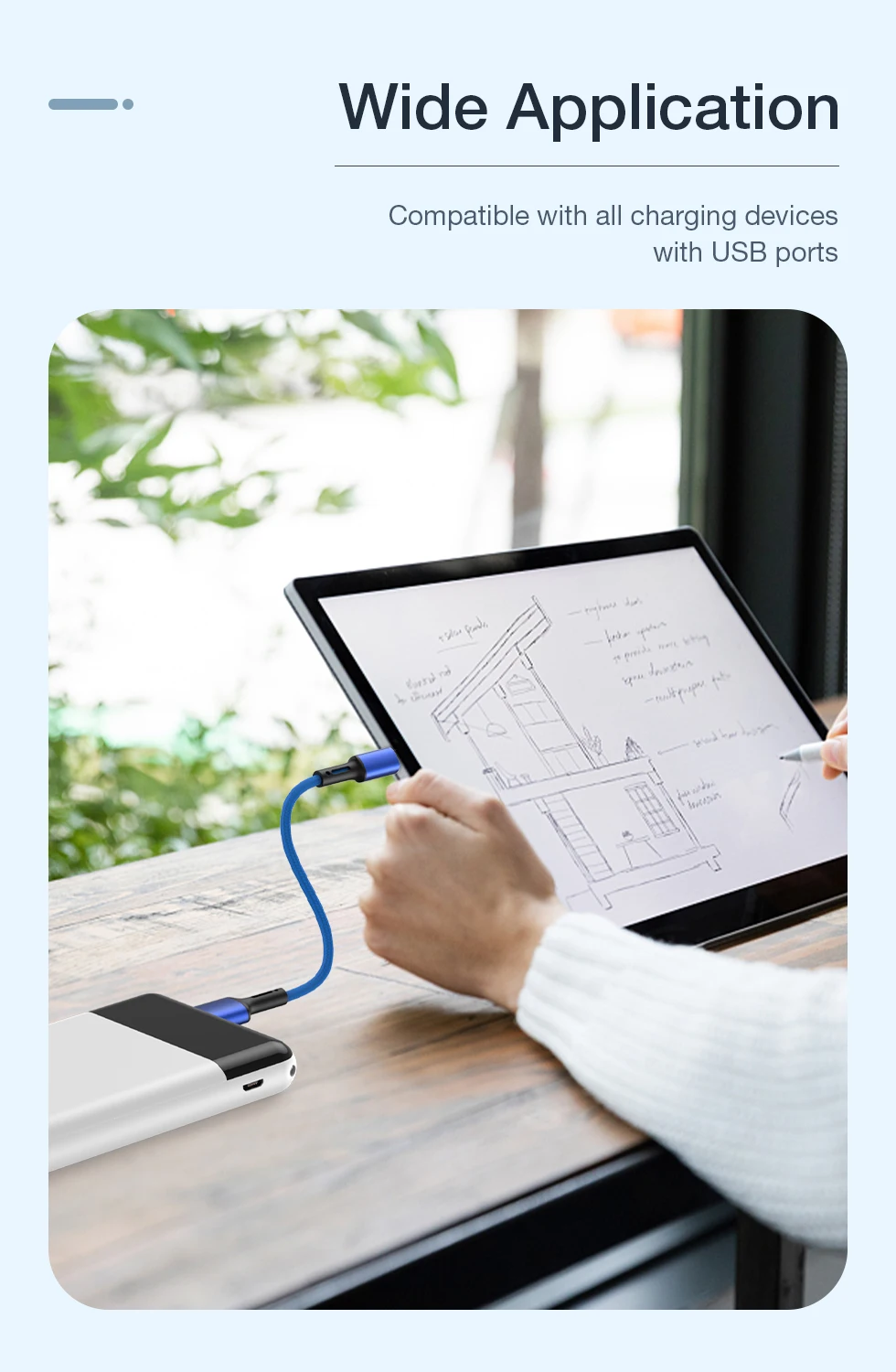
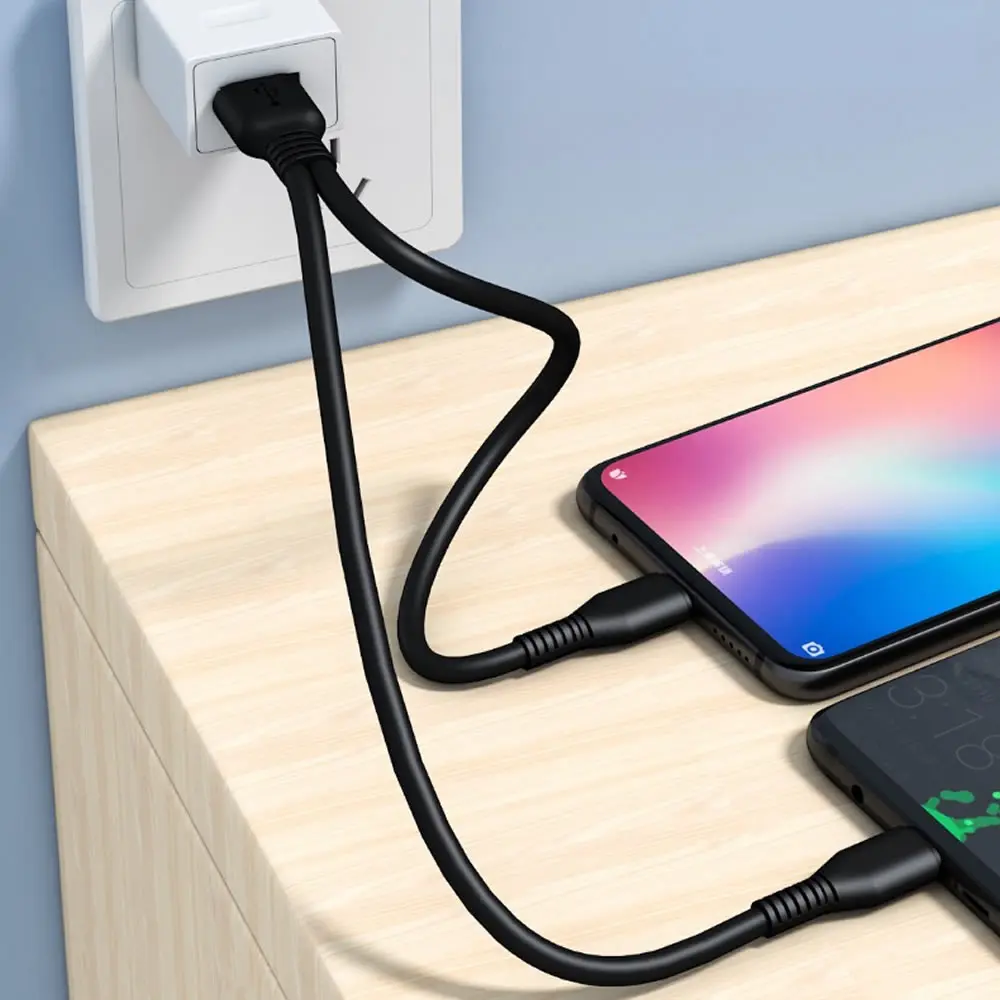
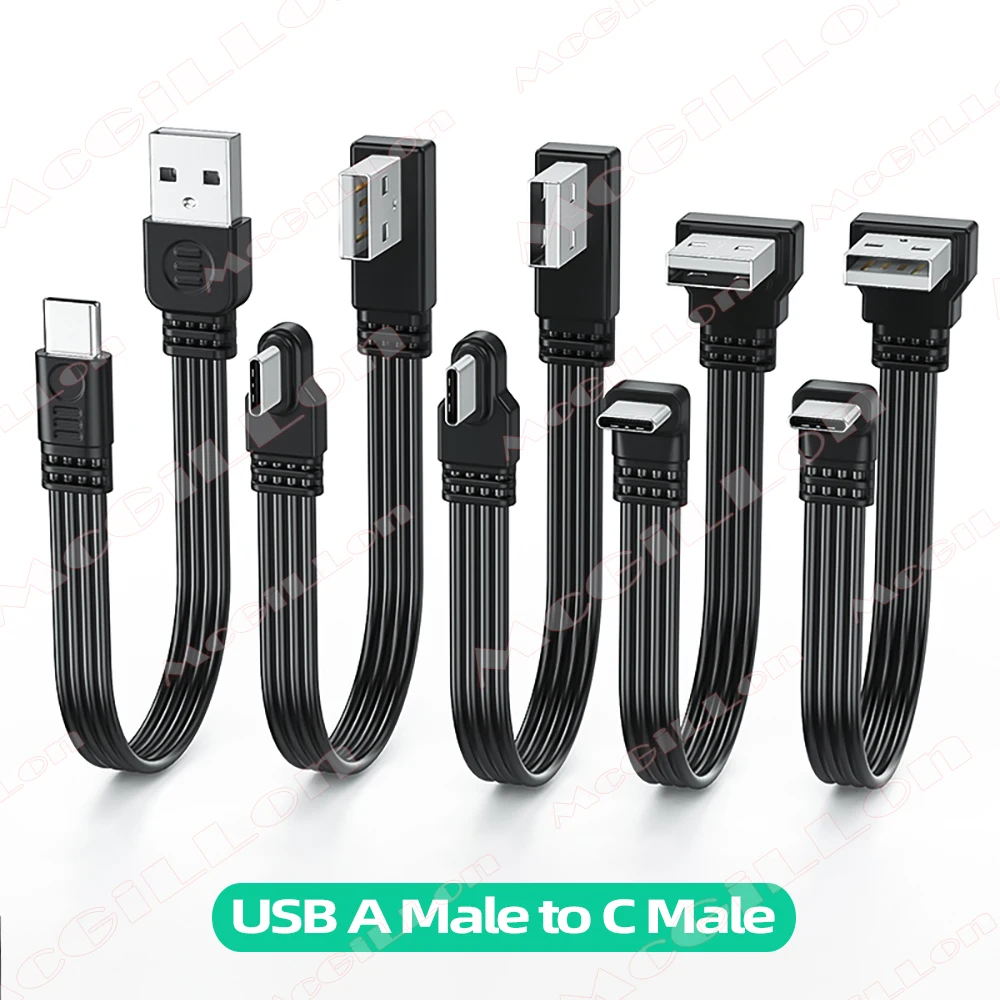
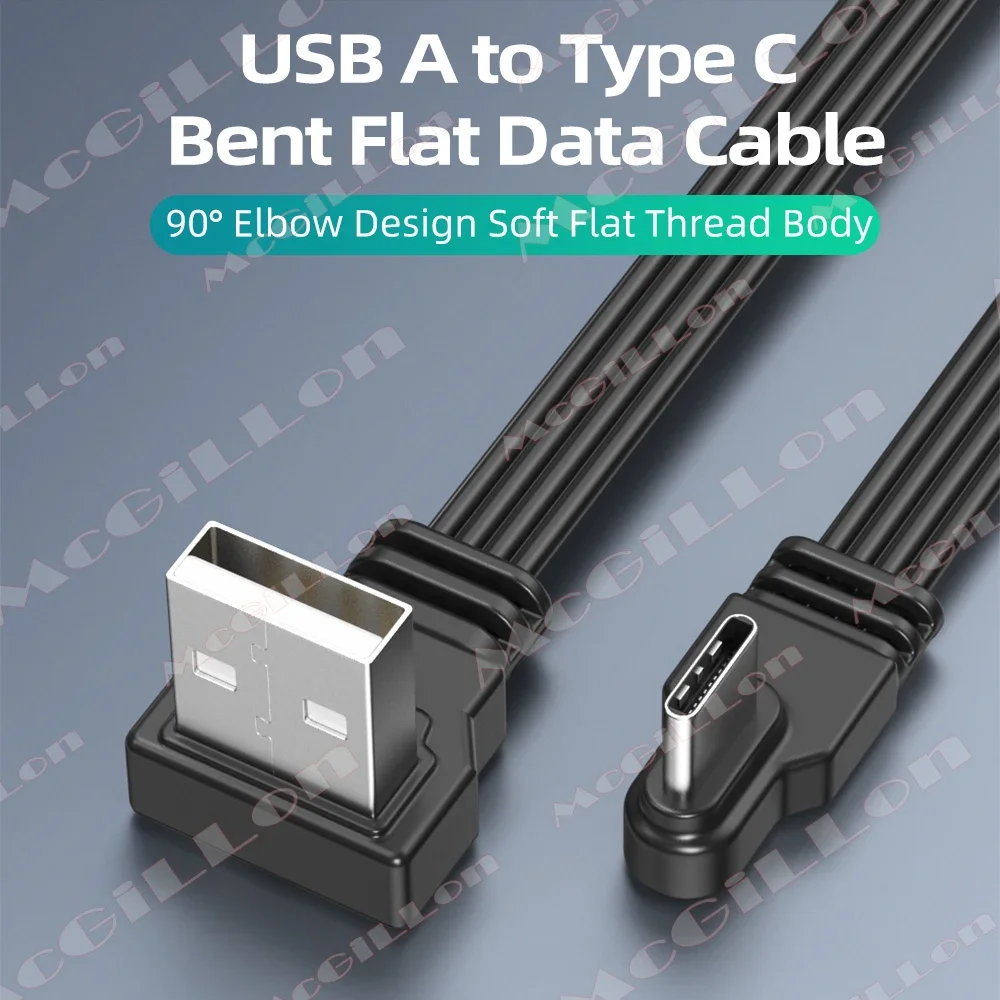
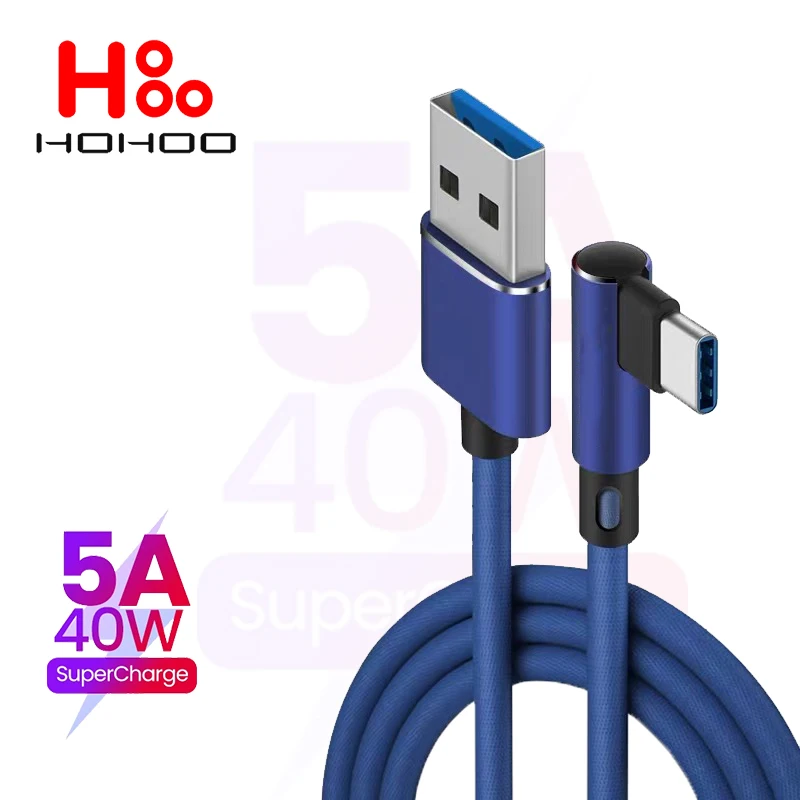
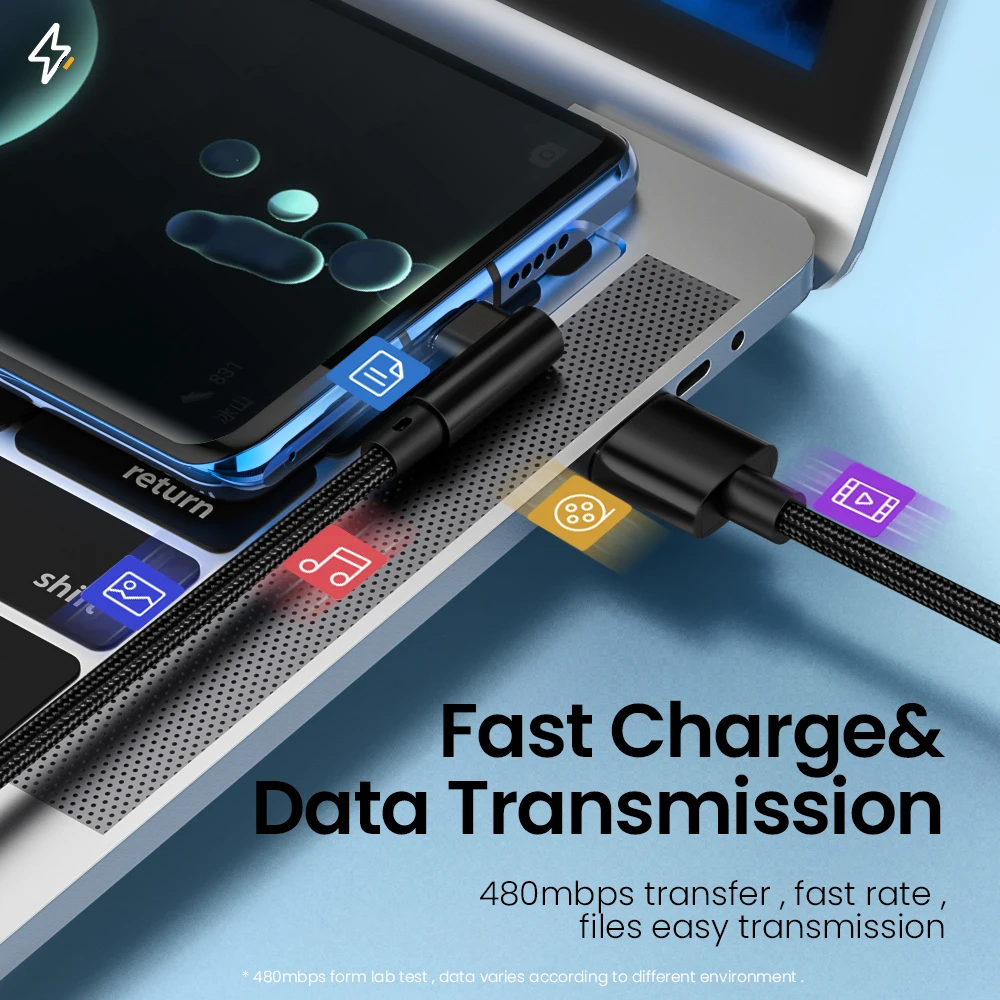
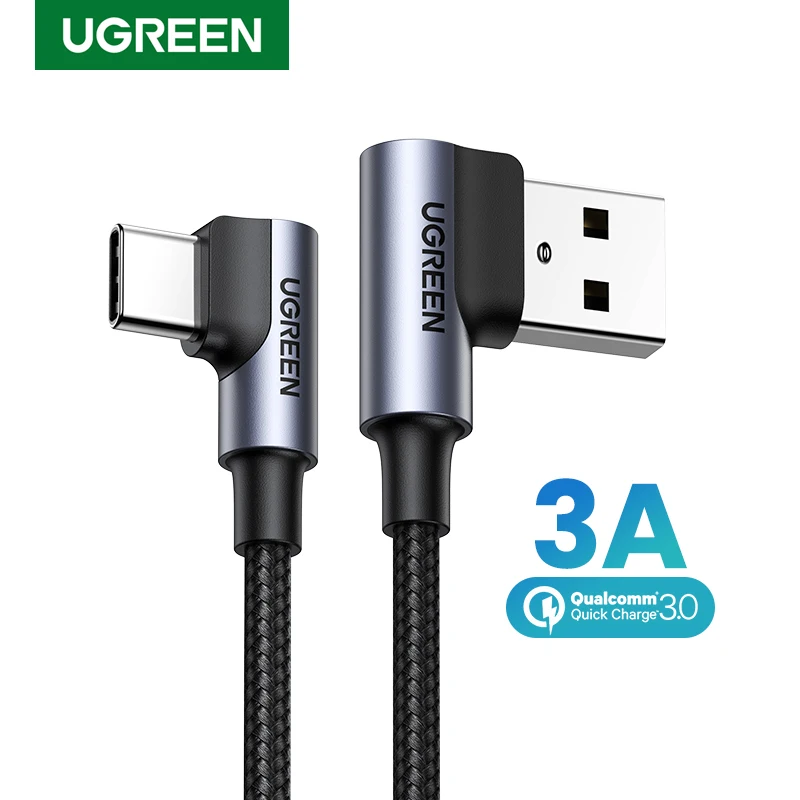
- USB-A to USB-C cables run from the older, larger rectangular plug to a USB-C phone, for older chargers, car sockets and laptops. See USB-A to USB-C cables.
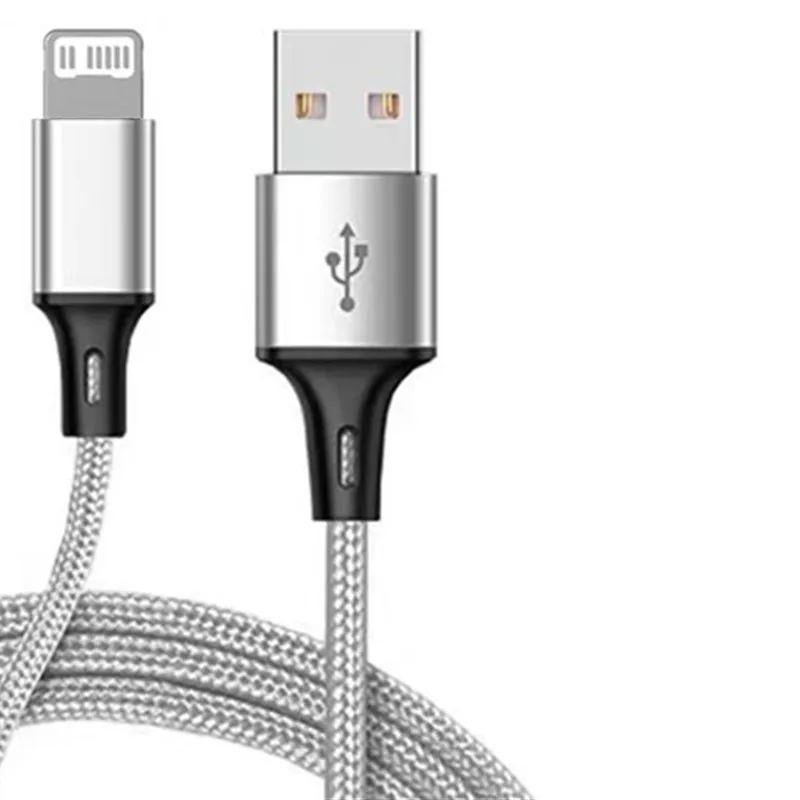
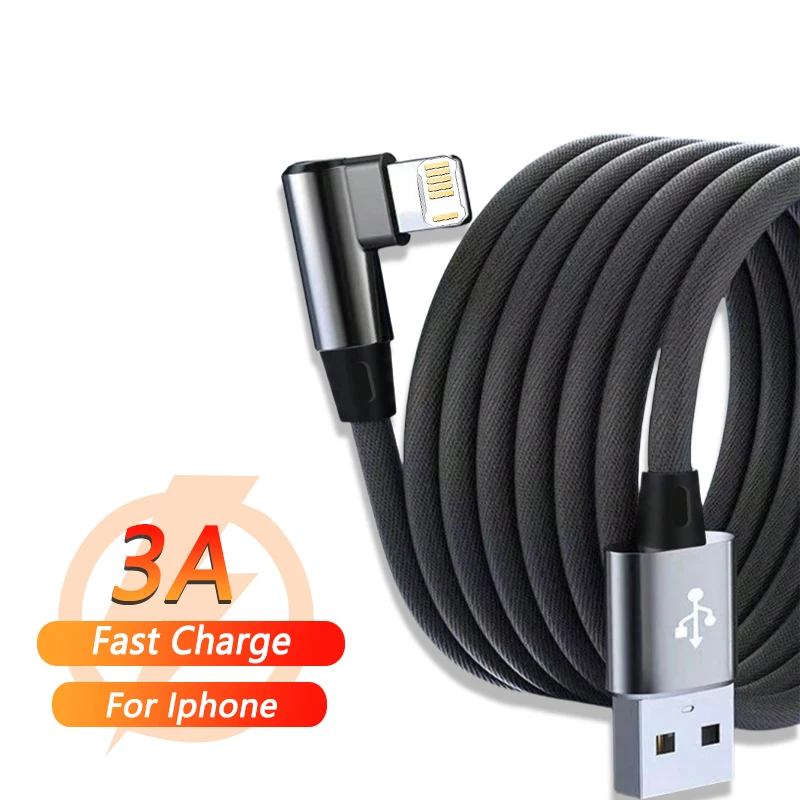
- Lightning cables are for iPhones from the iPhone 5 to the iPhone 14, with USB-C or USB-A at the charger end. See Lightning cables.
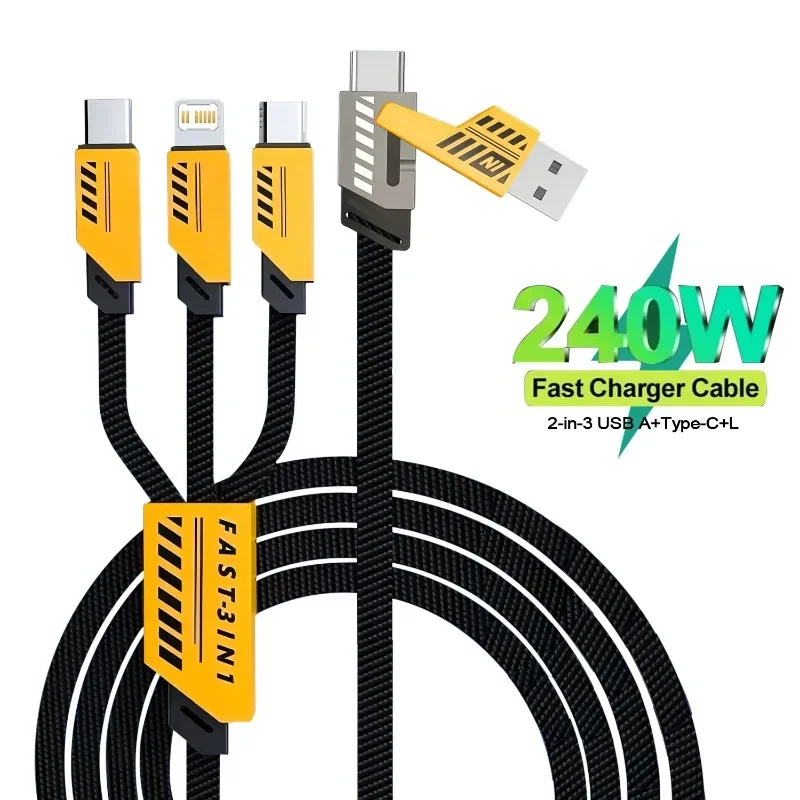
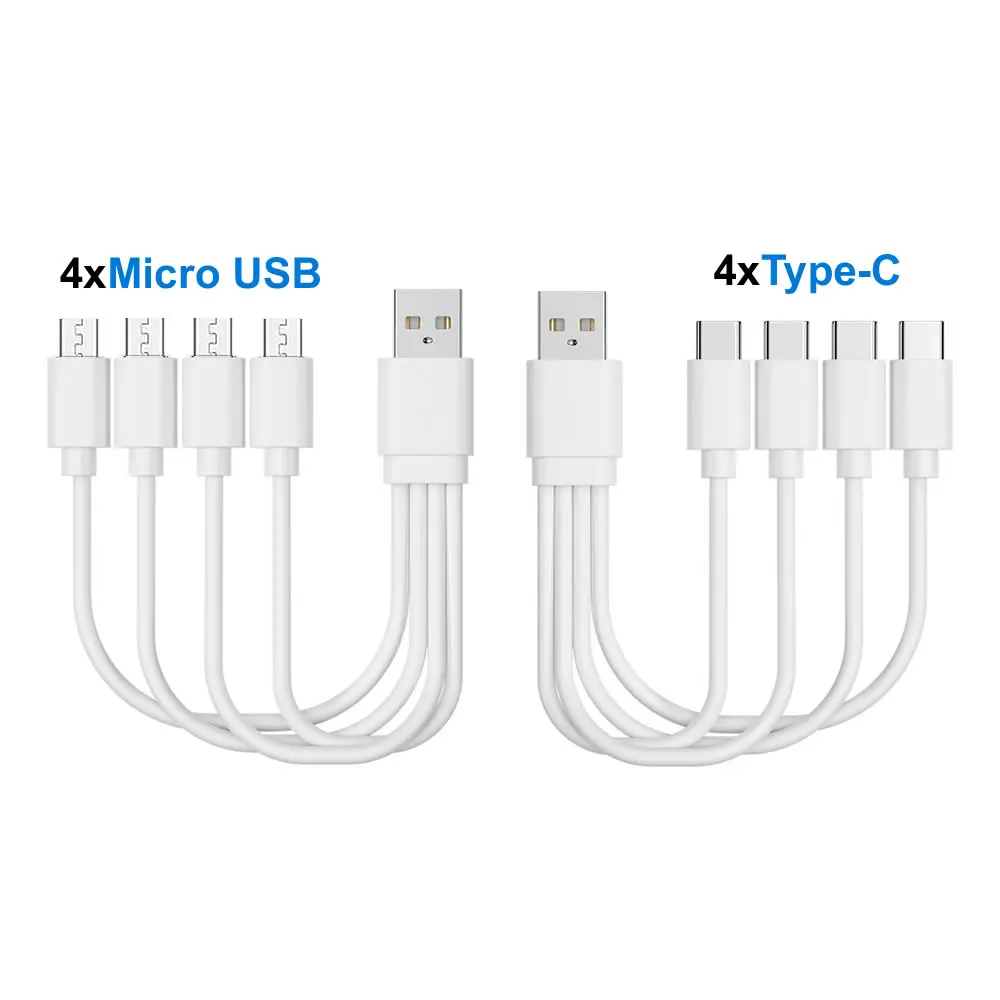
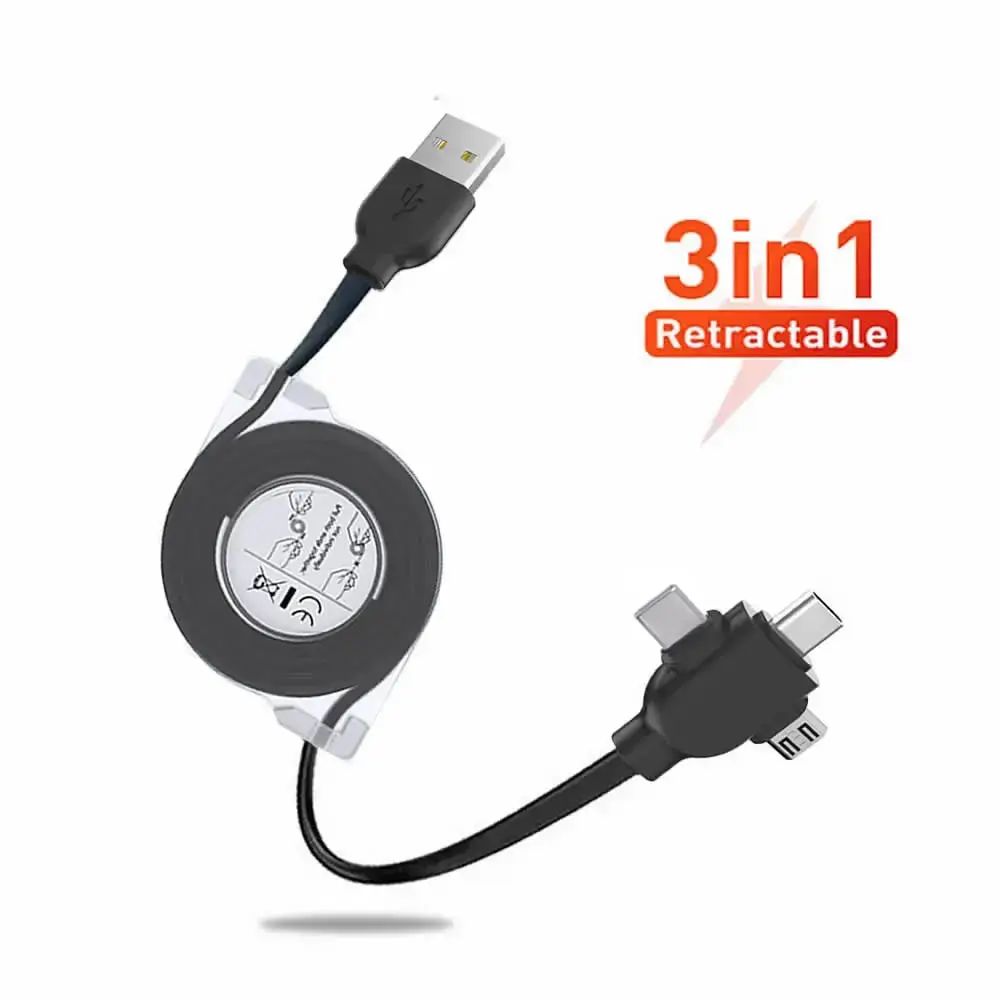
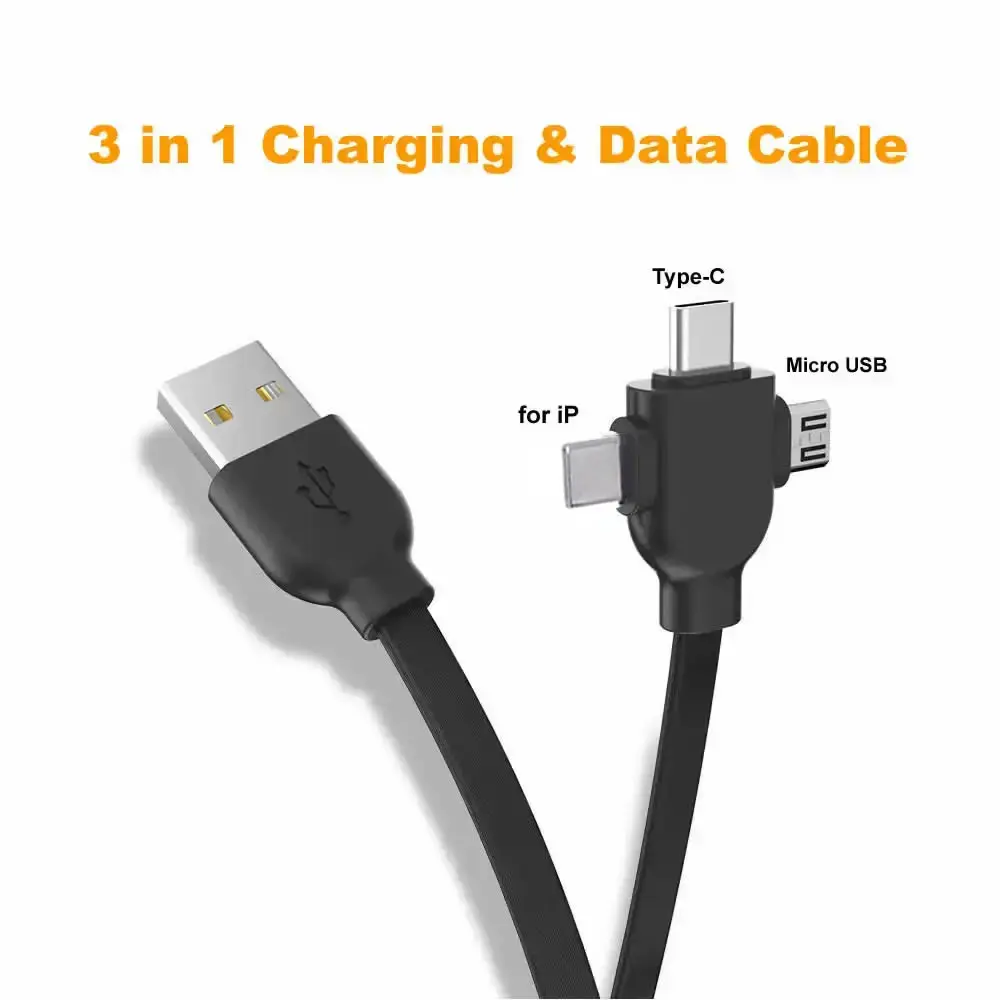
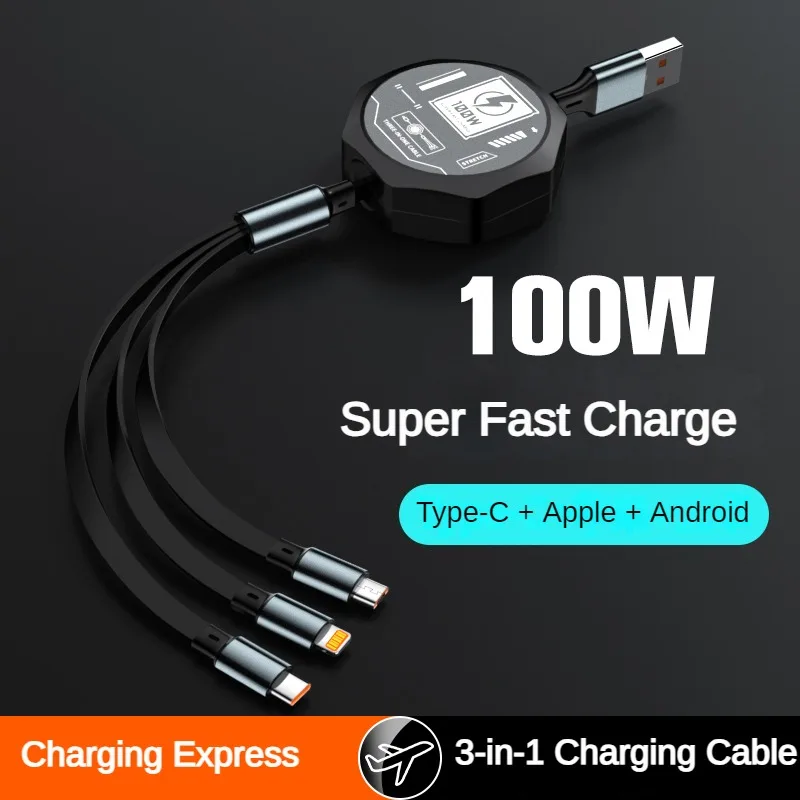
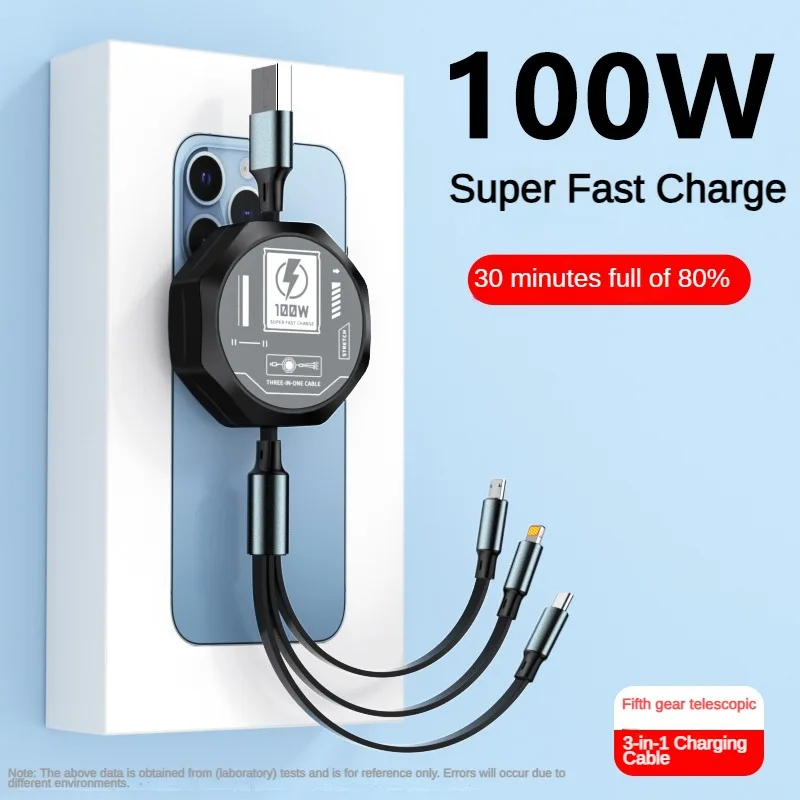
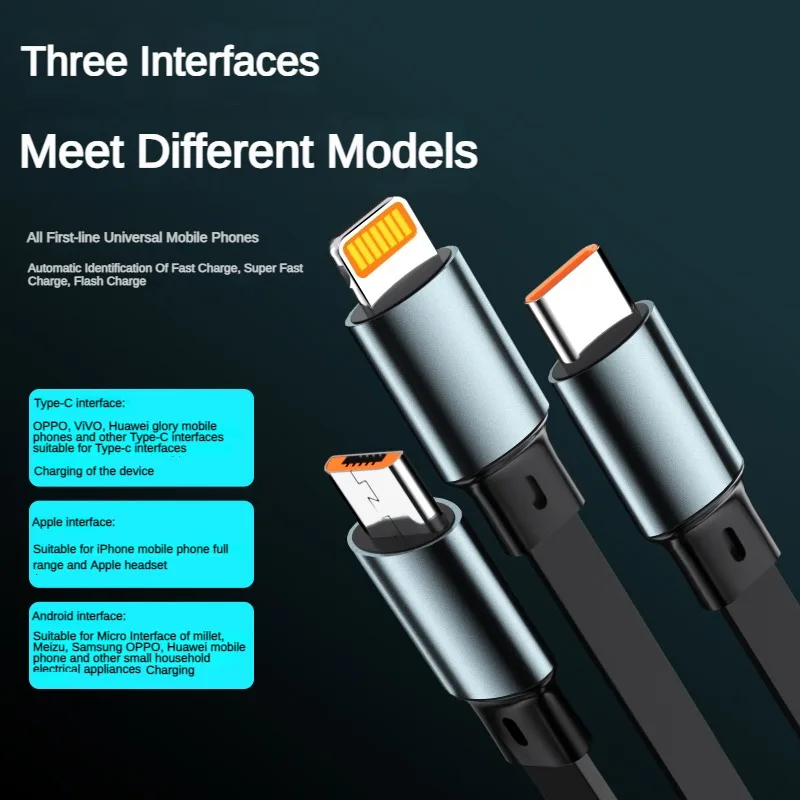
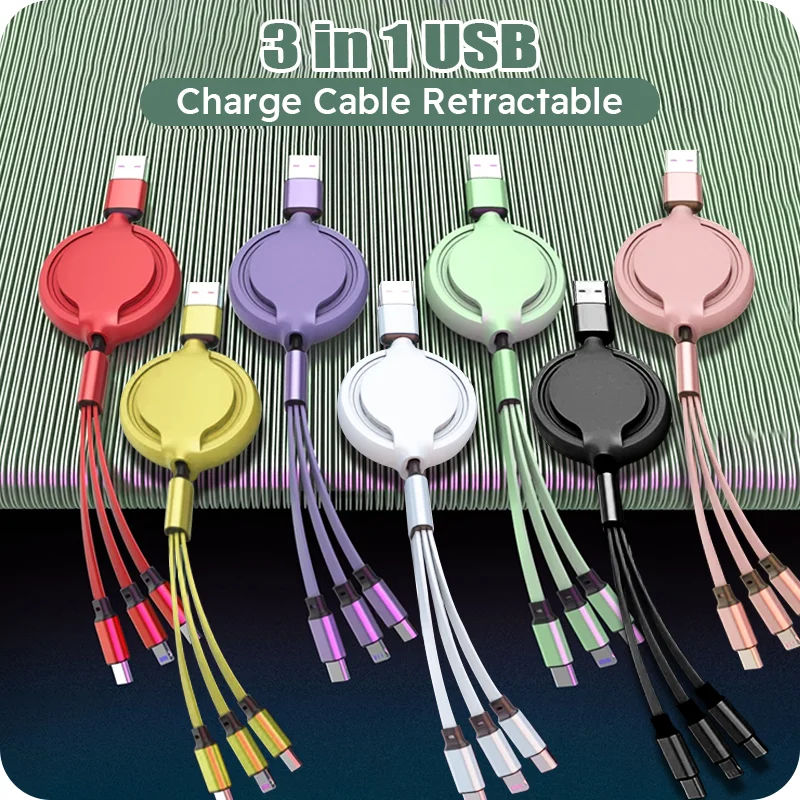
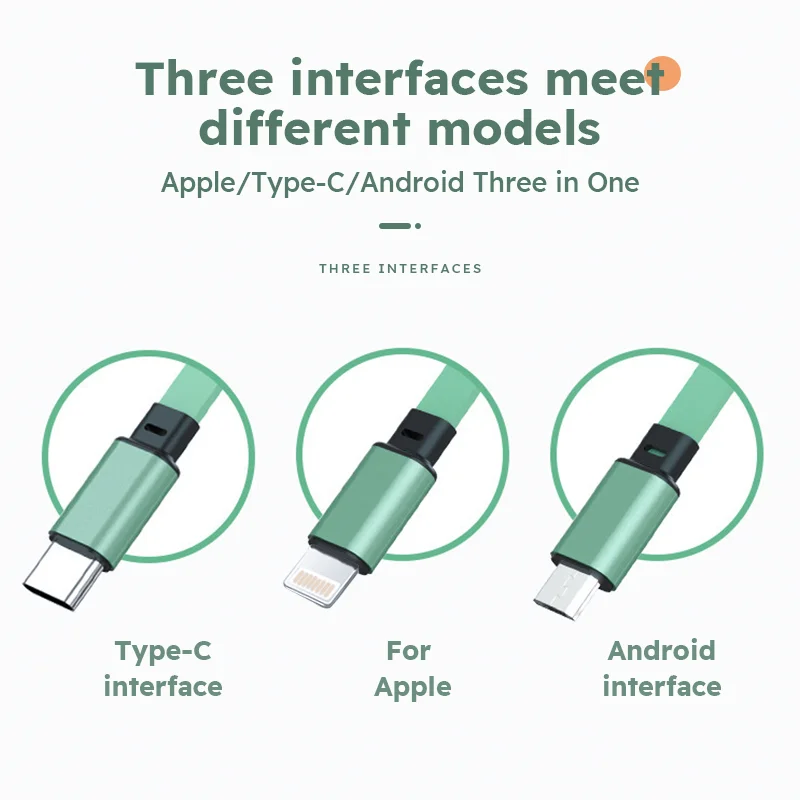
- 3-in-1 cables have one plug at the charger end and several at the other, usually USB-C, Lightning and micro-USB, for a home or a car shared by different phones. See 3-in-1 cables.
- Magnetic cables leave a small tip in the phone and click on with a magnet. See magnetic cables.
By how they are built and how long they are
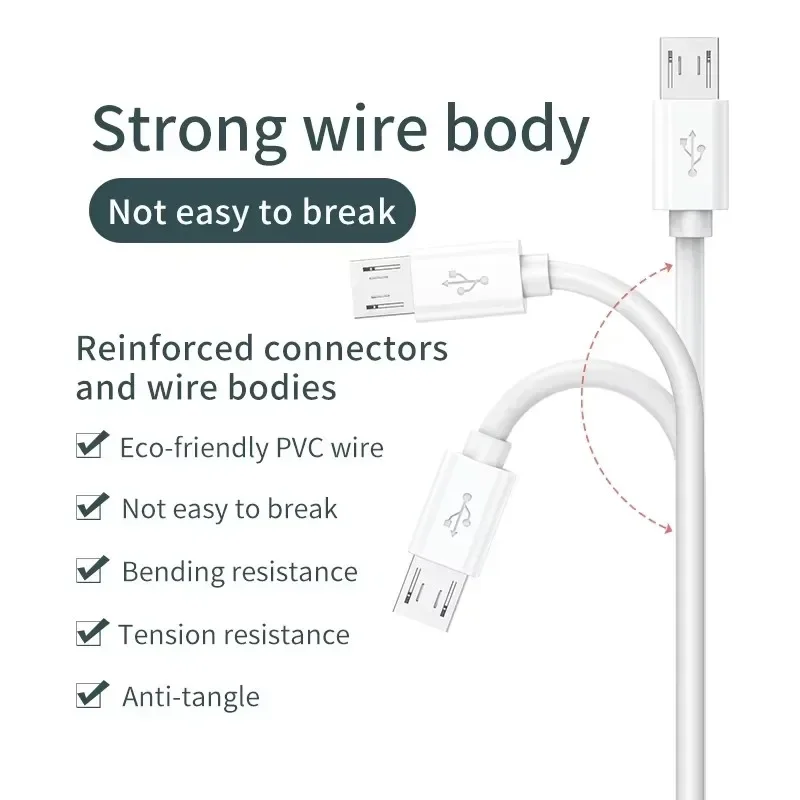
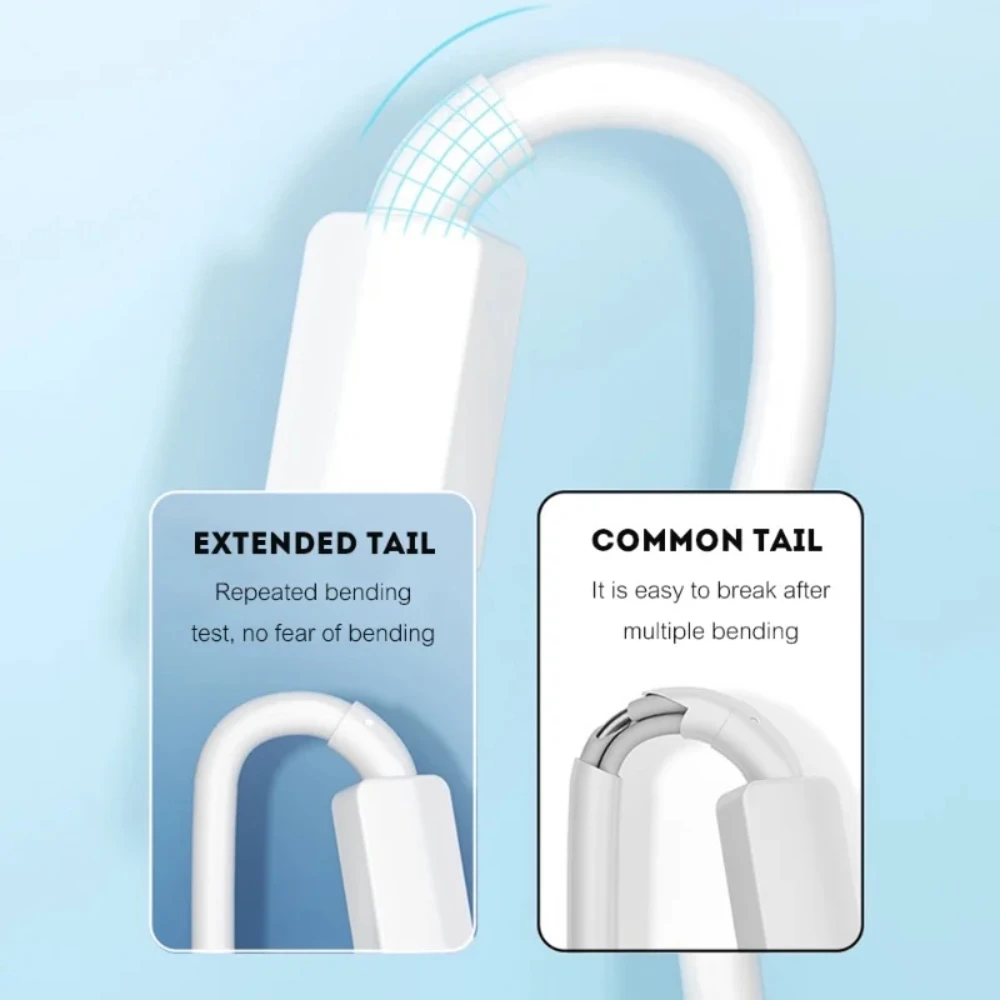
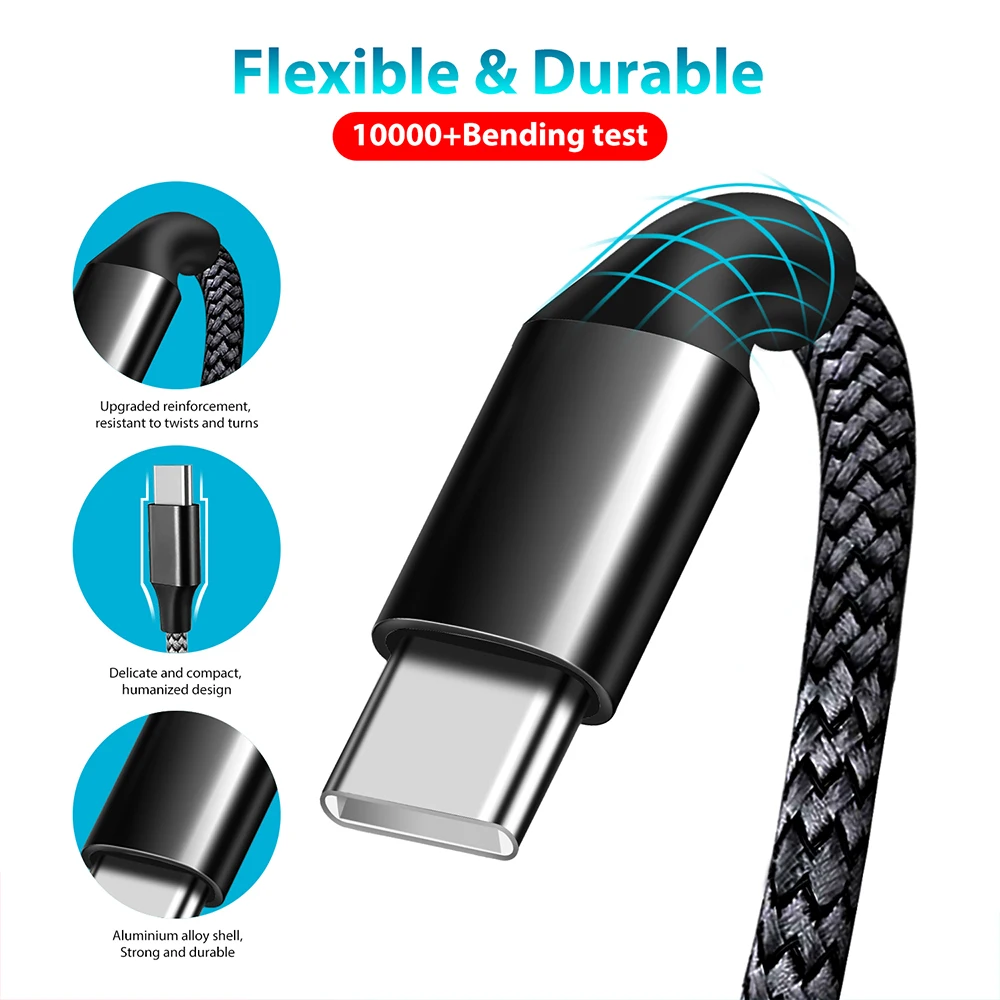
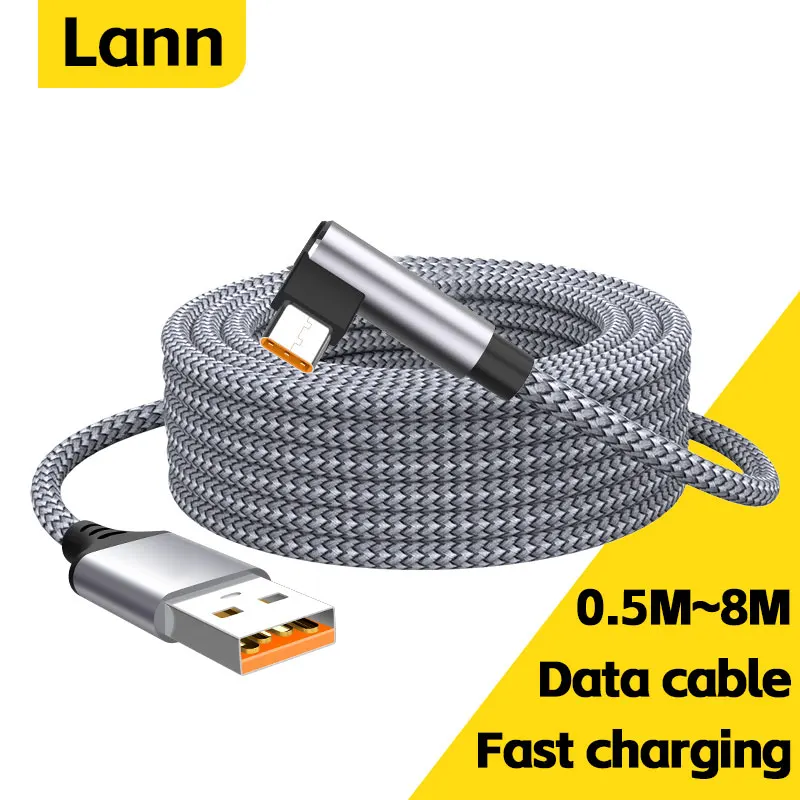
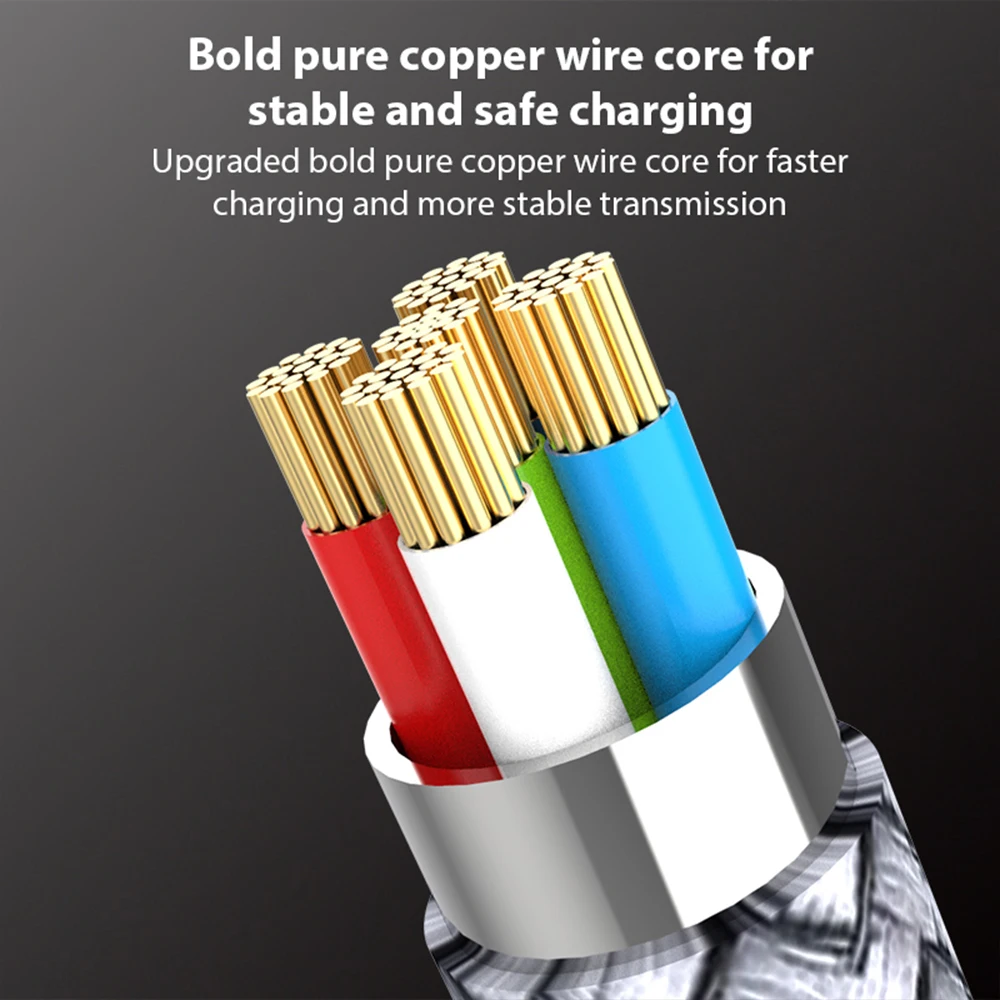
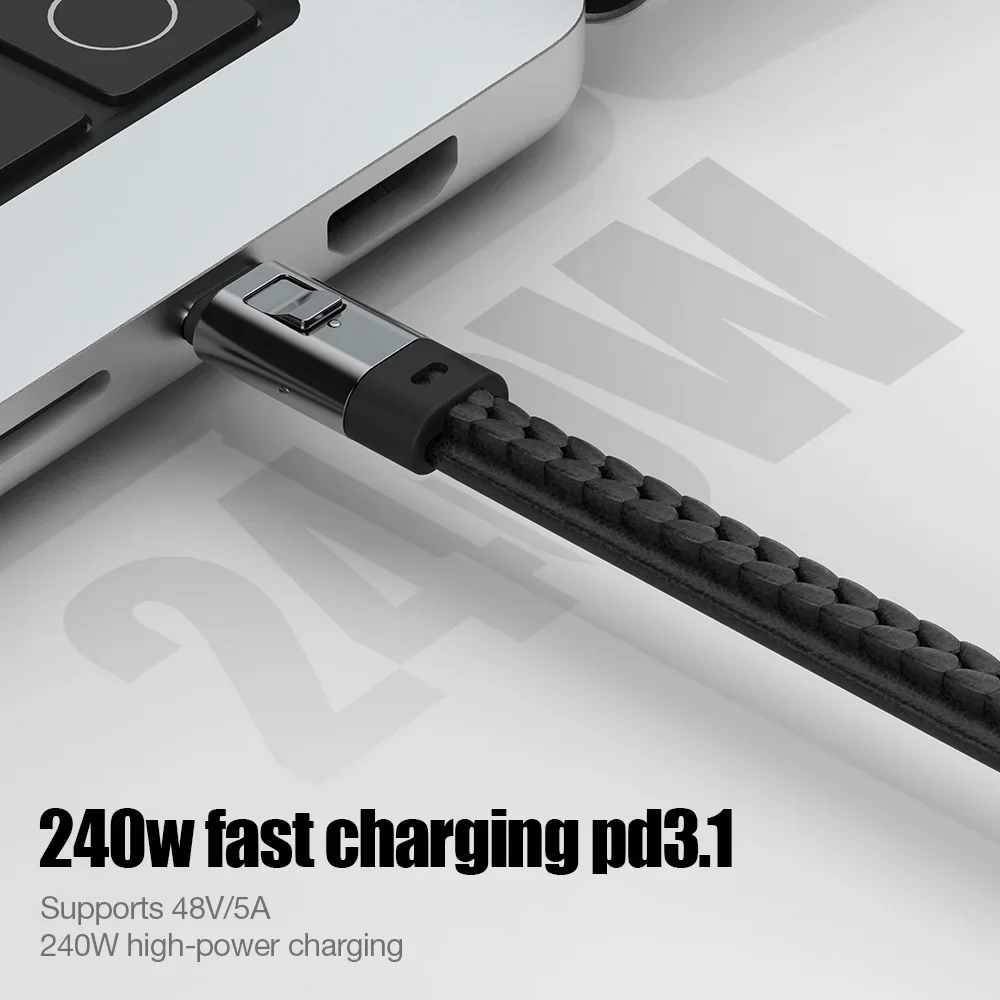
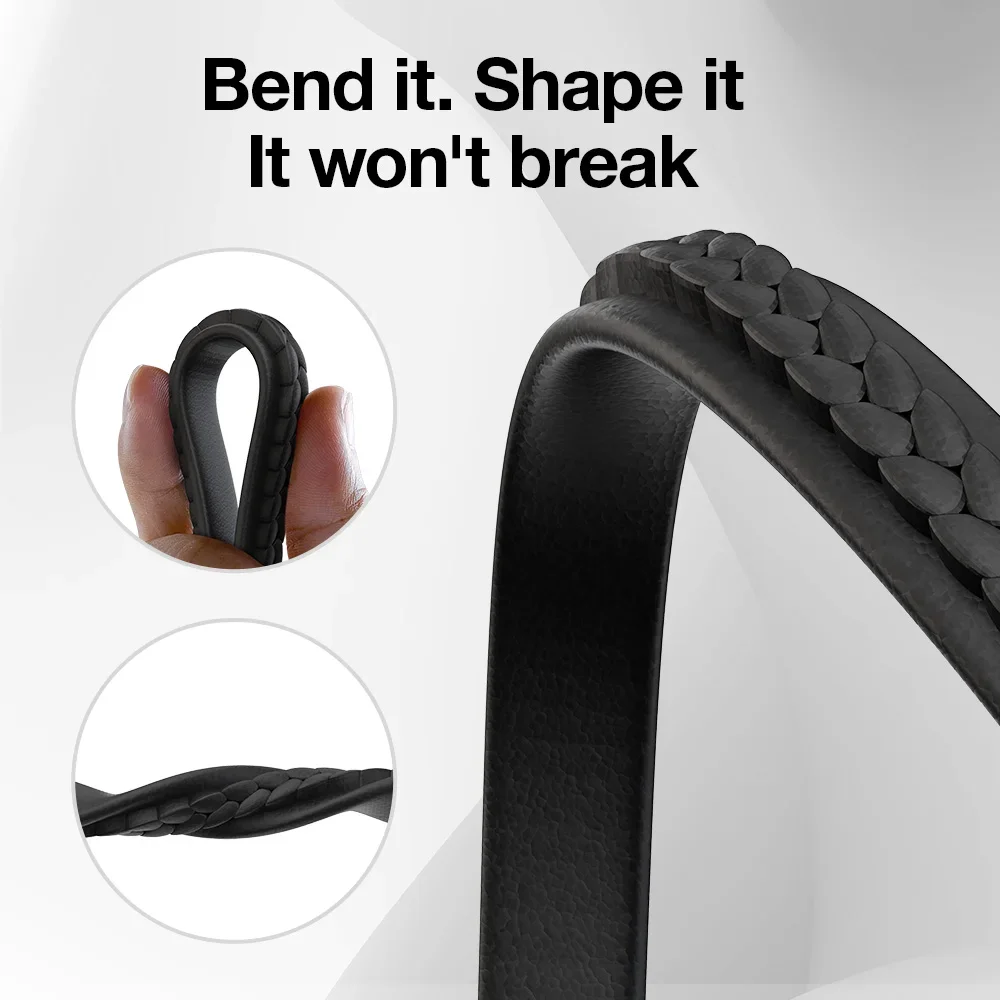
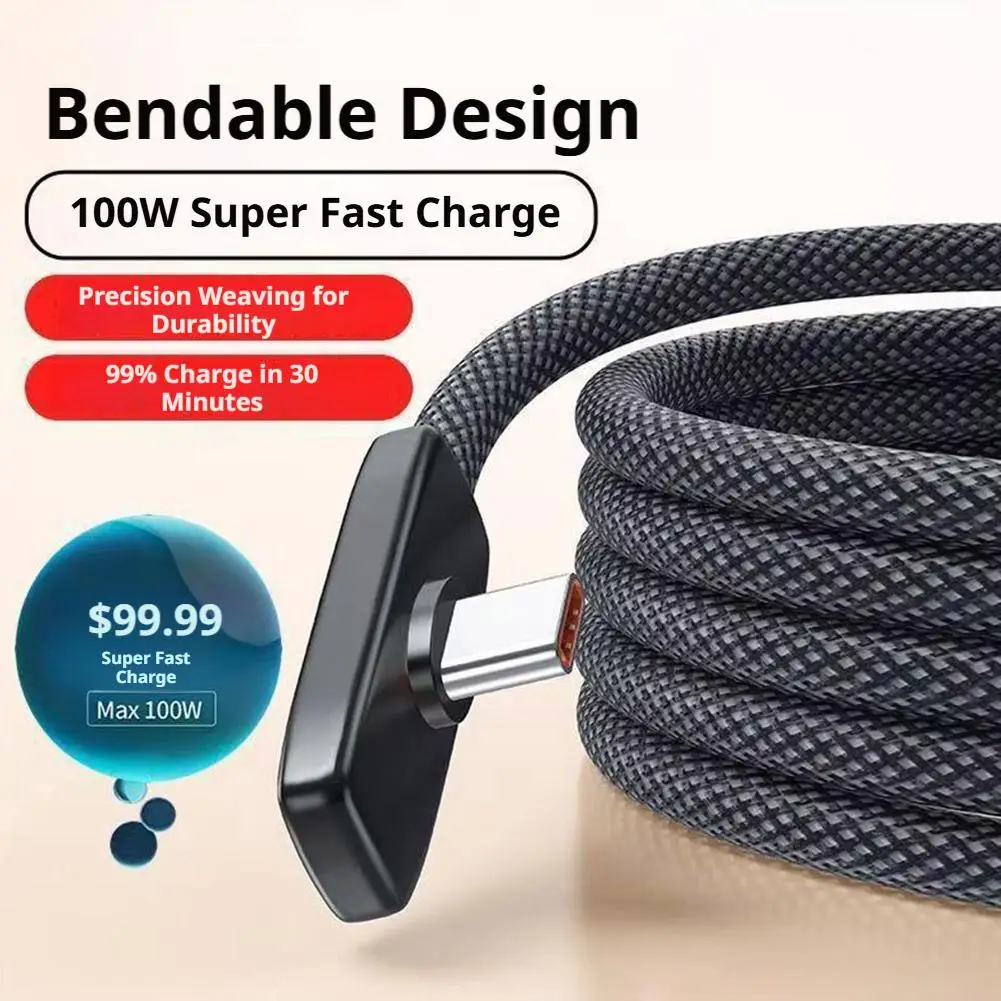
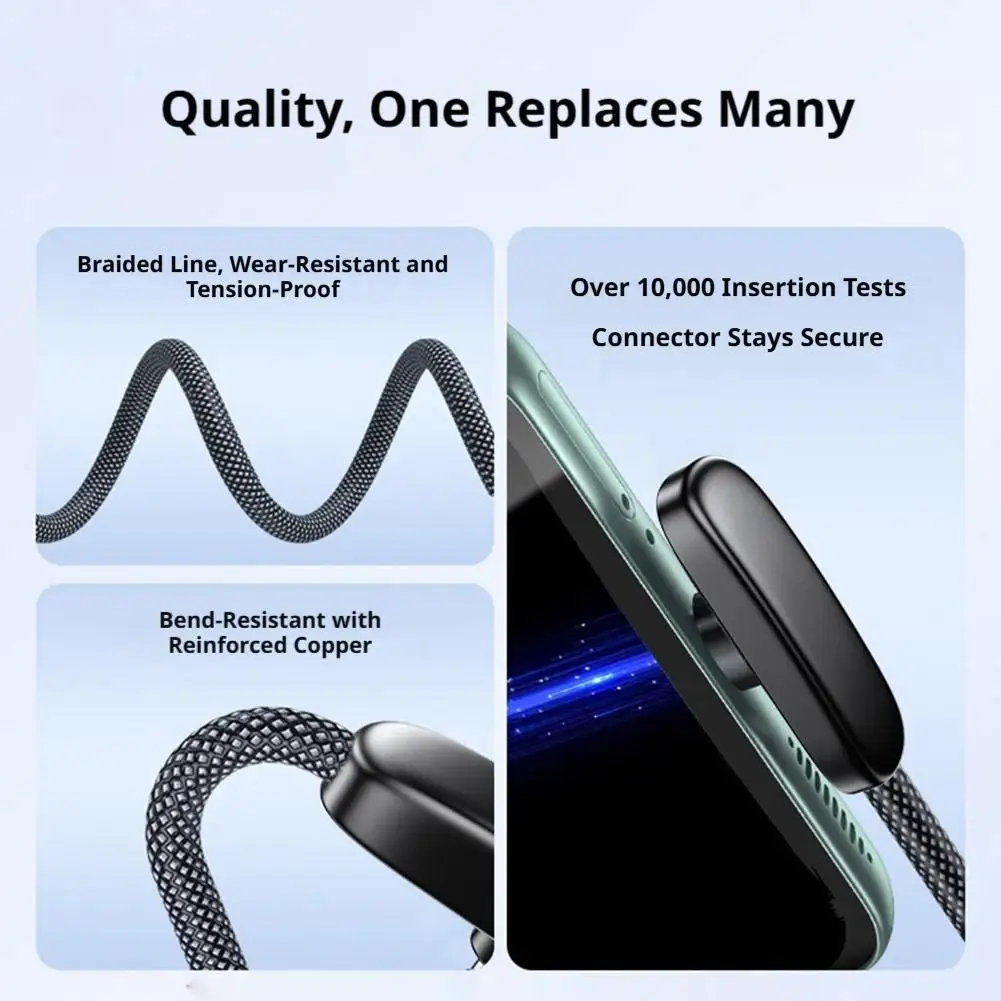
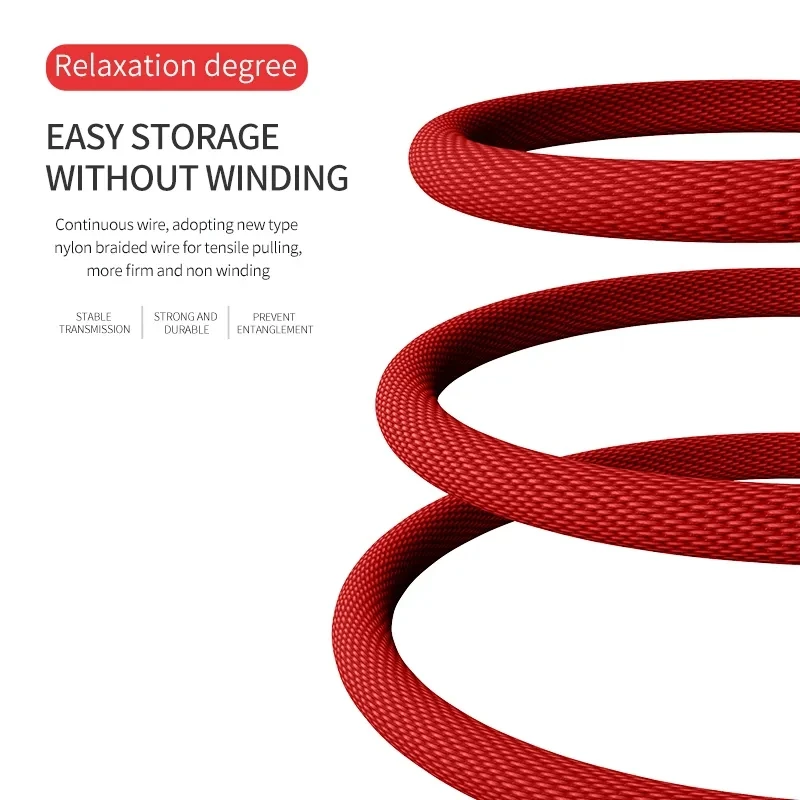
- Braided cables have a woven jacket that resists kinks and fraying near the plugs, where most cables fail. See braided cables.
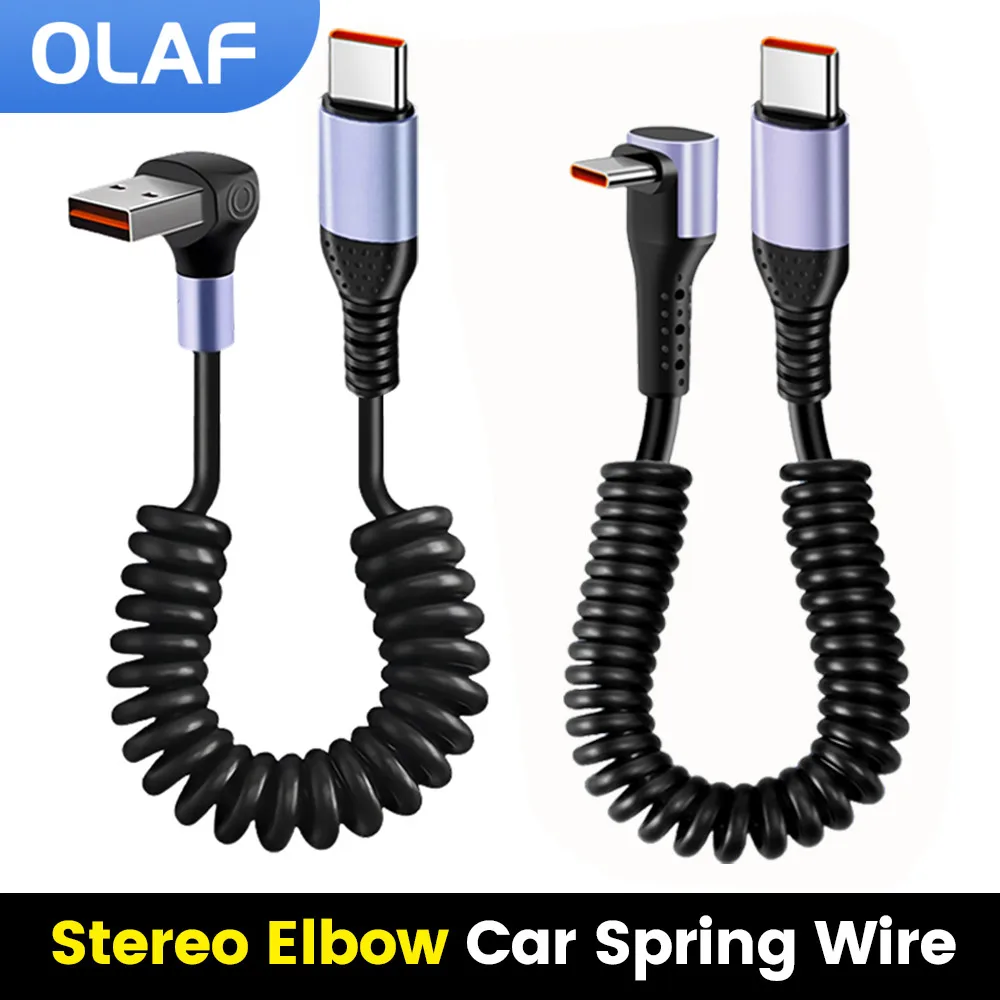
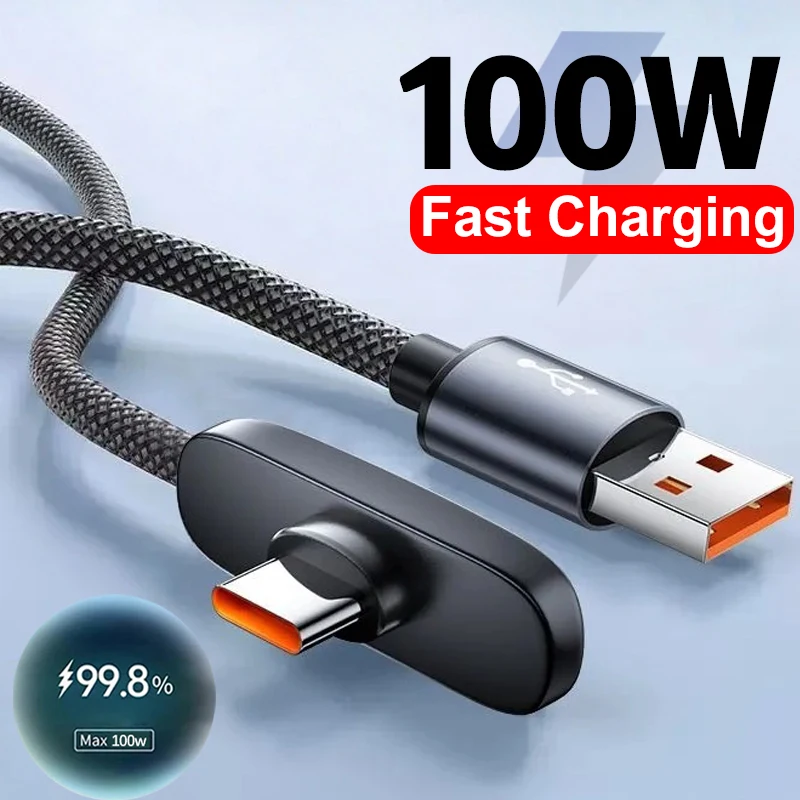
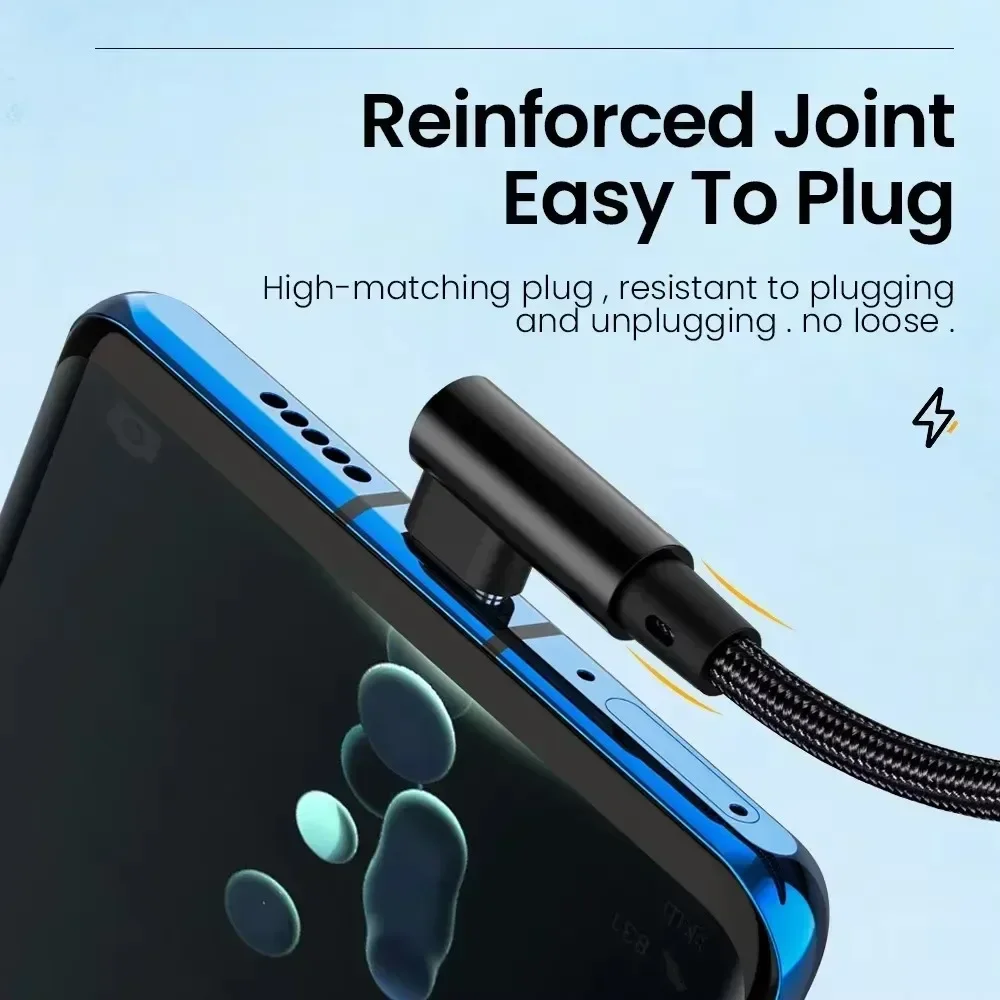
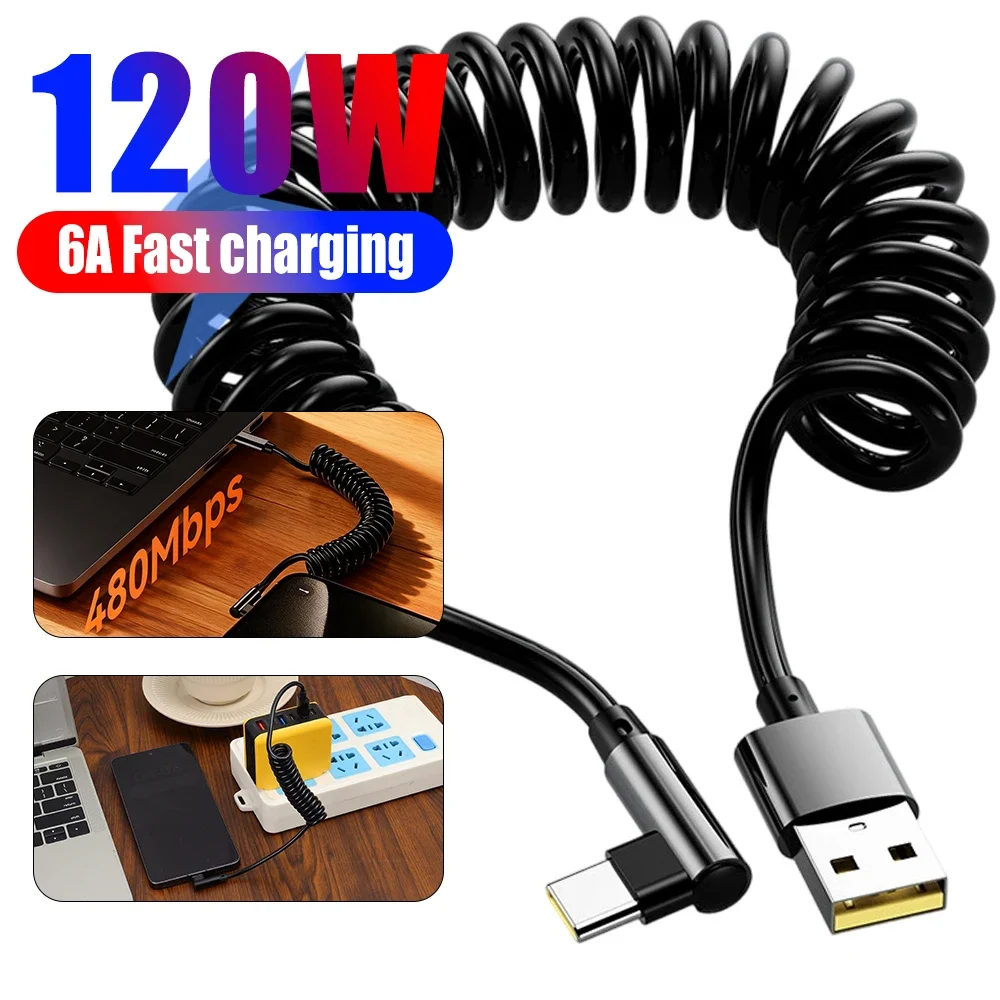
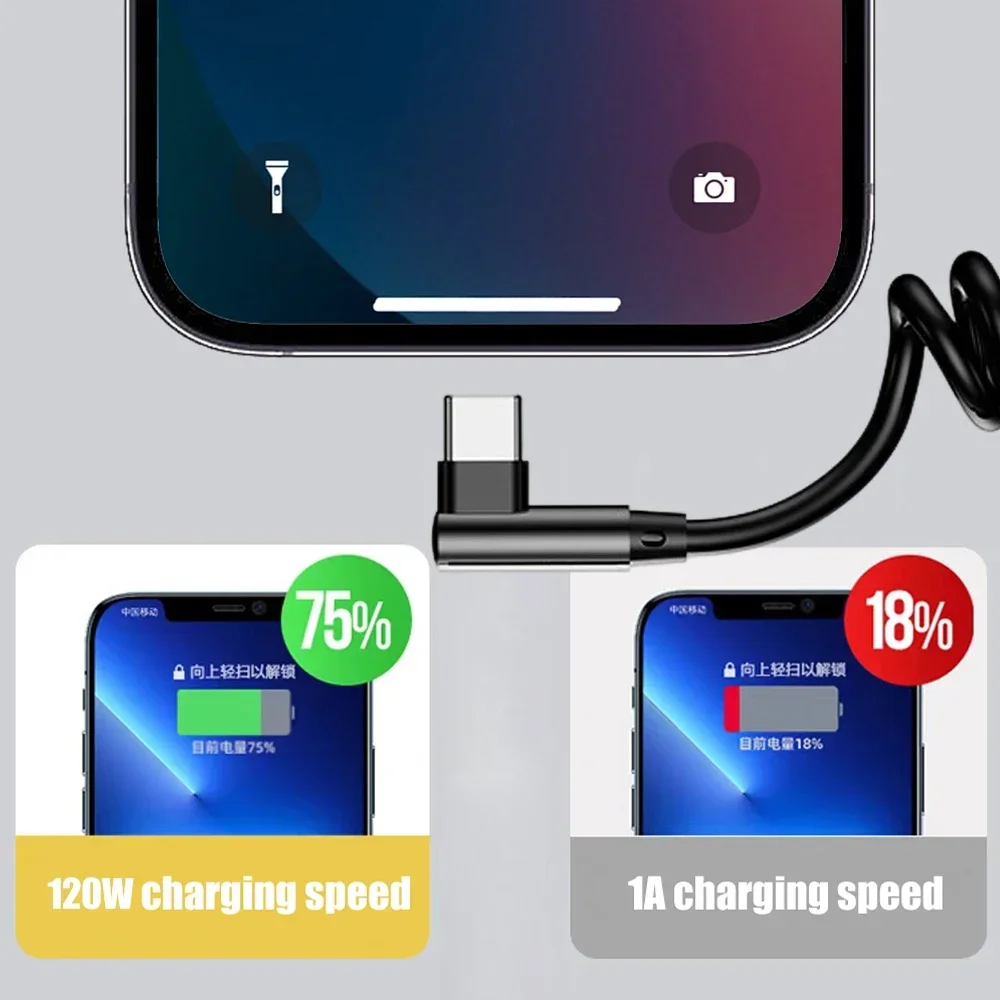
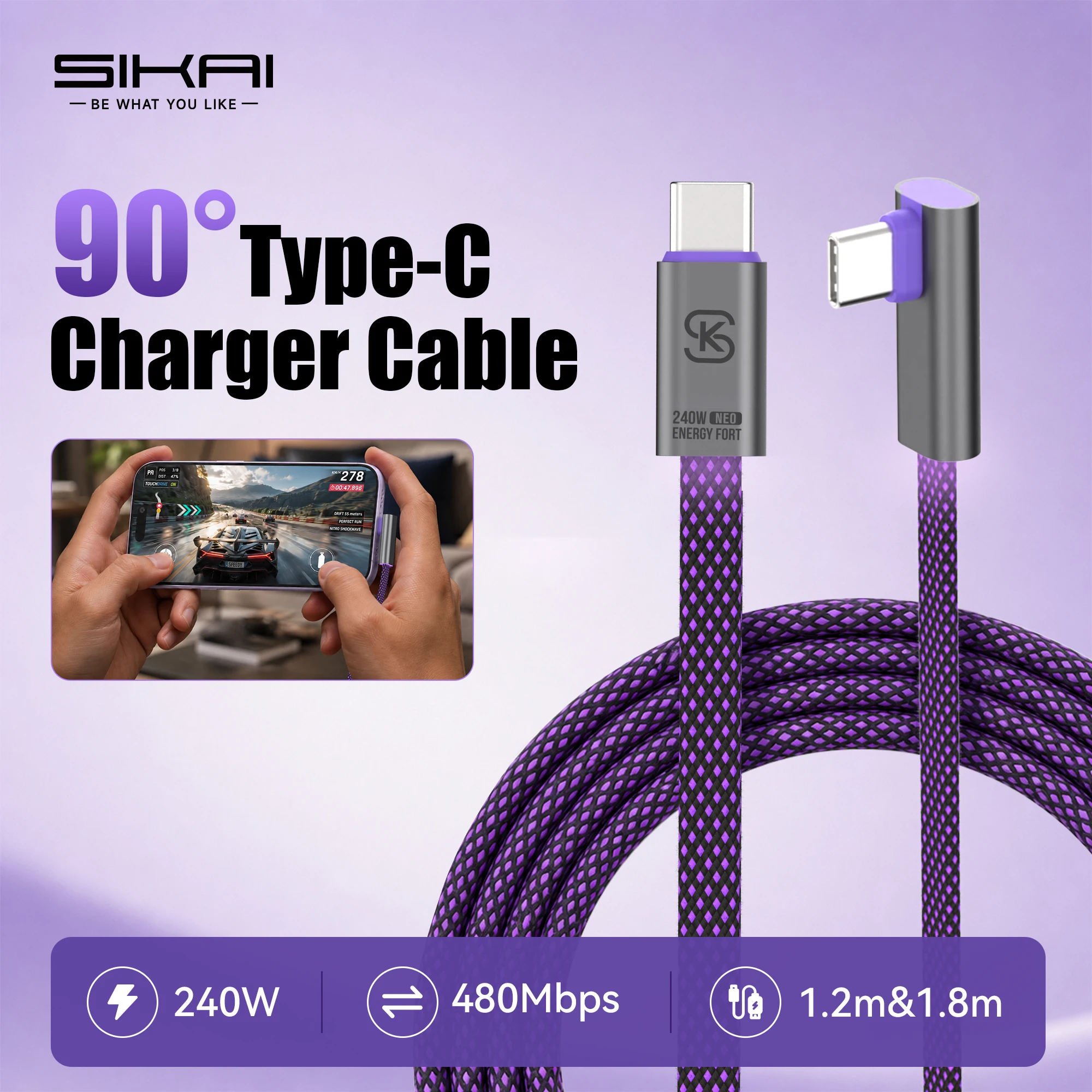
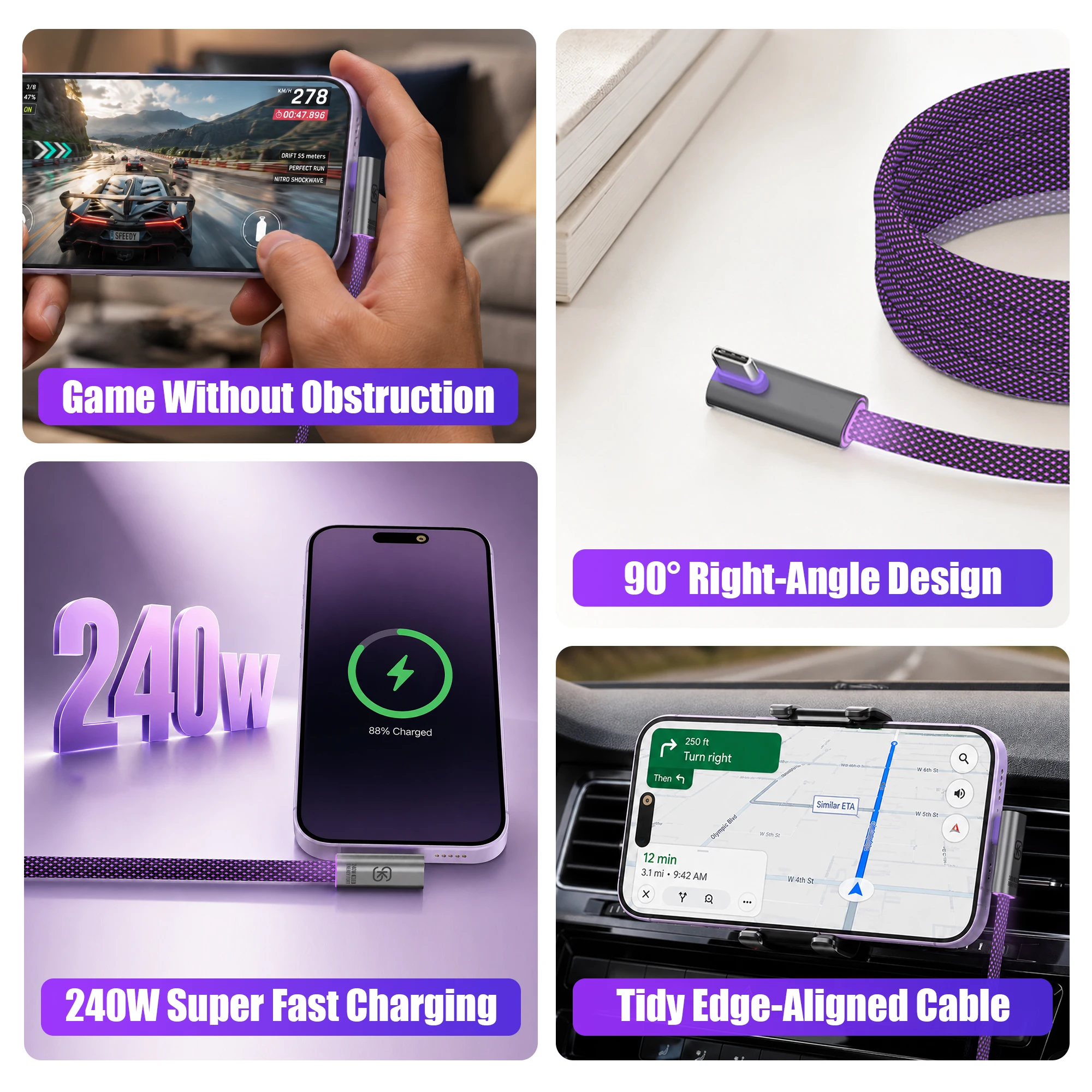
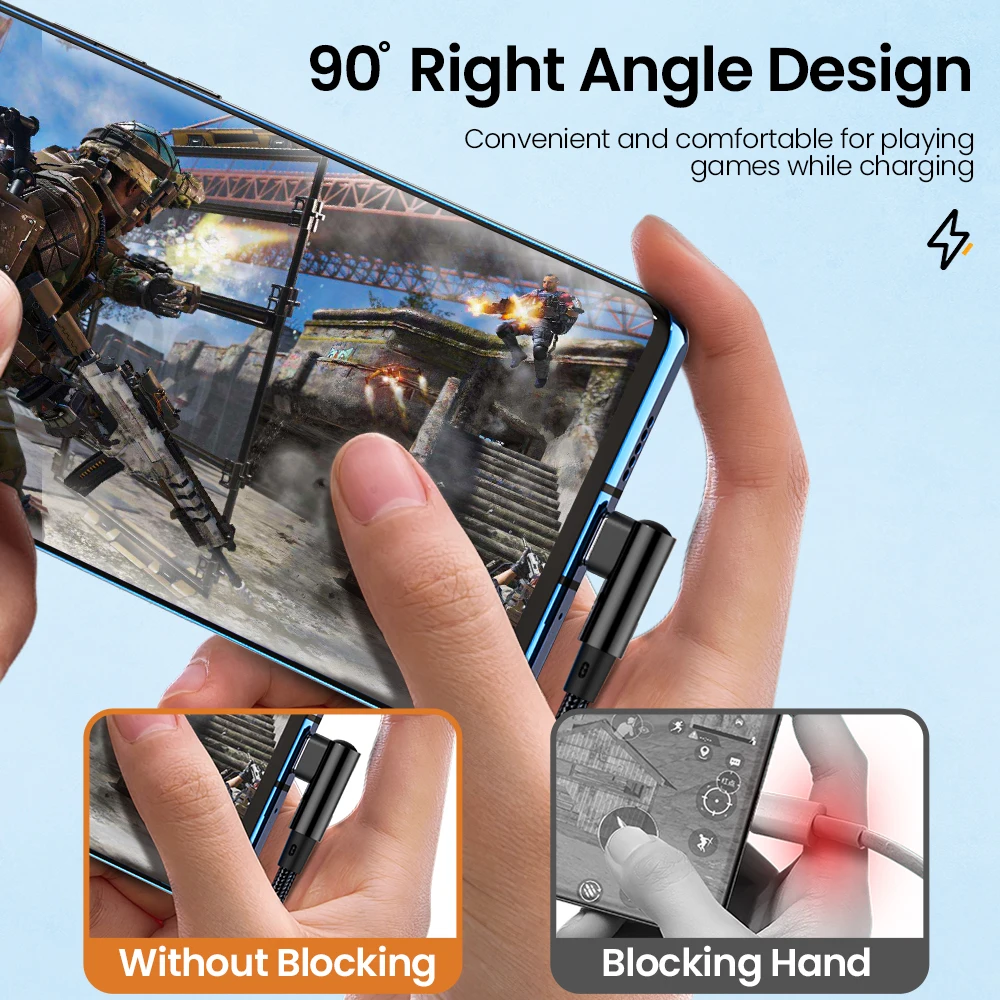
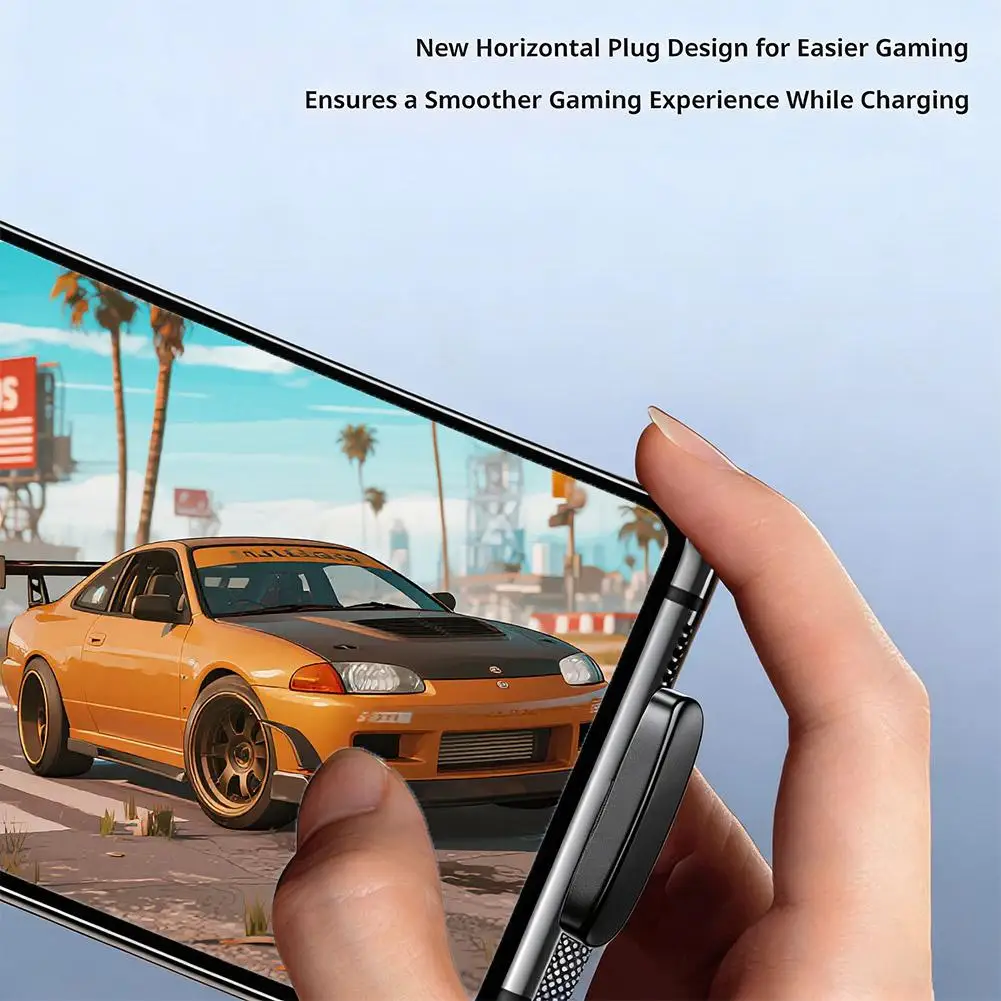
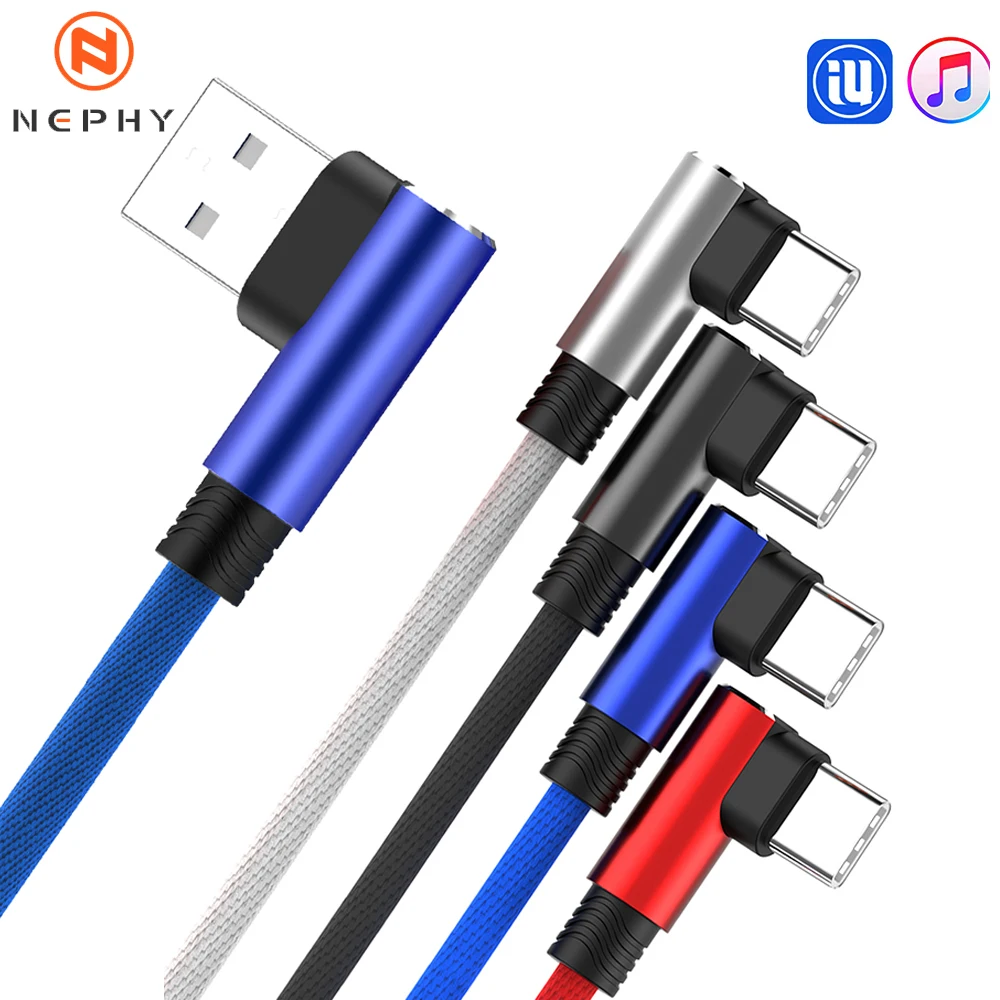
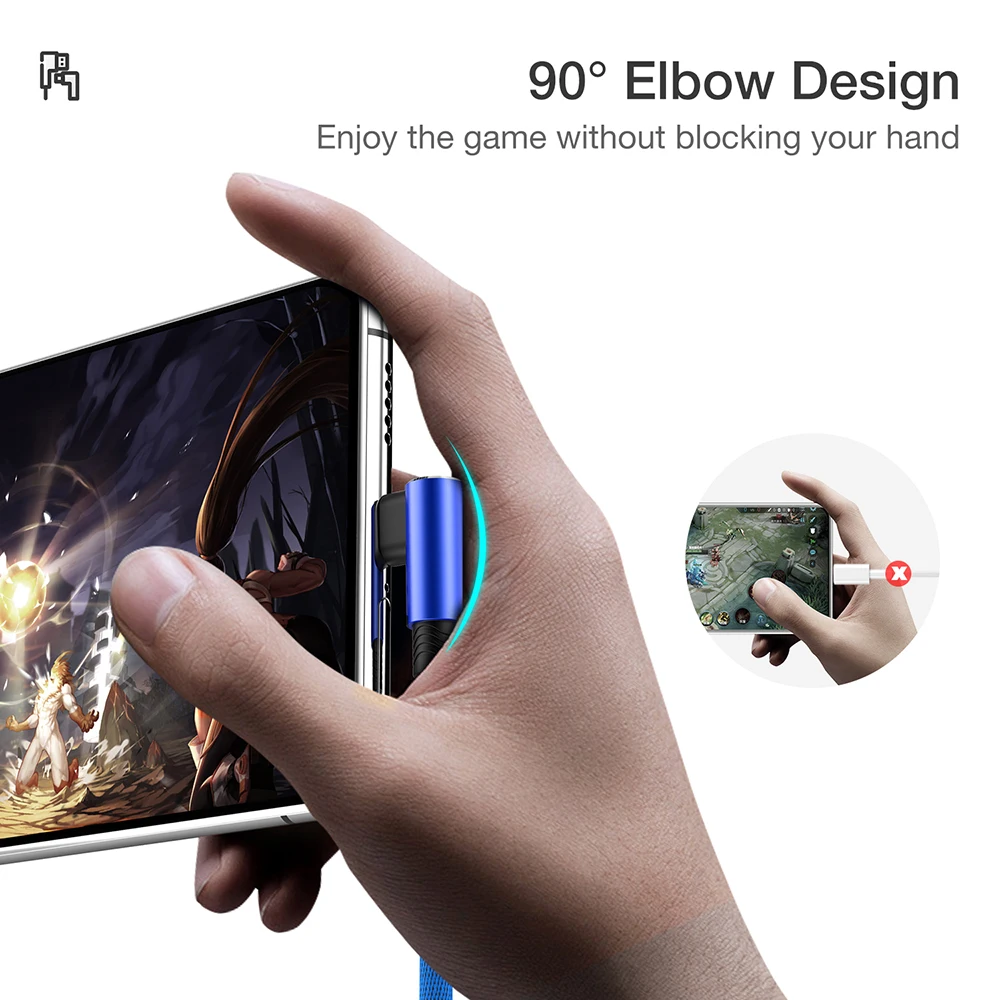
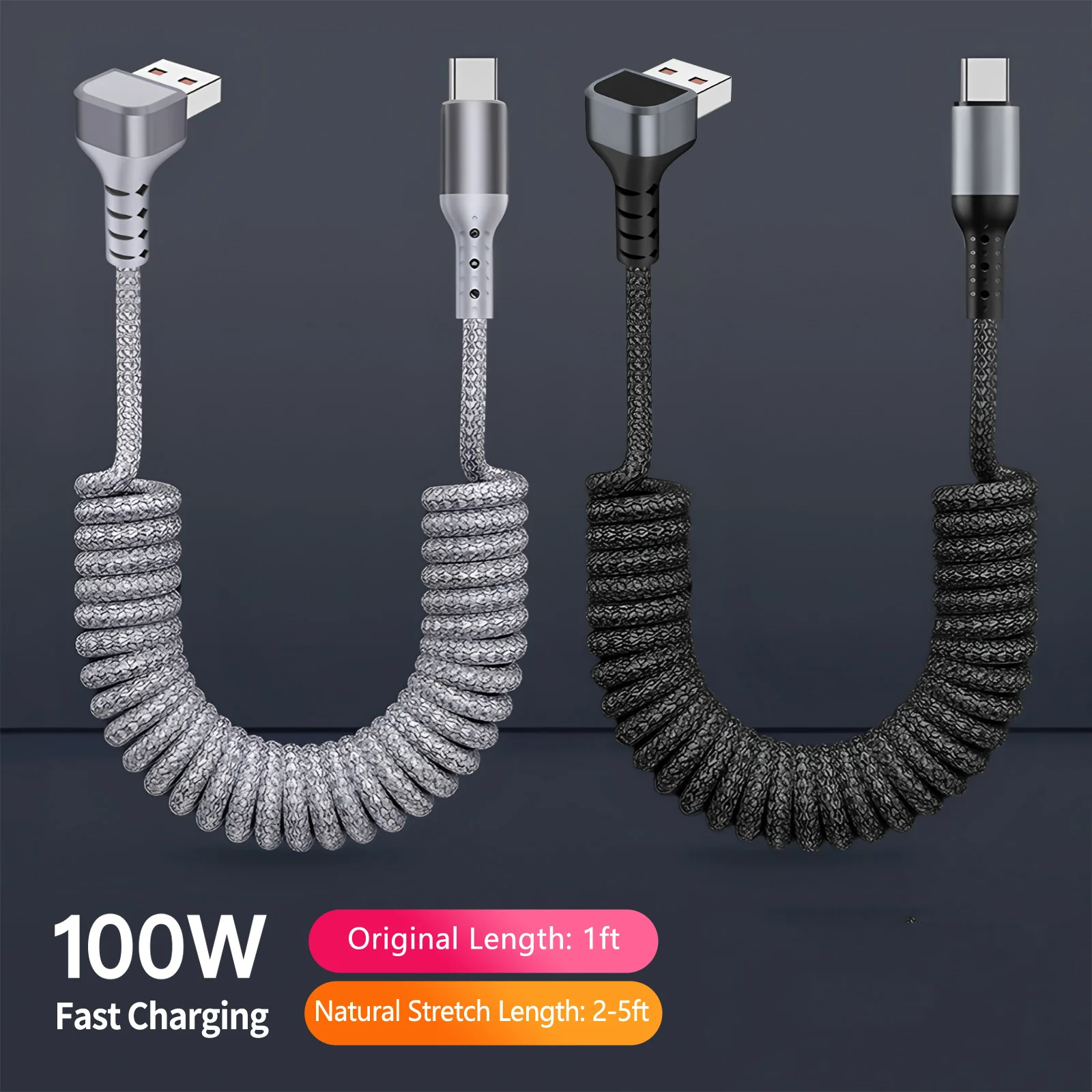
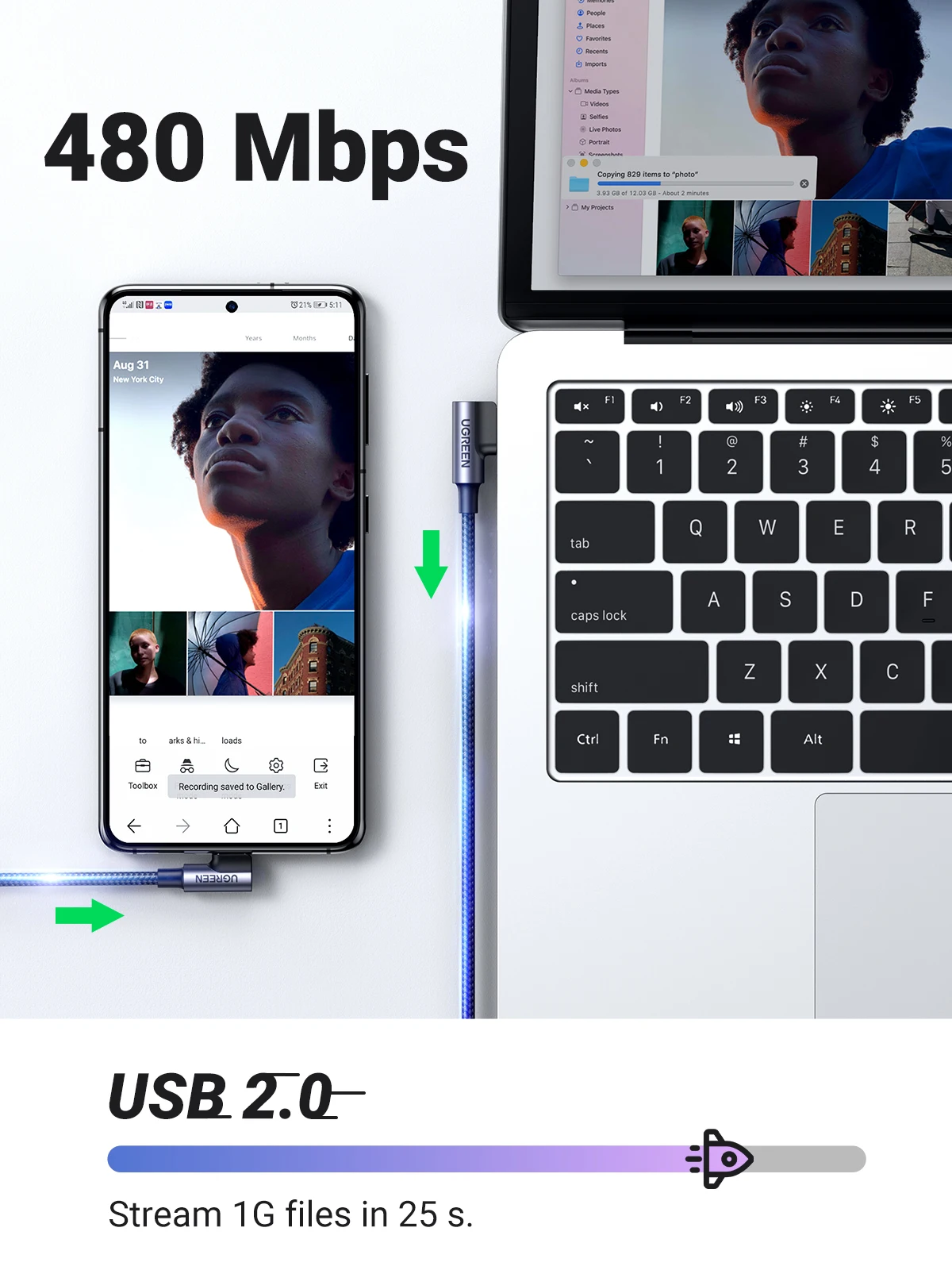
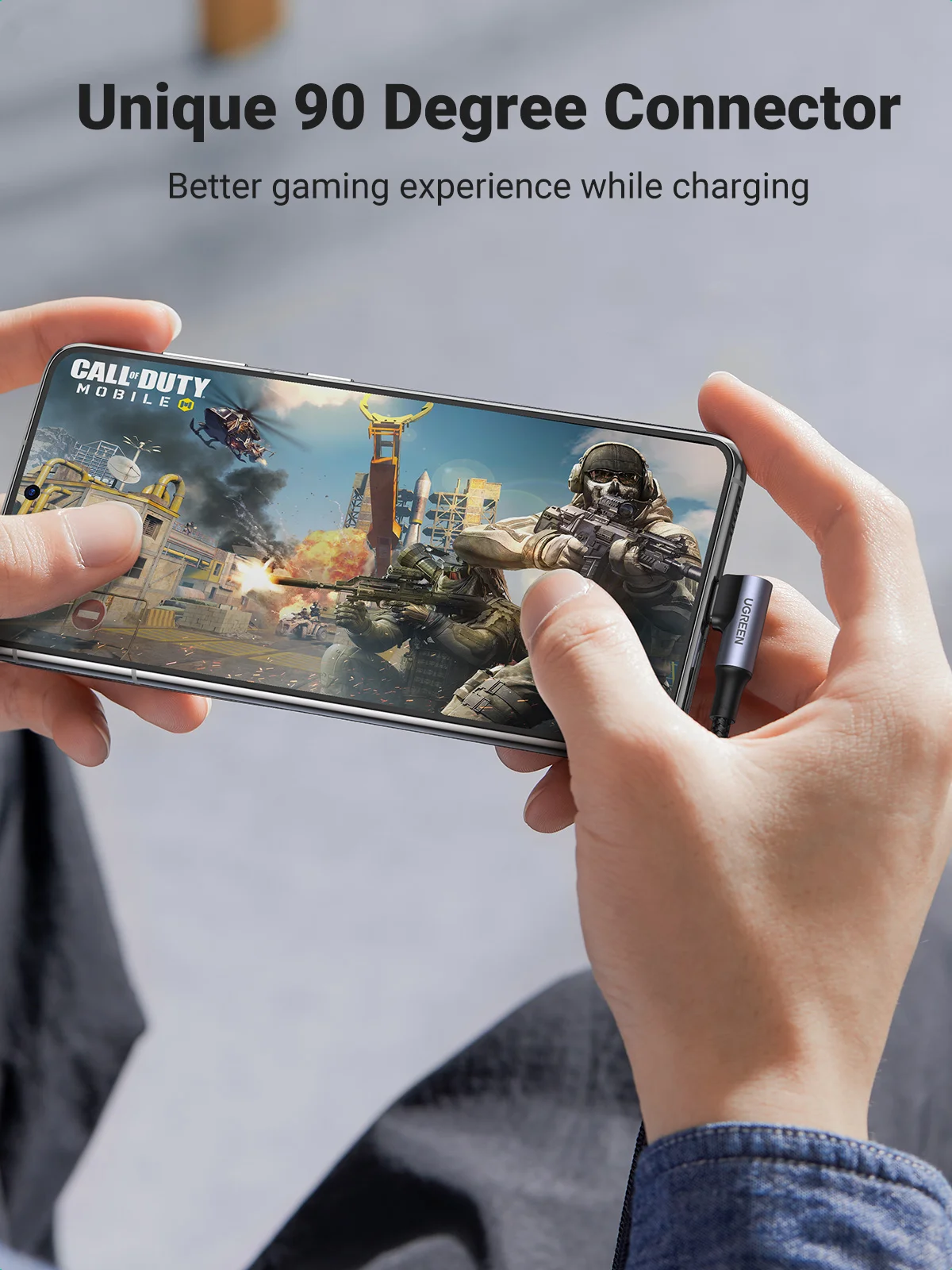
- Right-angle cables have an L-shaped plug that runs along the side of the phone, for gaming and the car. See right-angle cables.
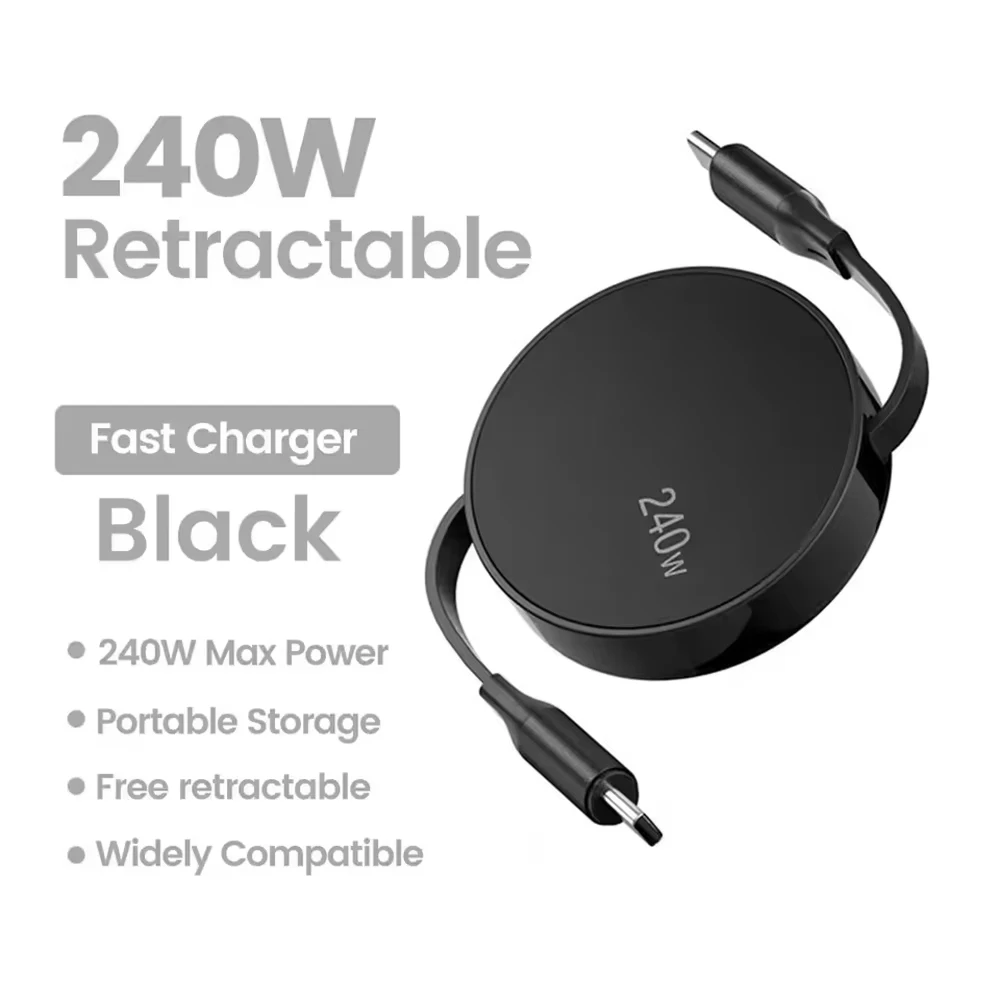
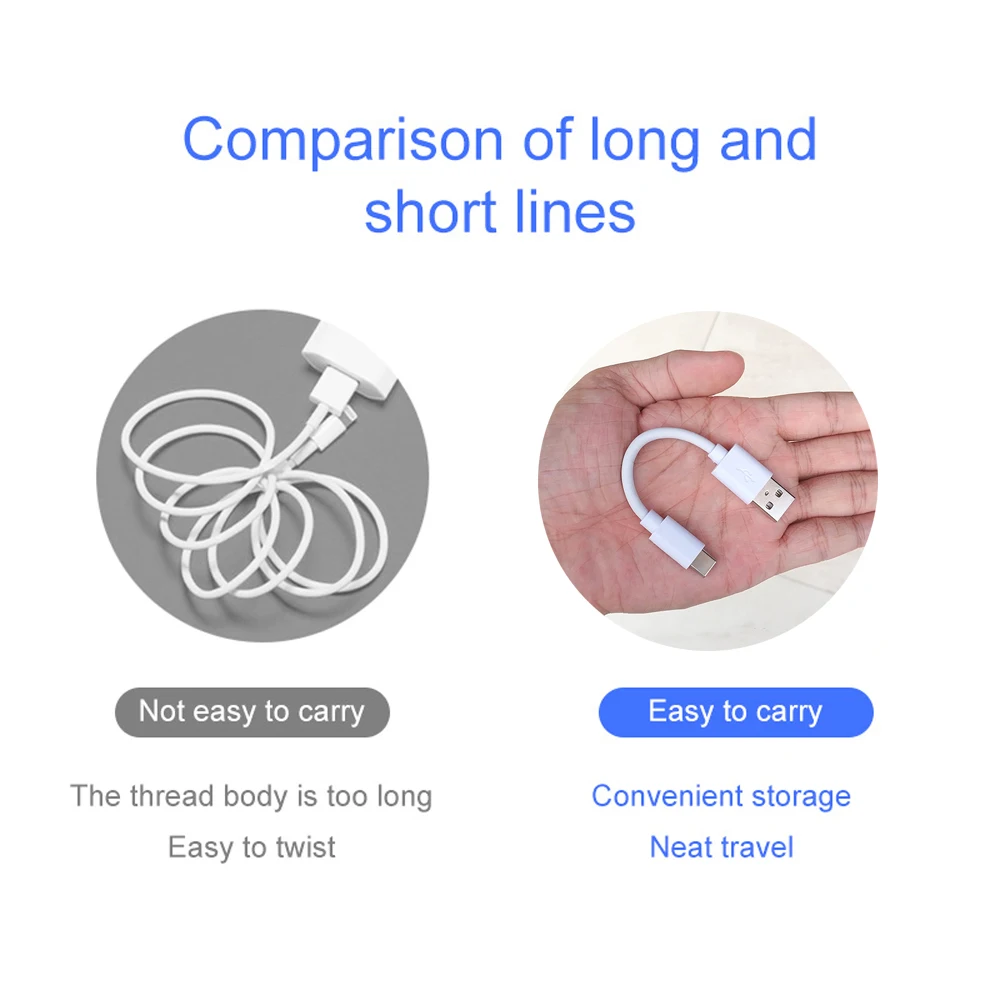
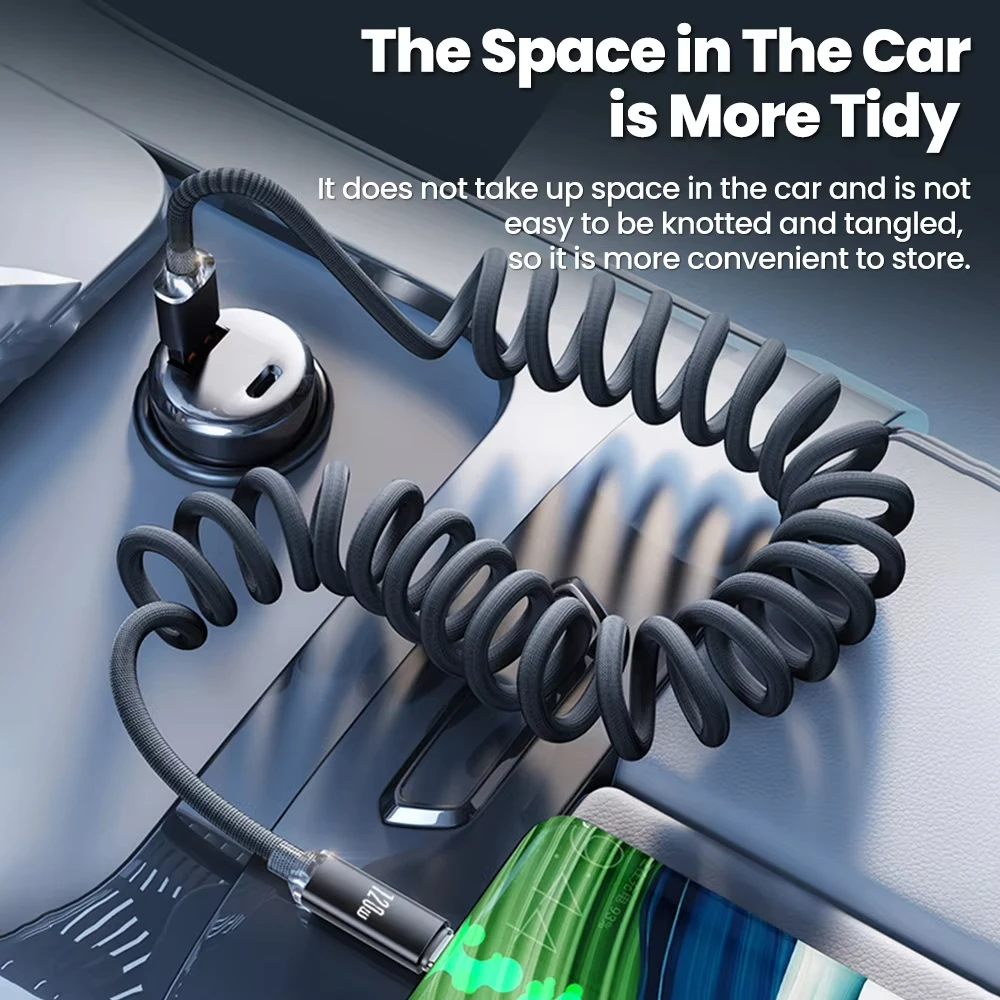
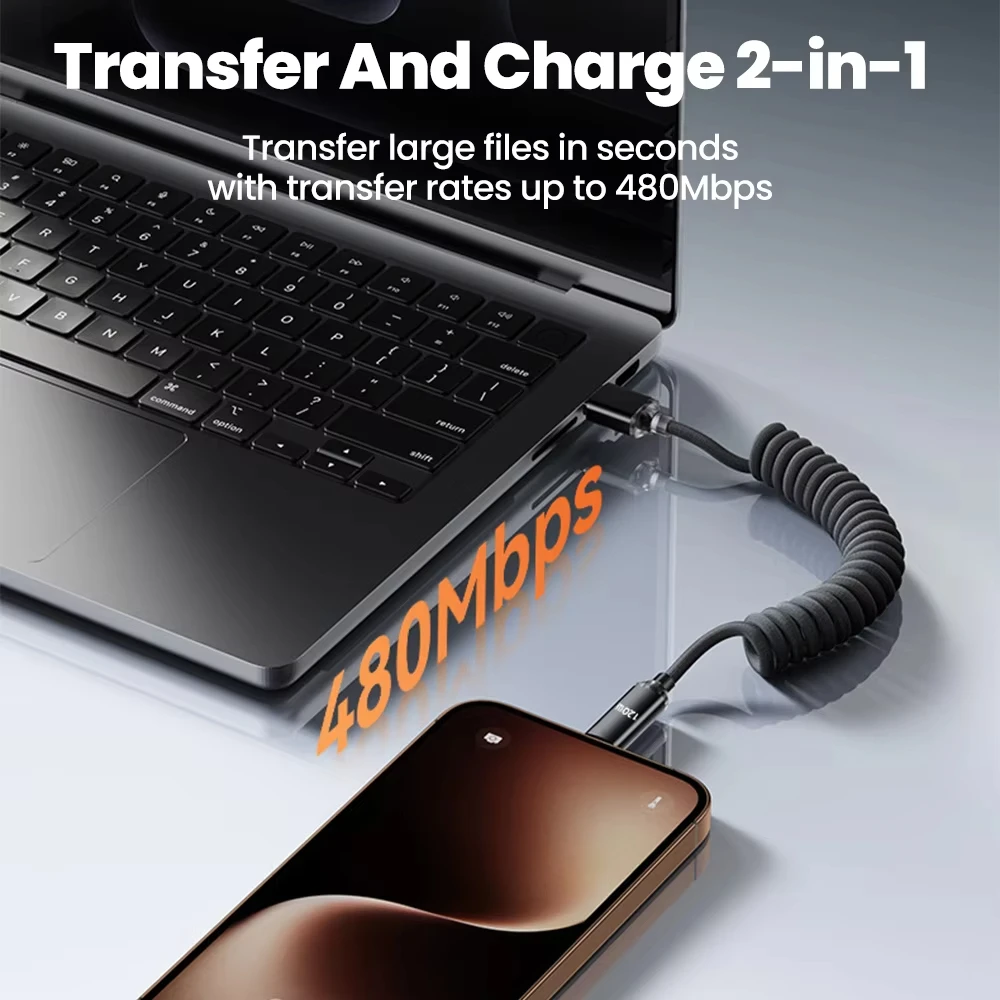
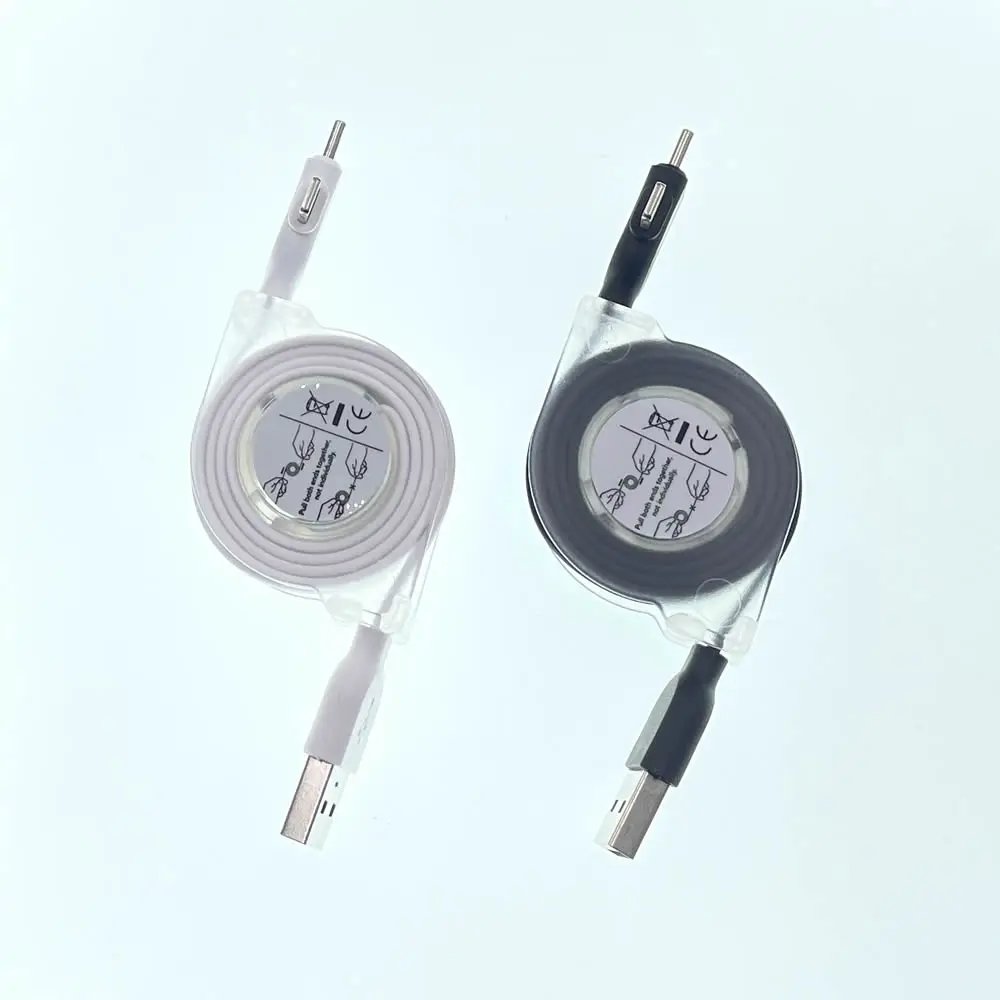
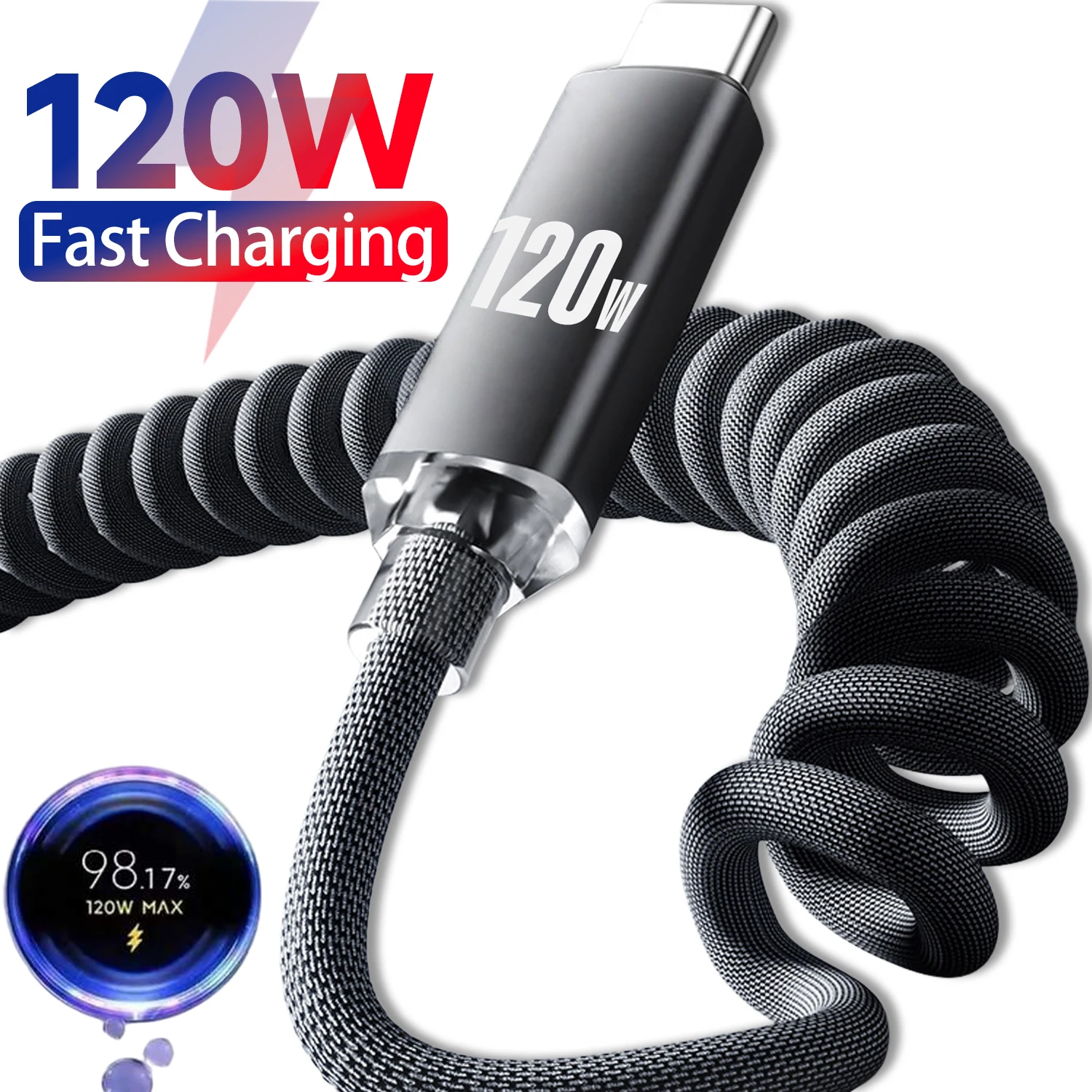
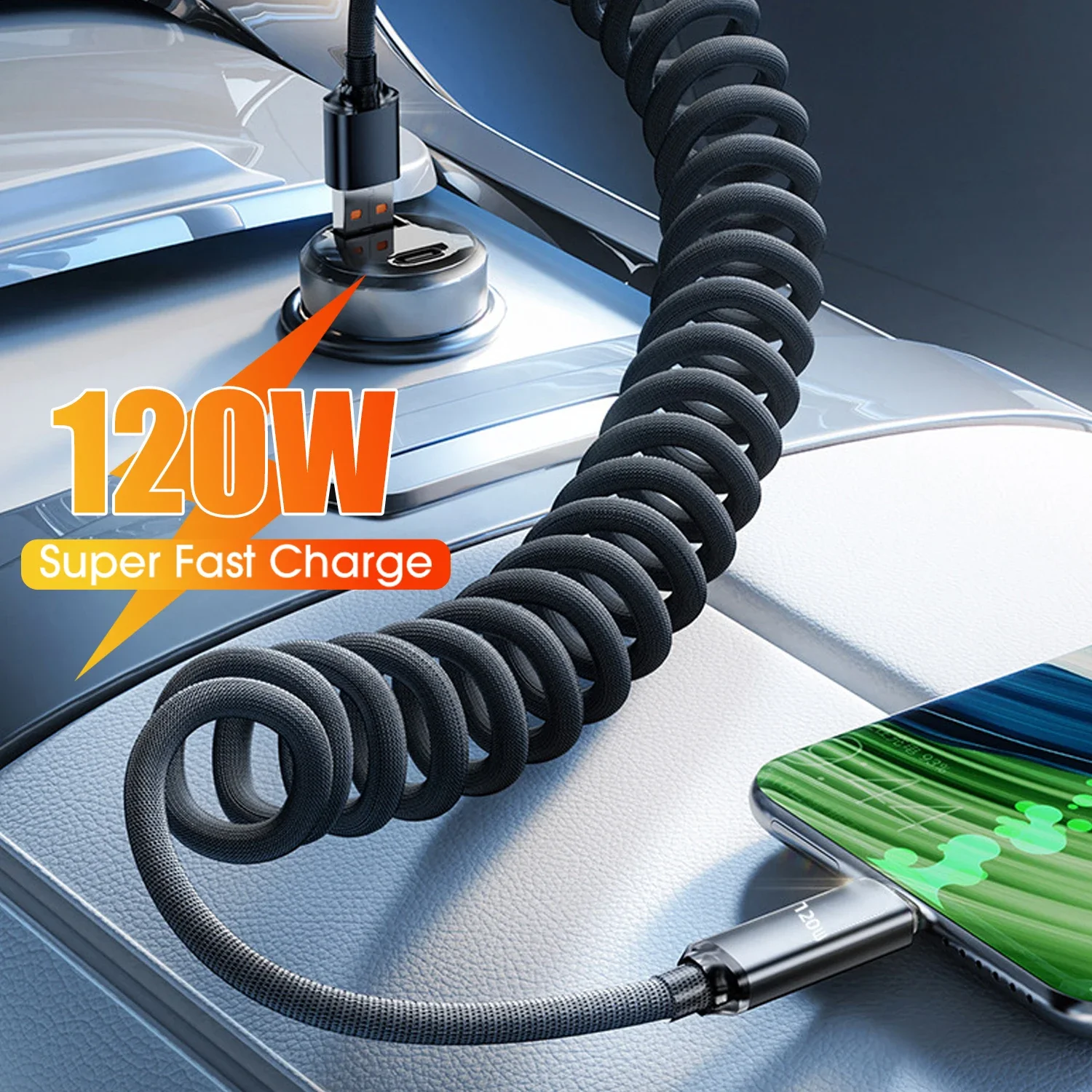
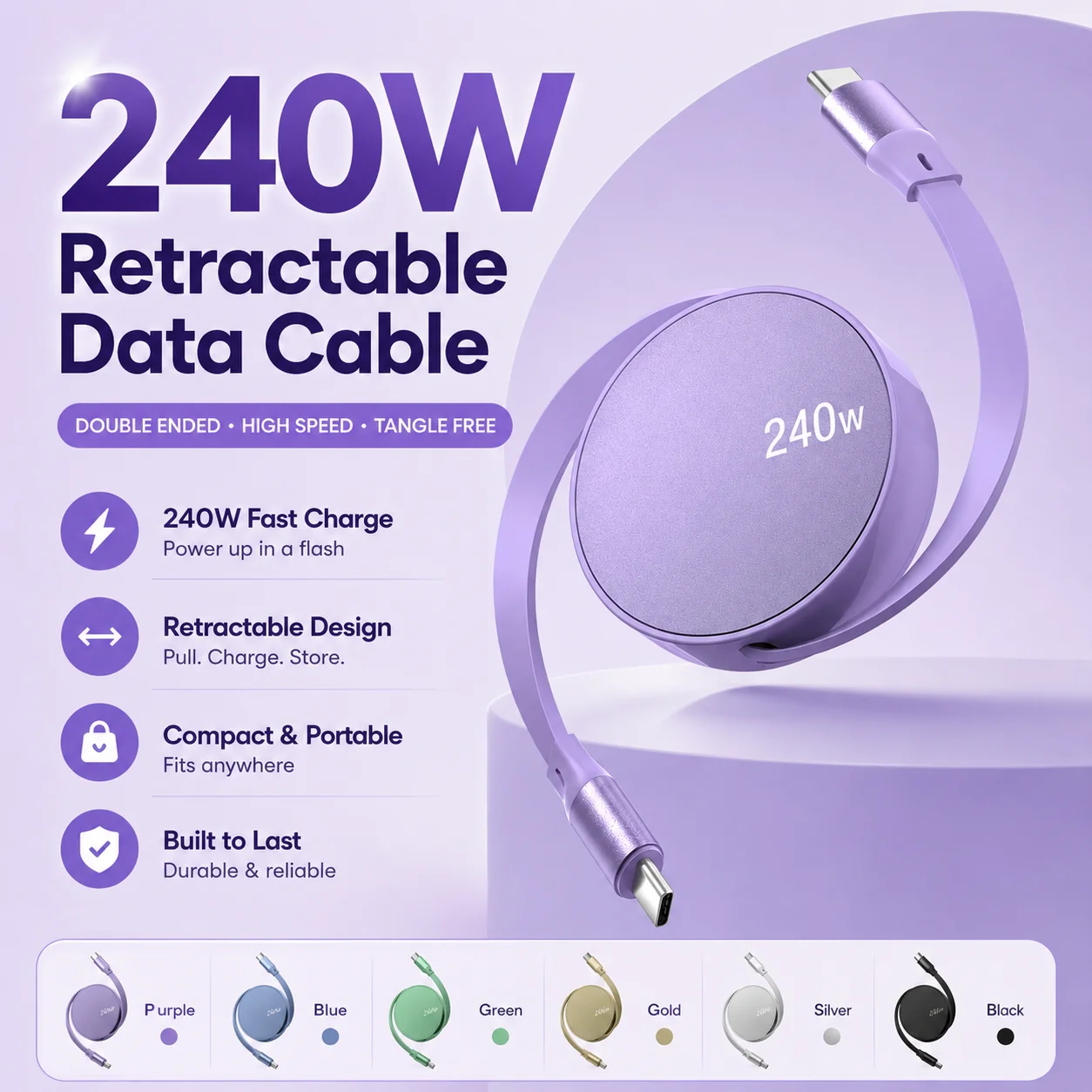
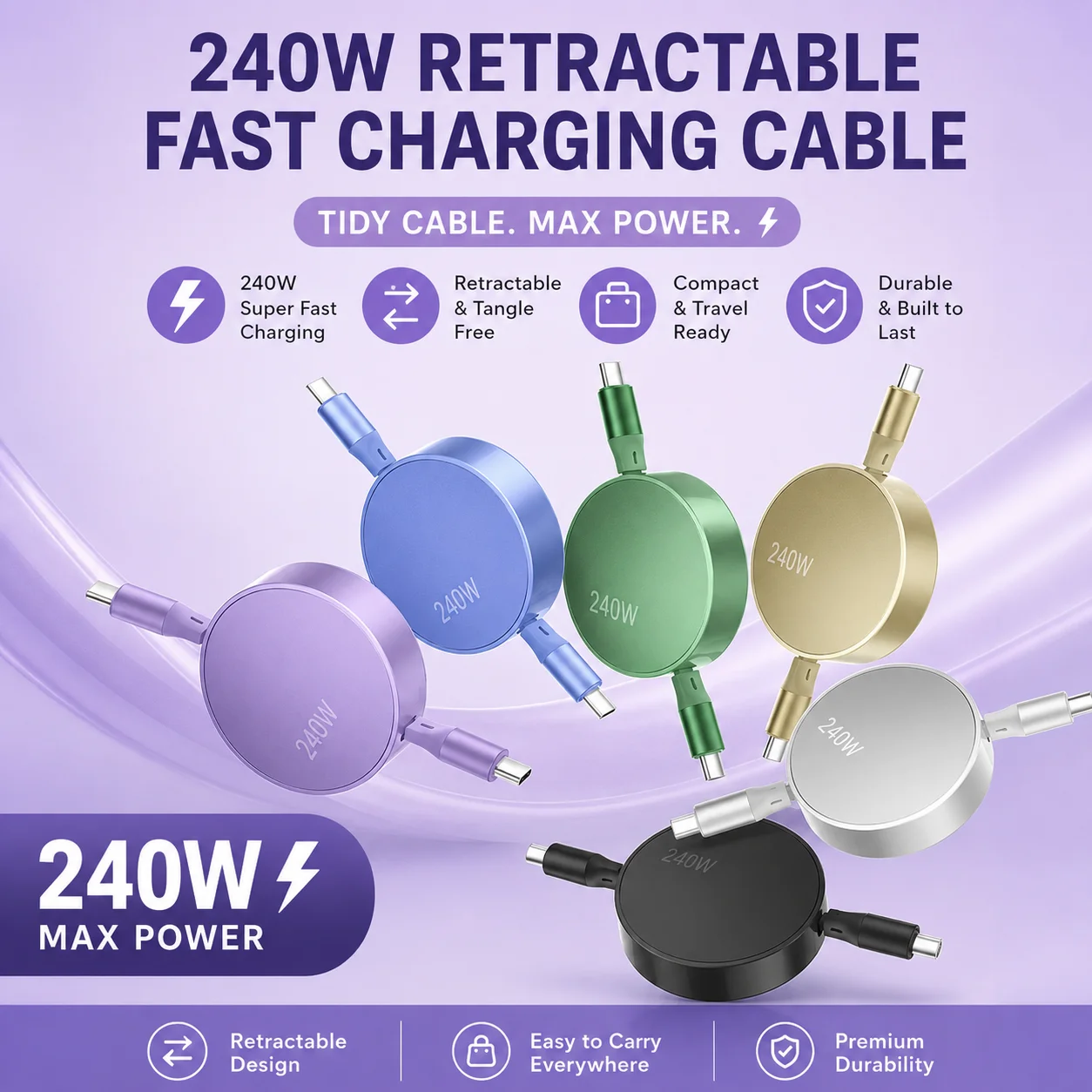
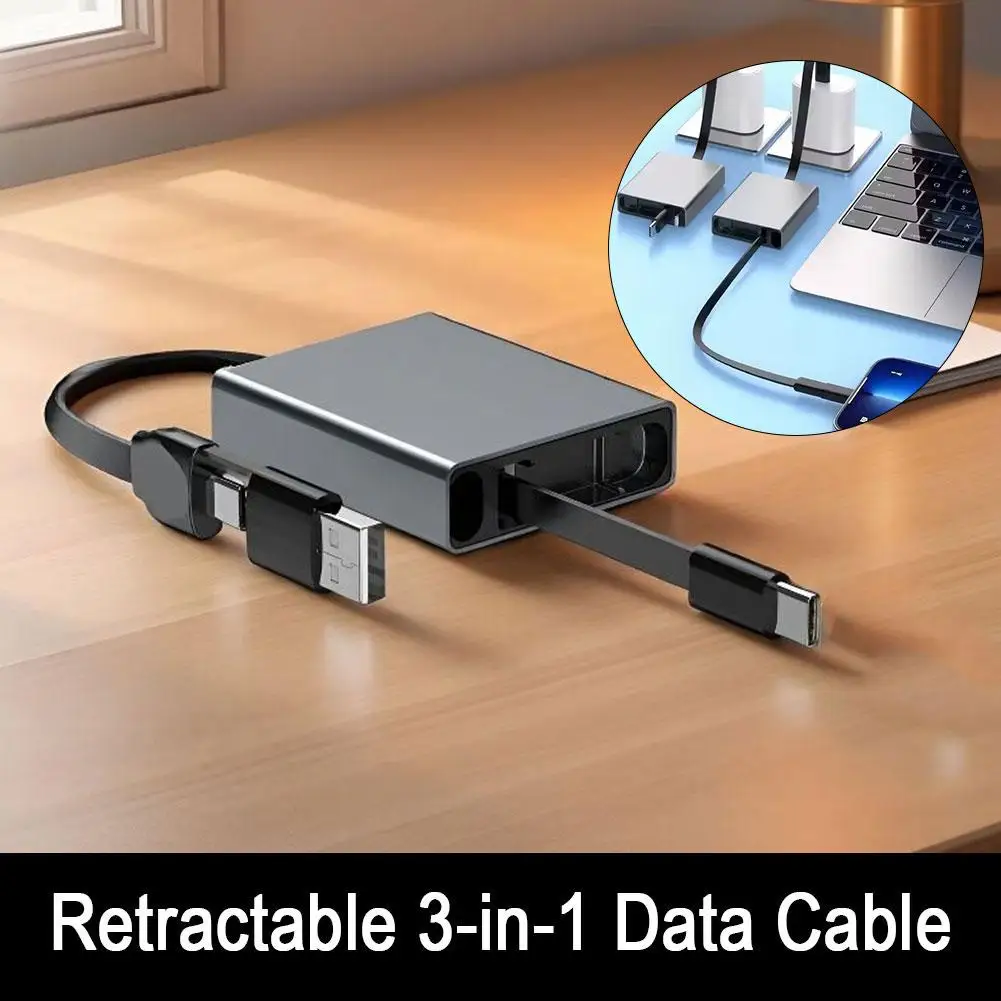
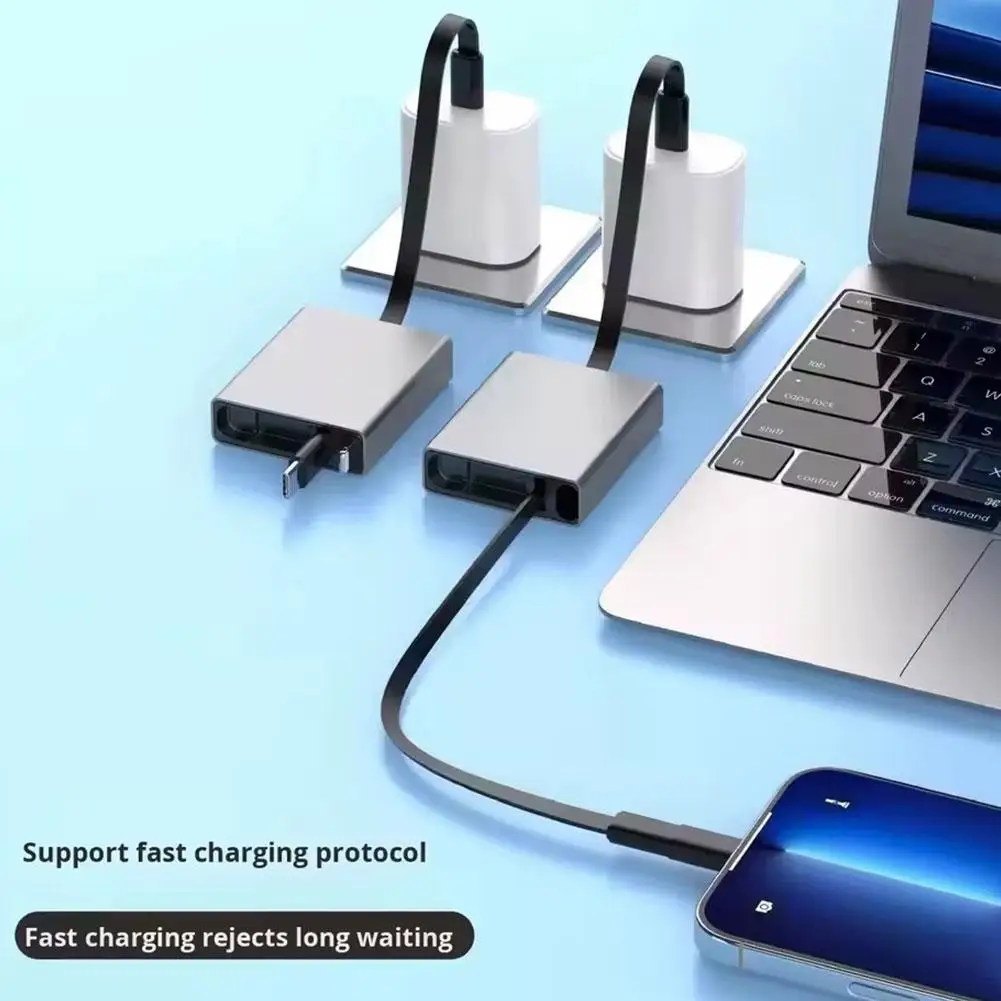
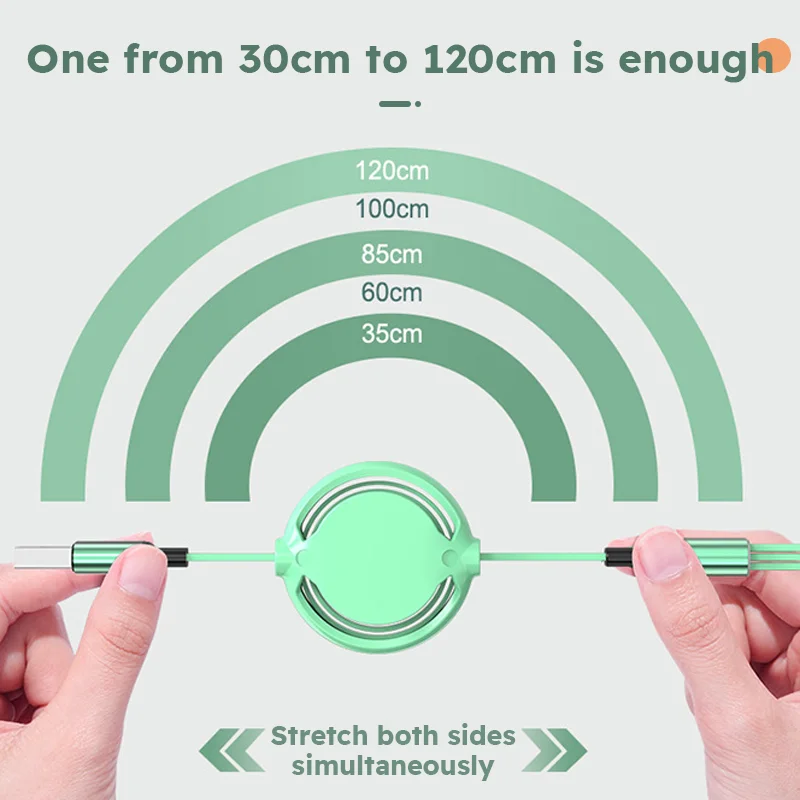
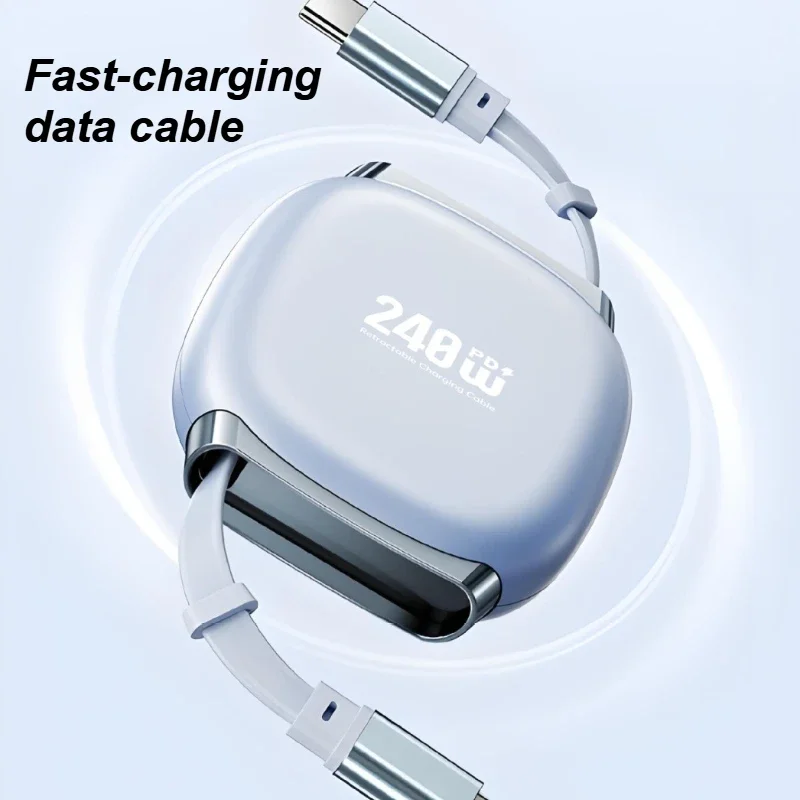
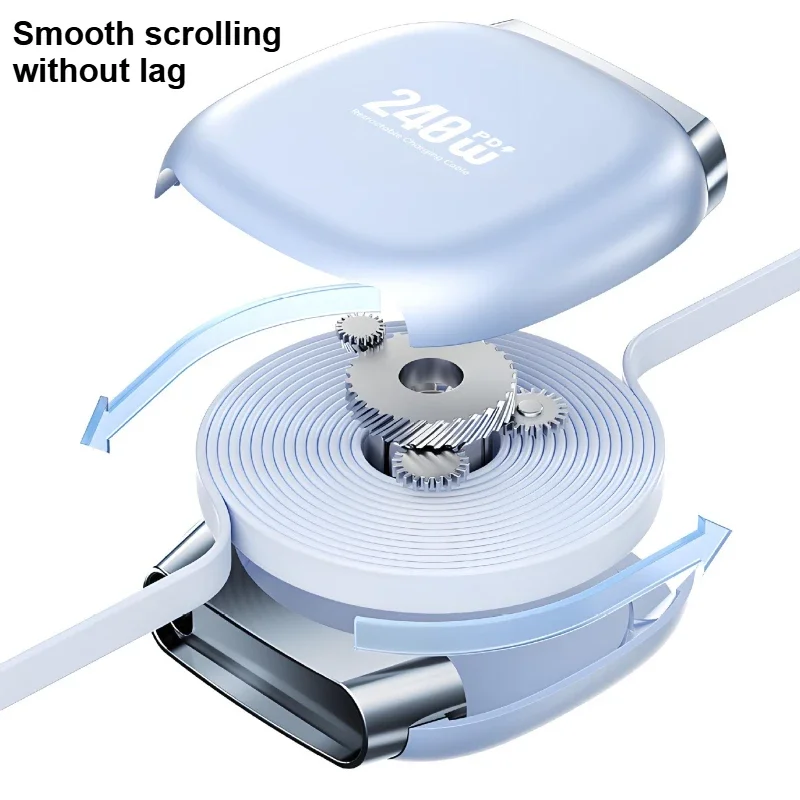
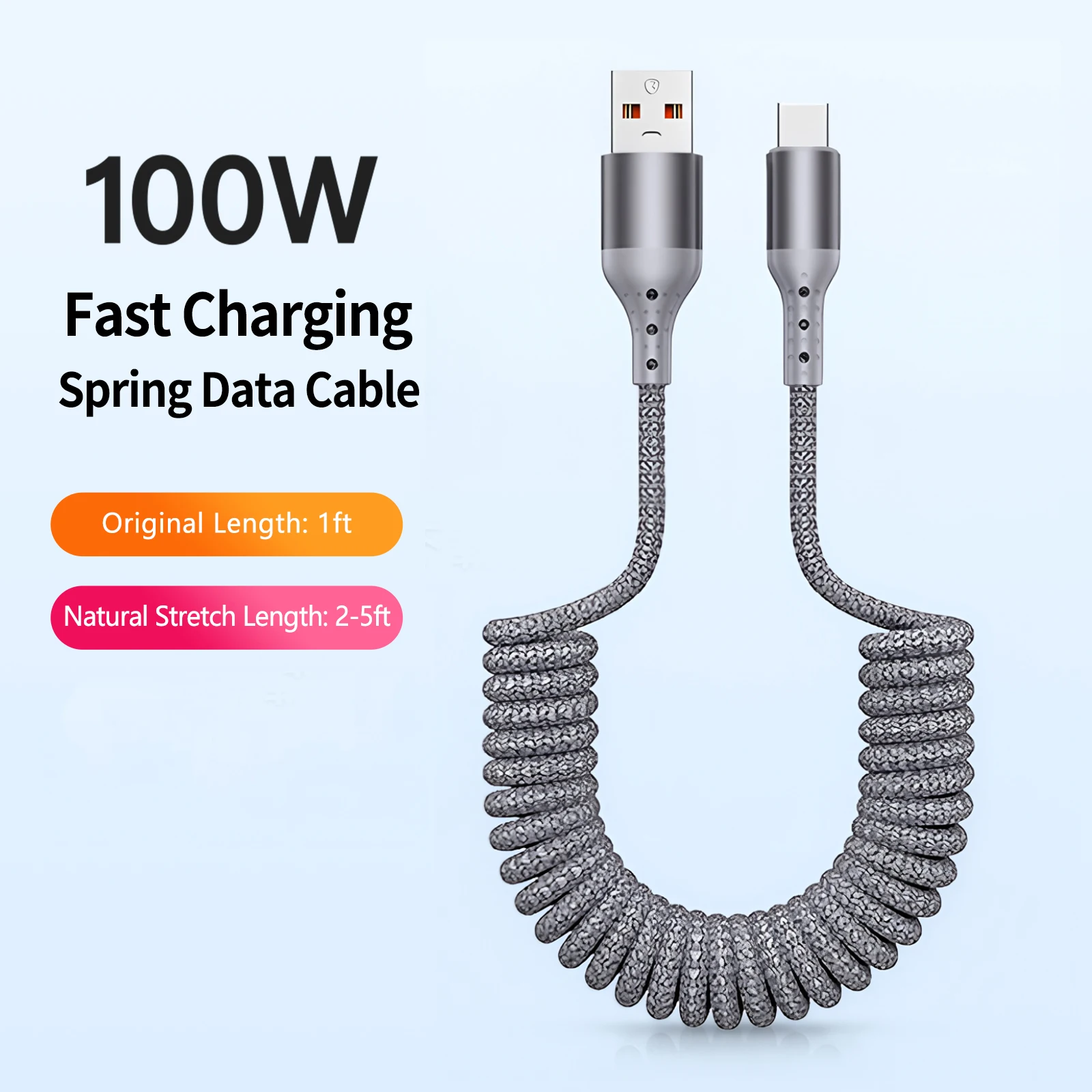
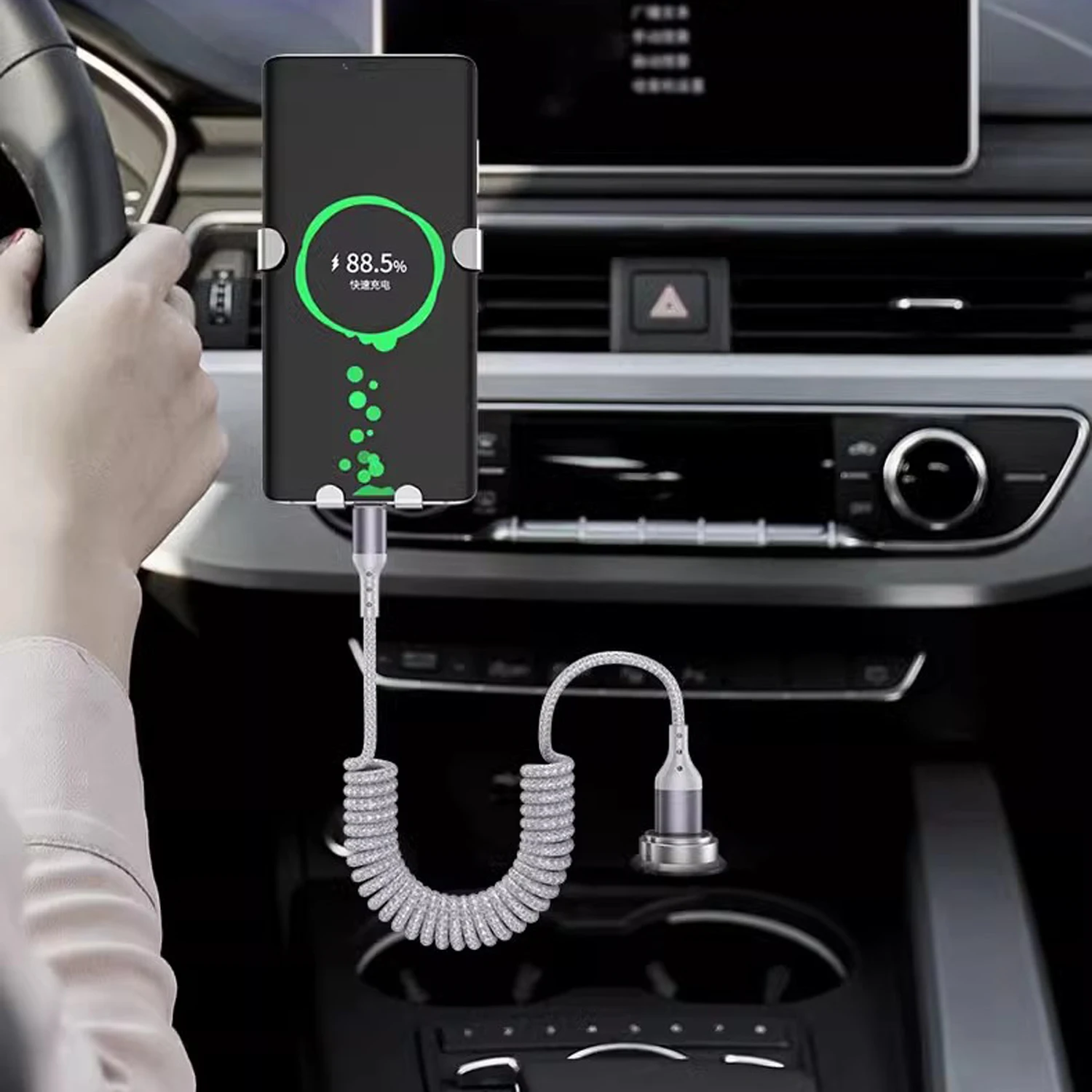
- Retractable cables wind back into a small case or spring into a coil, for bags and travel. See retractable cables.
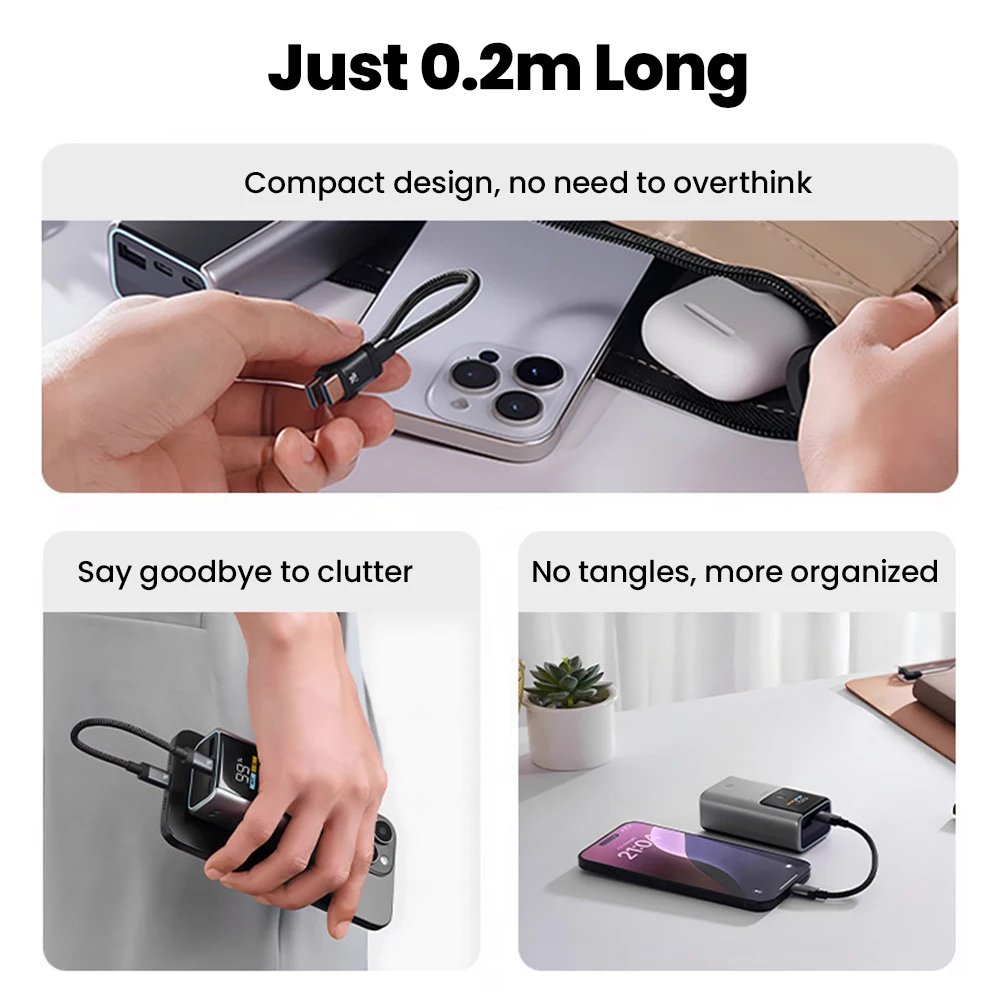
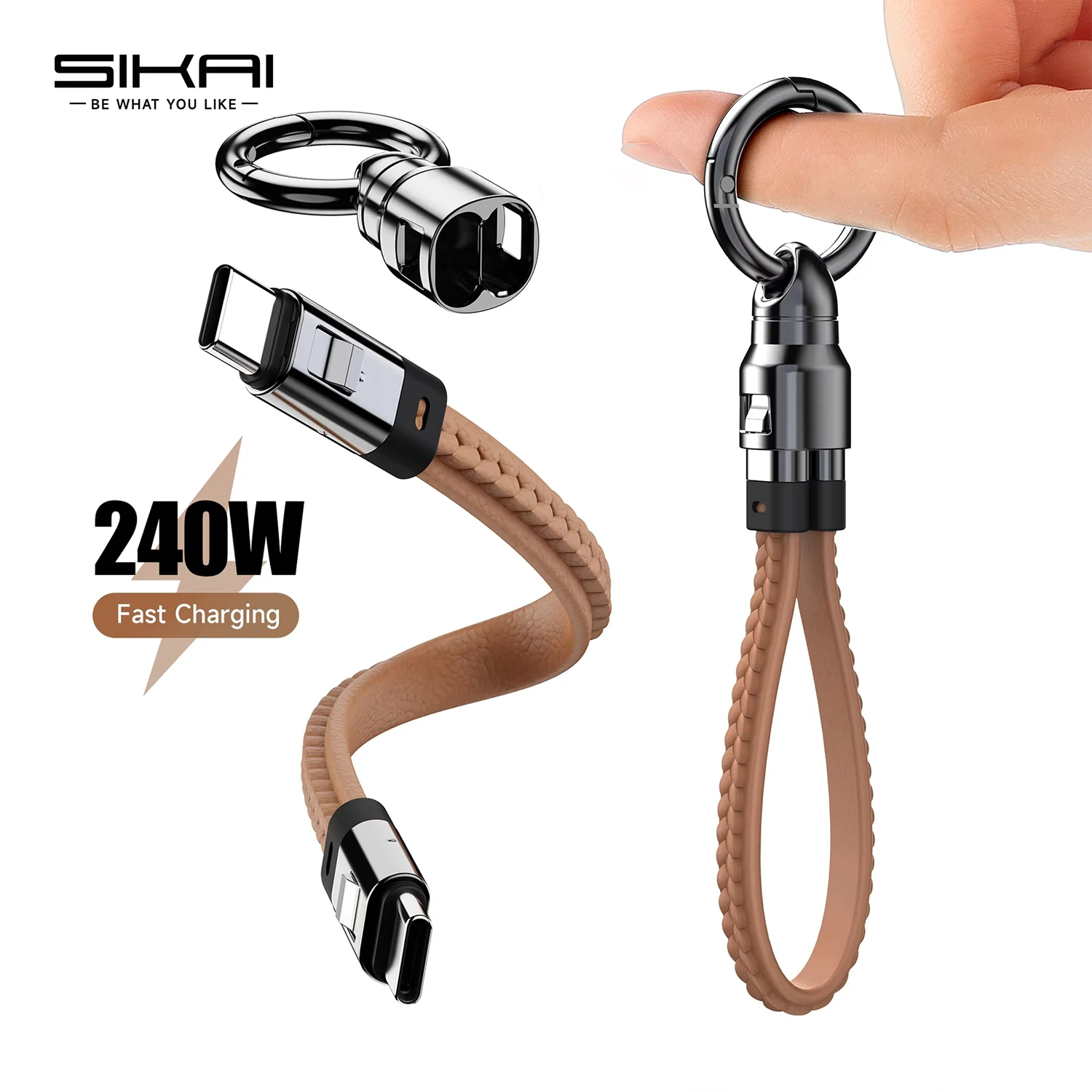
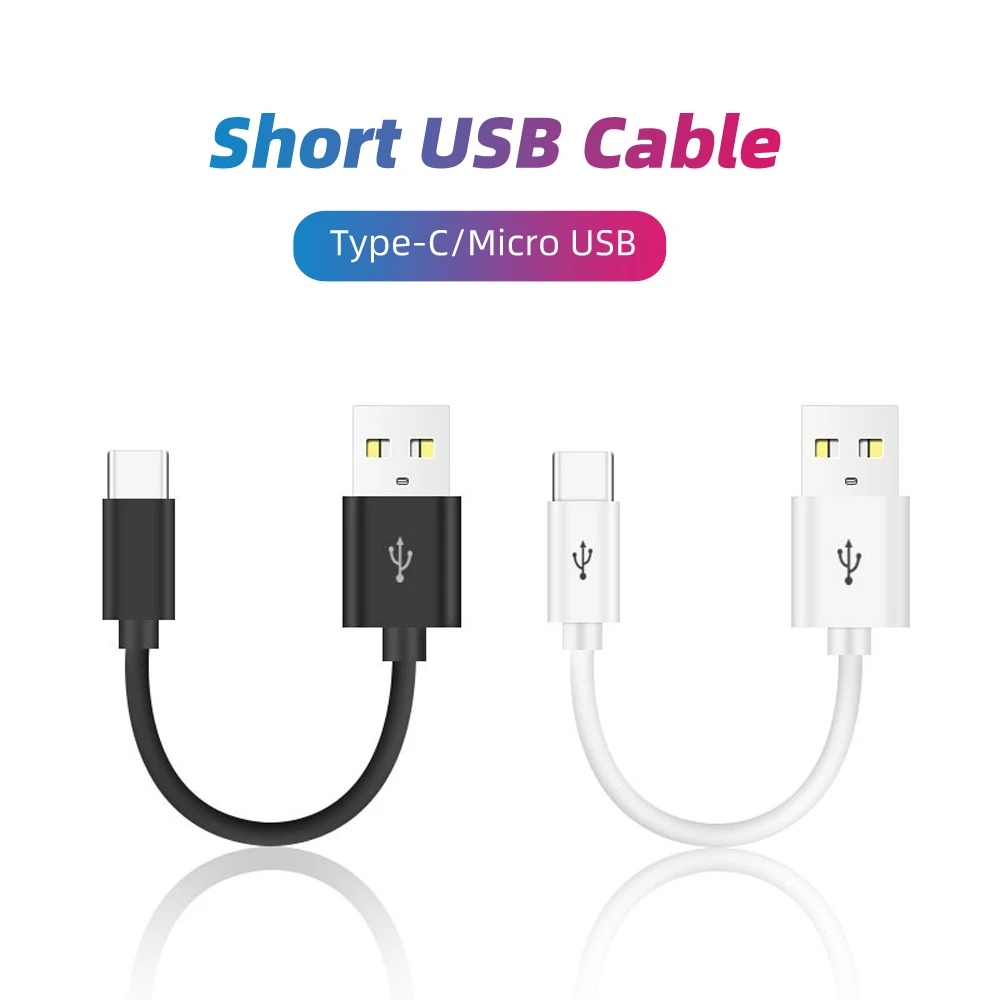
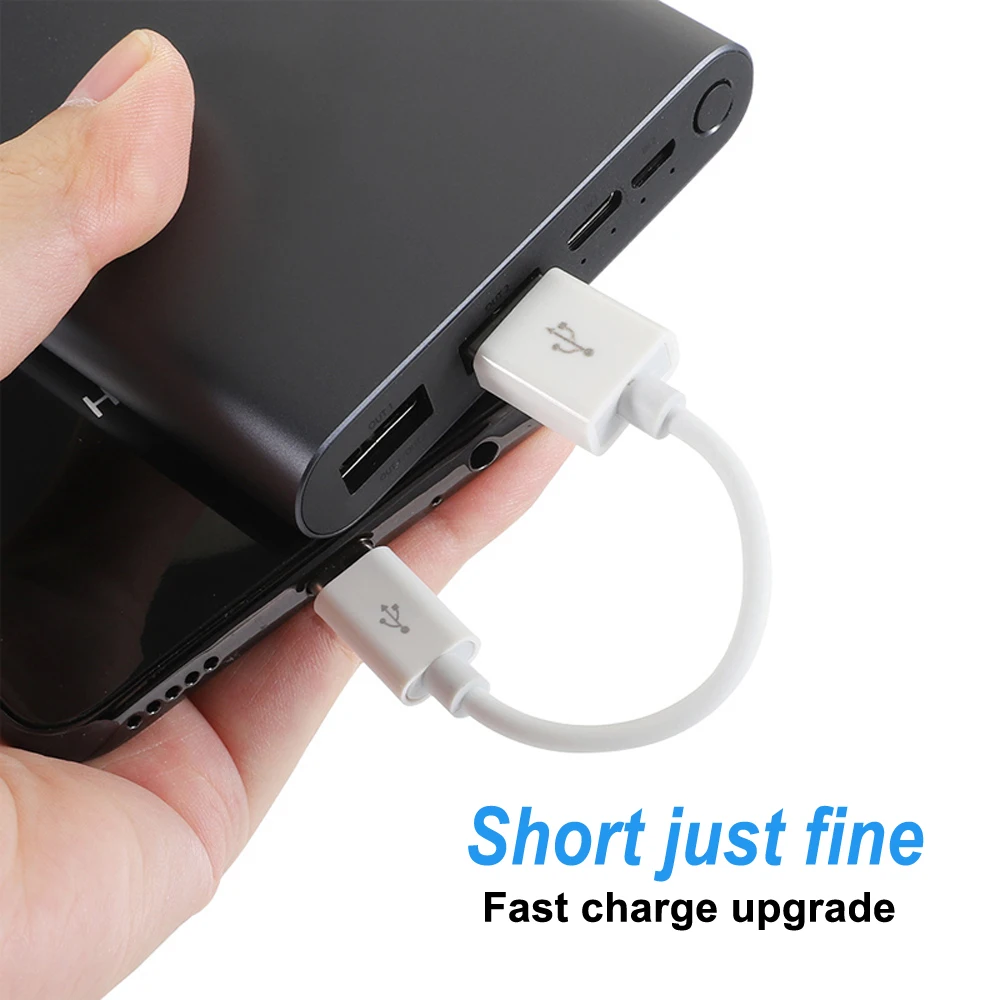
- Short cables, some small enough for a keyring, suit power banks and the car. See short cables.
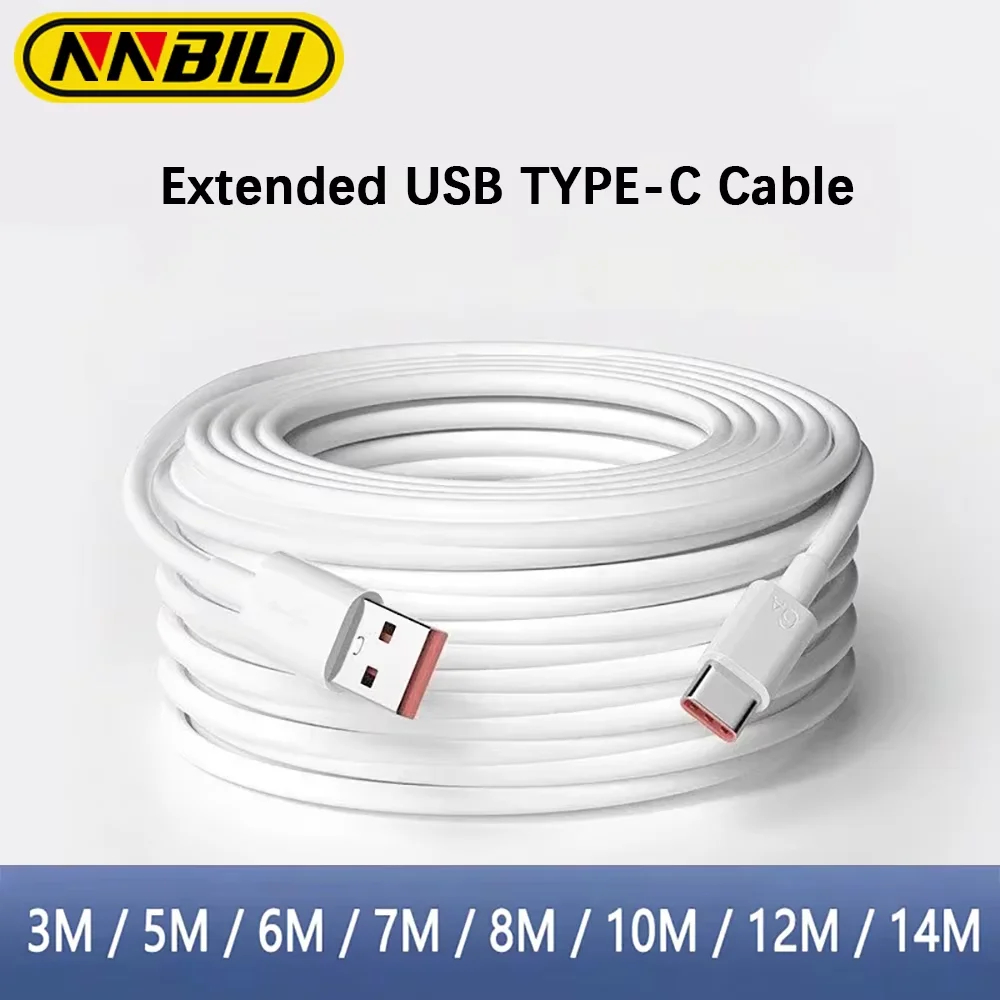
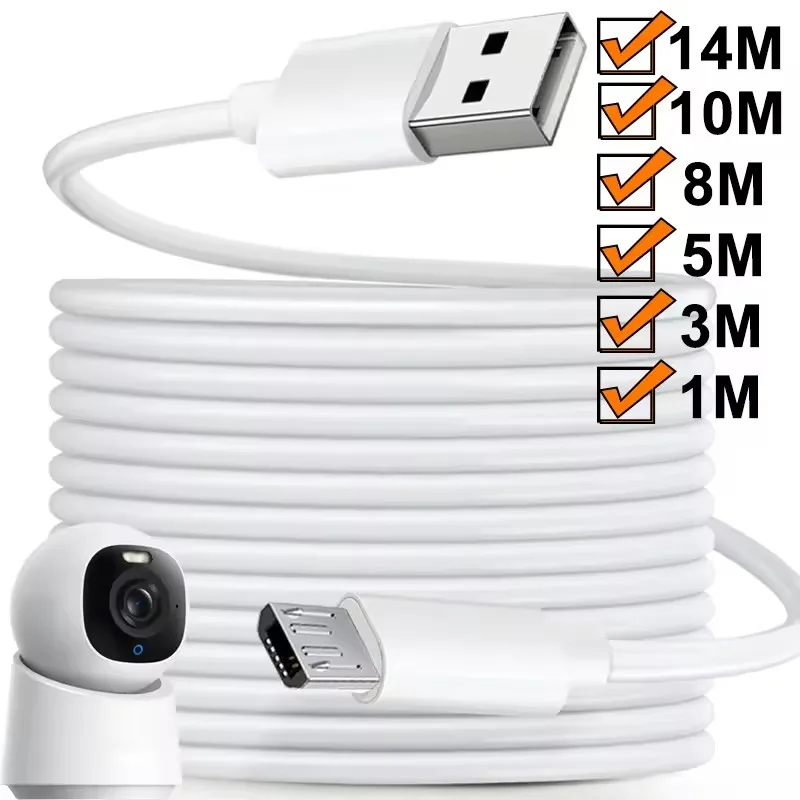
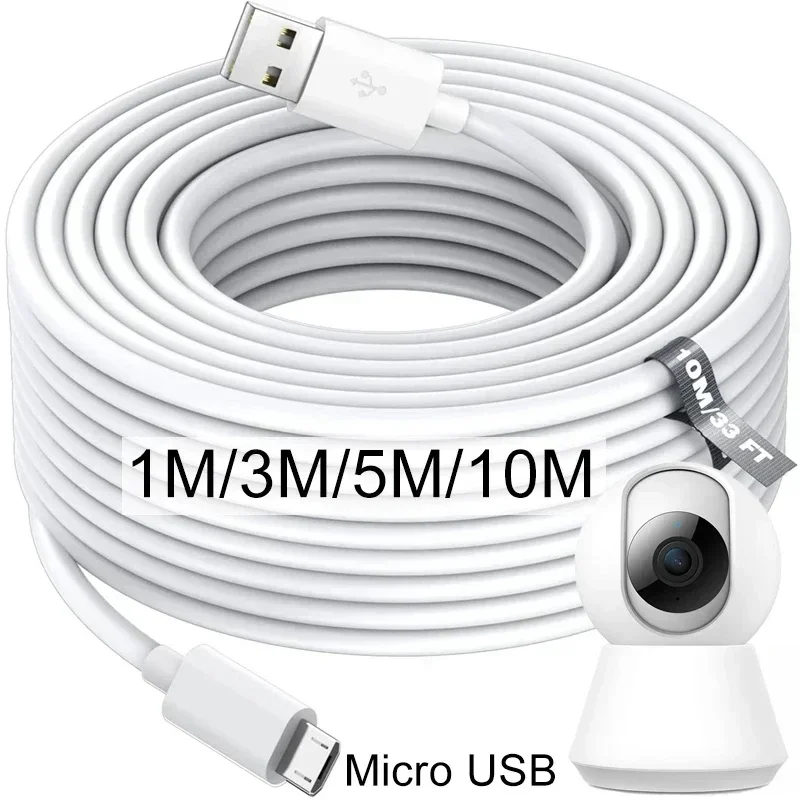
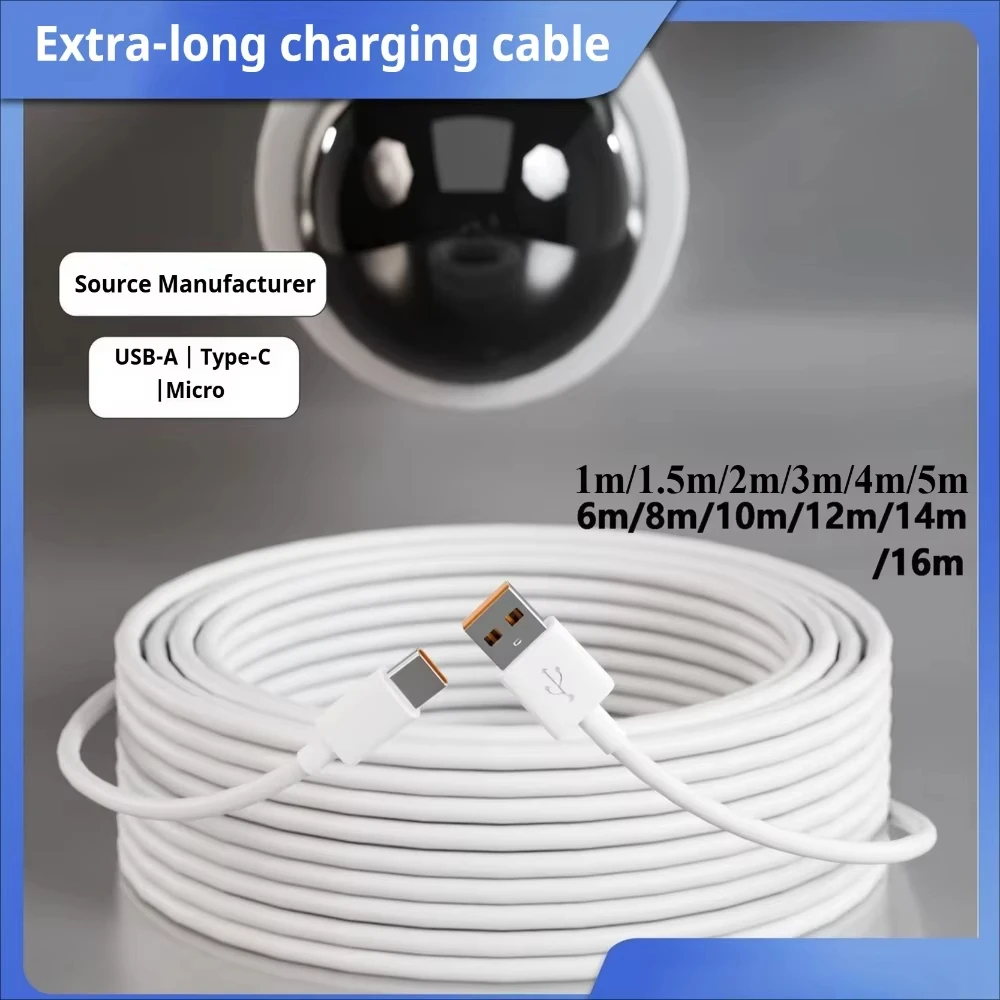
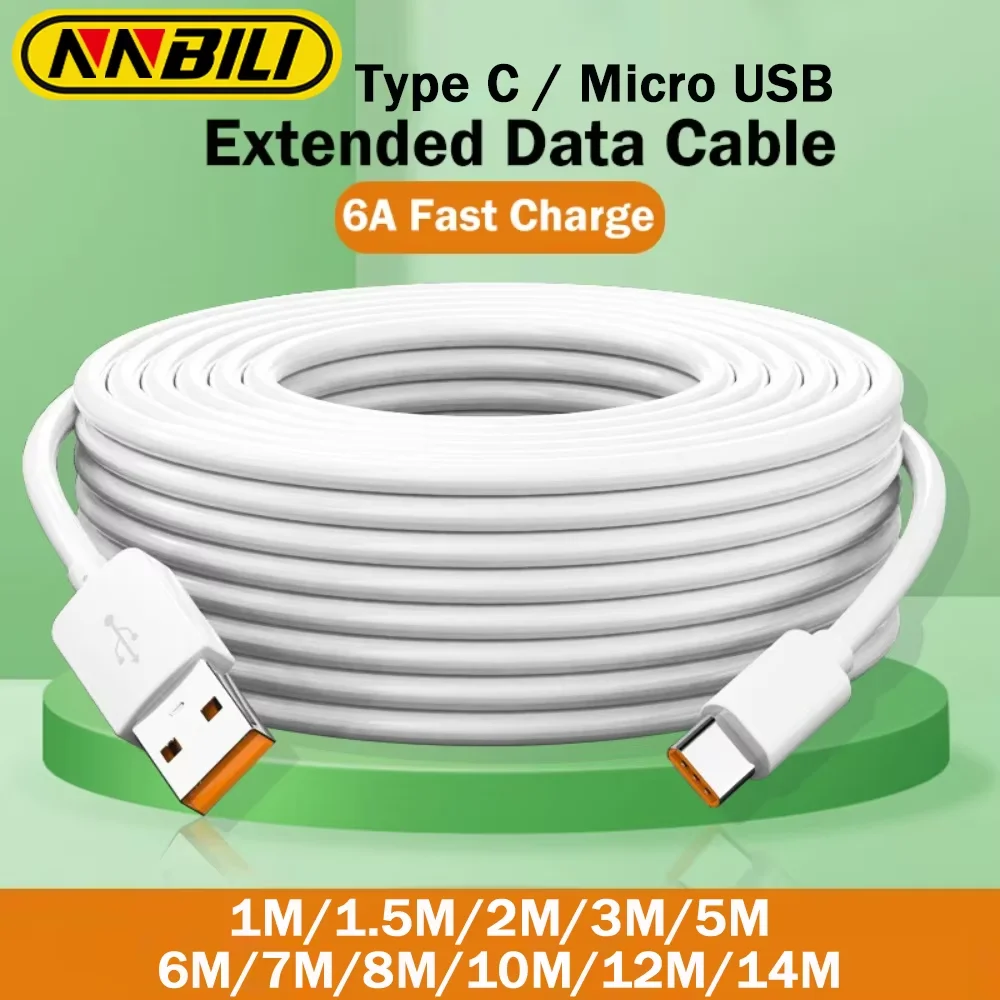
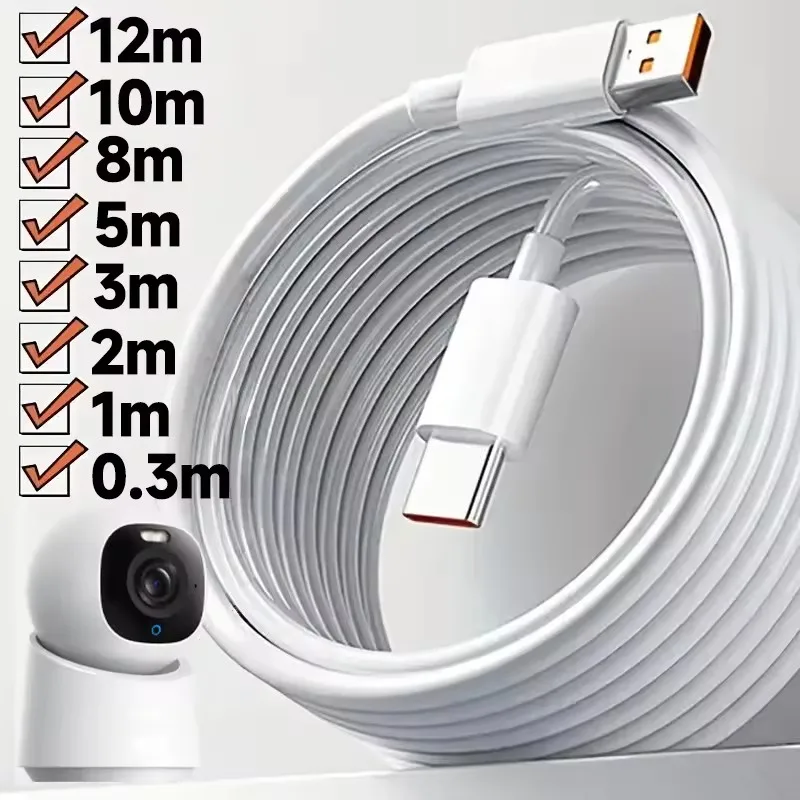
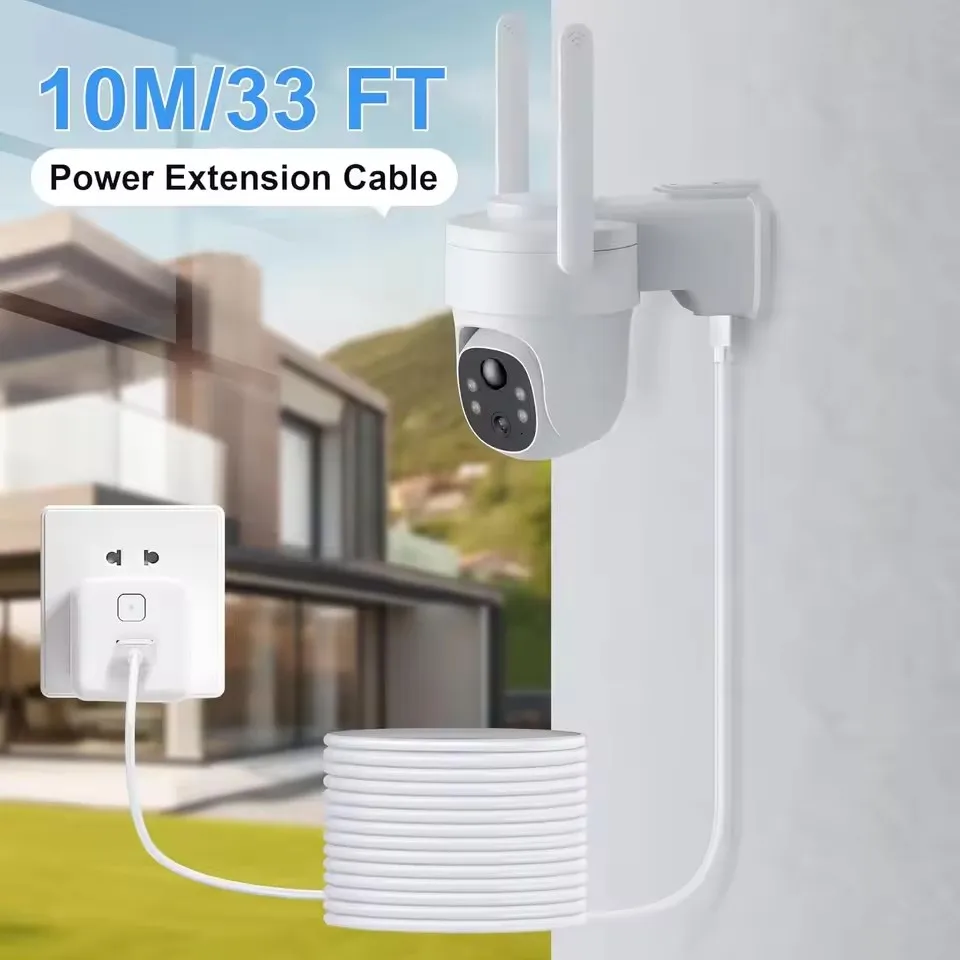
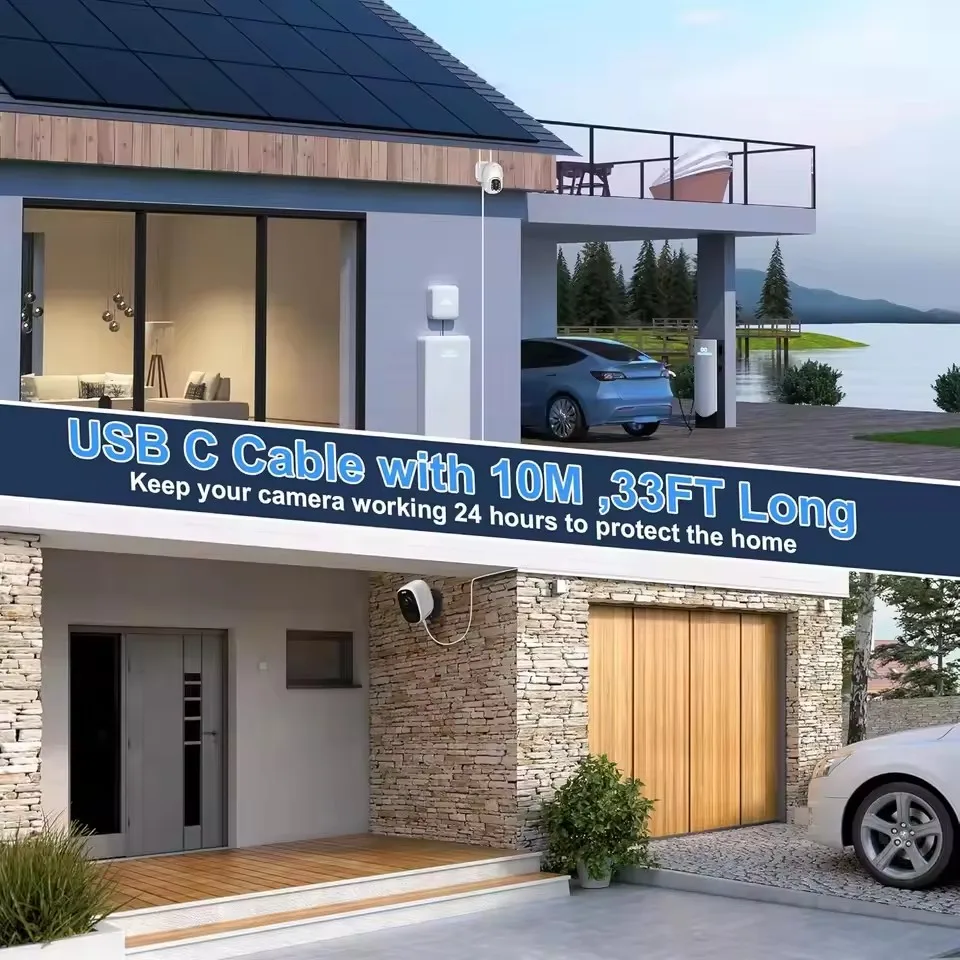
- Long cables reach from the socket to the bed, the sofa and further. See long cables.
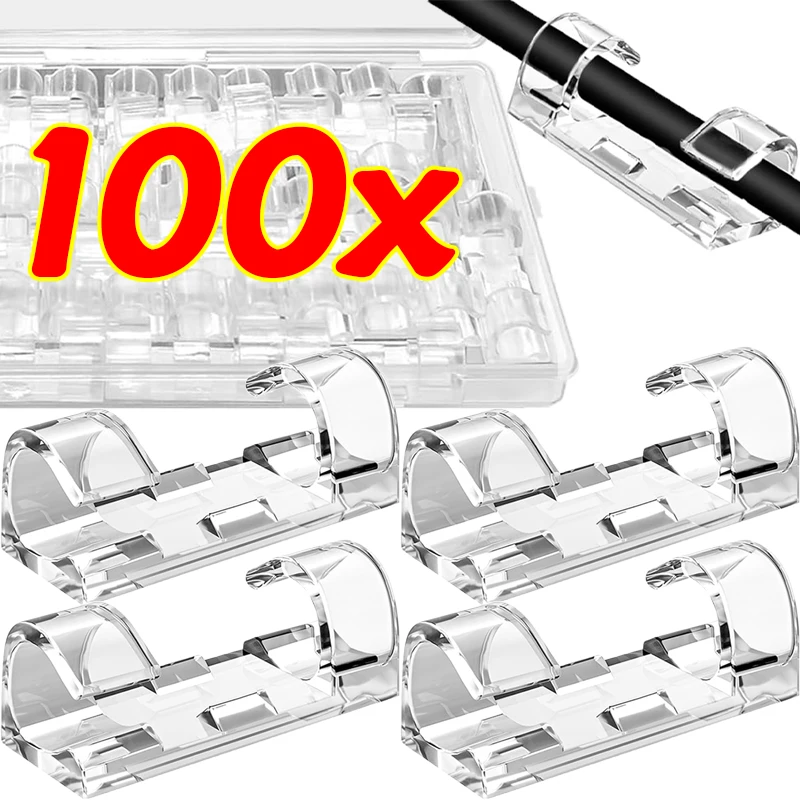
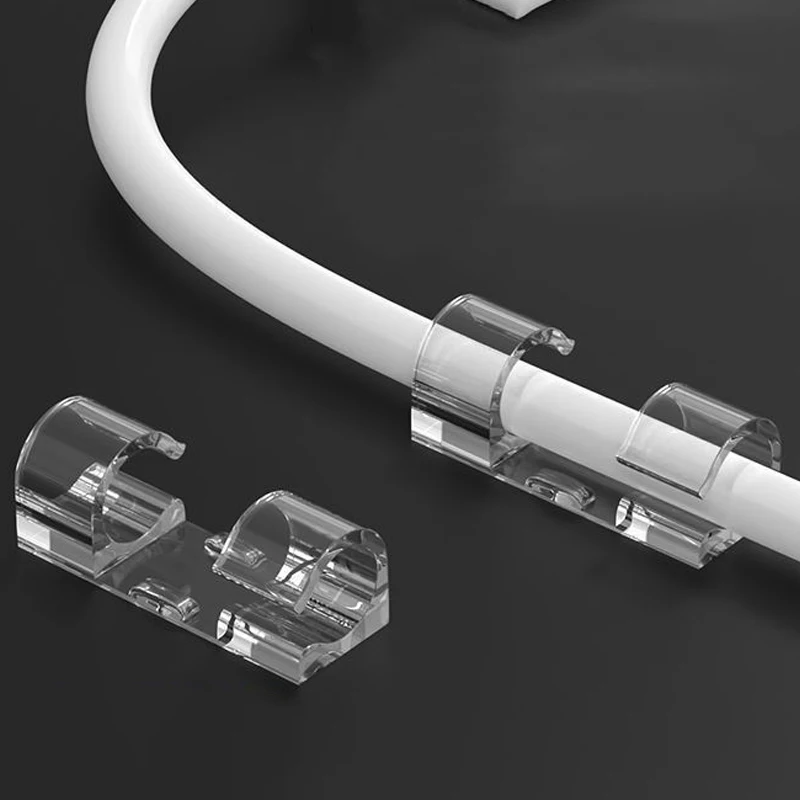
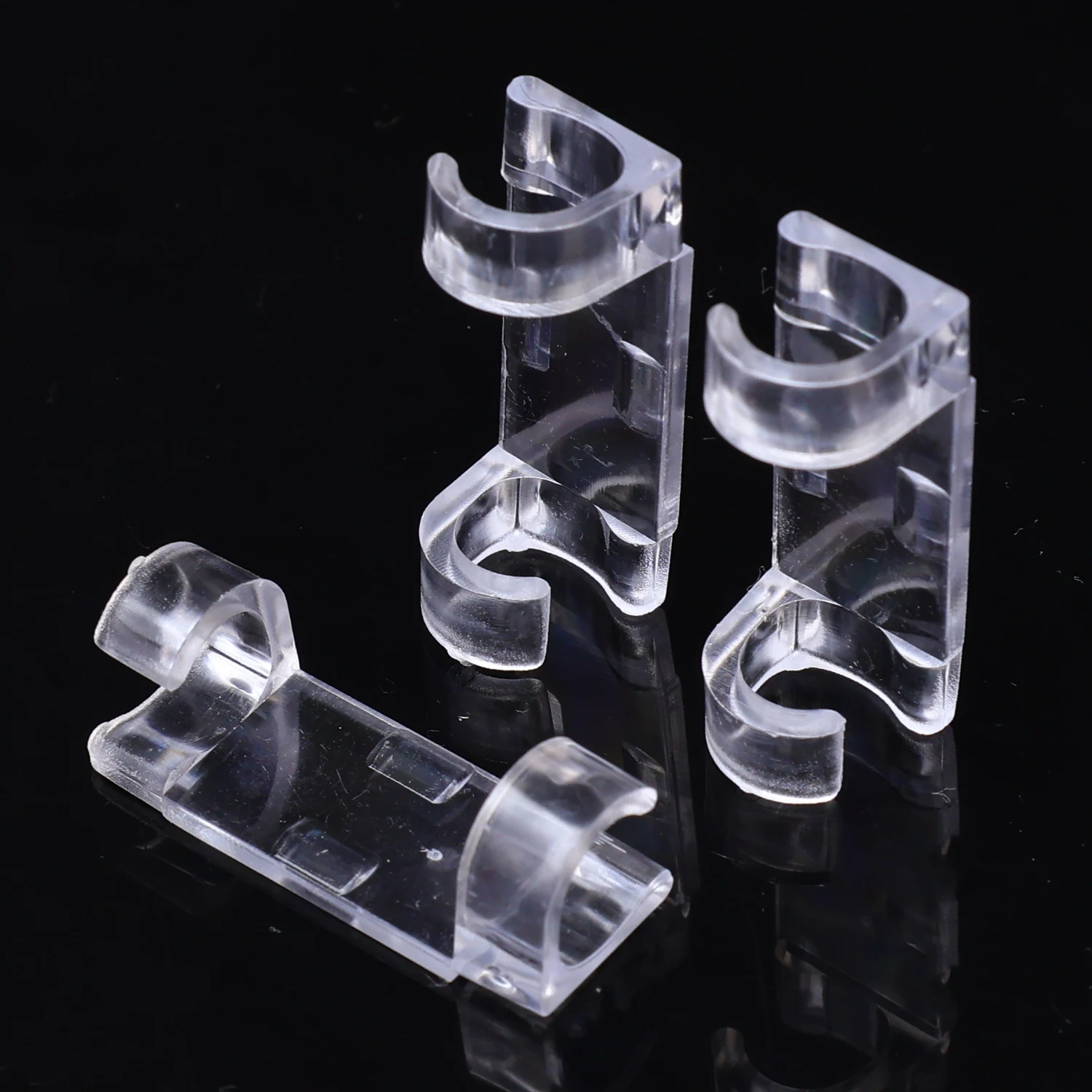
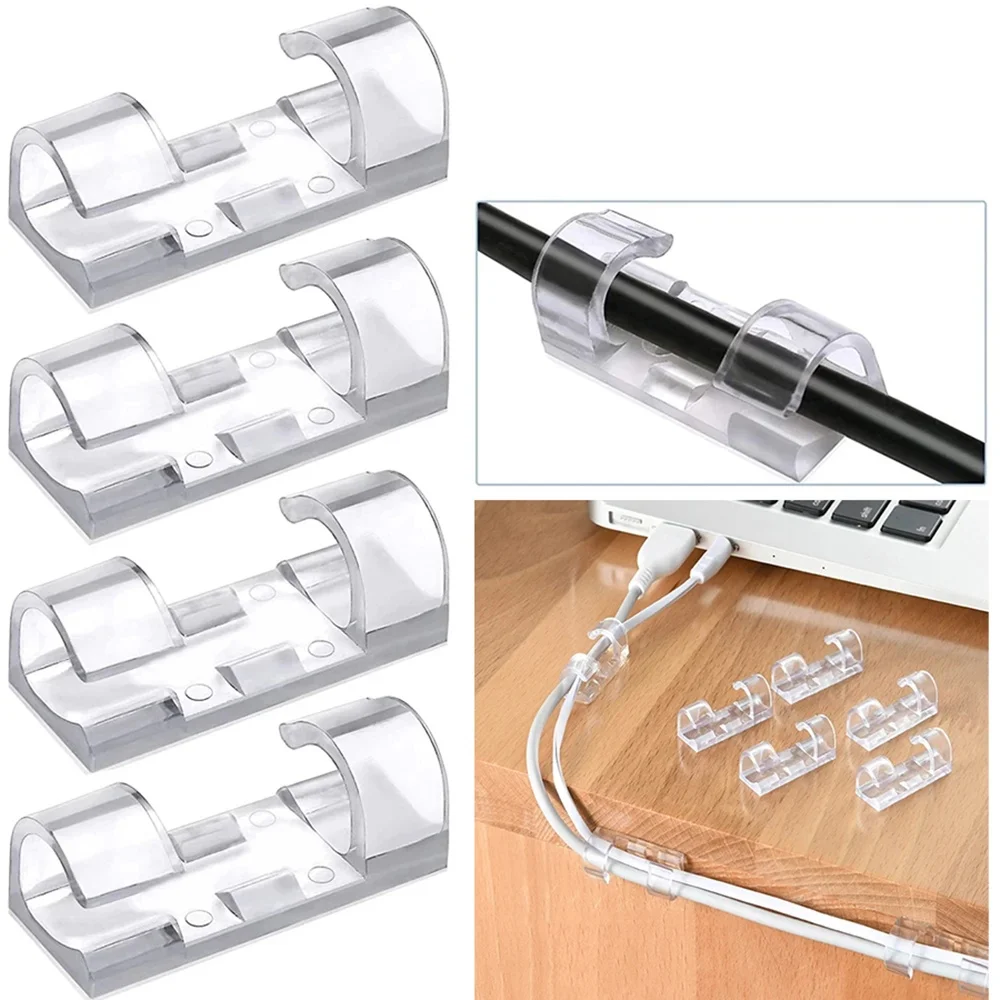
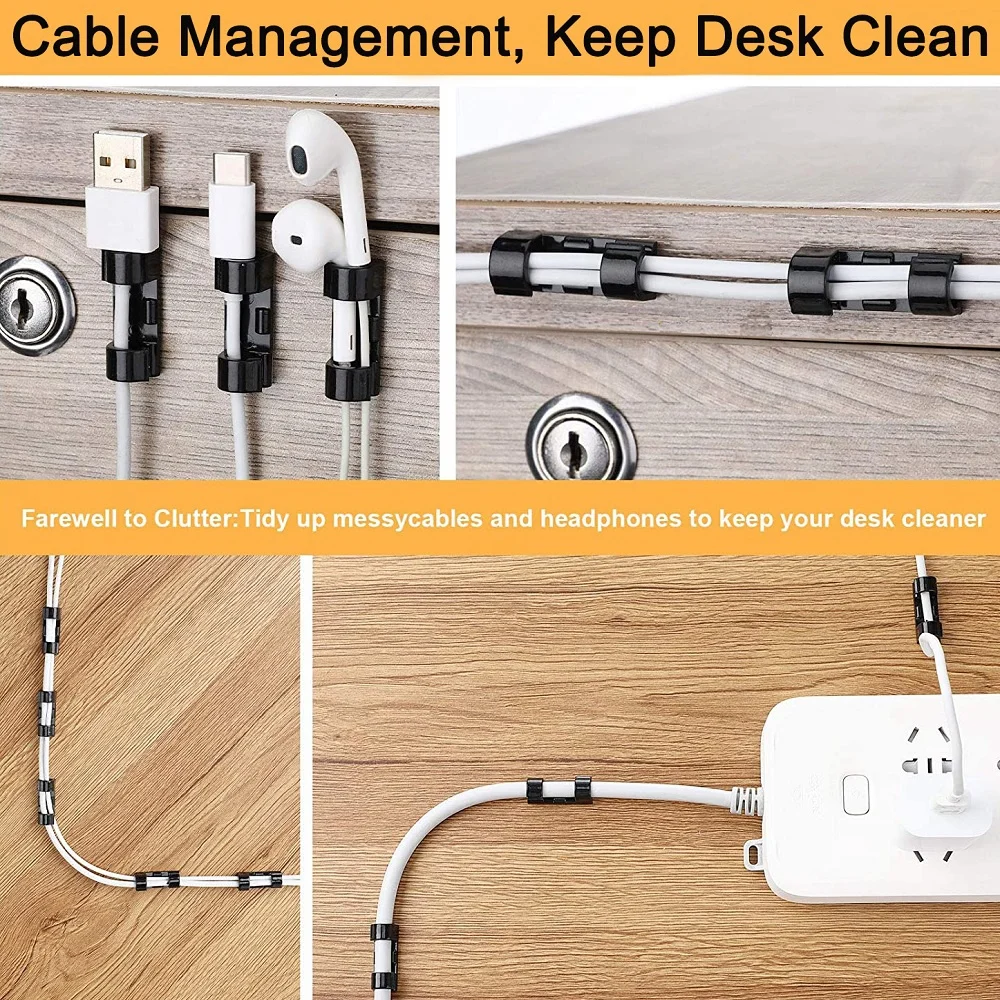
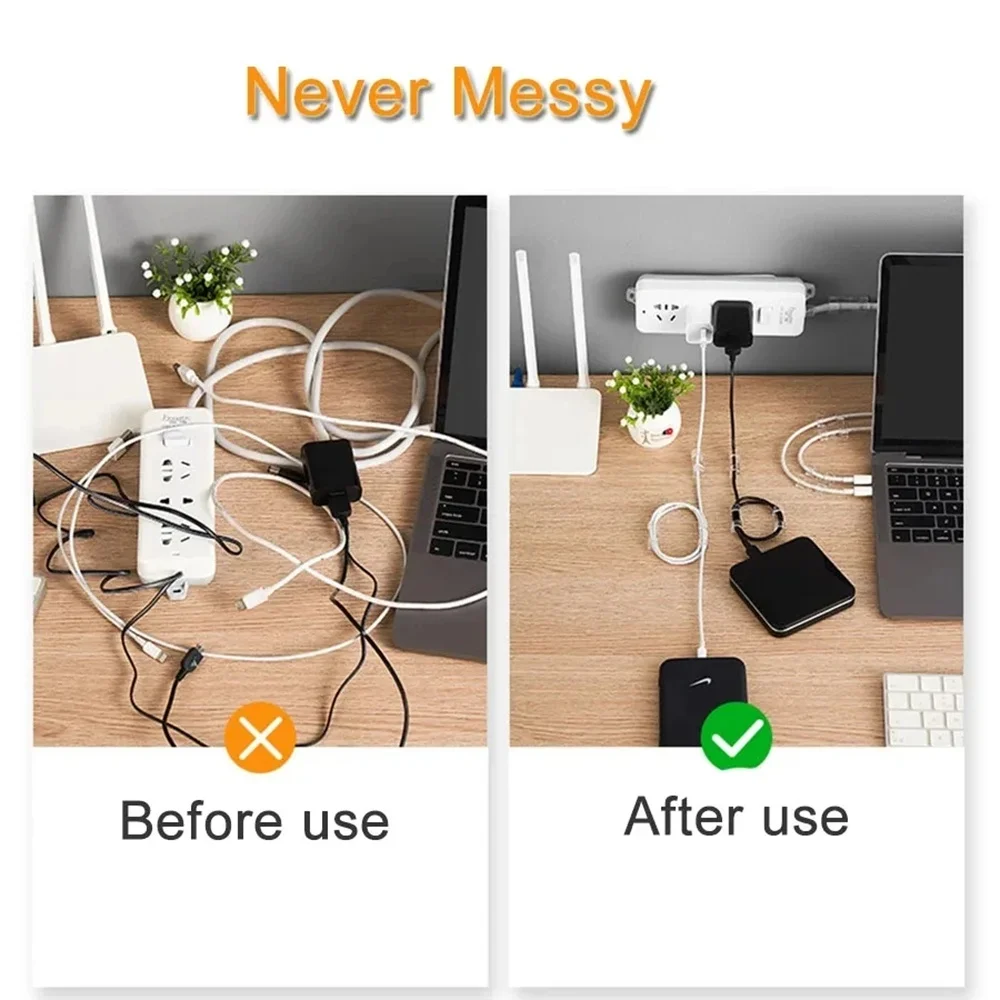
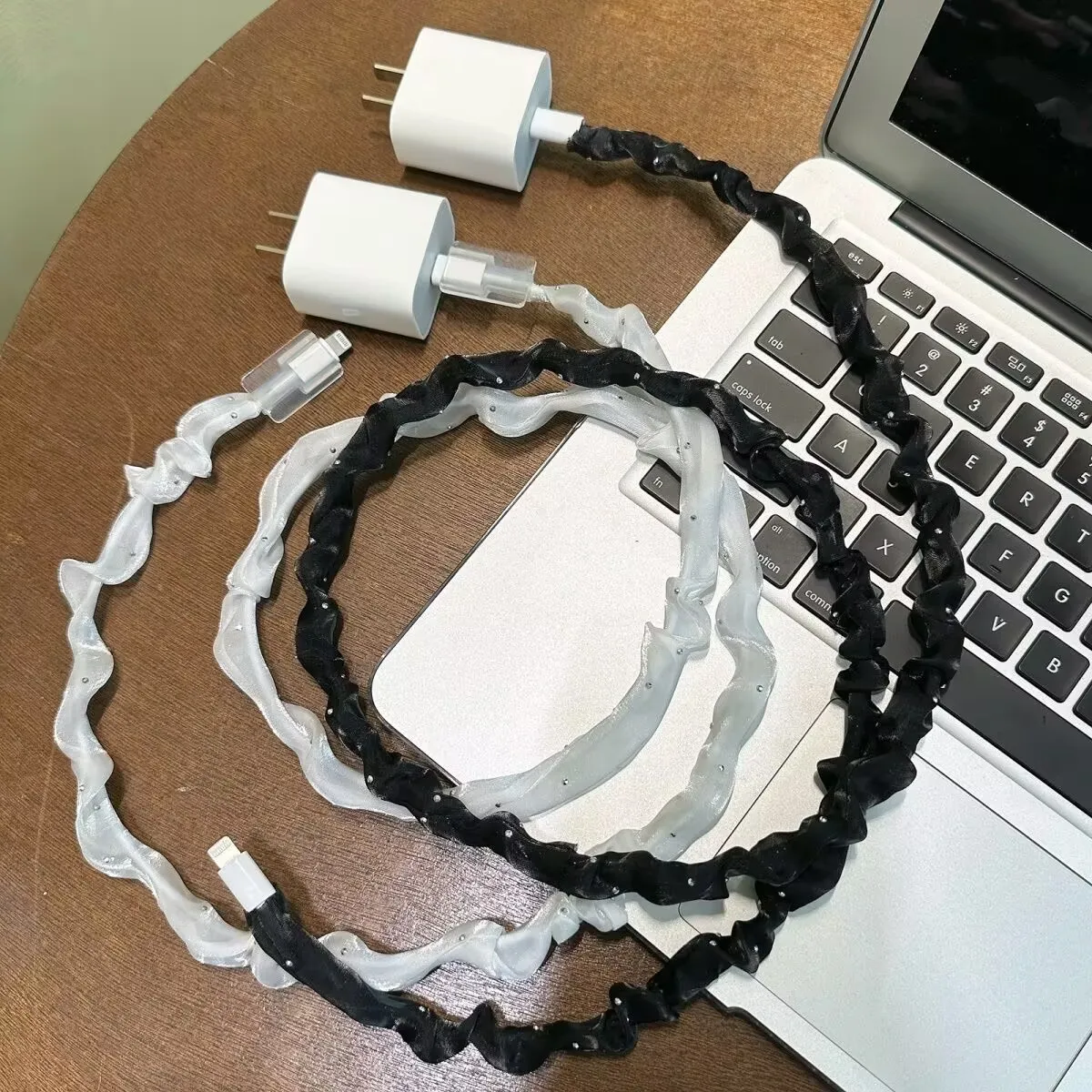
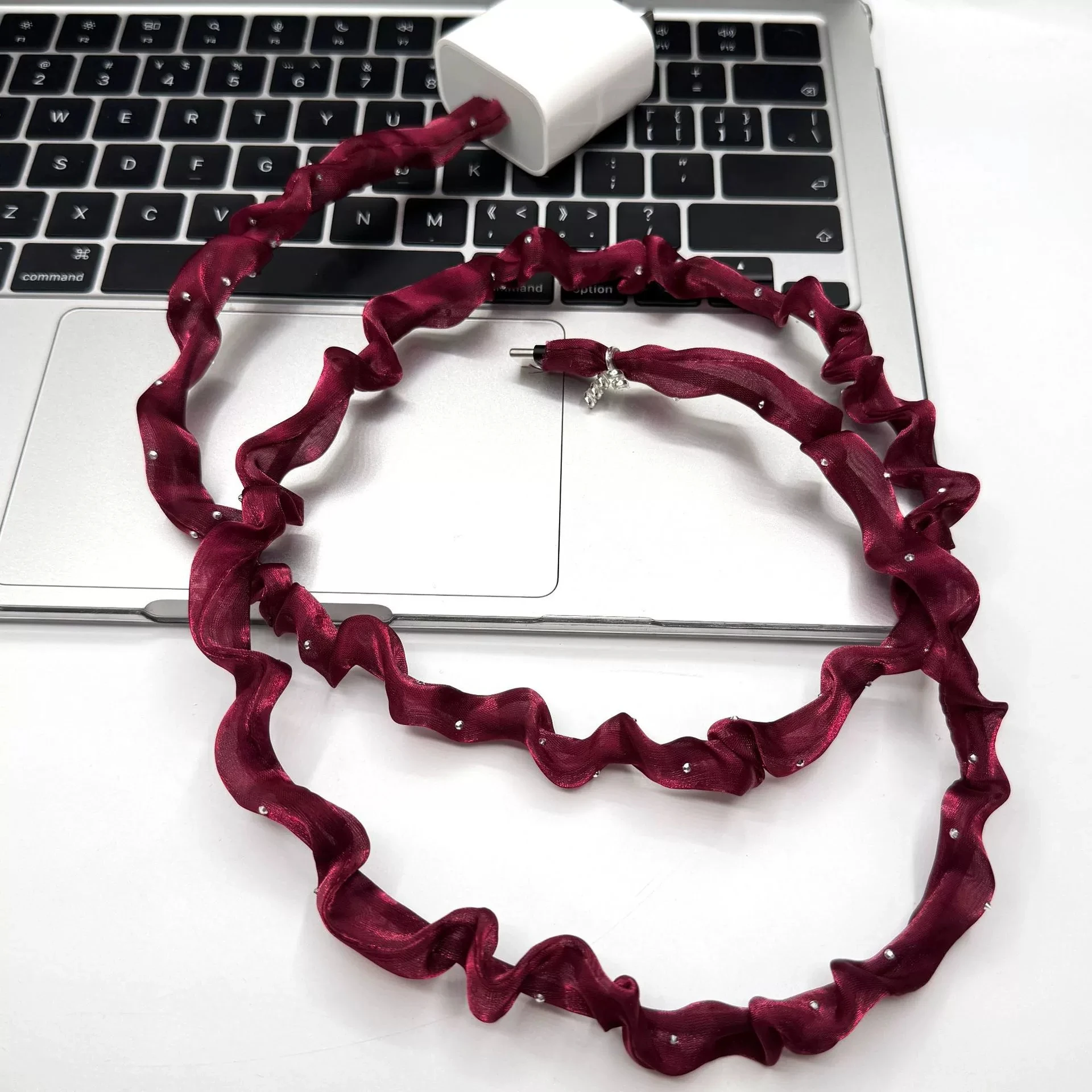
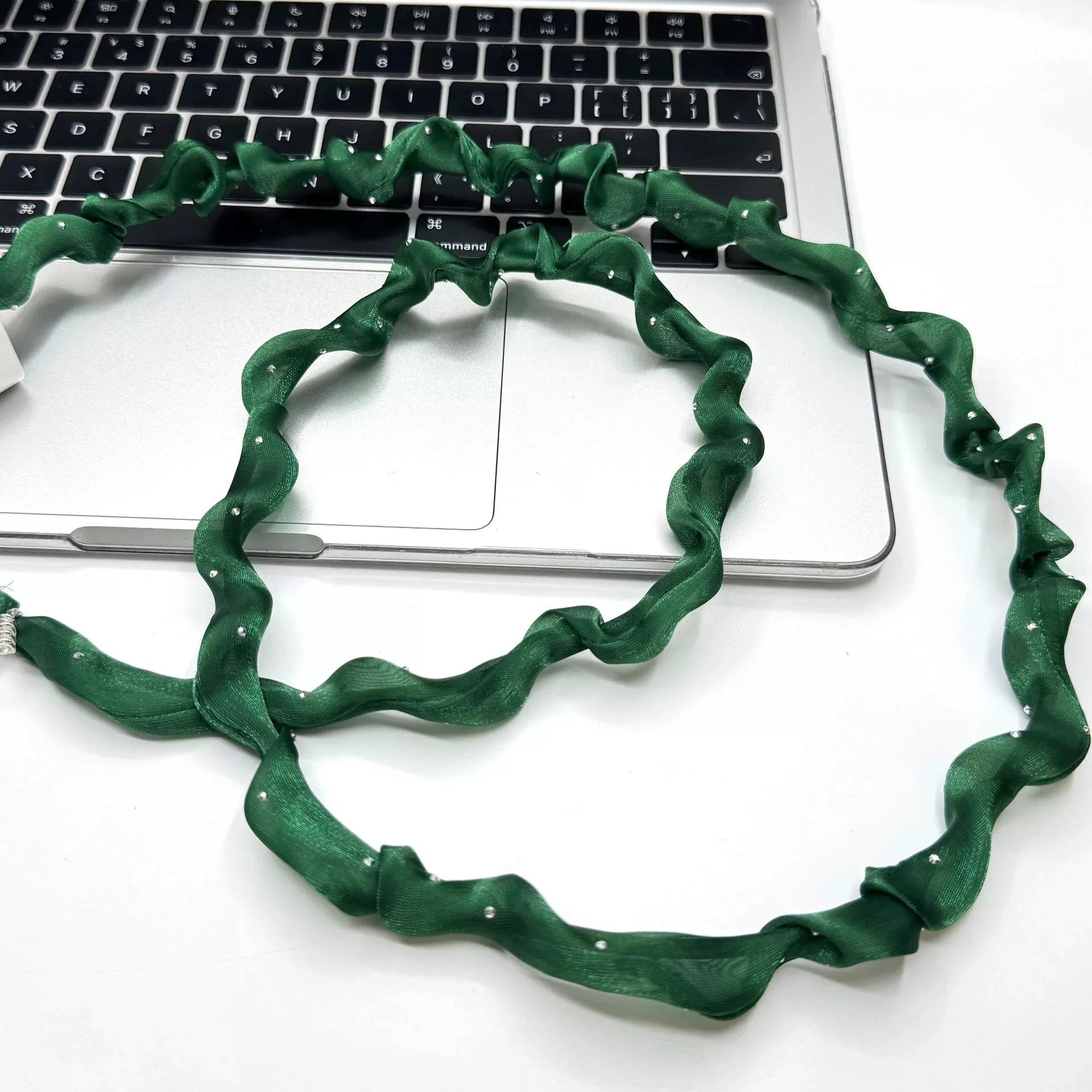
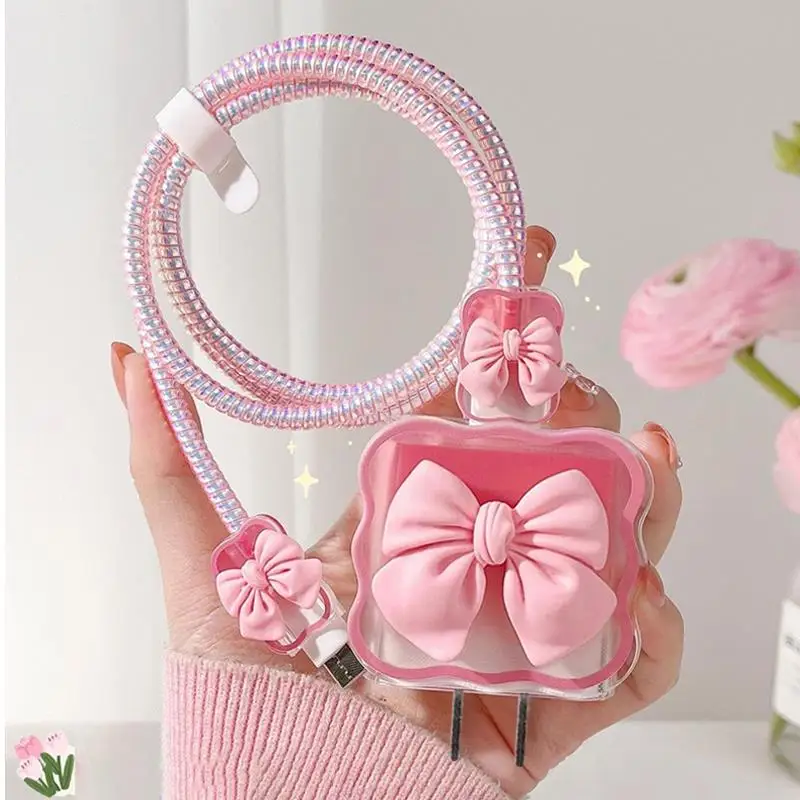
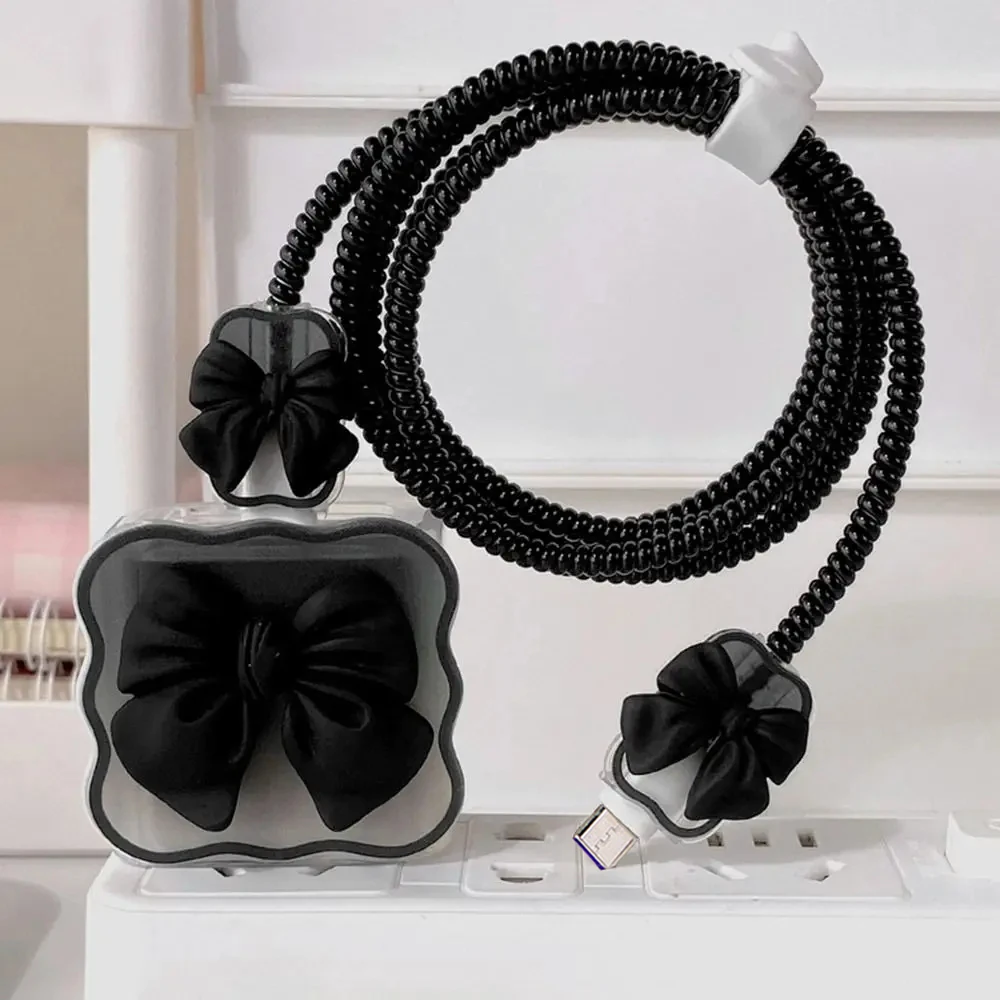
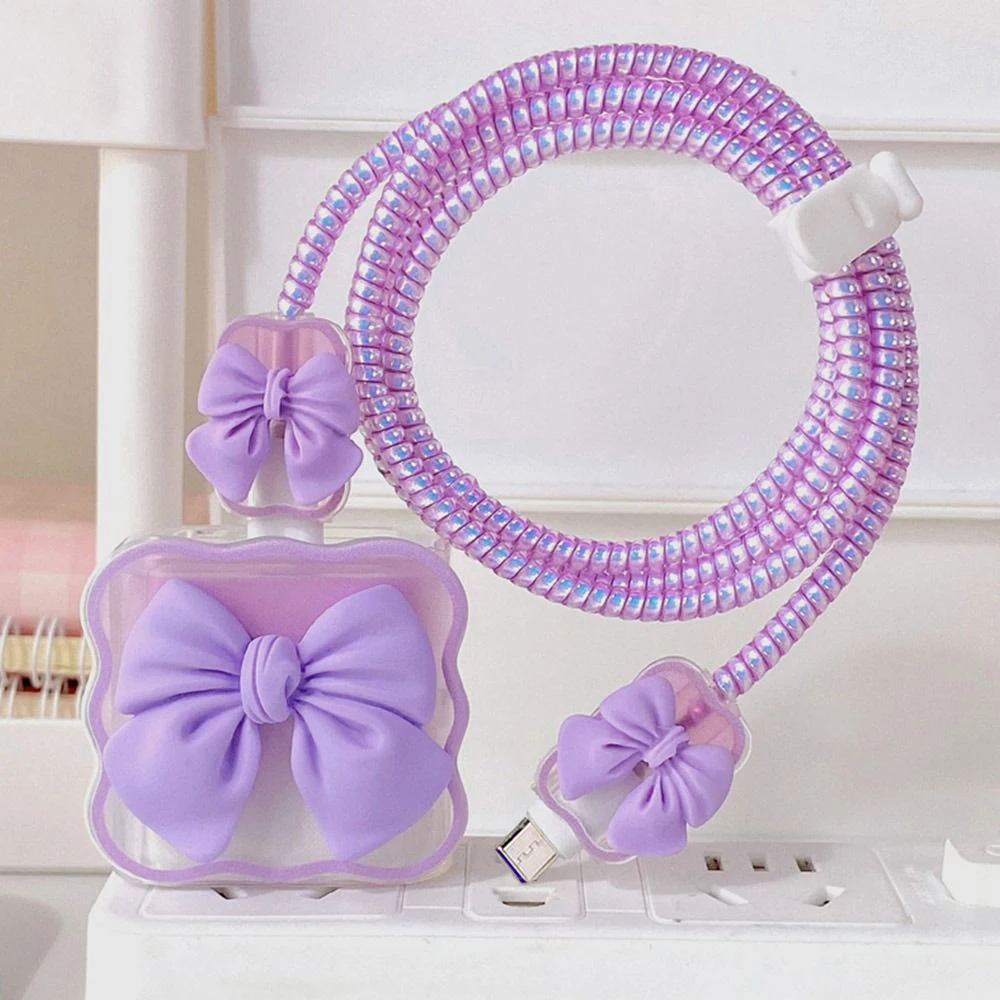
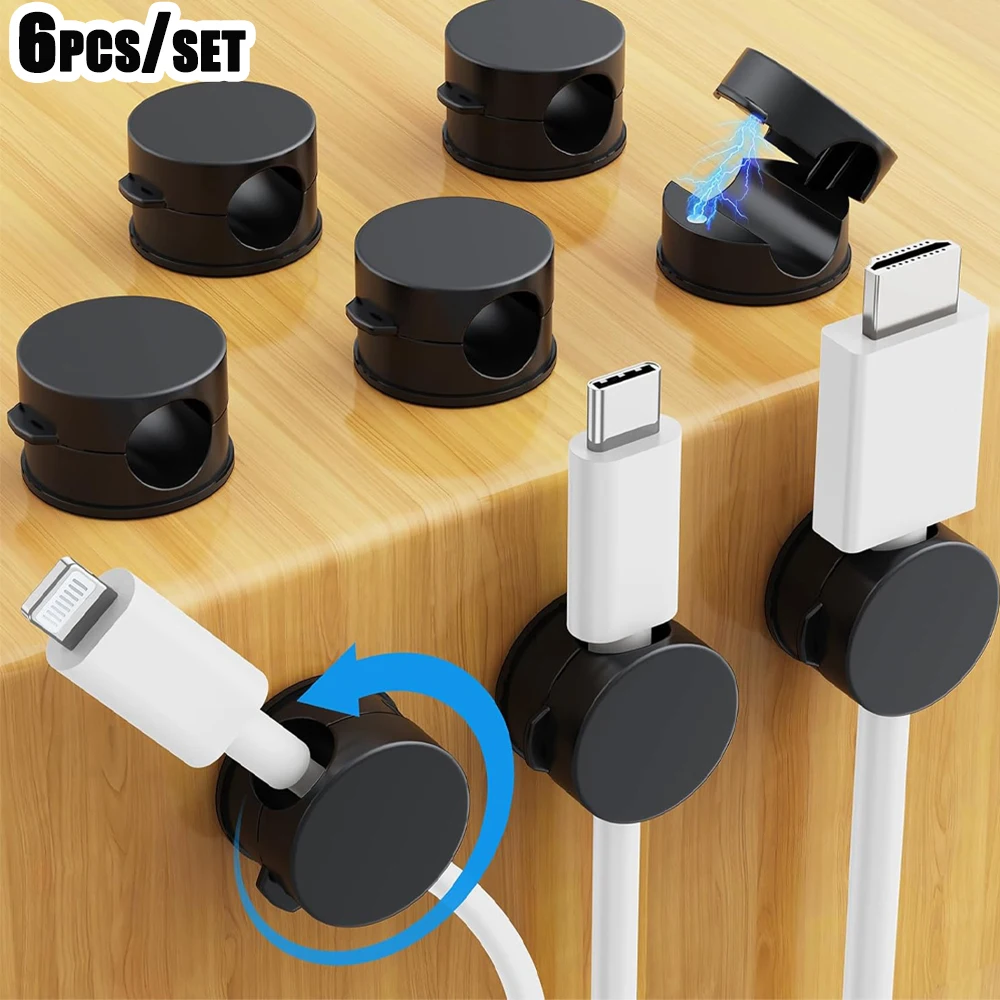
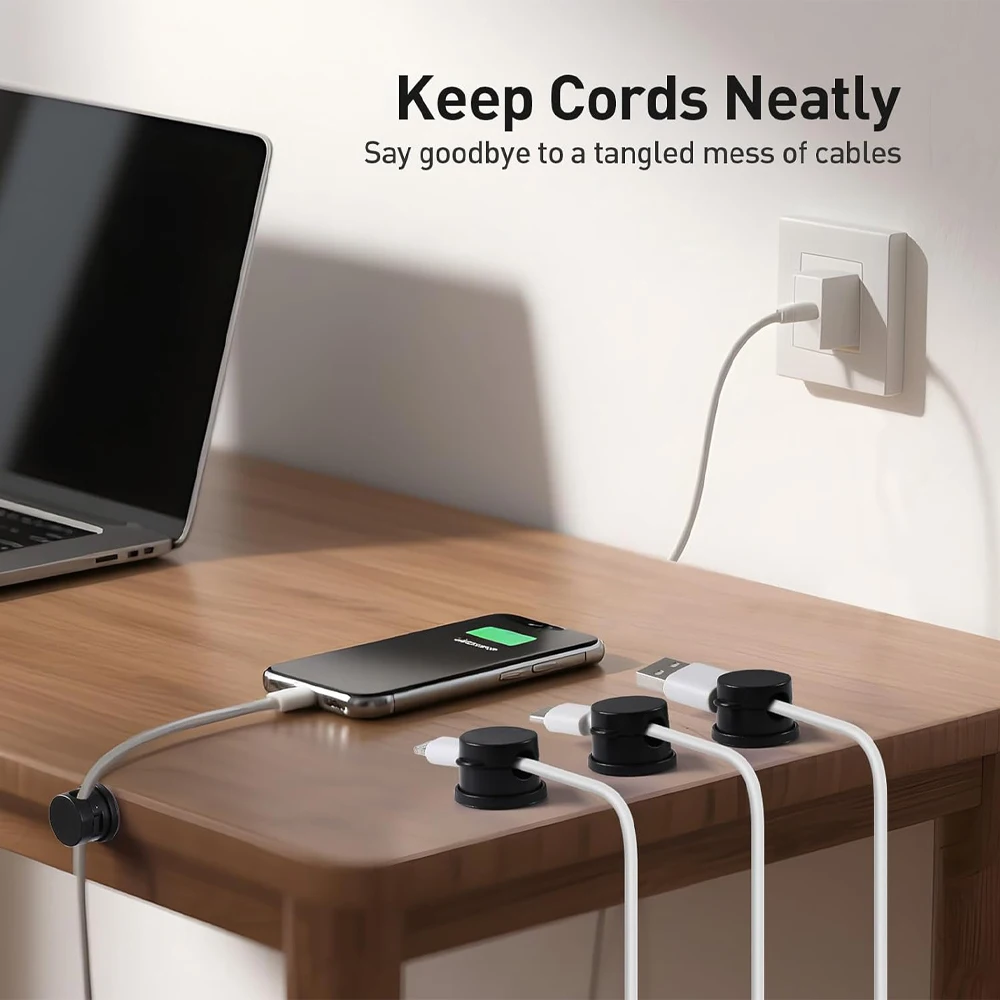
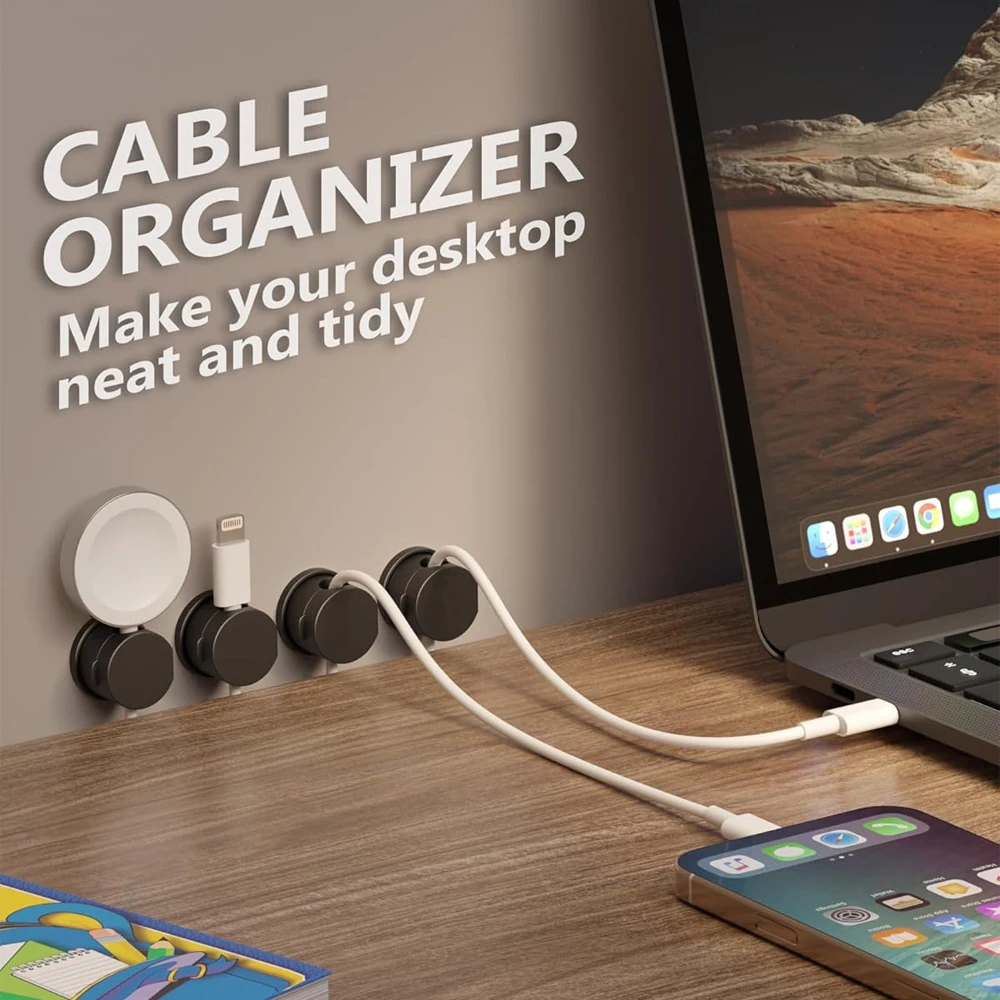
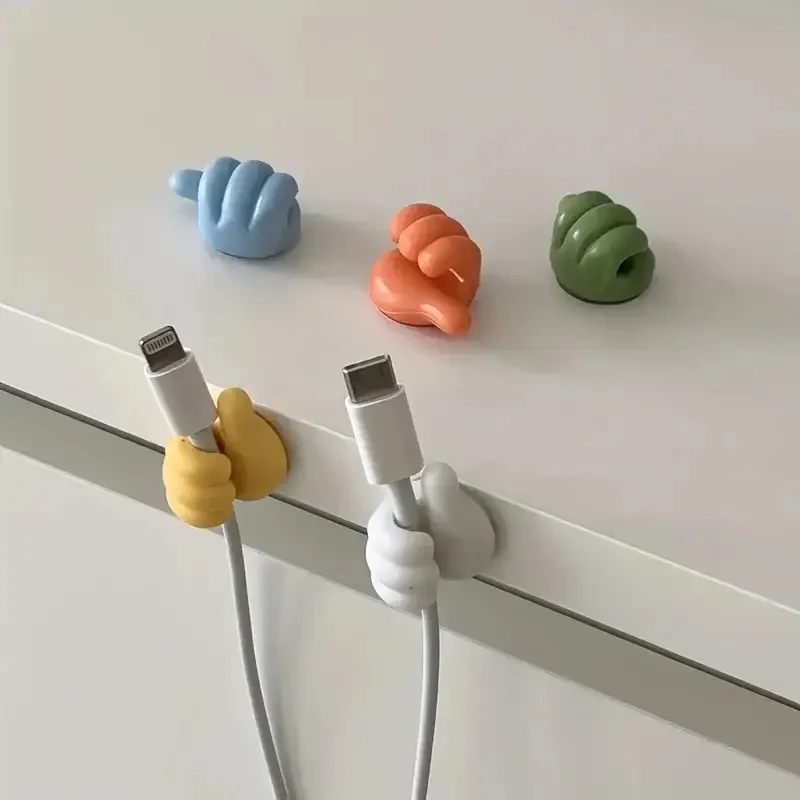
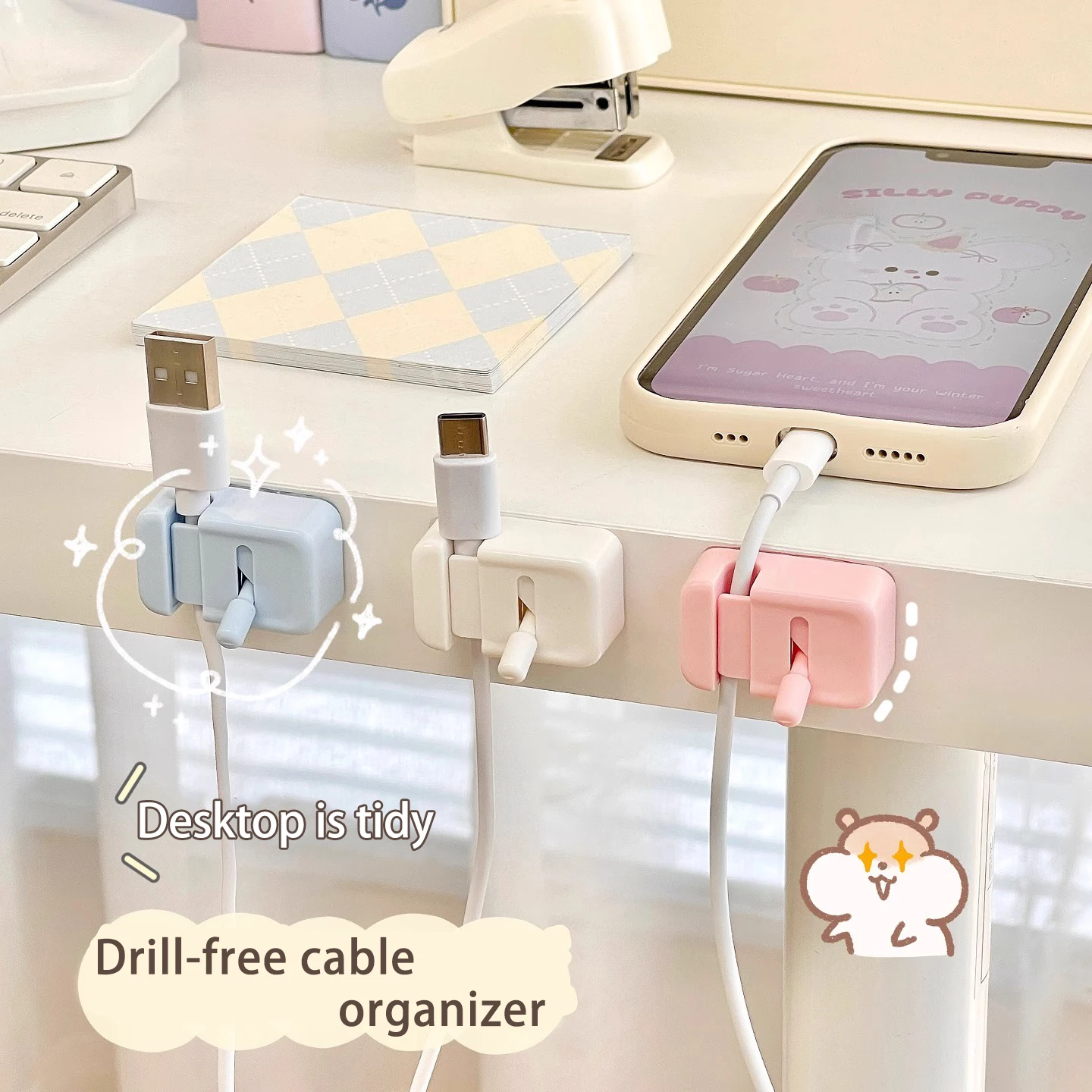
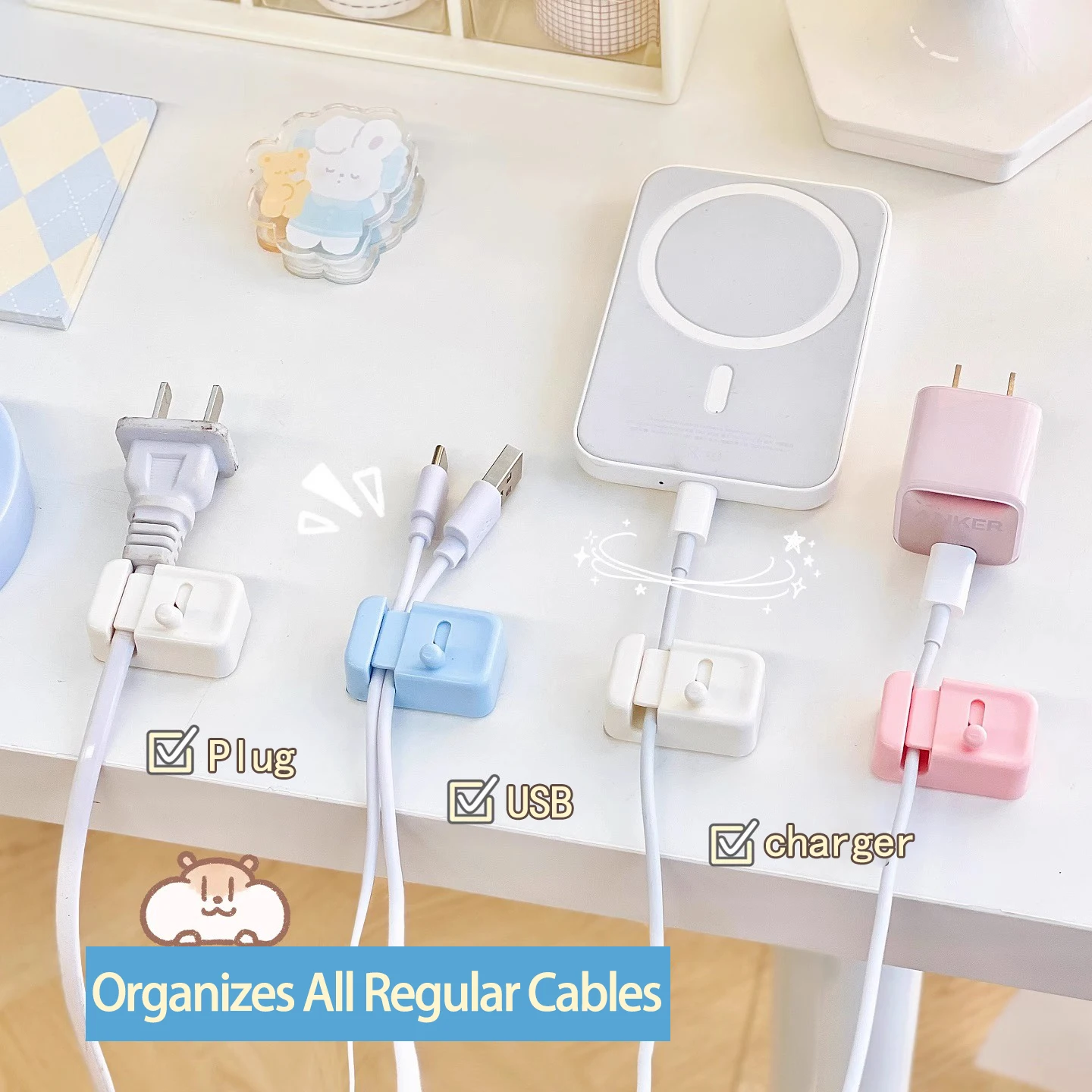
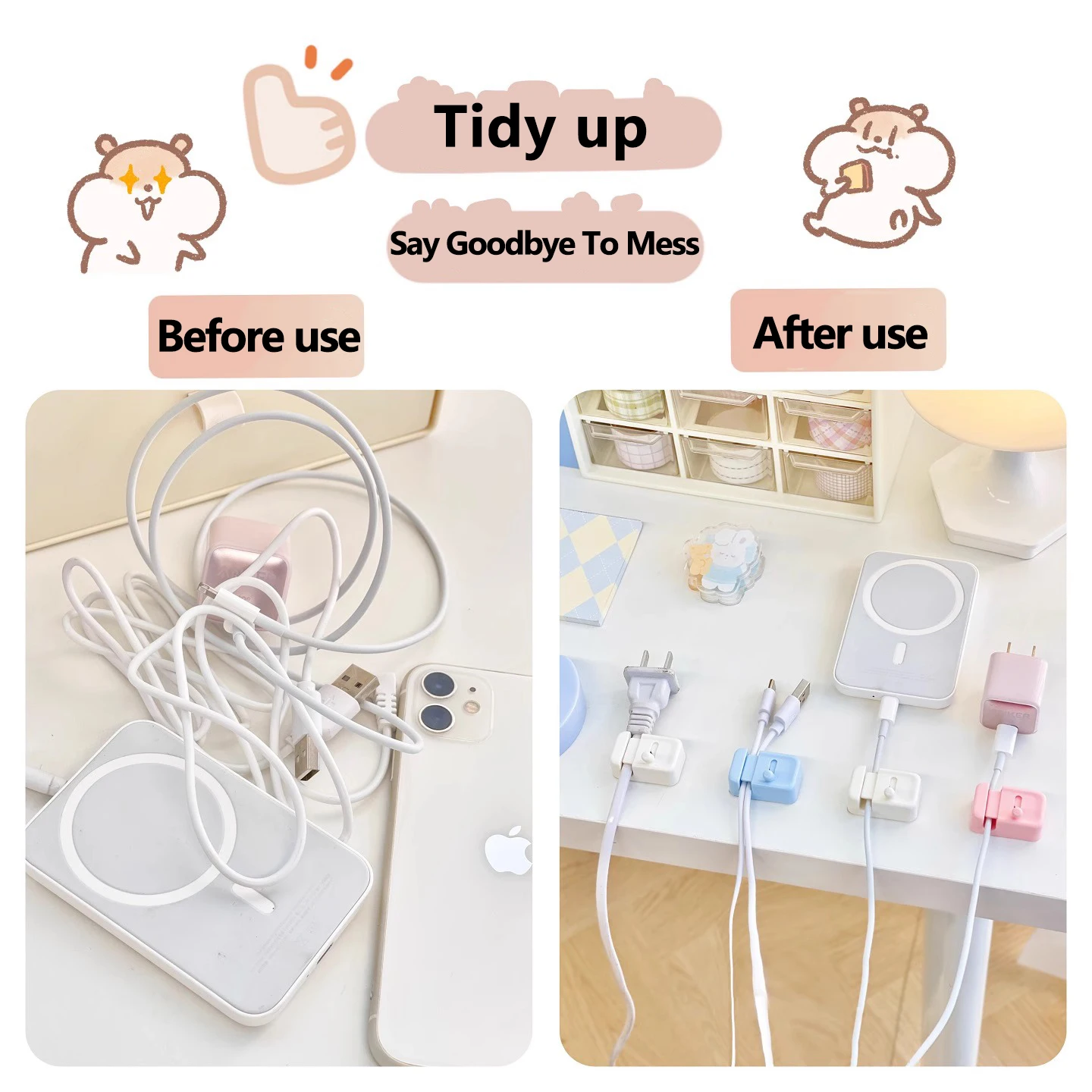
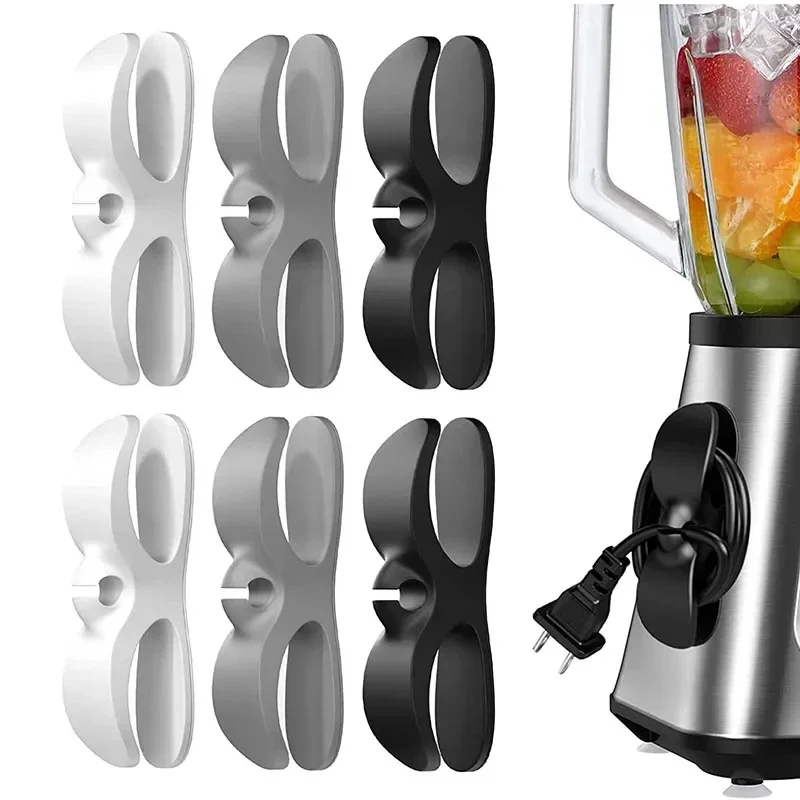
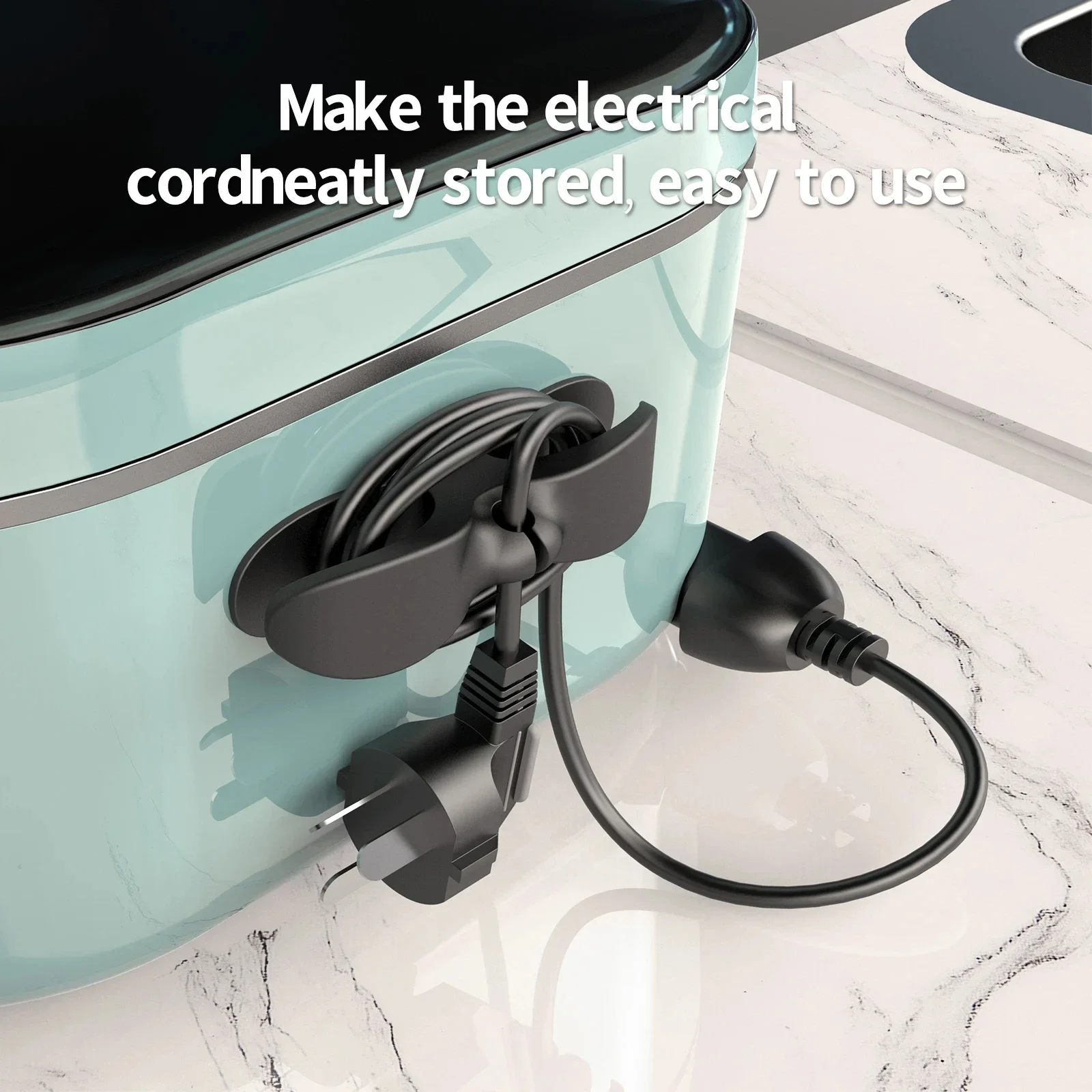
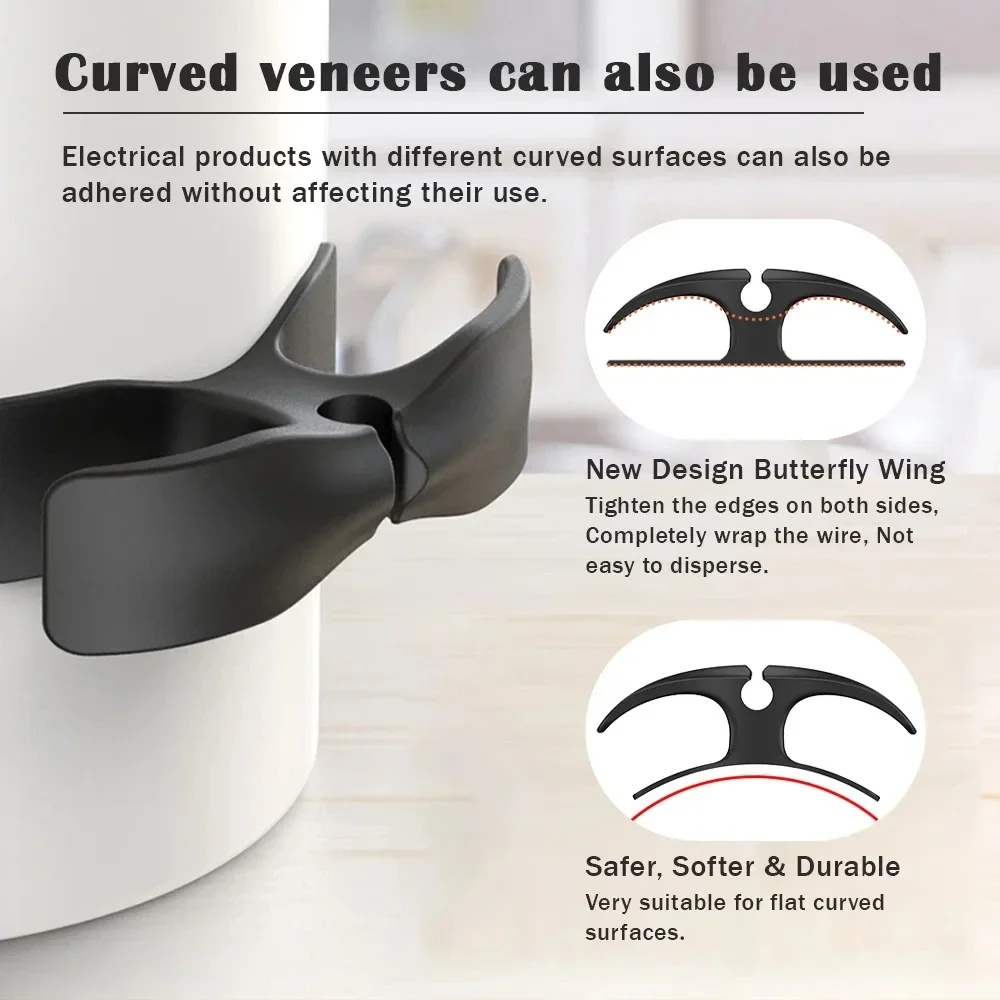
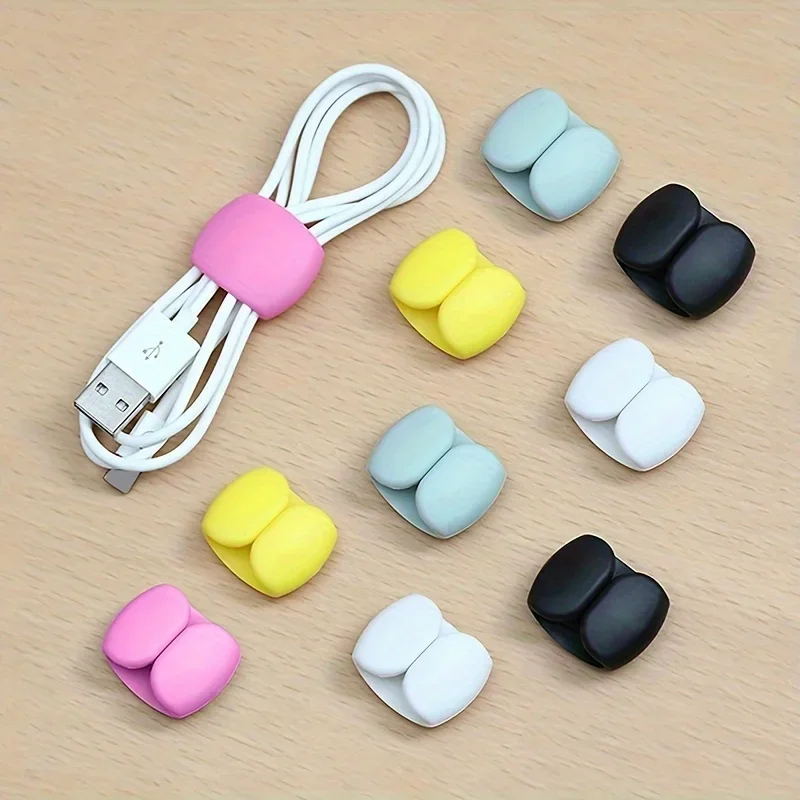
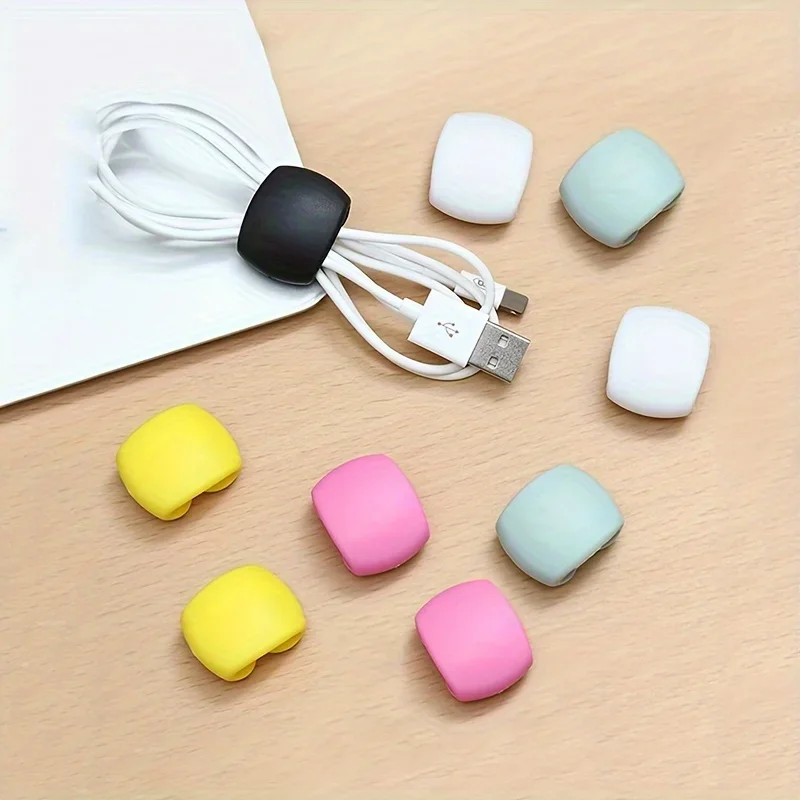
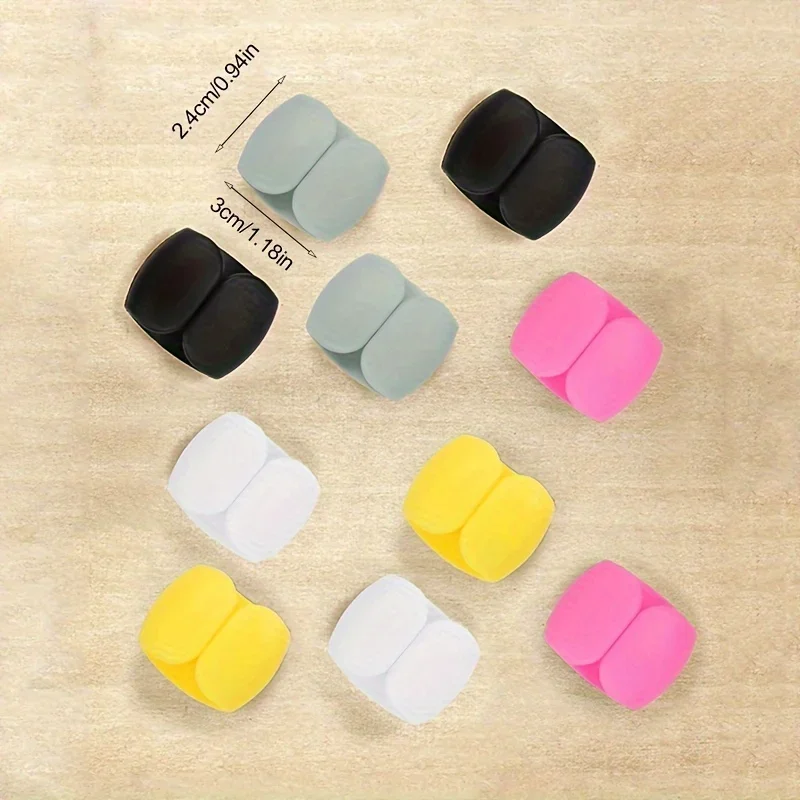
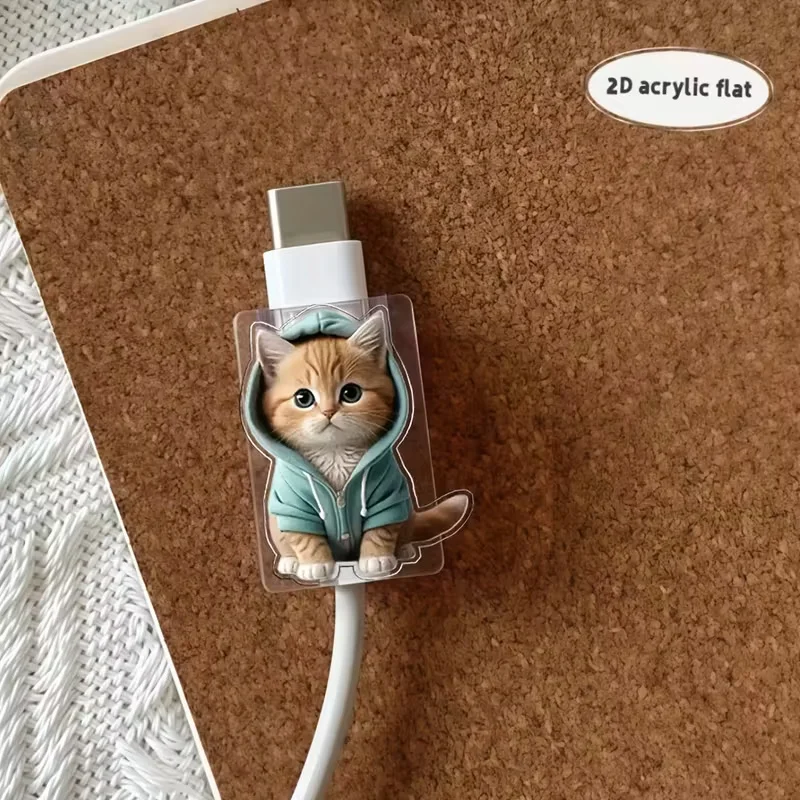
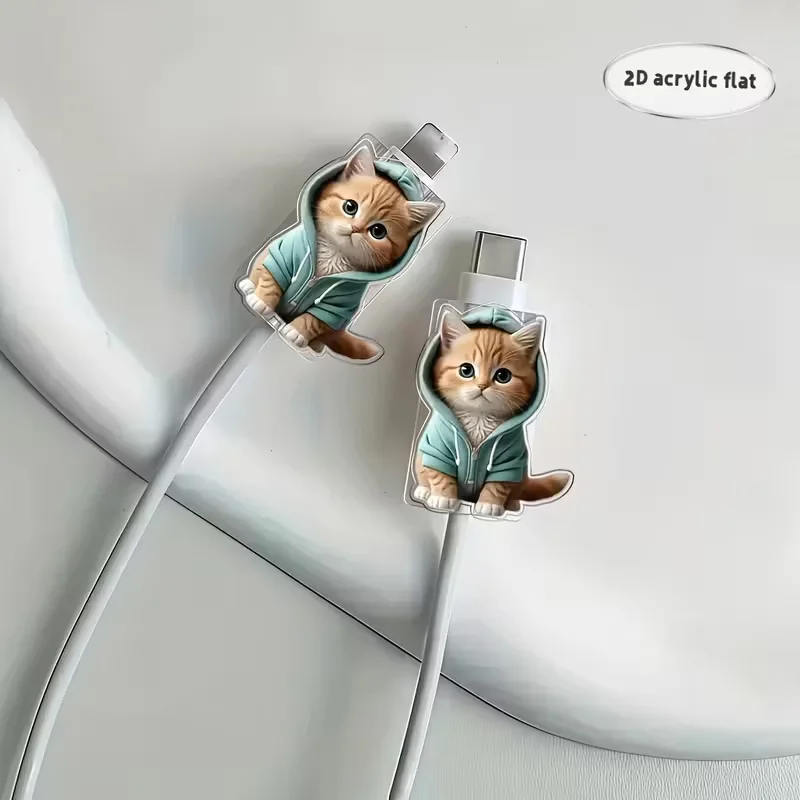
- Cable organisers and protectors keep cables tidy and take the strain off the neck. See cable organisers and protectors.
Does the cable change how fast a phone charges?
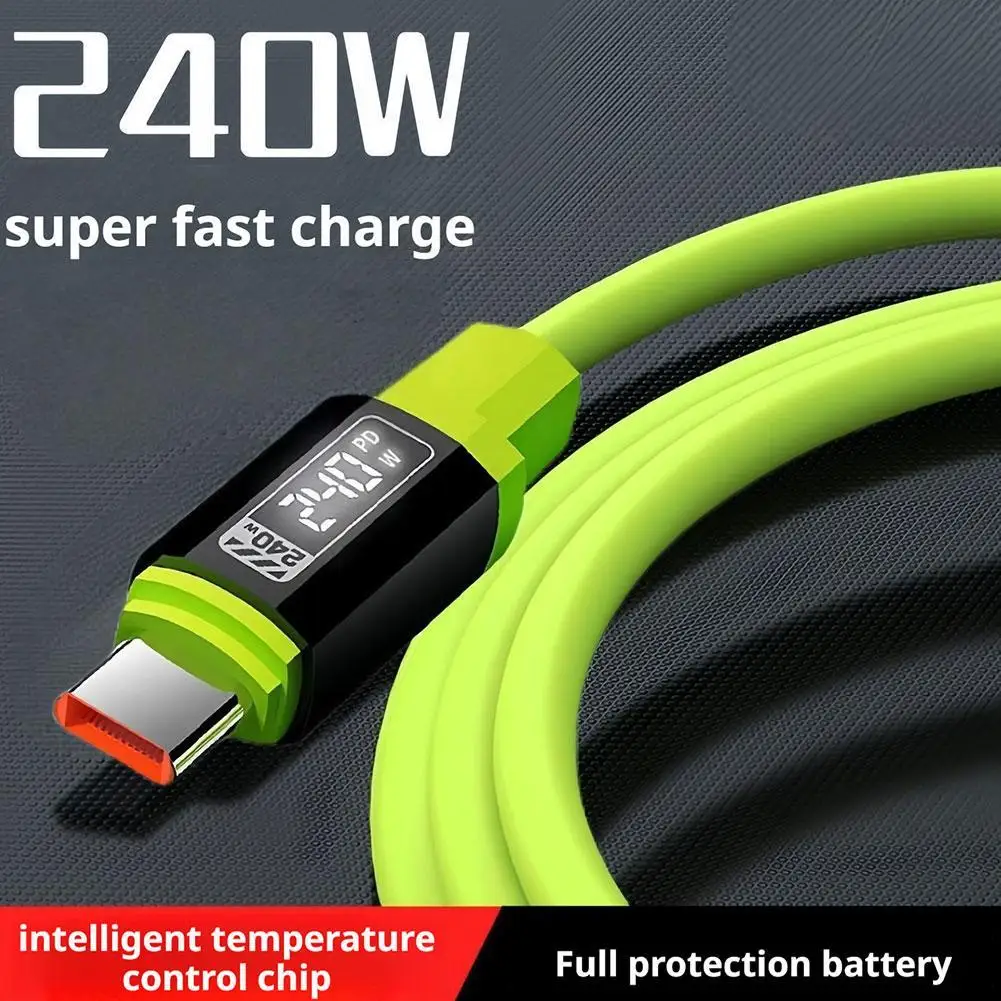
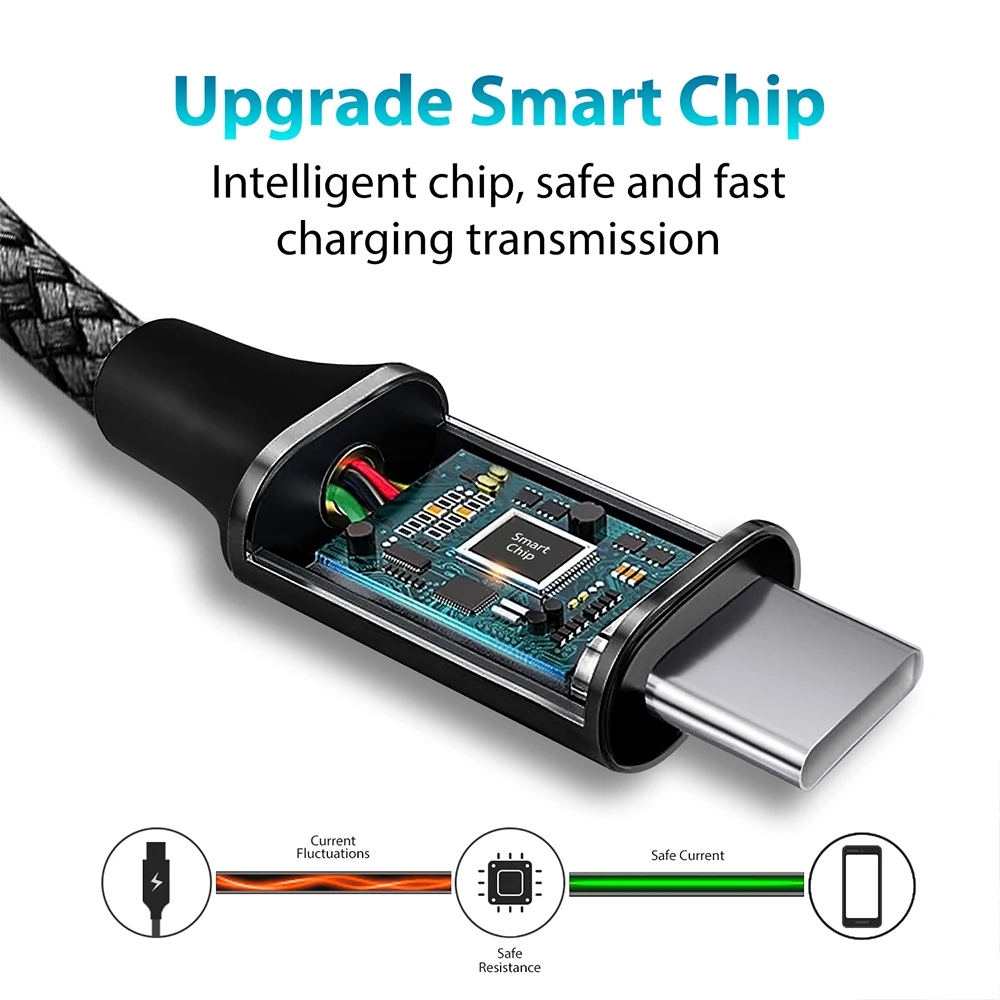
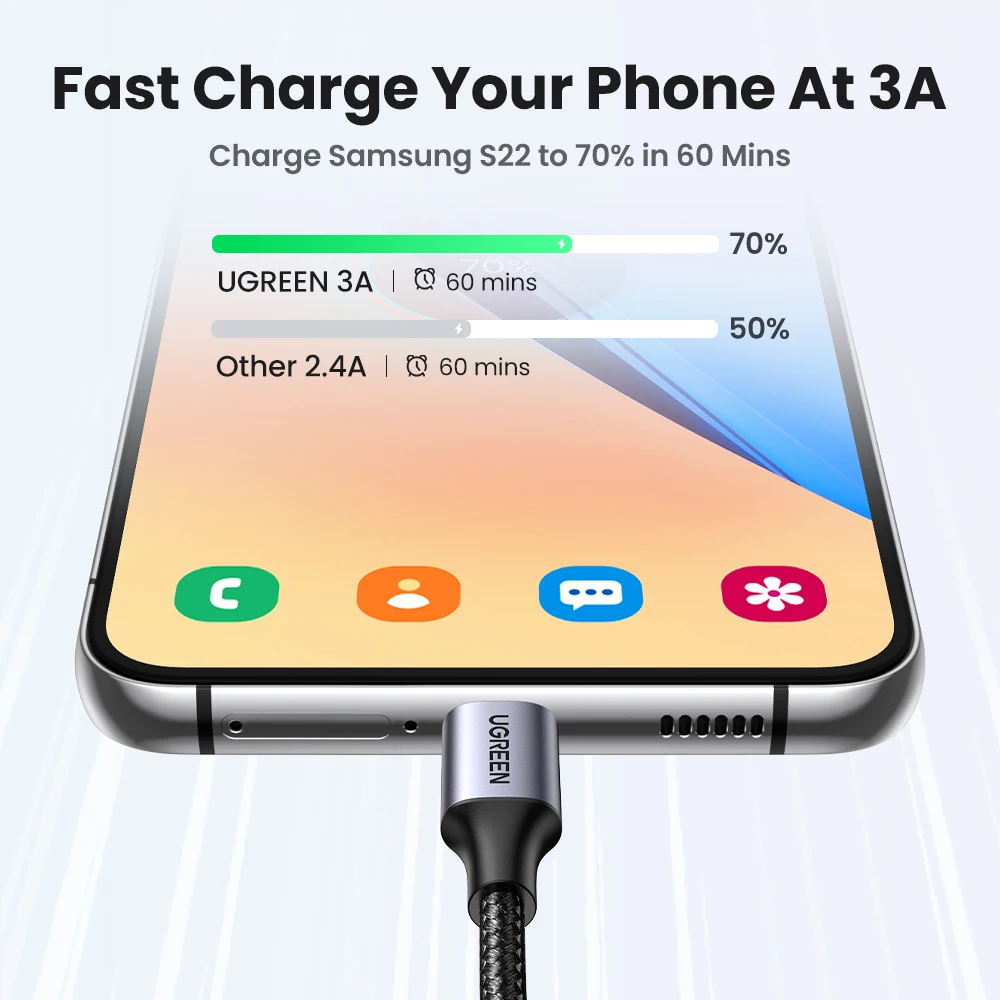
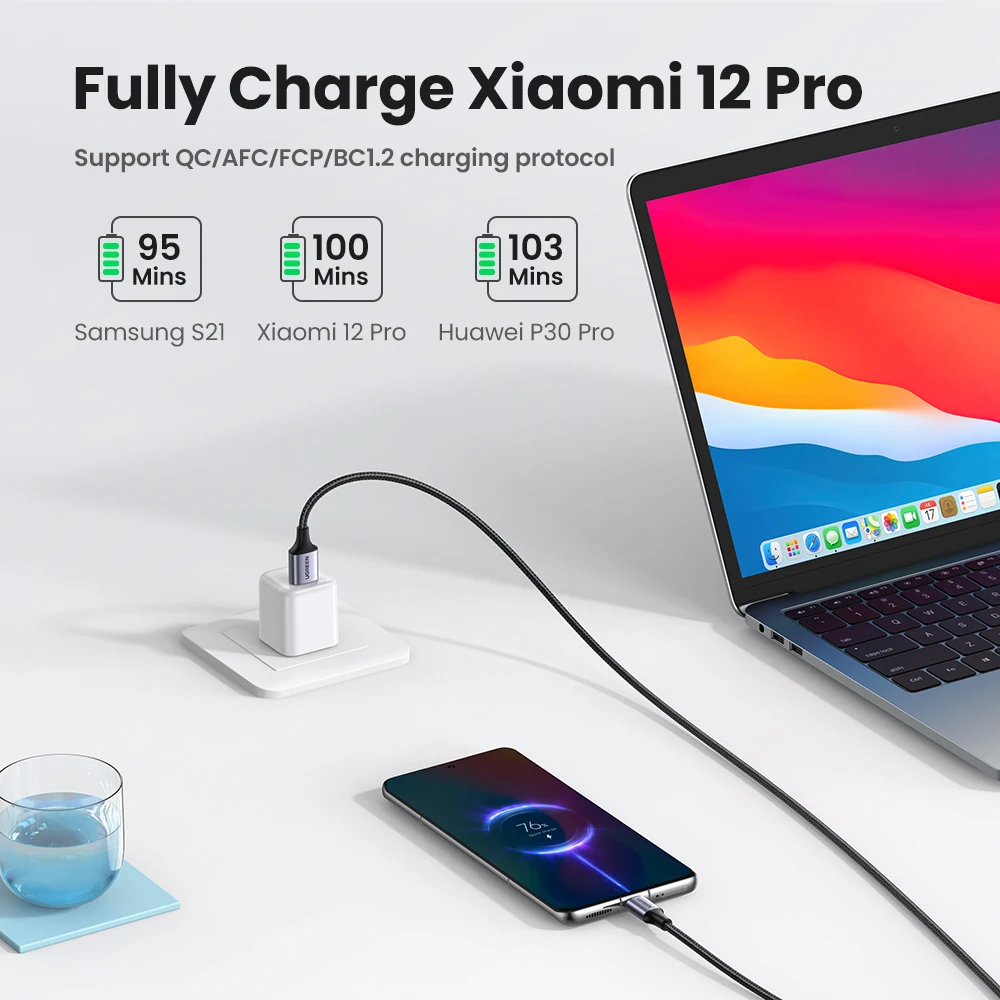
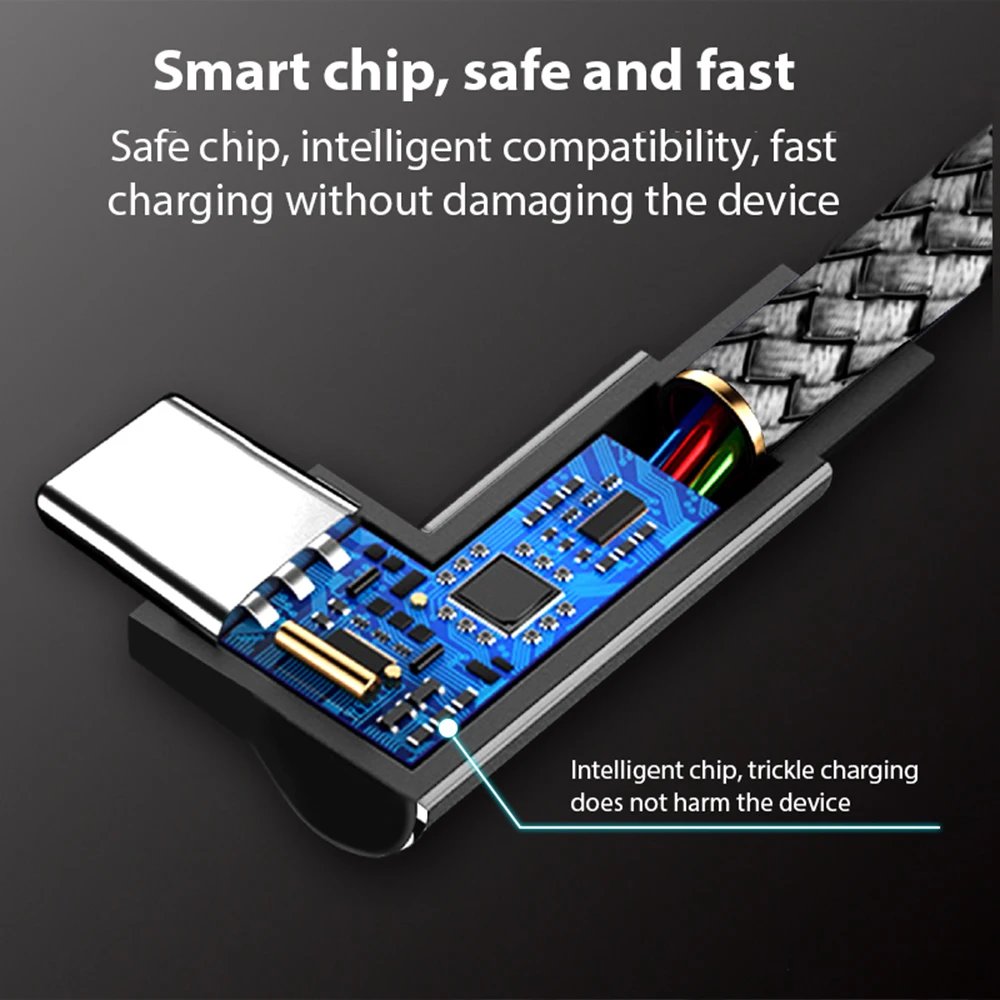
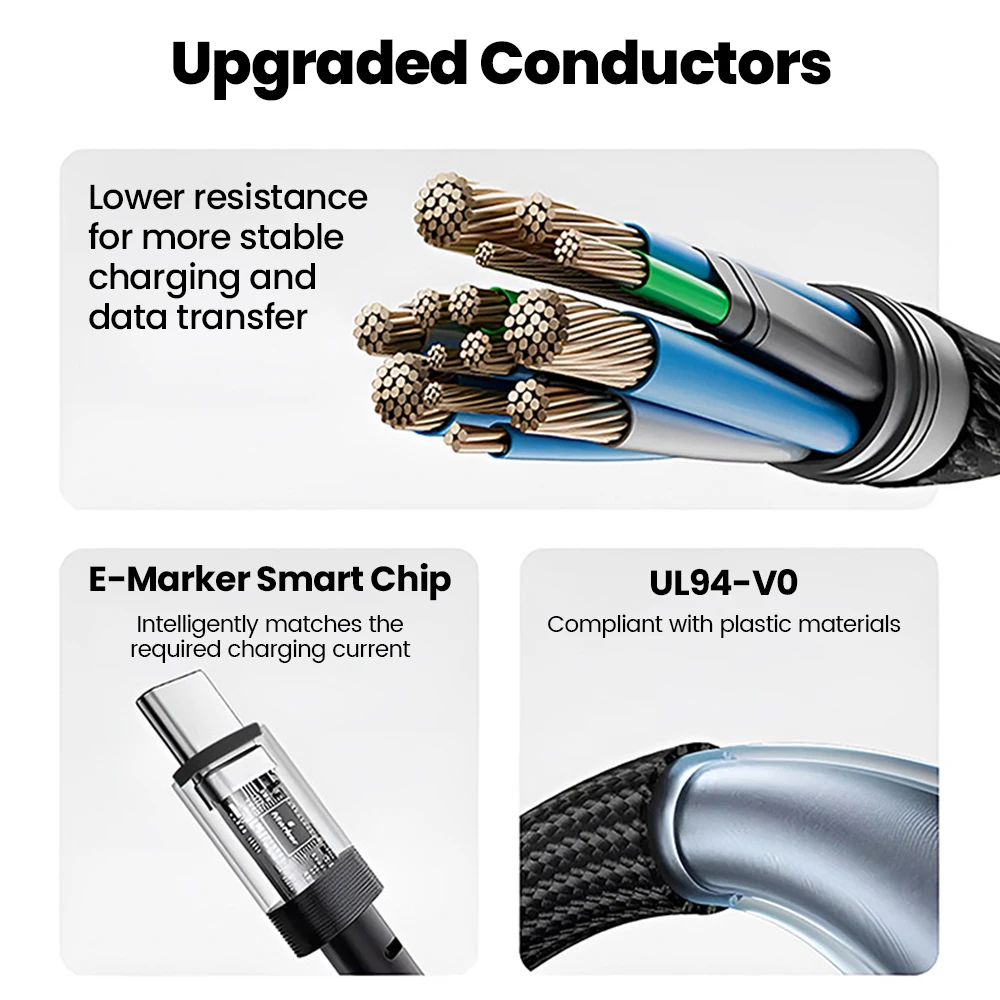
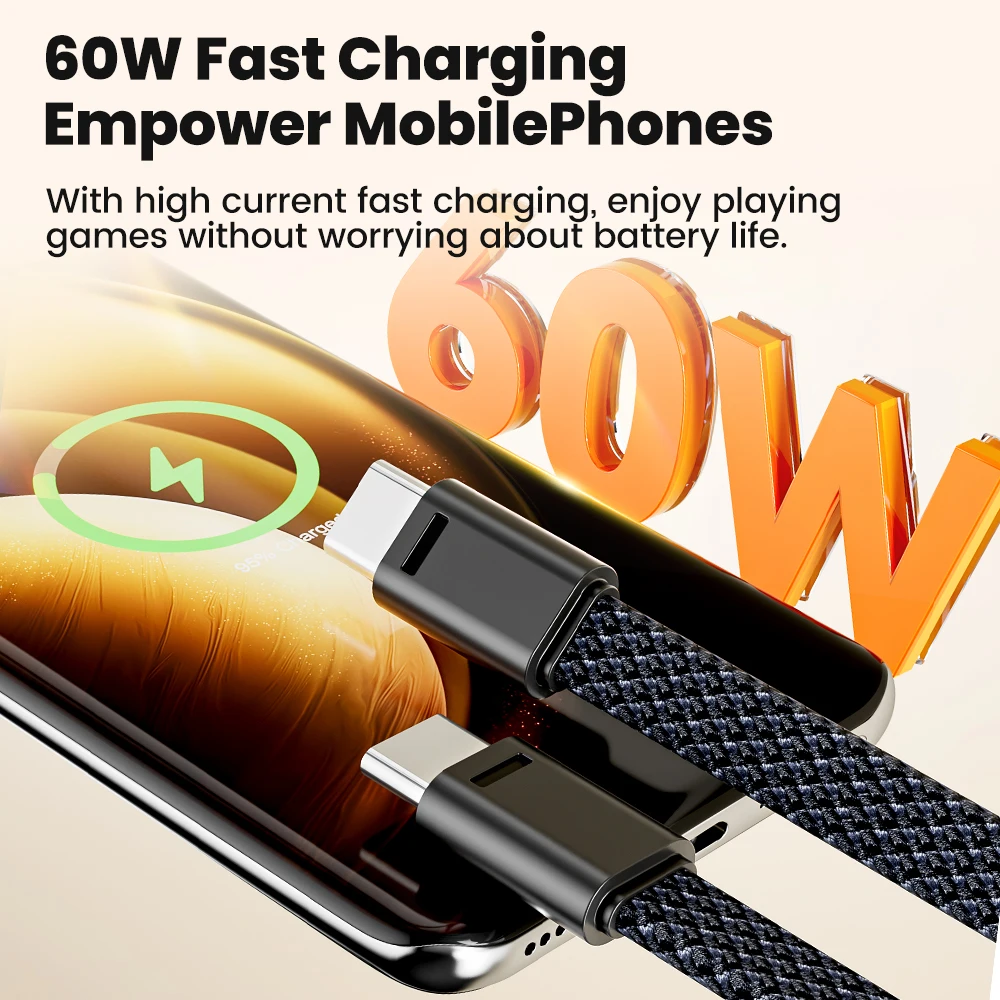
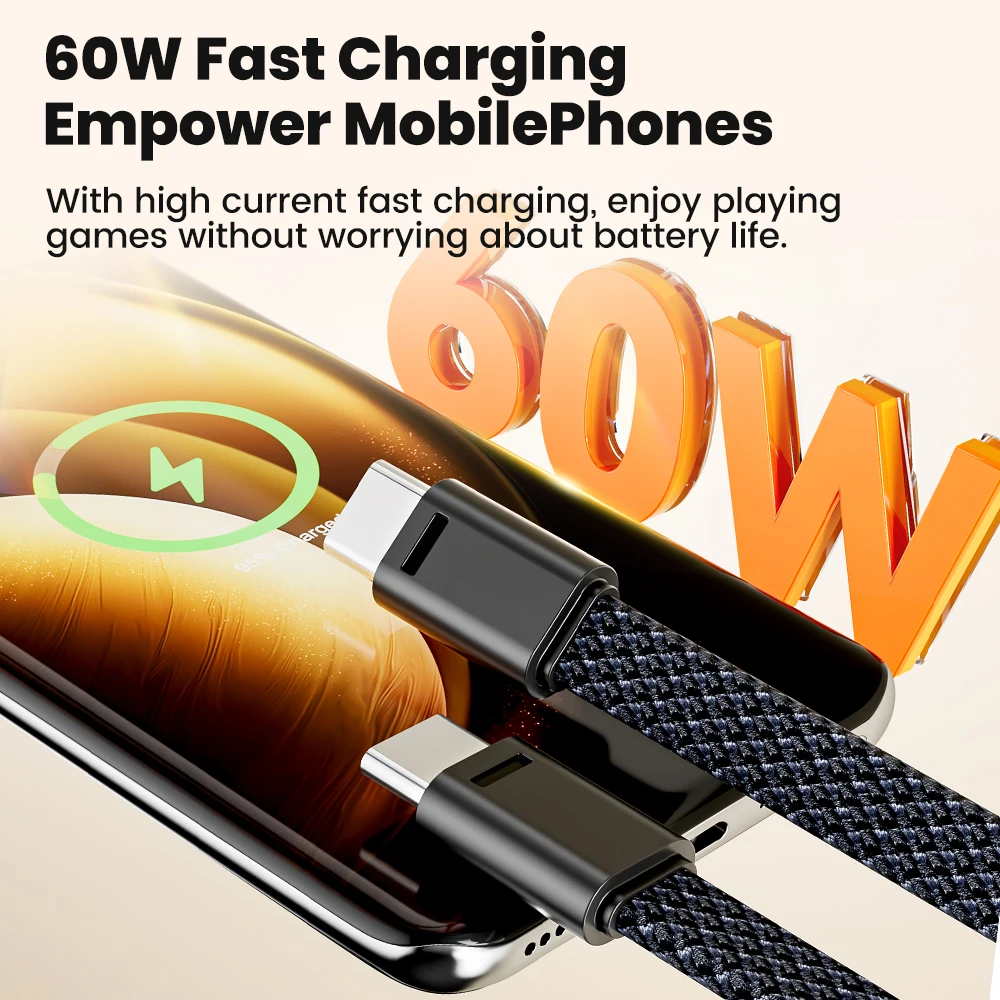
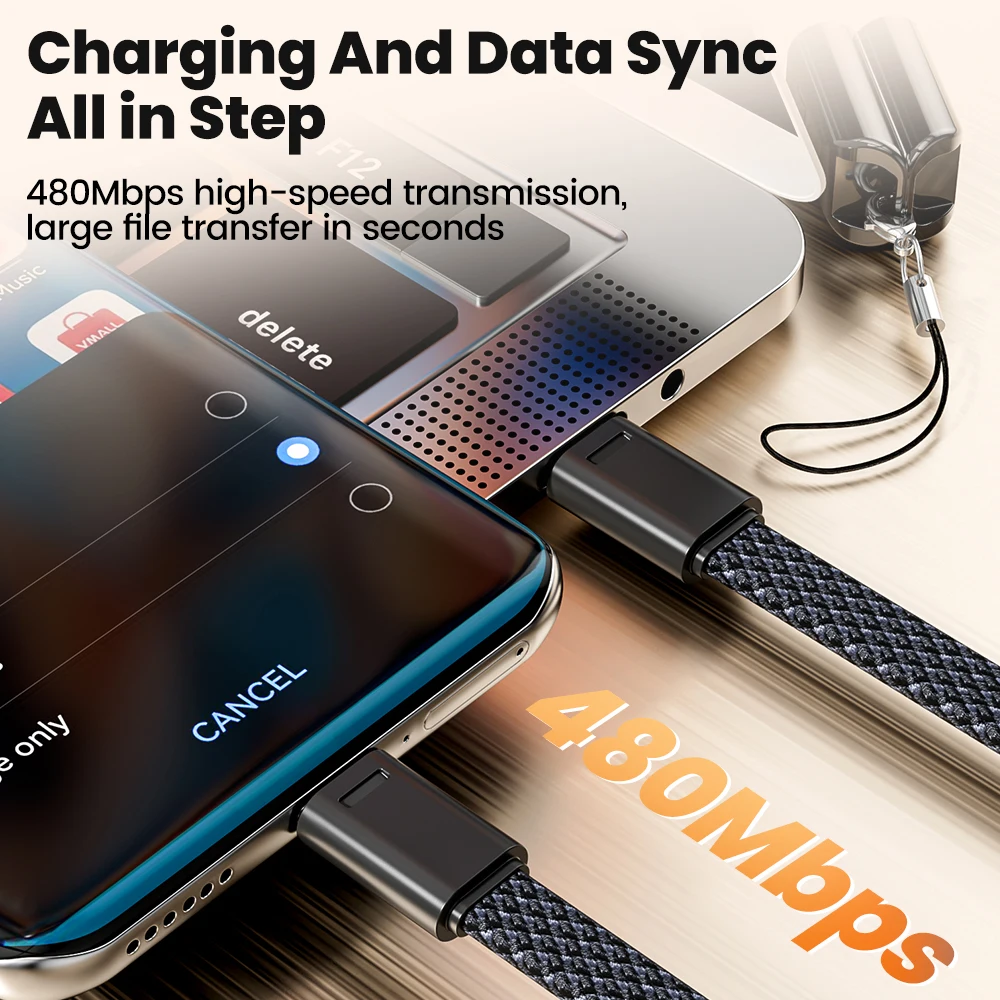
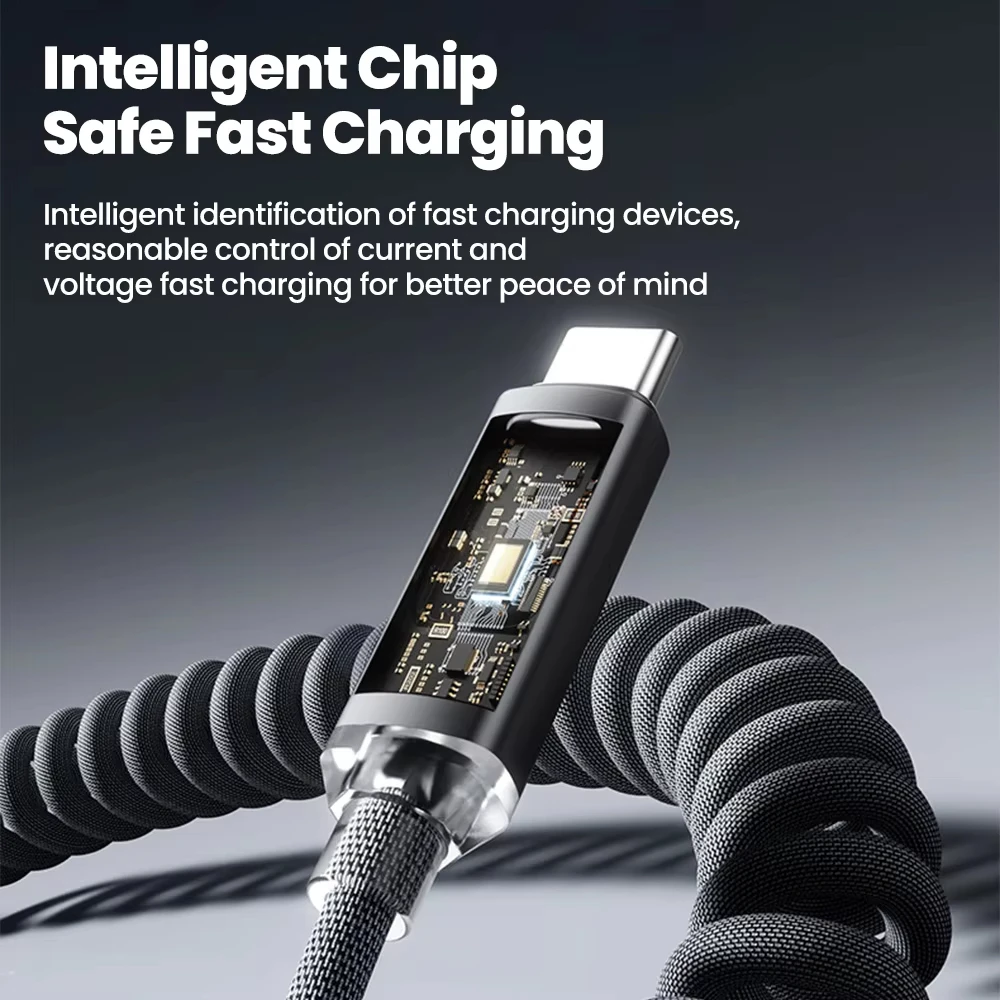
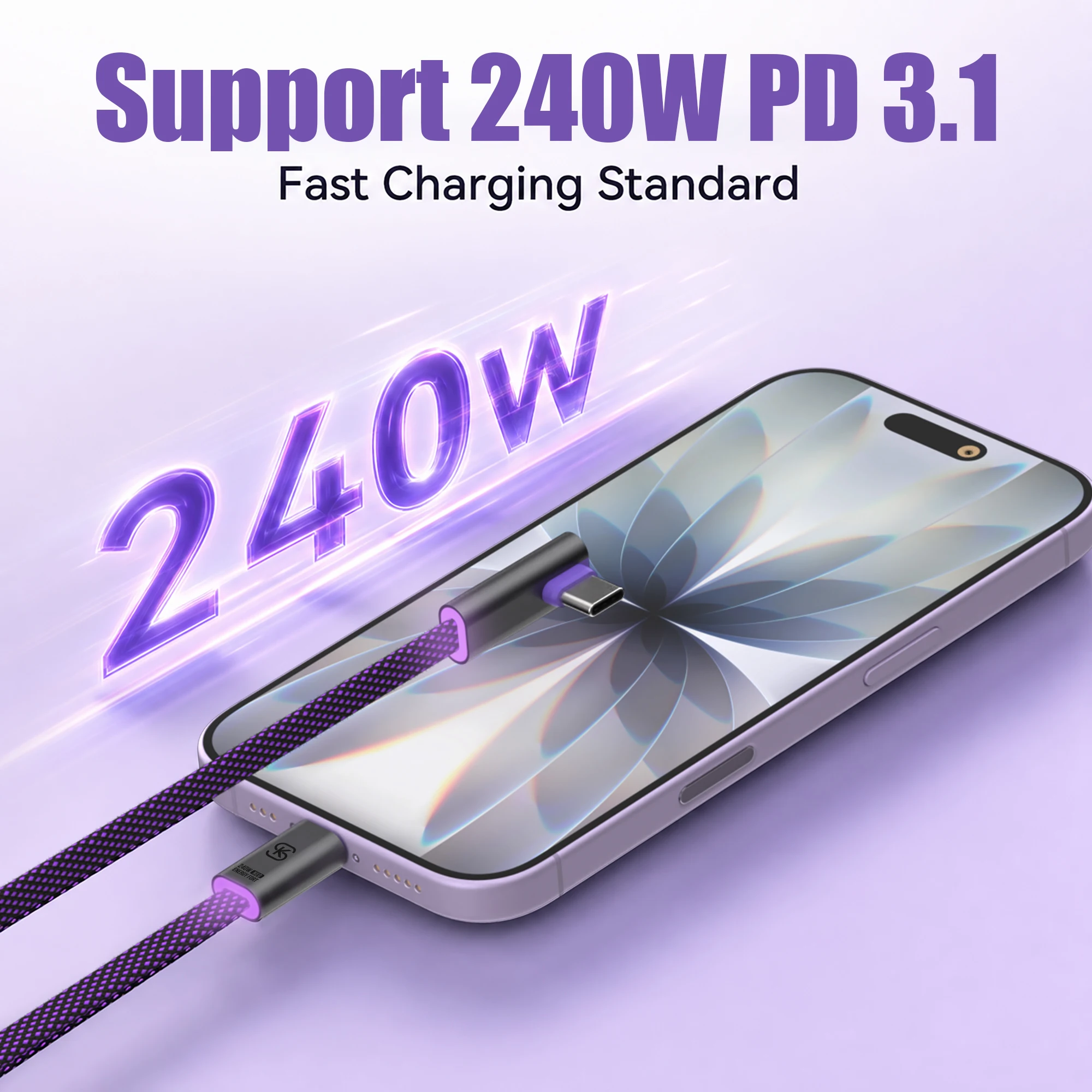
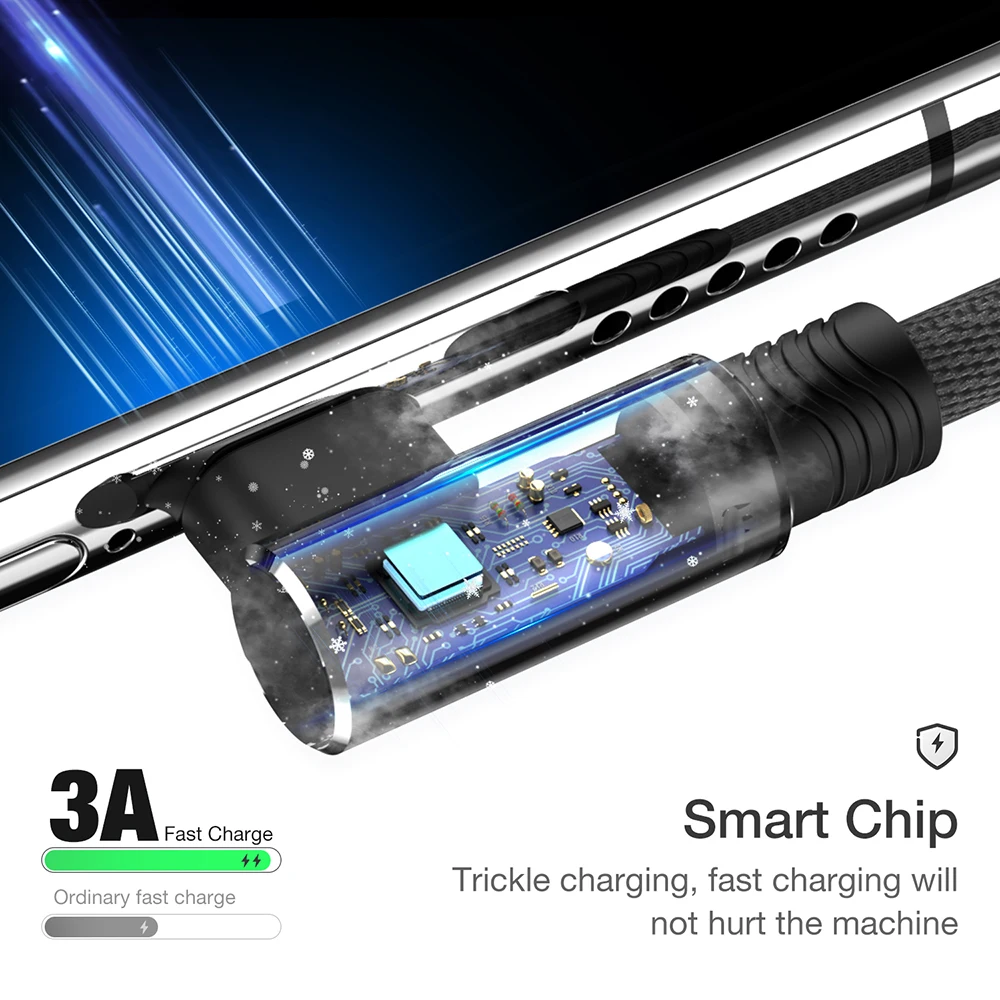
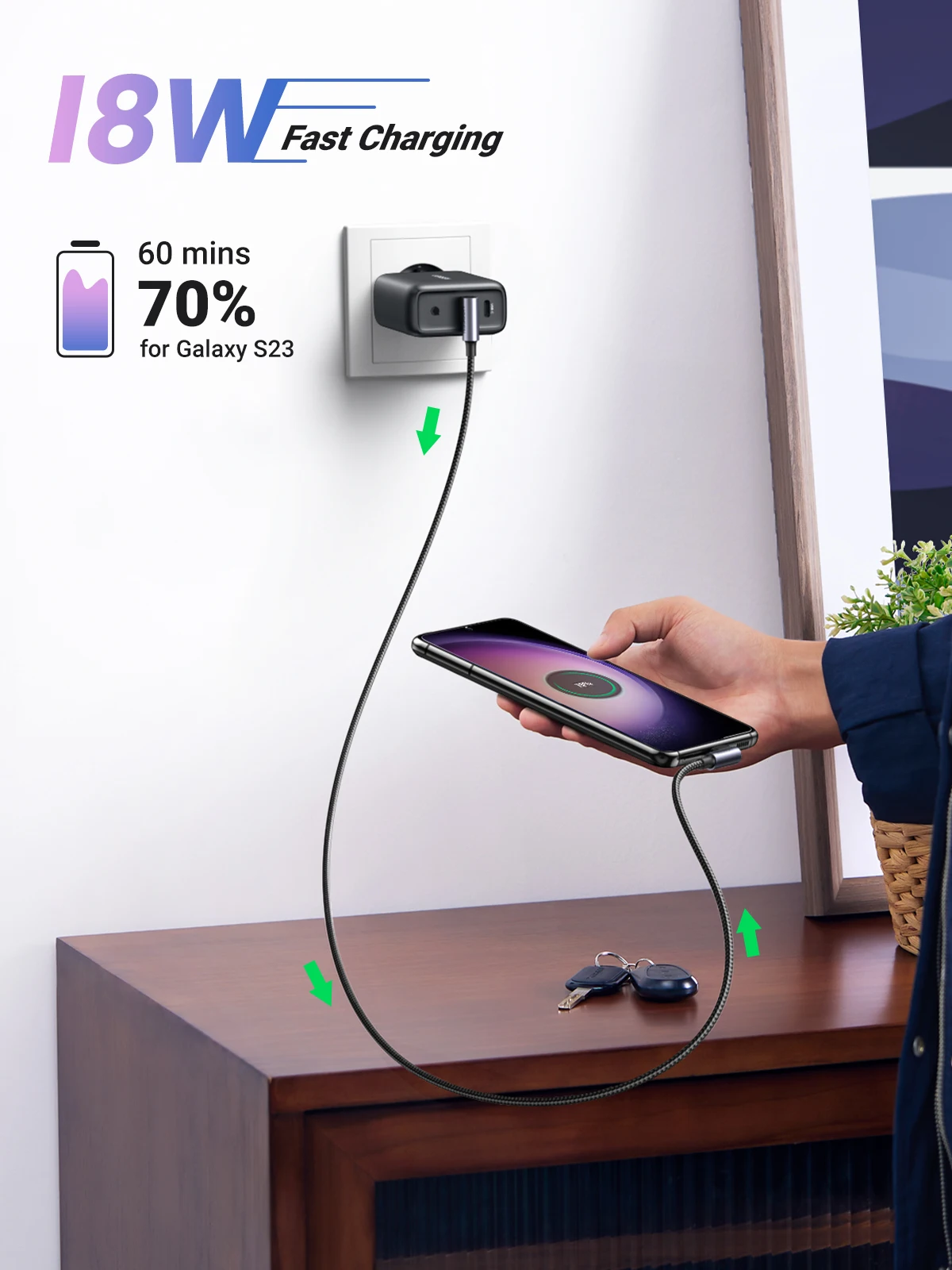
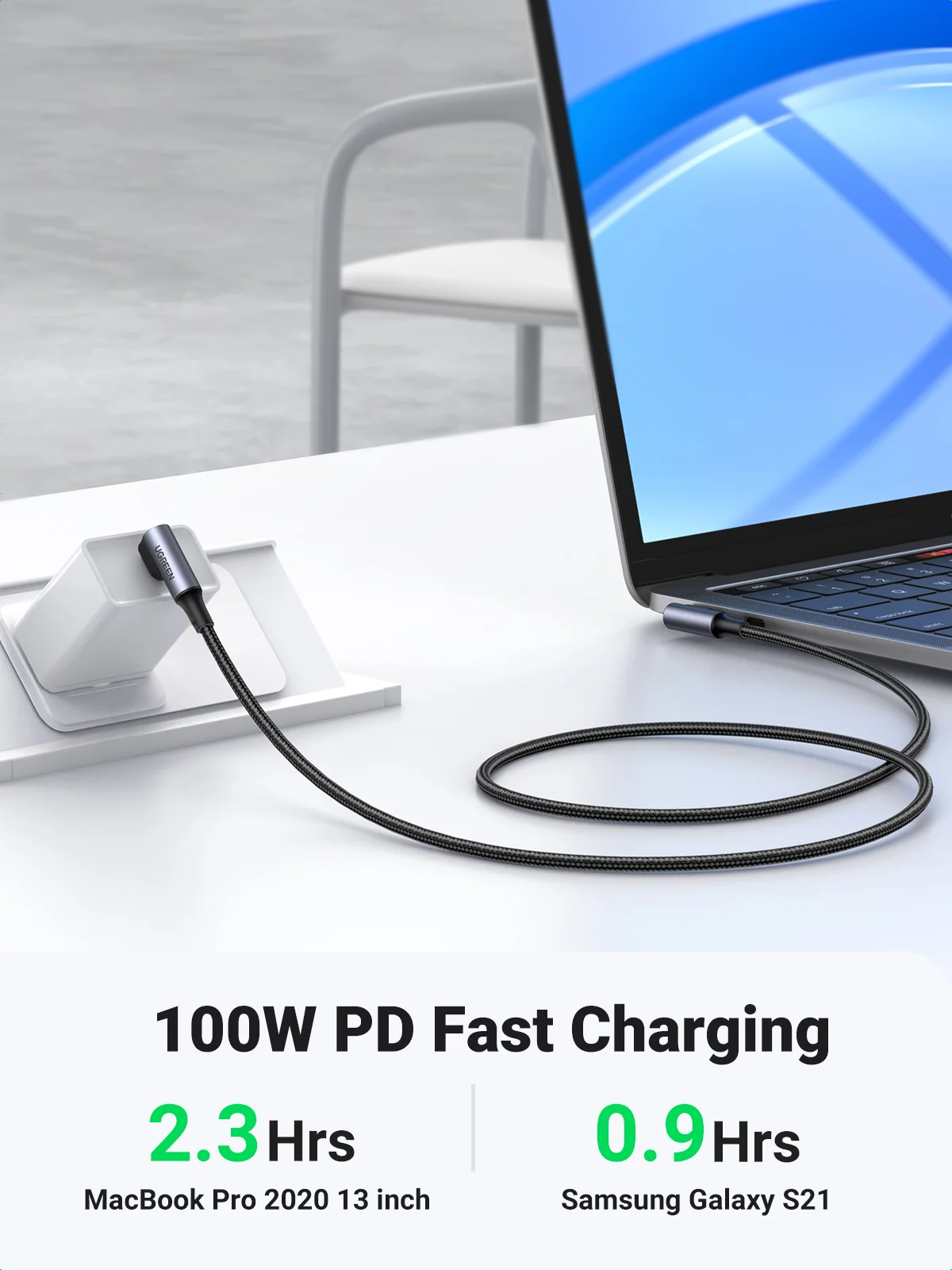
Sometimes. Most USB-C to USB-C cables carry up to 60 watts, which is more than most phones take. Above that, a cable needs a 5-amp rating and a small chip in the plug, called an e-marker; Samsung says its 45W charging needs a 5A cable. A USB-A to USB-C cable will charge a phone well, but usually not at its fastest, because USB Power Delivery, the shared standard for fast charging, is built around USB-C. The guide to fast charging has more, and the guide to which cable your phone needs goes through the plugs.
Questions people ask about charging cables
Will an Android USB-C cable charge a new iPhone?
Yes. Apple says iPhone 15 and later charge with a USB-C cable and a USB-C power adapter, so a good cable from an Android phone works the same way.
How do I know a cable is worn out?
If it charges only at a certain angle, stops and starts, or the jacket is split or shows wire, replace it. Samsung's advice is to stop using a cable with cracks or exposed wires at once.
More to look at