A power bank you will actually carry
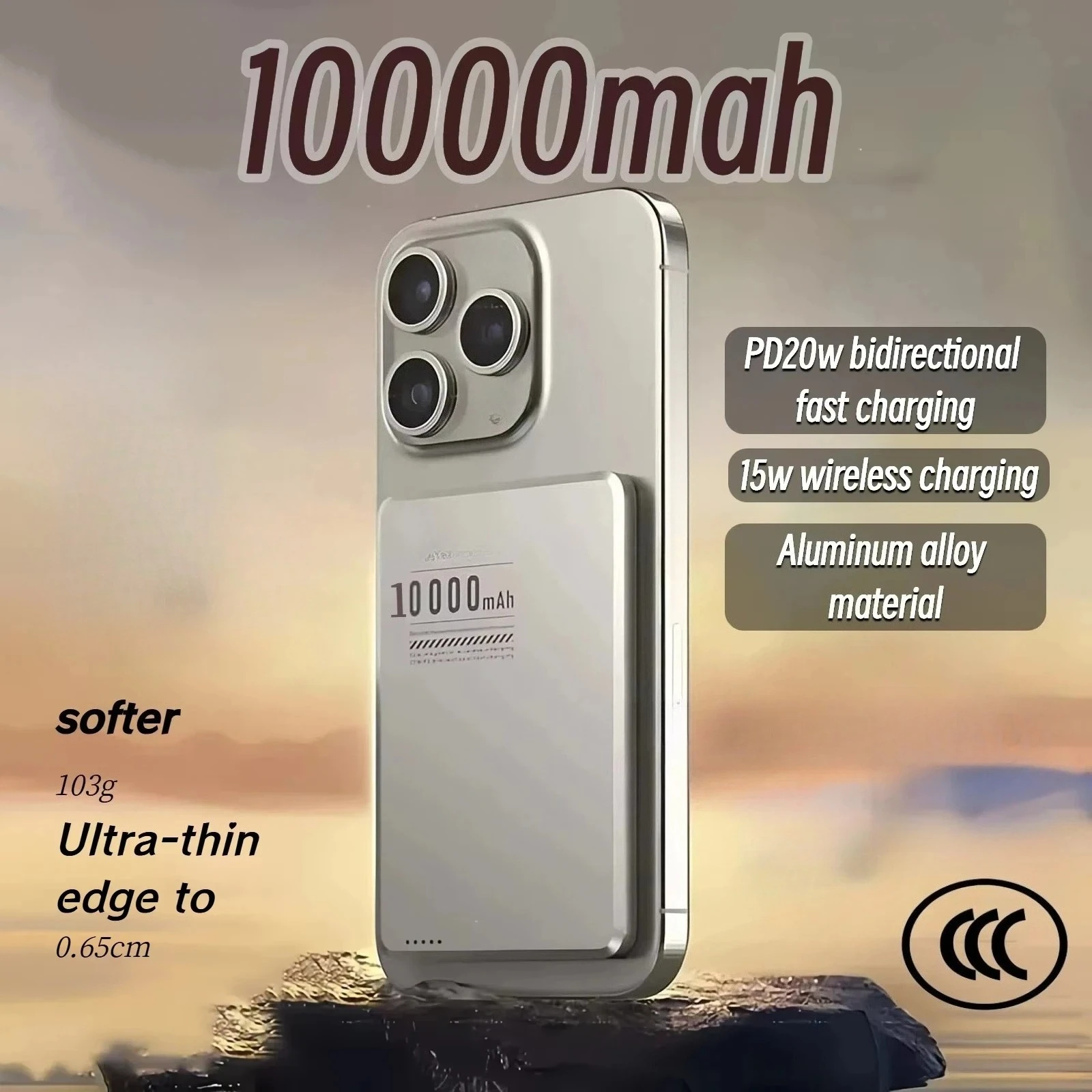
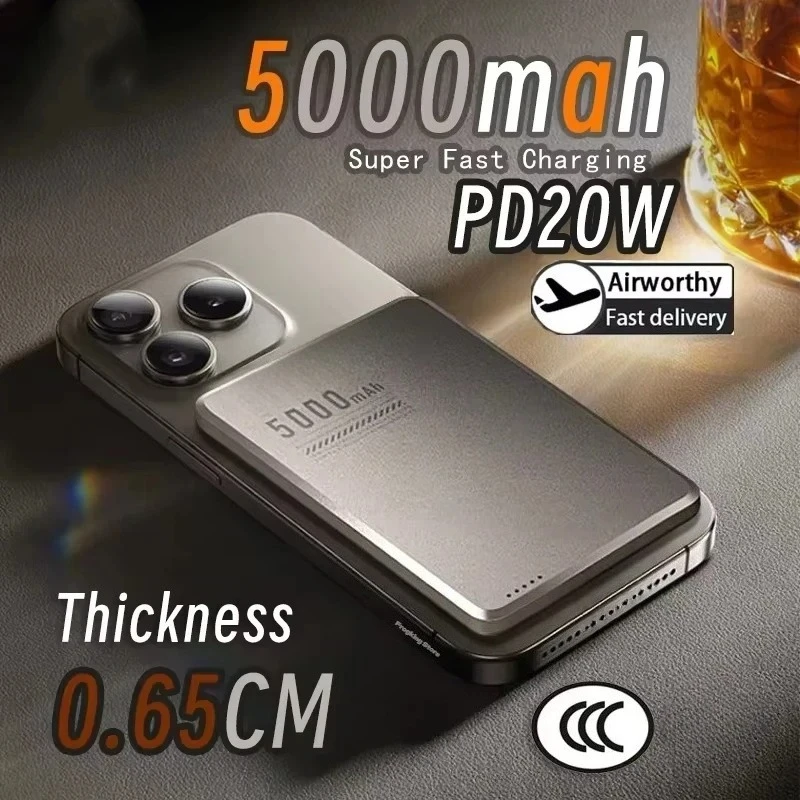
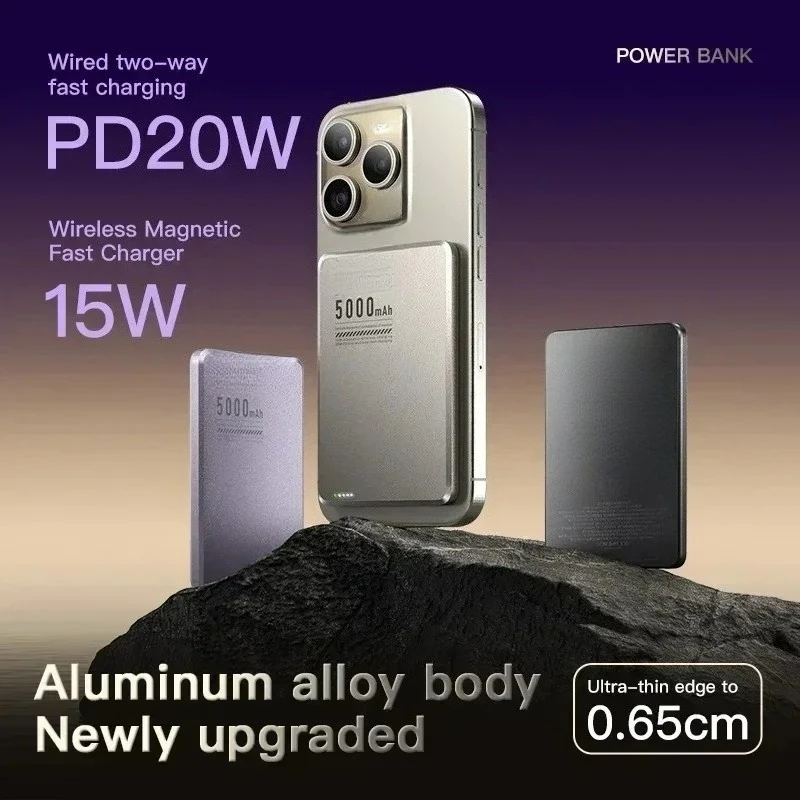
A slim power bank is thin and flat, made to slip into a jacket pocket, a handbag or the inside pocket of a work bag, where a chunky one would bulge or get left at home. The honest test of any power bank is whether you take it with you, and that is the point of a slim one: it is the power bank that goes everywhere, for the evening out, the long day at work or the commute home with the battery in the red. Most are about the size of a phone, so they sit beside it in the same pocket.
Slim against capacity
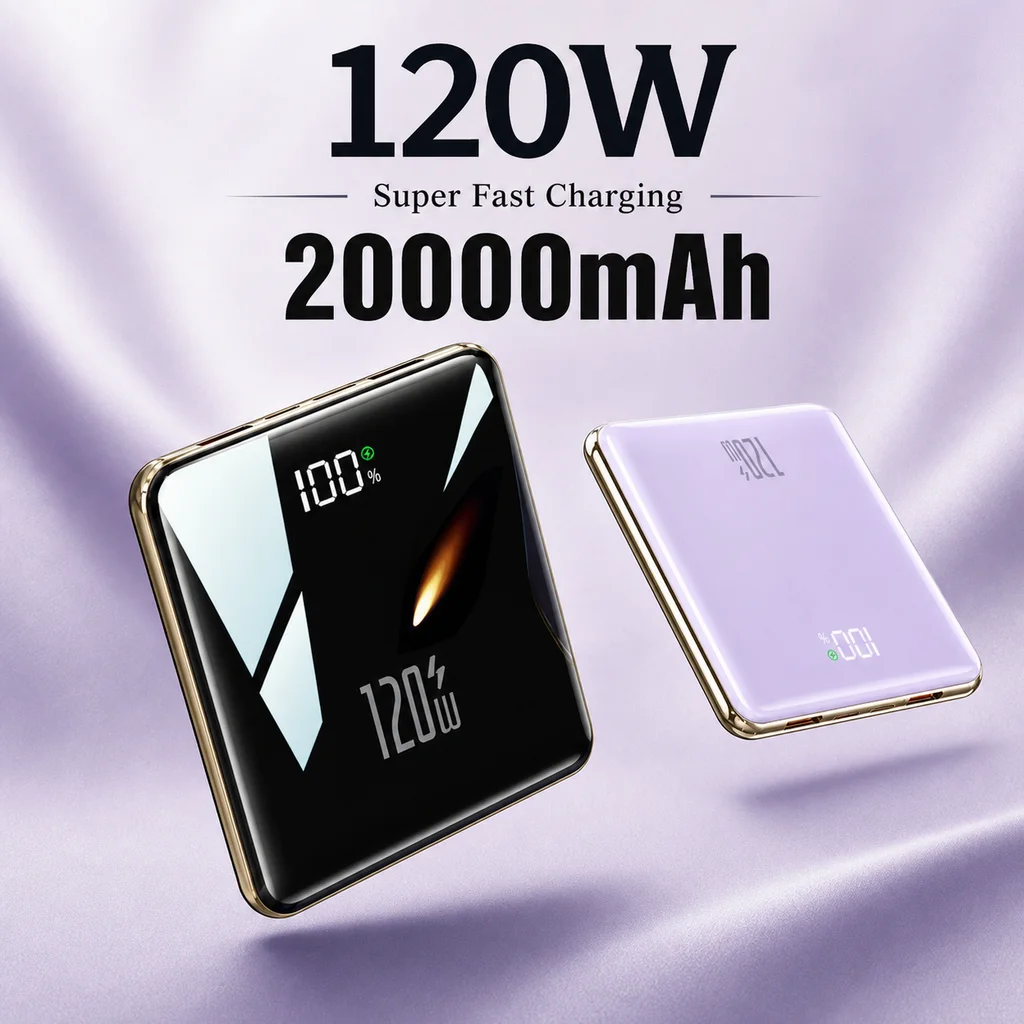
A thinner case holds fewer cells, so the slimmest power banks are usually the smaller sizes. That is a fair trade for everyday carrying. The mAh on a power bank is measured at its cells, and roughly two-thirds of it ends up in the phone, so a 5,000mAh power bank gives most phones a good top-up, from low to most of the way full, and a 10,000mAh one gives a phone with a 4,000mAh battery about one and a half charges. If you need more than that, a larger power bank in a bag will serve better: see high-capacity power banks. Sizes are also filed in 5,000mAh and 10,000mAh power banks.
How to choose a slim power bank
- The sockets. For fast charging, look for USB Power Delivery on a USB-C socket. A power bank with only USB-A, or no PD, charges a phone, but slowly.
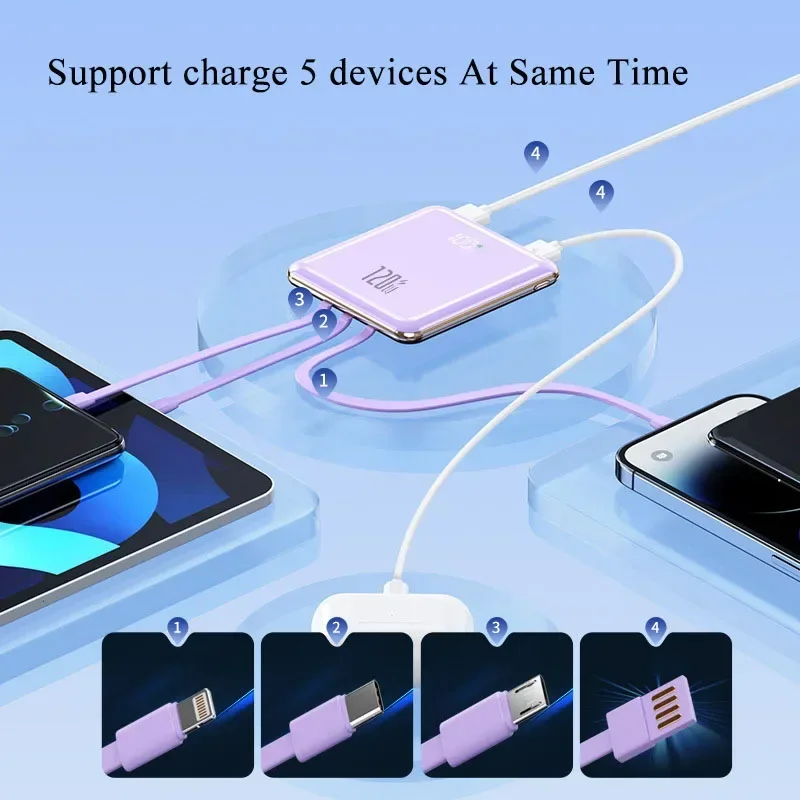
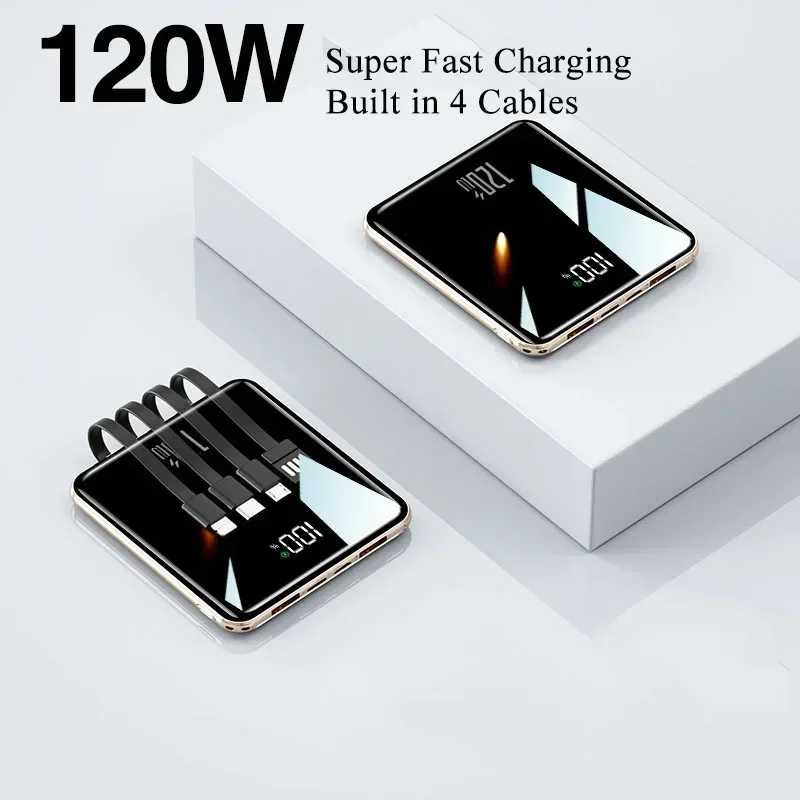
- The cable. A slim power bank in a pocket wants a short cable, or none at all: see power banks with built-in cables.
- Magnetic or not. Some slim power banks are magnetic and click onto the back of the phone: see magnetic power banks.
- Refilling it. A fast USB-C input fills it again sooner. Charge it from a proper charger with a UK three-pin plug.
Questions people ask about slim power banks
How many times will it charge my phone?
Take the mAh, multiply by two-thirds, and divide by your phone's battery size. A busy phone, a cold day and an old power bank all give less.
Can I take a slim power bank on a plane?
Power banks travel in your hand luggage, never in a checked bag, and the UK Civil Aviation Authority allows two per passenger. They must not be recharged on board, and each should sit in a pouch or its packaging so its sockets cannot touch keys or coins. The limits are in watt-hours: under 100Wh is allowed in the cabin, 100Wh to 160Wh needs the airline's approval, and over 160Wh is not allowed in passenger baggage. Check your airline's own rules as well, as some are stricter.
Is it safe in my pocket?
Never charge a swollen, damaged or hot power bank. Stop using one that bulges, cracks, smells odd, smokes or gets too hot to hold, and do not take it apart. Charge it uncovered on a hard surface, not on a bed or inside a bag, and unplug it once it is full: Electrical Safety First advises against charging power banks overnight or while you are out. An old power bank goes to a battery recycling point, never the household bin.
More to look at