The everyday size
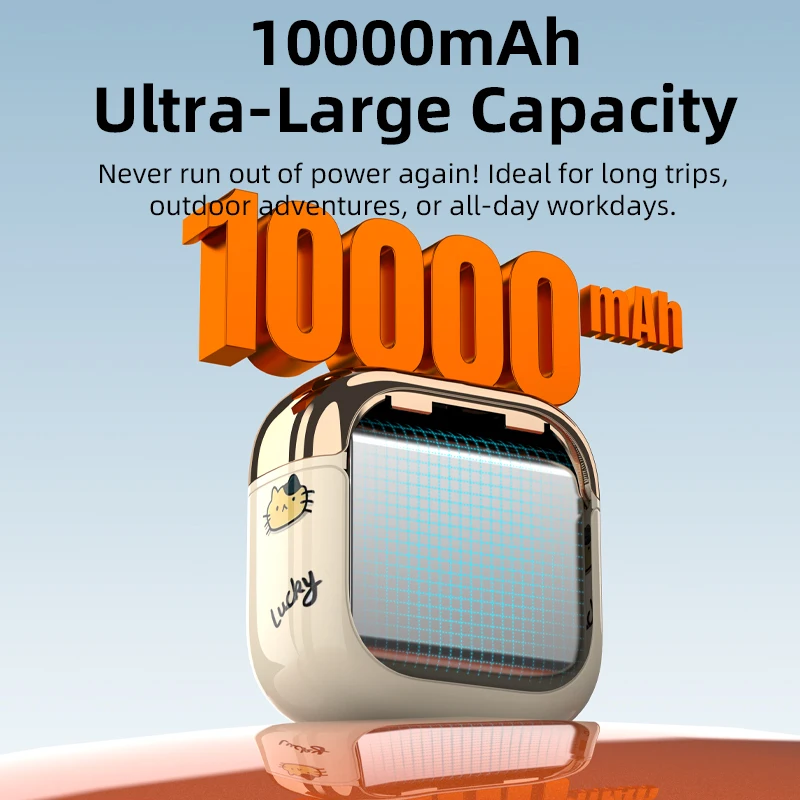
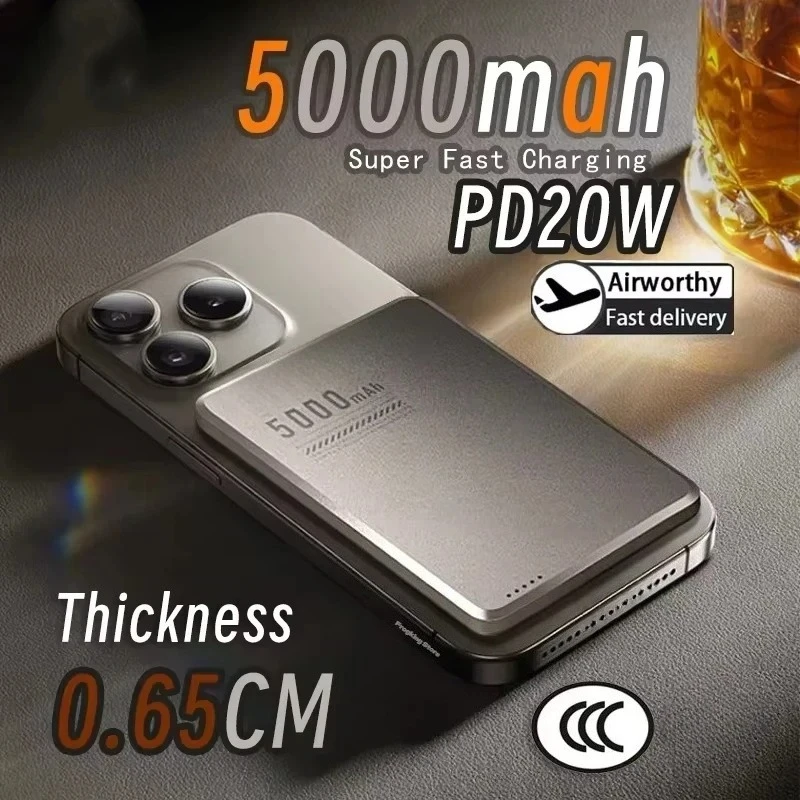
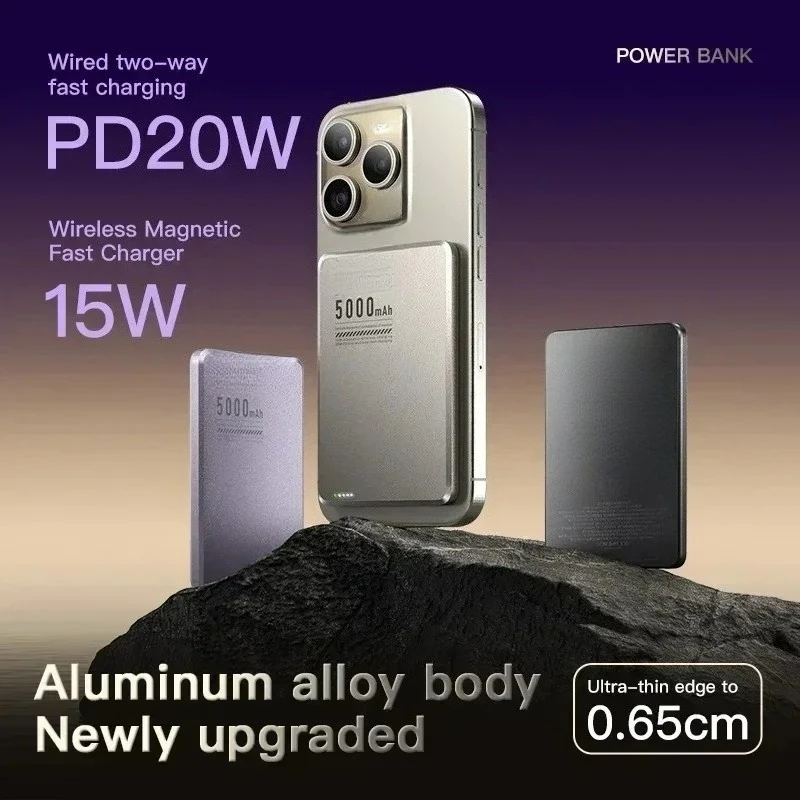
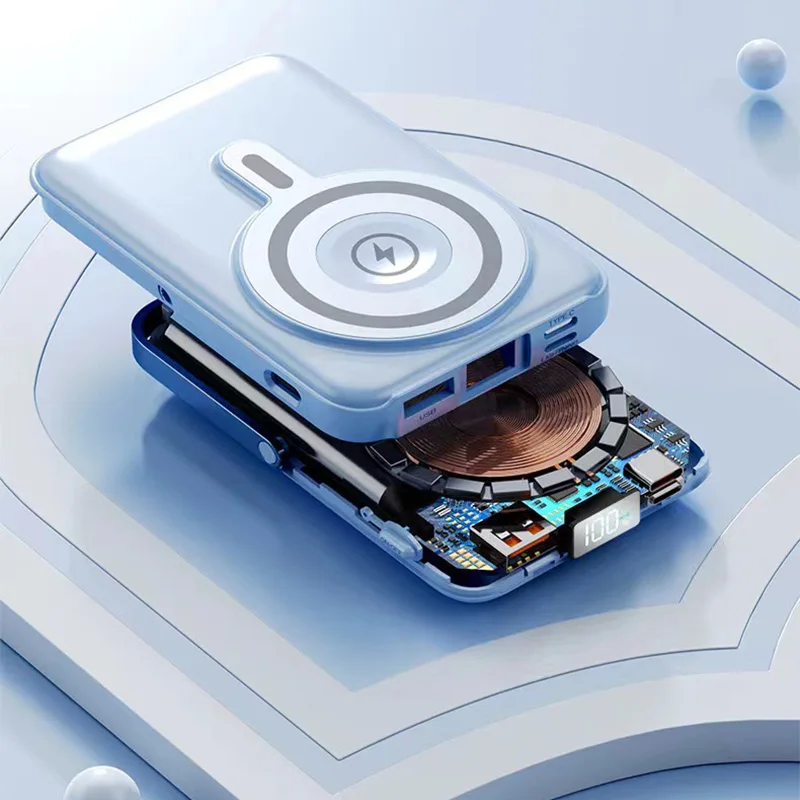
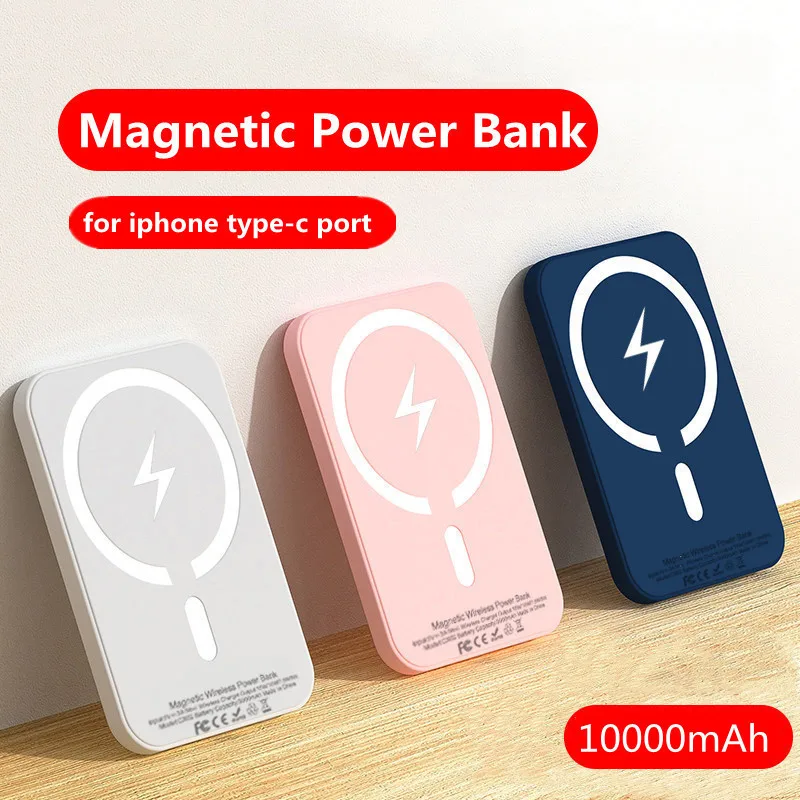
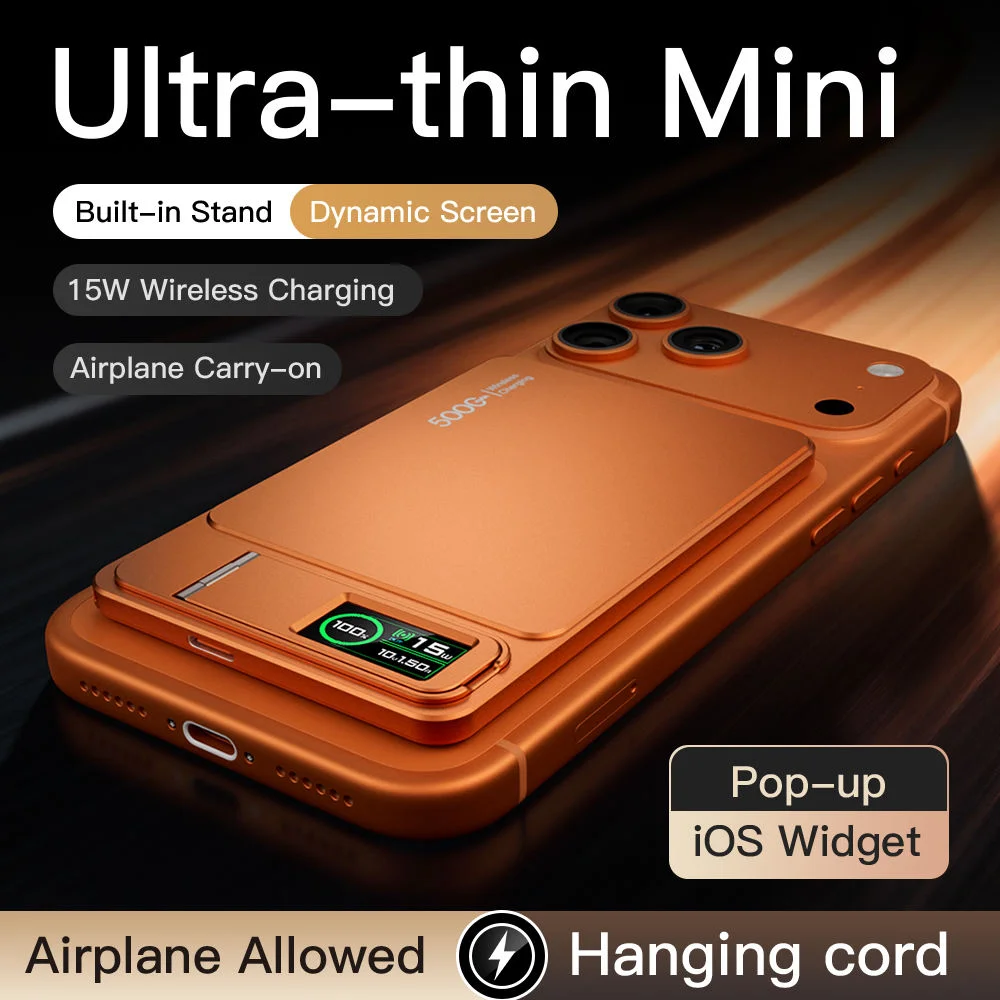
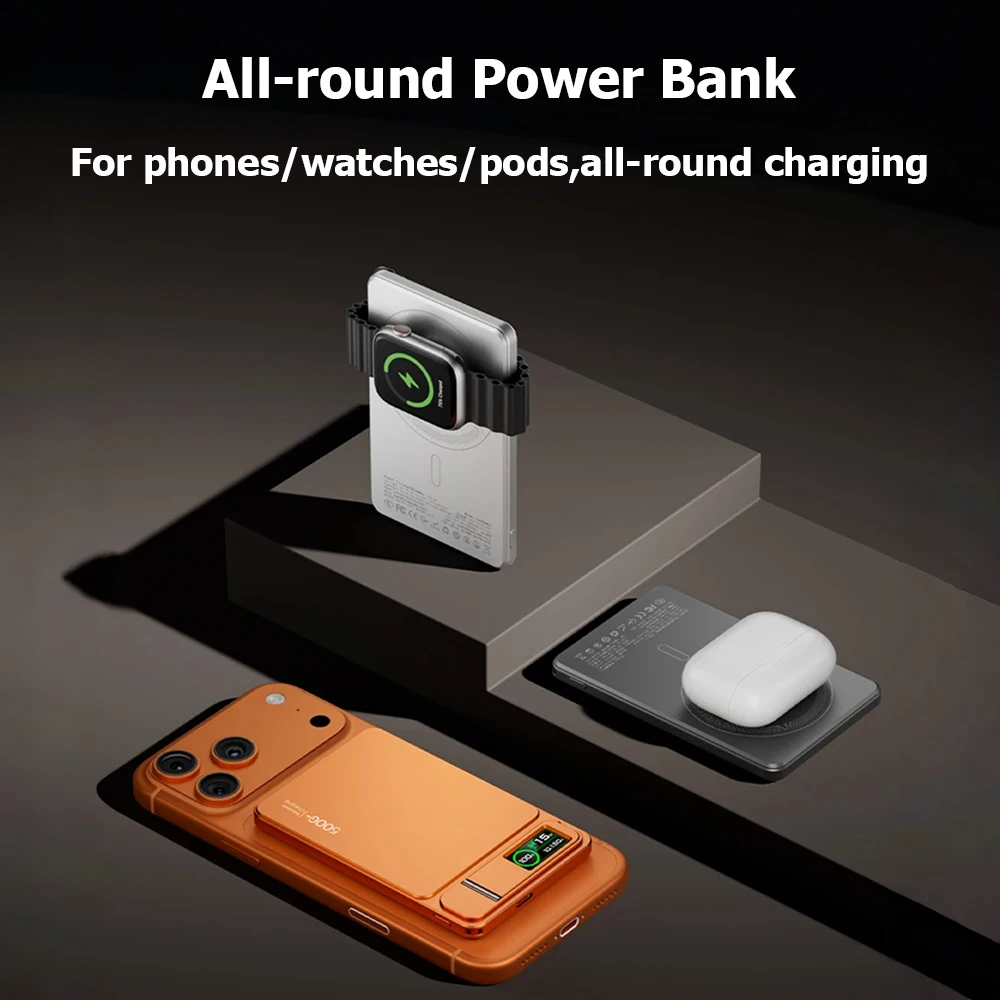
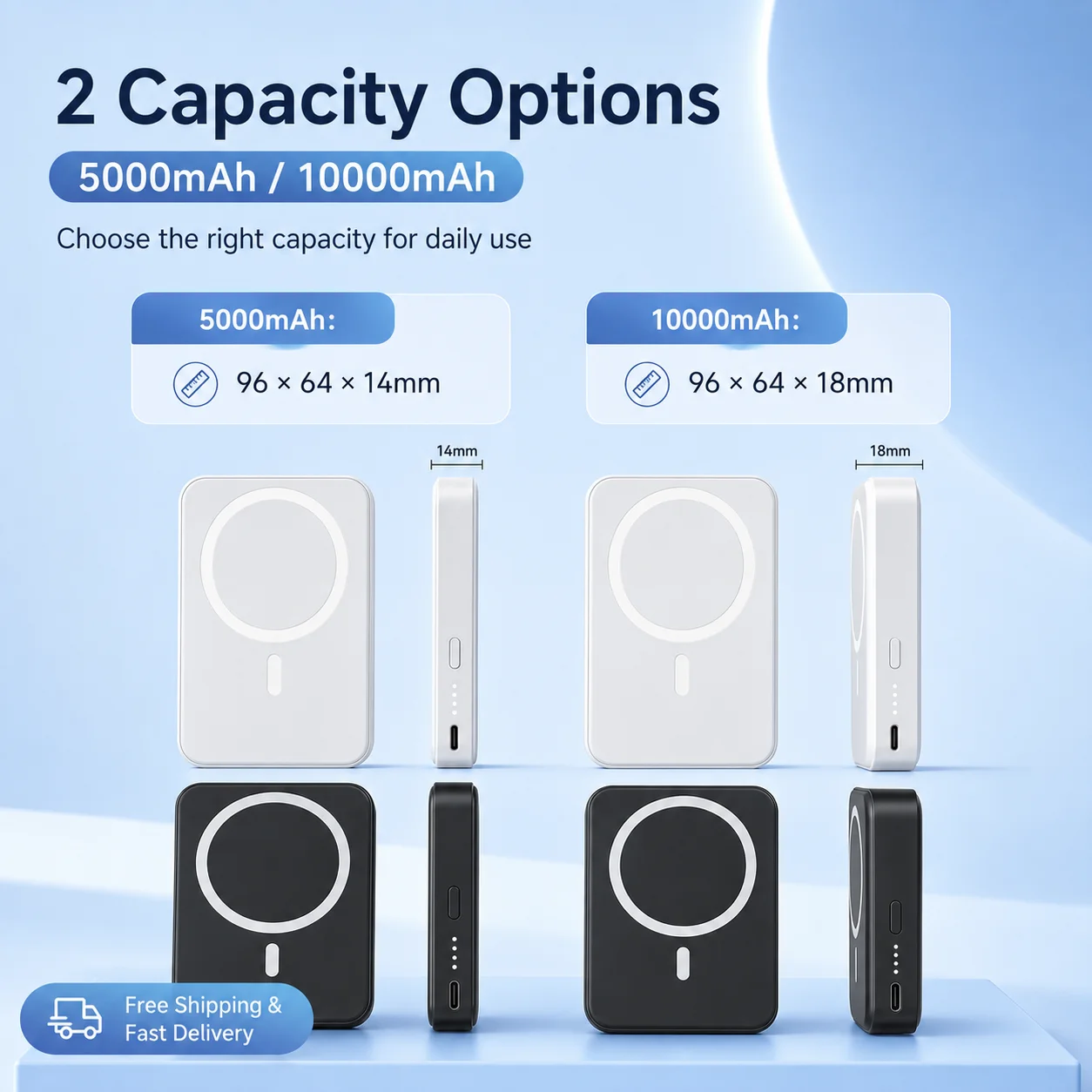
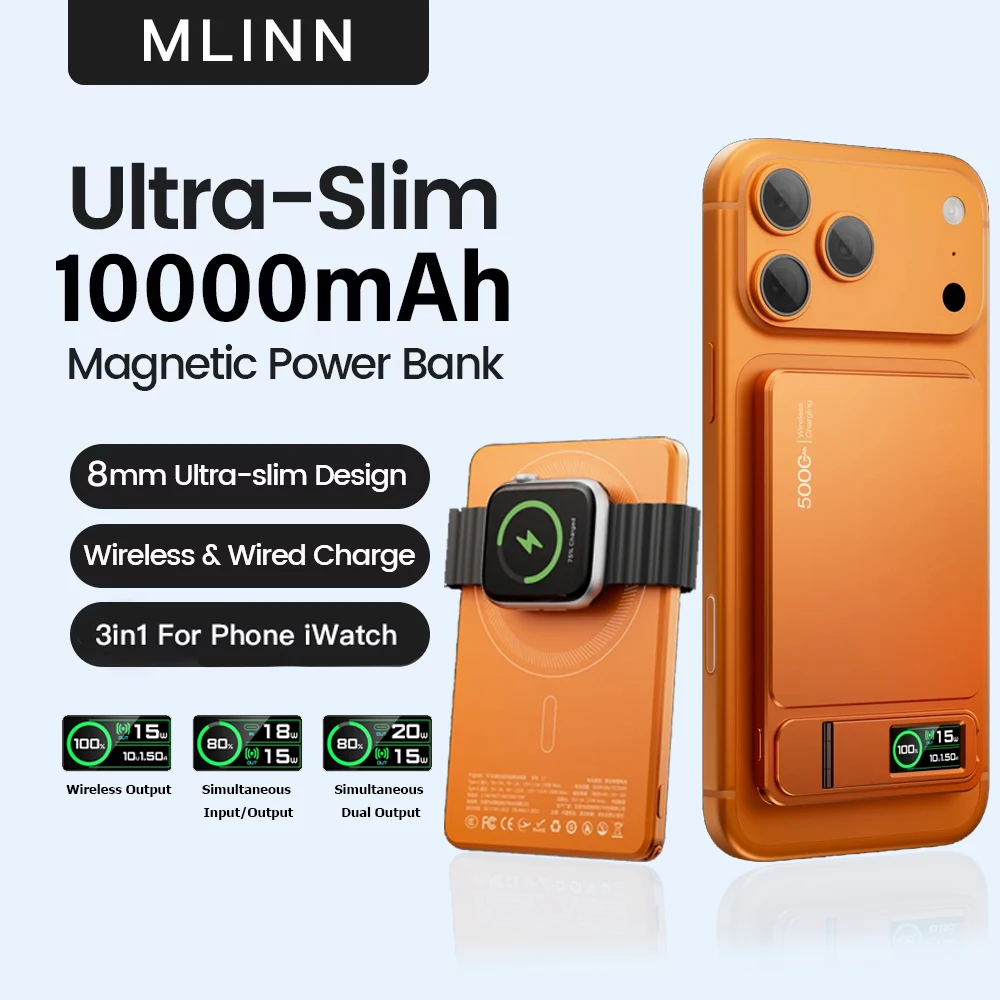
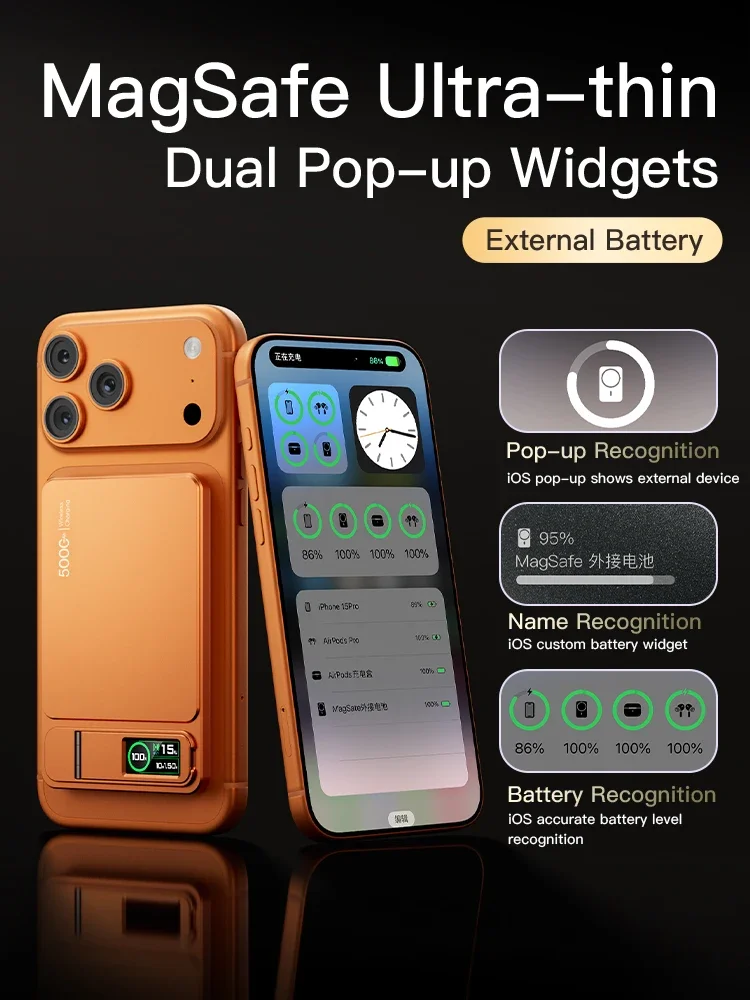
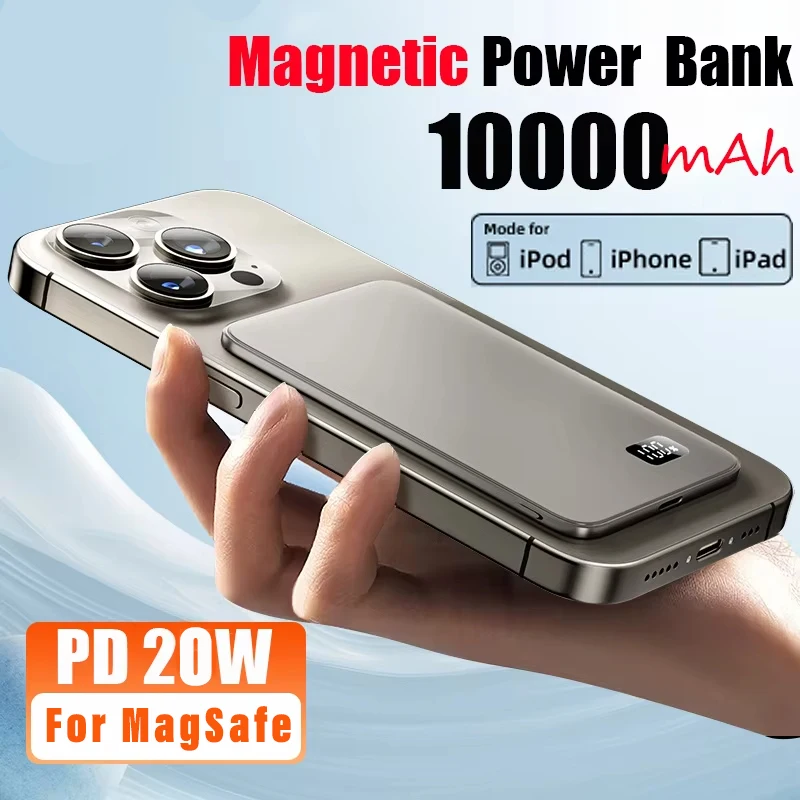
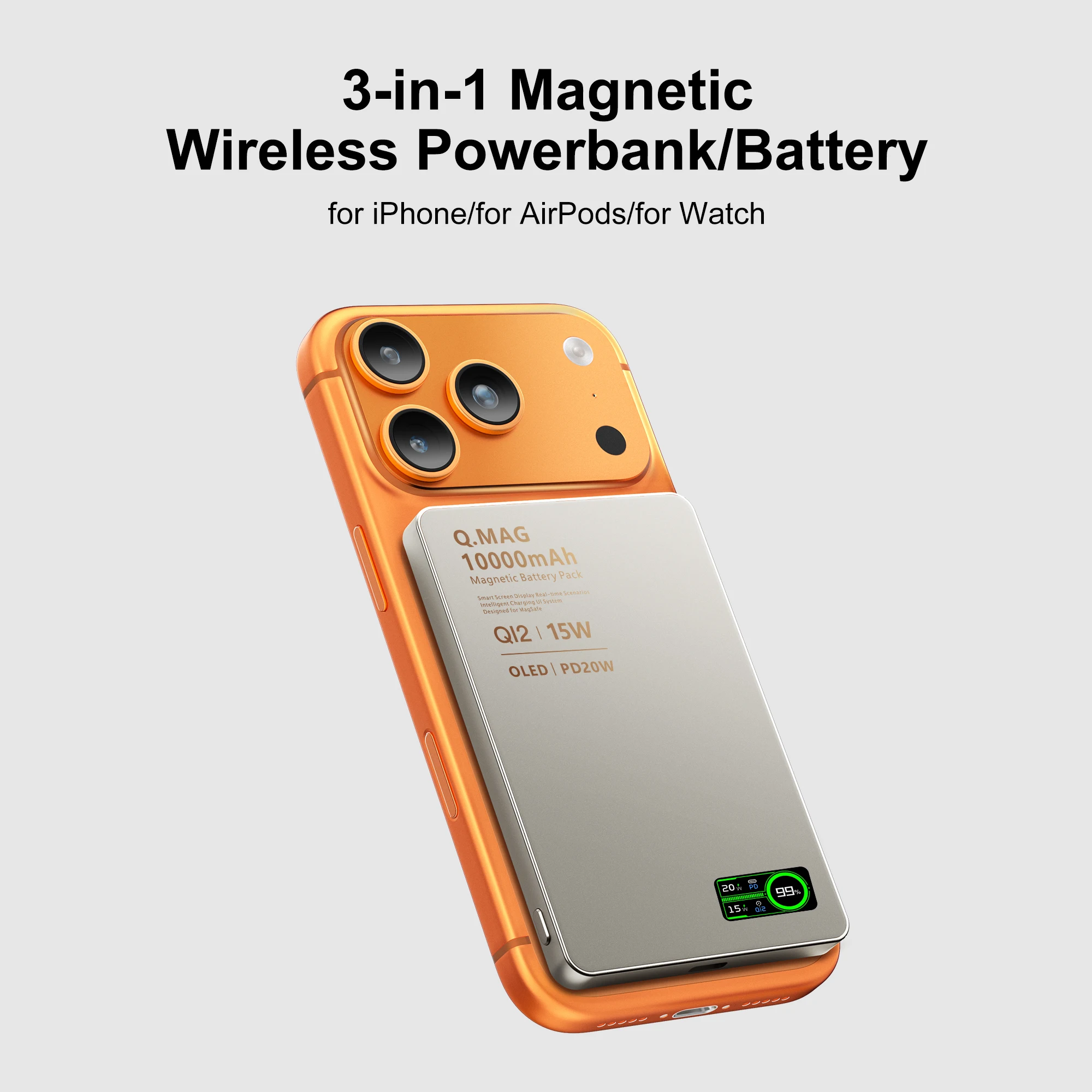
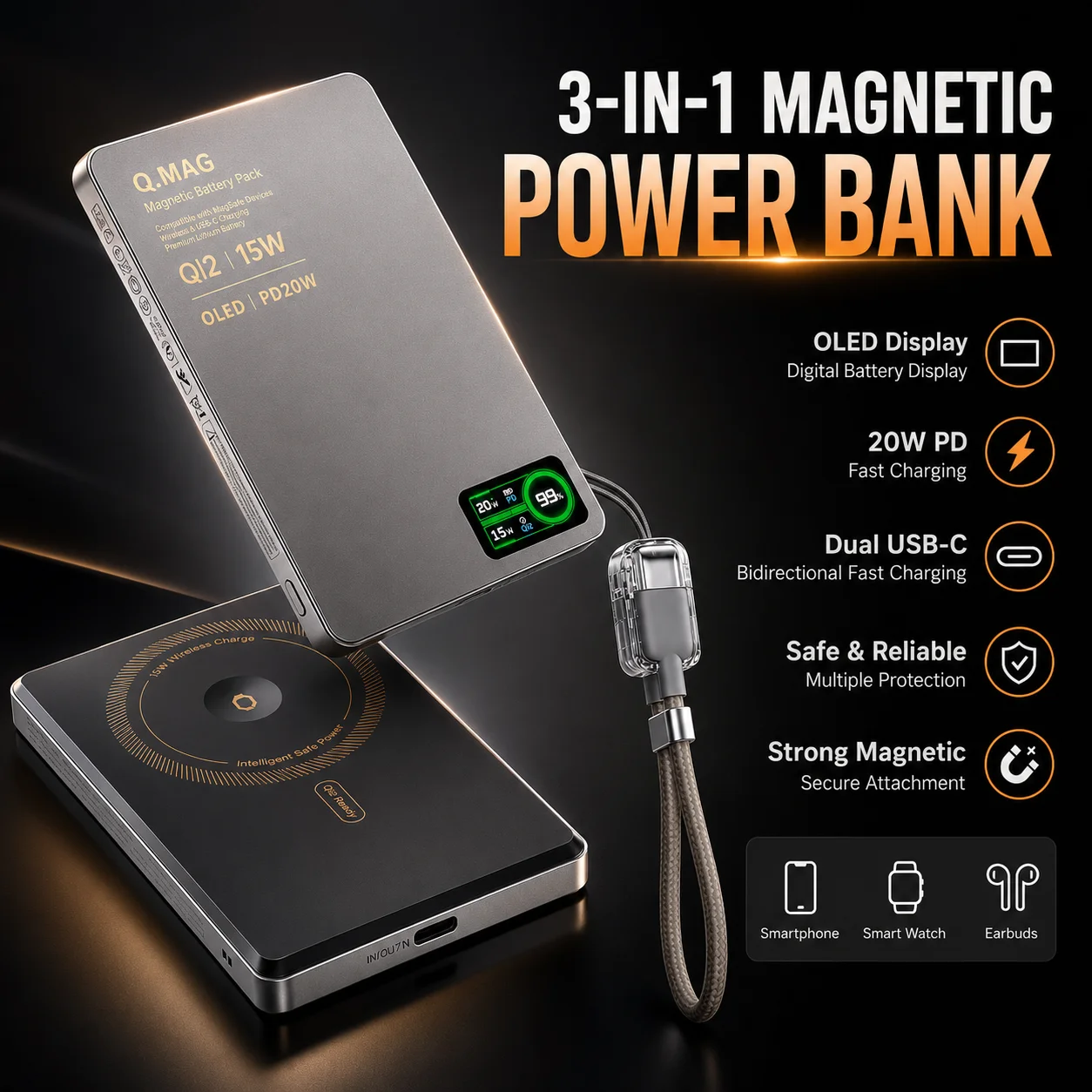
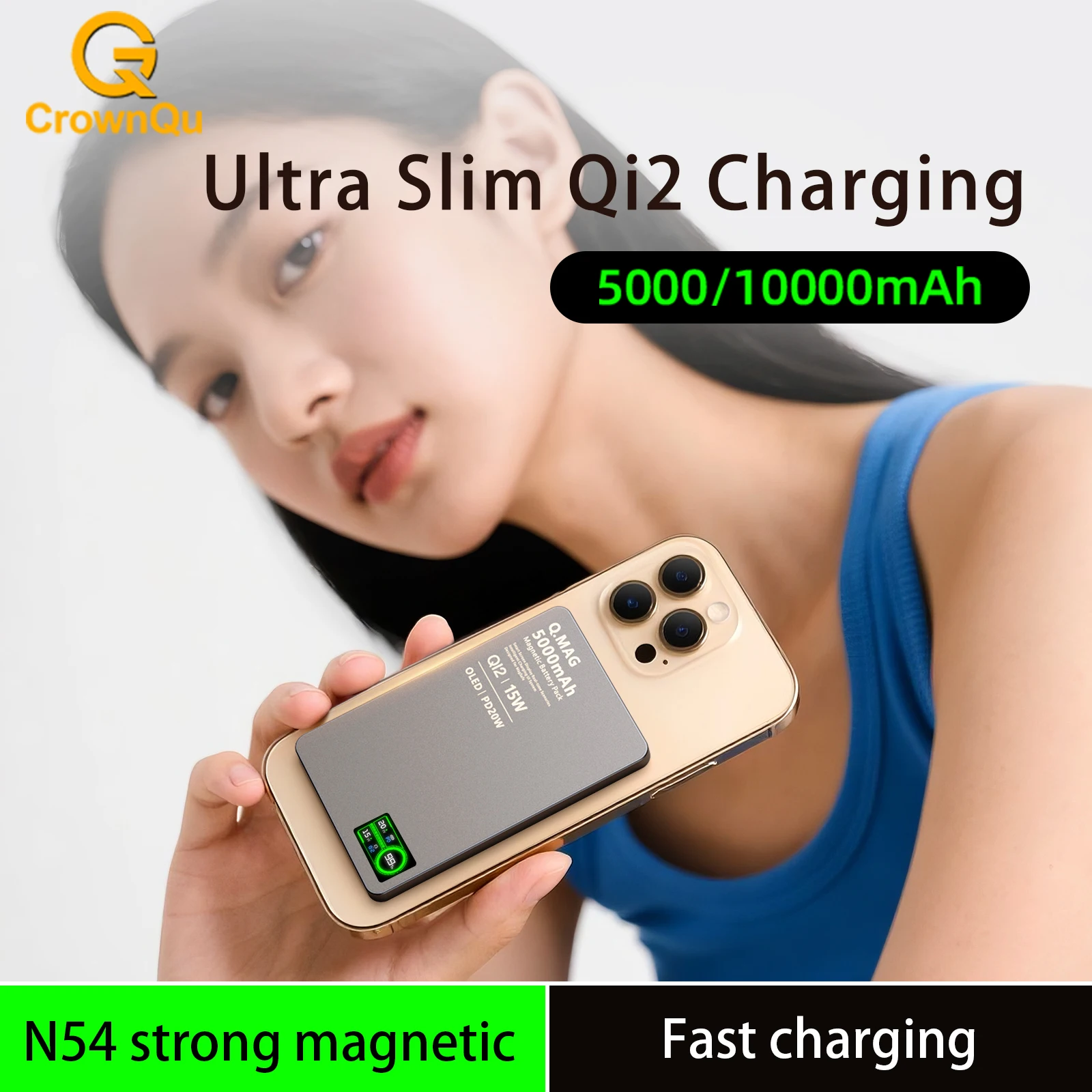
A 10,000mAh power bank is the size most people settle on. It holds enough for more than one full charge of most phones, it still fits a coat pocket or a handbag, and it is light enough to carry every day. It suits a full day out with maps and photos, a weekend away, a commute, or keeping a phone going through a long shift. This page lists the power banks whose own name or description gives 10,000mAh.
What is here
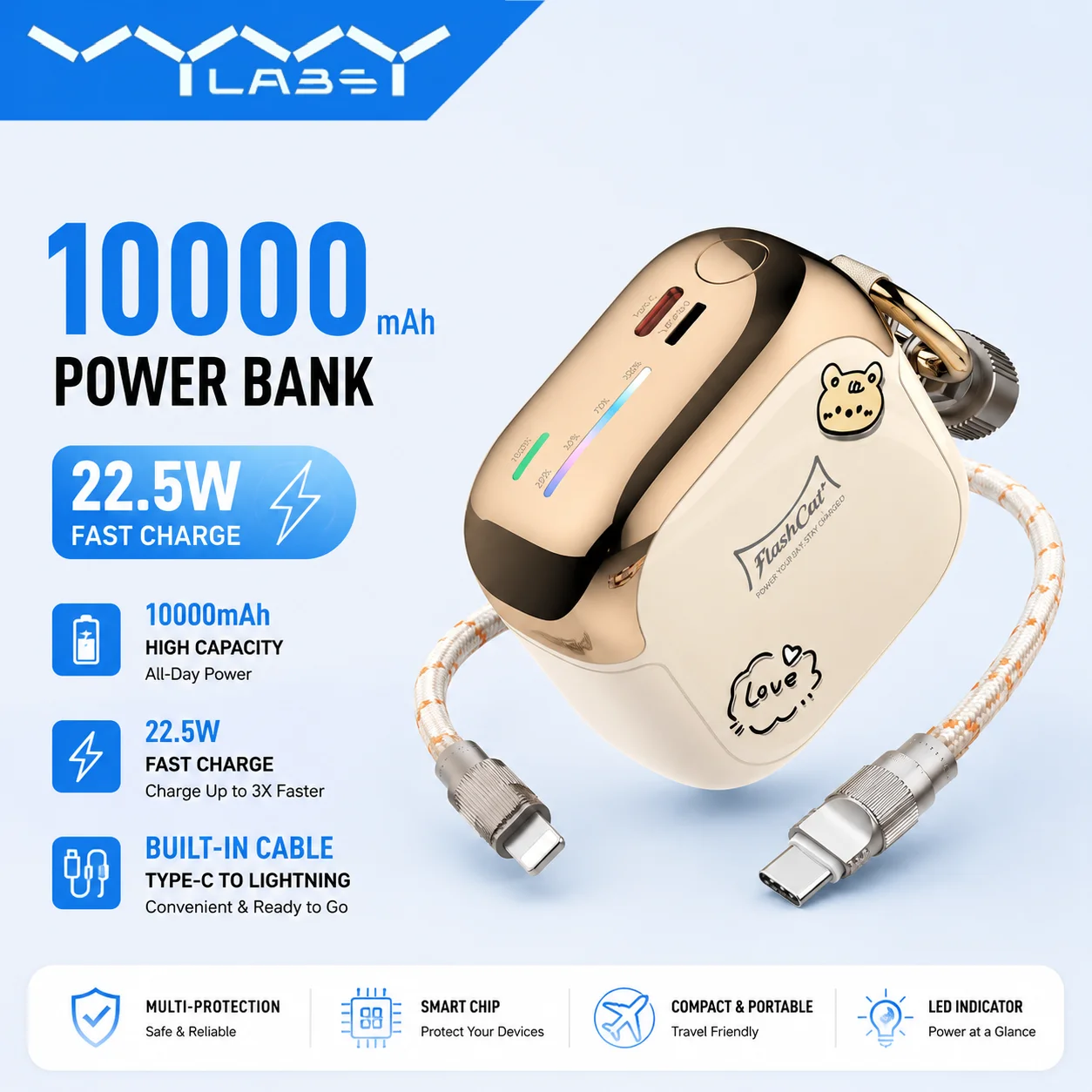
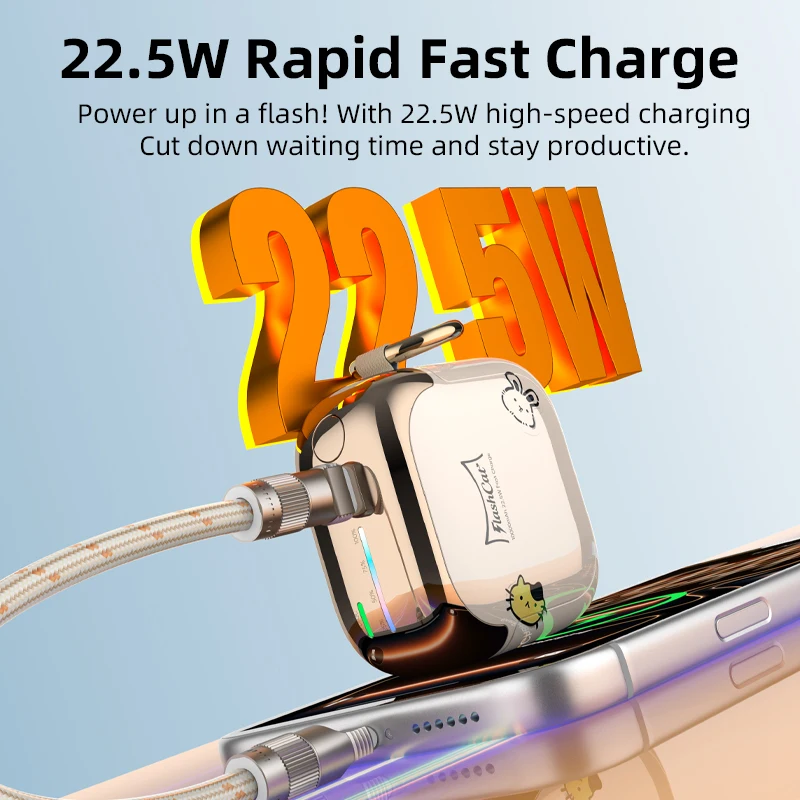
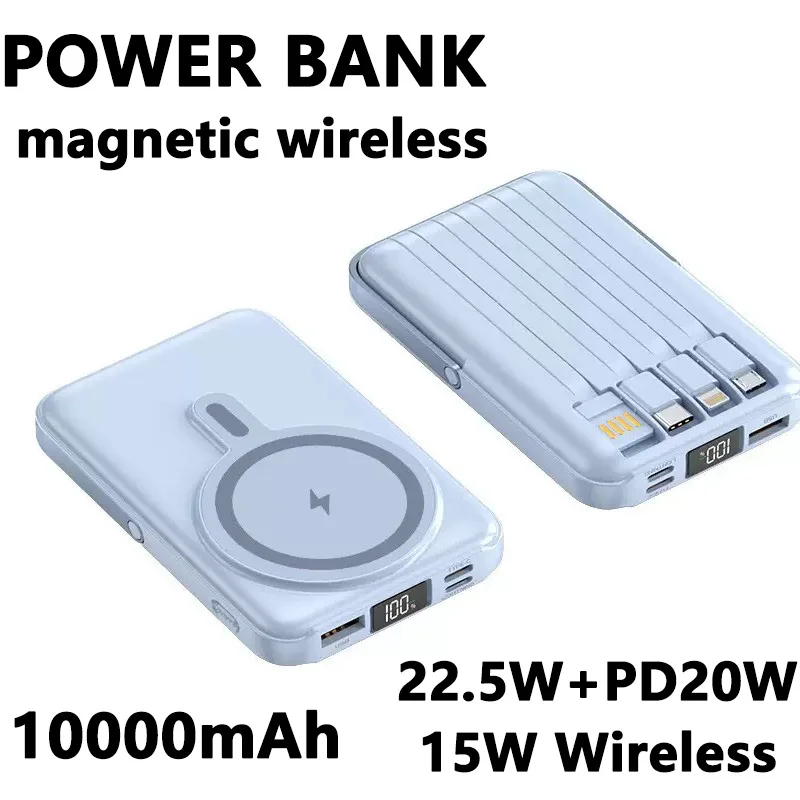
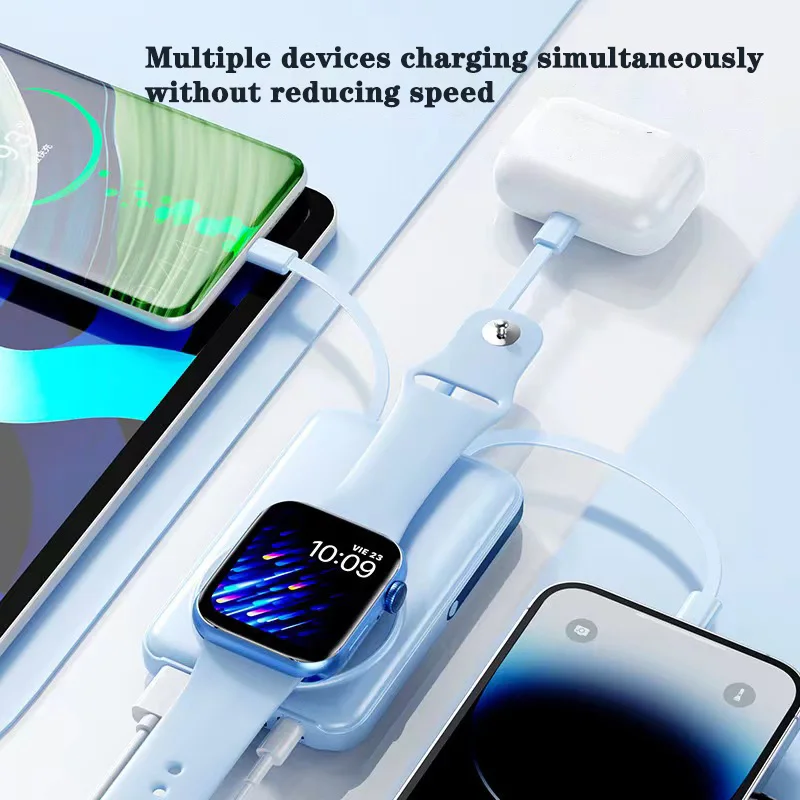
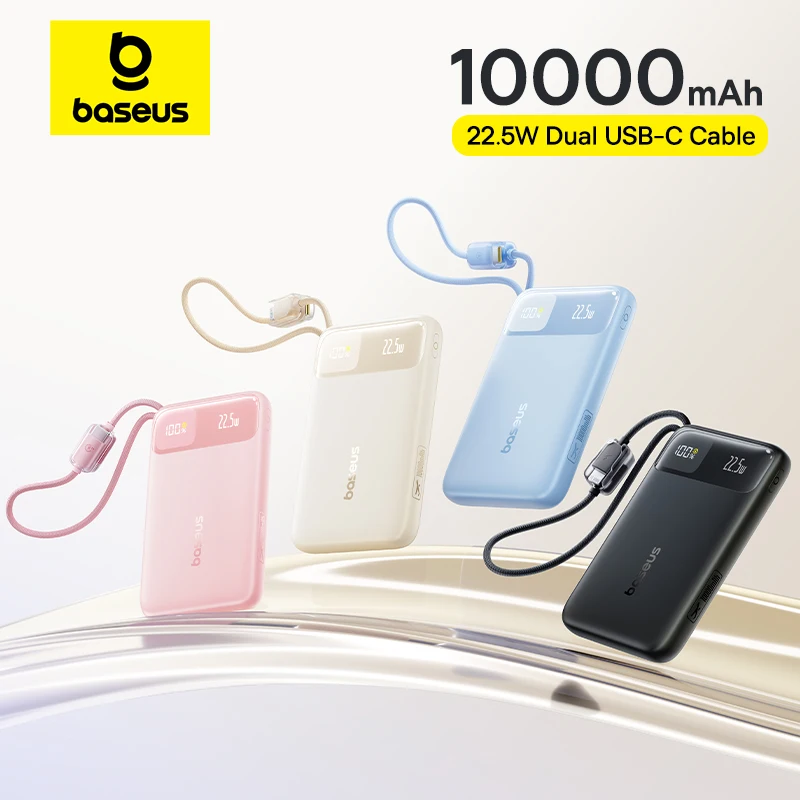
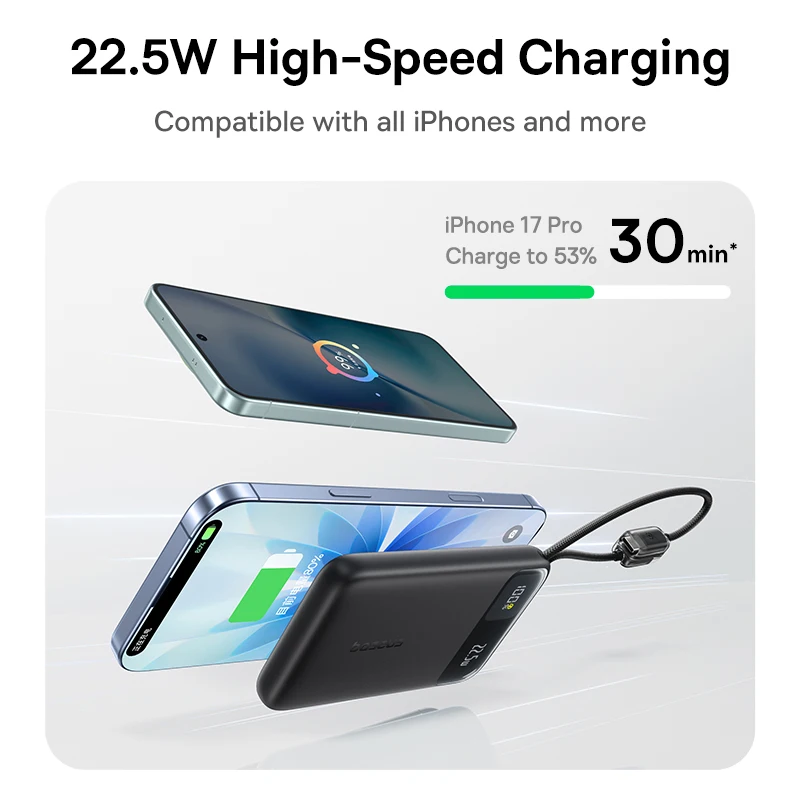
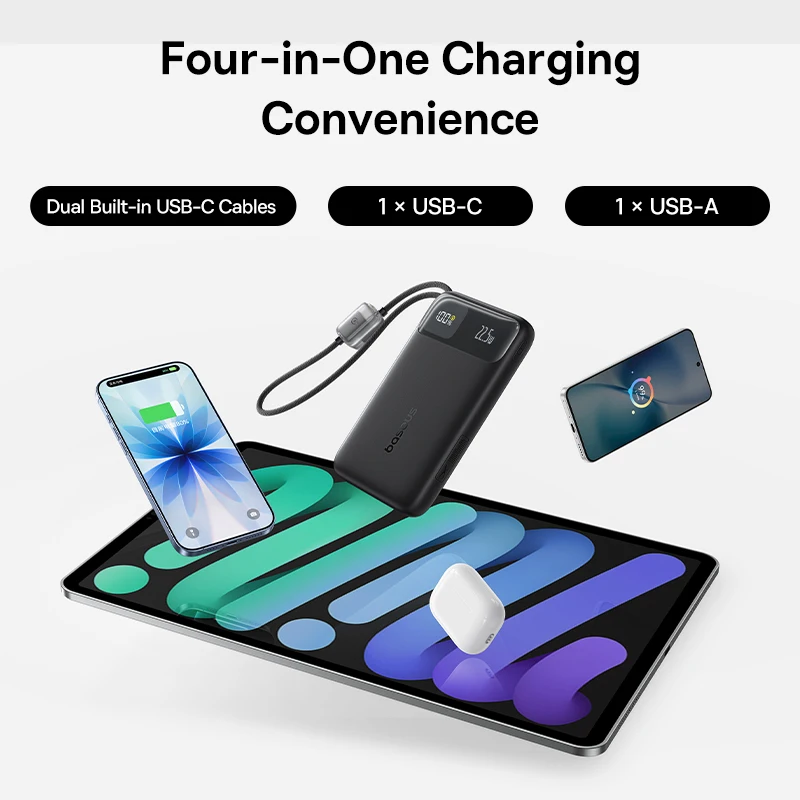
- A slim power bank with two USB-C cables built in, at 22.5W, able to charge several devices at once. With the cables attached, none gets left behind.
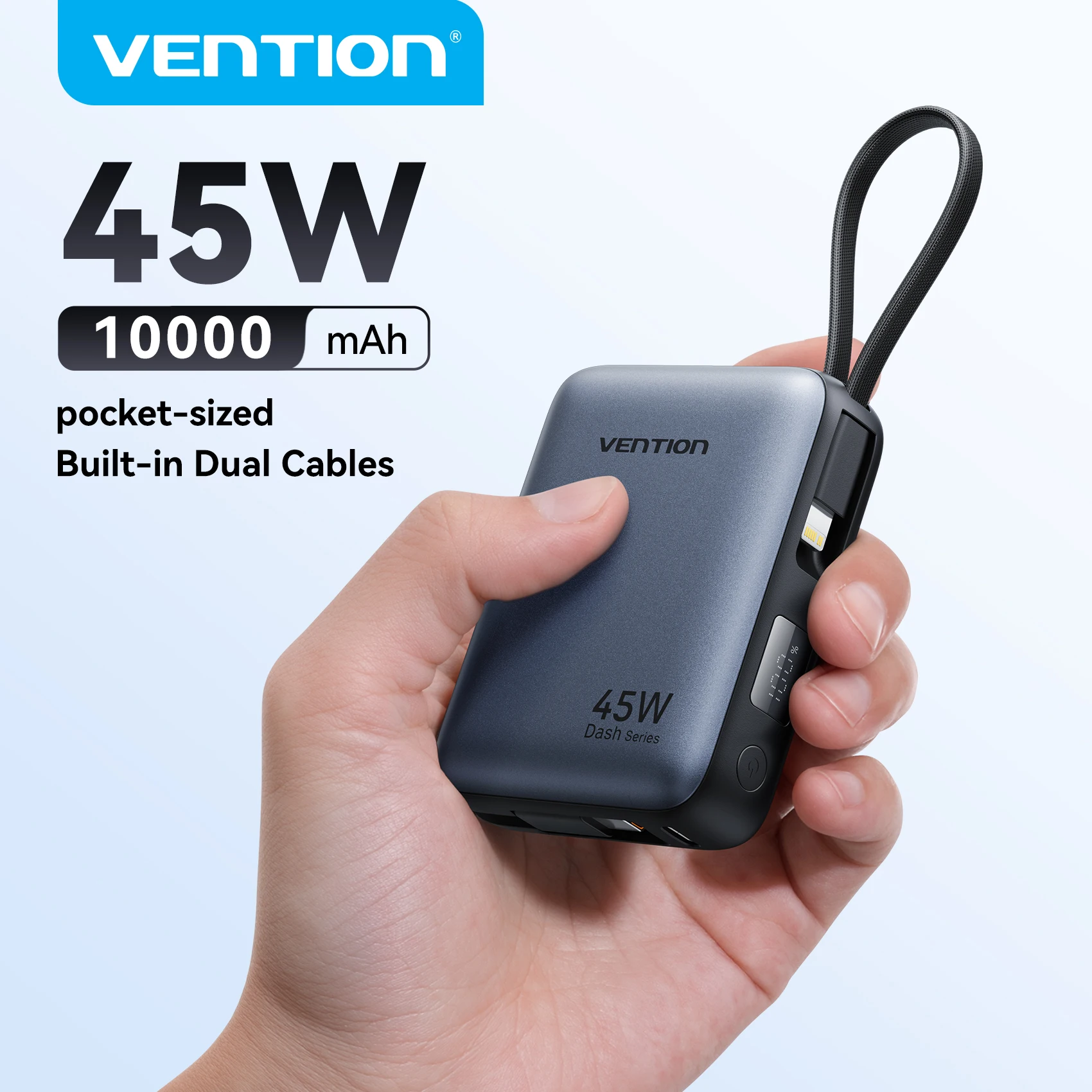
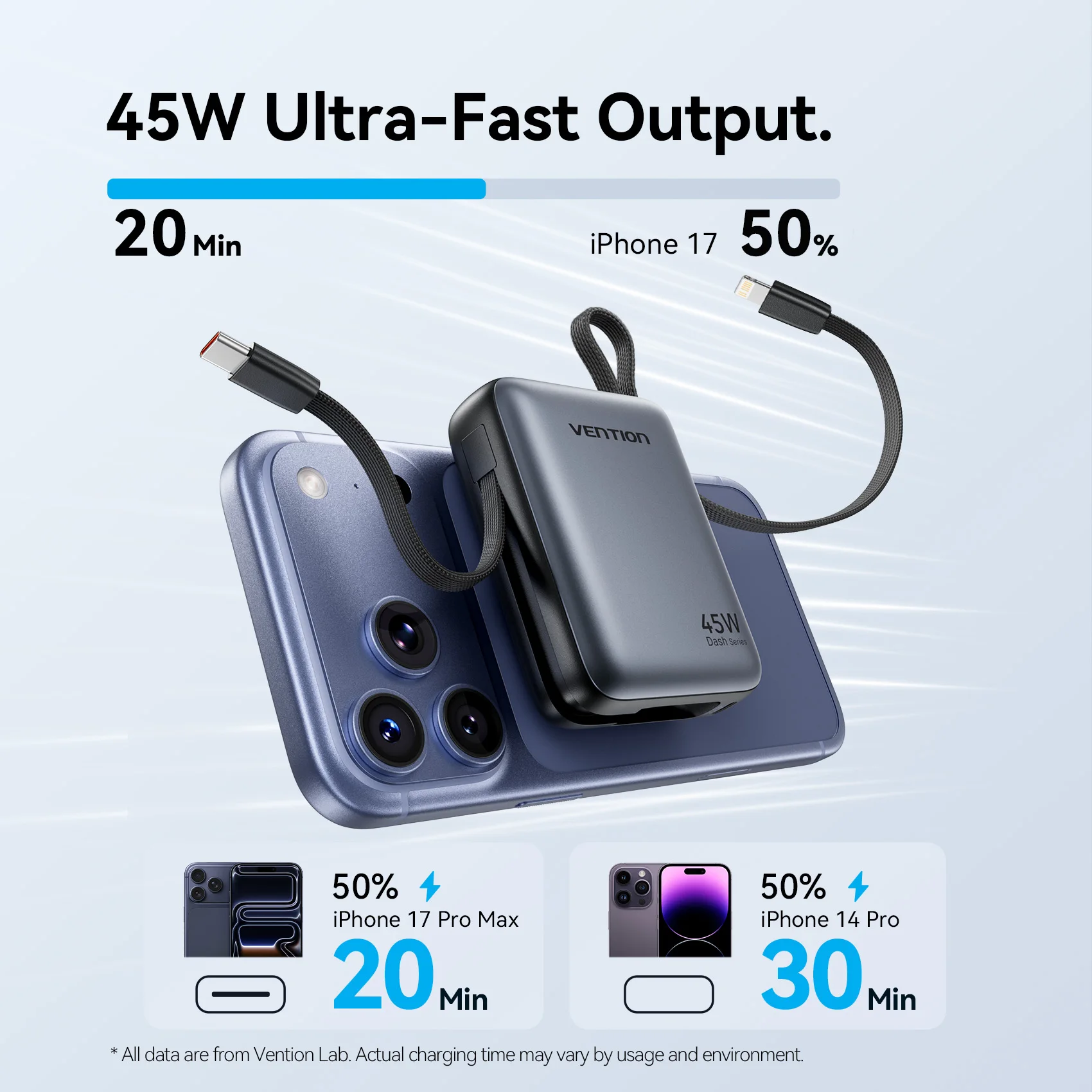
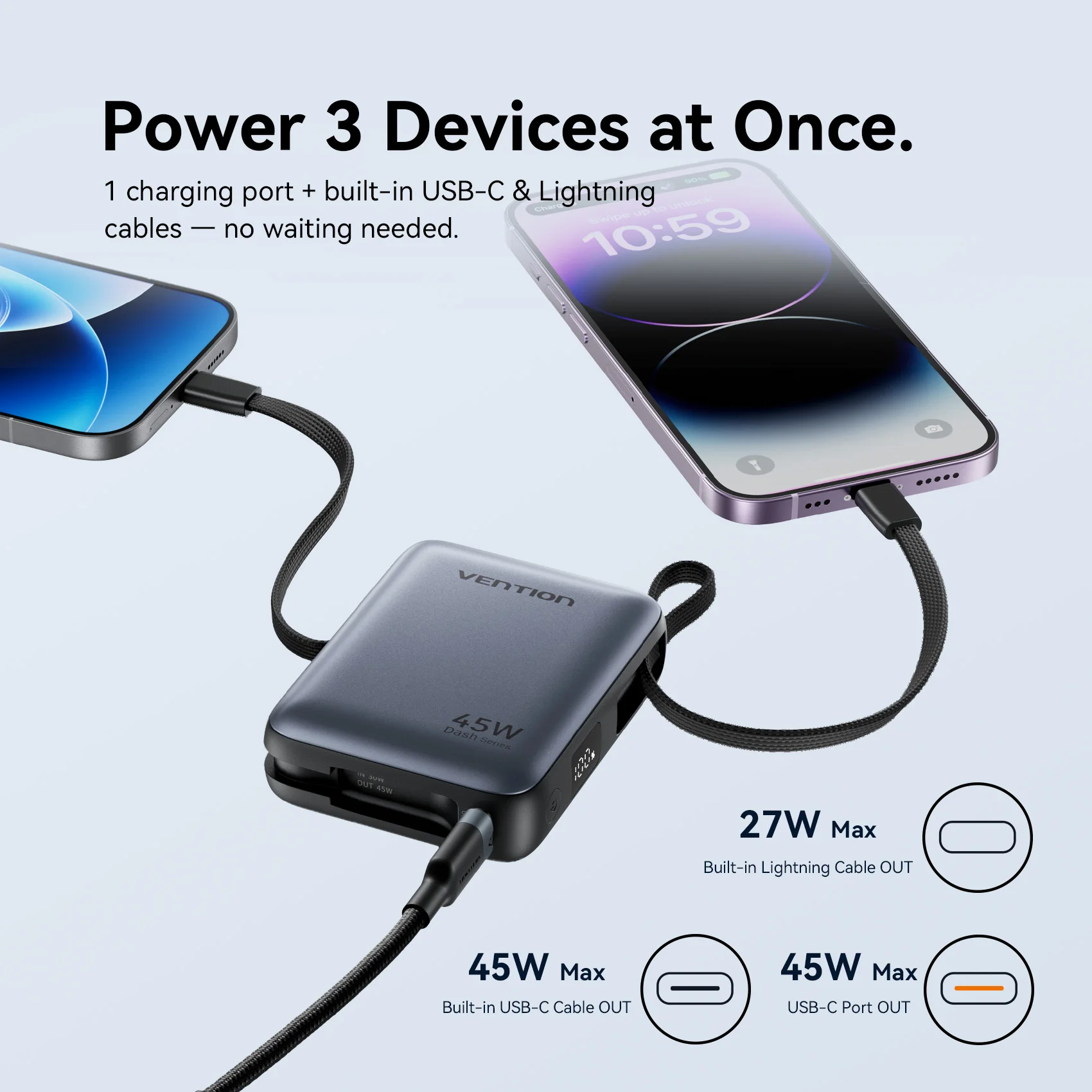
- A 45W power bank with USB-C and Lightning cables built in, which charges older and newer iPhones and Android phones alike. Its listing names USB Power Delivery and PPS, and it has a display.
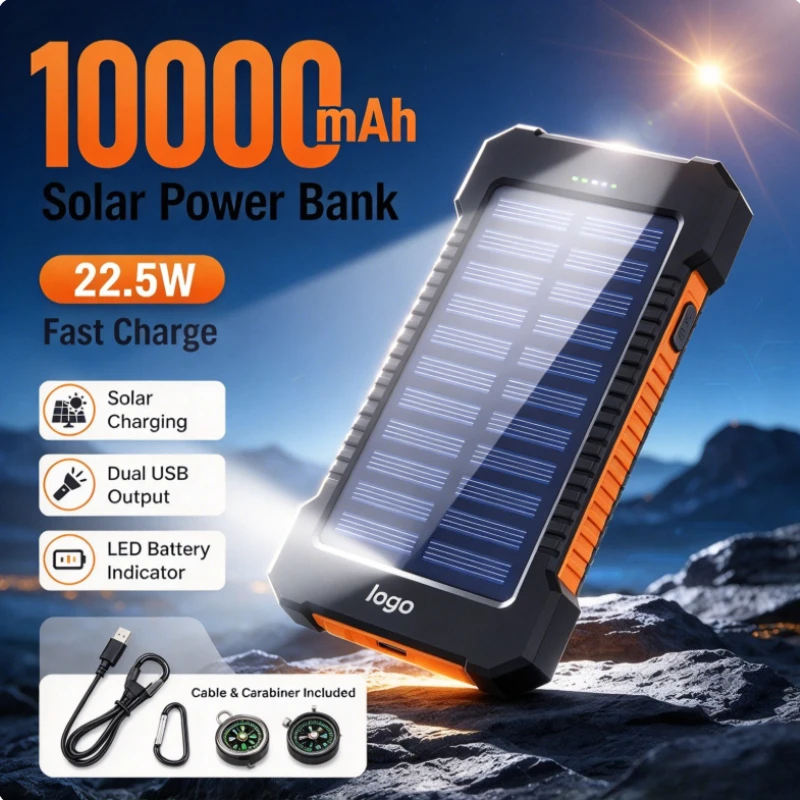
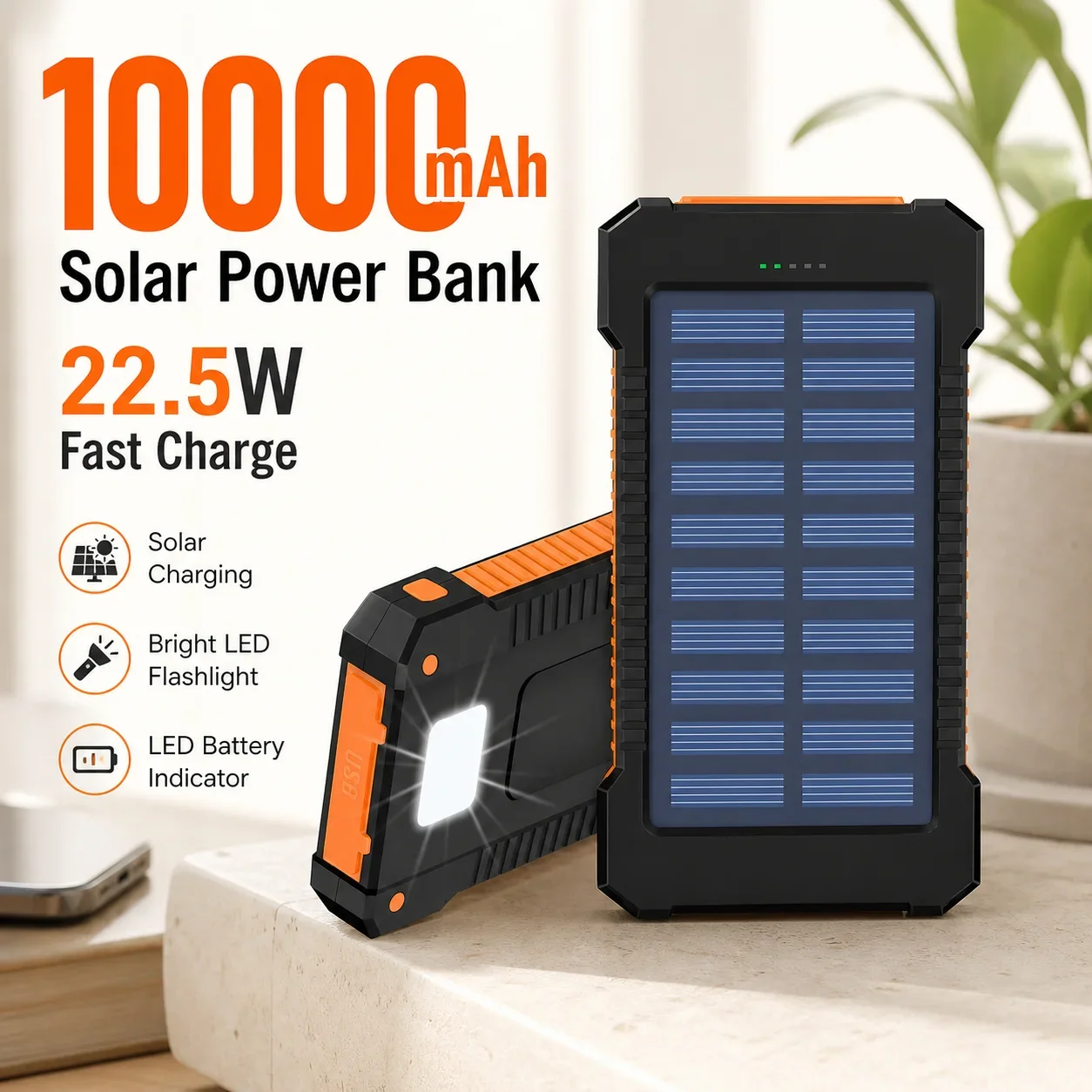
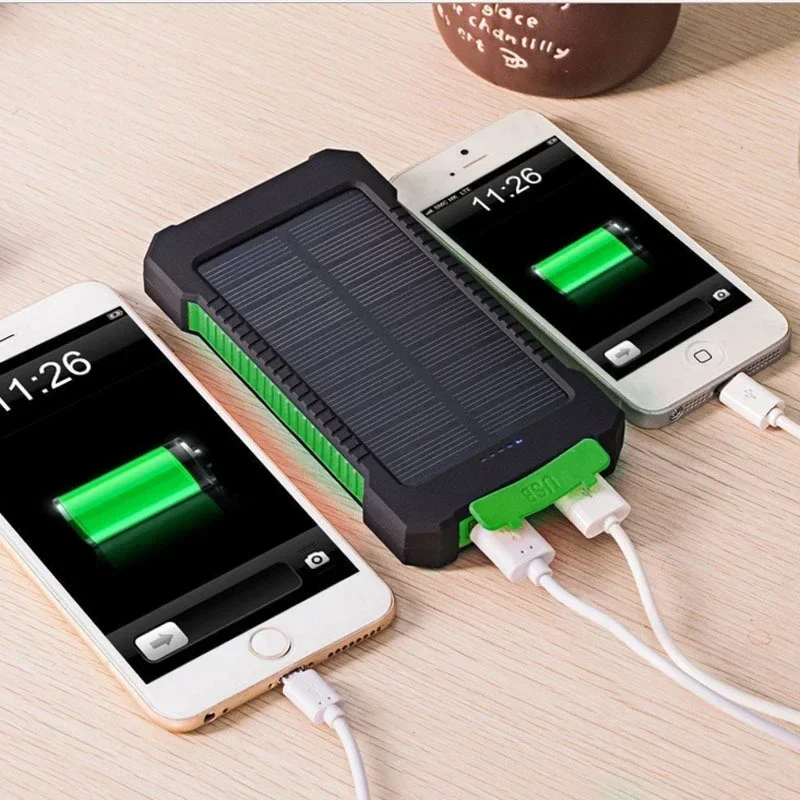
- A solar power bank for the outdoors, also offered at 6,000mAh. Its panel tops it up slowly in daylight; filling it from the mains before a trip is the sensible way to use it.
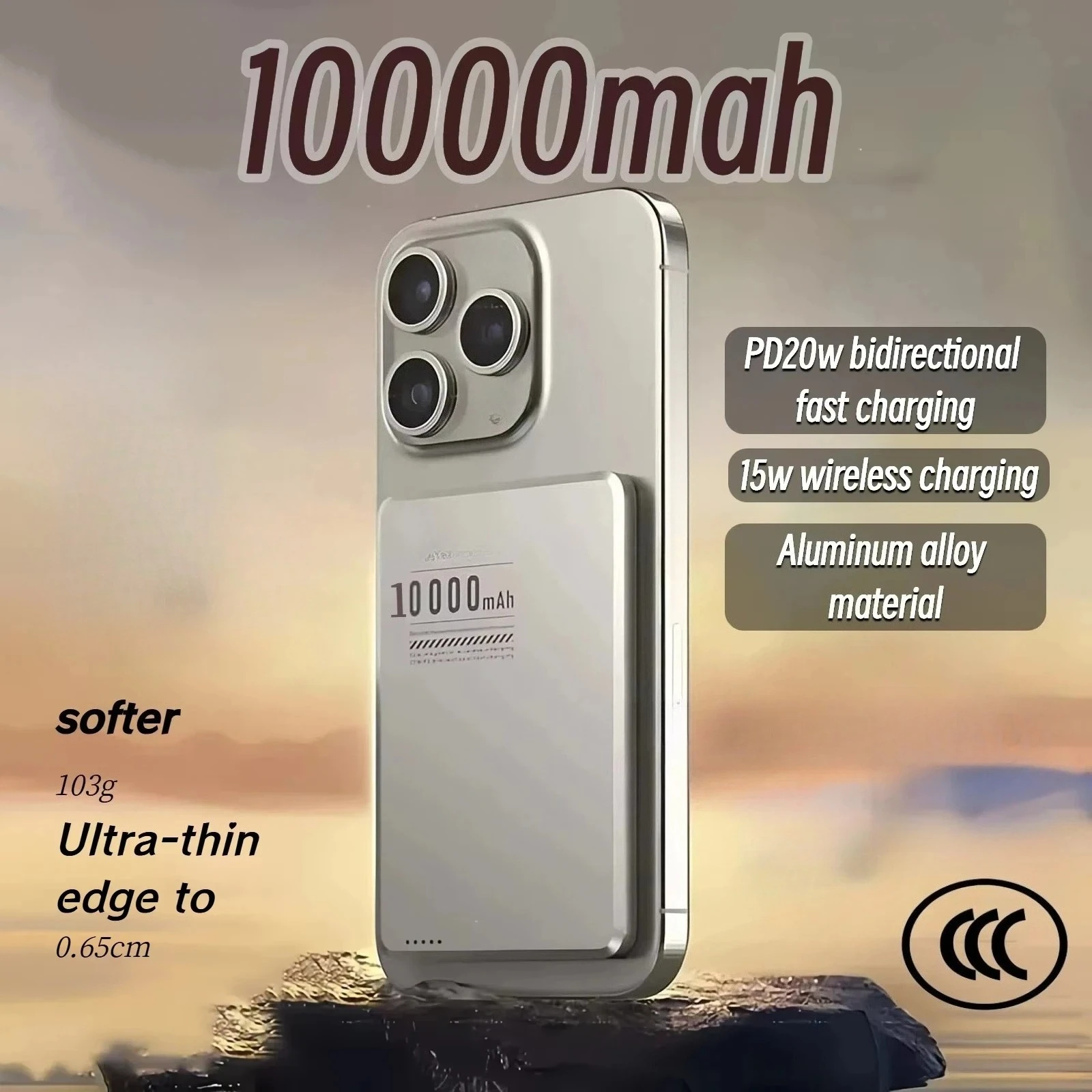
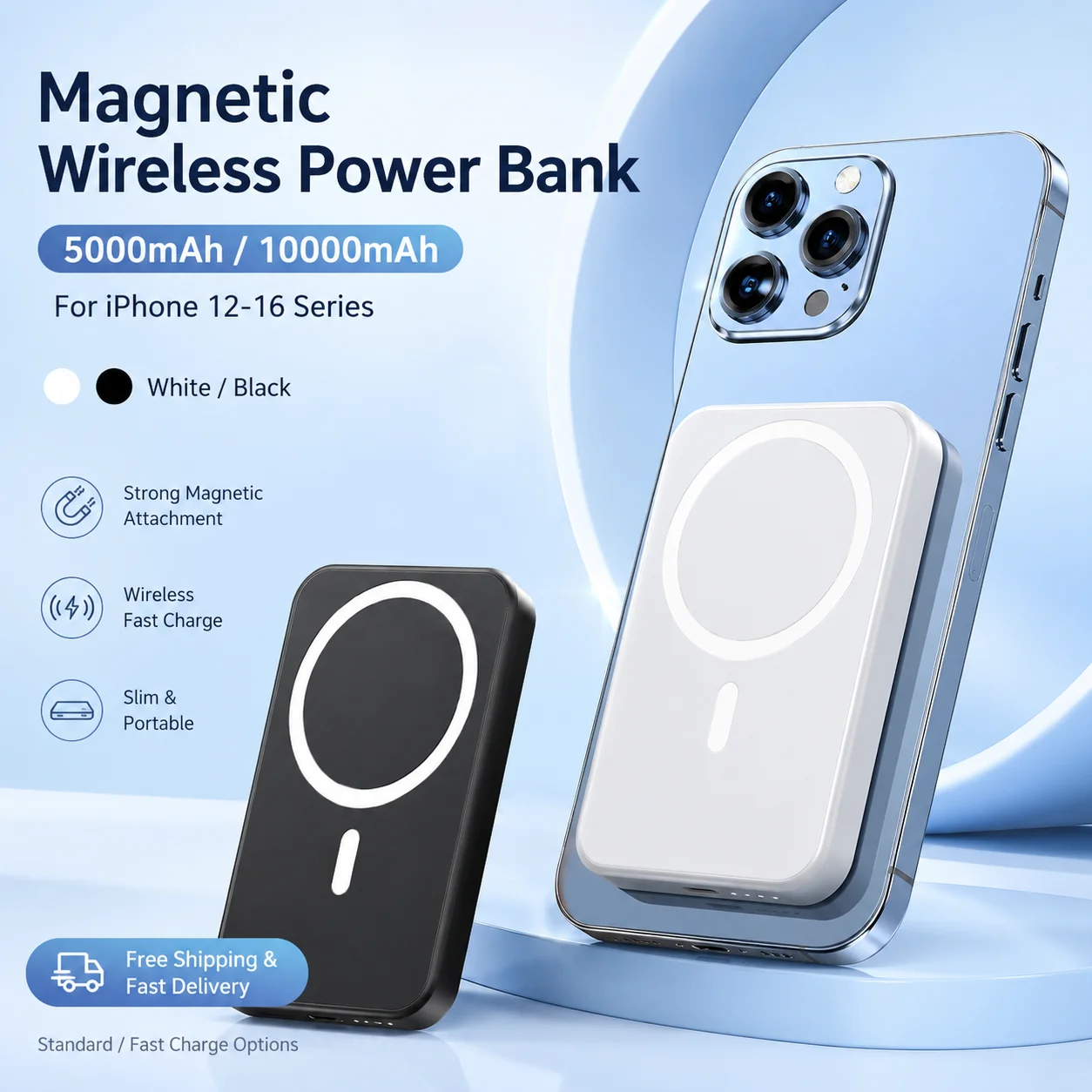
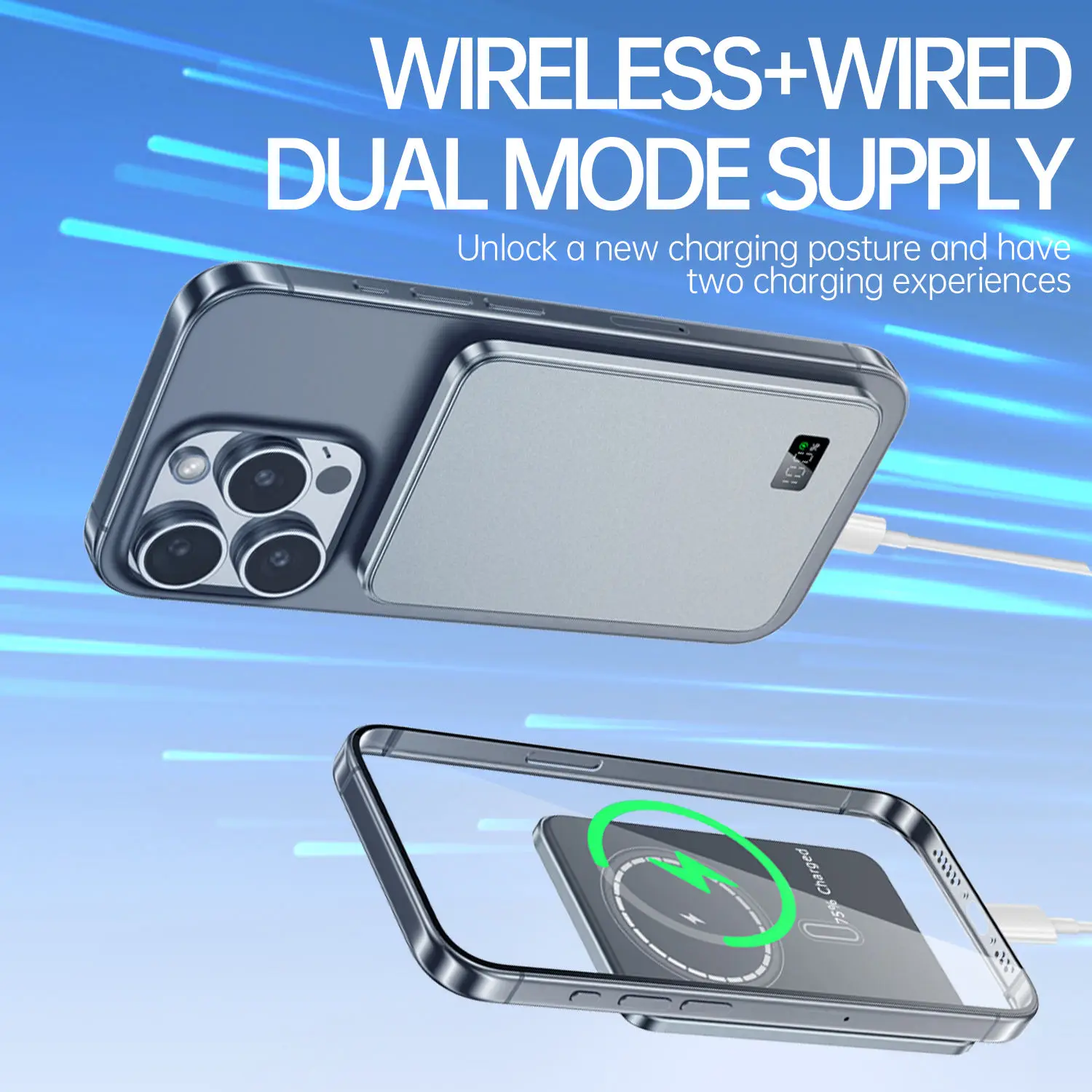
Two power banks listed under larger sizes also come in a 10,000mAh version from their choices: the magnetic power bank in 20,000mAh and the one with a built-in cable in 30,000mAh and over.
What 10,000mAh really gives
The mAh on the box is measured at the battery cells, at about 3.7 volts, and about two-thirds of it reaches the phone, the figure Anker uses in its worked example. So a 10,000mAh power bank puts roughly 6,700mAh into a phone: about one and a half full charges of a phone with a 4,000mAh battery. In everyday use, topping up from 30 per cent to 80, that is several top-ups. It holds about 37Wh.
Charging speed in and out
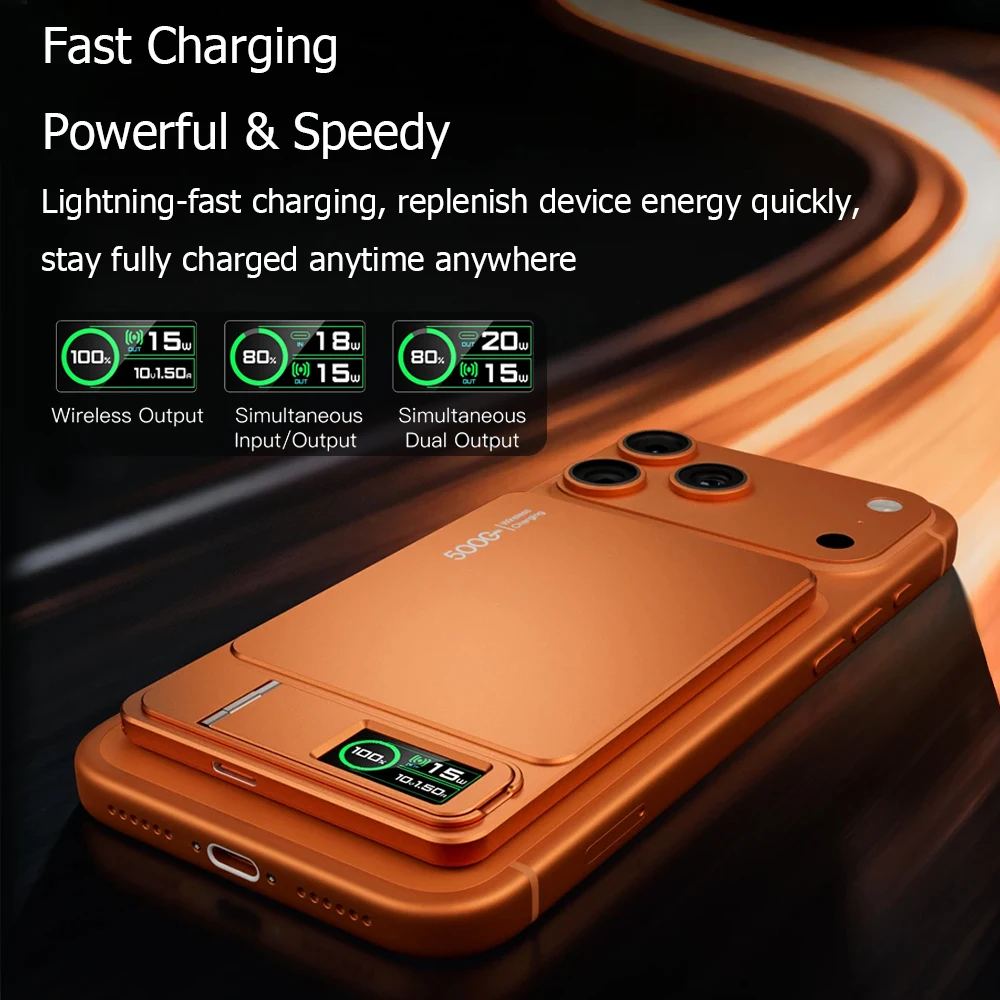
For a phone to fast charge from a power bank, the power bank needs USB Power Delivery on USB-C, and PPS for a Galaxy at full speed. Refilling the power bank itself is quicker on a USB-C PD charger than on an old USB-A cube. The guide to power banks explains both speeds.
Questions people ask about 10,000mAh power banks
Can I take one on a plane?
Power banks go in your hand luggage, never in a checked bag. The UK Civil Aviation Authority allows two per passenger, they must not be recharged on board, and each should be in a pouch or its packaging so its sockets cannot touch keys or coins. The limits are in watt-hours: under 100Wh is allowed in the cabin, 100Wh to 160Wh needs the airline's approval, and over 160Wh is not allowed in passenger baggage. At about 37Wh, a 10,000mAh power bank is well inside the first limit. Check your airline's own rules as well, as some are stricter.
Is it safe to keep one in a bag?
Never charge a swollen, damaged or hot power bank, and stop using one that bulges, cracks, smells odd or smokes. Charge it uncovered on a hard surface and unplug it when it is full: Electrical Safety First advises against charging power banks overnight or while you are out. An old one goes to a battery recycling point, never the household bin.
More to look at