What a star filter does
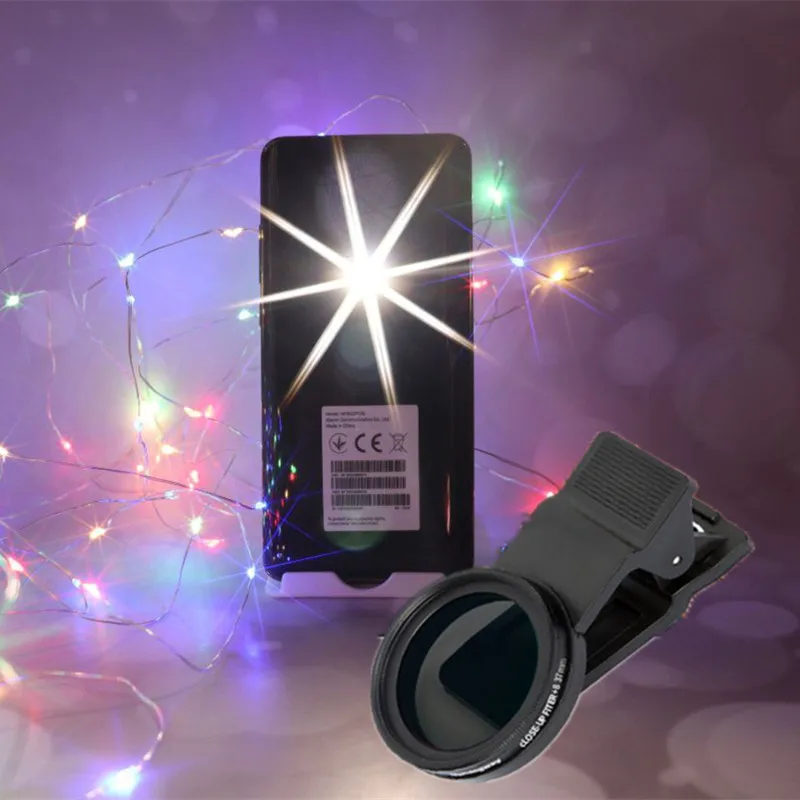
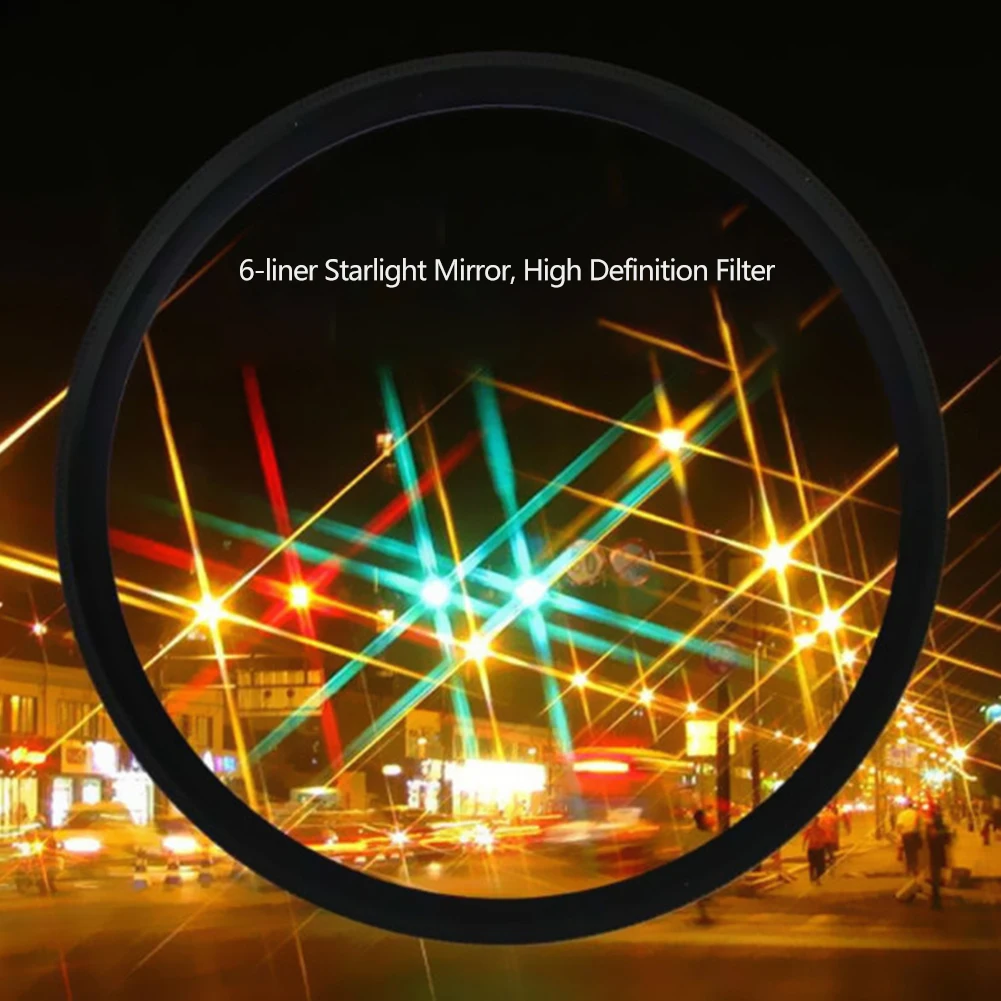
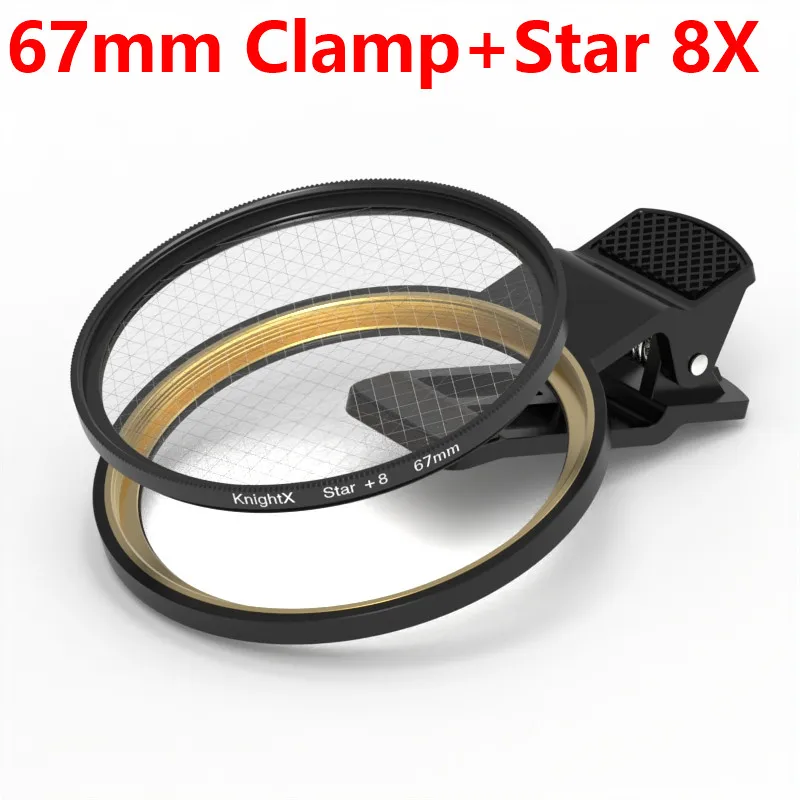
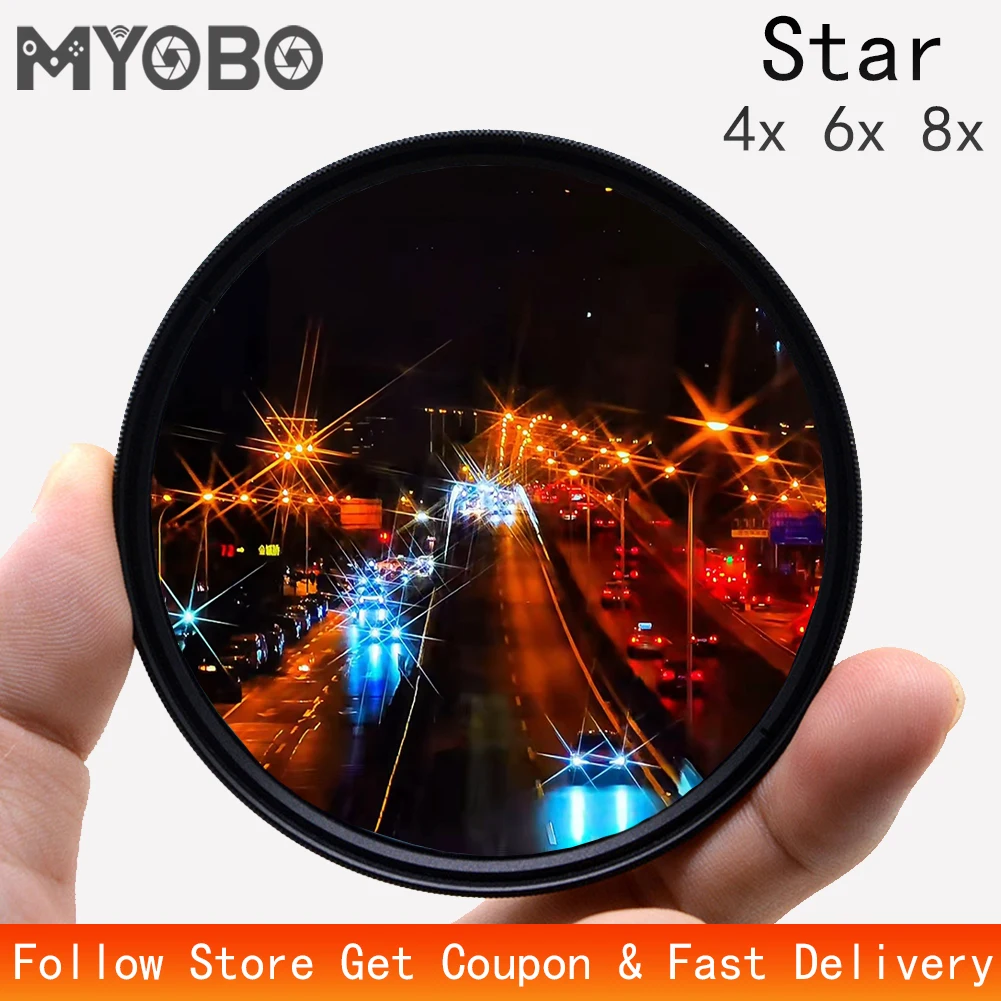
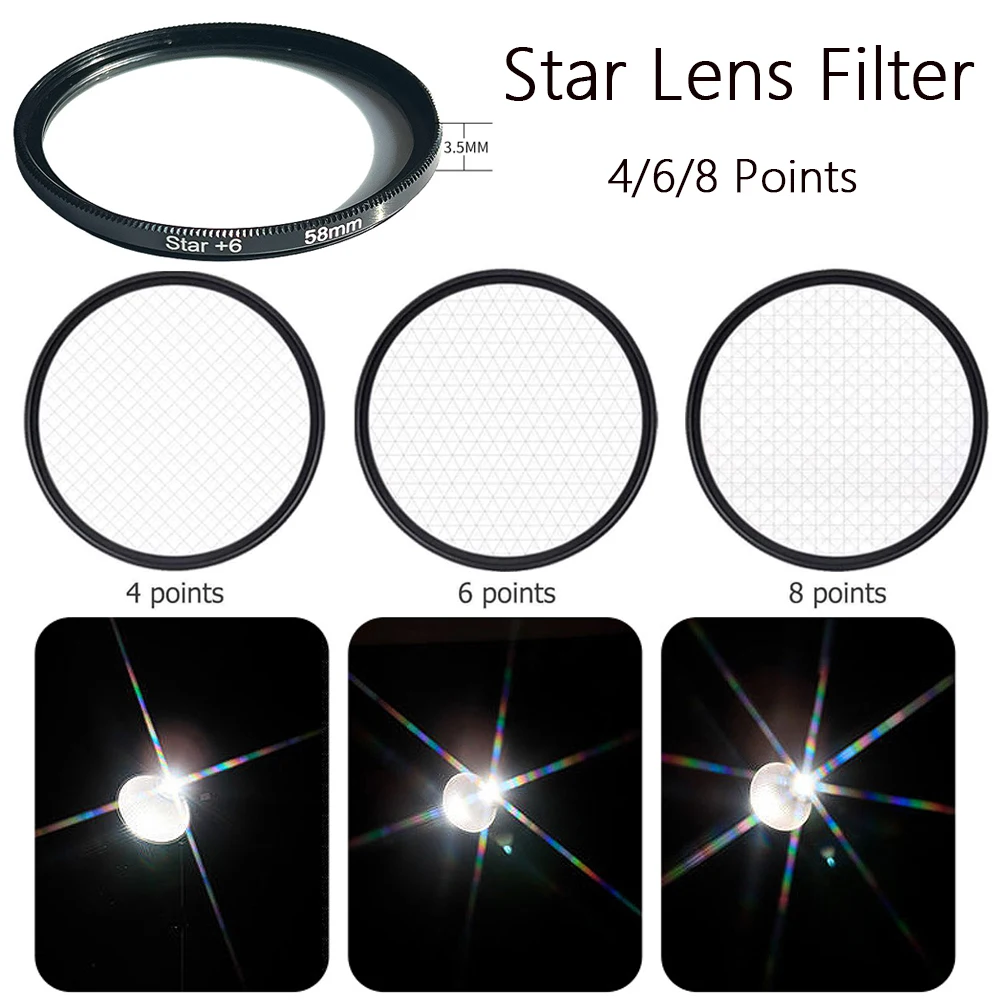
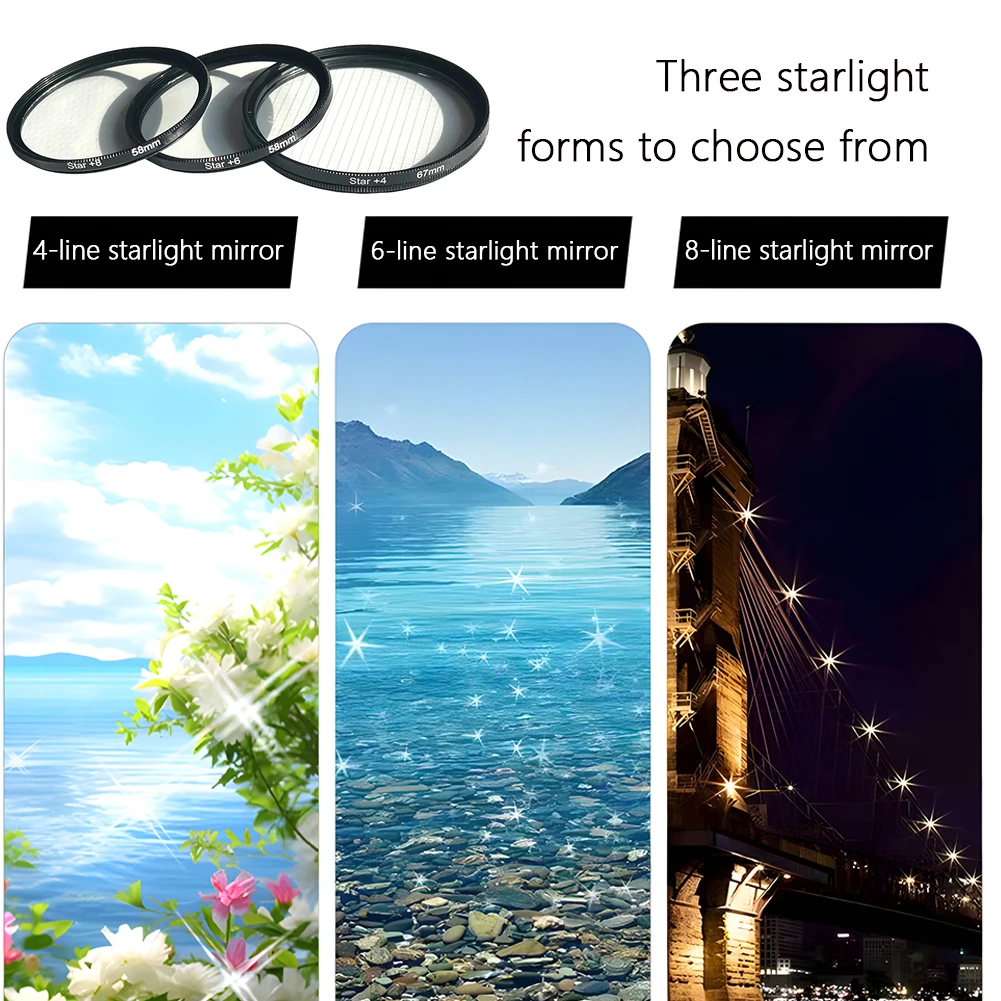
A star filter has fine lines cut into its glass. Where light from a bright point passes through the lines, it spreads out into rays, so a street lamp, a car headlight, a candle or a string of fairy lights becomes a small star in the picture. It works on the sun glinting on water, sunlight through leaves and the sparkle of jewellery as well. It does nothing to a scene with no bright points in it: a cloudy landscape looks just as it would without it.
Star filters suit night photos of towns and Christmas lights, party and wedding photos by candlelight, close-ups of rings and necklaces, and anyone who likes the look. The rays are made in the camera at the moment you take the picture, so there is nothing to add afterwards in an app.
Four, six or eight points
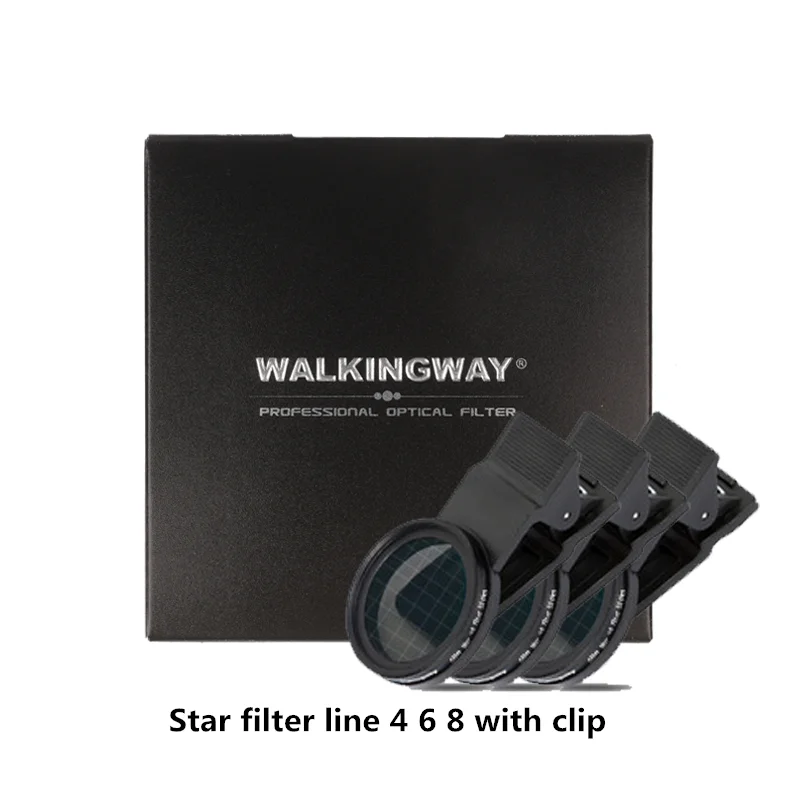
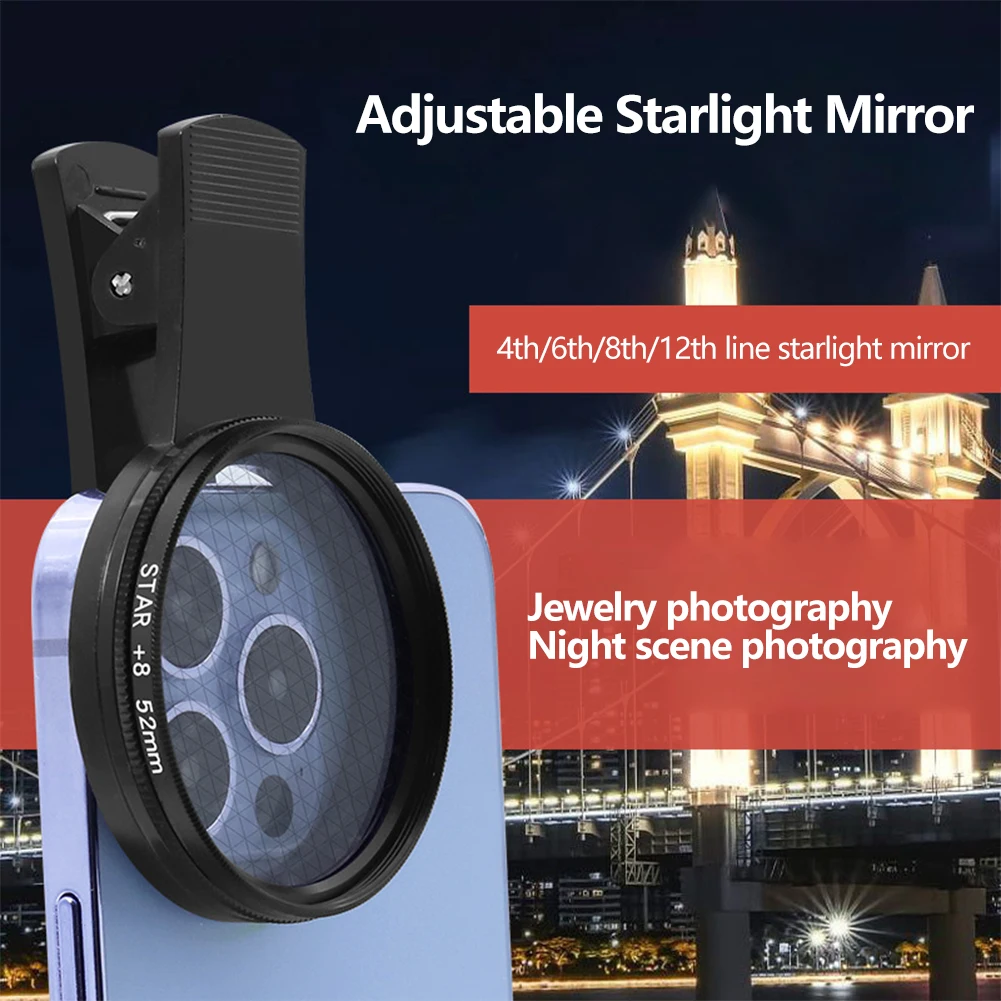
The pattern of lines decides how many rays each light gets. A four-point filter has lines running two ways and gives a clean cross of light. Six and eight points have lines running more ways and give a busier, sparklier star. Turning the filter in its ring turns the rays with it, so you can set them upright or at an angle.
The star filters here
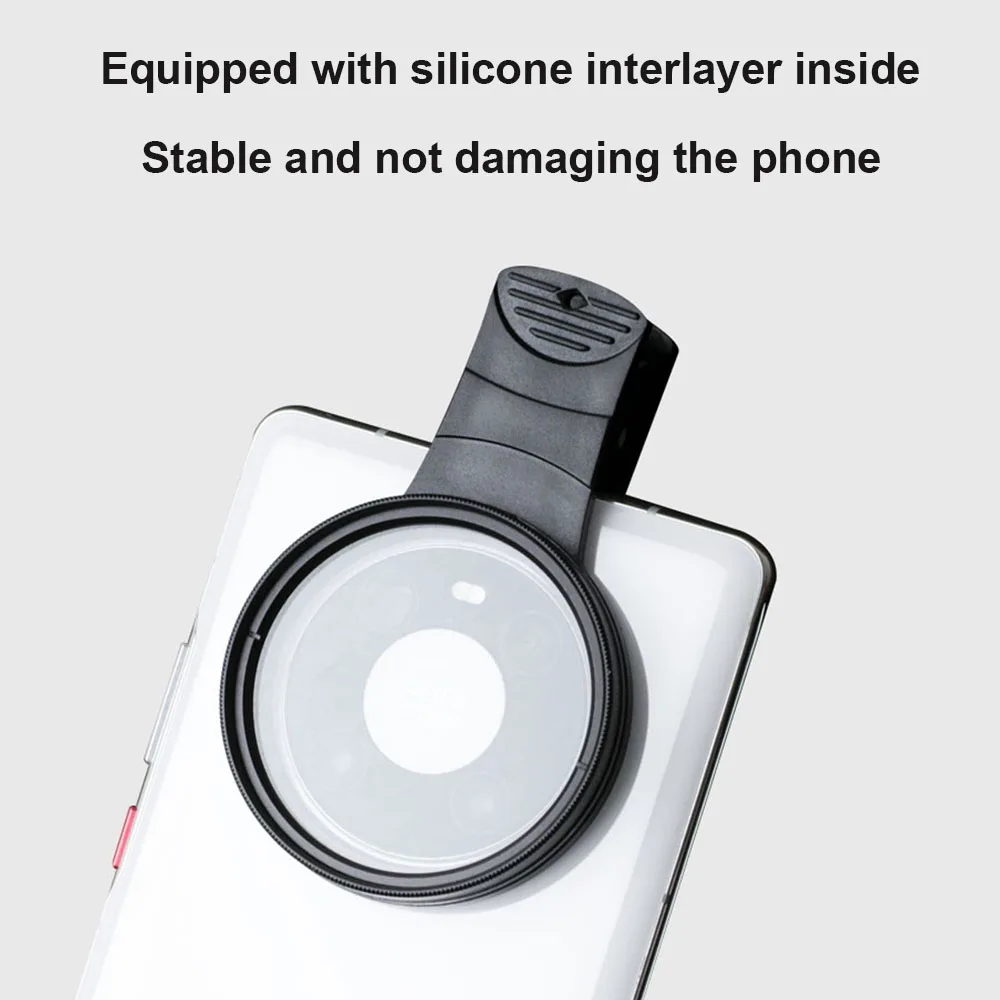
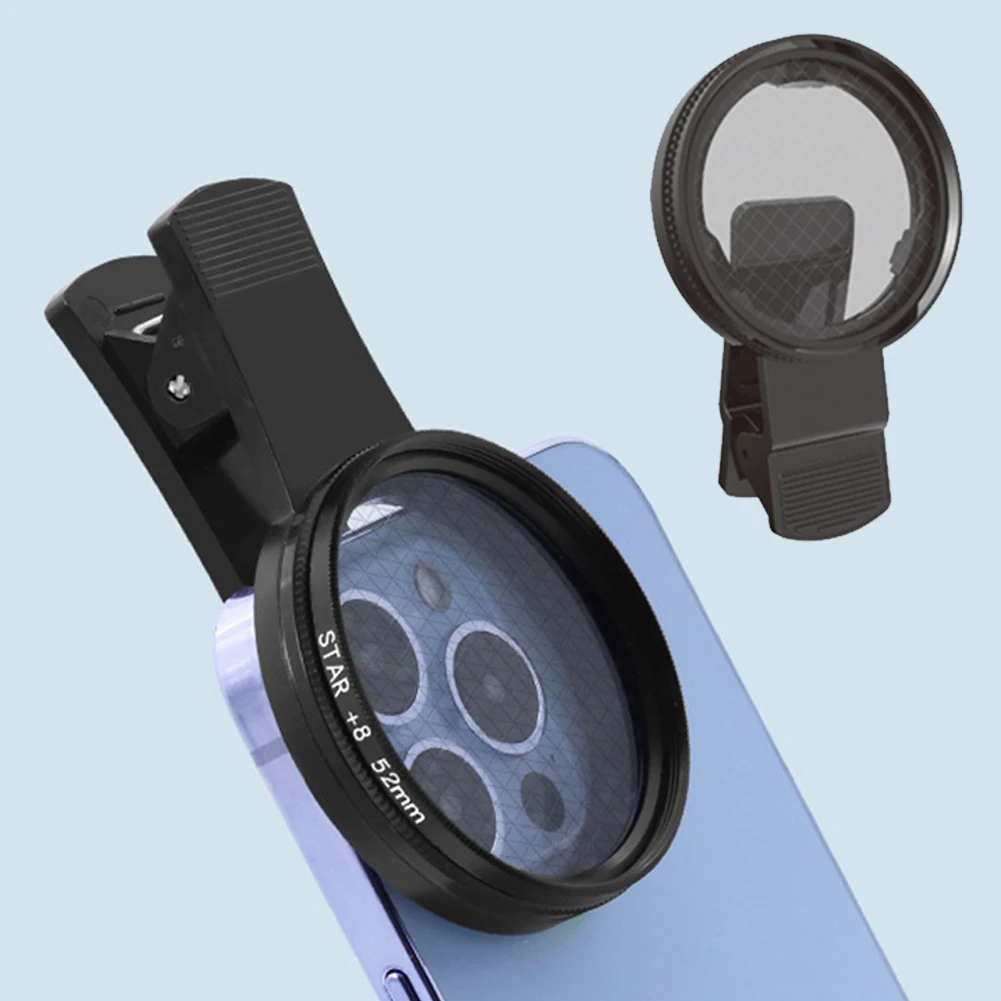
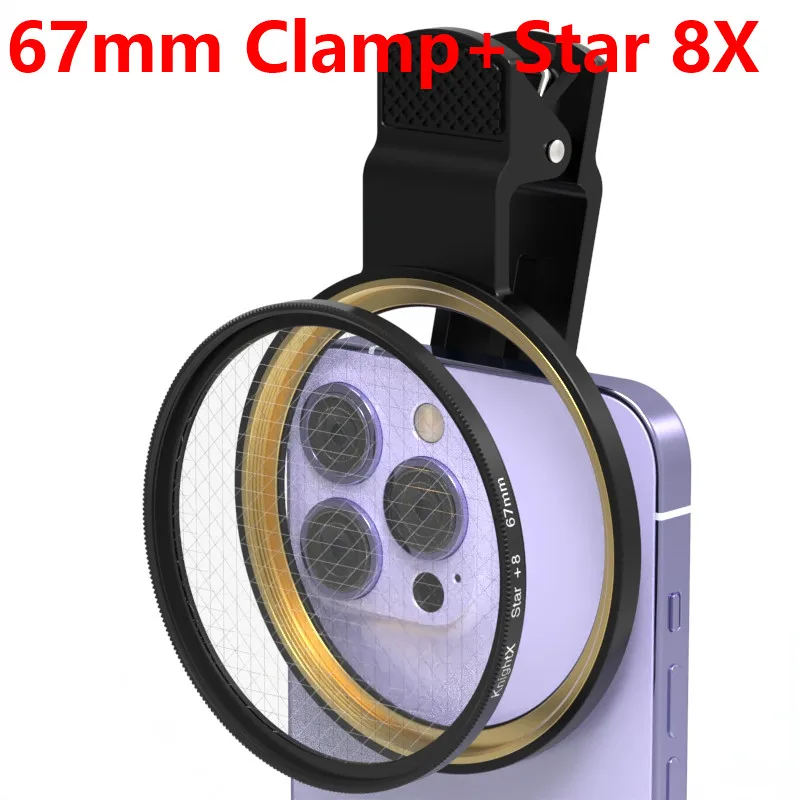
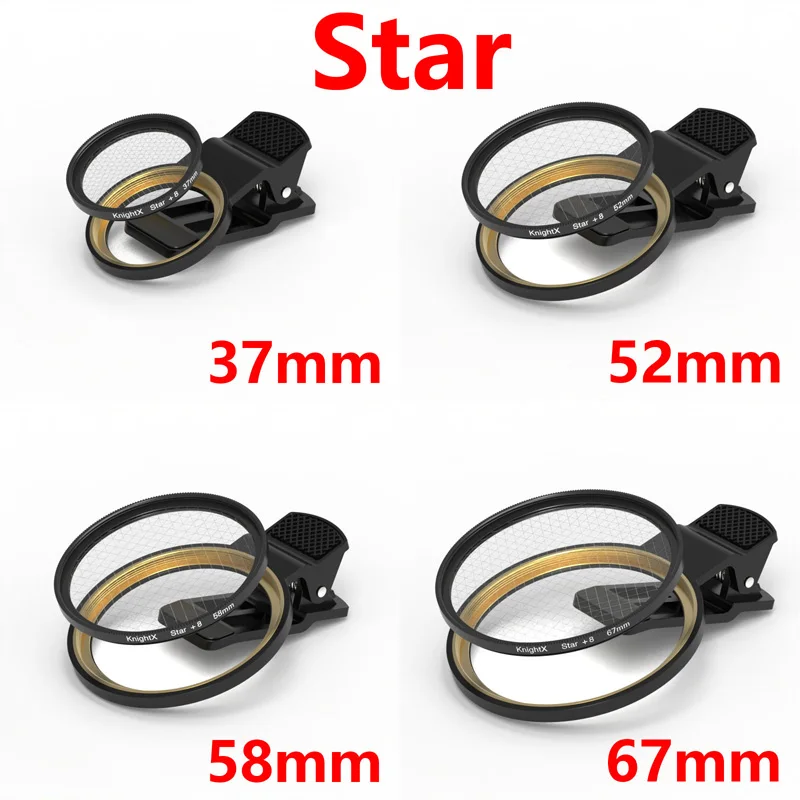
- Screw-in star filters with four, six or eight points, in an aluminium frame with optical glass, in thread sizes made for camera lenses. On a phone, one needs a clip or holder with the same thread size.
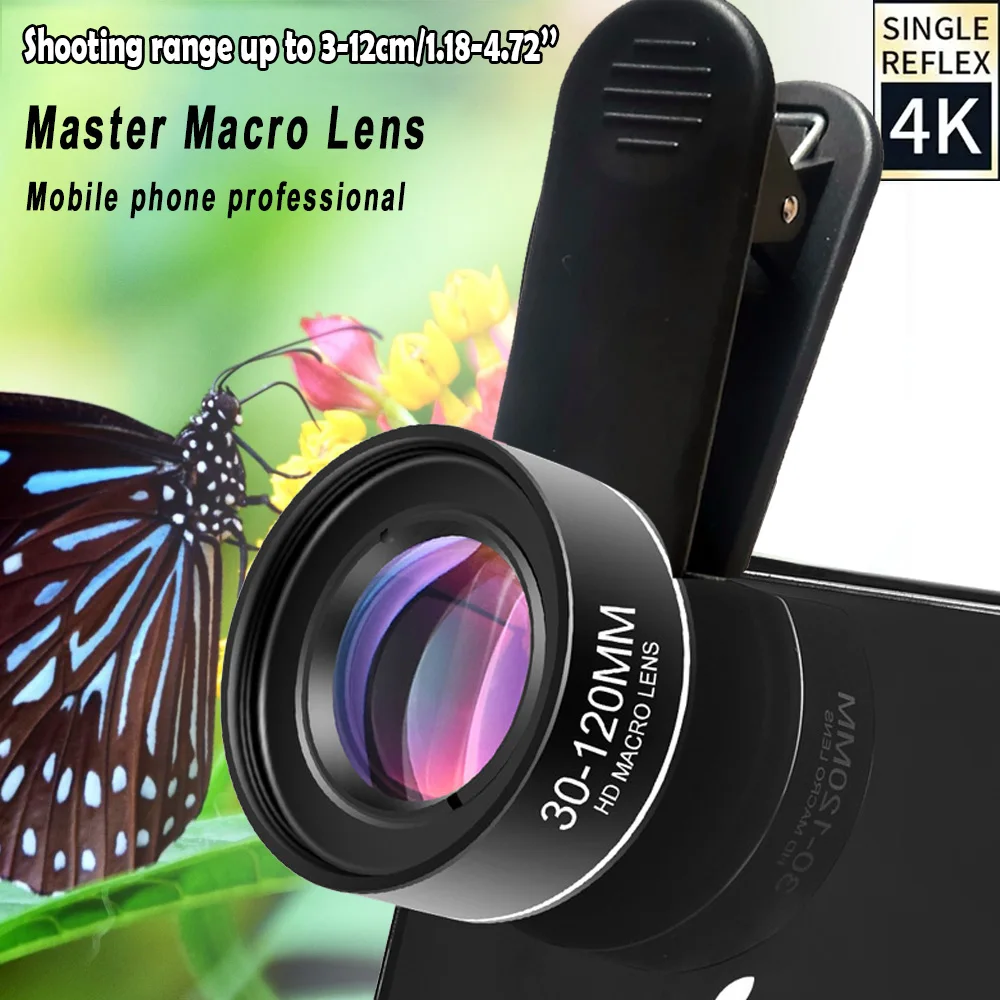
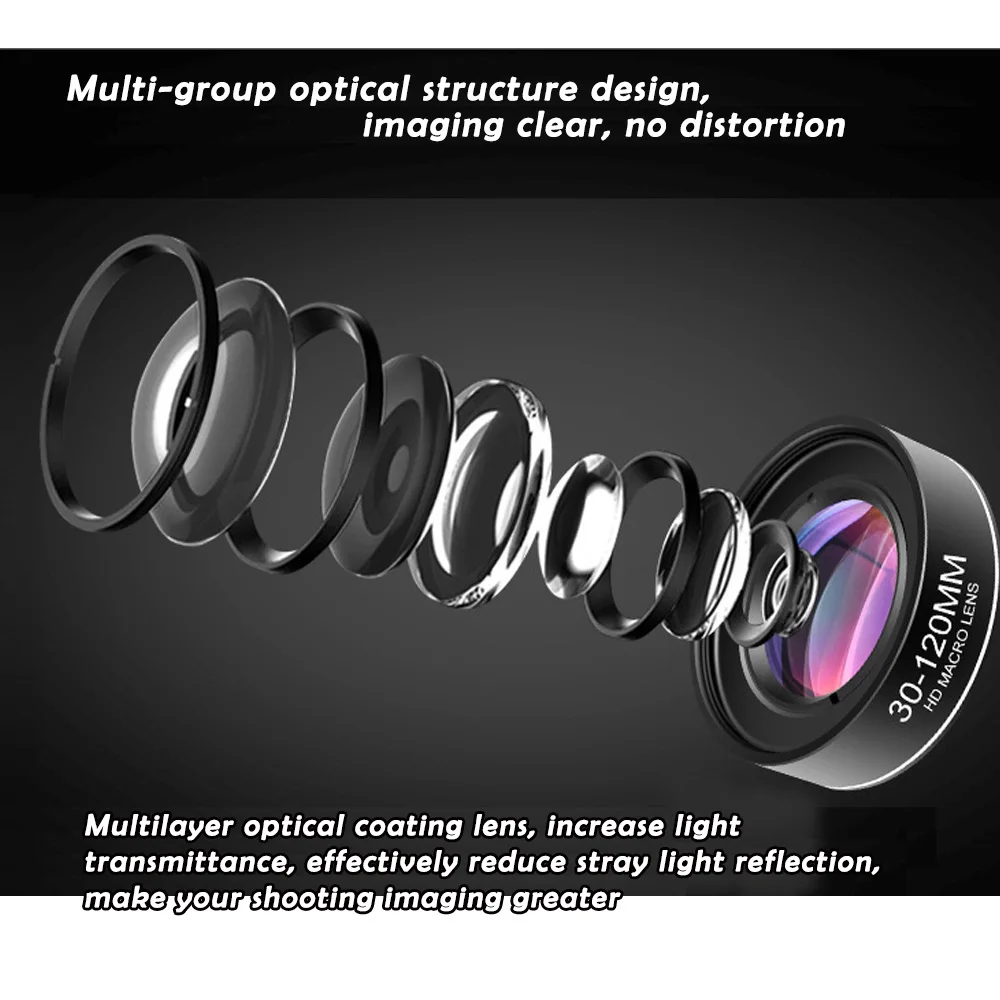
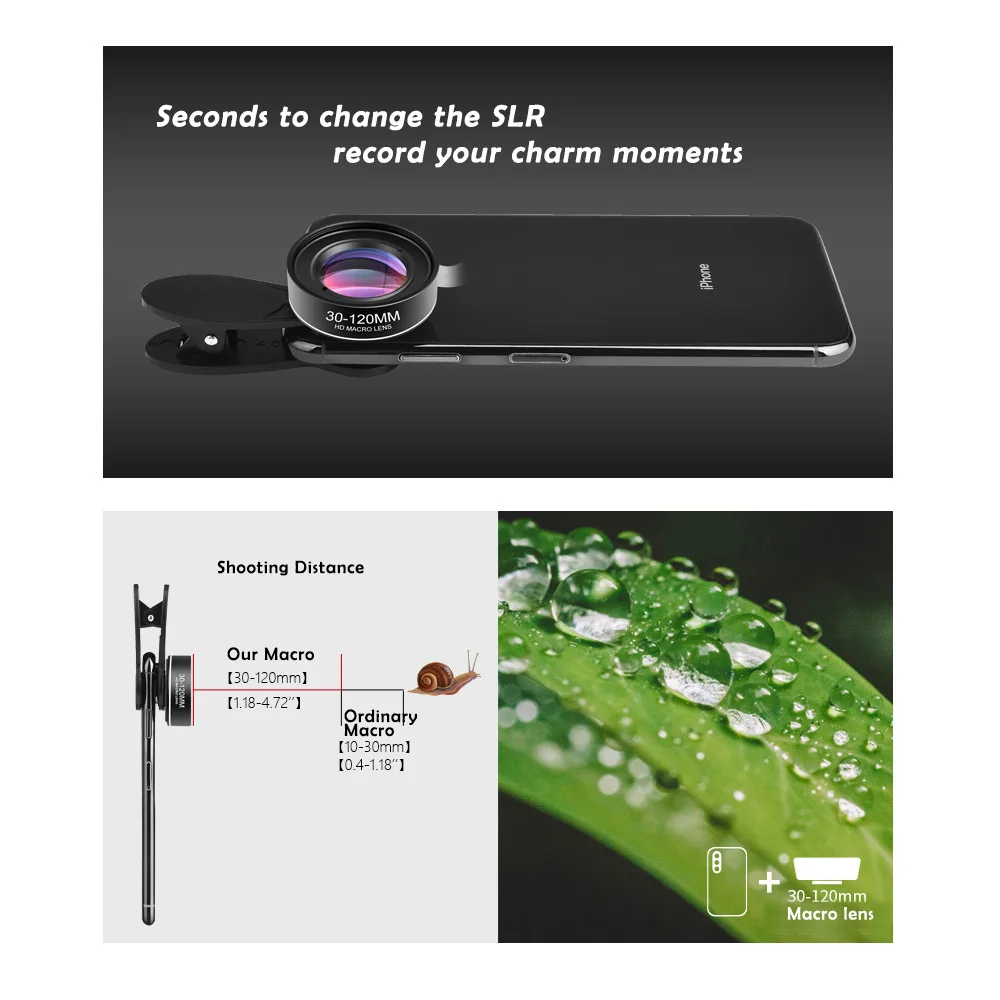
- A clip-on macro lens that comes with a star filter, a CPL filter or both, so the same clip does close-ups and starbursts. More are in macro phone lenses.
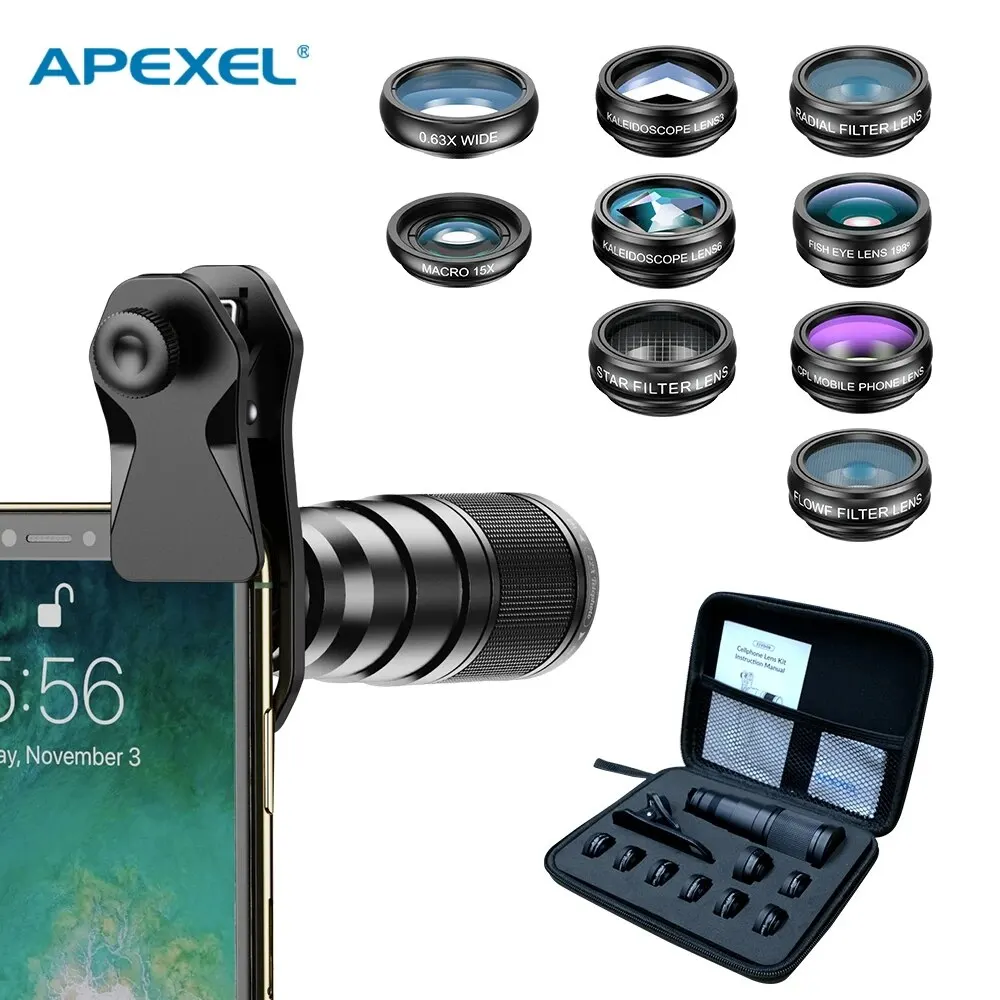
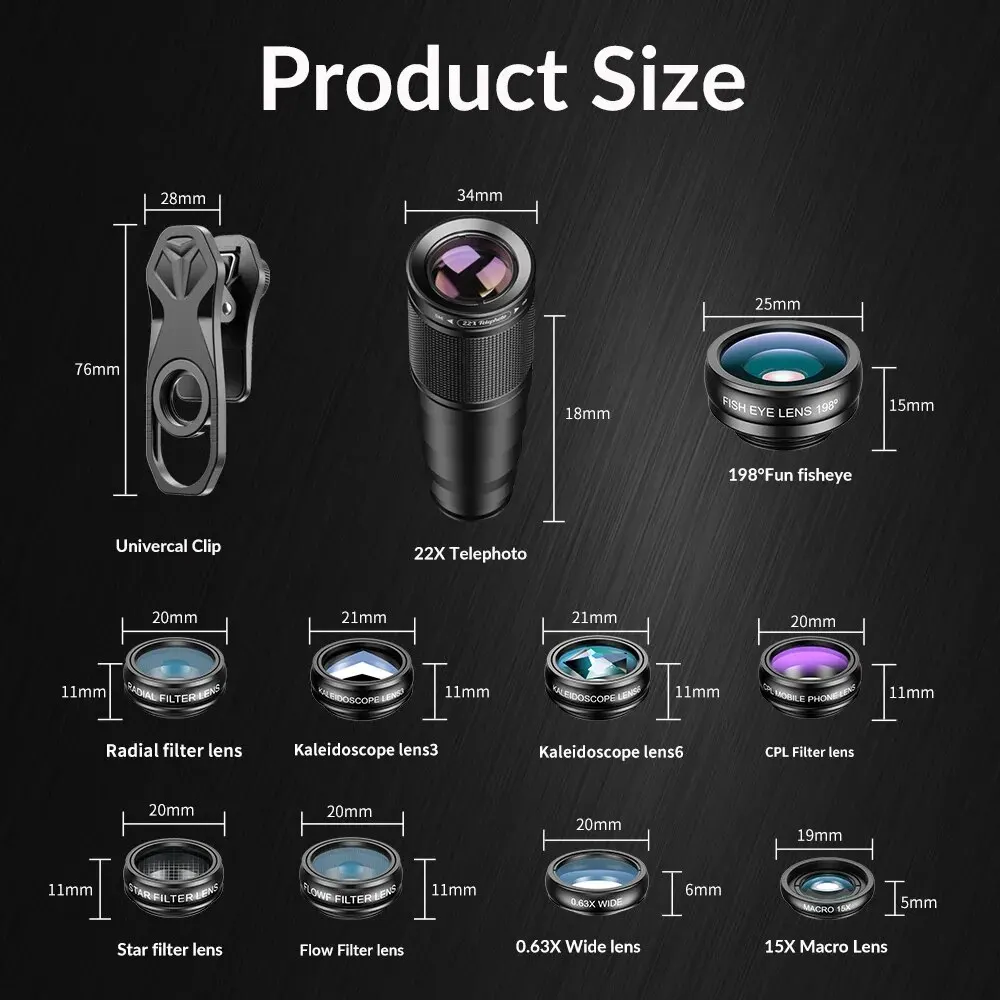
- A large clip-on lens kit with a star filter among its lenses and effect filters, alongside a fisheye, a wide-angle, a macro and a telephoto. More kits are in phone lens kits.
Getting a good starburst
Star filters work best at night or in dim light, with a few bright points against a darker background. Too many lights close together and the rays run into each other. A night shot needs a slower shutter, and the slightest shake smears the rays, so hold the phone still, ideally on a phone tripod or a flexible tripod wrapped round a railing, and take the picture with the timer, the volume button or a remote shutter.
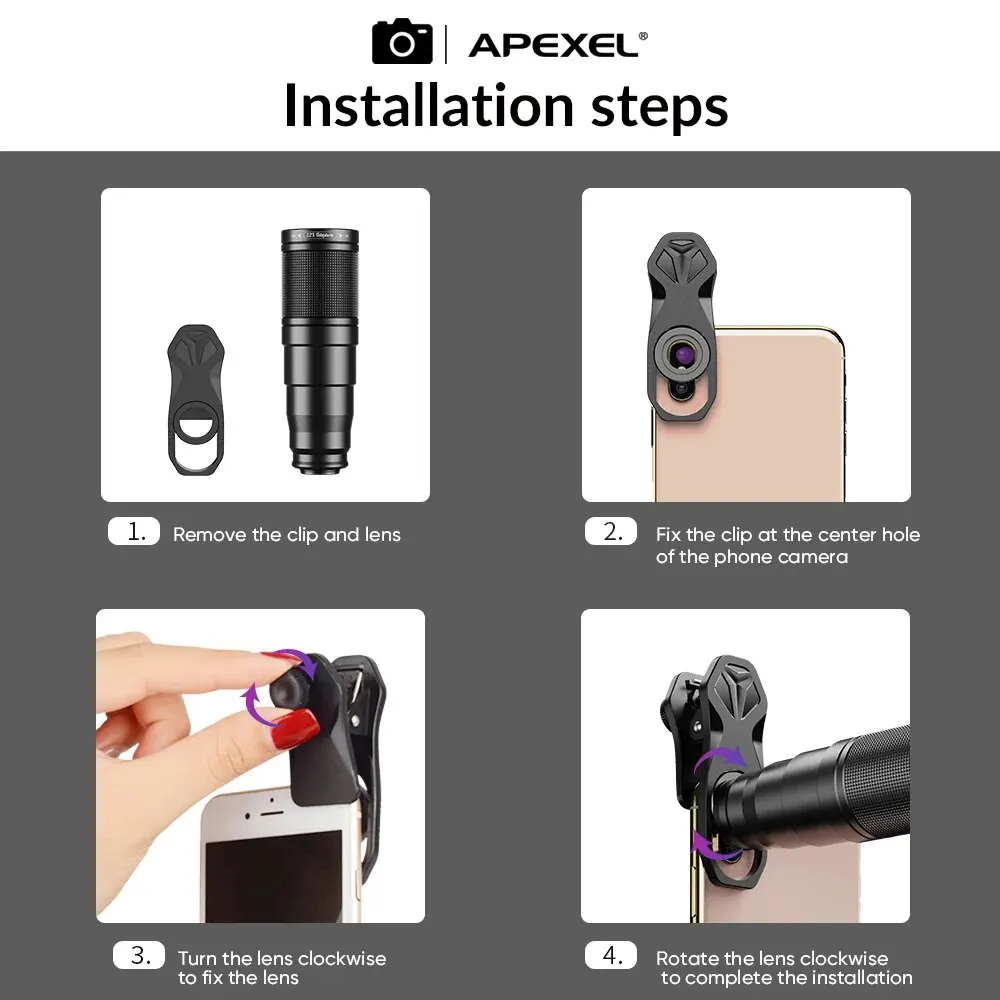
Keep the glass clean. A fingerprint on the filter or the phone's lens spreads light into a soft haze instead of crisp rays; wipe both with a clean microfibre cloth before you start. A clip-on filter covers only one of the phone's cameras, so line it up over the one in use; the guide to clip-on lenses and filters explains how.
Questions people ask about star filters
Does a star filter work in daylight?
Only where there are bright points, such as the sun on water or on a shiny surface. On an ordinary daytime scene it makes little difference.
Can I use a star filter for video?
Yes. The rays move with the lights, which suits night-time clips of traffic, fairground rides and fireworks.
How long does delivery take?
Delivery is included in every price and tracked to your door. Each product page says when it usually arrives.
More to look at