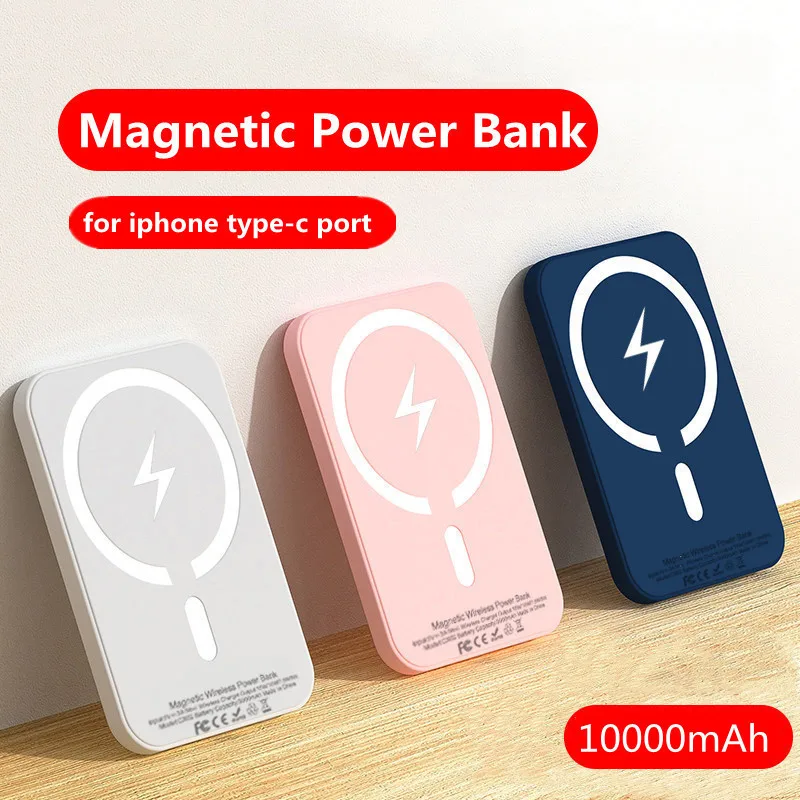
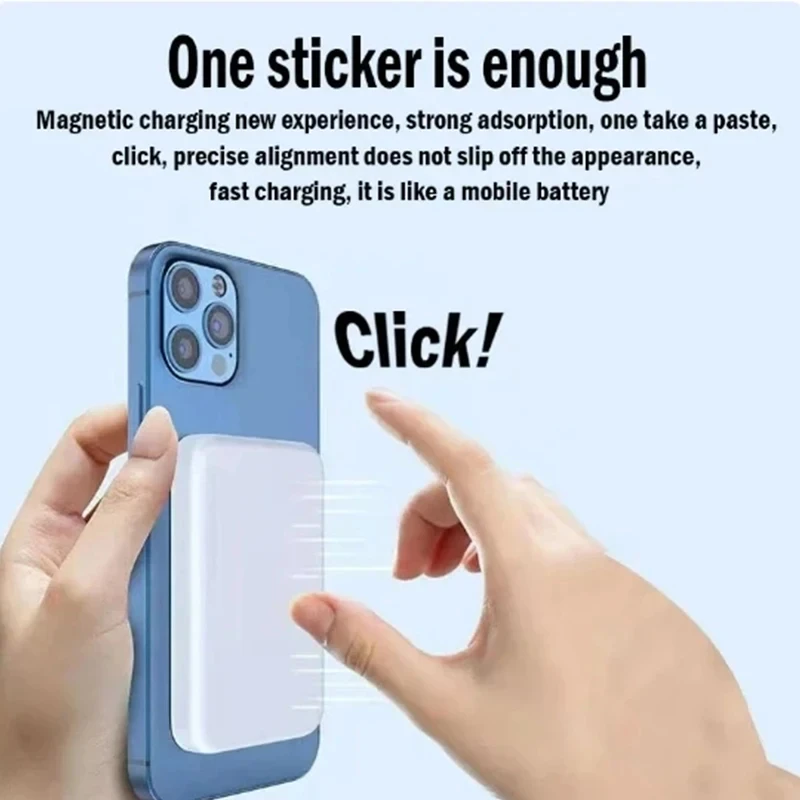
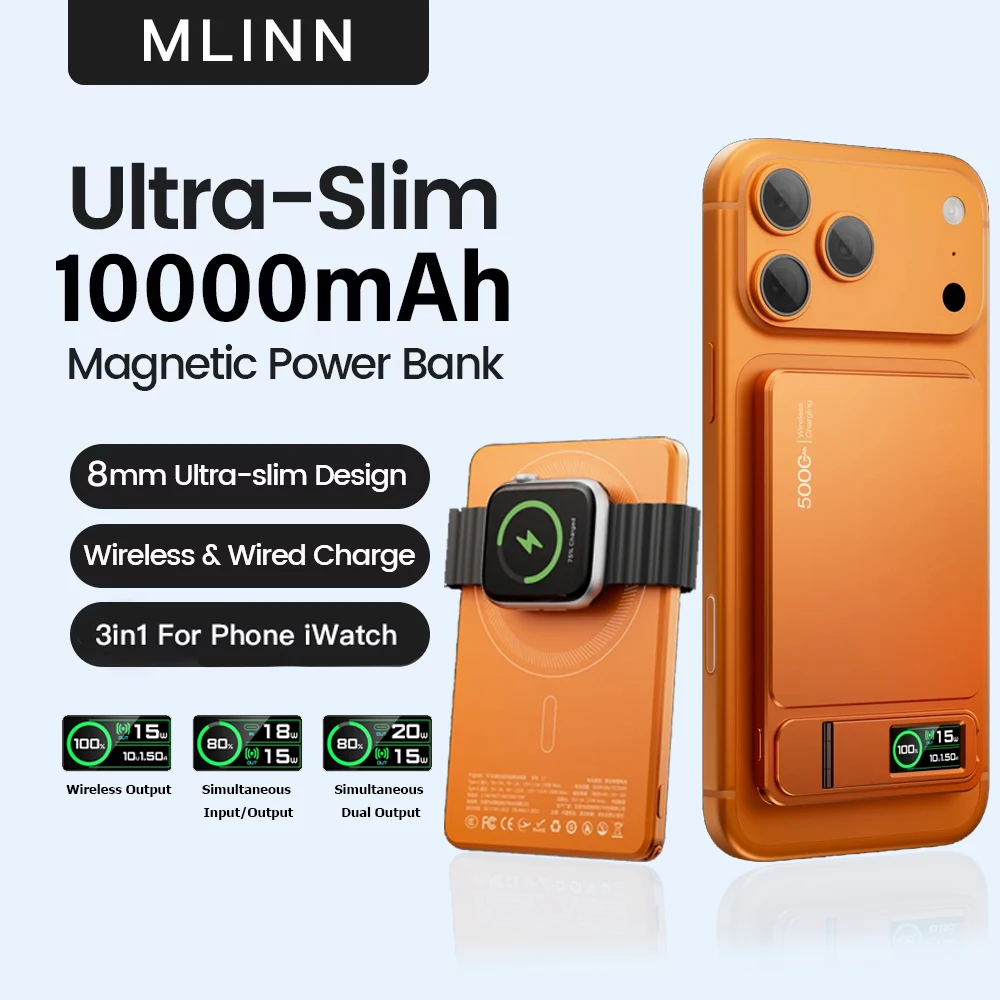
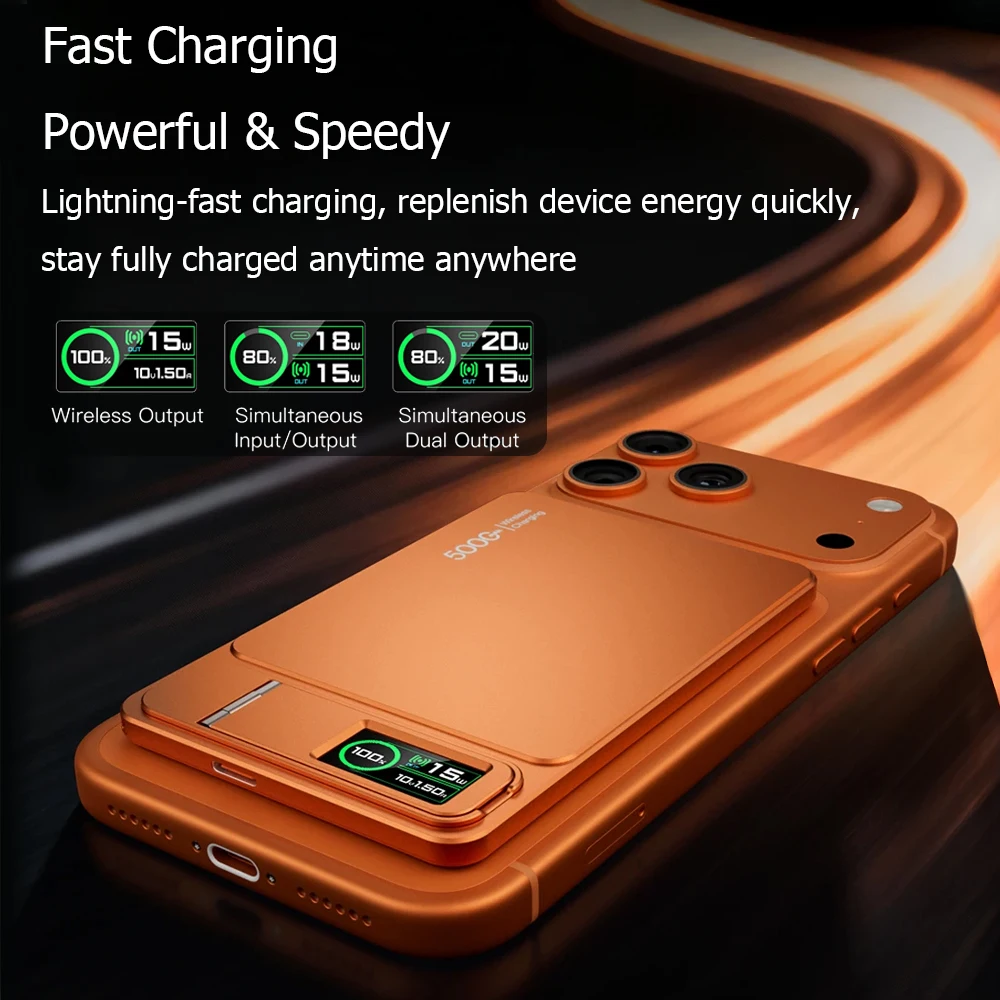
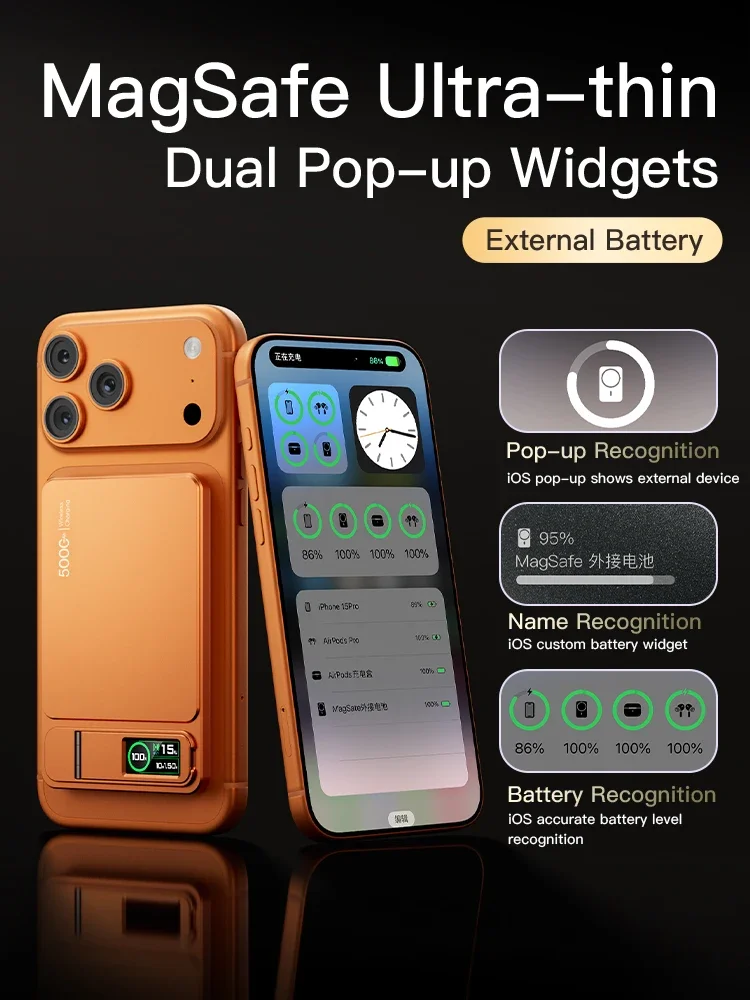
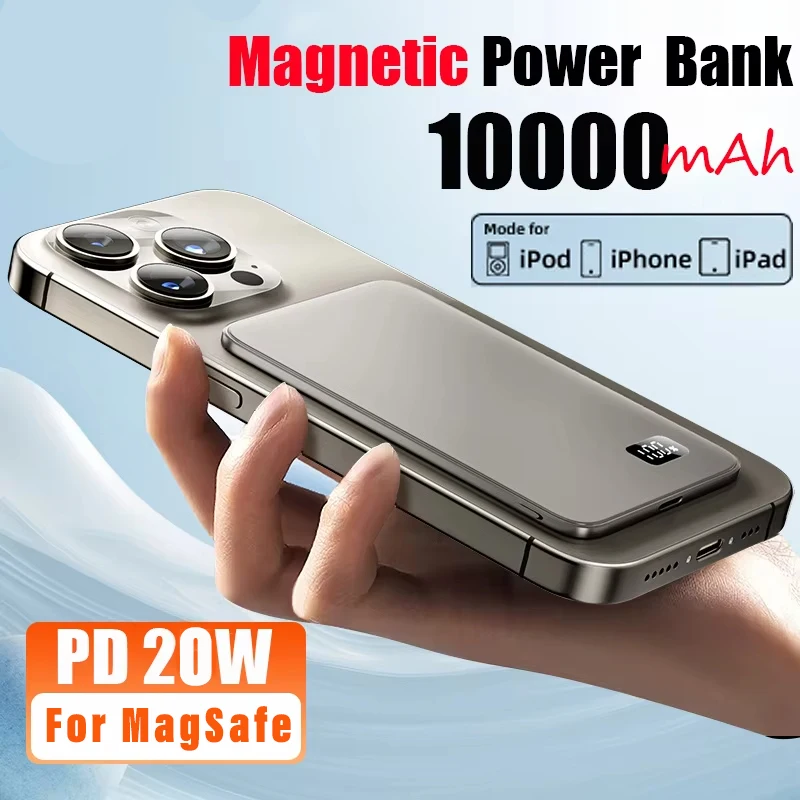
A power bank that clicks onto the phone
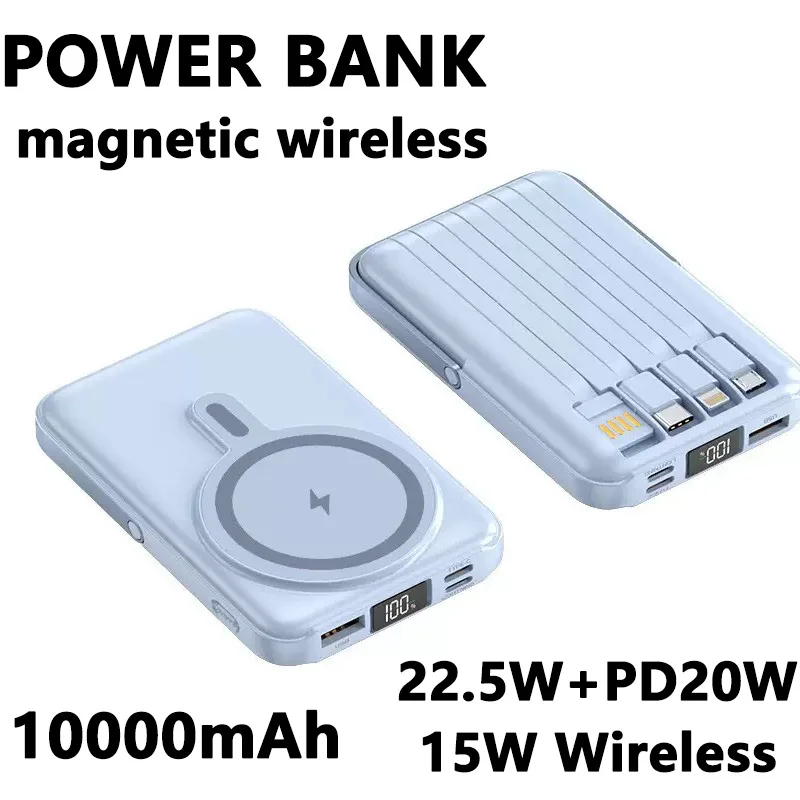
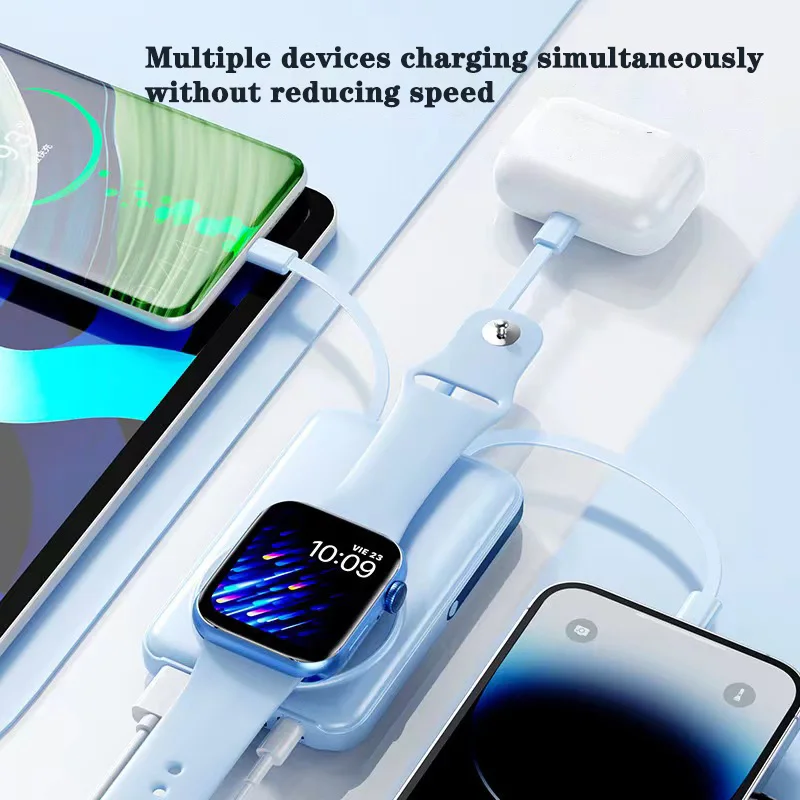
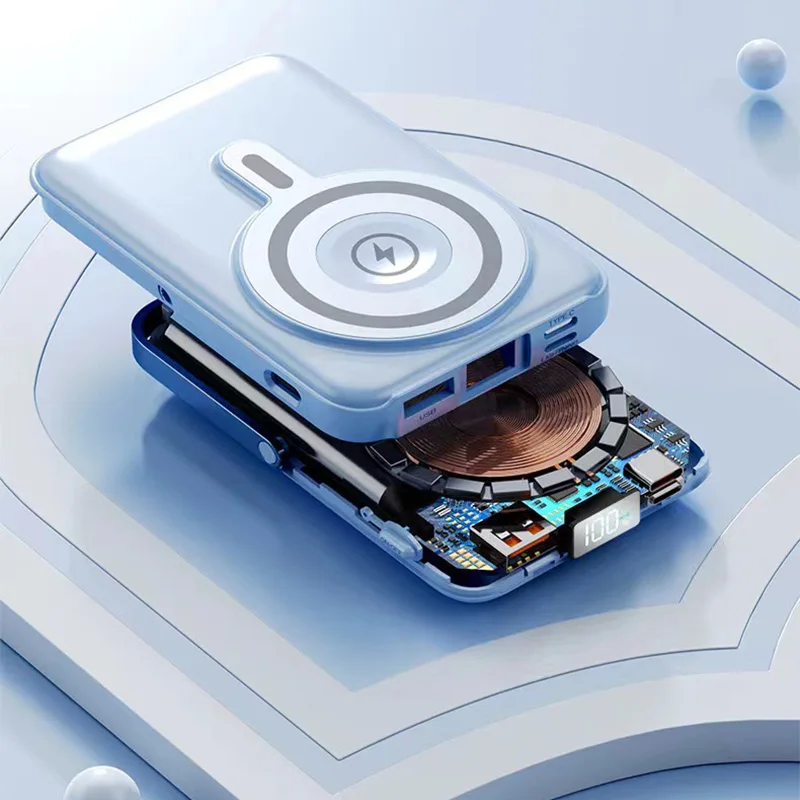
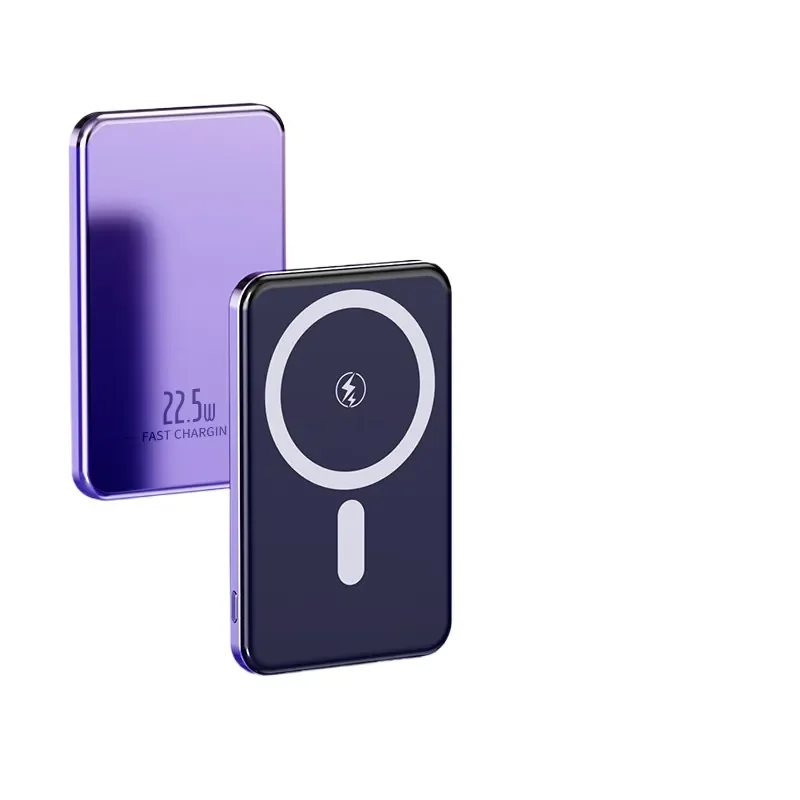
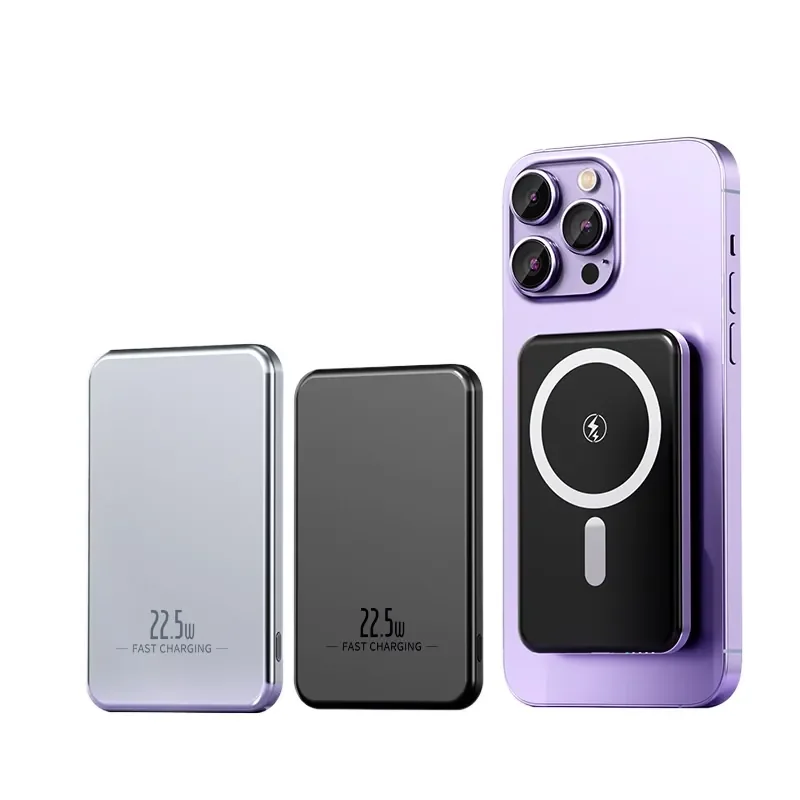
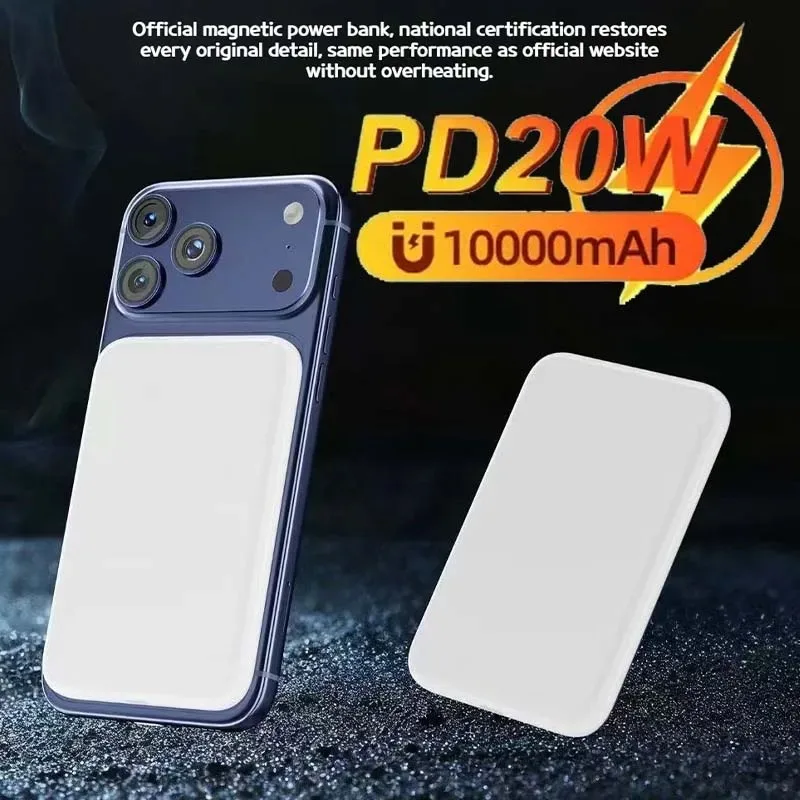
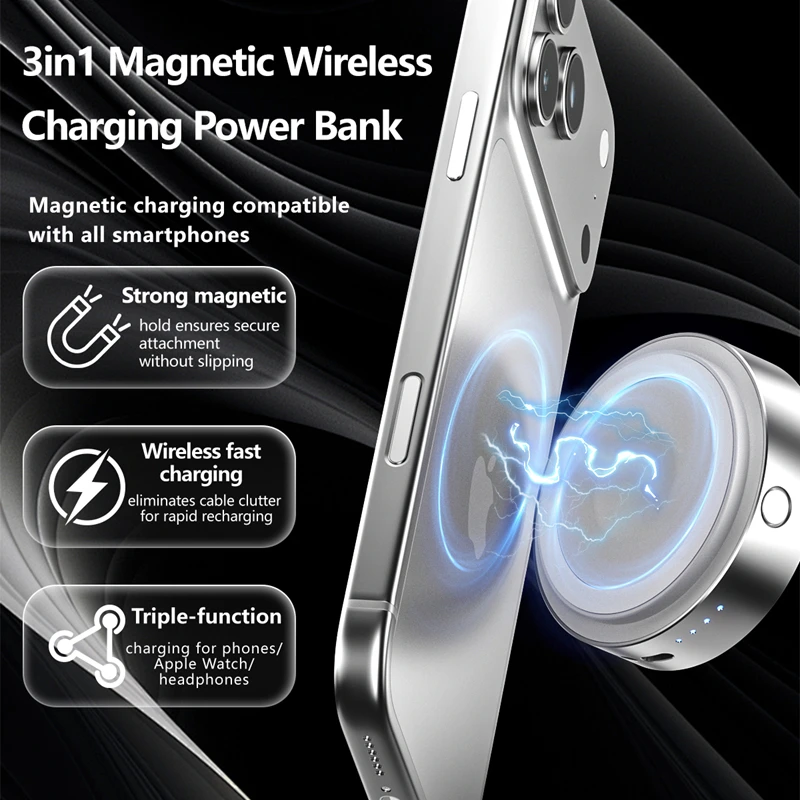
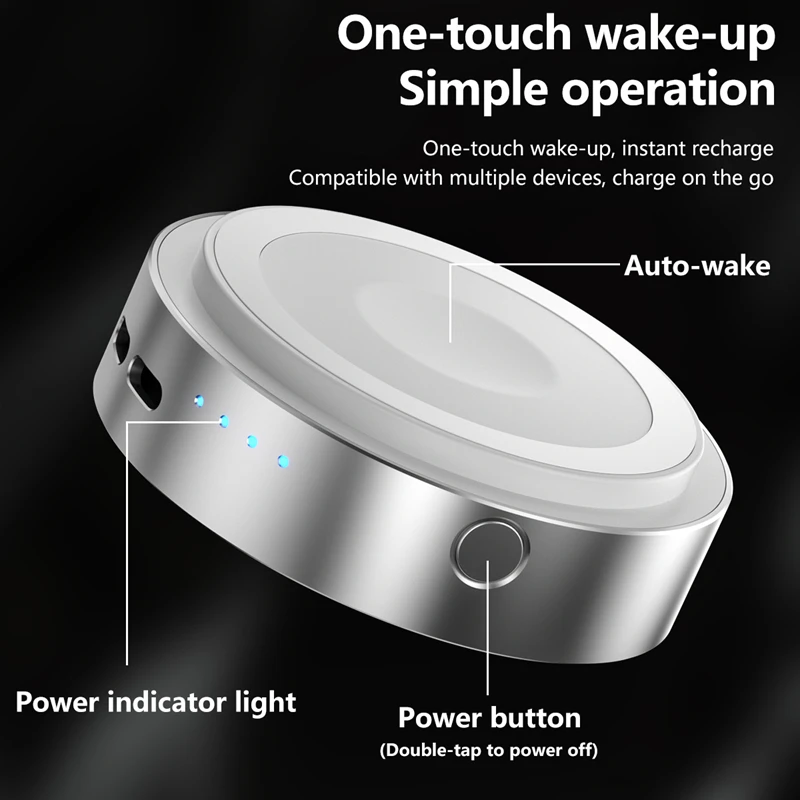
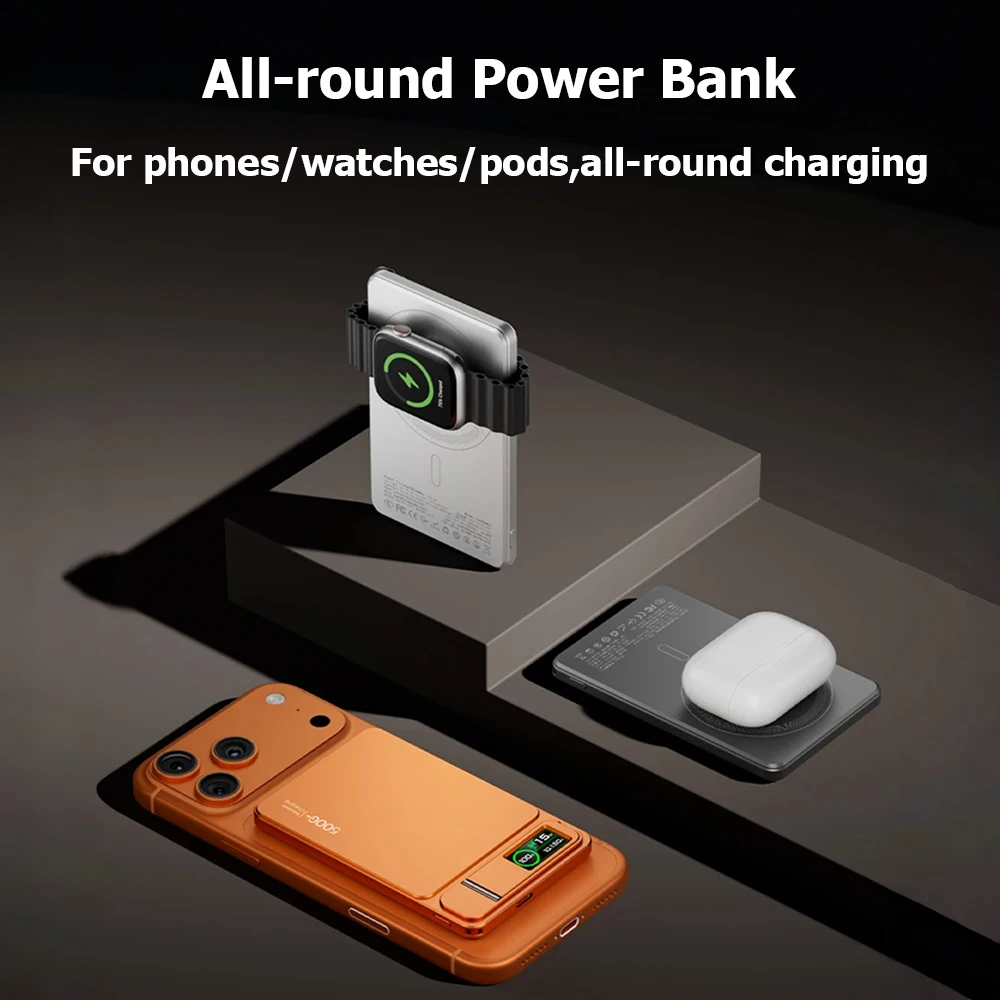
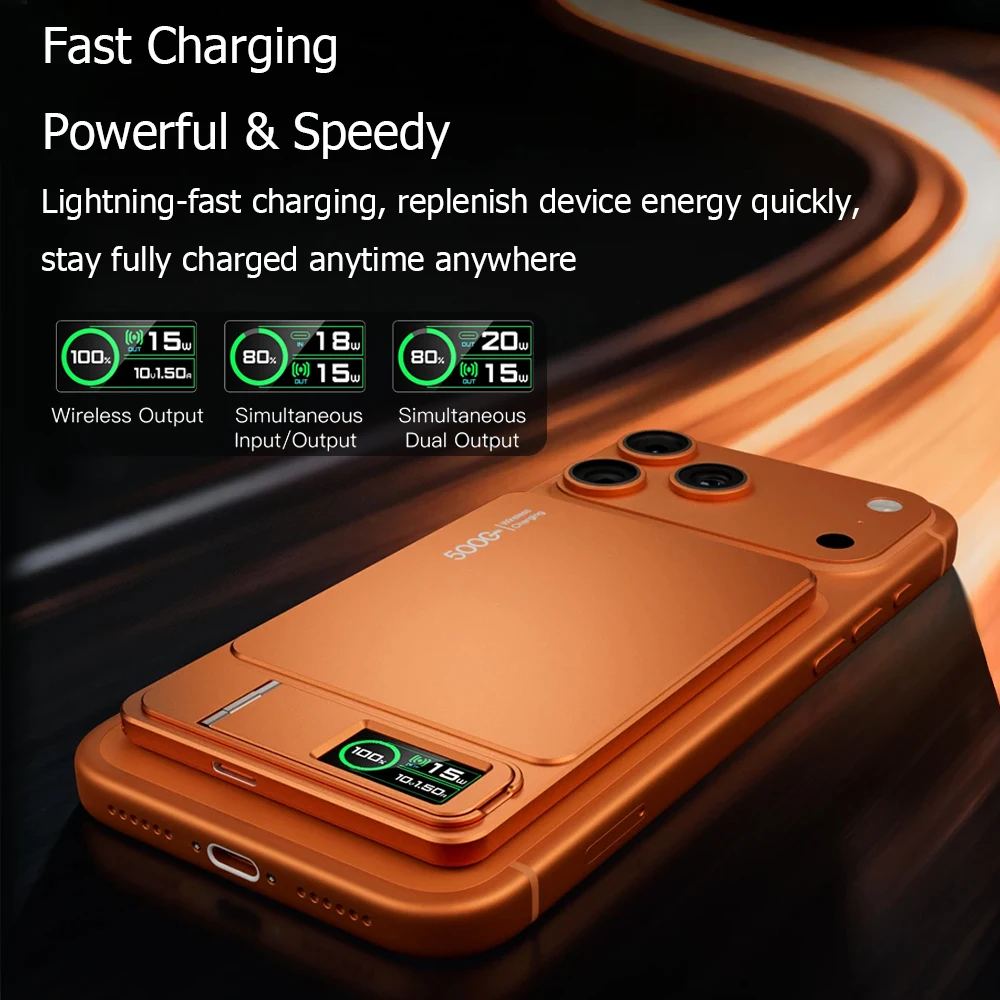
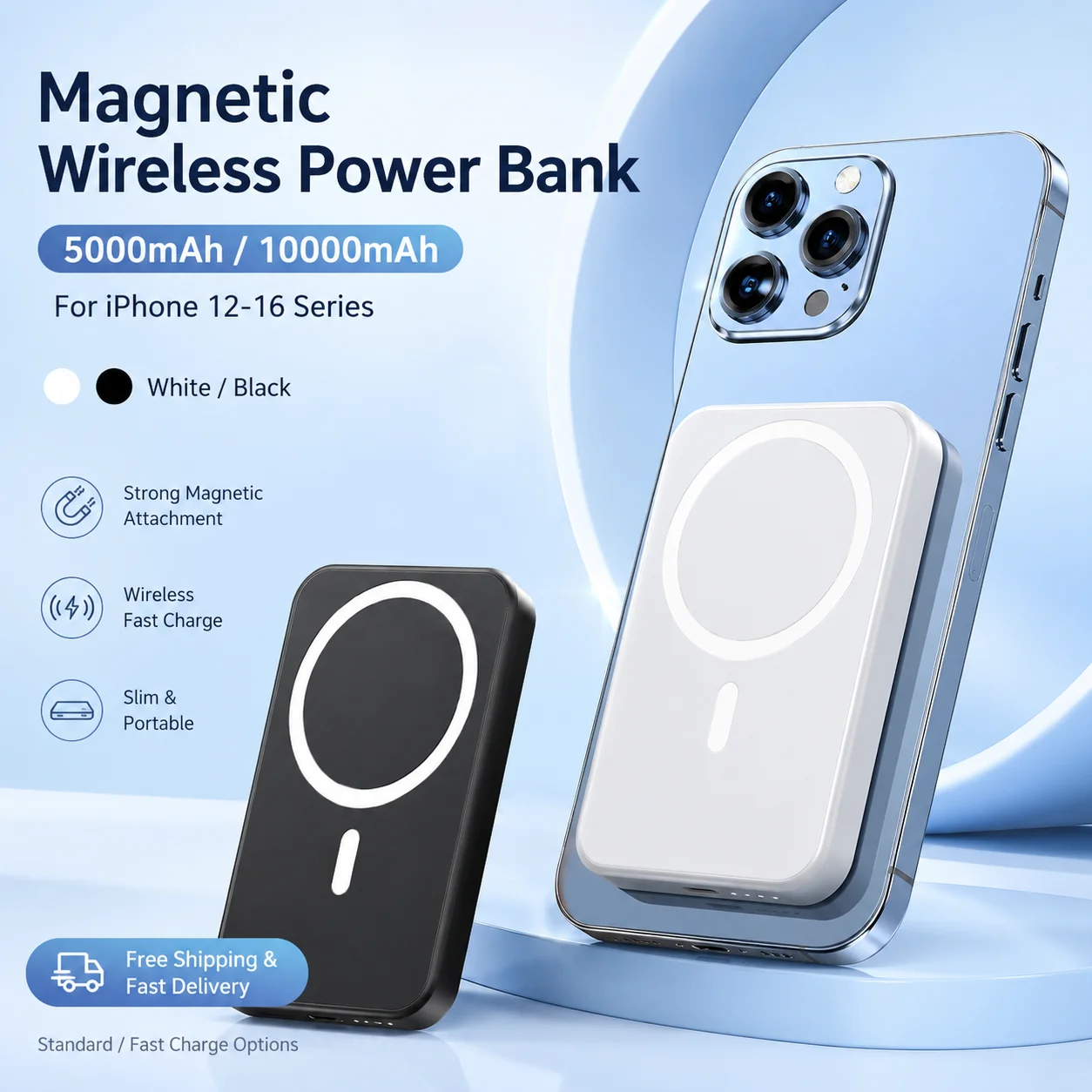
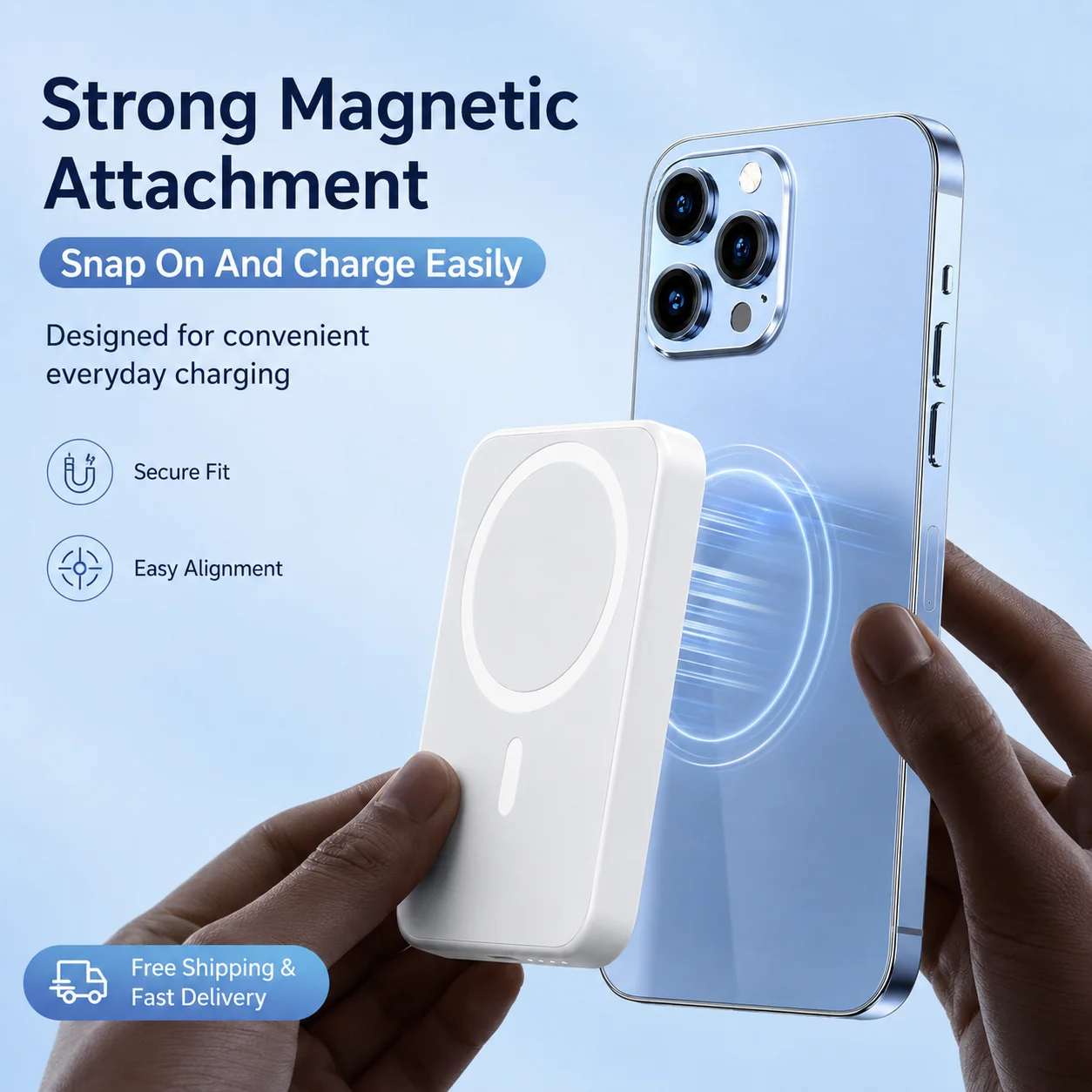
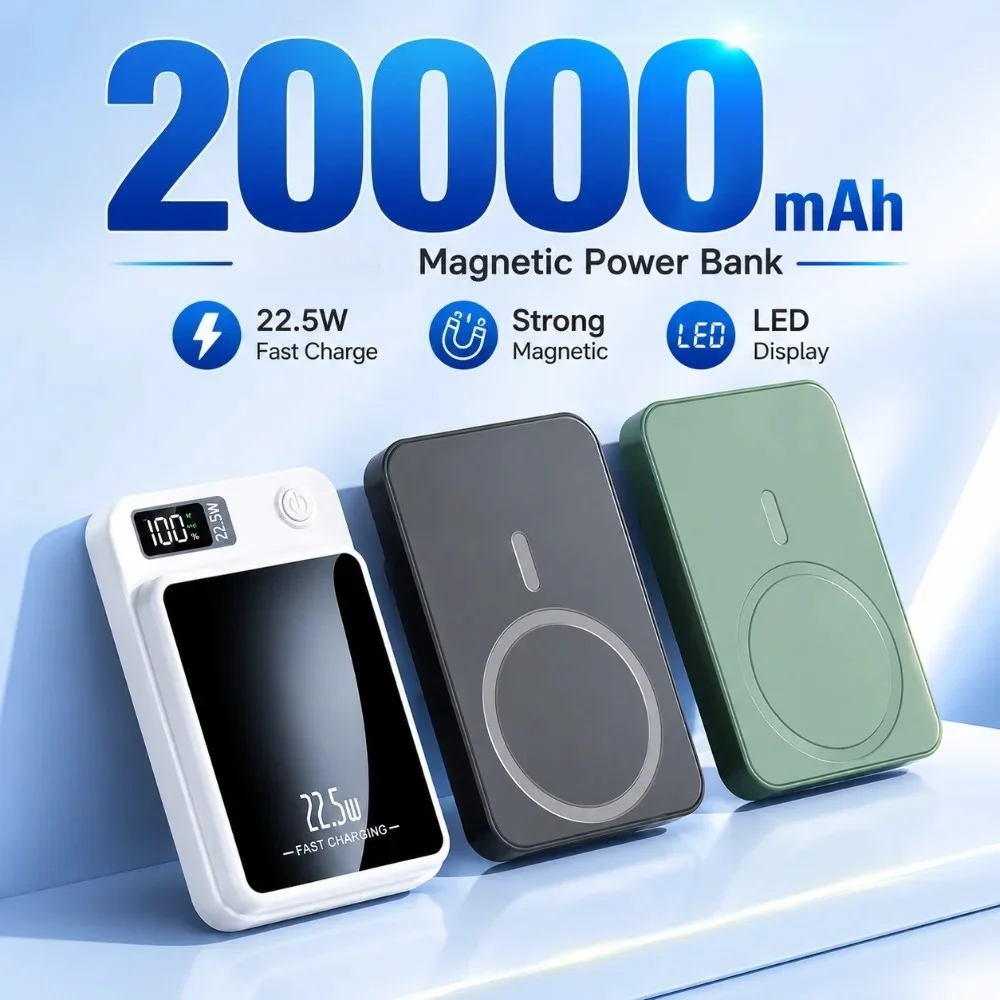
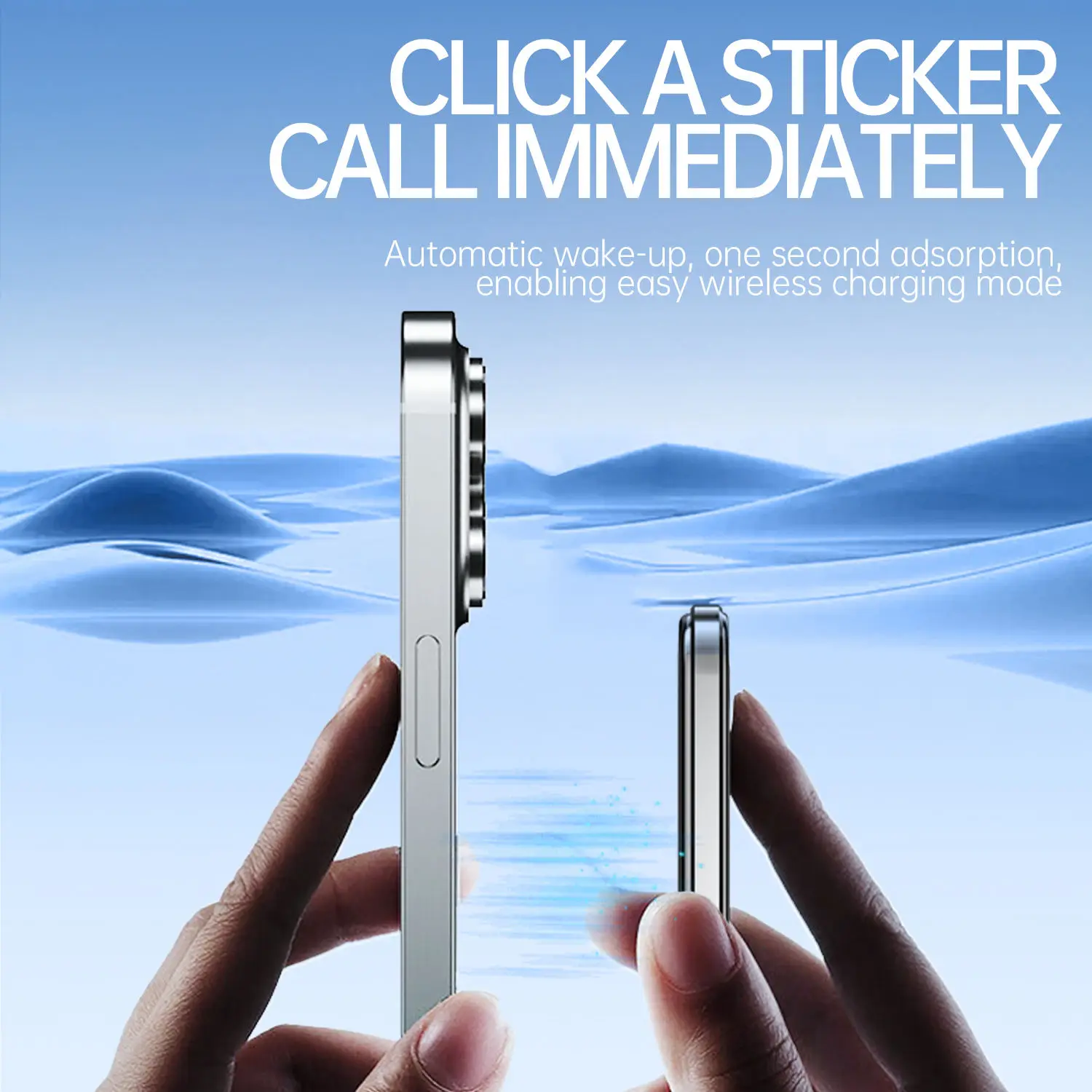
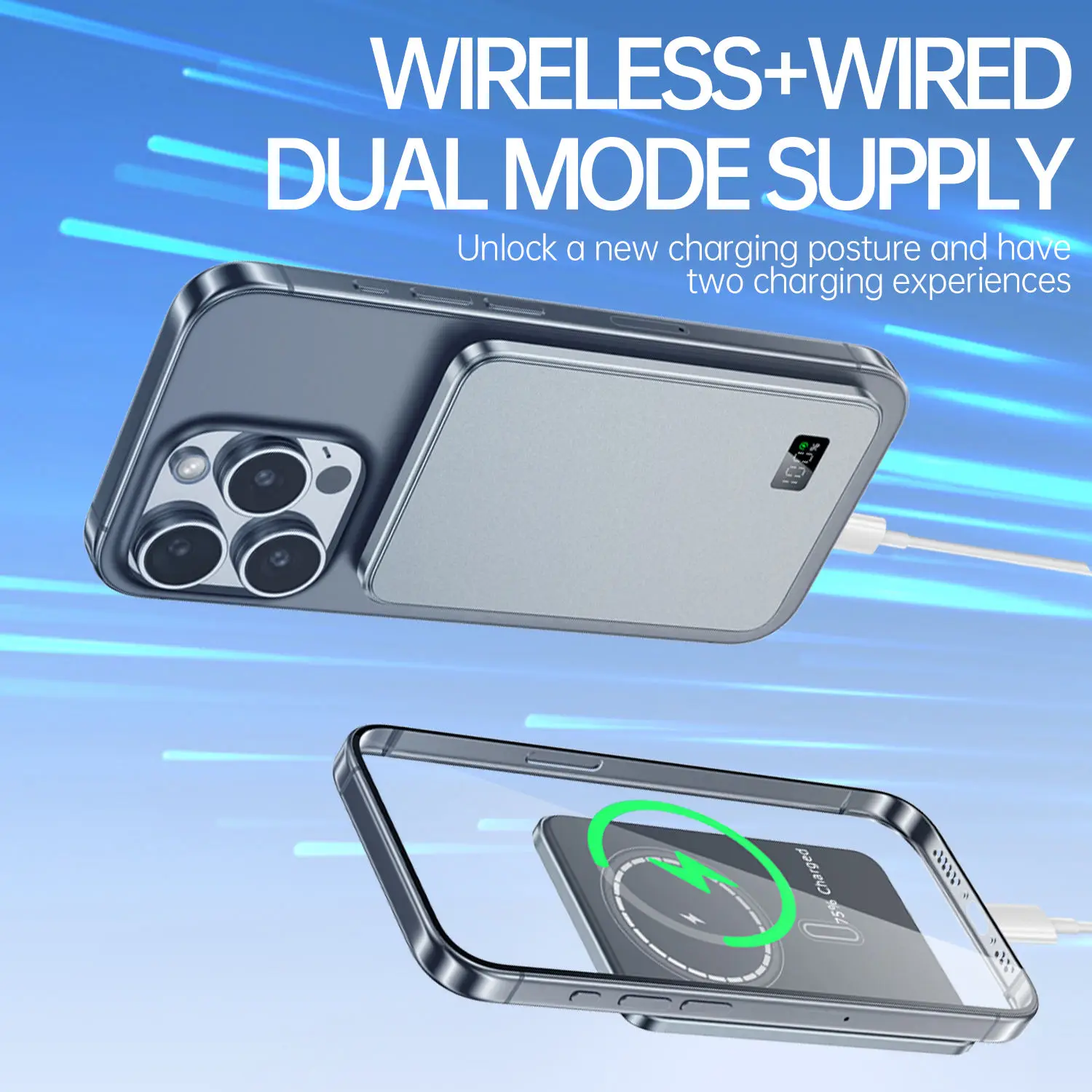
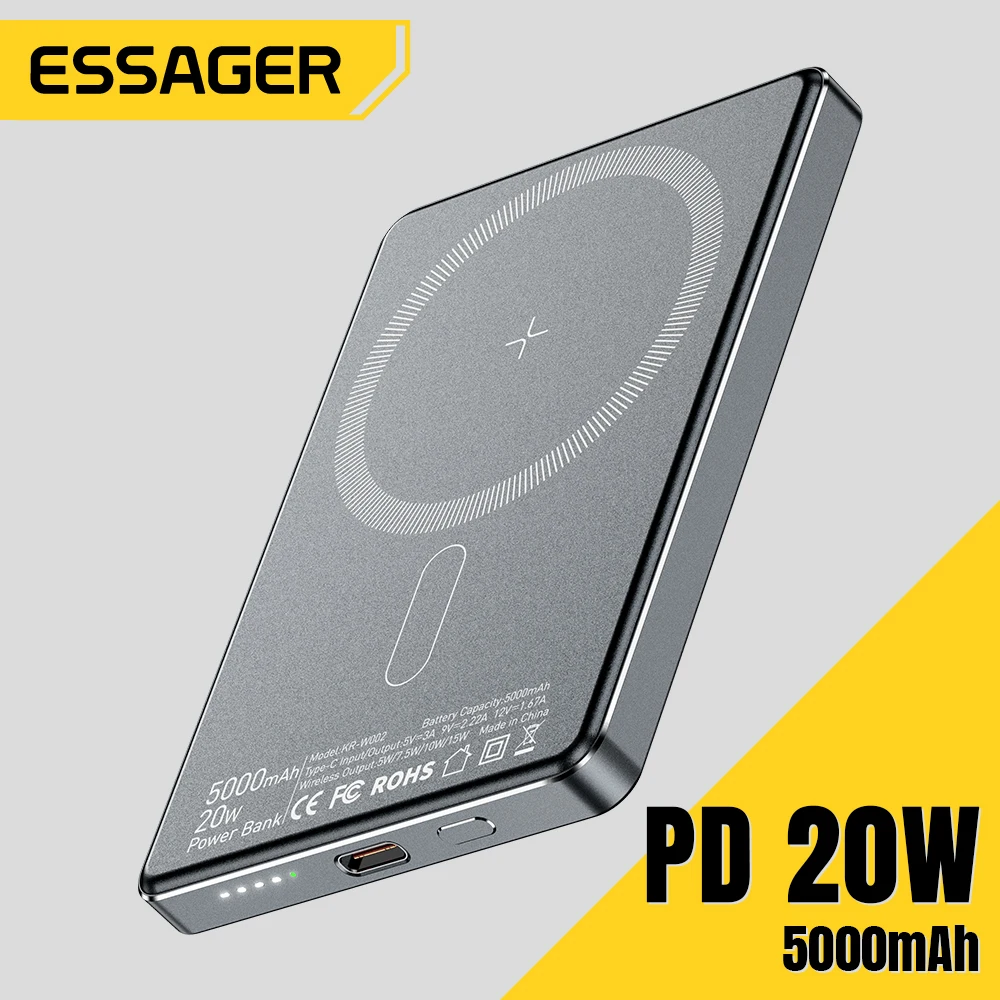
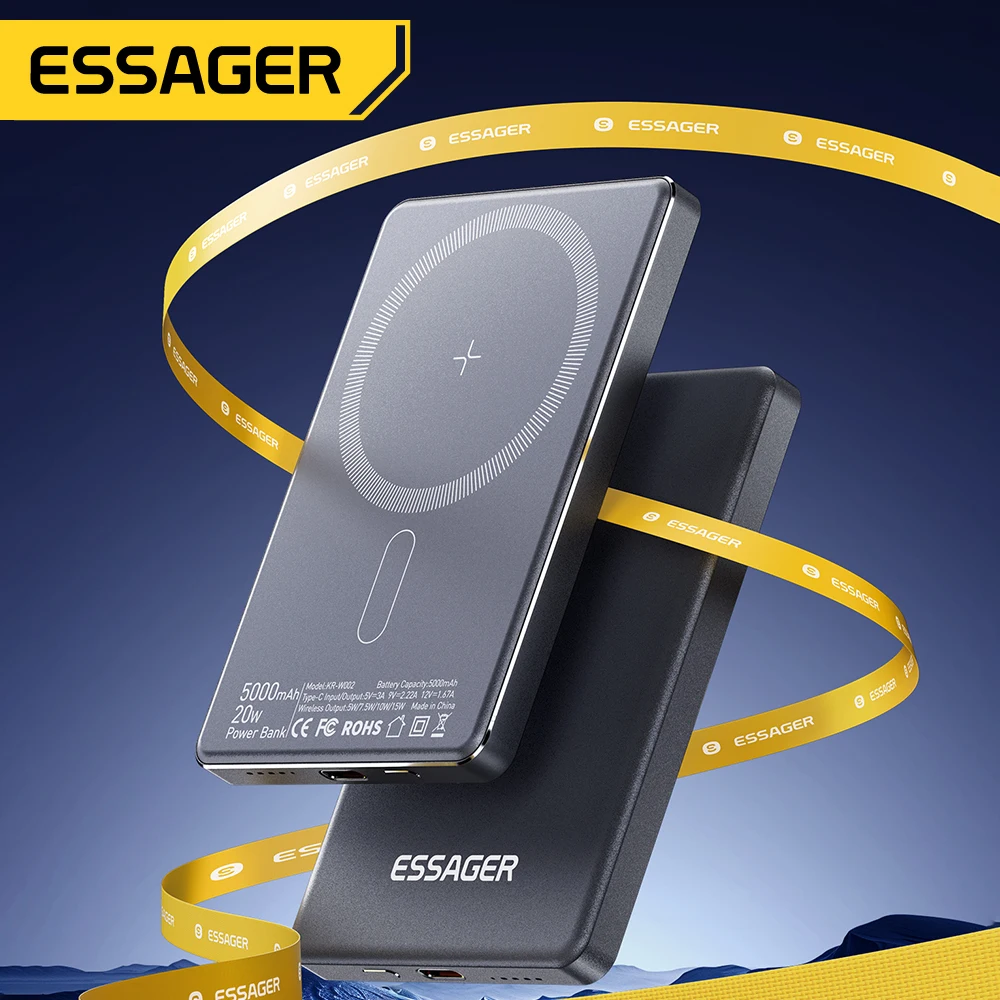
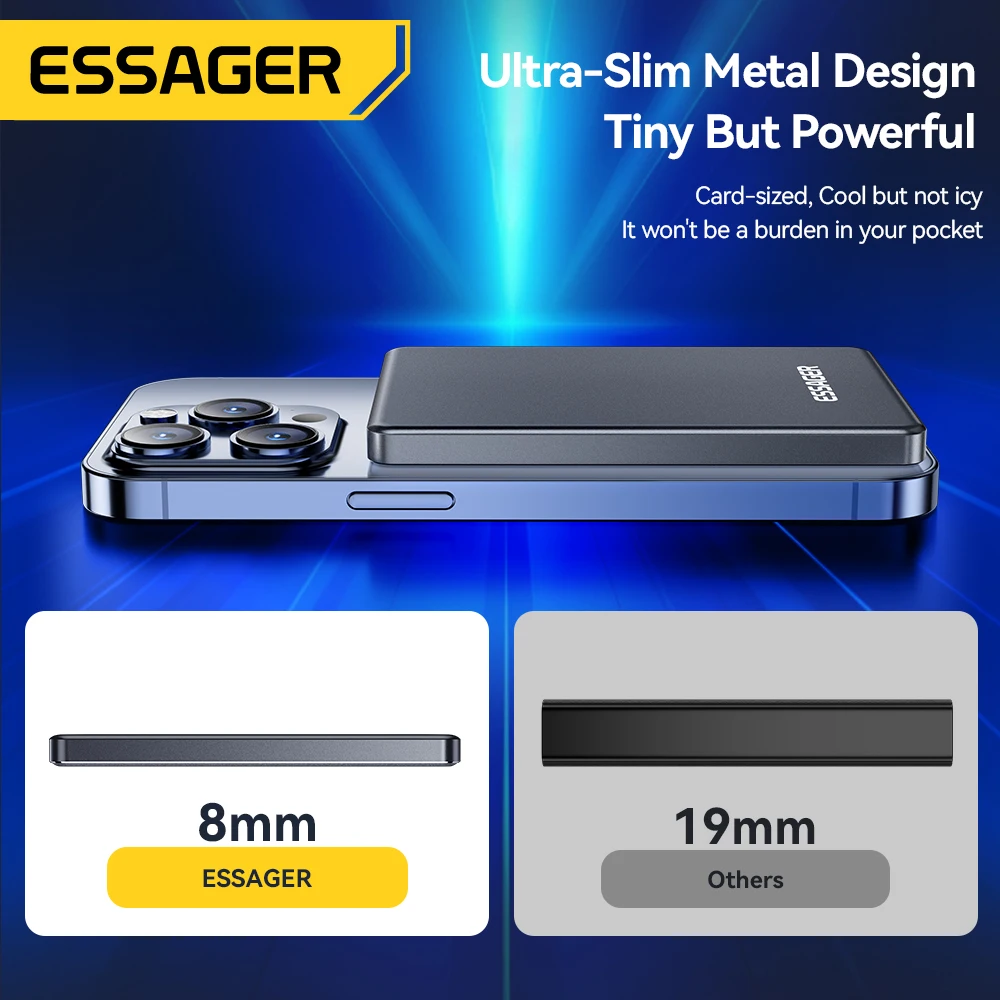
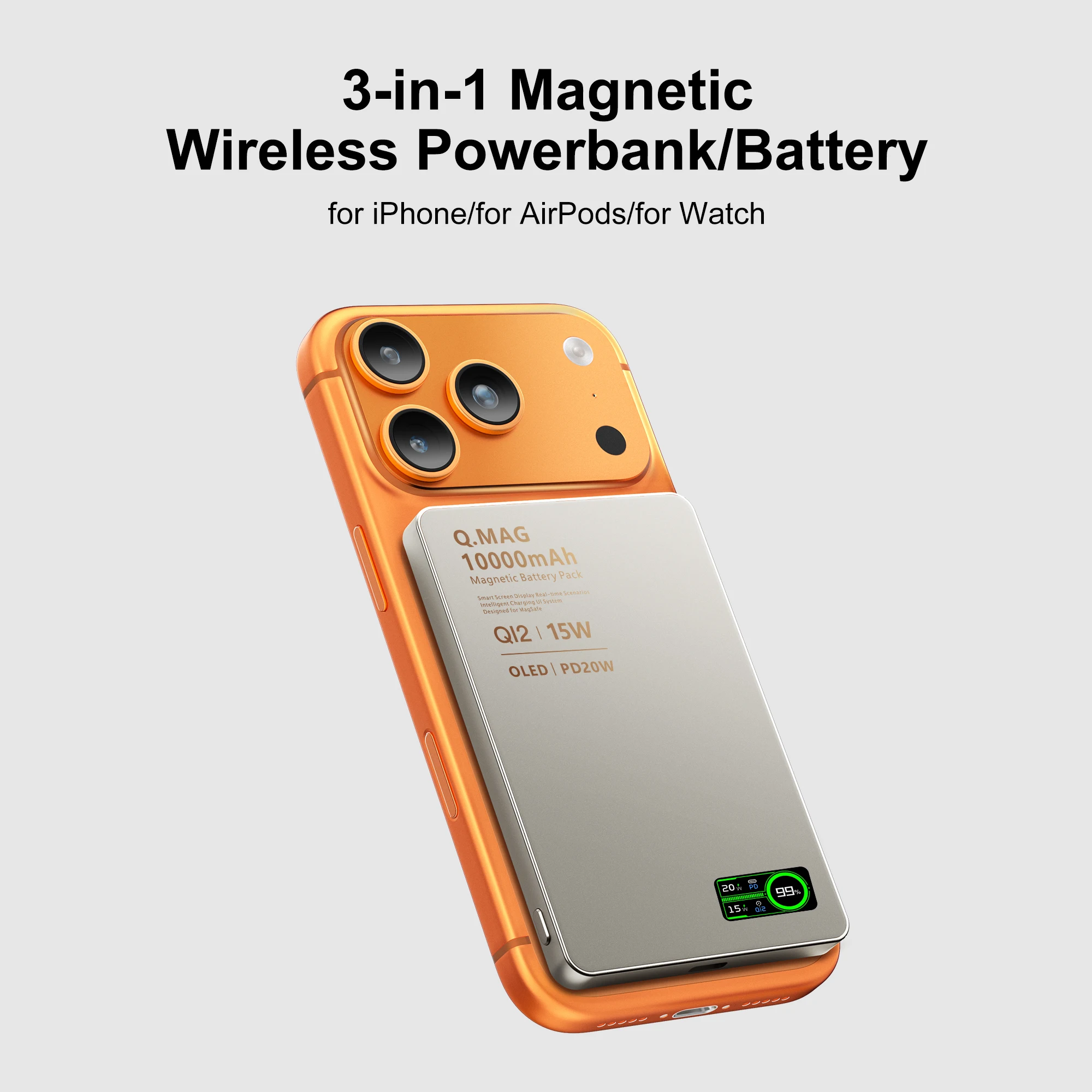
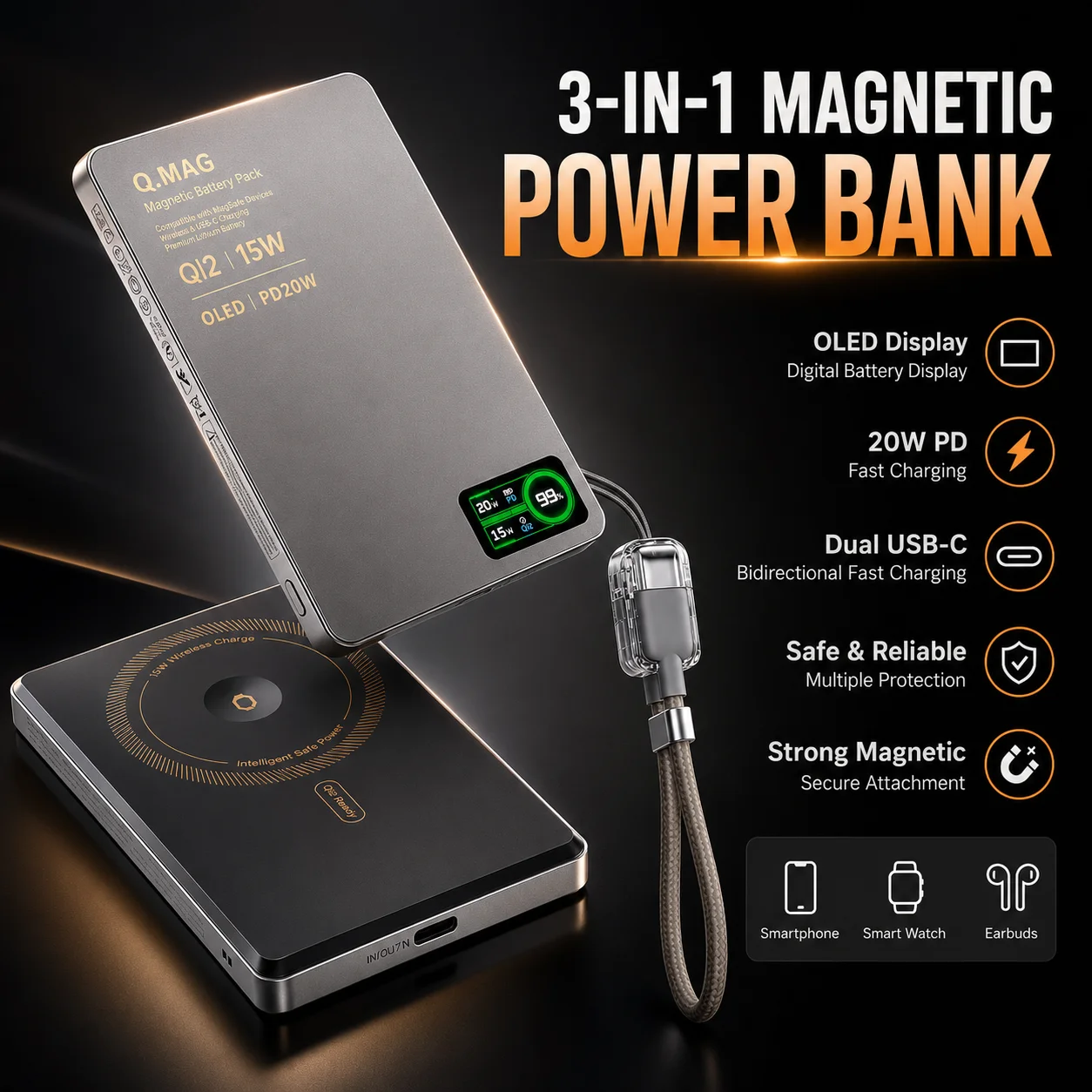
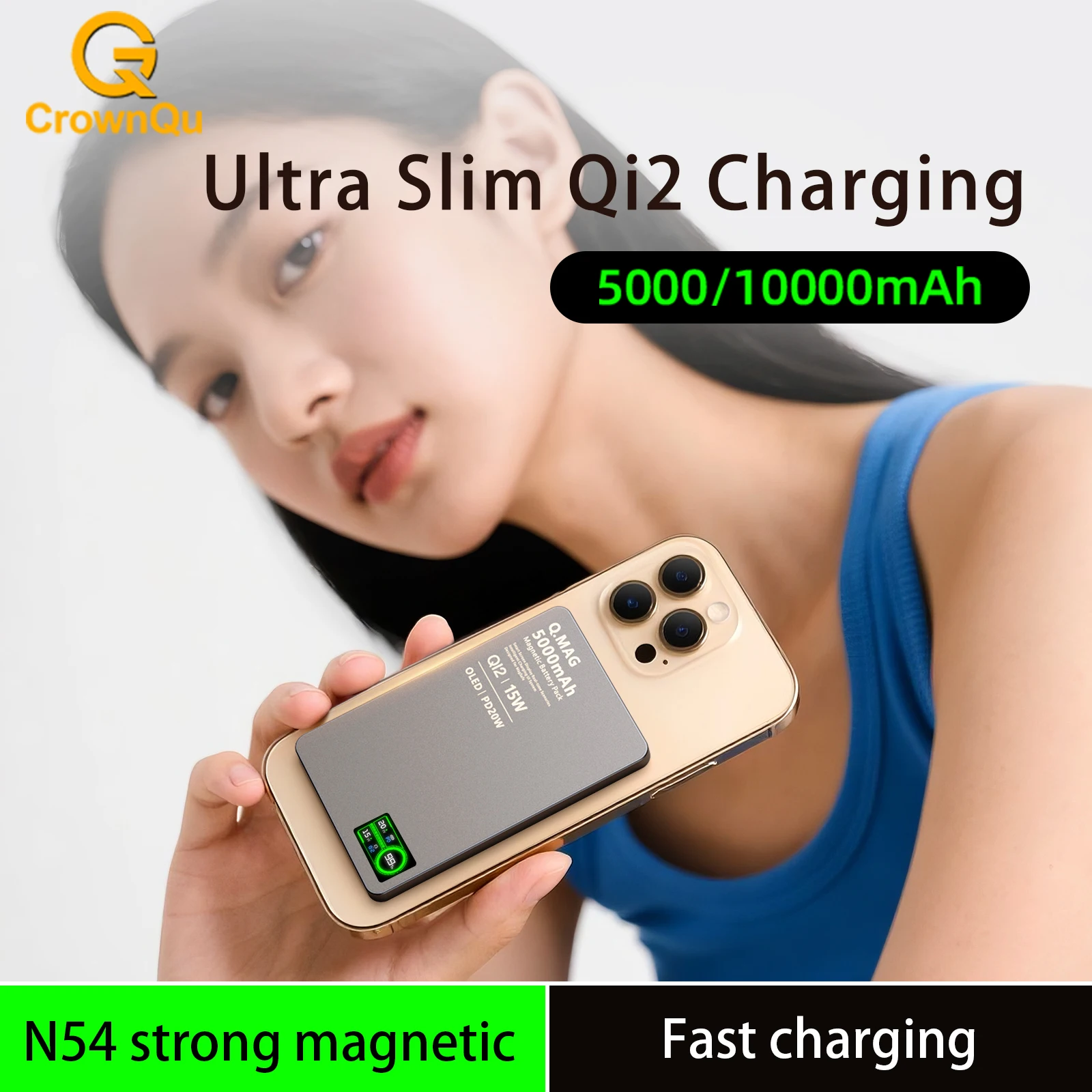
A magnetic power bank is a battery with a ring of magnets in its face. It clicks onto the back of the phone and charges it wirelessly, with no cable between them, so the phone and the power bank move as one. You can keep using the phone while it charges, hold it to your ear for a call, or slip the two into a pocket together. That makes magnetic power banks the easiest kind to use on the move.
Which phones they work with
A magnetic power bank holds onto a phone with magnets of its own: every iPhone from the iPhone 12 on, apart from the iPhone 16e, and phones with Qi2 magnets built in, including most Pixels from the Pixel 10 on. A phone that charges wirelessly but has no magnets, such as a "Qi2 Ready" Galaxy, needs a magnetic case or a stick-on magnetic ring to hold it. Many magnetic power banks come with a ring for that reason. A phone with no wireless charging at all cannot charge from the magnetic side, though most magnetic power banks also have a USB-C socket for a cable. Magnetic power banks sold to fit iPhones are sold as MagSafe-compatible: they fit Apple's magnets, and are not made or approved by Apple.
What to know before you buy
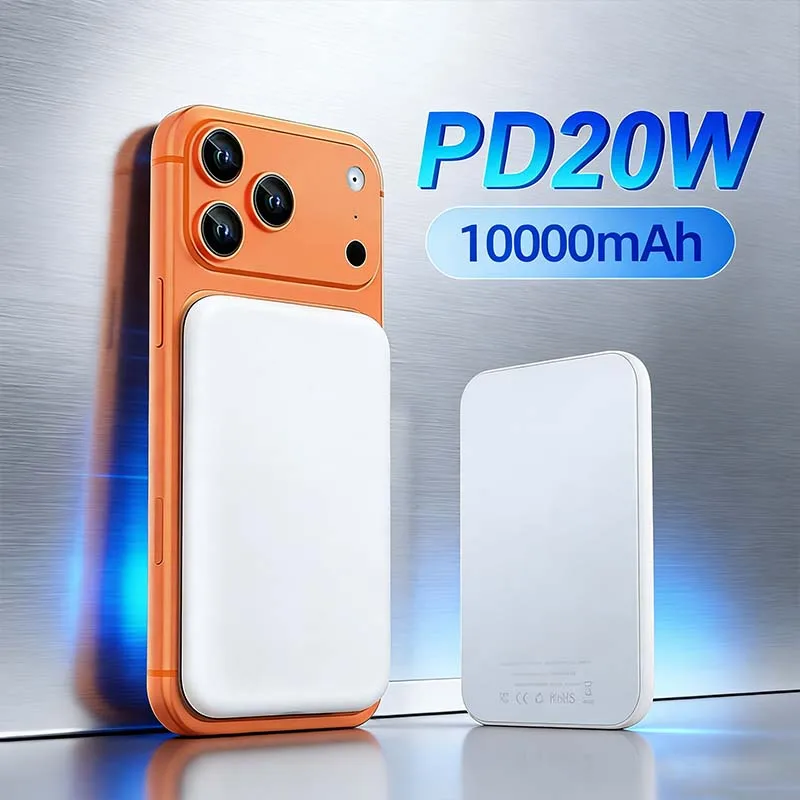
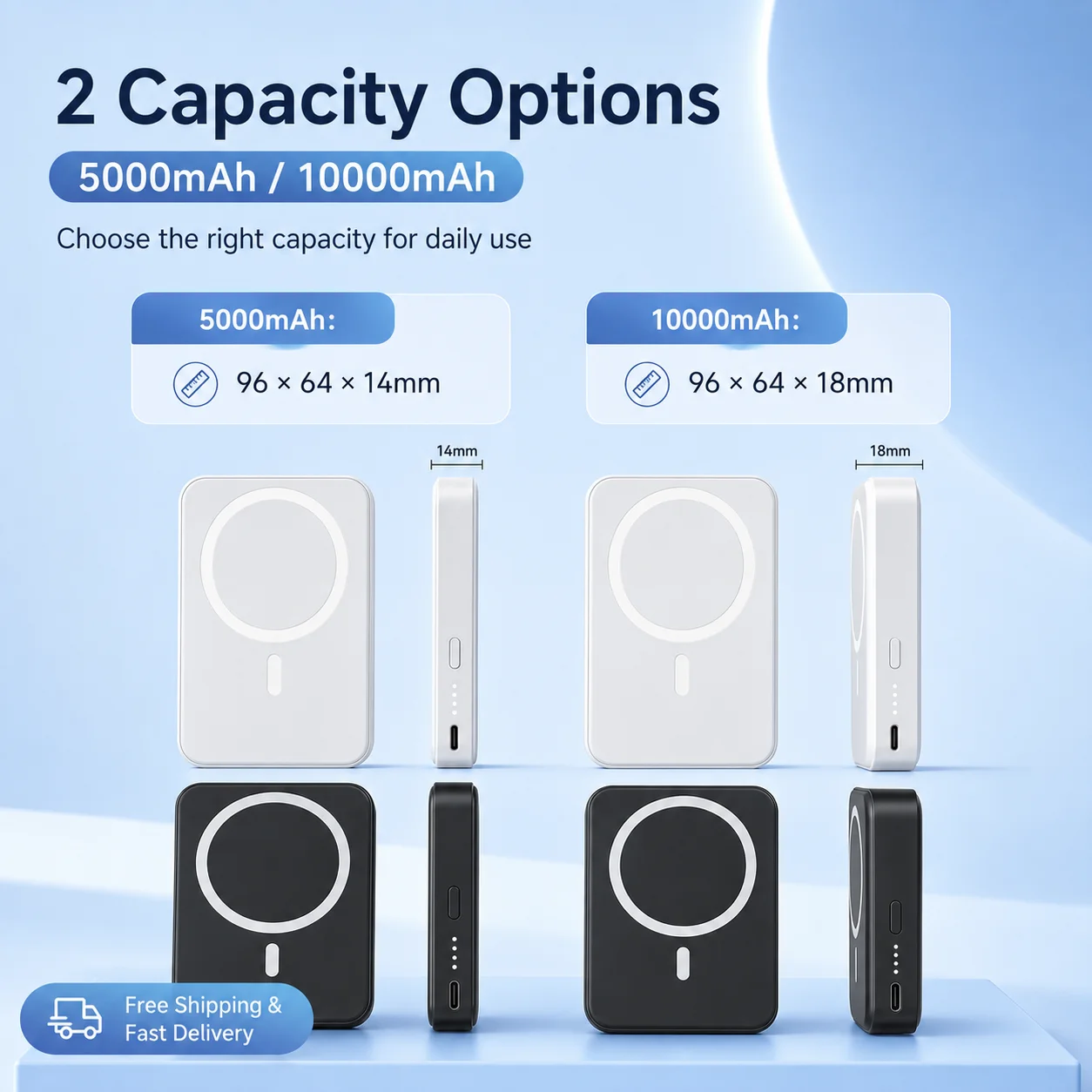
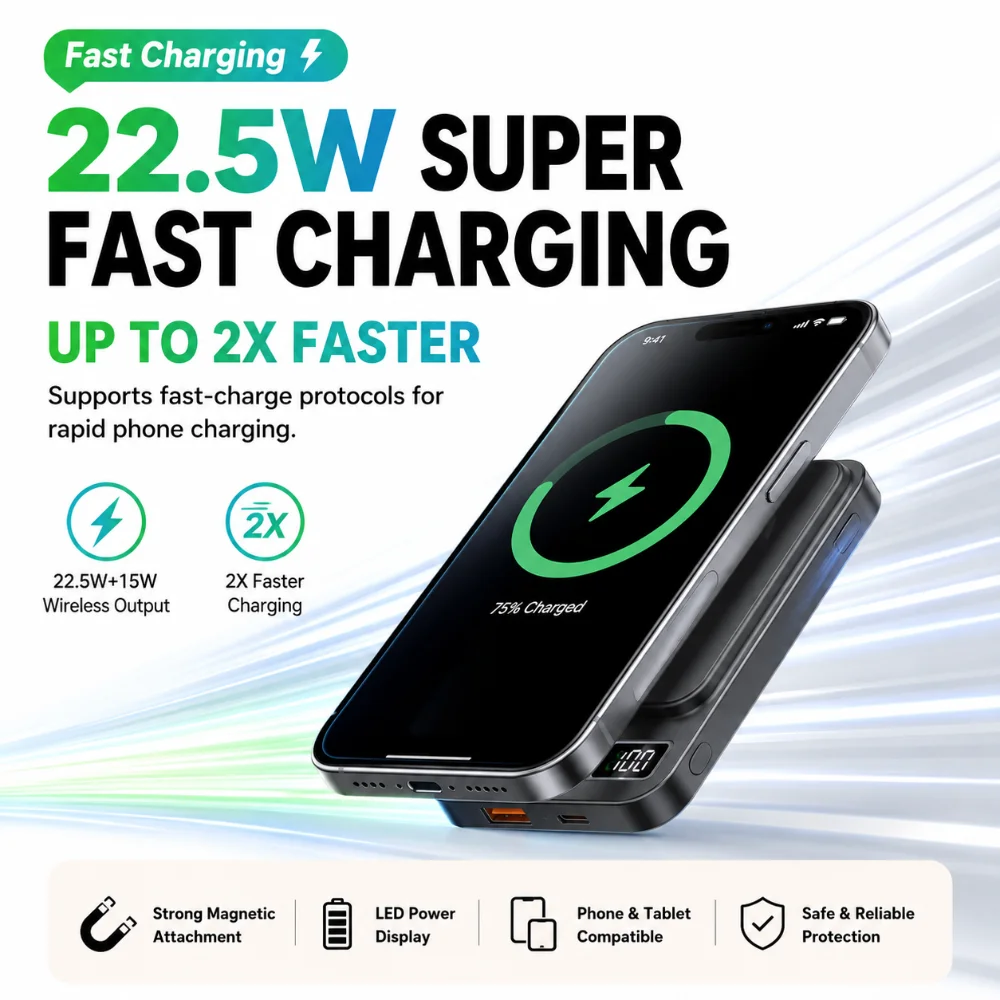
Wireless charging loses more energy as heat than a cable does, so a magnetic power bank gives fewer charges than its mAh suggests, and it charges more slowly. Use its USB-C socket with a short cable when you want the most from it. Think about weight, too: a power bank hanging off the back of a phone is felt in the hand, so for a magnetic one a smaller size is often more comfortable than the largest.
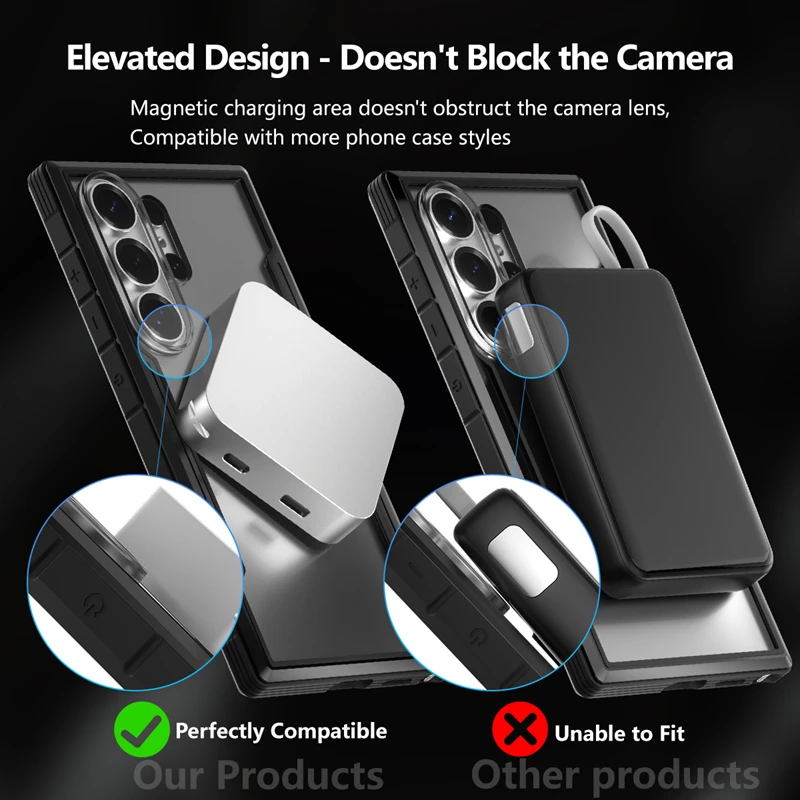
Your case matters as well. An ordinary case weakens the magnetic hold, and a thick one may stop it. A magnetic case keeps the grip firm. Take a card wallet off before the power bank goes on: Apple and Samsung both warn that a wireless charger's field can damage bank cards and key fobs.
Questions people ask about magnetic power banks
Can I take one on a plane?
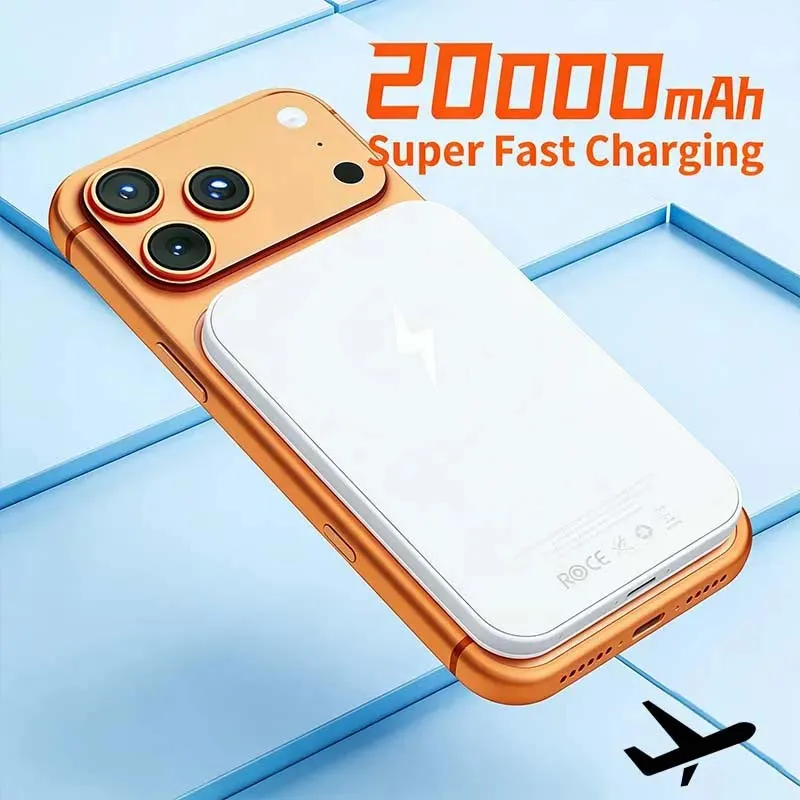
Power banks travel in your hand luggage, never in a checked bag, and the UK Civil Aviation Authority allows two per passenger. They must not be recharged on board, and each should sit in a pouch or its packaging so its sockets cannot touch keys or coins. The limits are in watt-hours: under 100Wh is allowed in the cabin, 100Wh to 160Wh needs the airline's approval, and over 160Wh is not allowed in passenger baggage. Check your airline's own rules as well, as some are stricter.
Is it safe?
Never charge a swollen, damaged or hot power bank. Stop using one that bulges, cracks, smells odd, smokes or gets too hot to hold, and do not take it apart. Charge it uncovered on a hard surface, not on a bed or inside a bag, and unplug it once it is full: Electrical Safety First advises against charging power banks overnight or while you are out. An old power bank goes to a battery recycling point, never the household bin.
More to look at