Everything that charges a phone
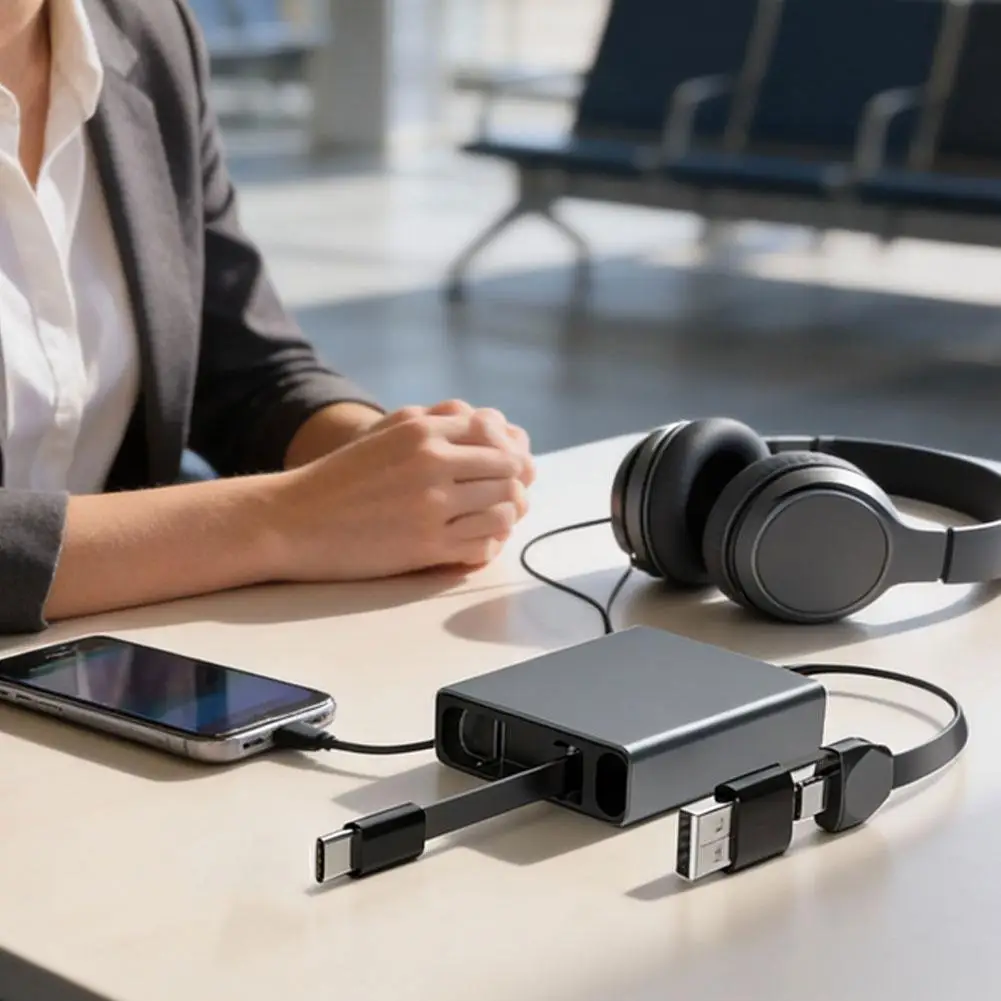
Keeping a phone charged takes more than one thing: a cable with the right plug at each end, a charger for the wall or the car, perhaps a wireless pad by the bed and a power bank for a long day out. This department brings all of that together, in seven parts.
The seven parts of this department
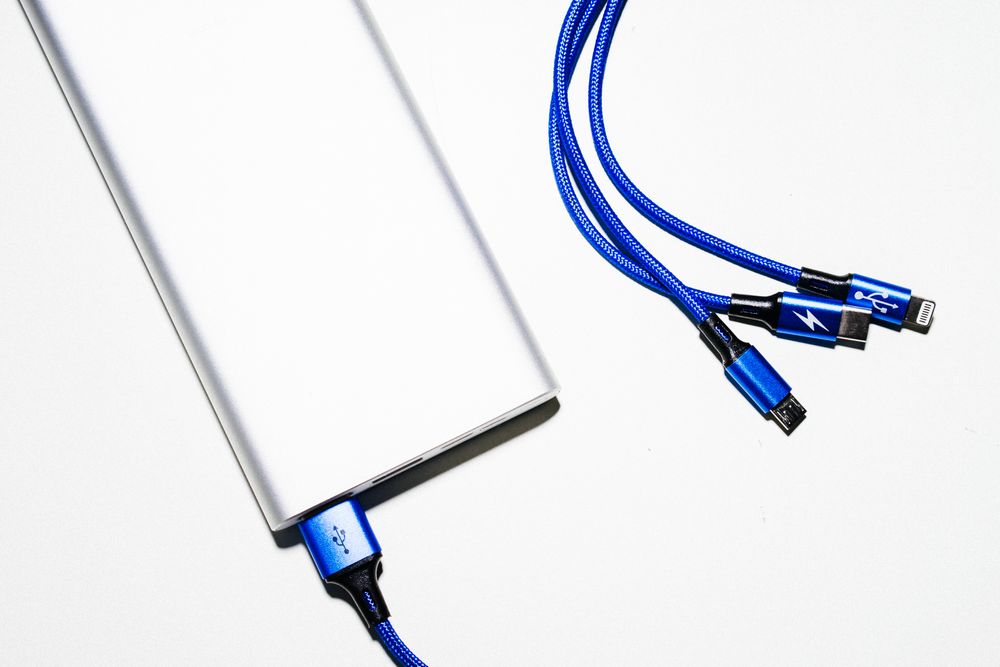
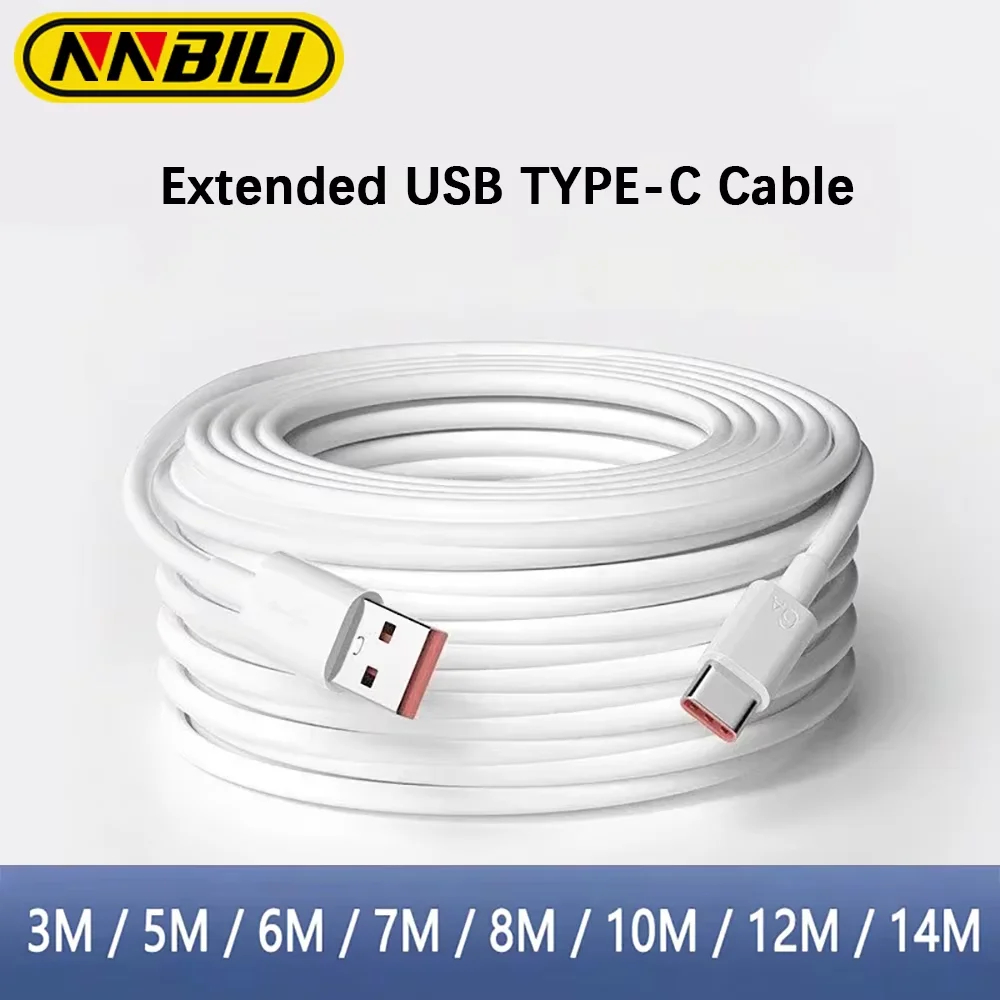
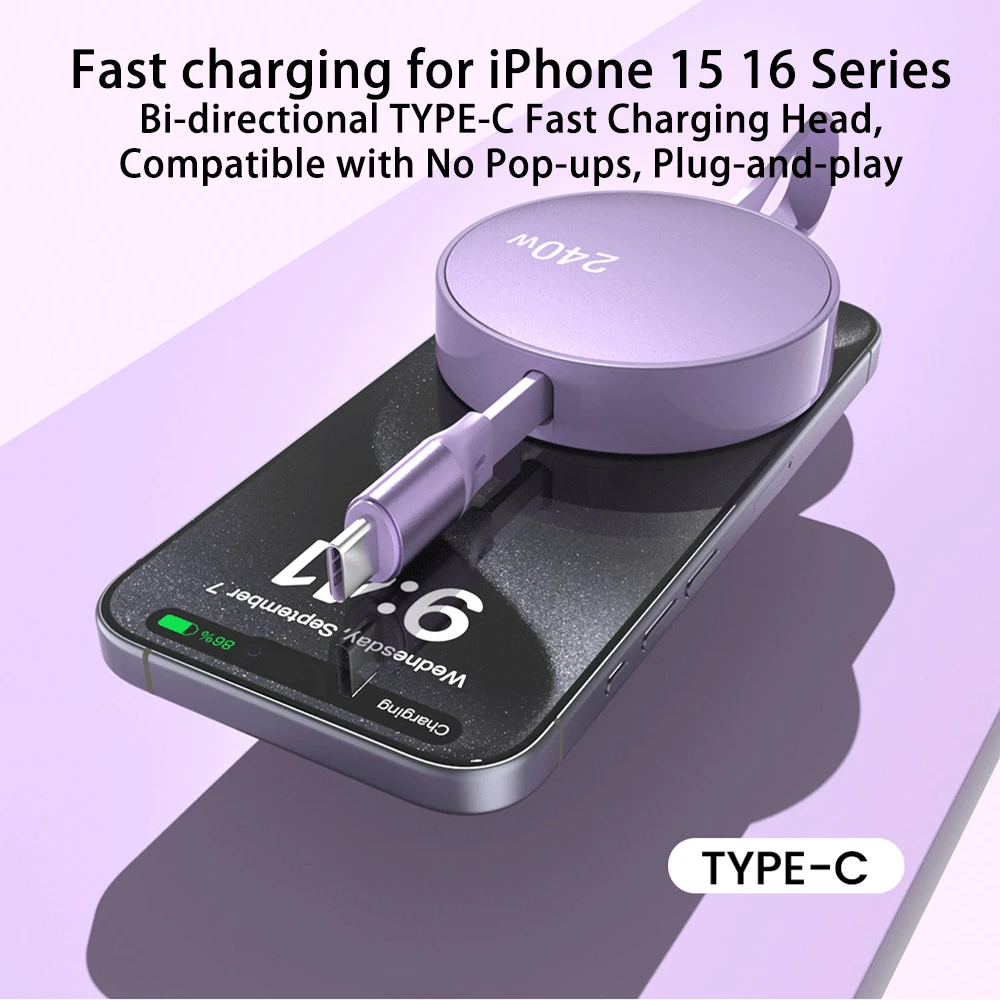
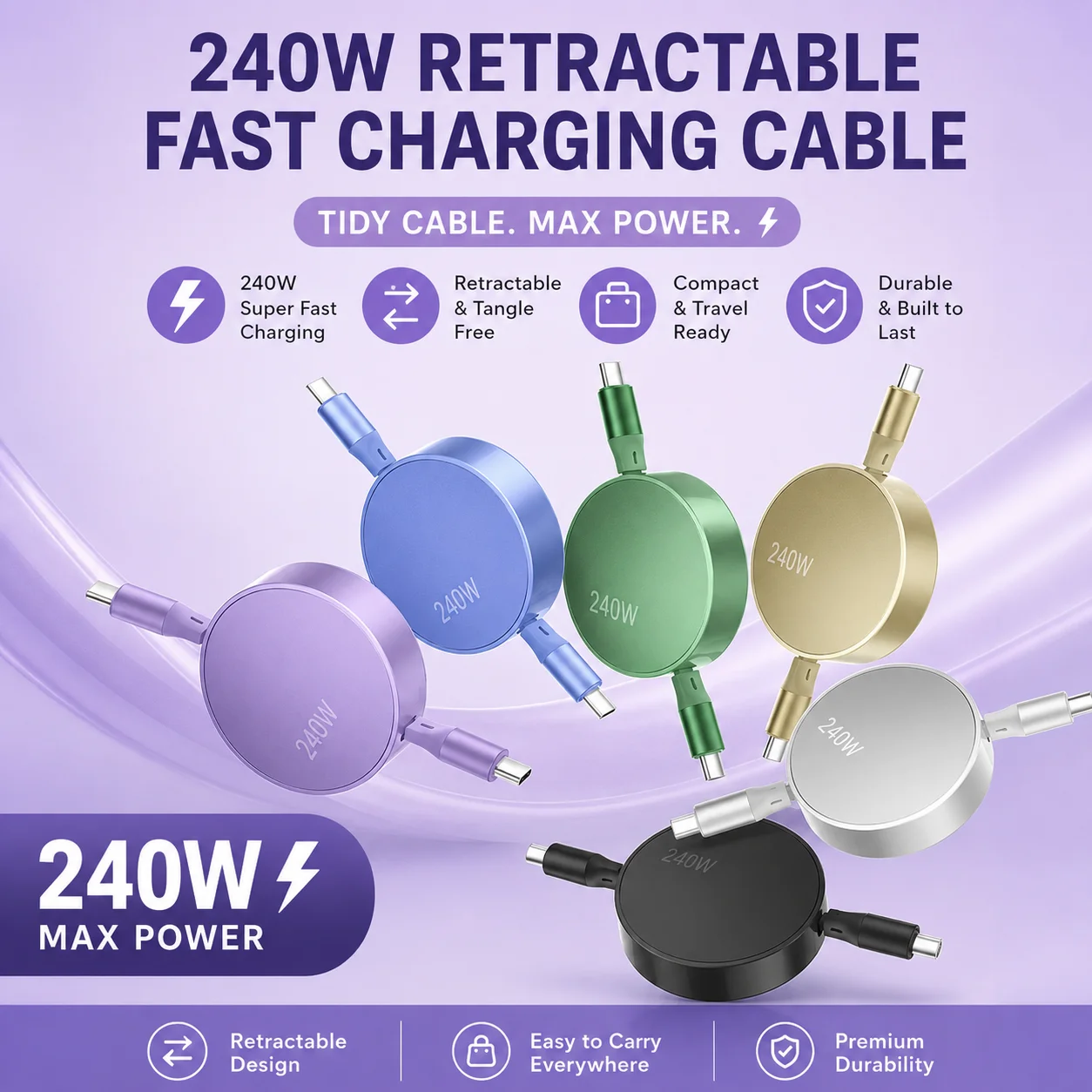
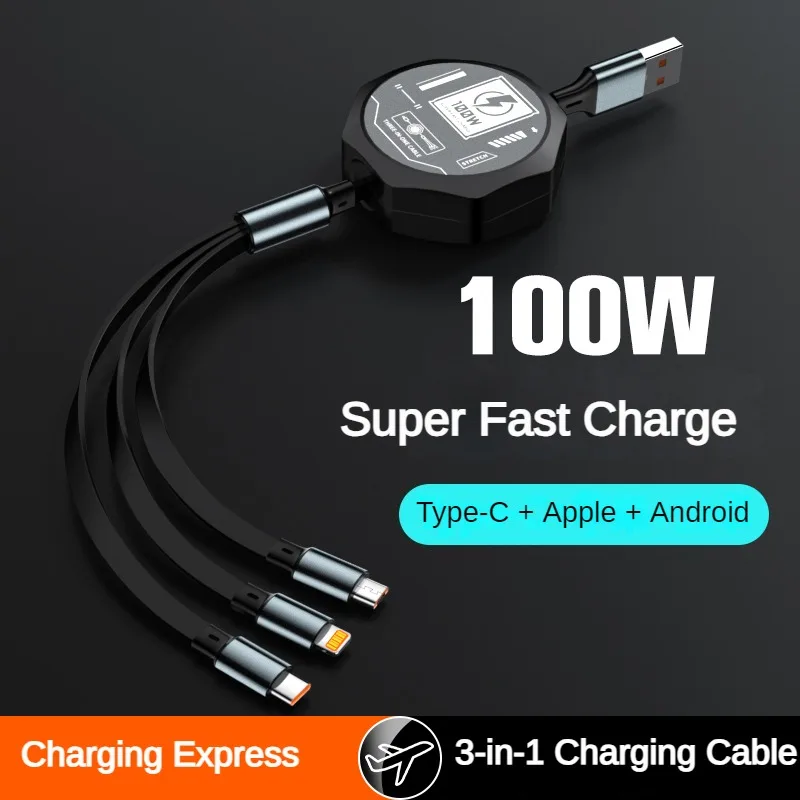
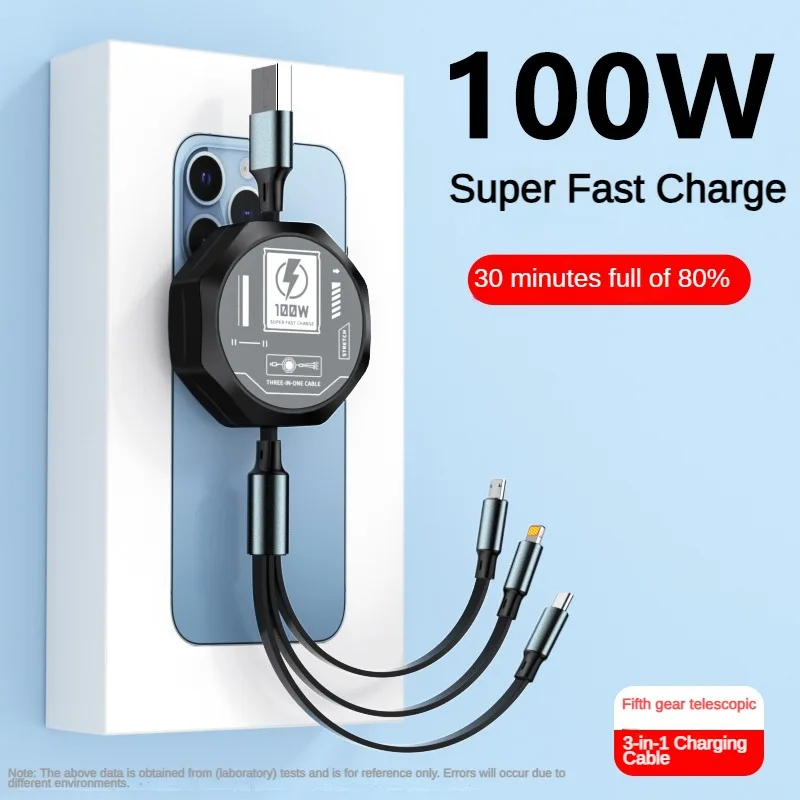
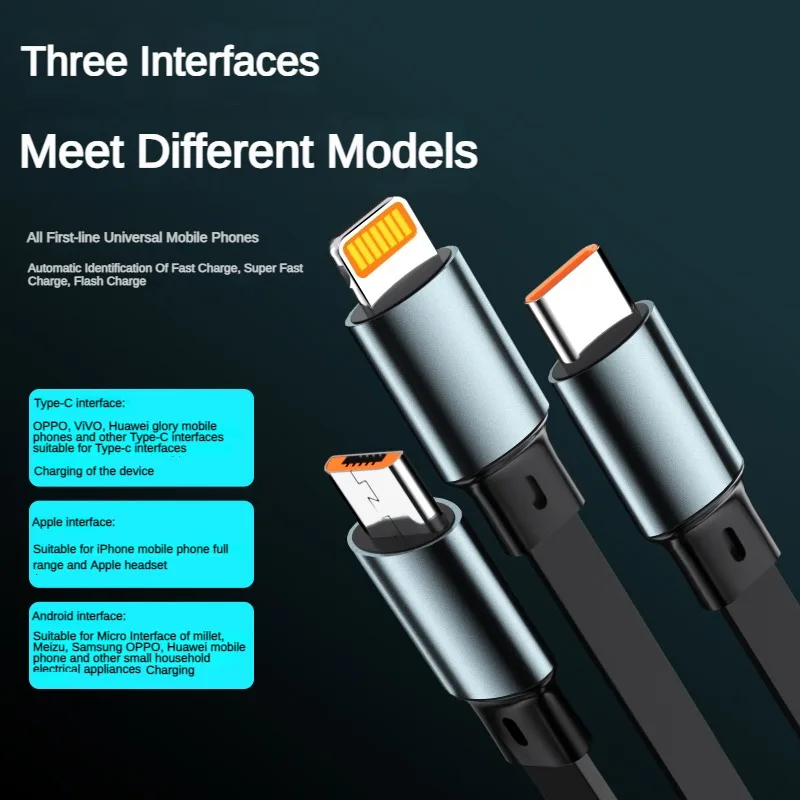
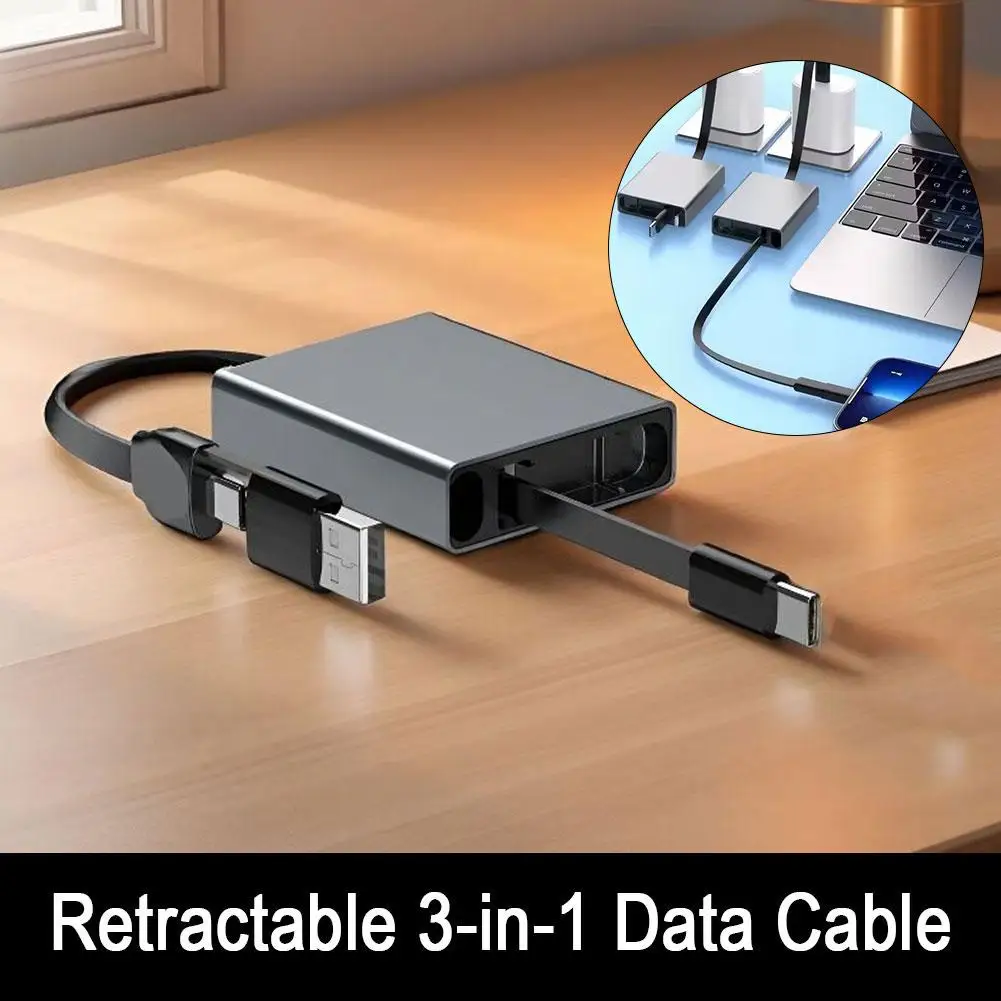
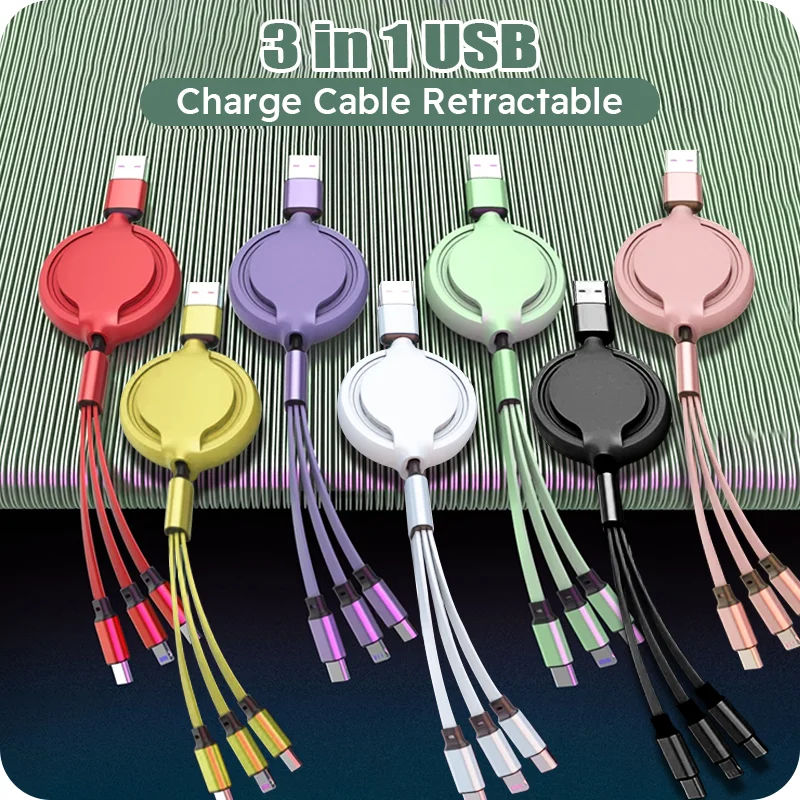
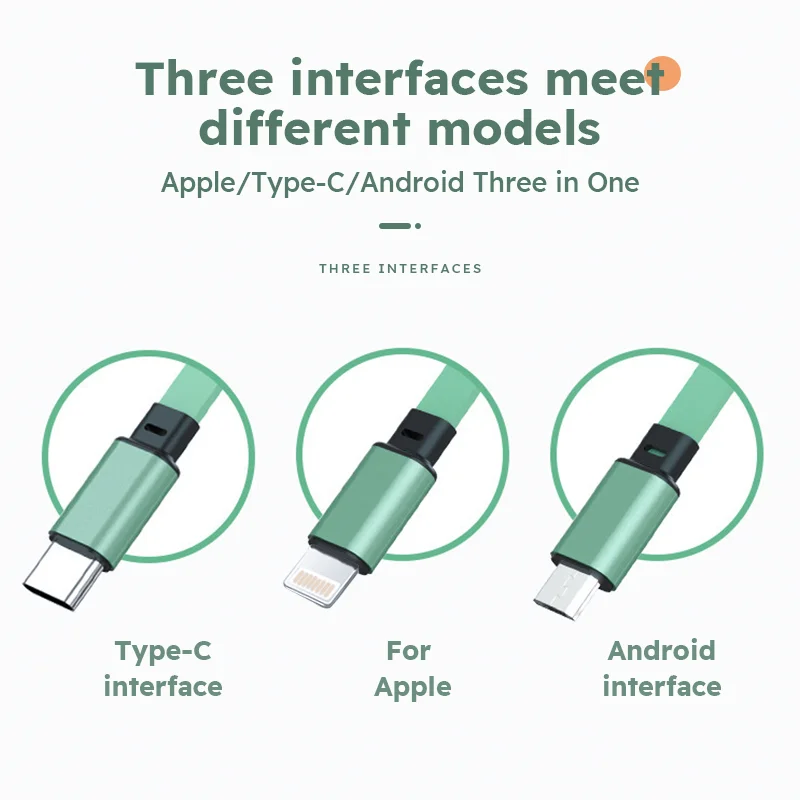
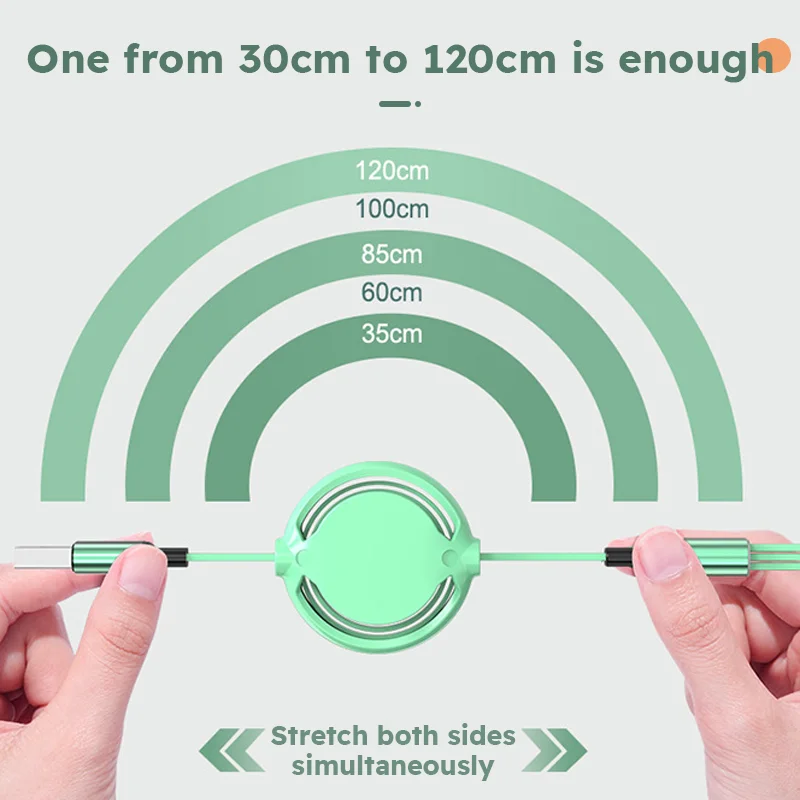
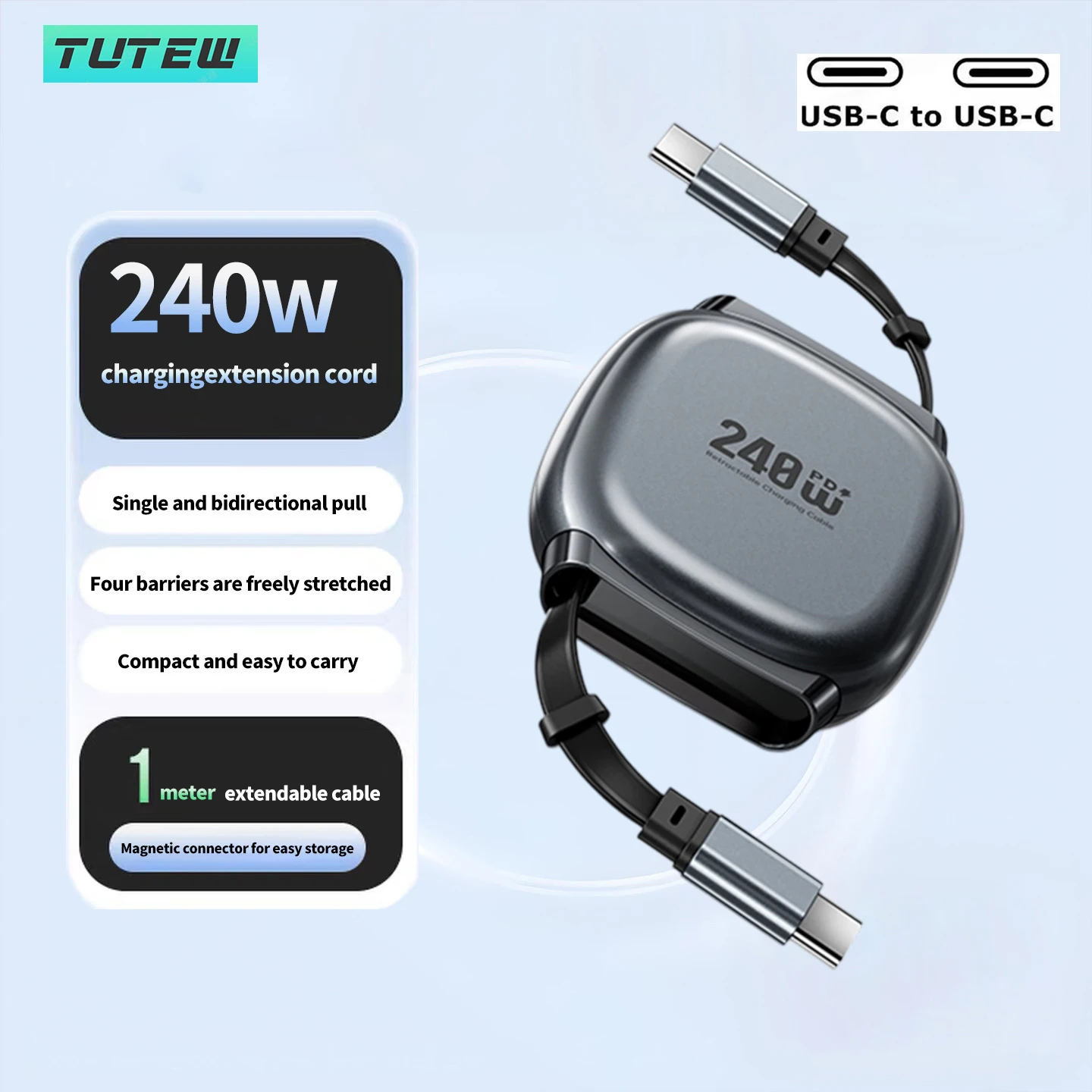
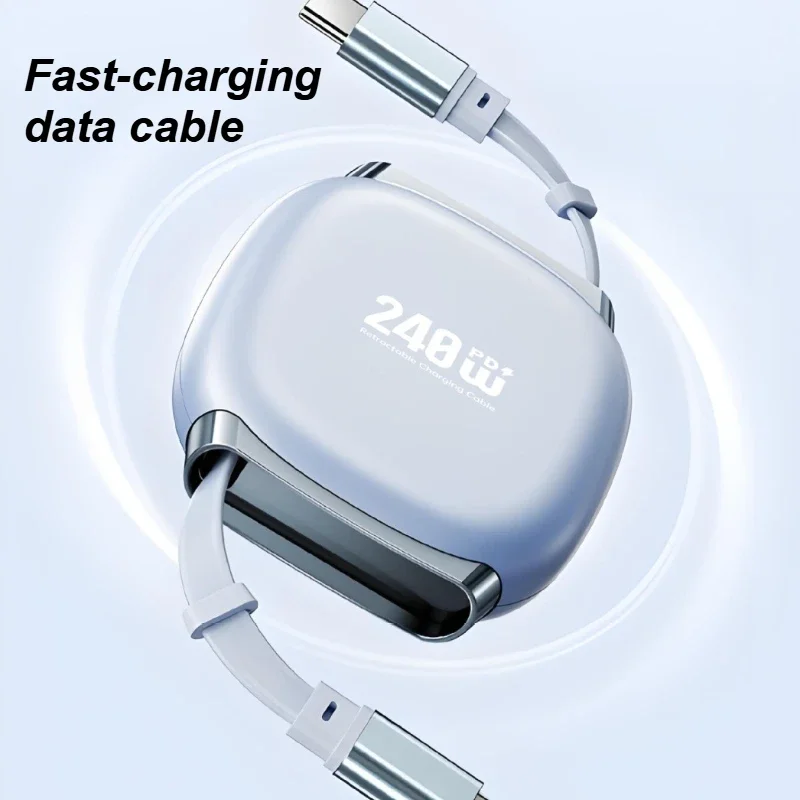
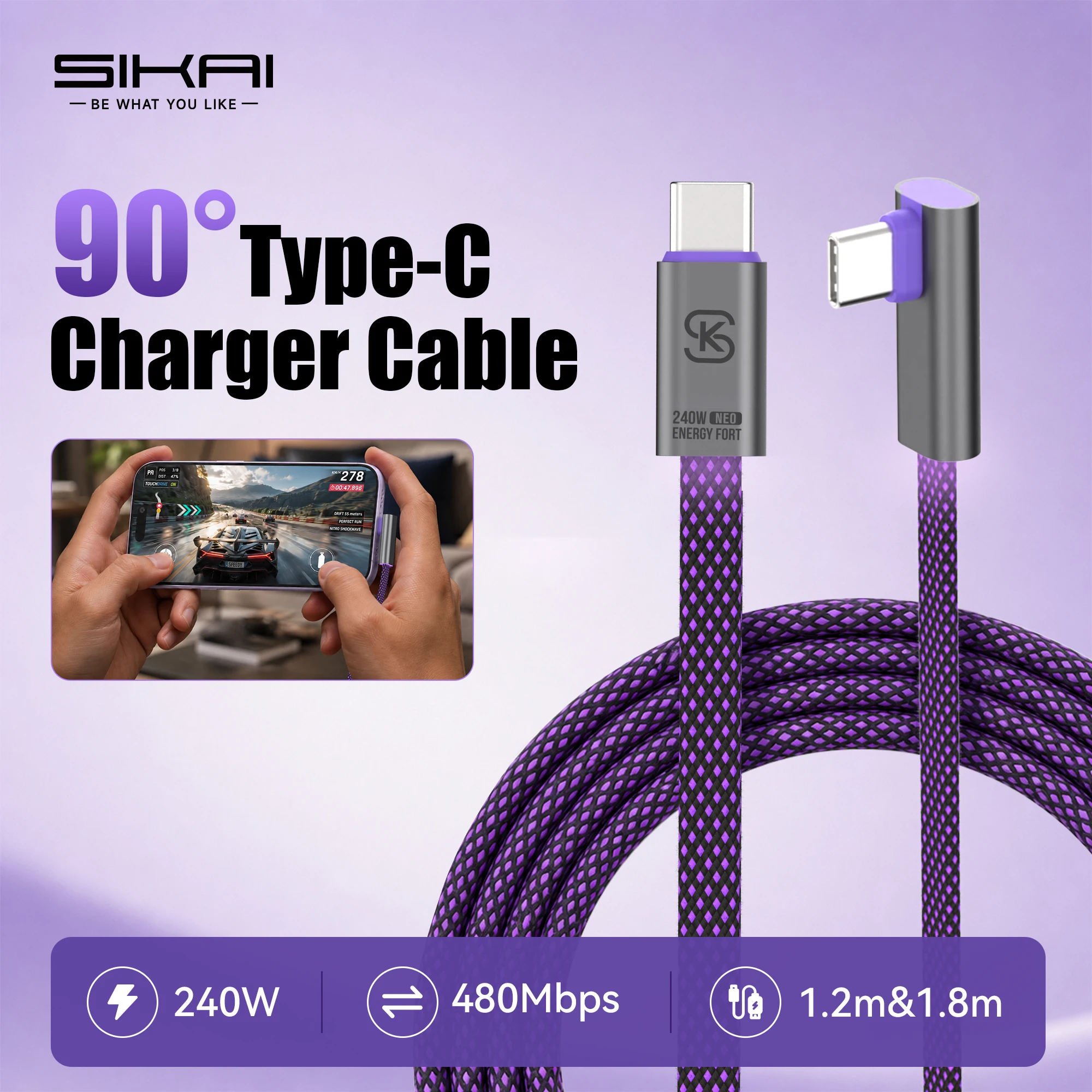
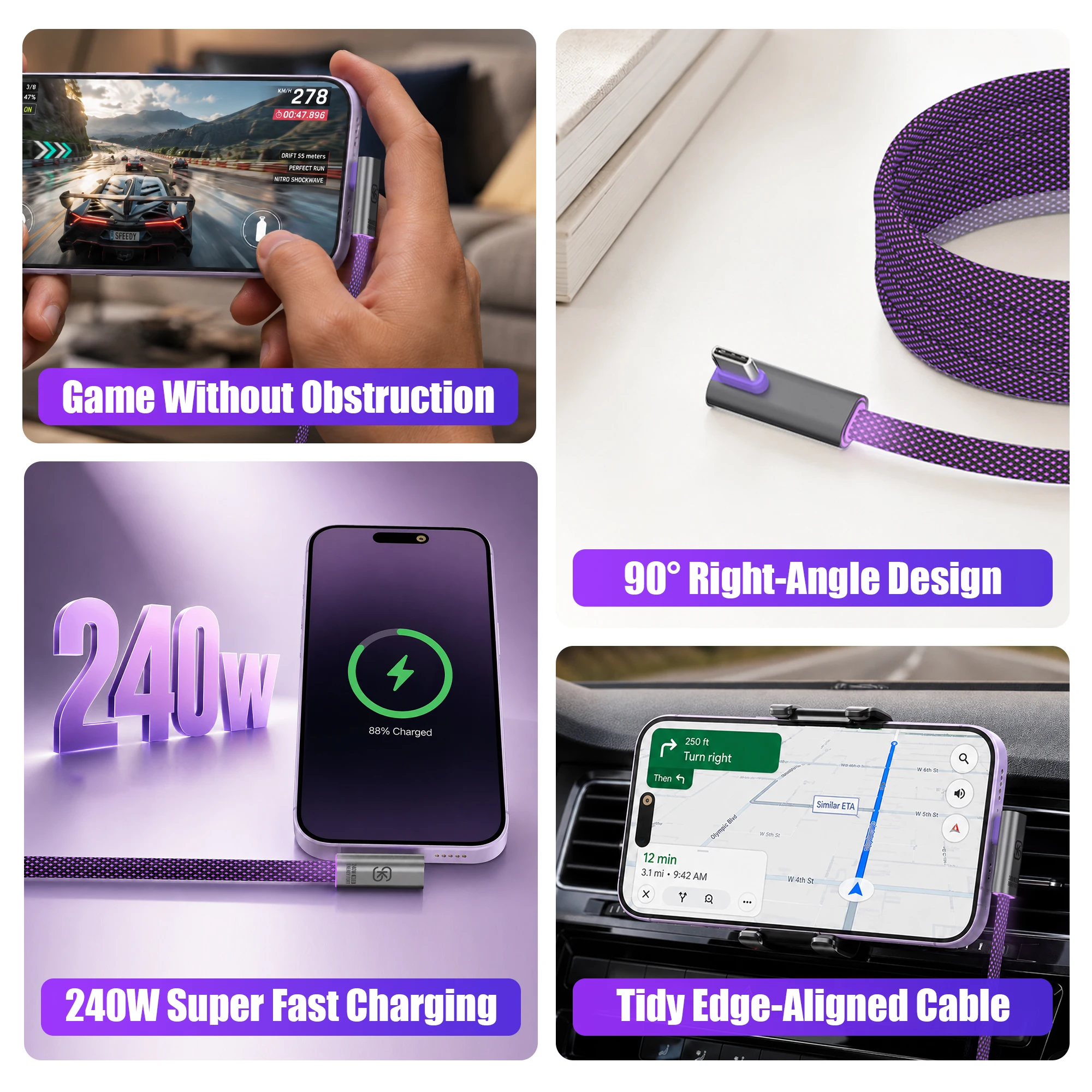
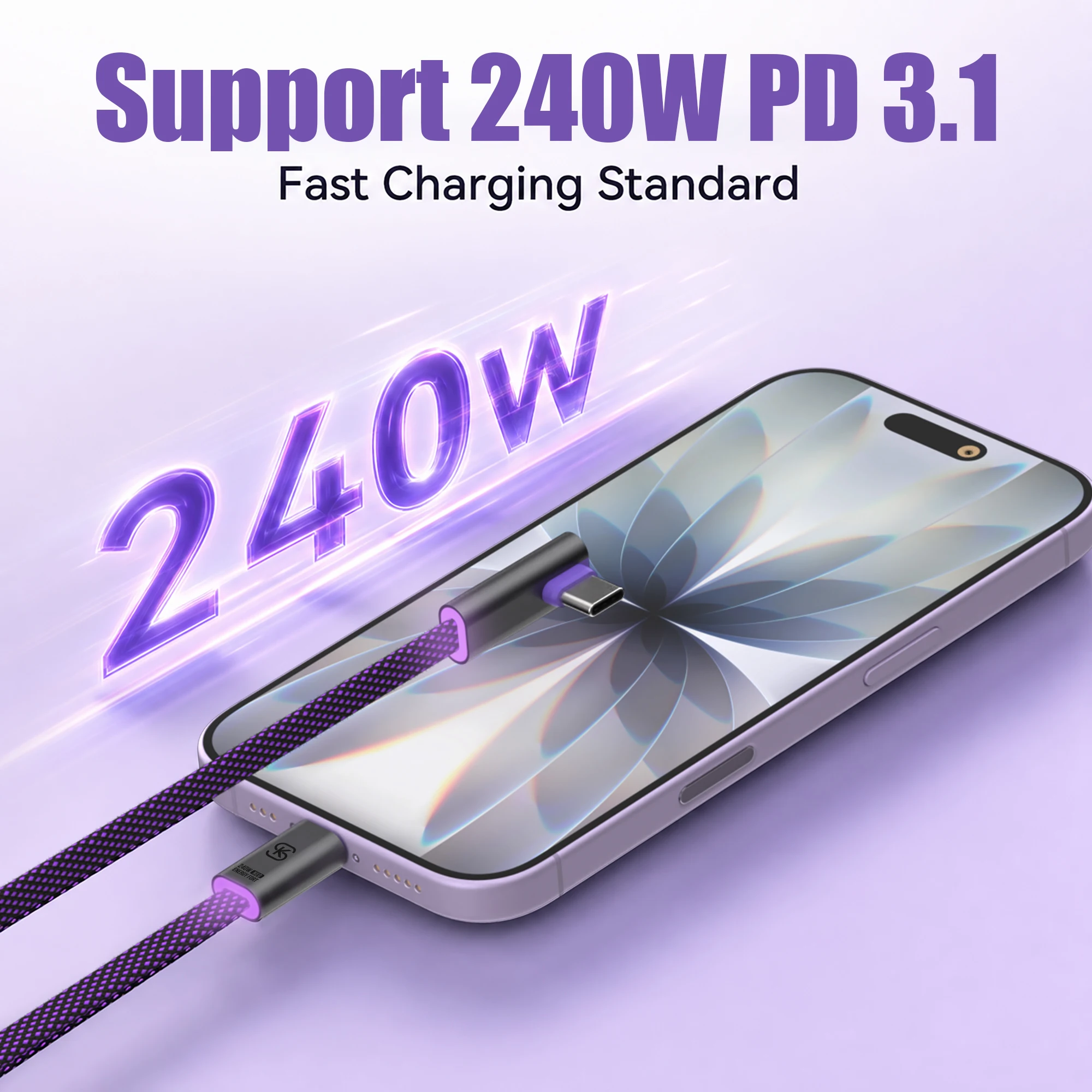
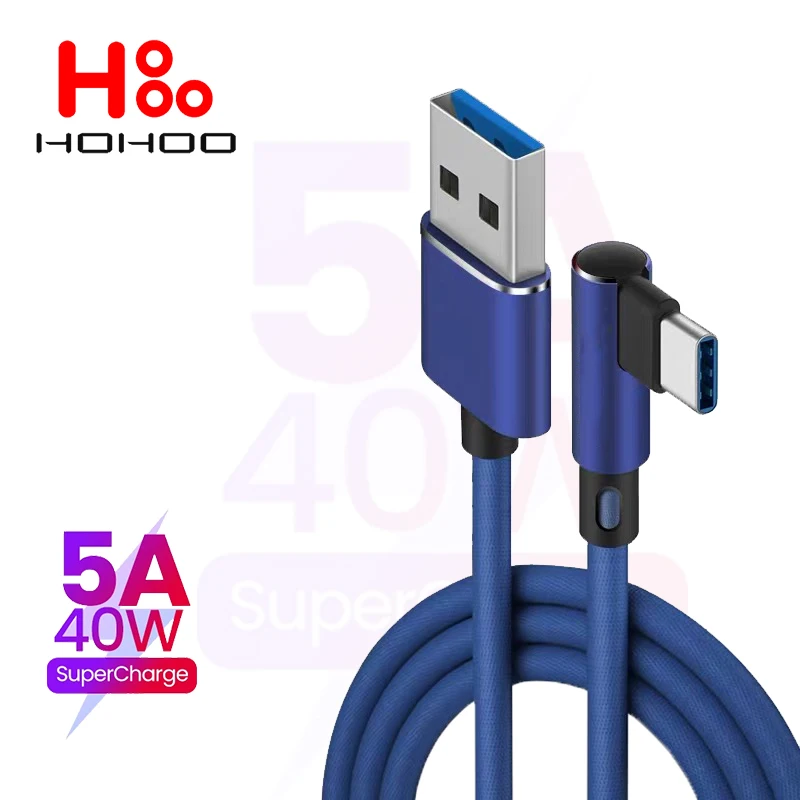
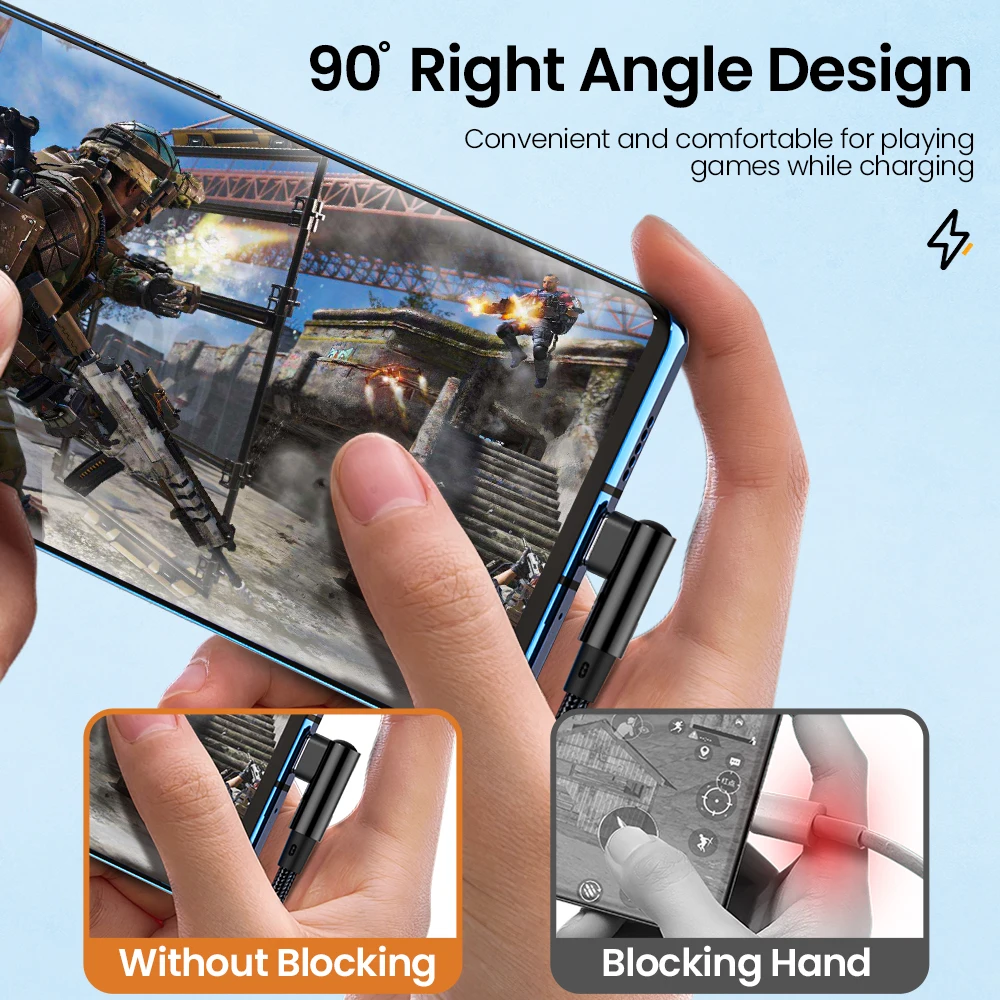
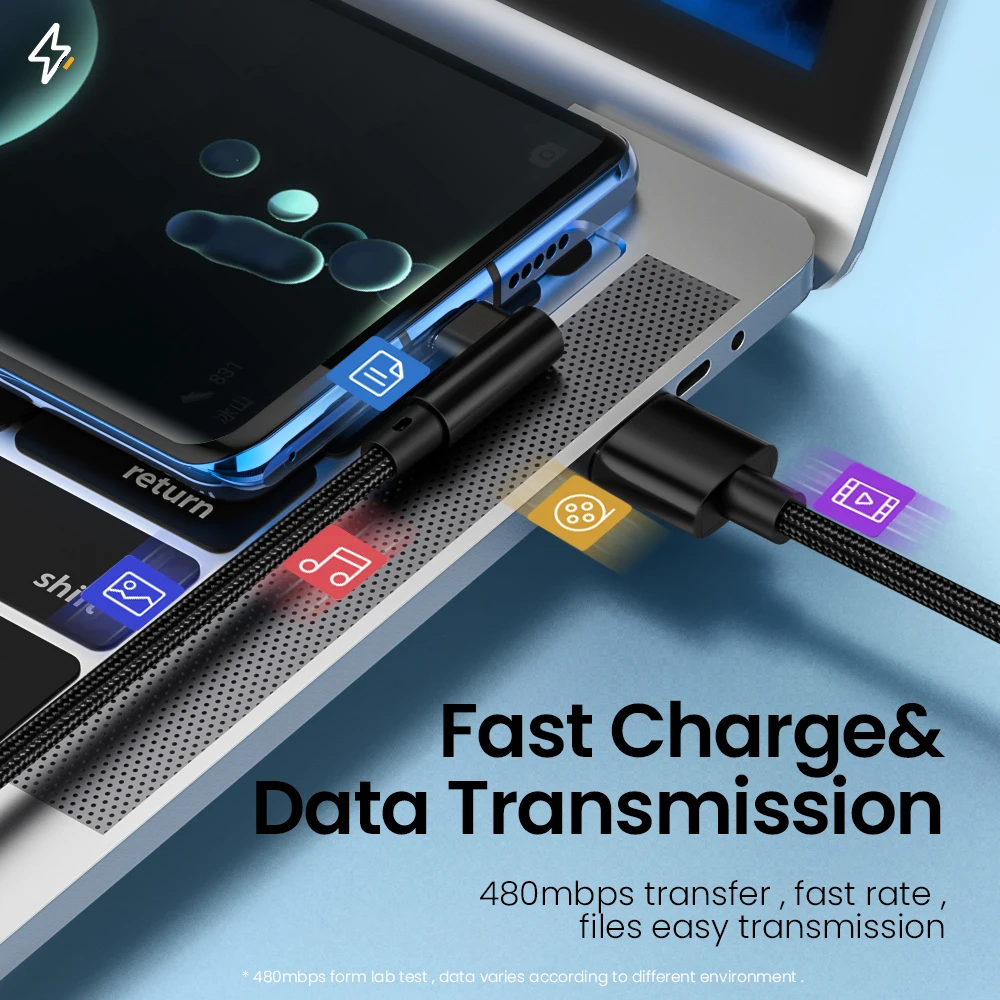
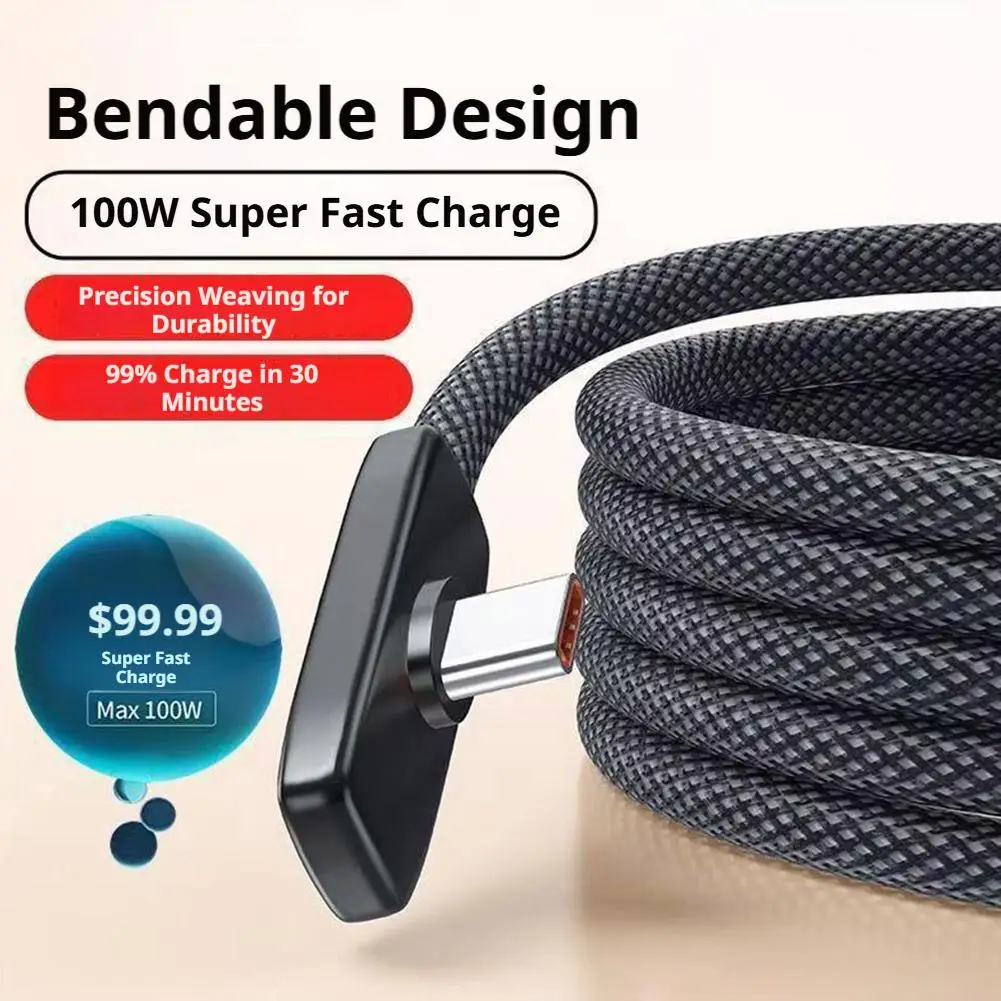
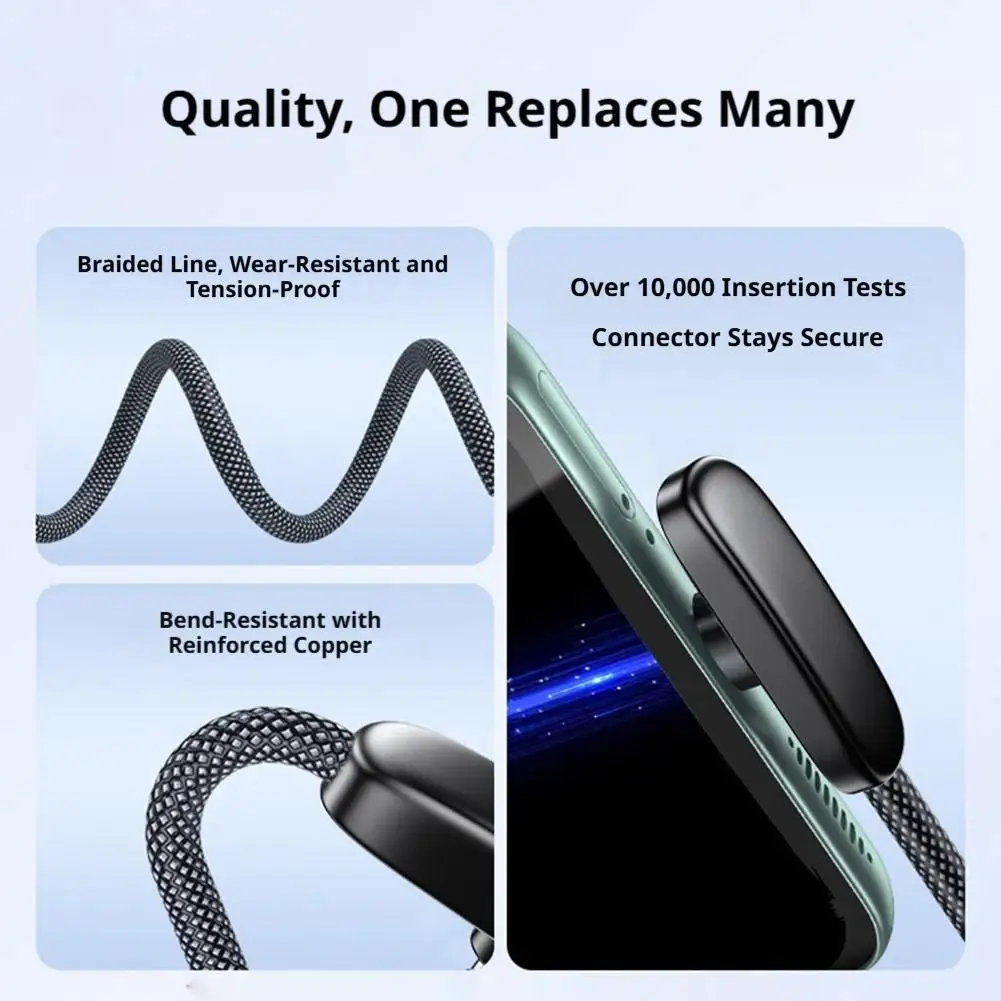
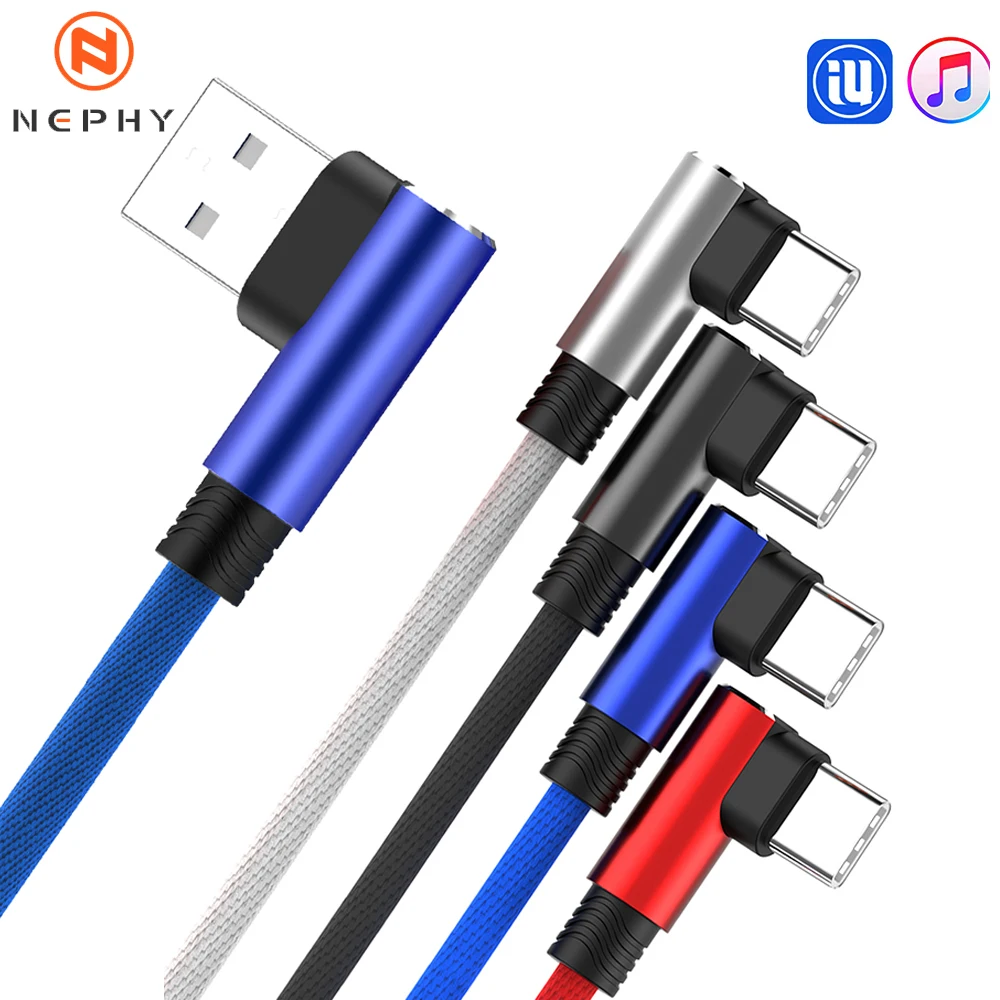
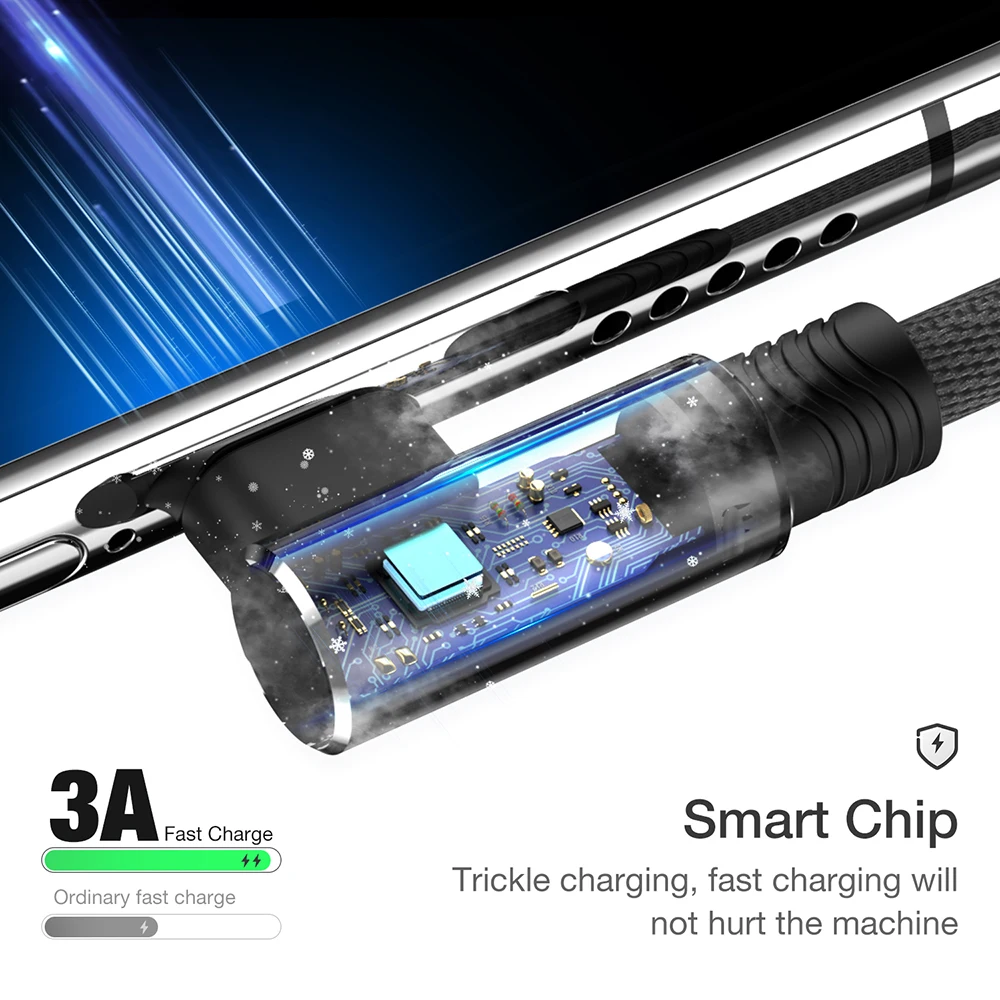
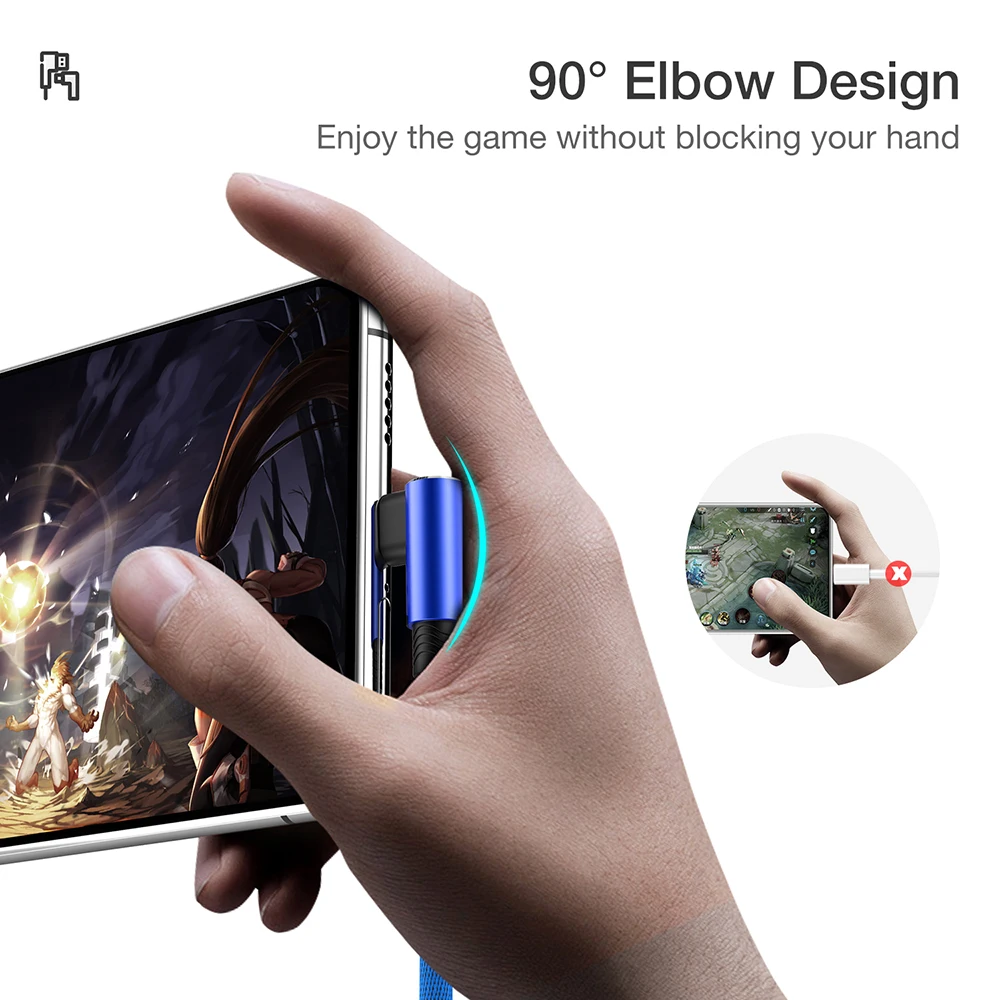
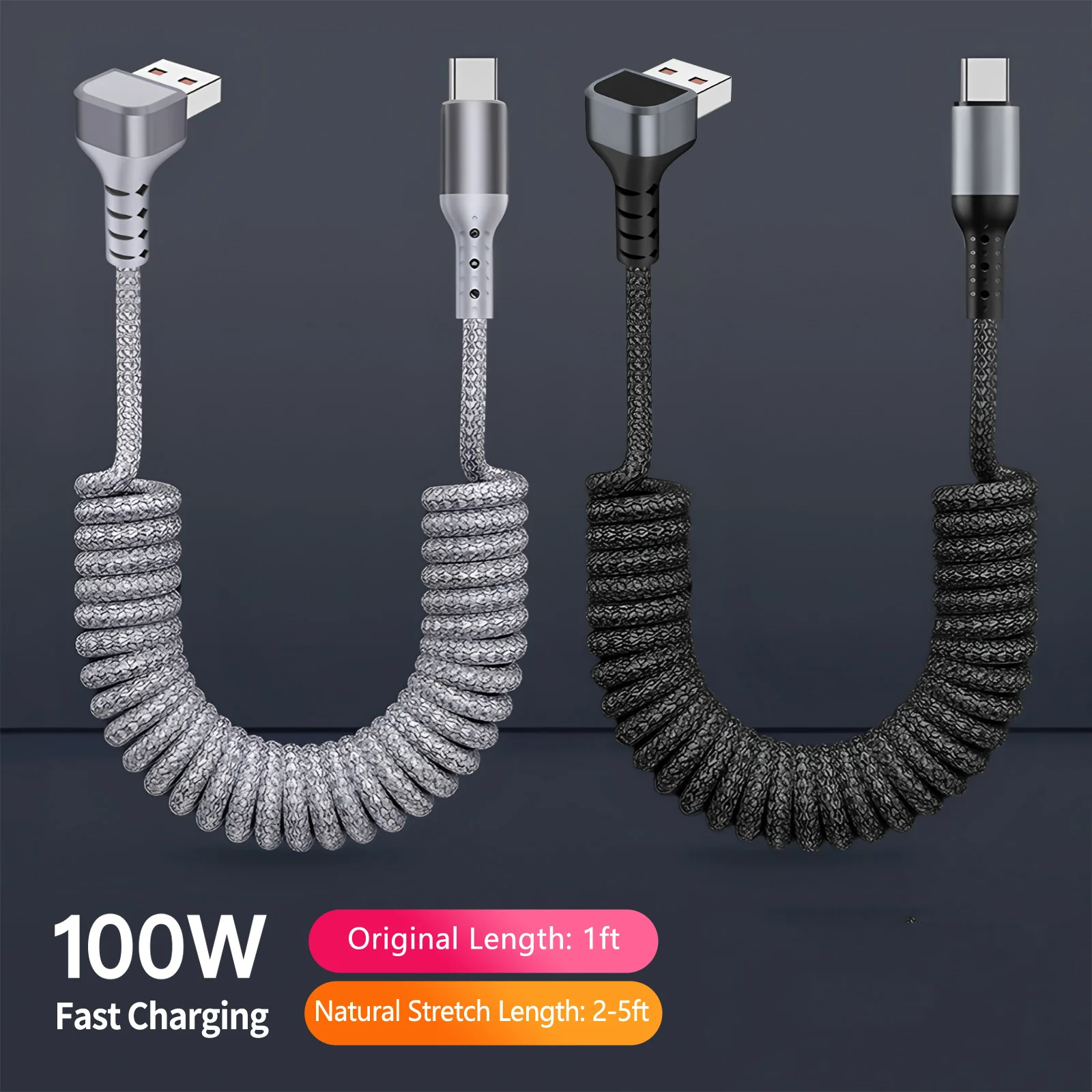
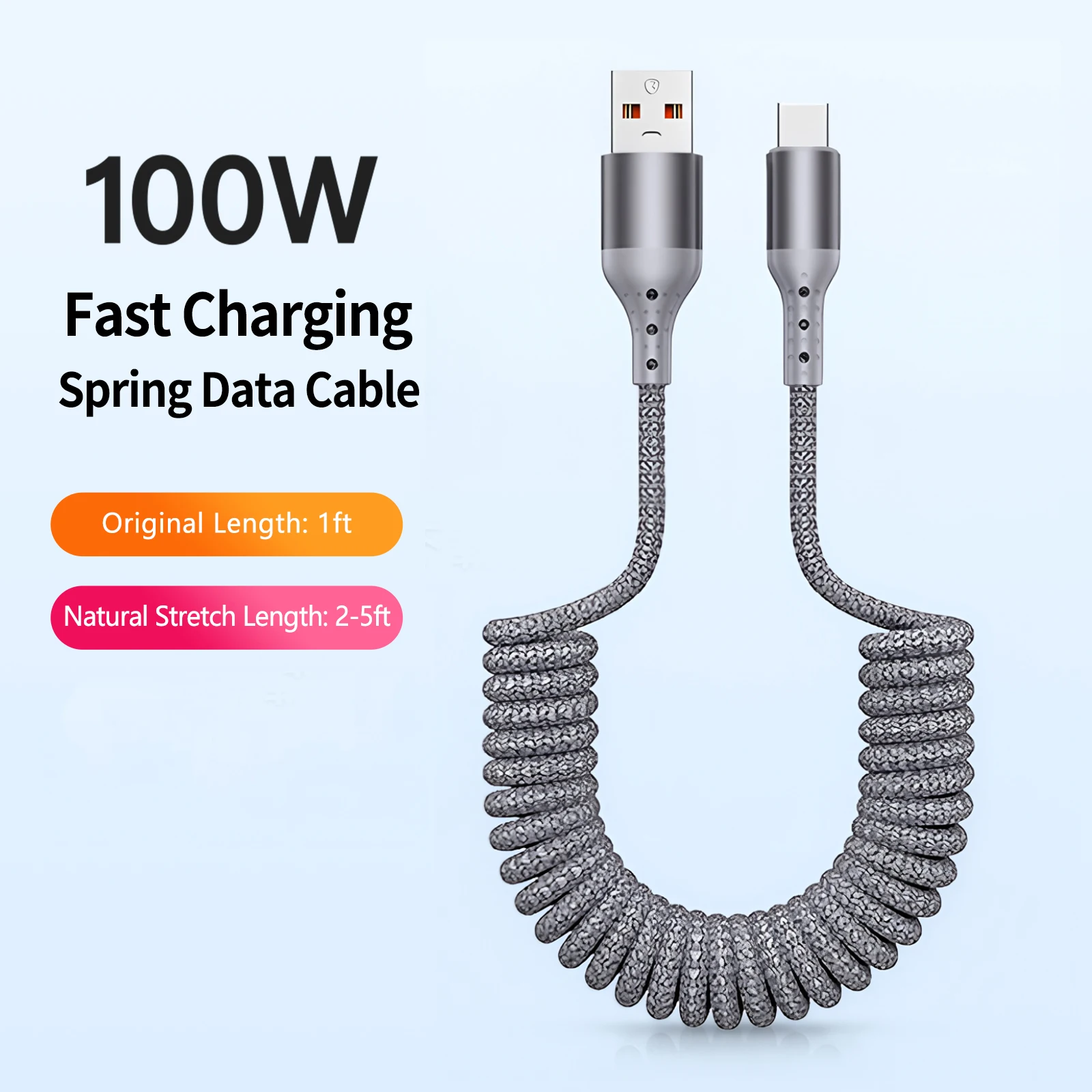
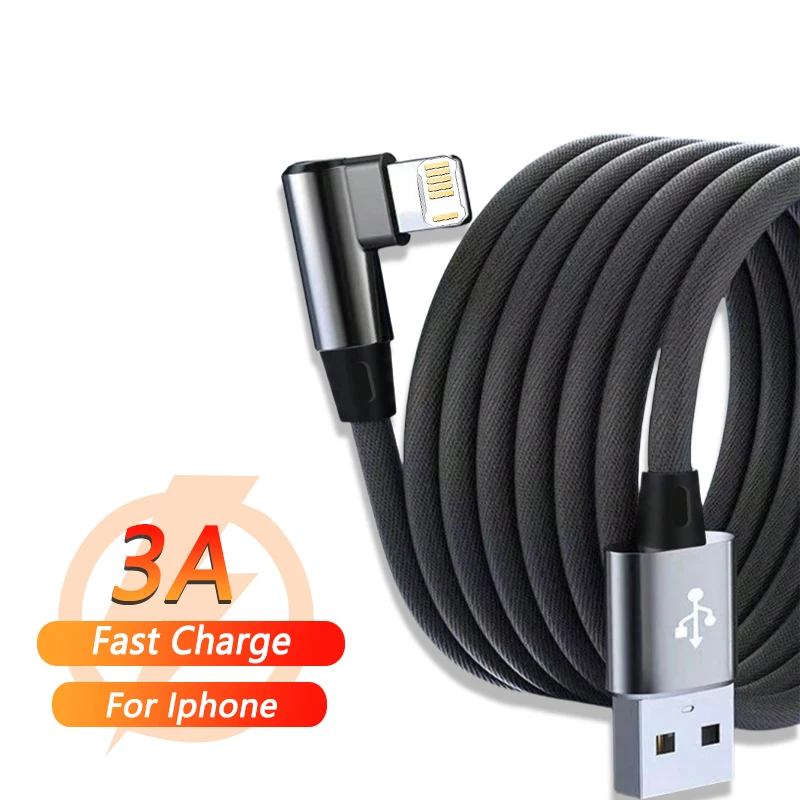
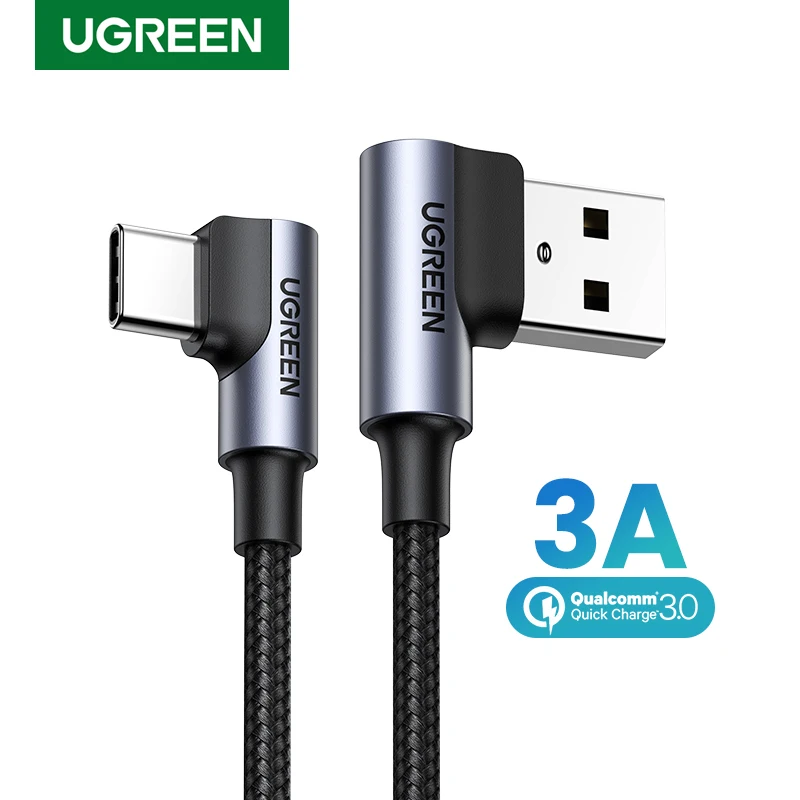
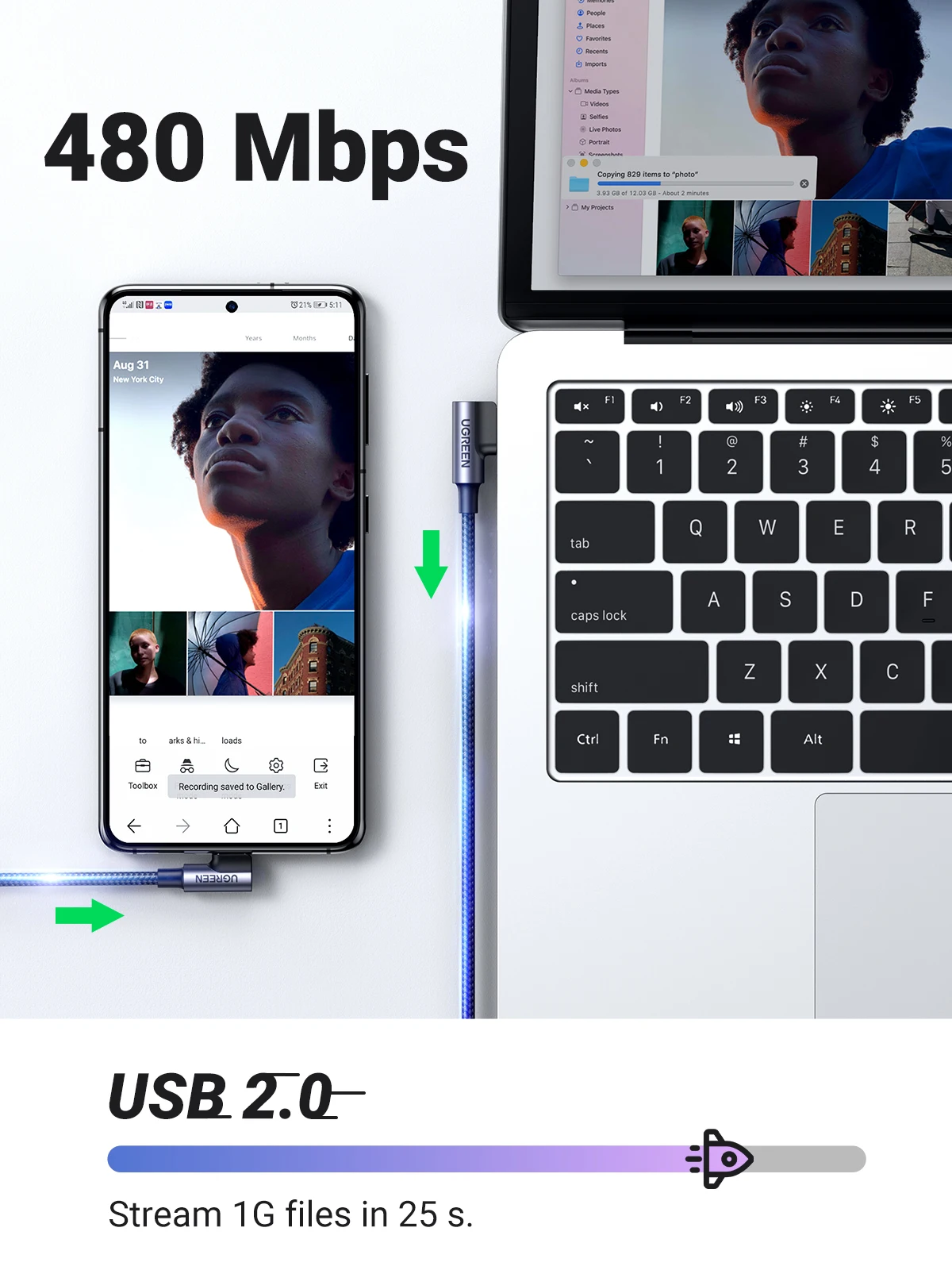
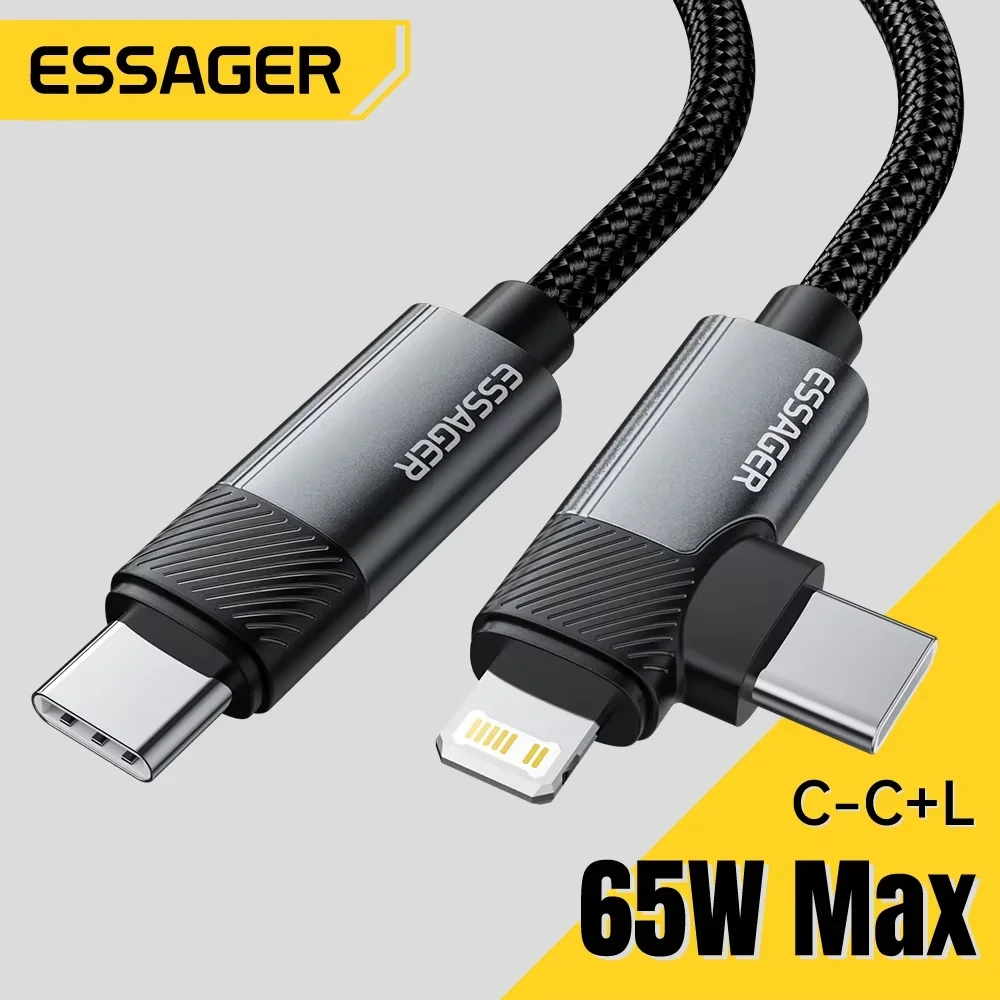
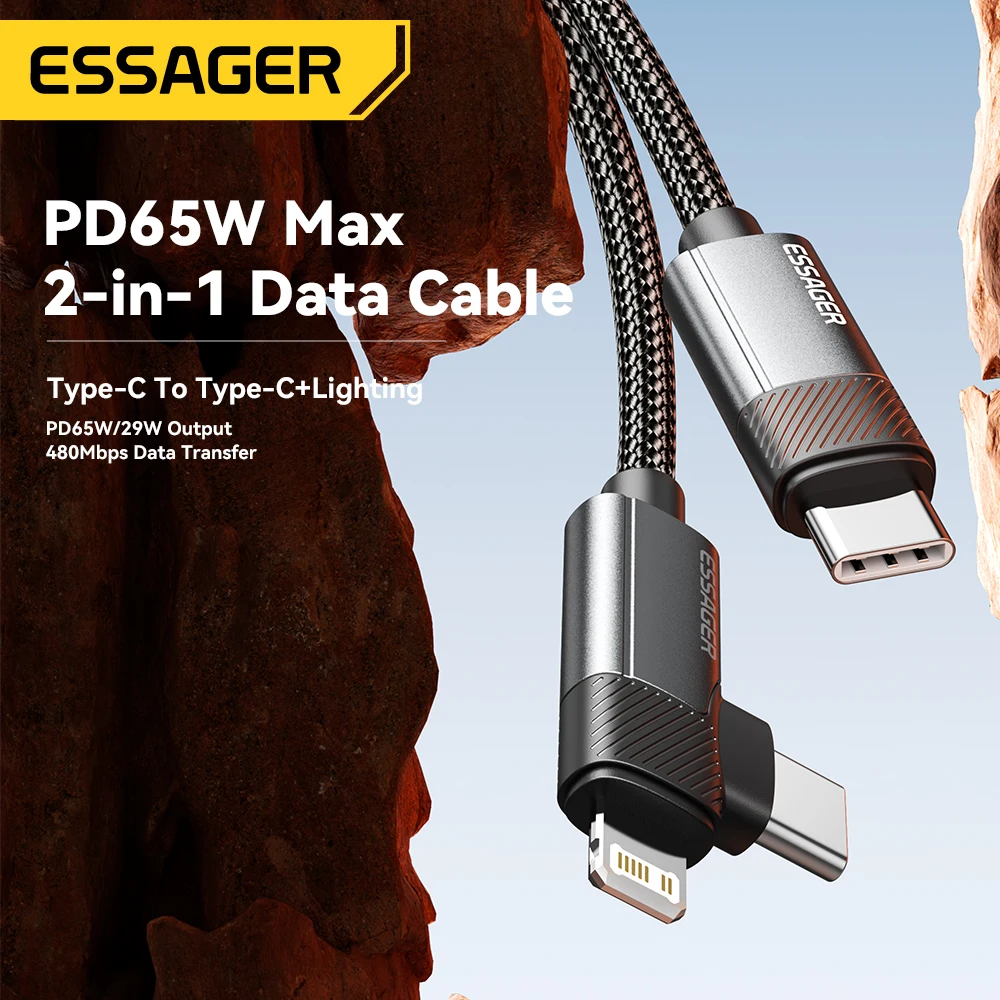
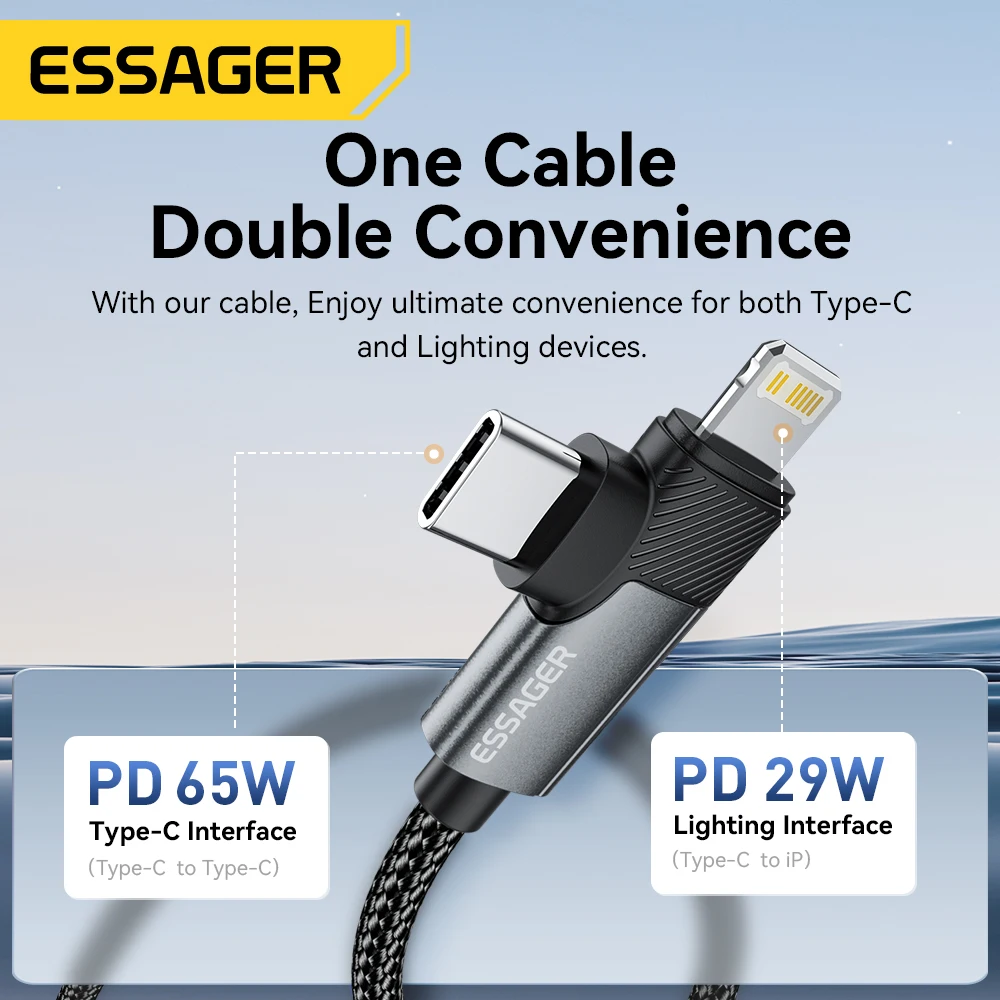
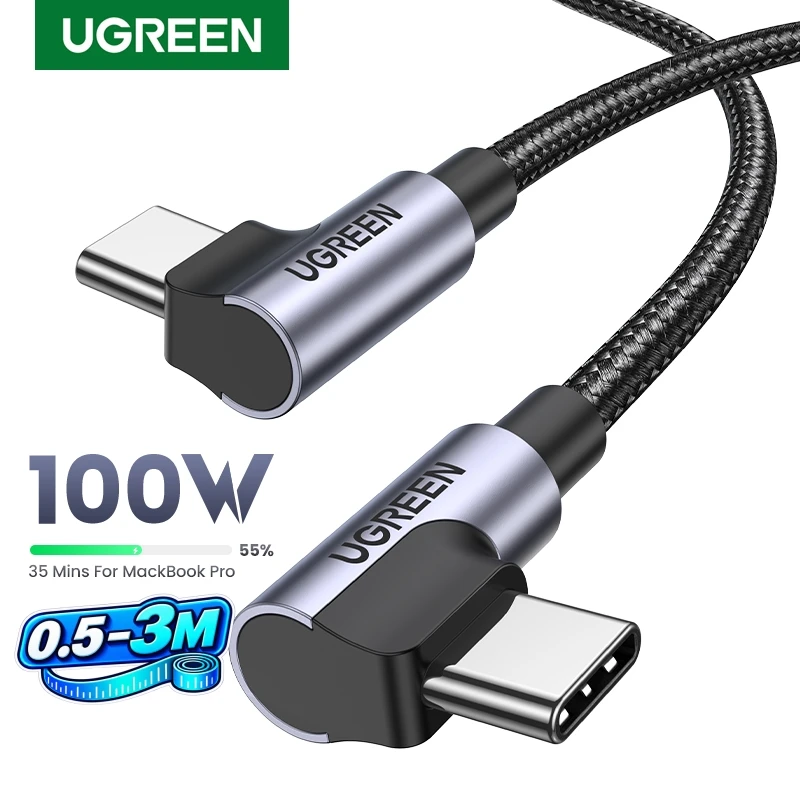
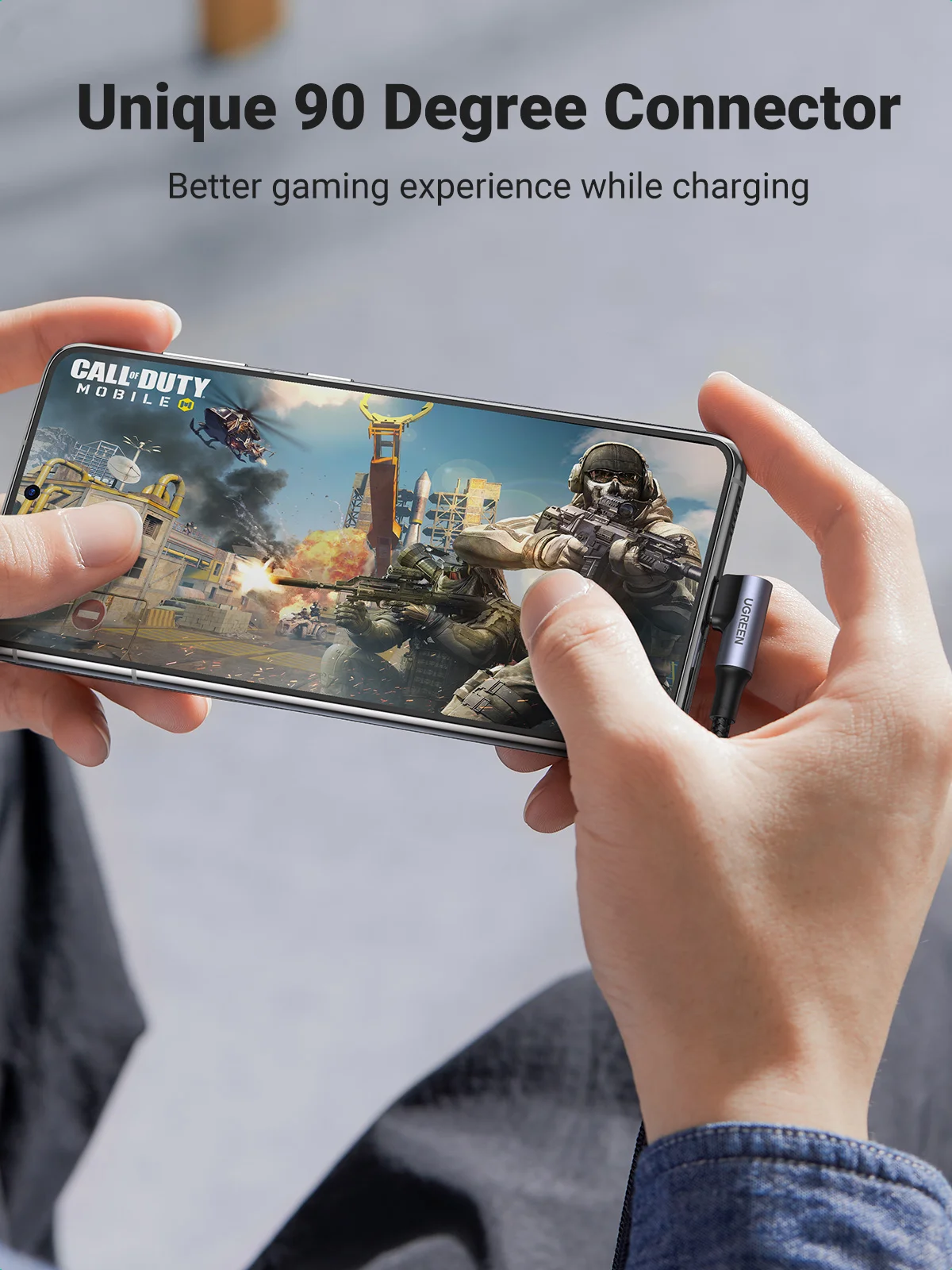
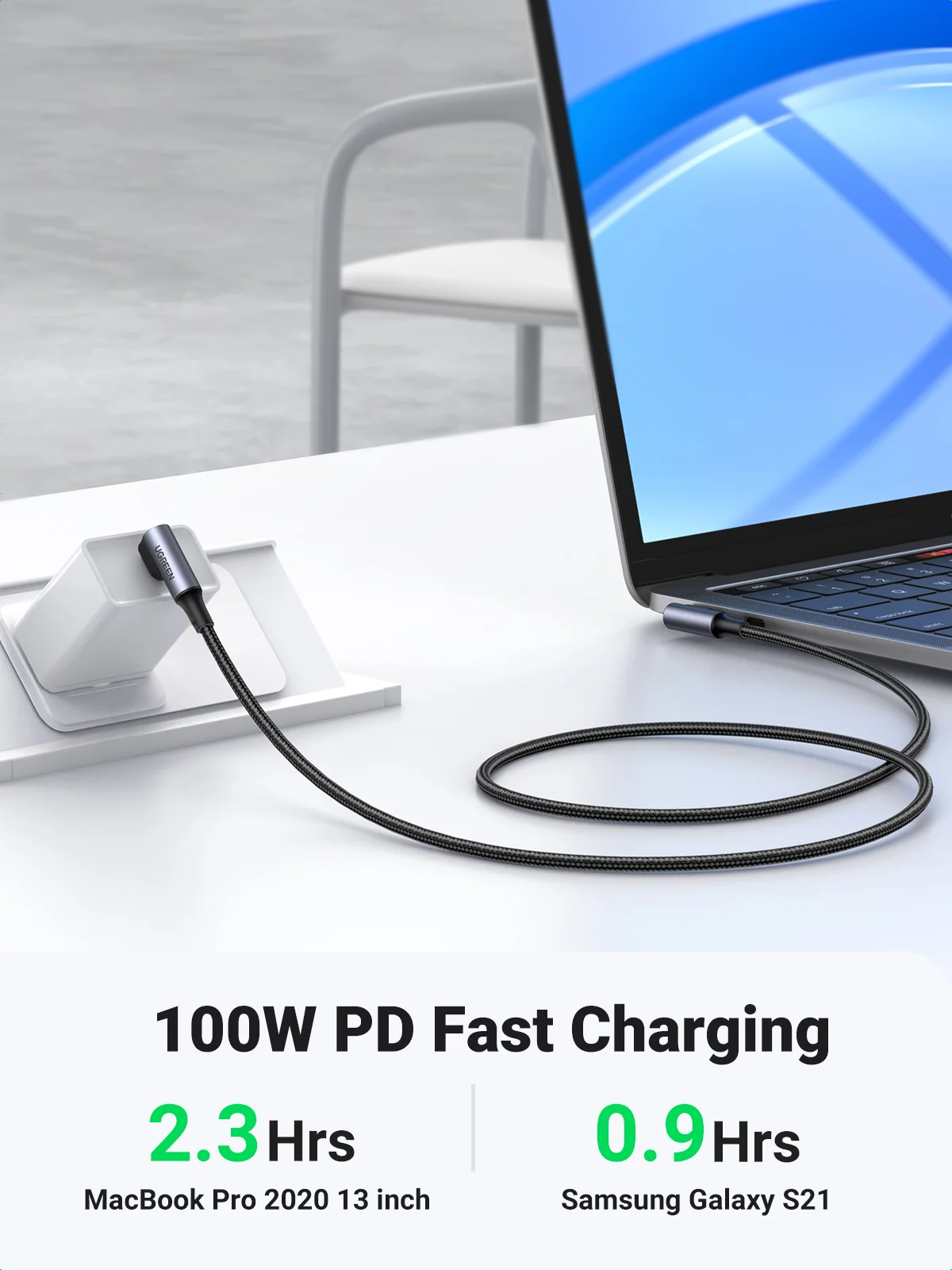
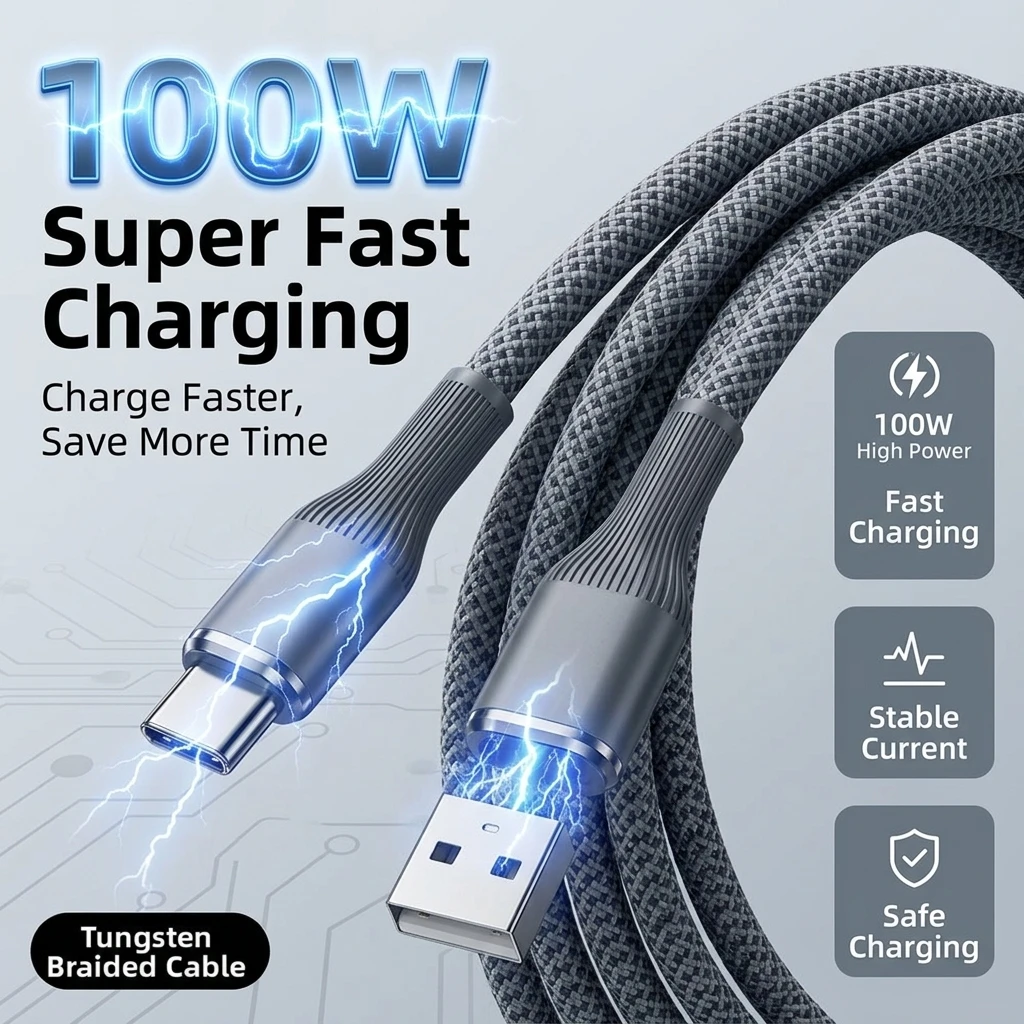
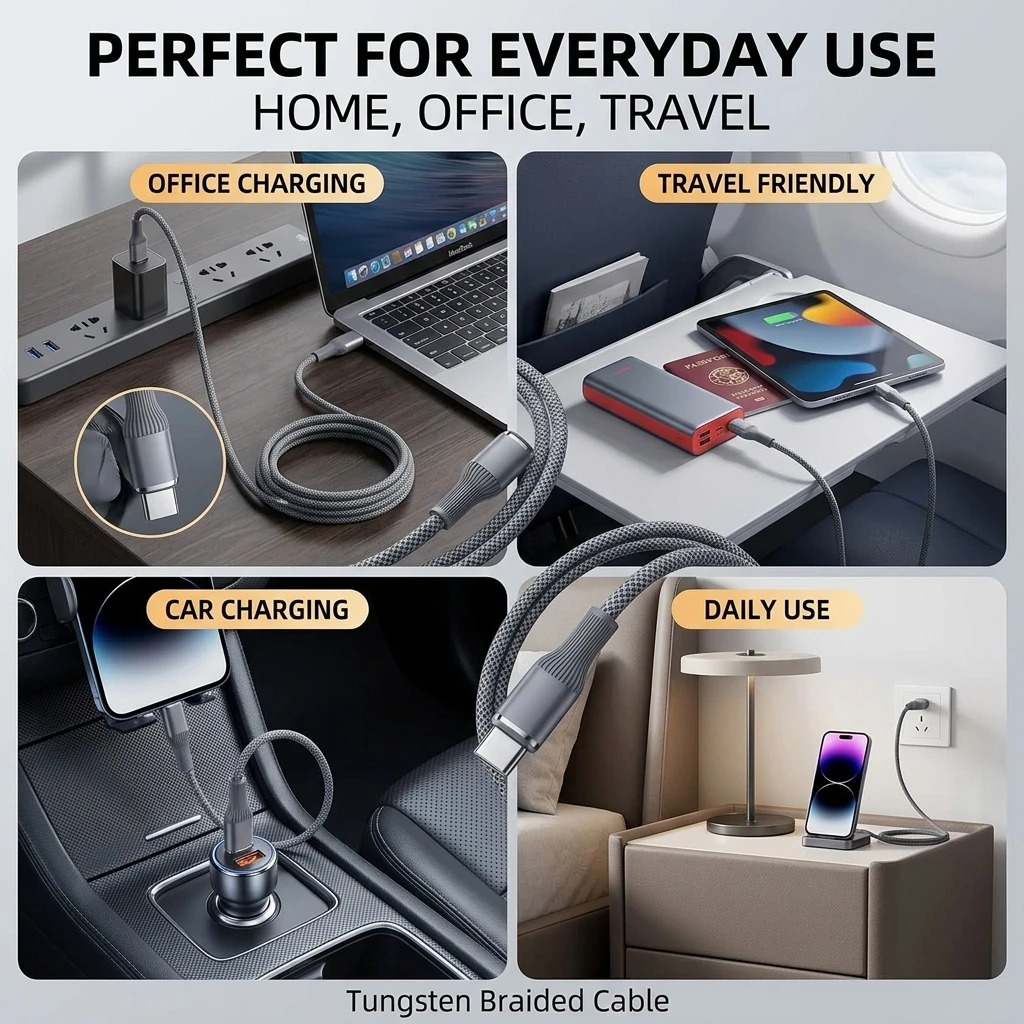
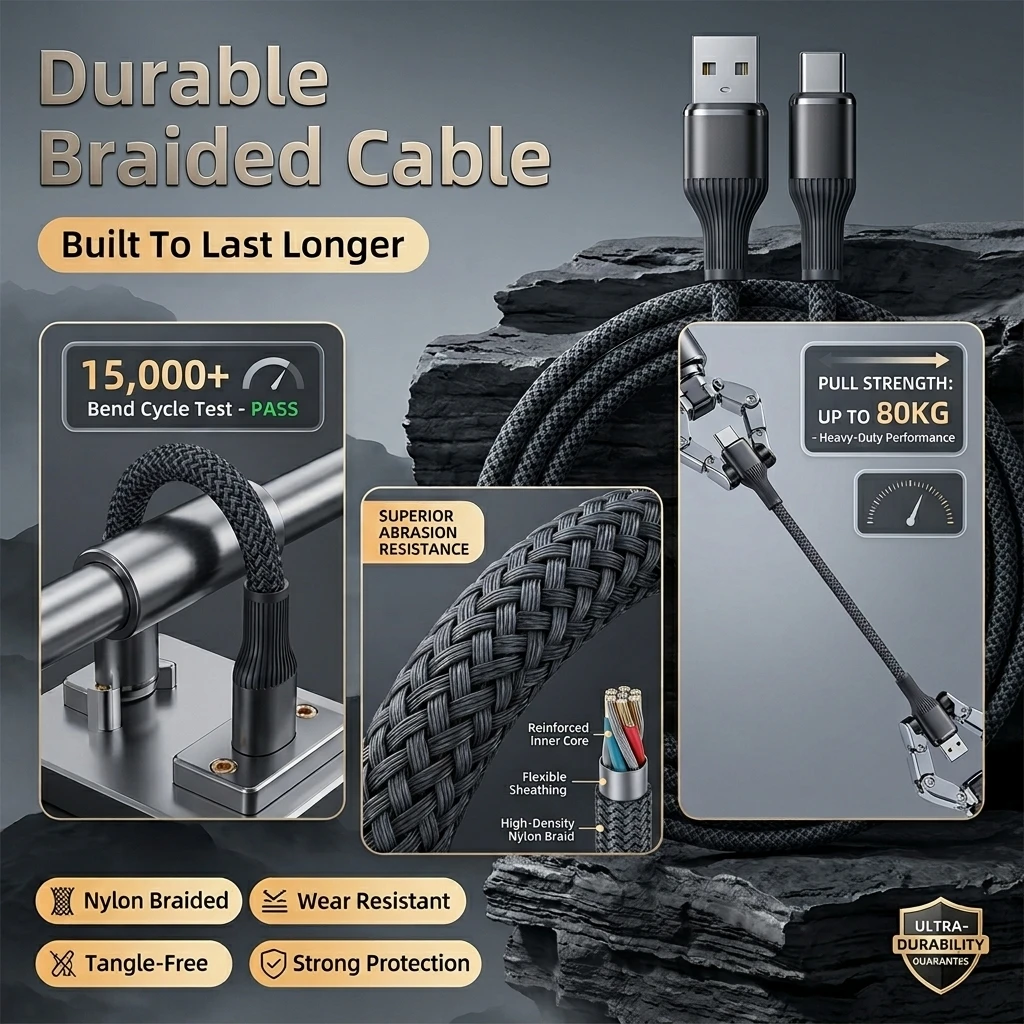
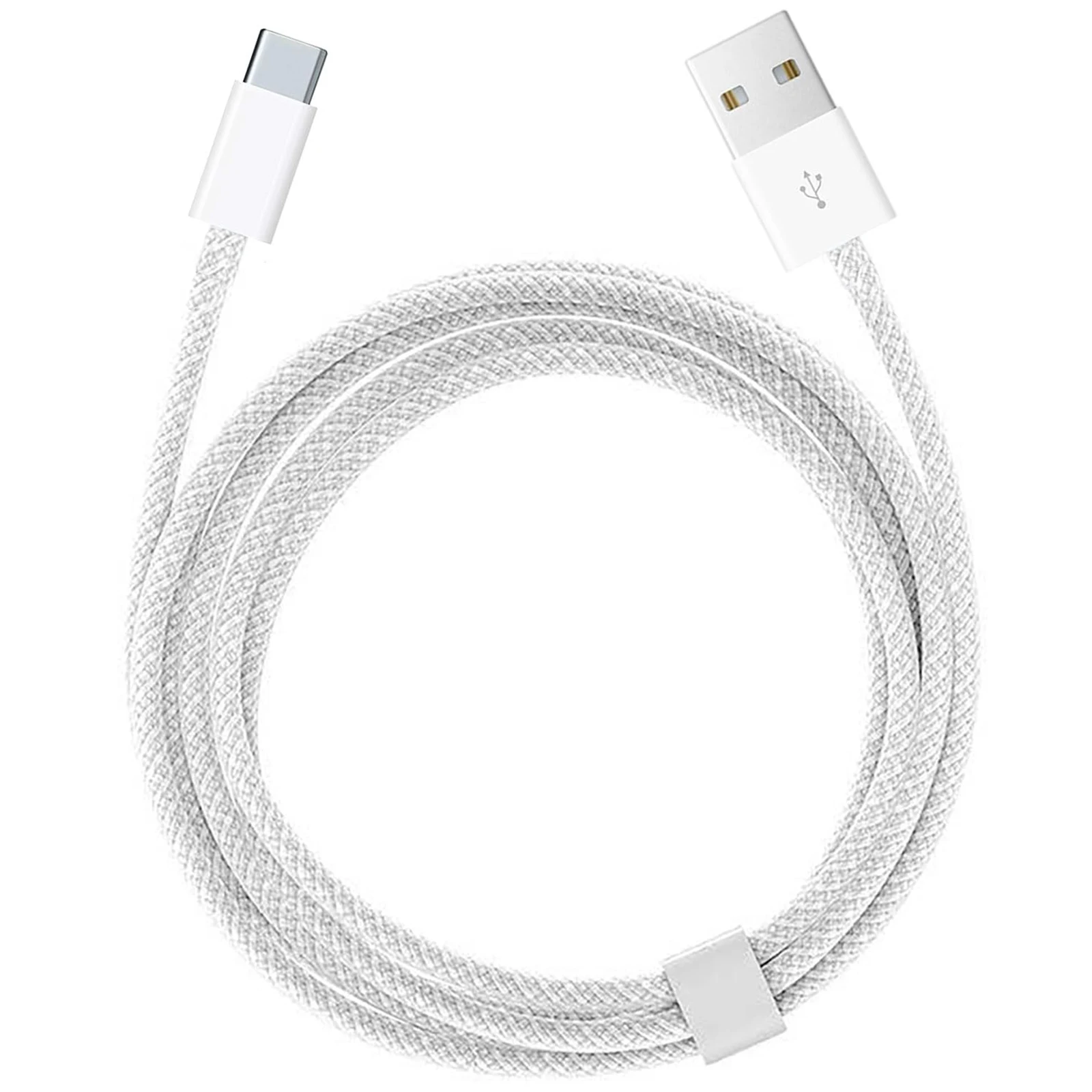
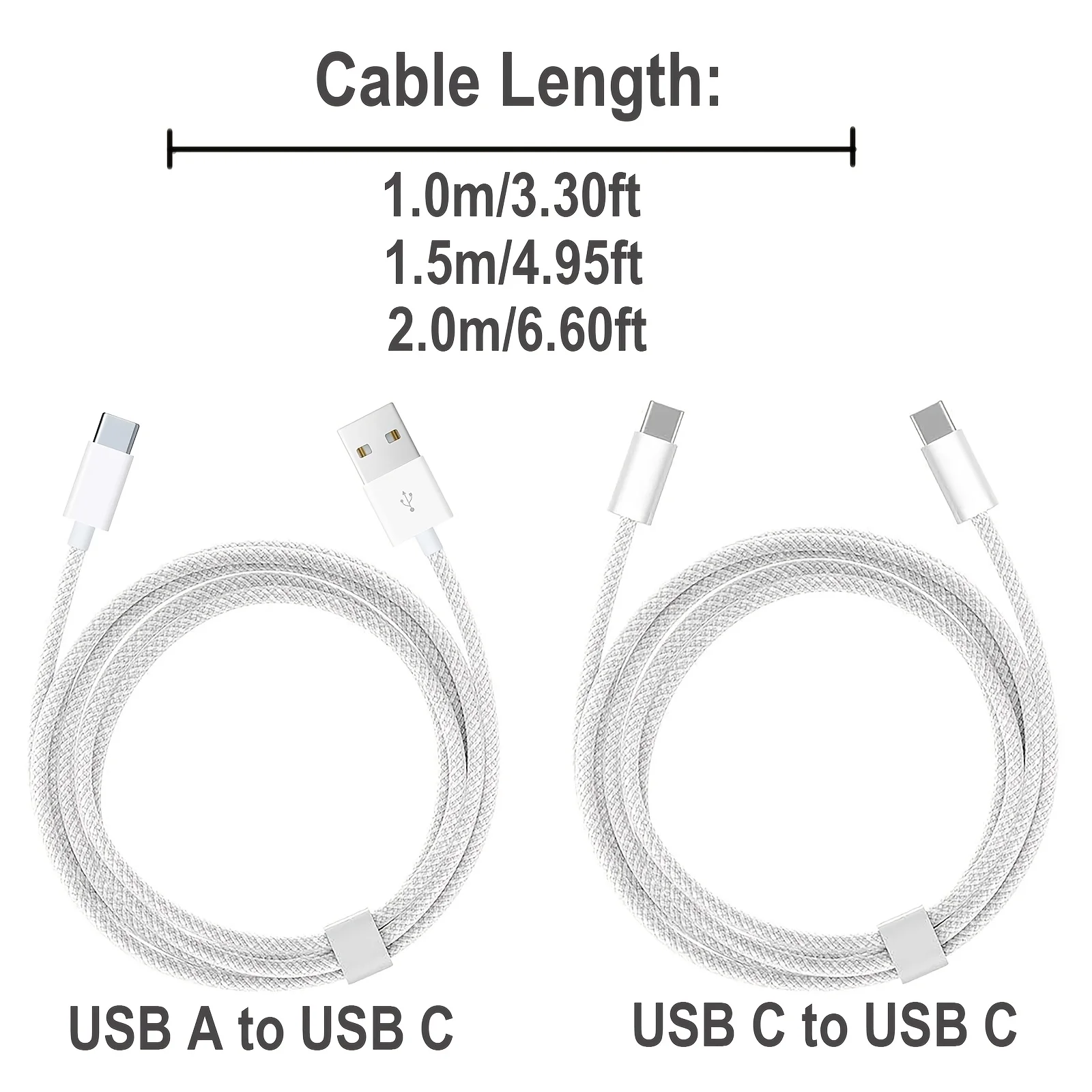
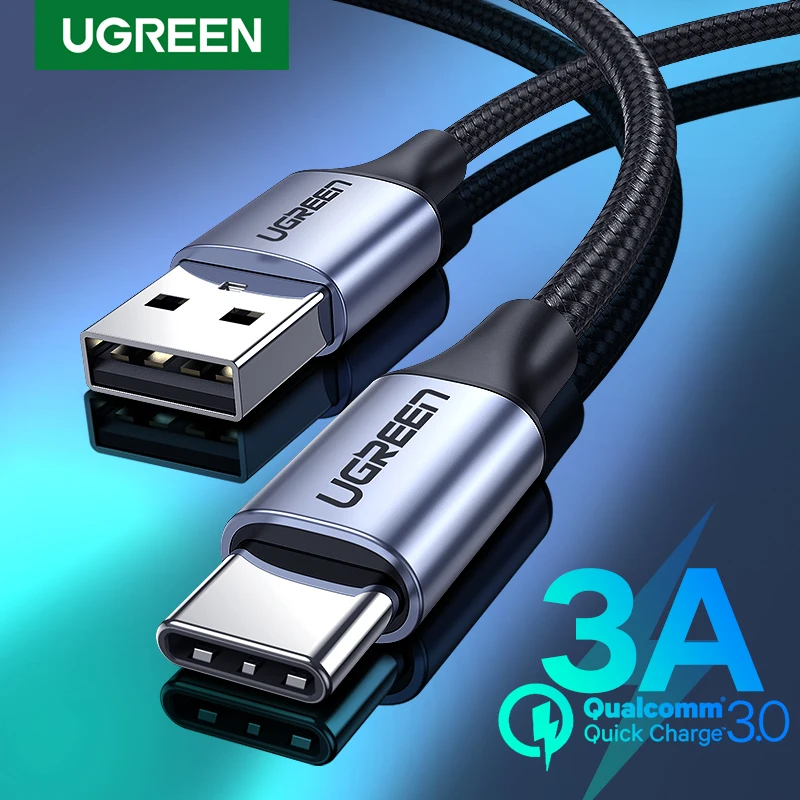
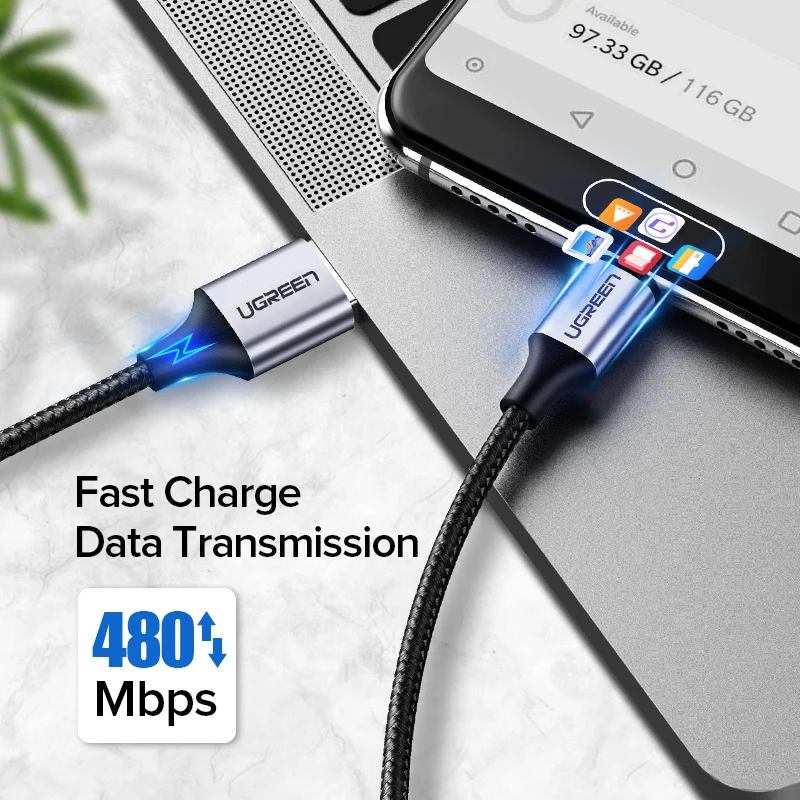
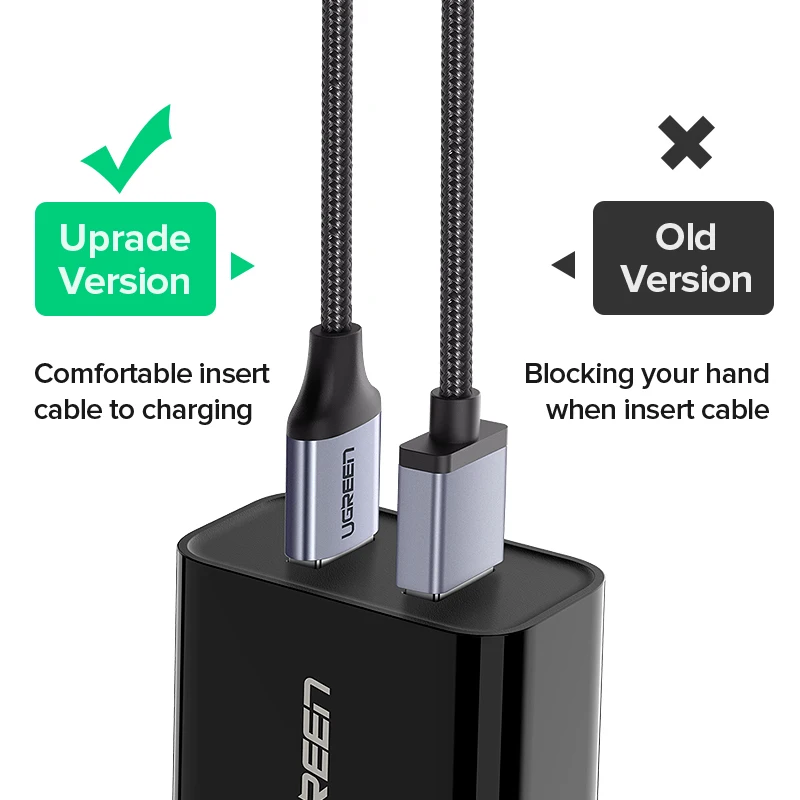
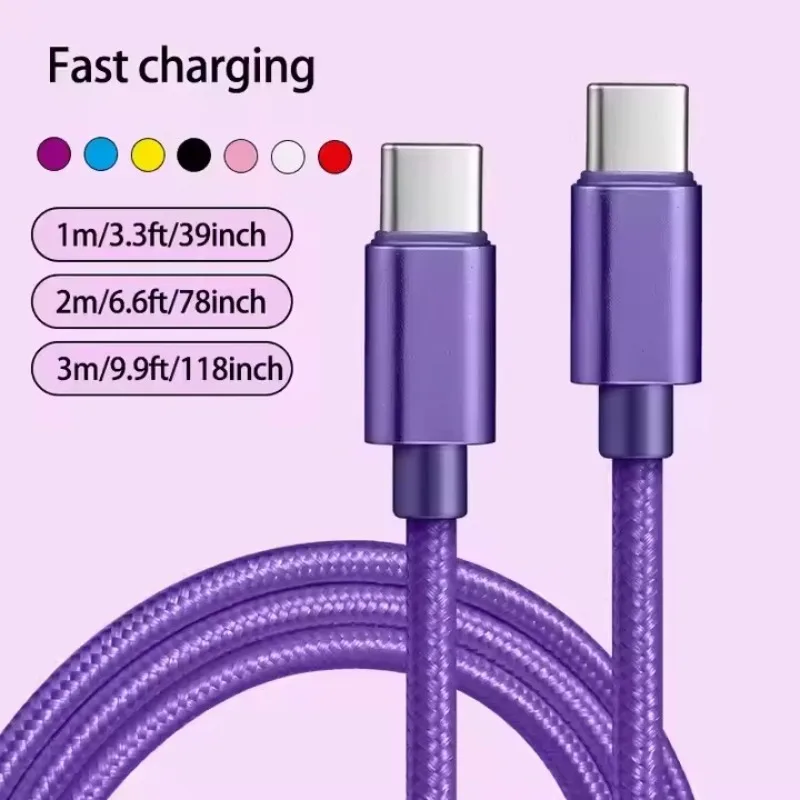
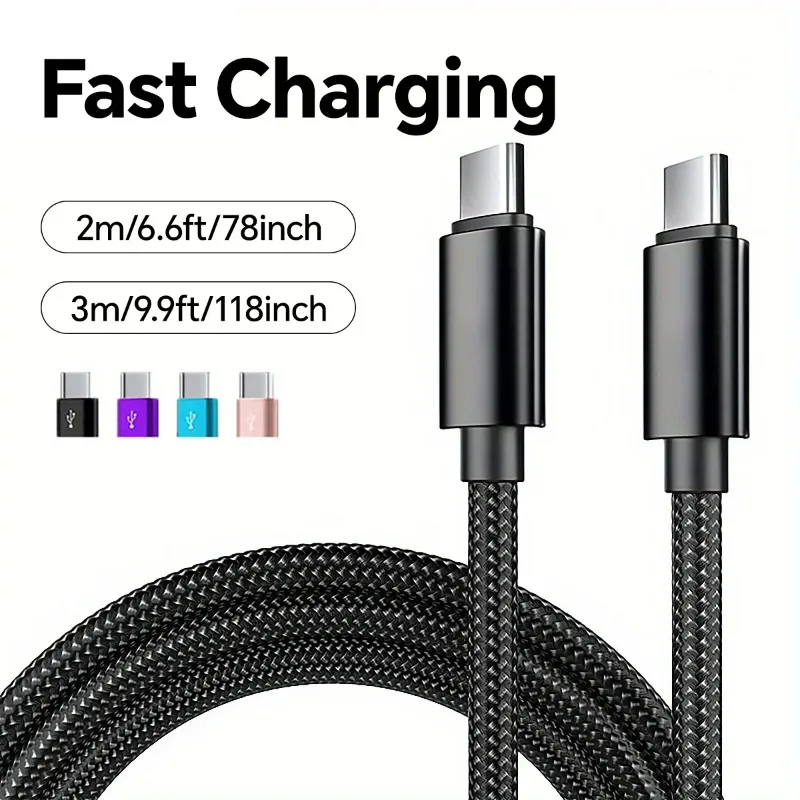
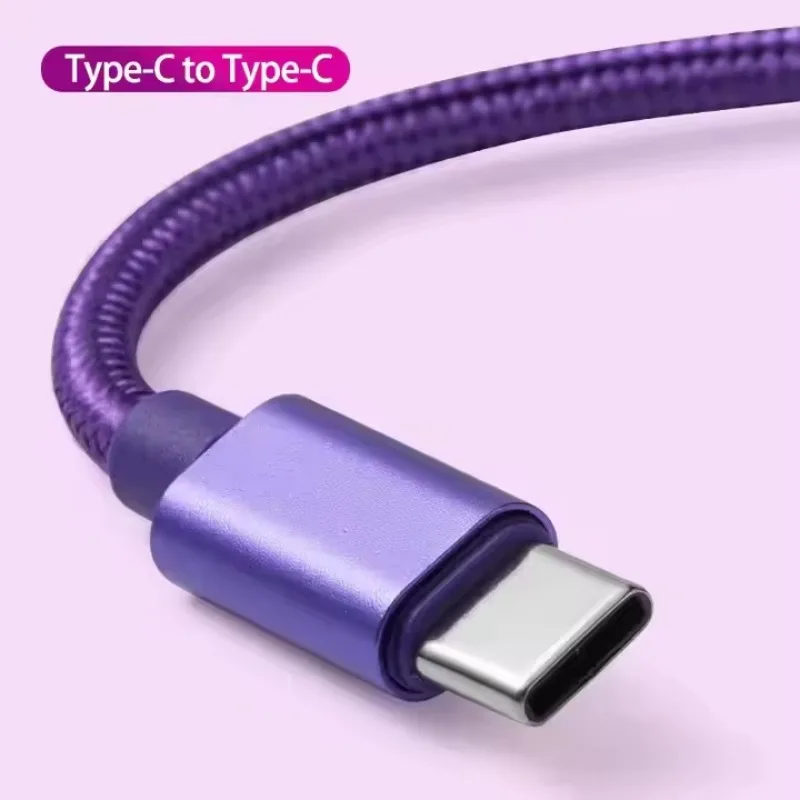
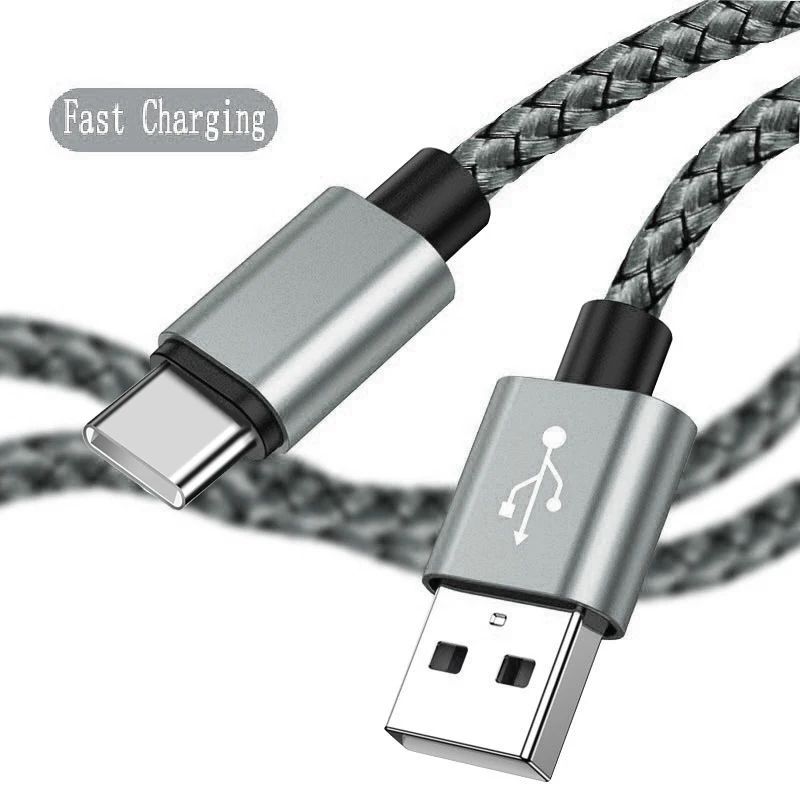
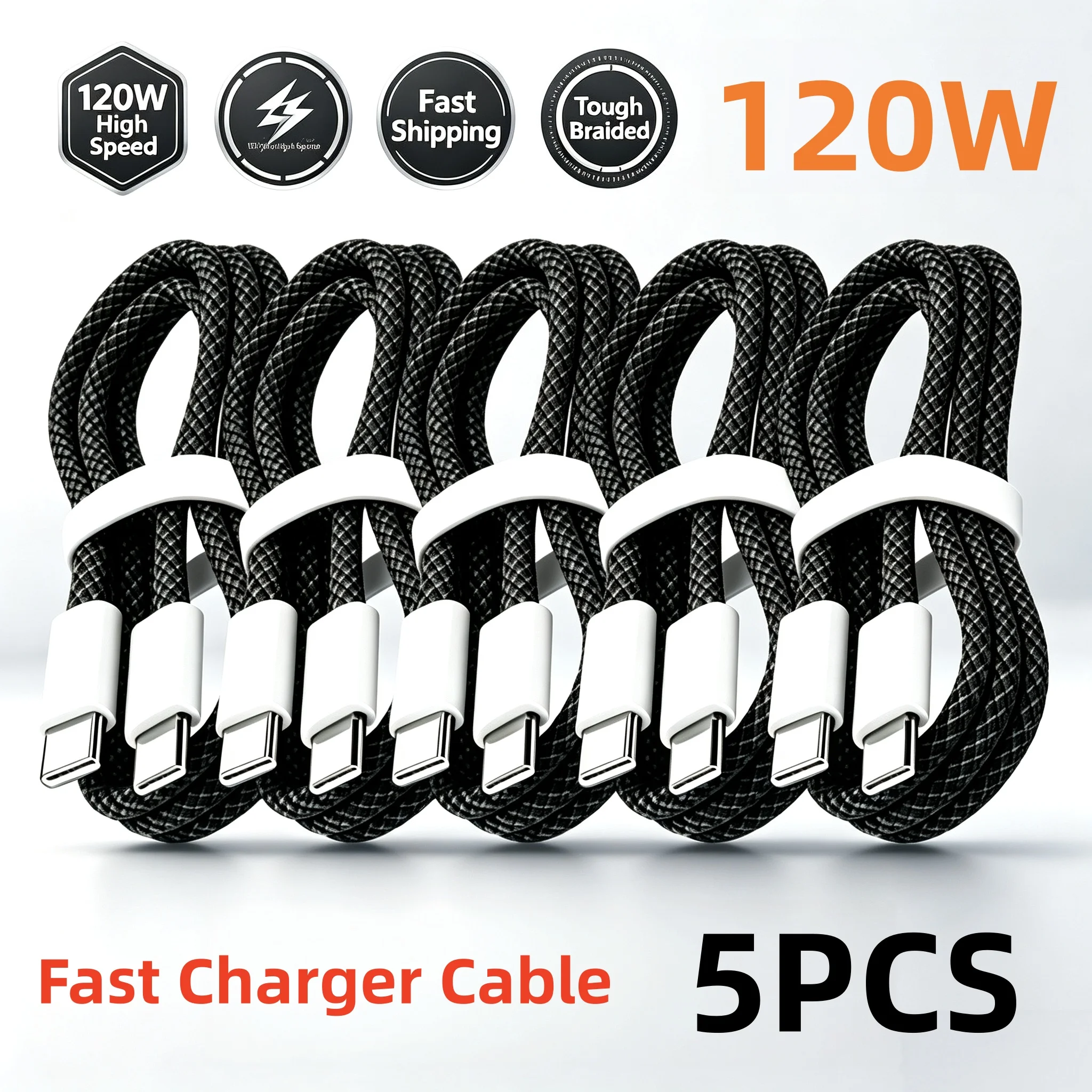
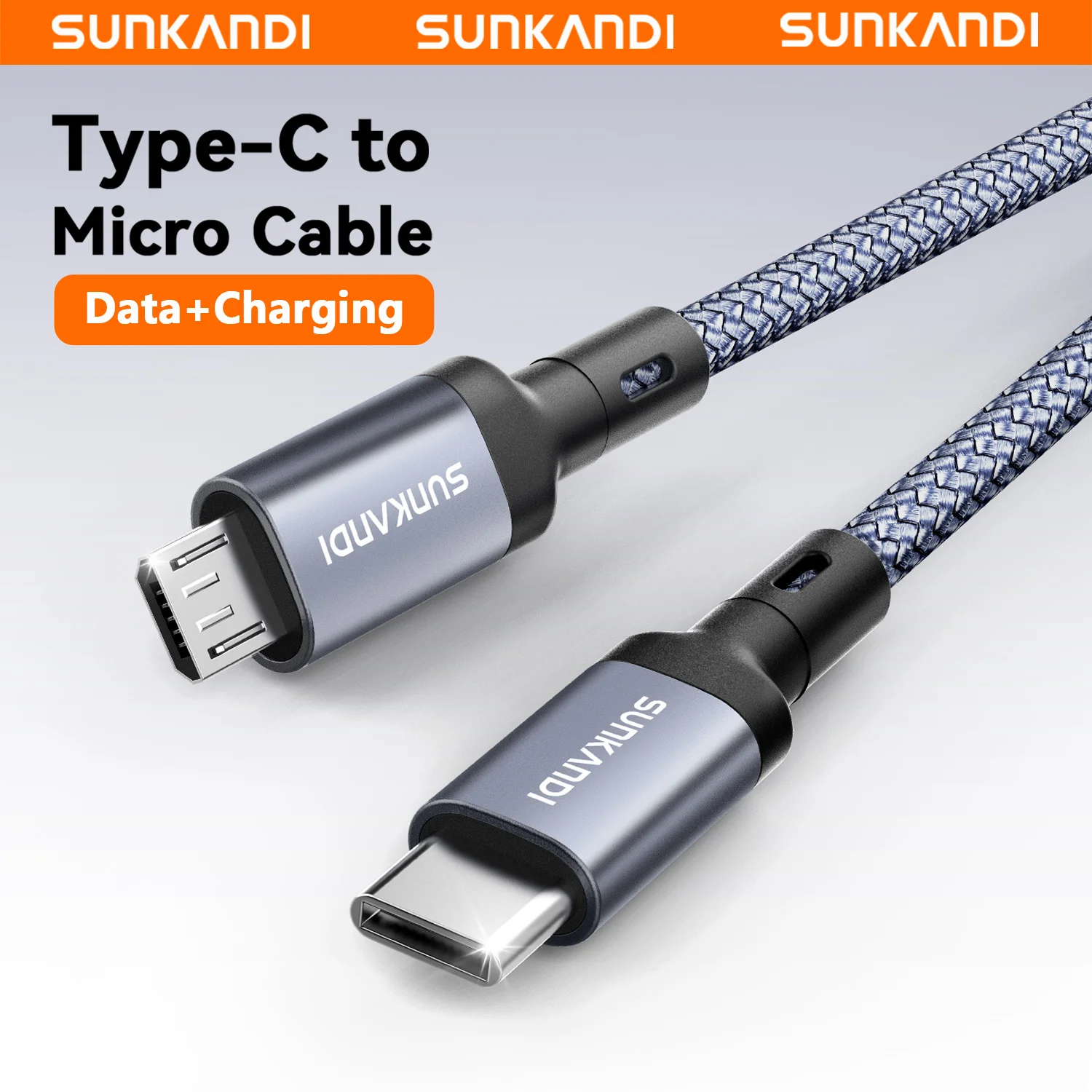
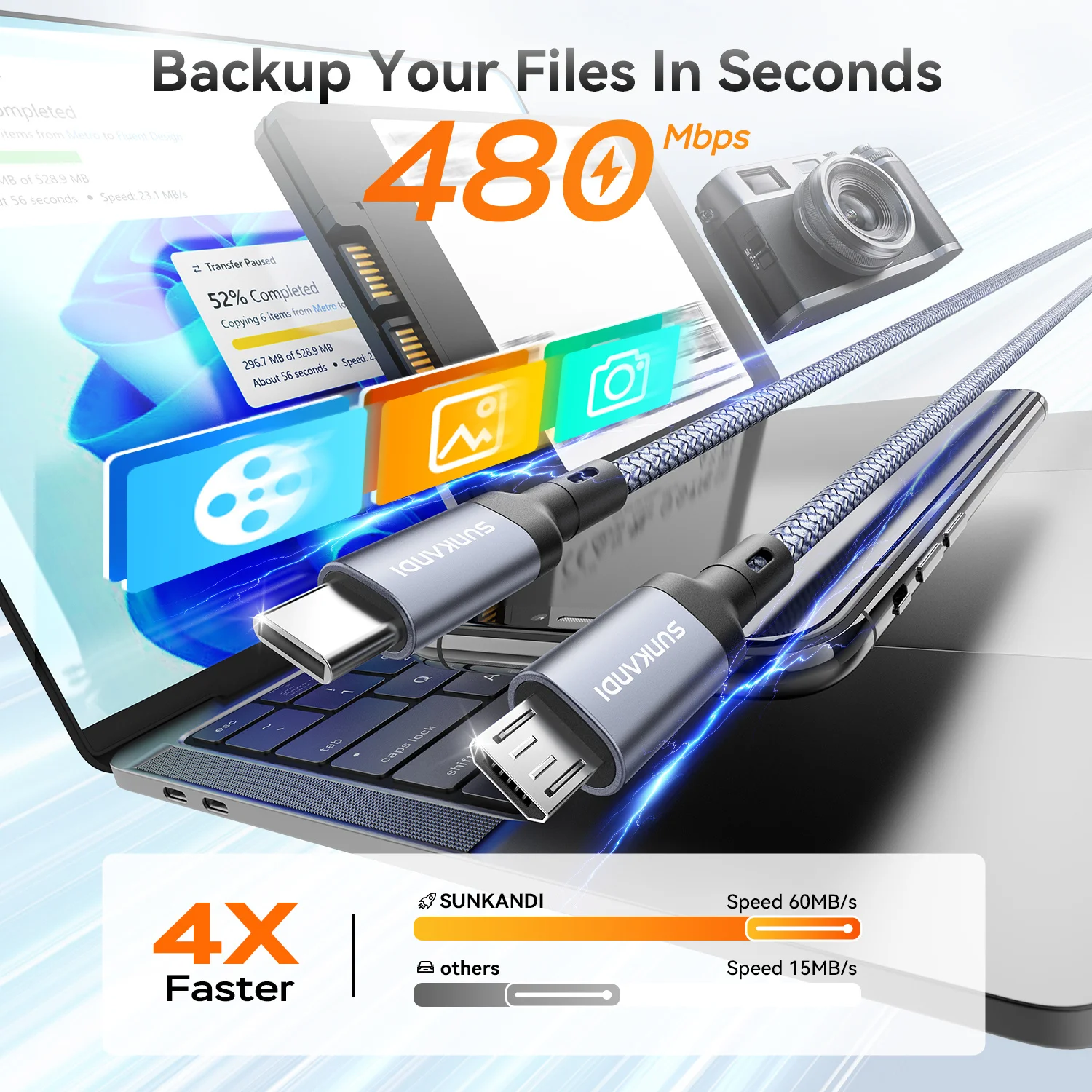
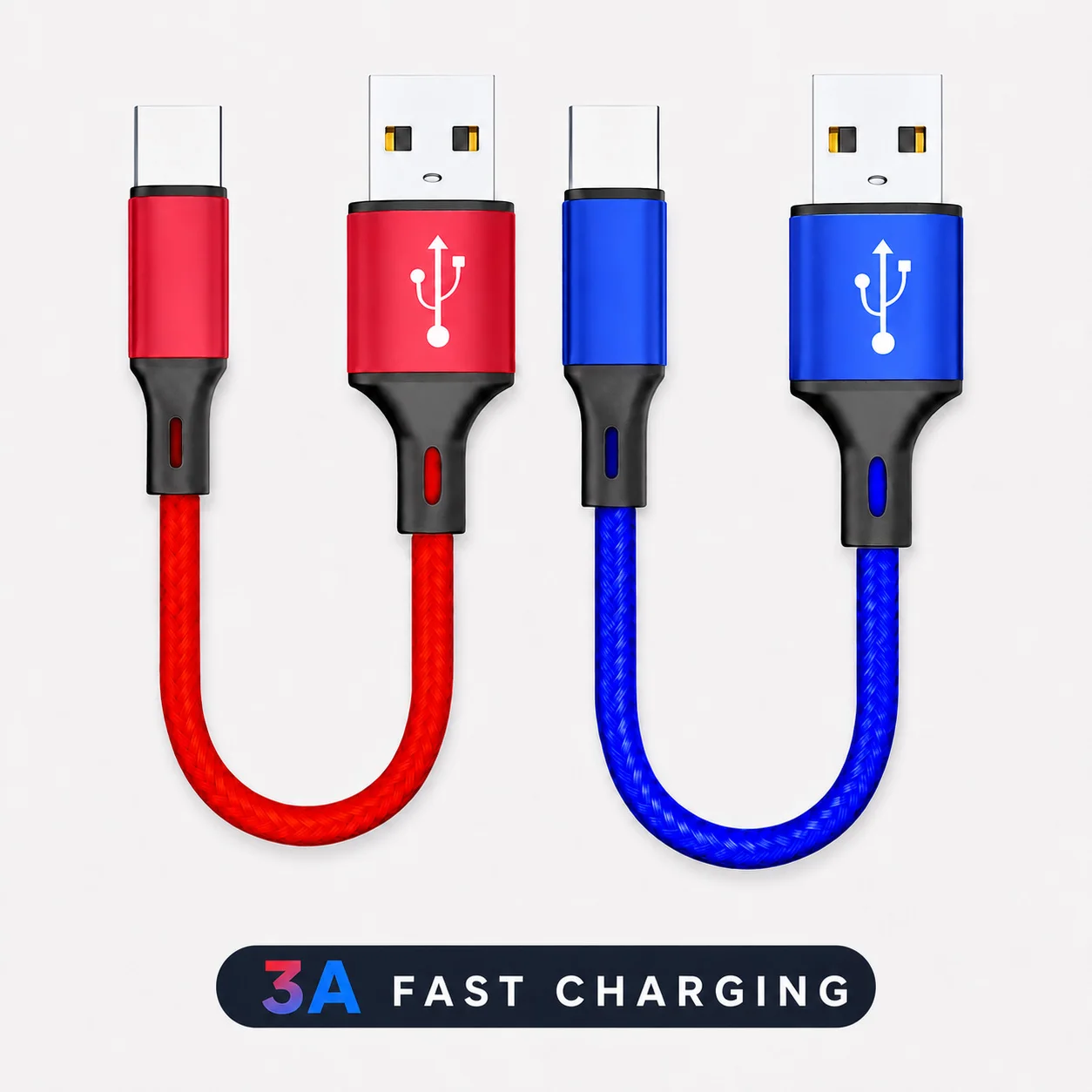
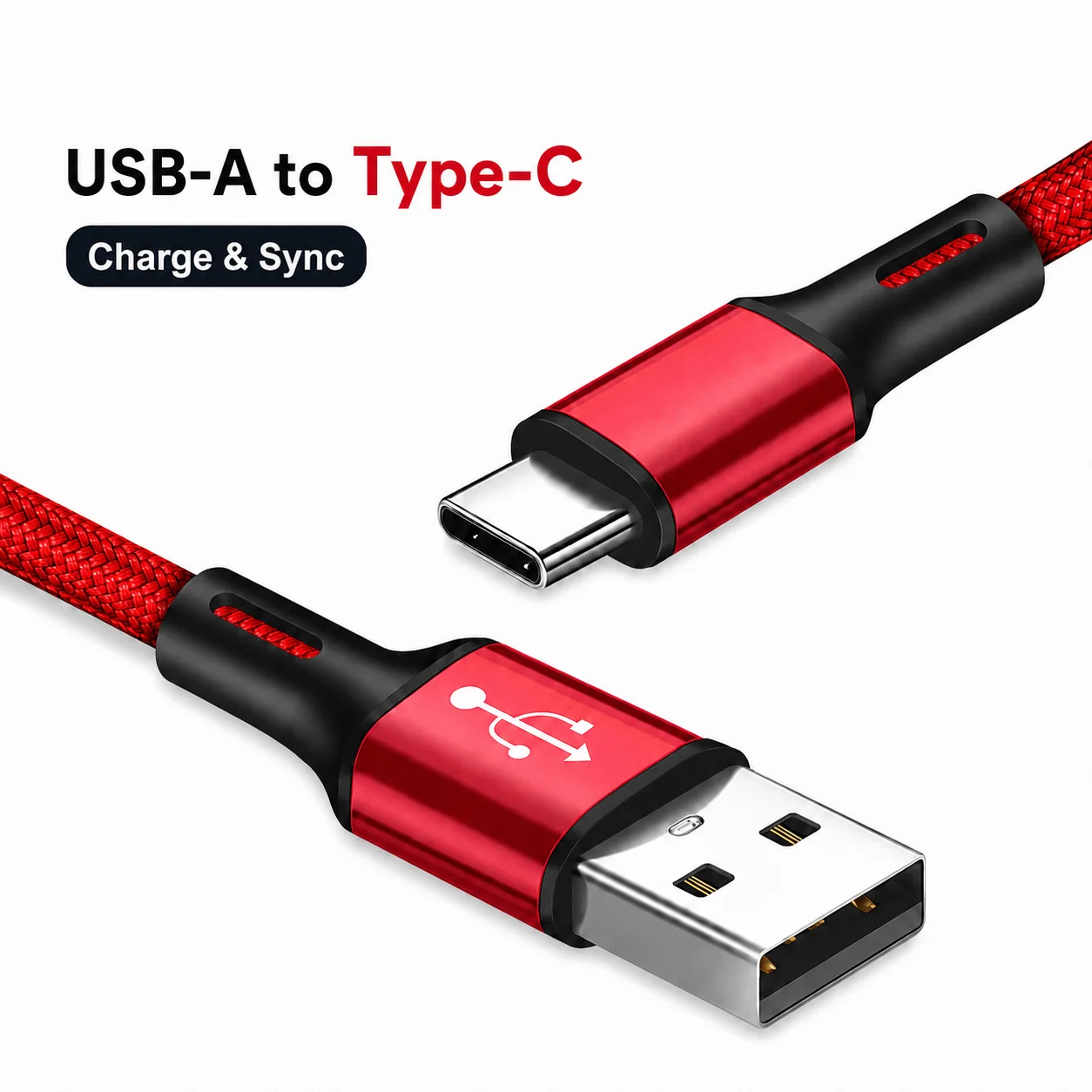
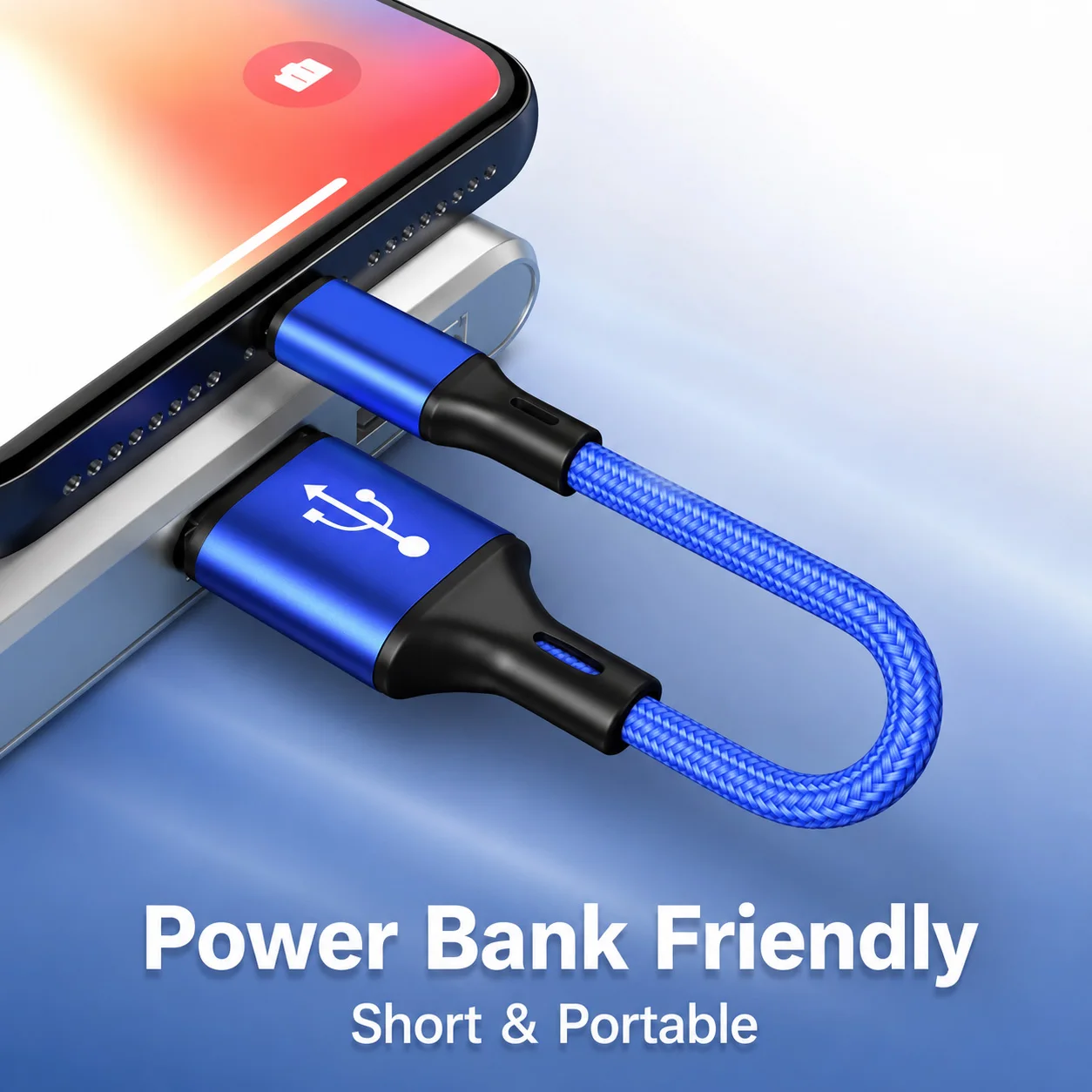
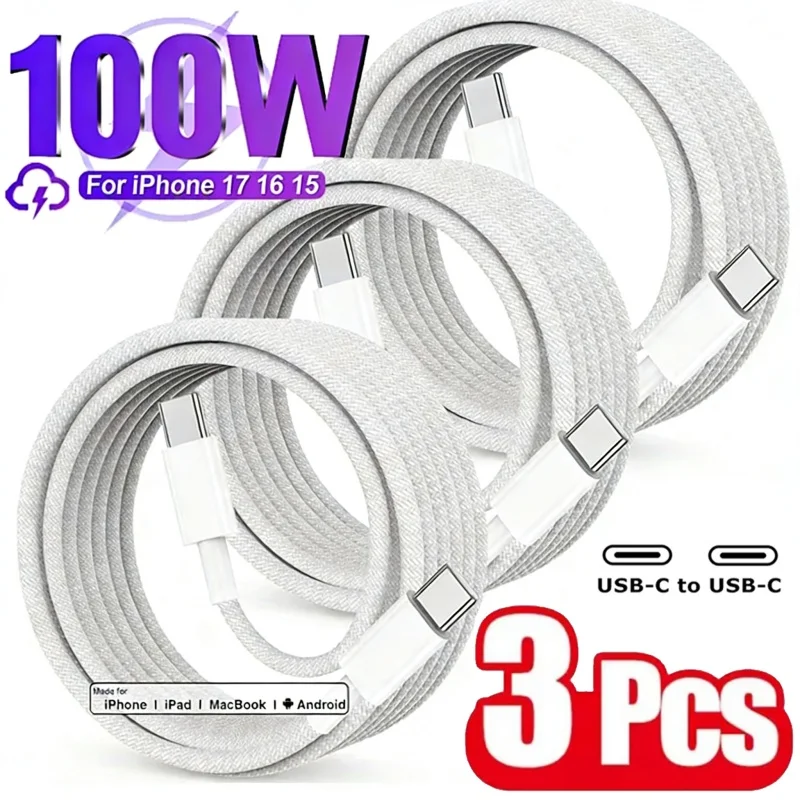
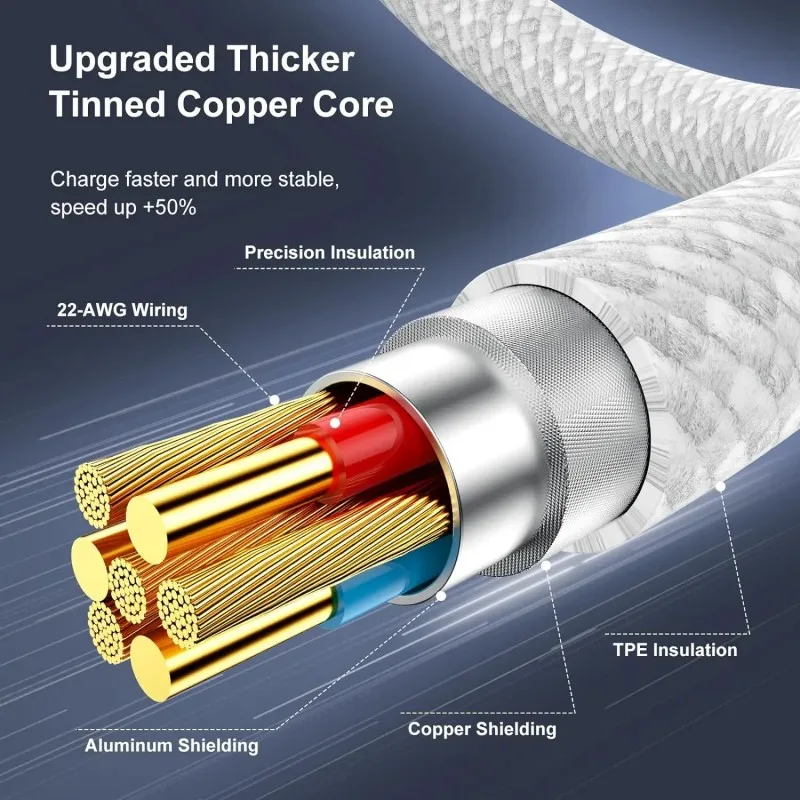
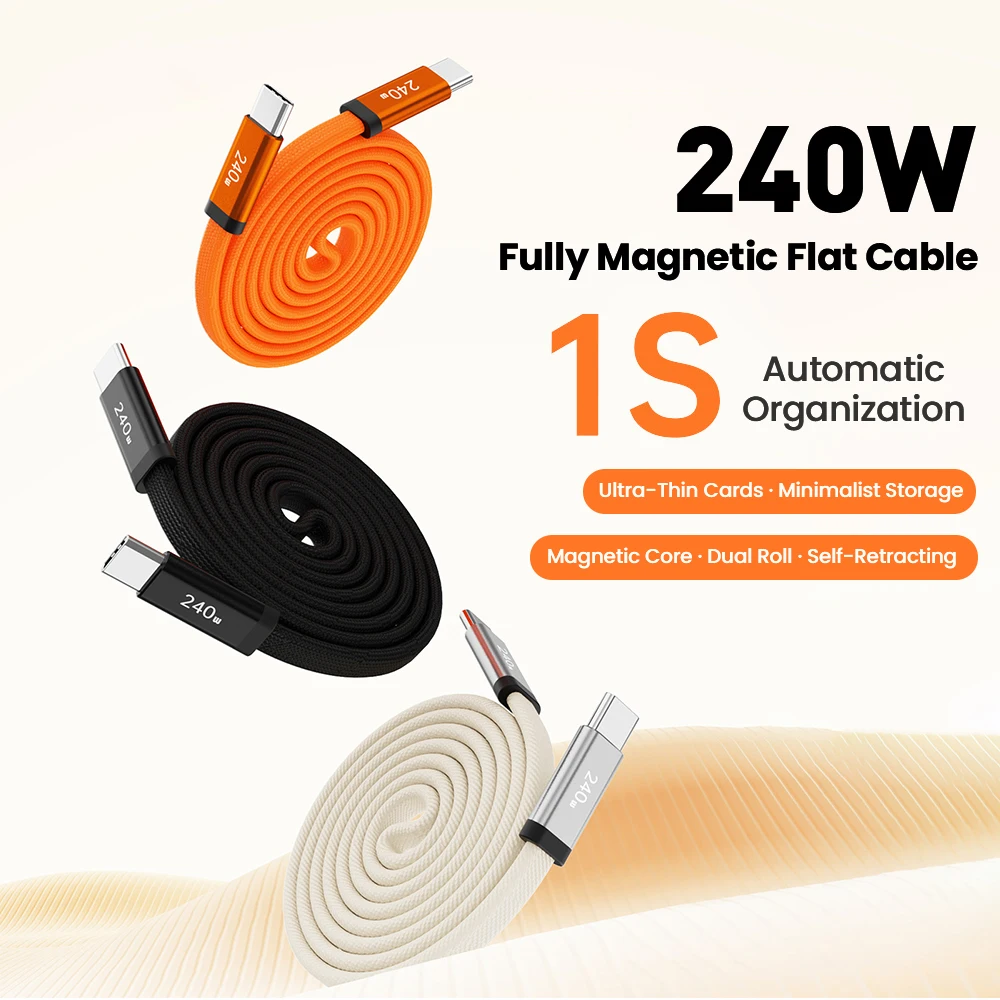
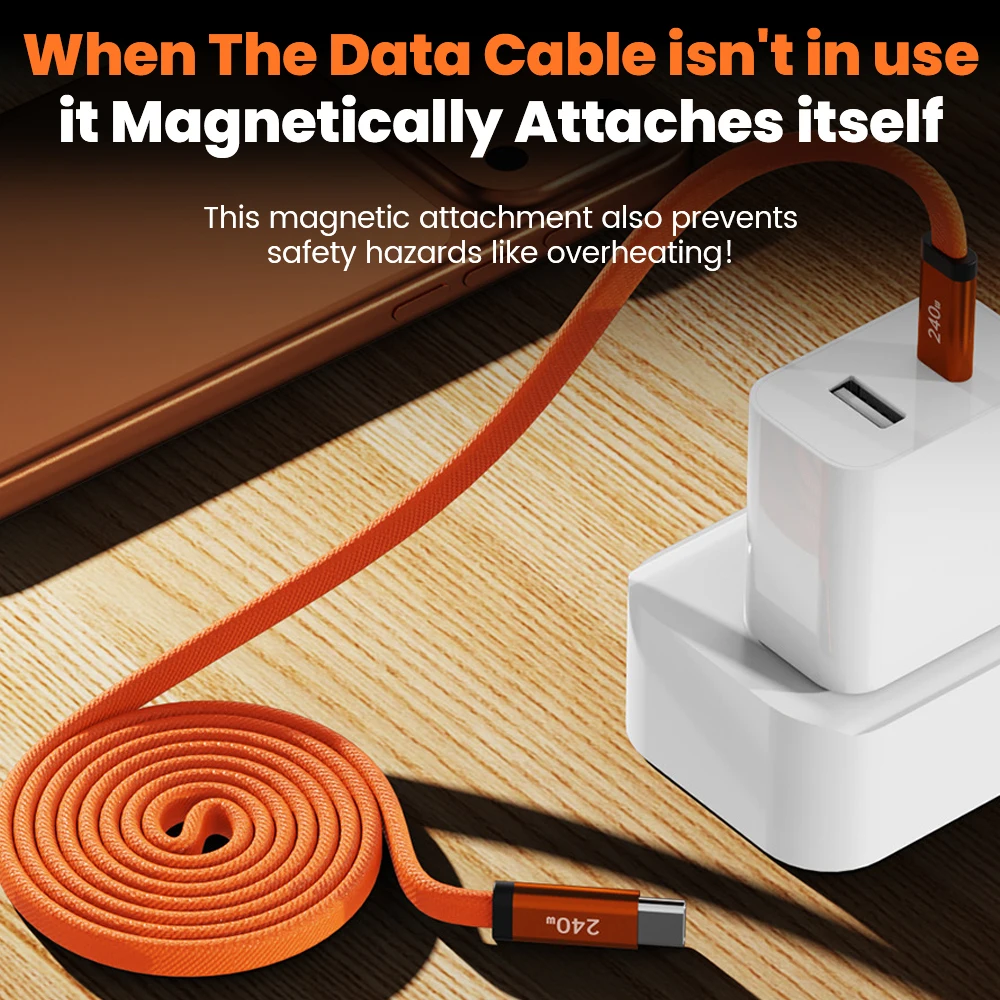
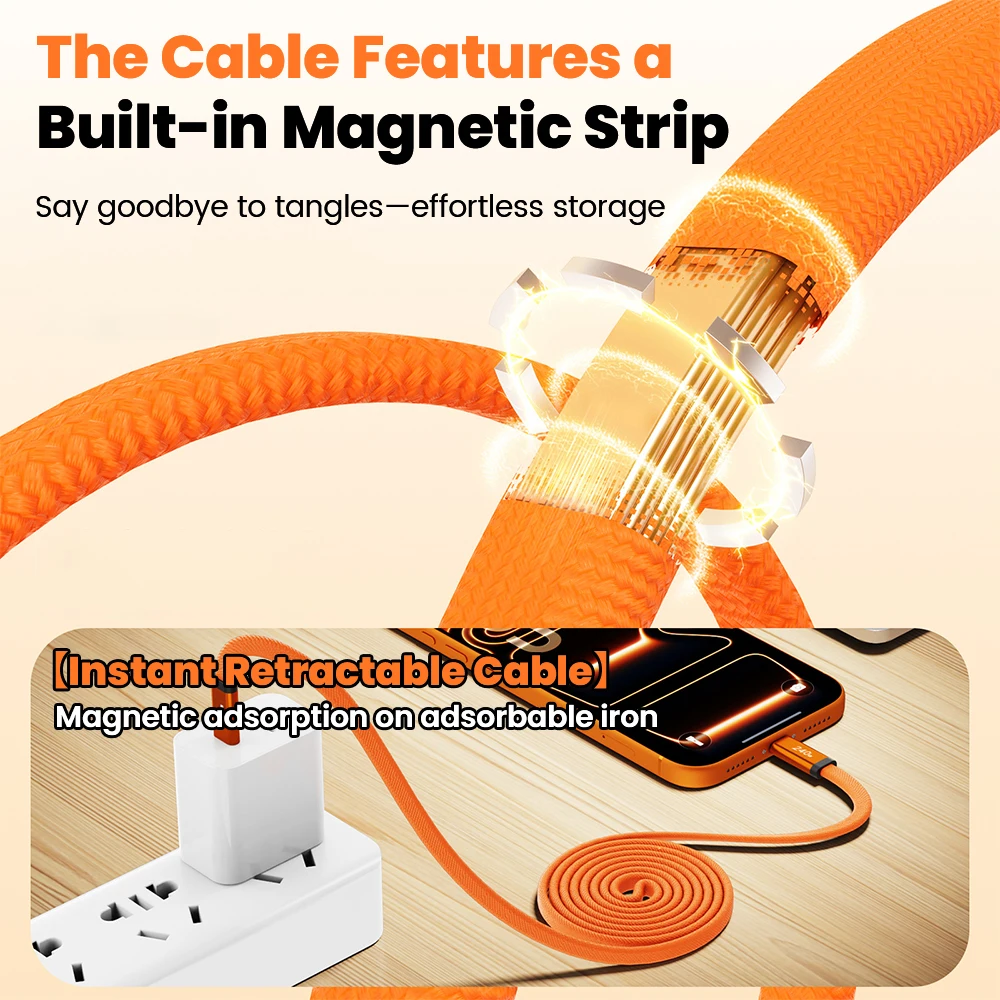
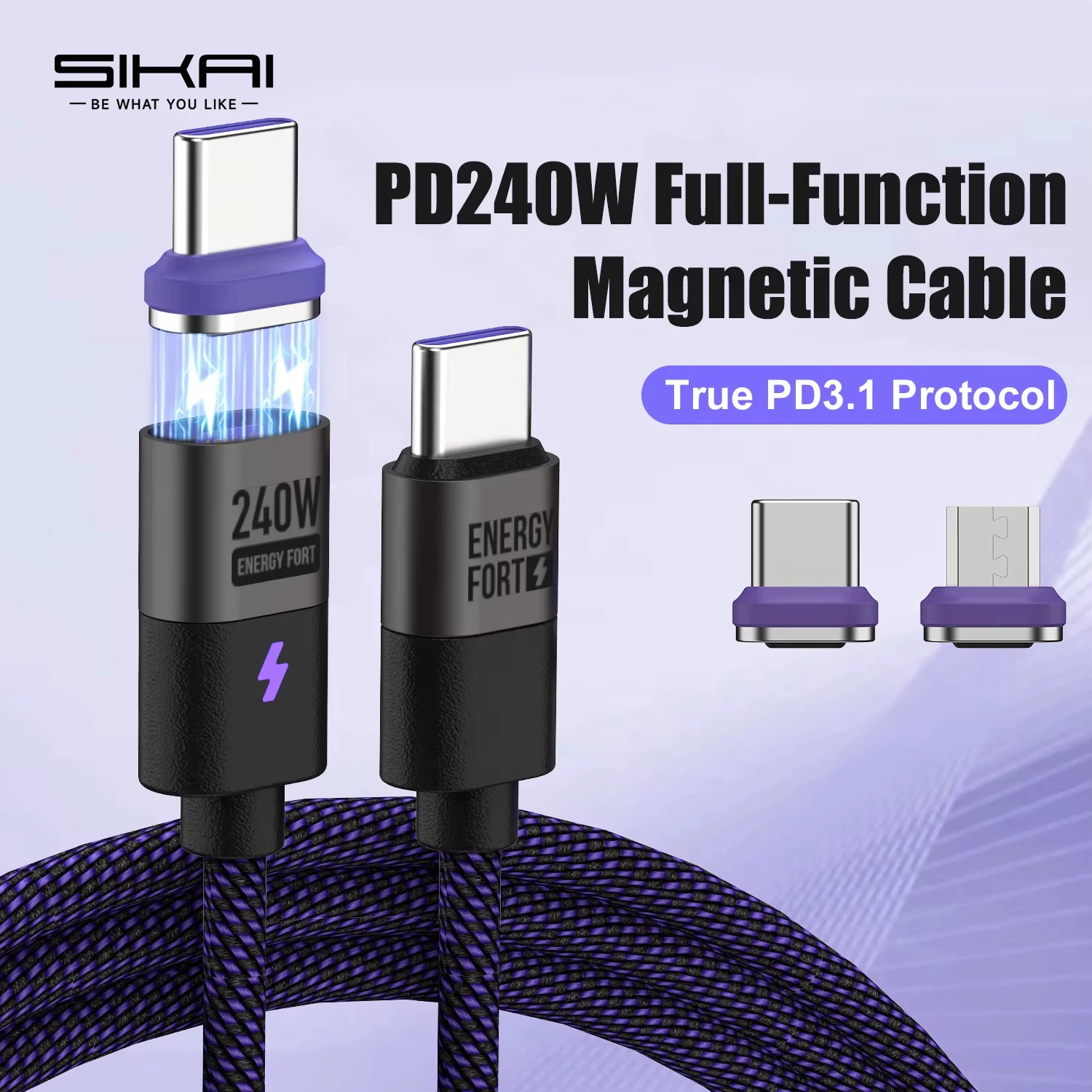
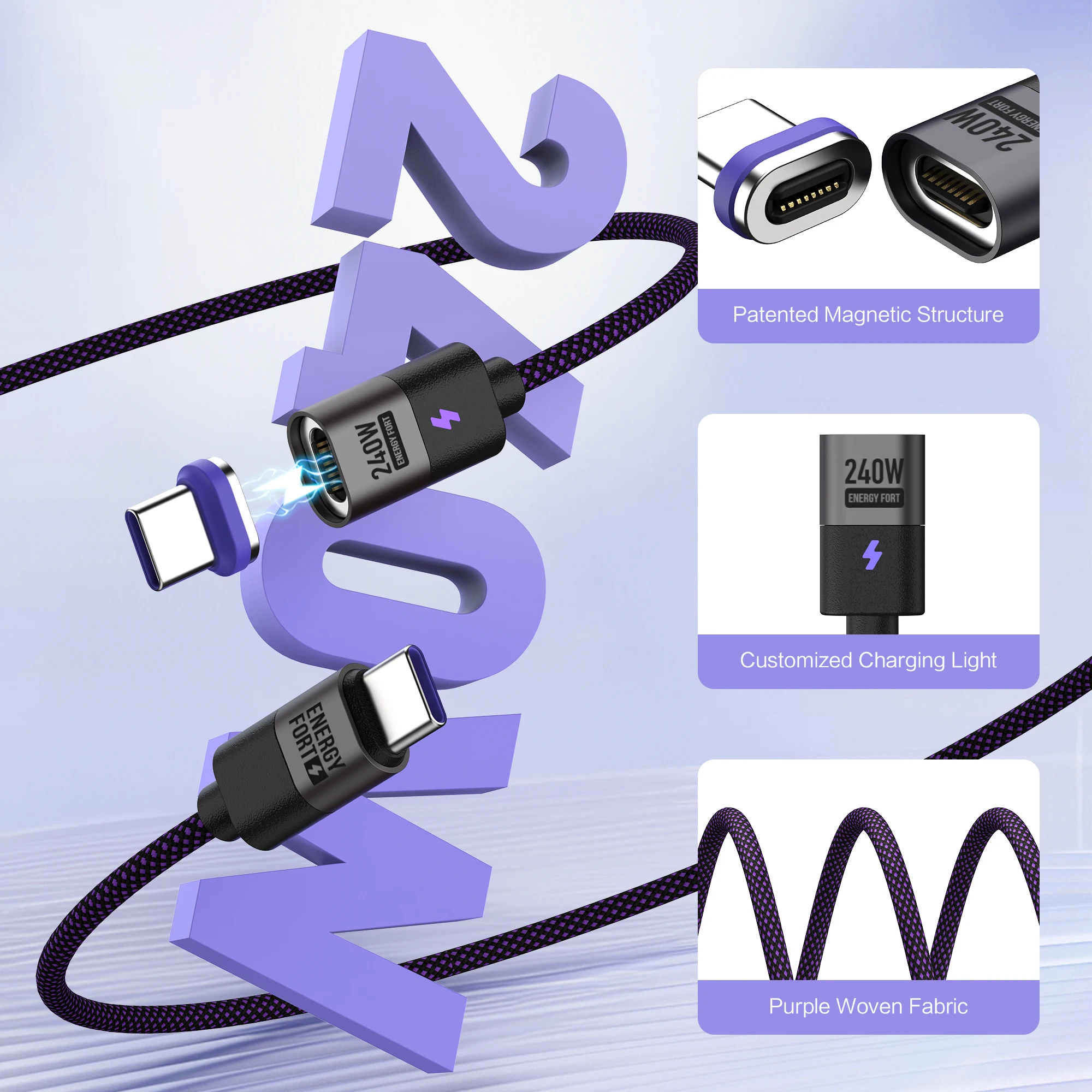
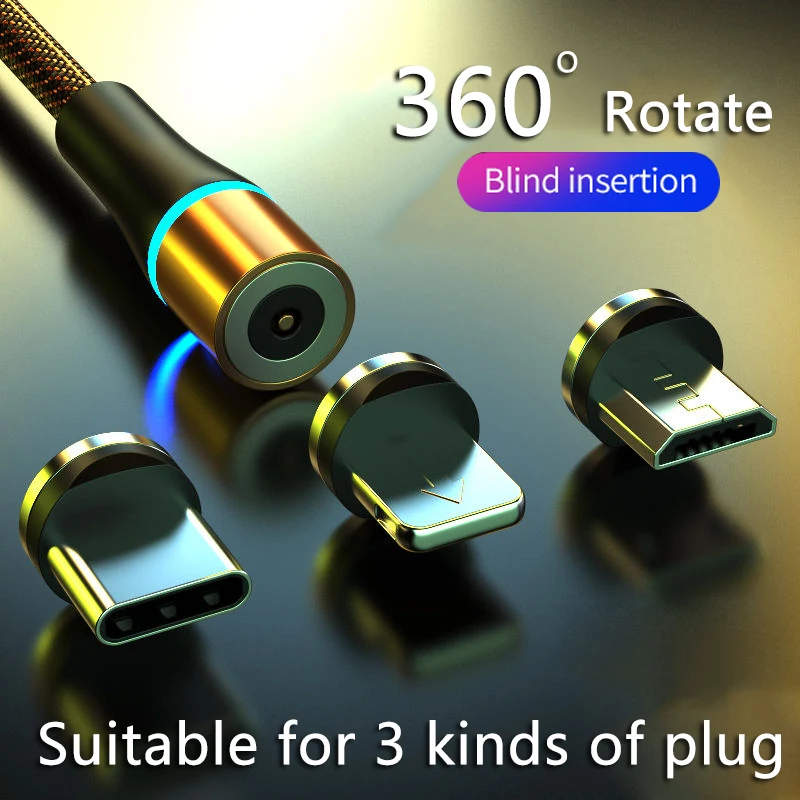
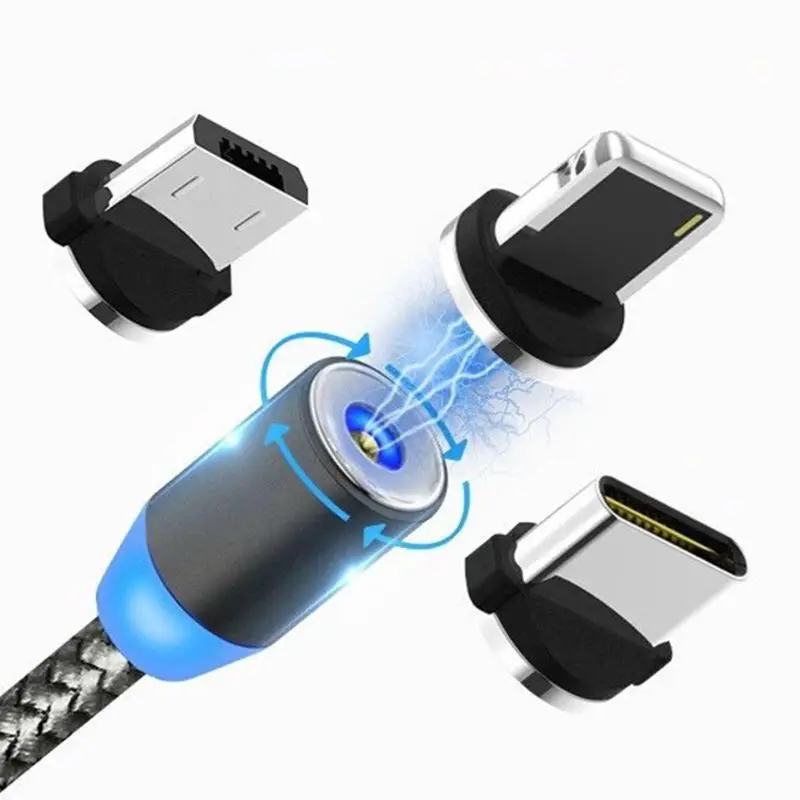
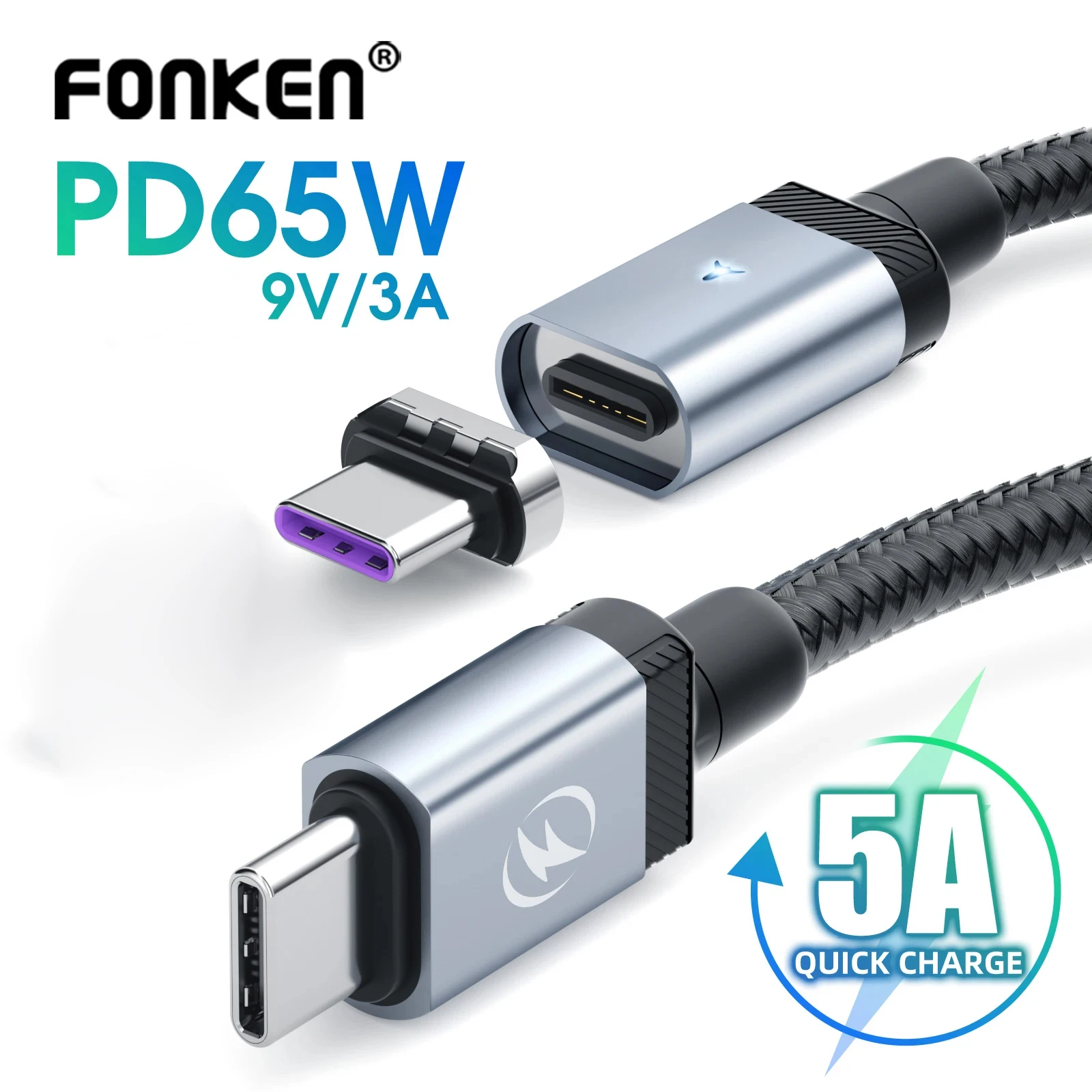
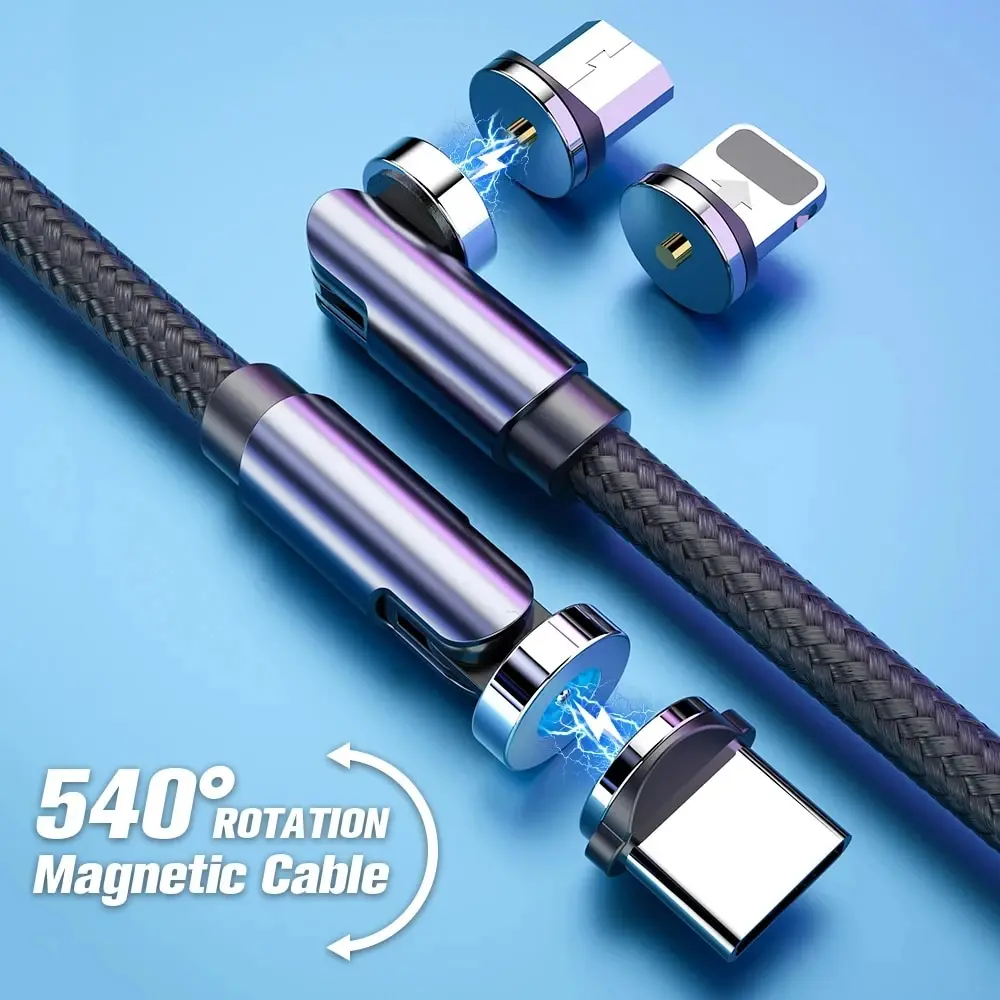
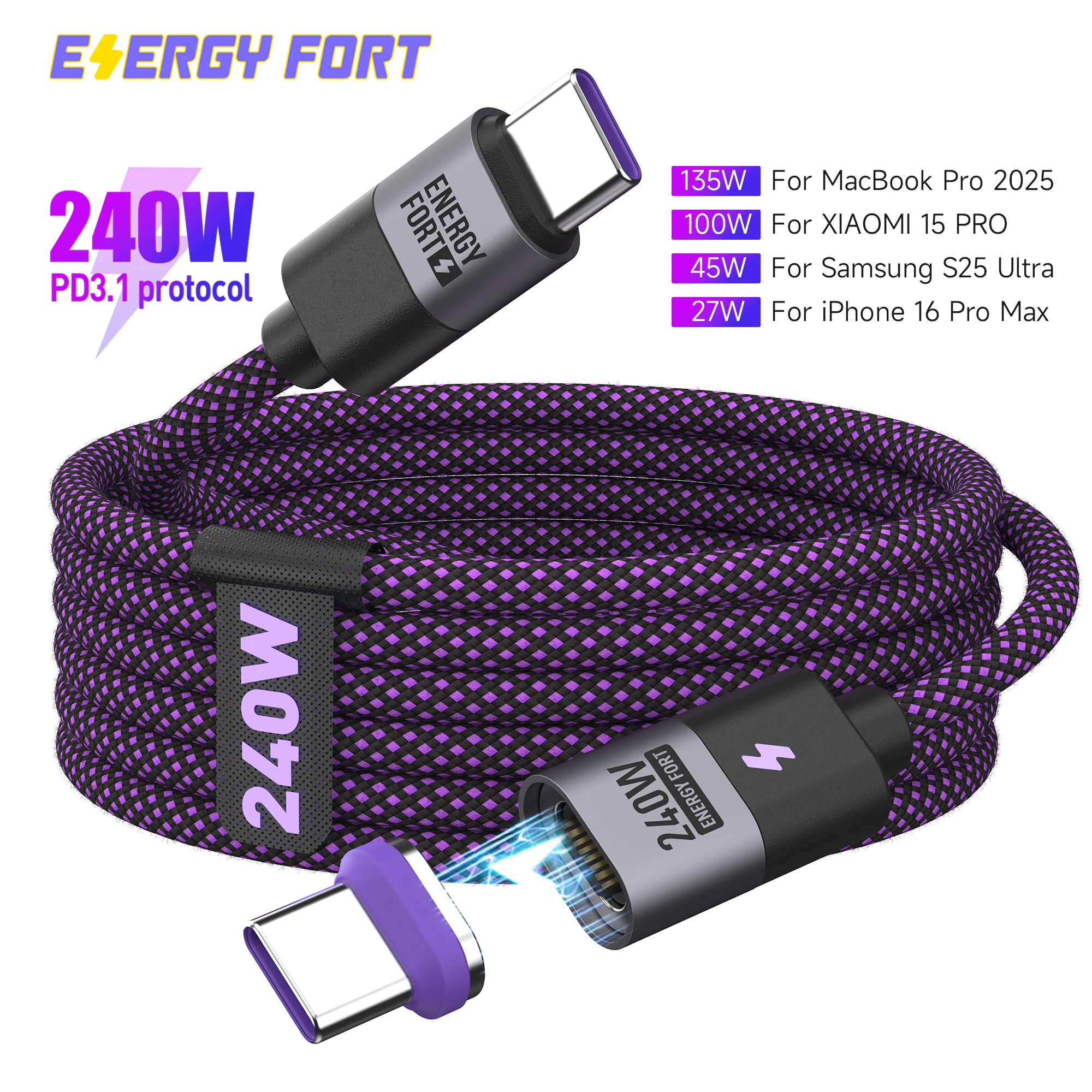
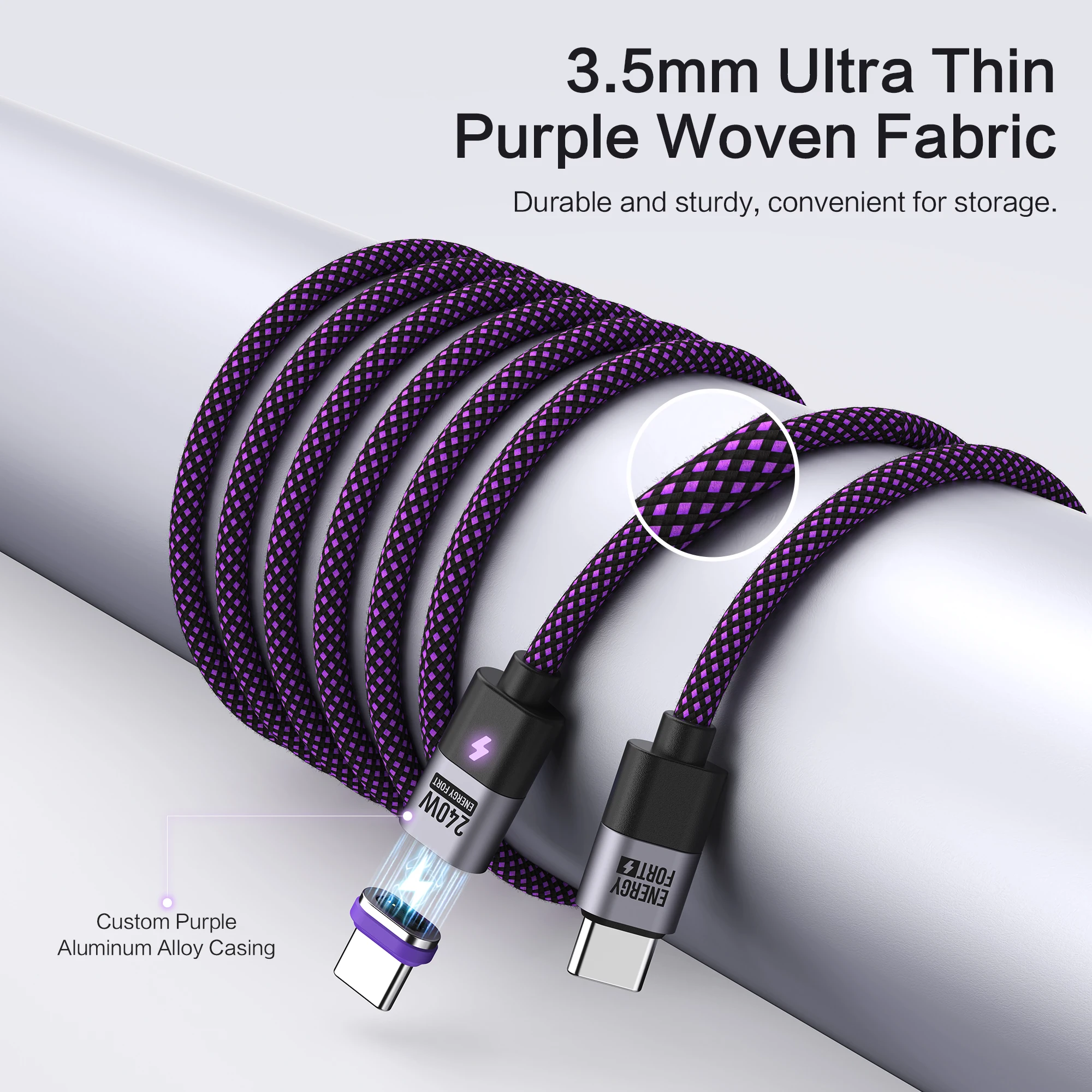
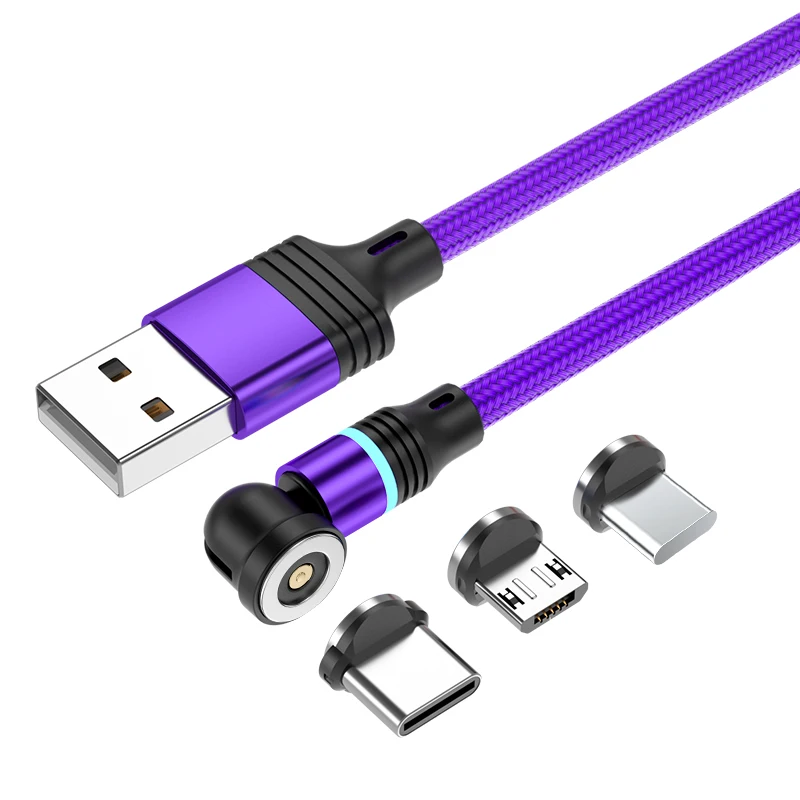
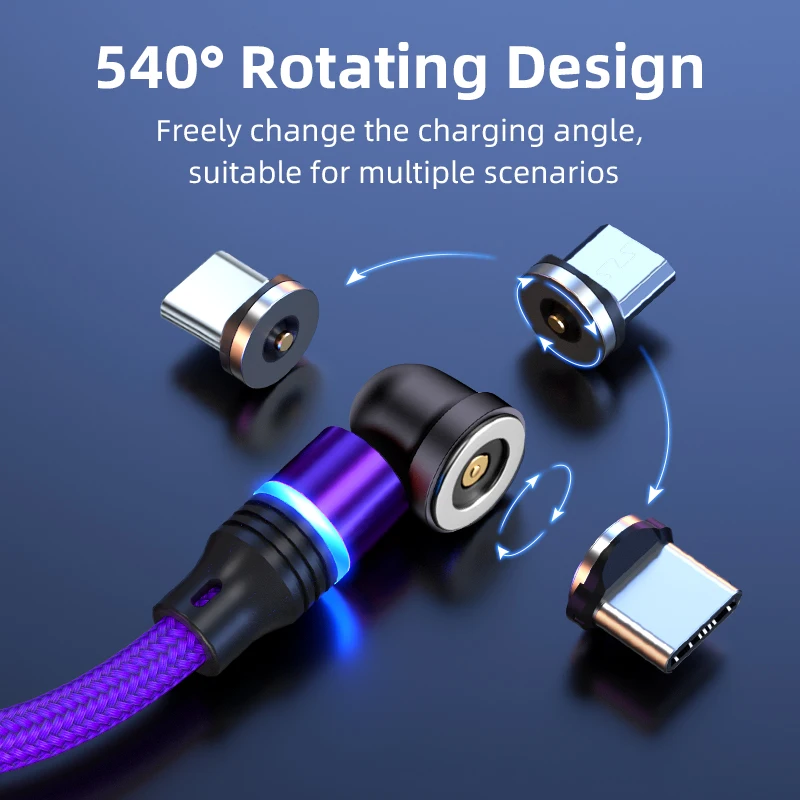
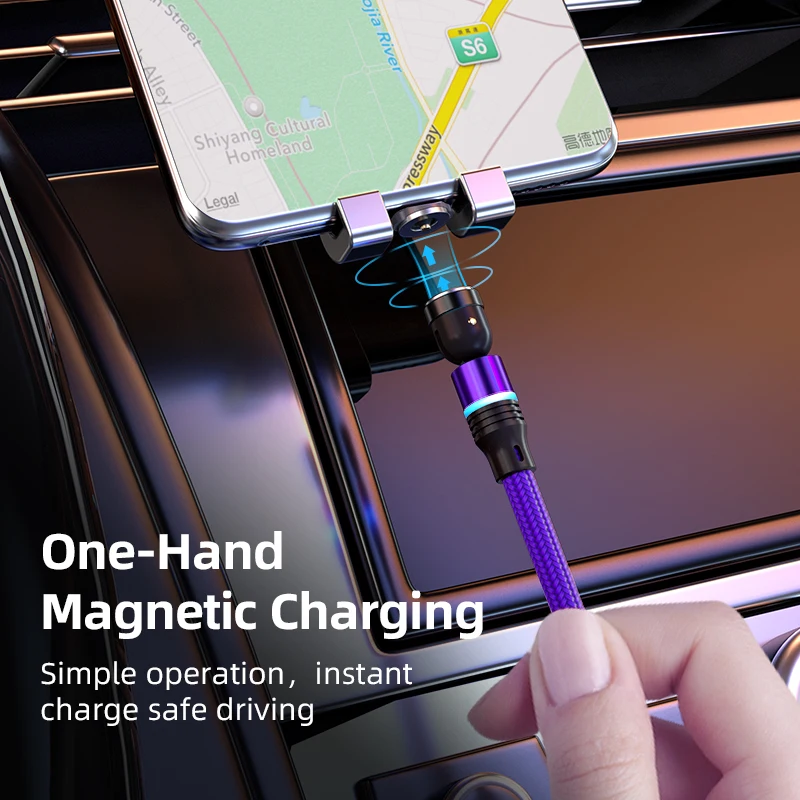
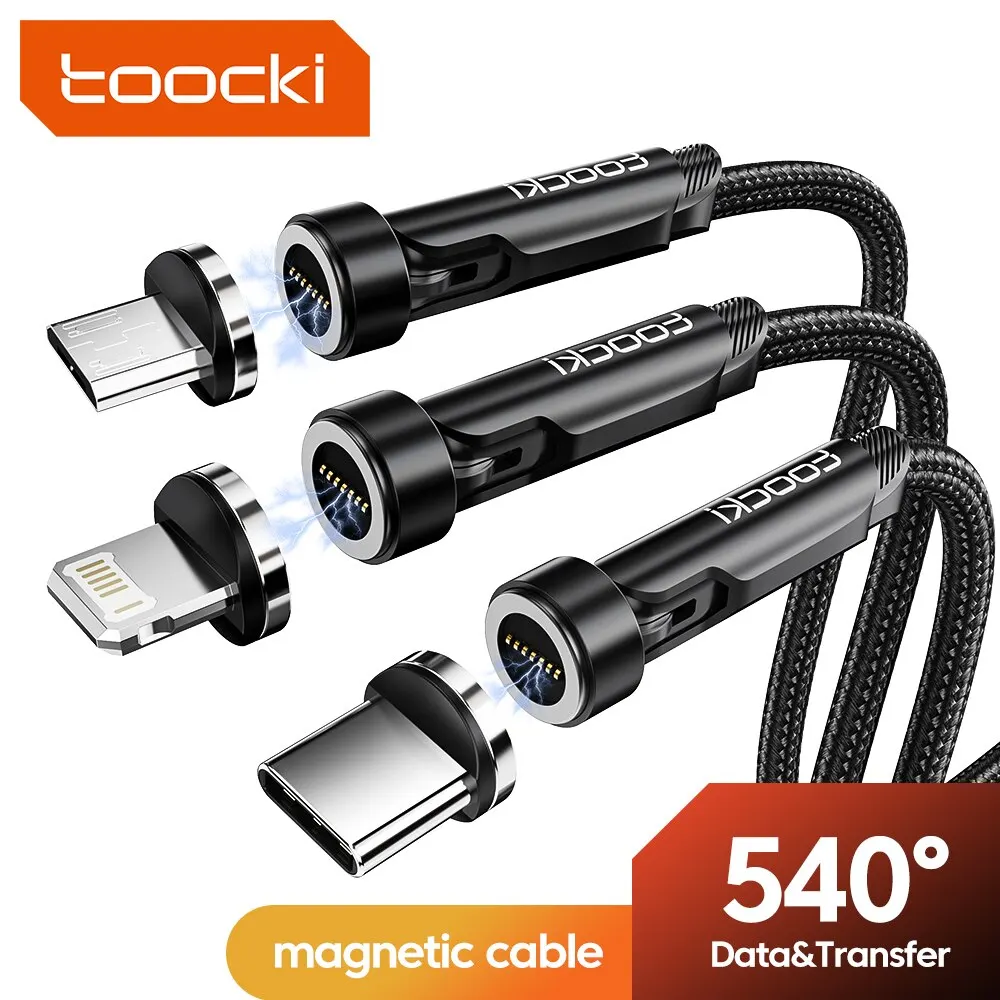
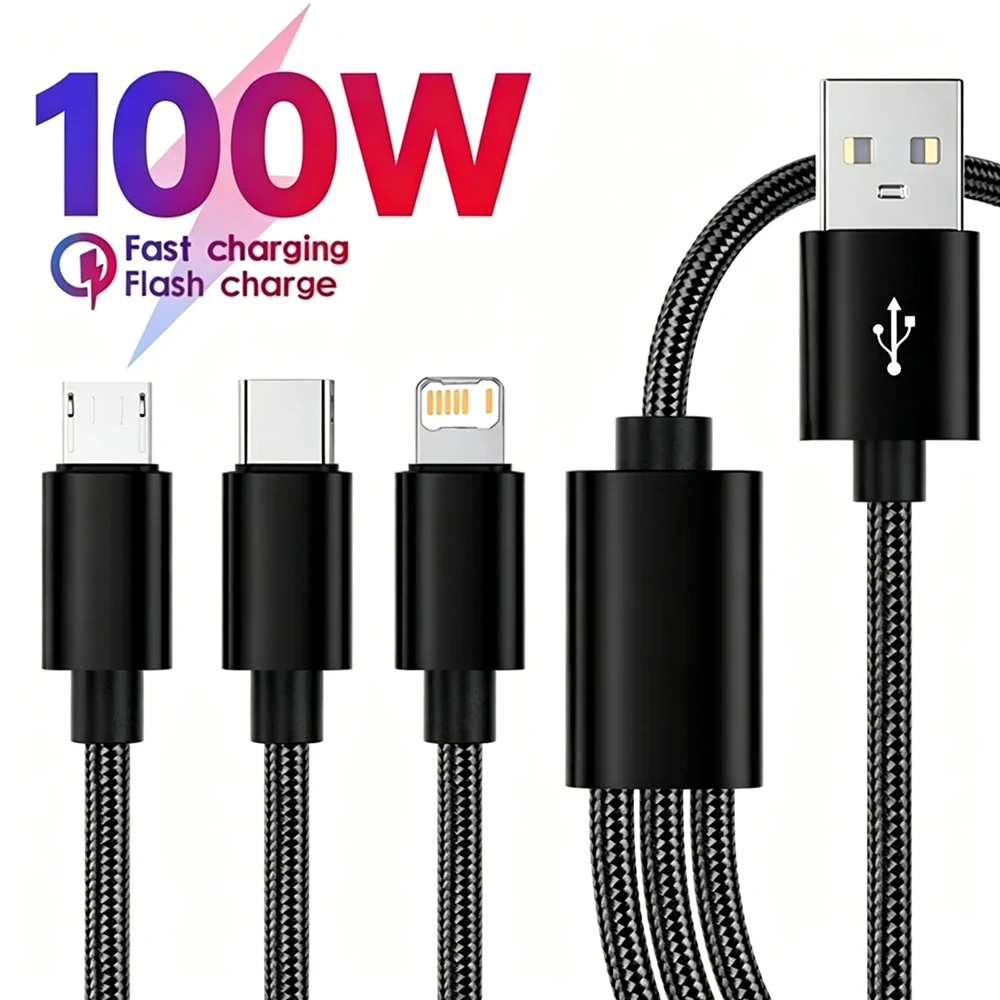
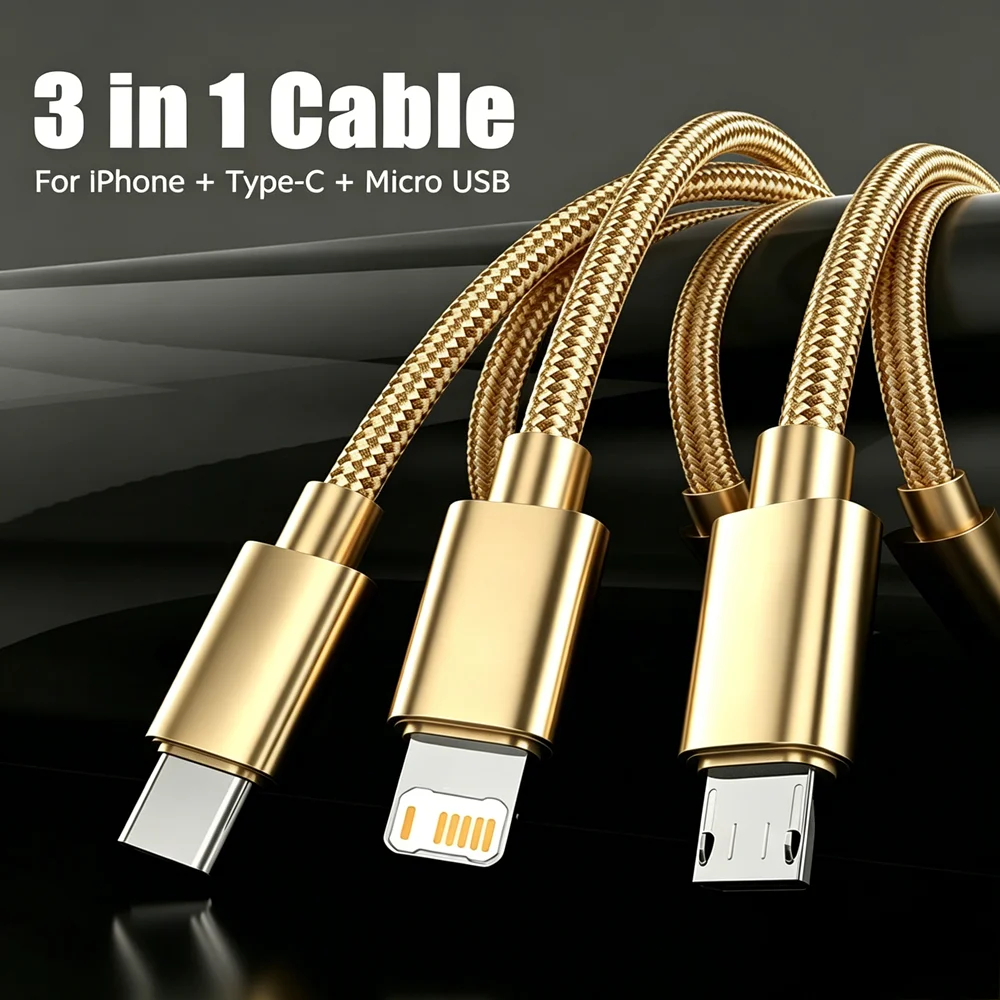
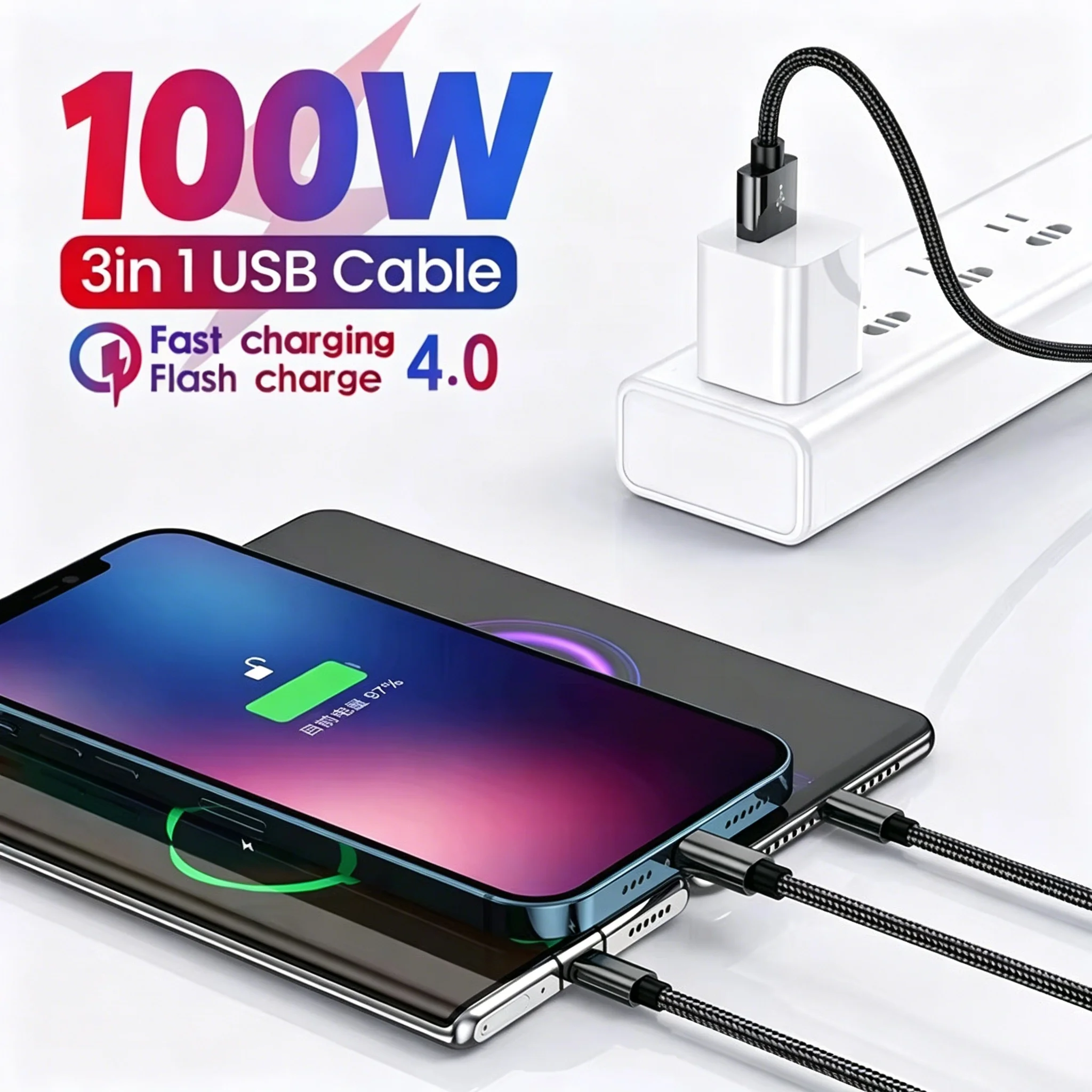
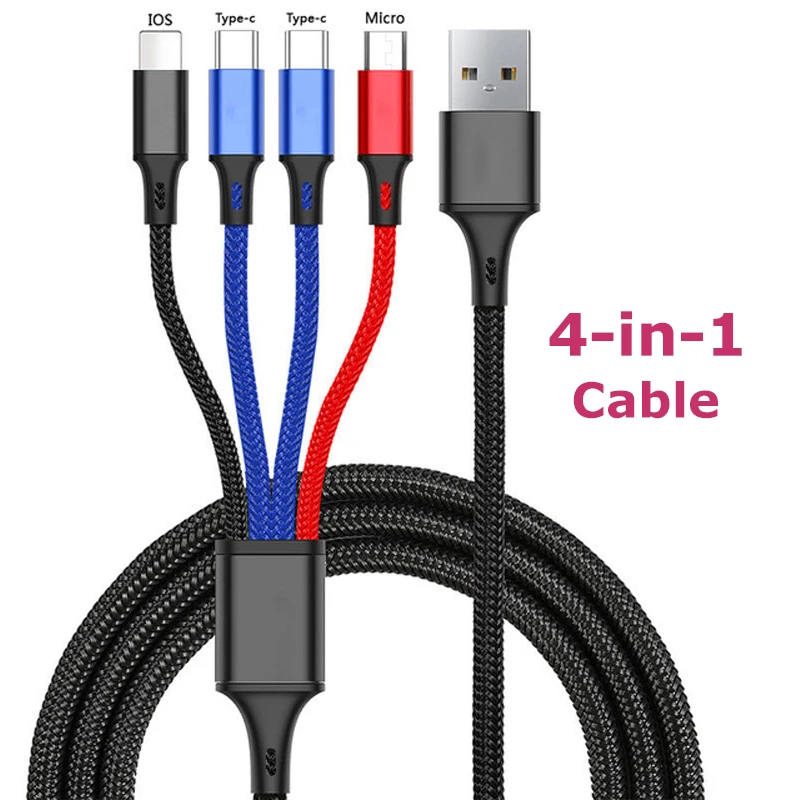
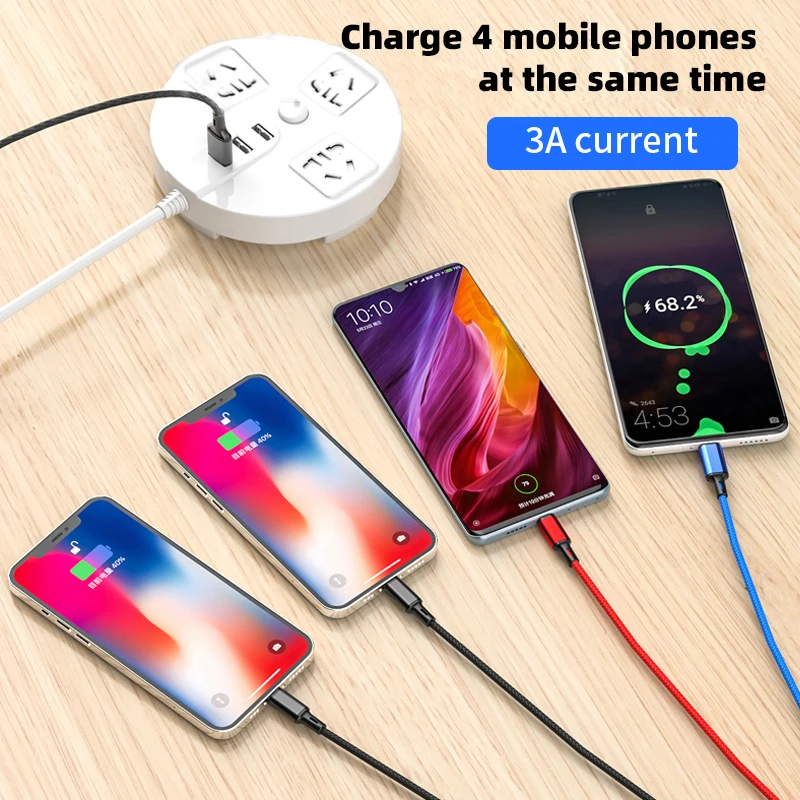
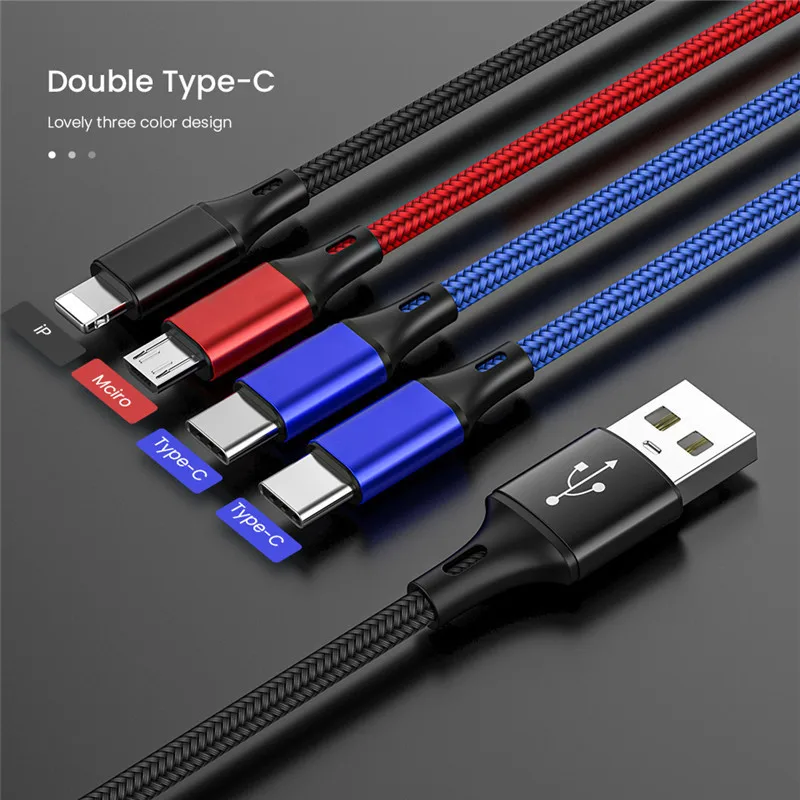
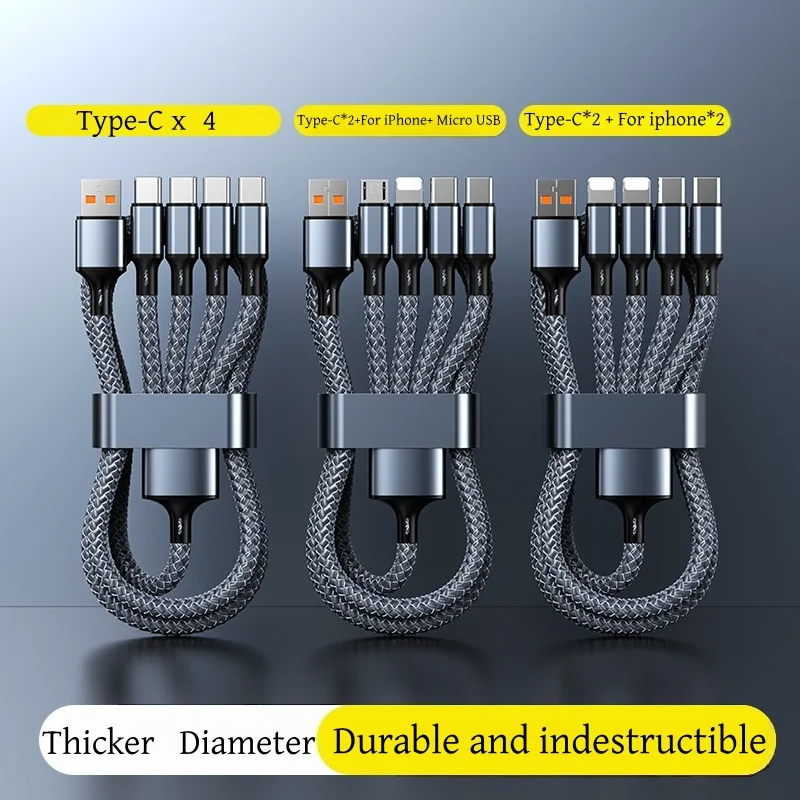
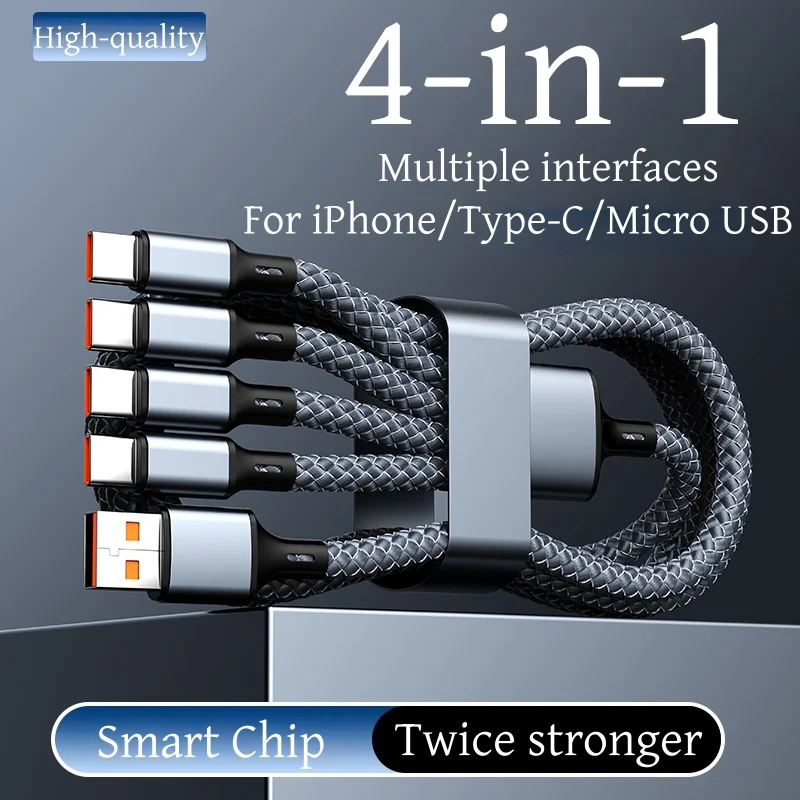
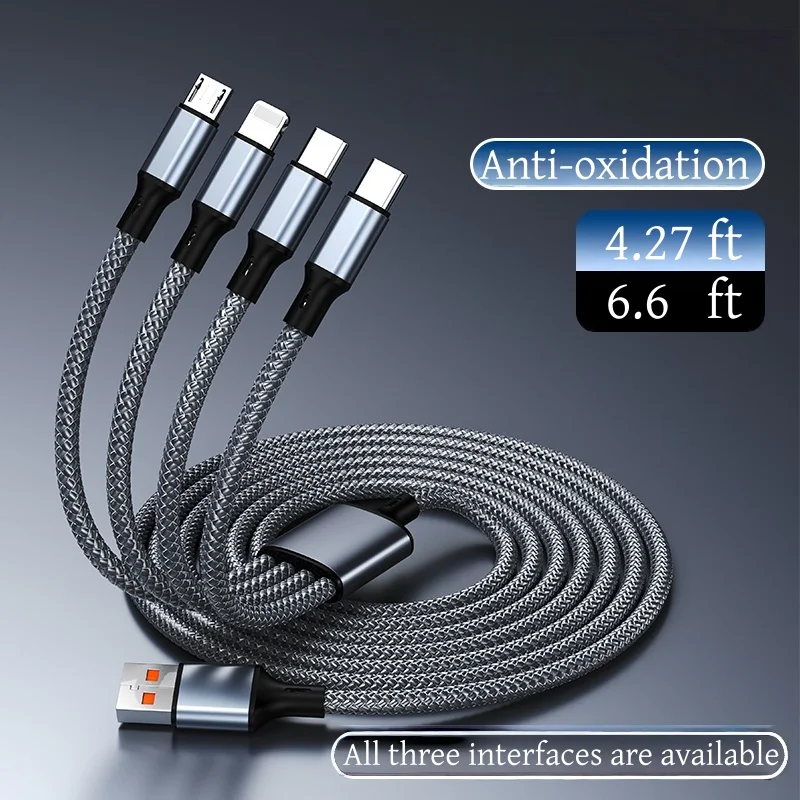
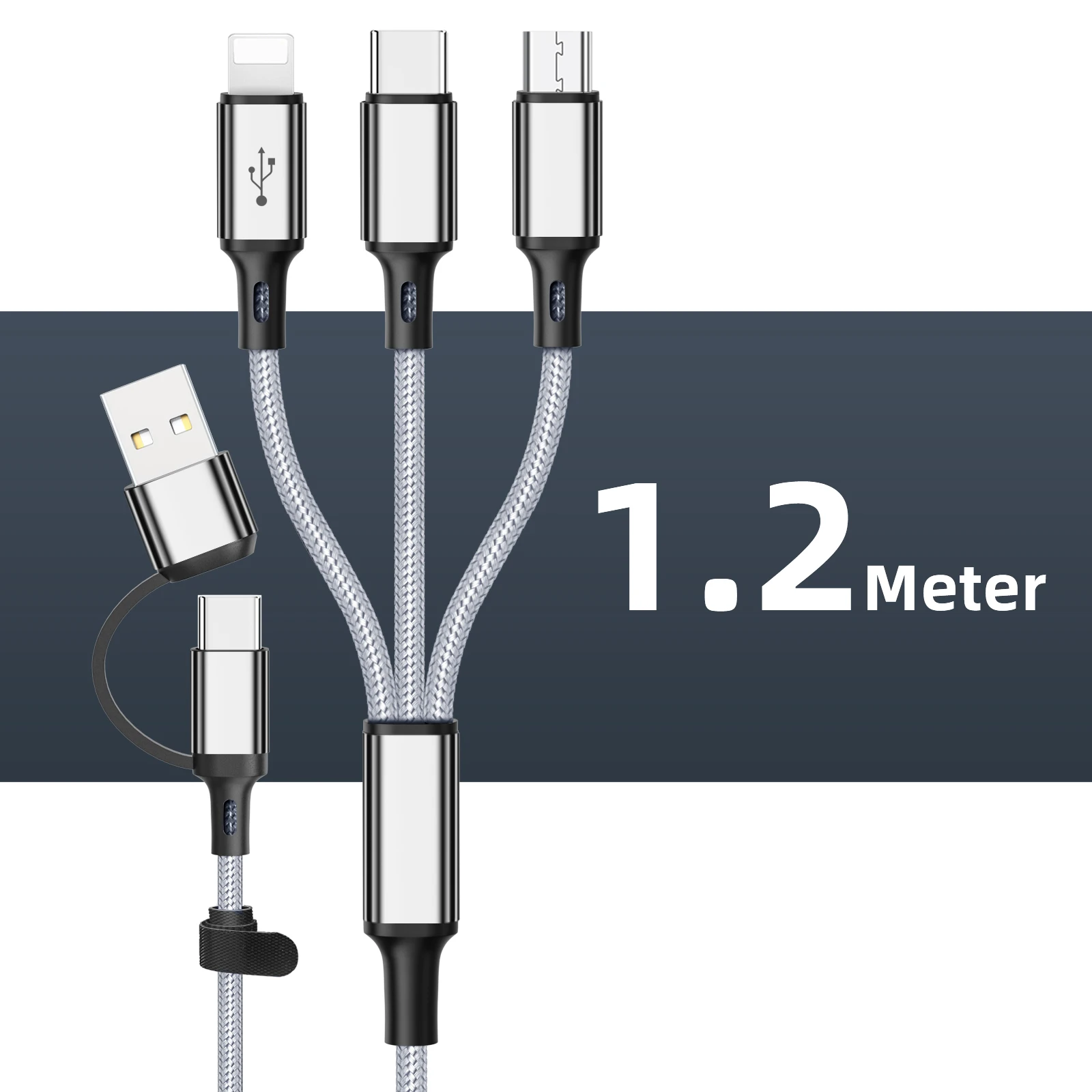
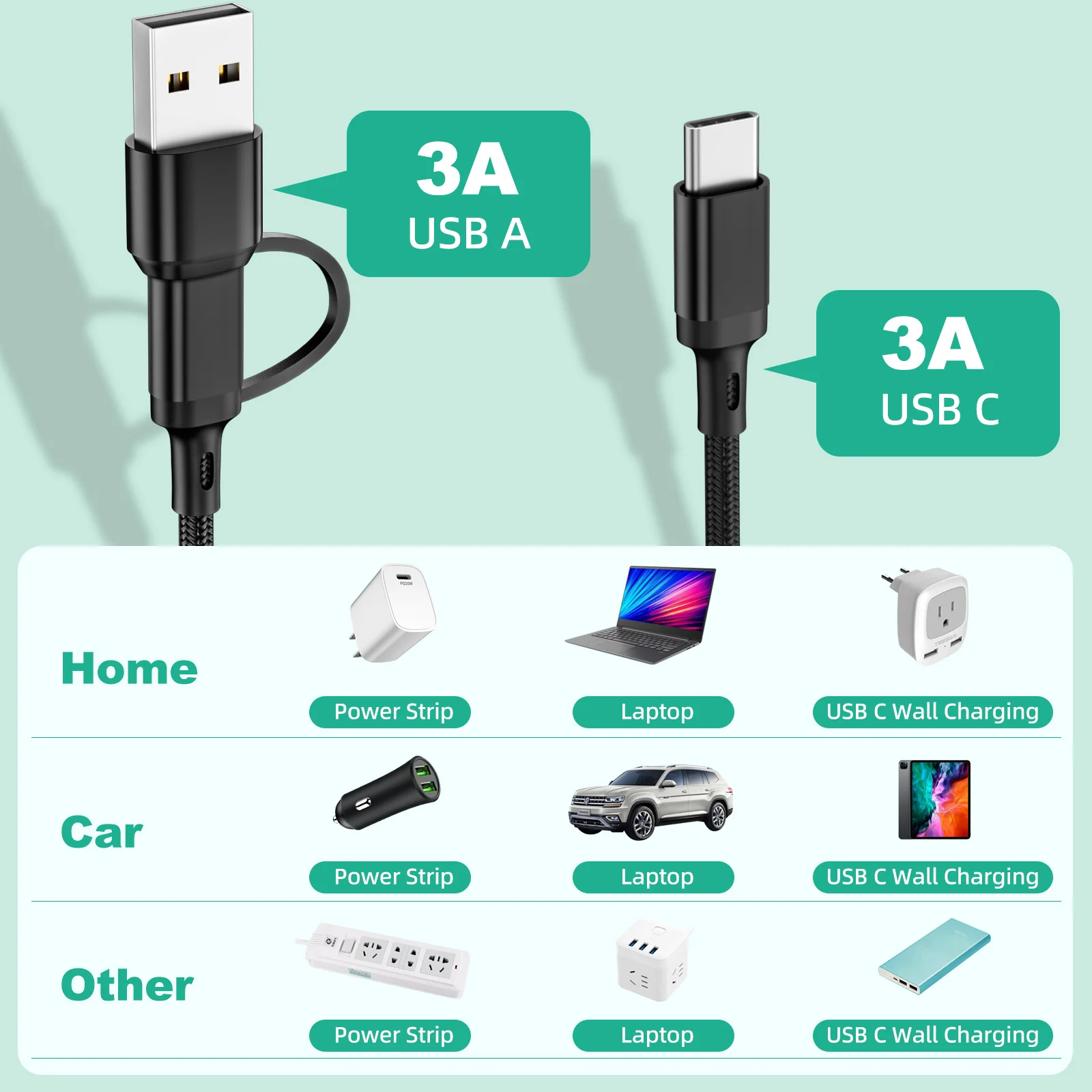
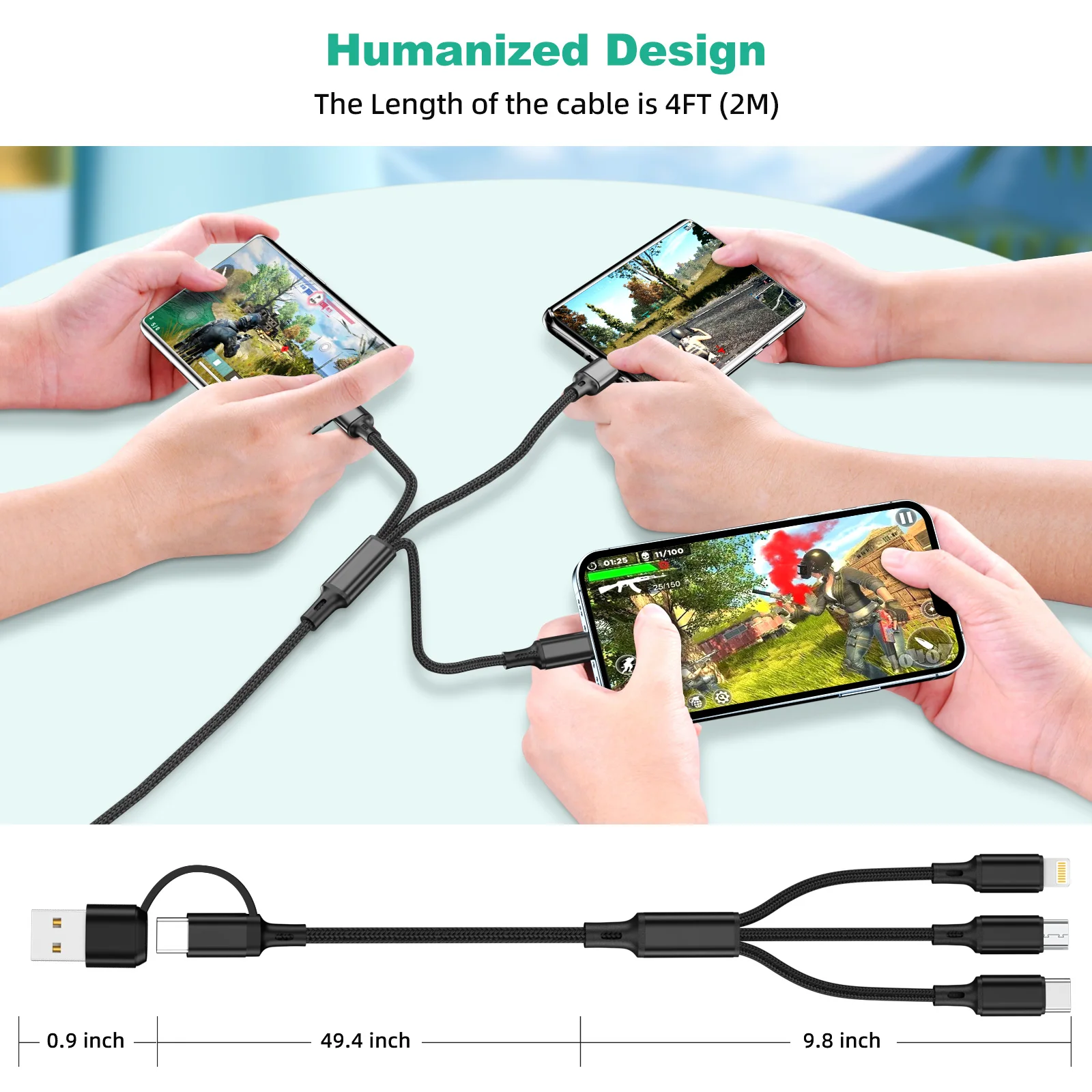
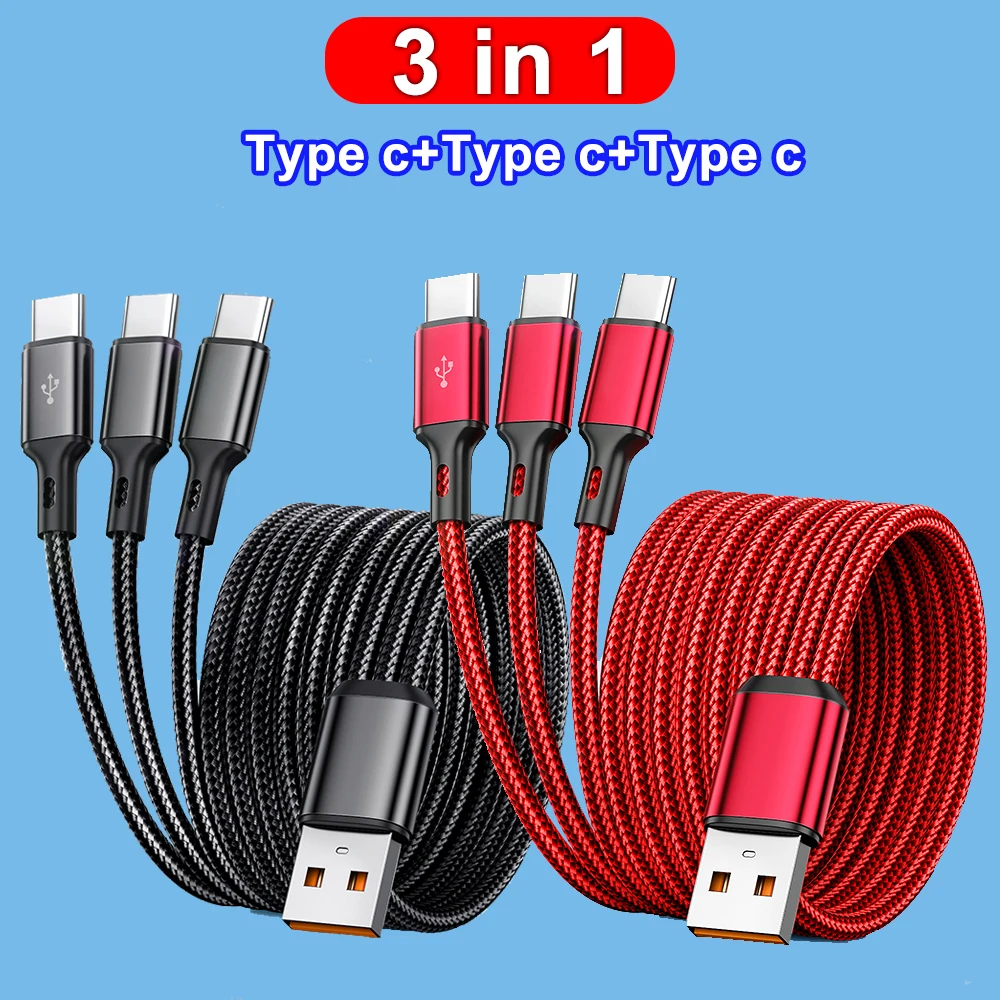
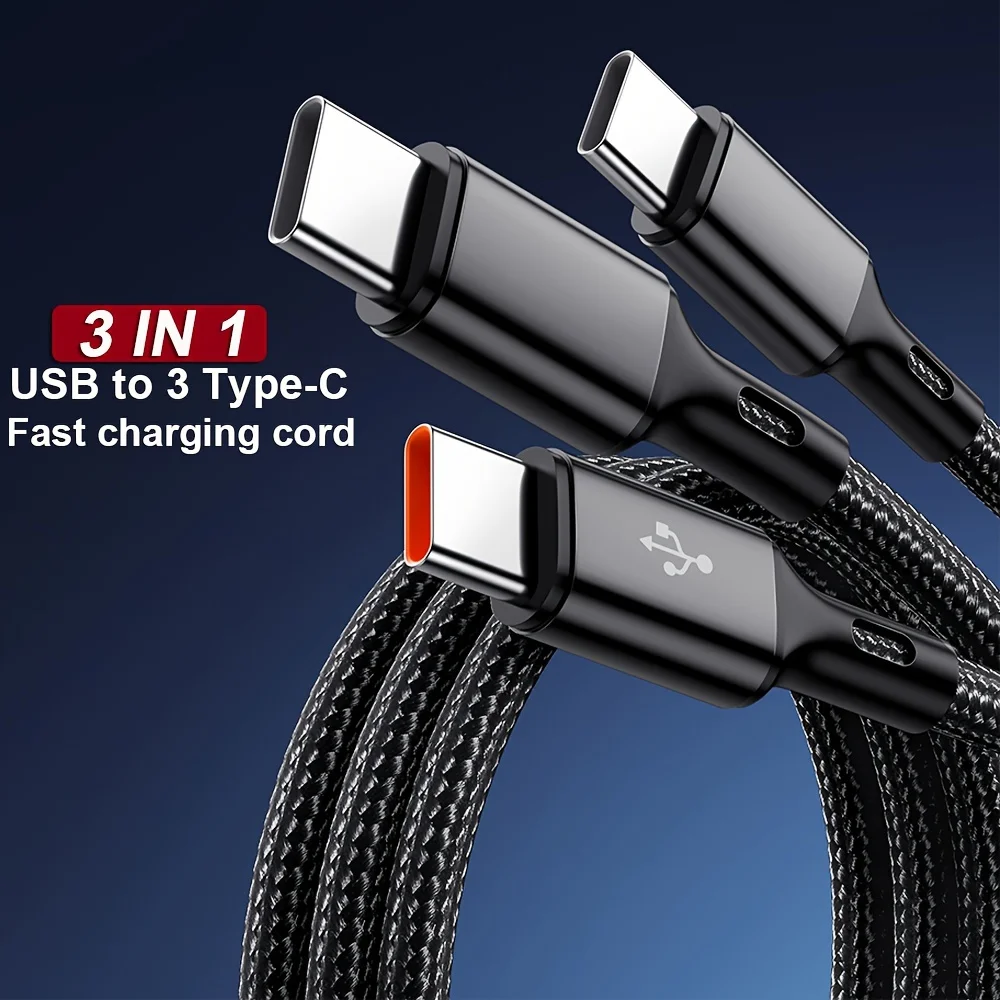
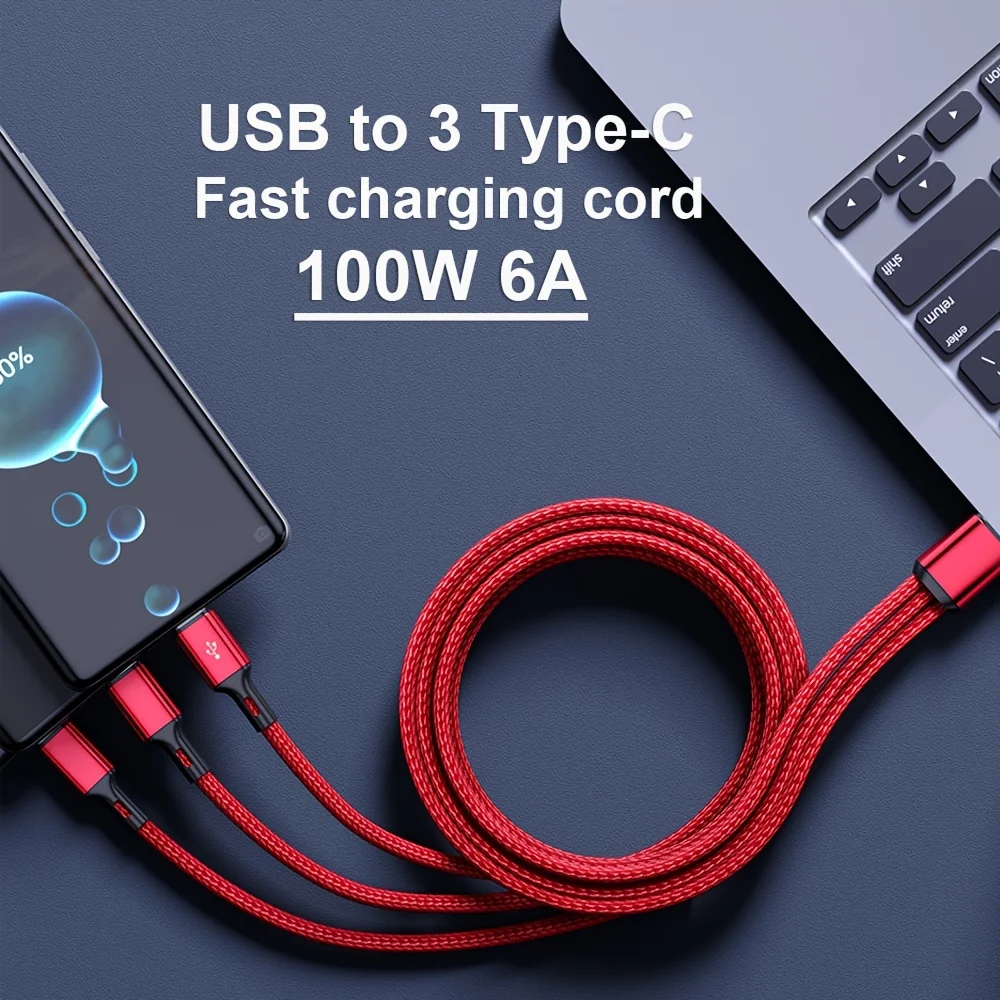
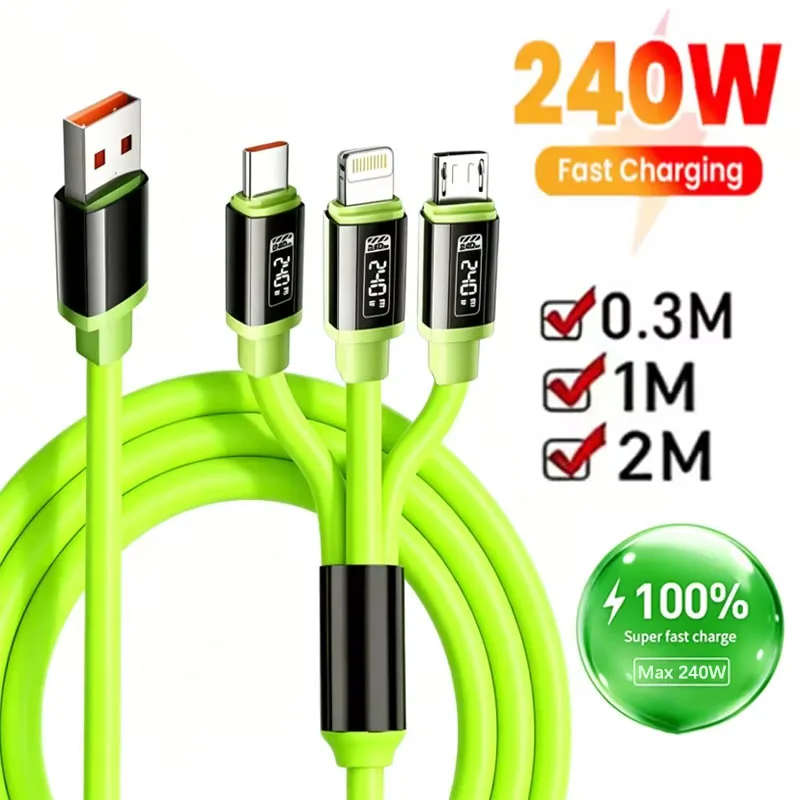
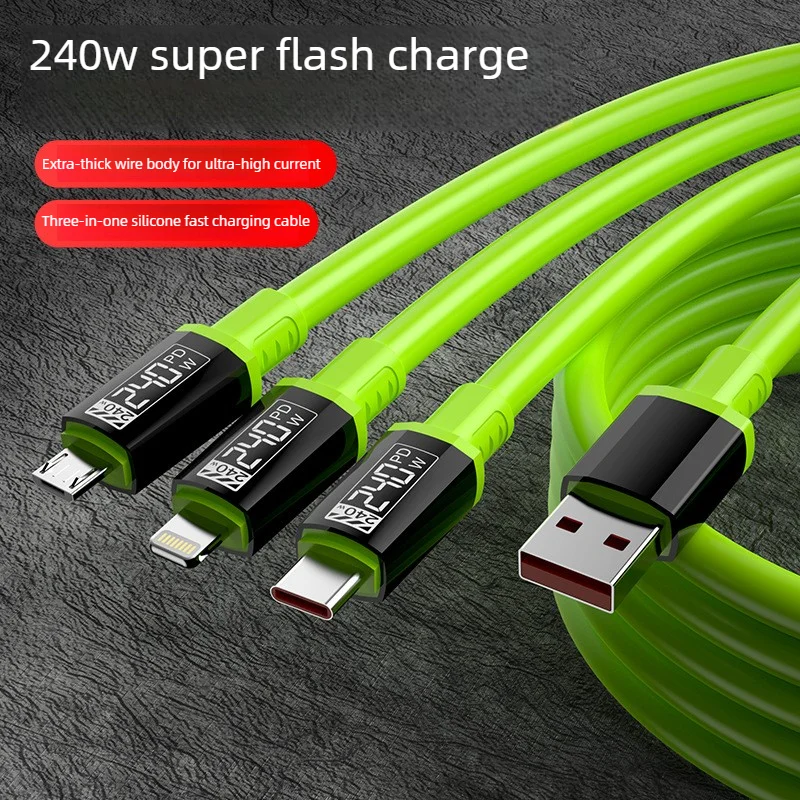
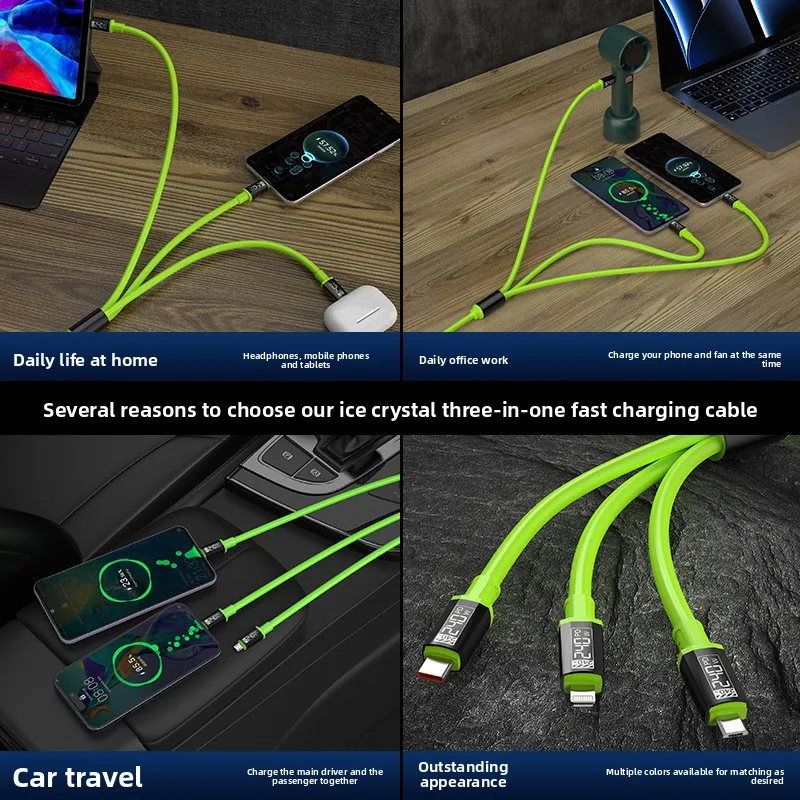
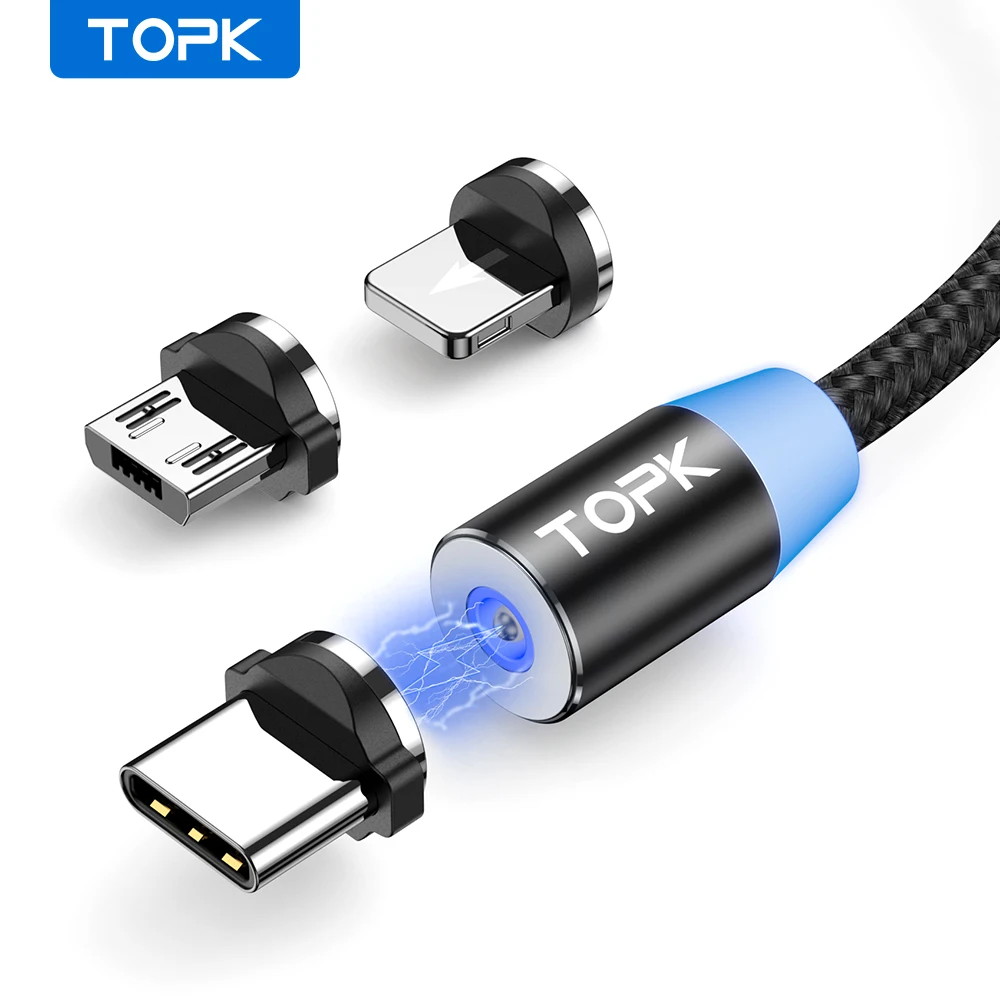
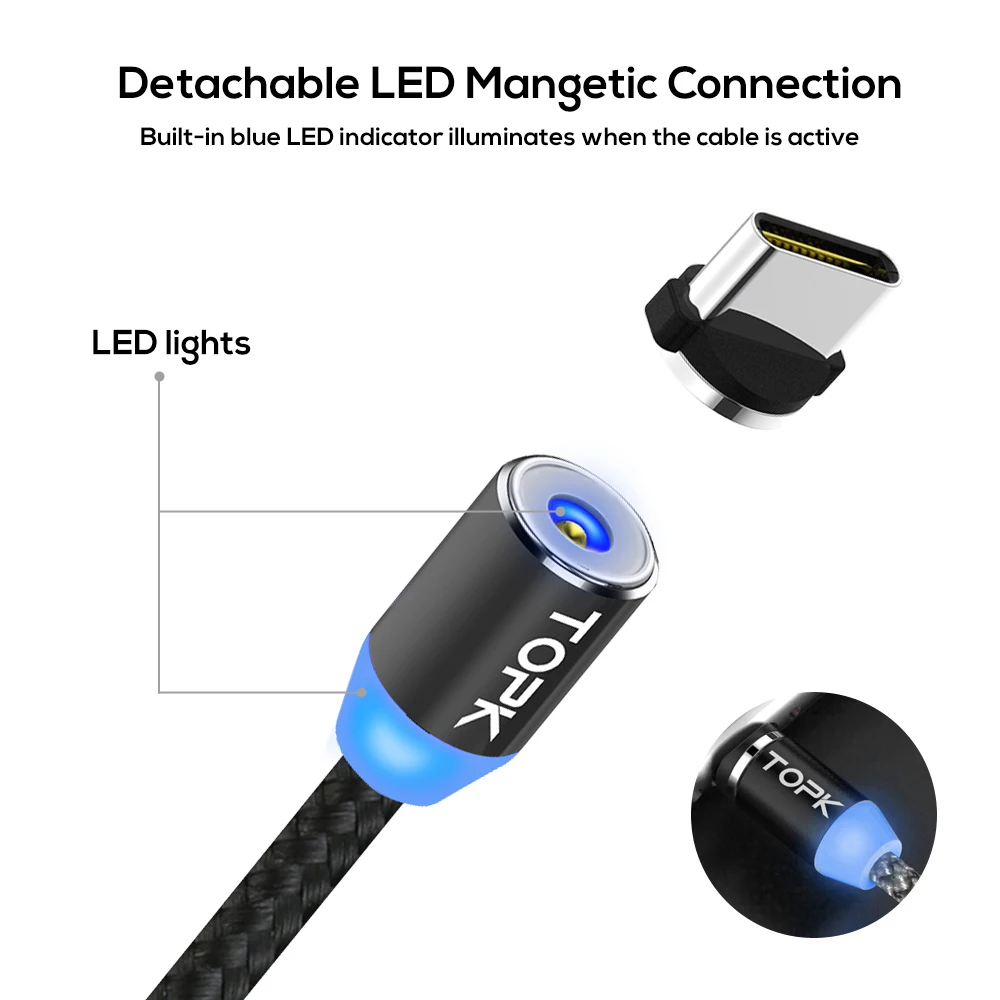
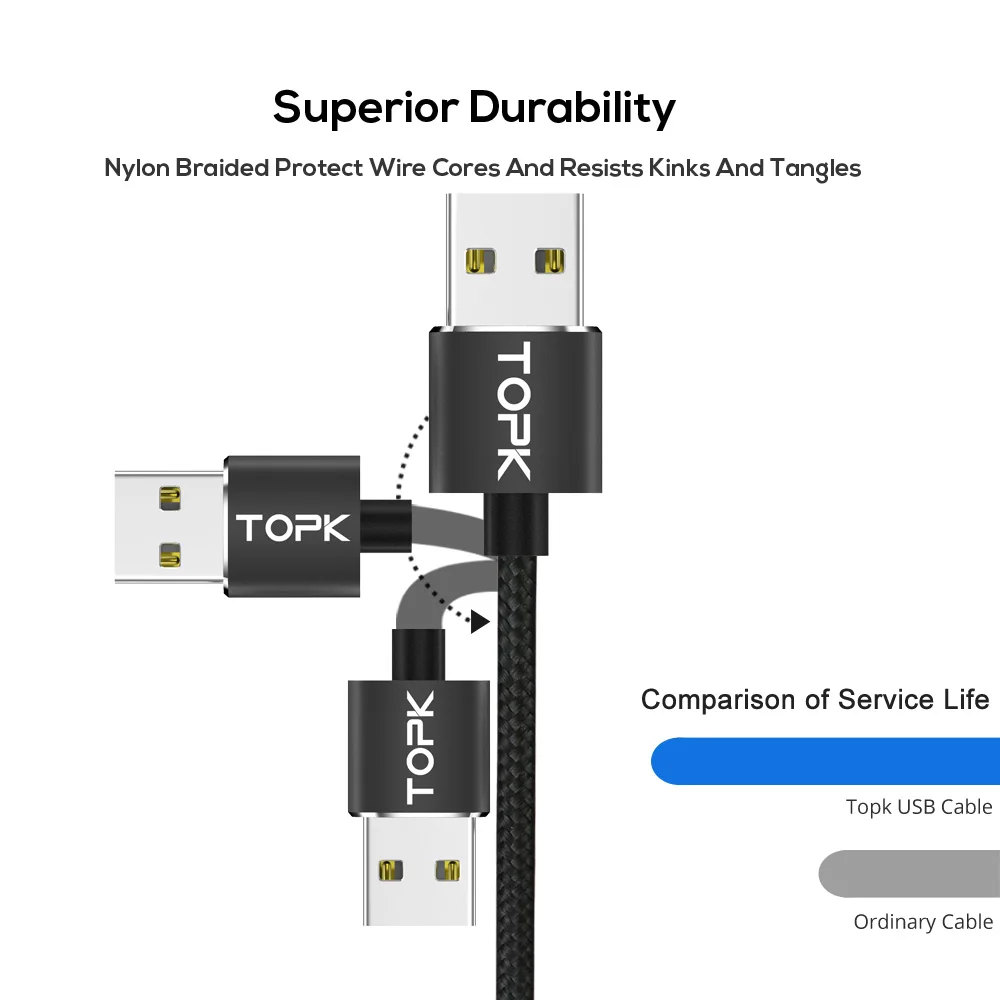
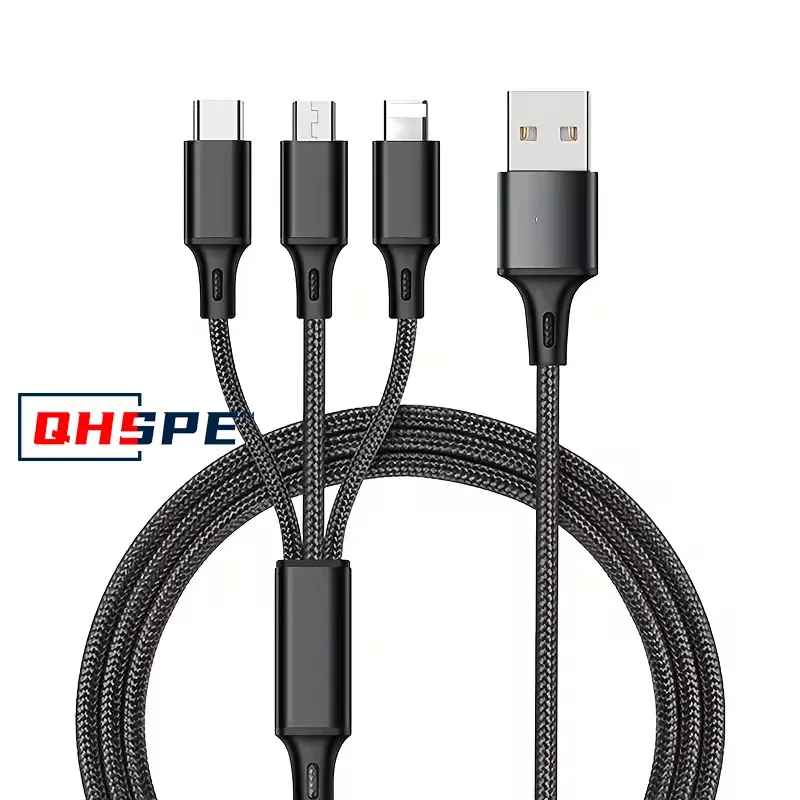
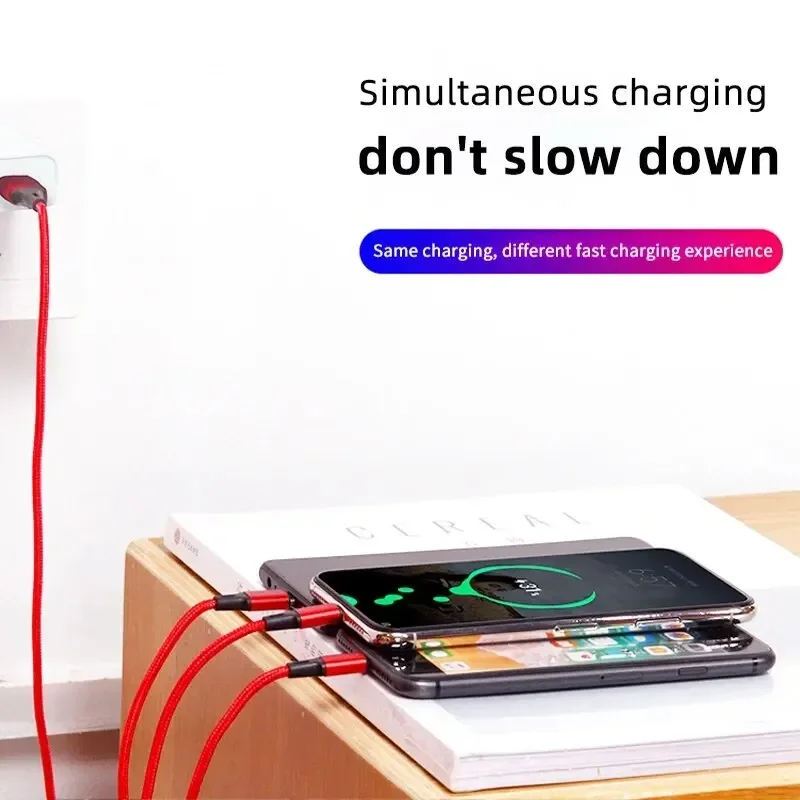
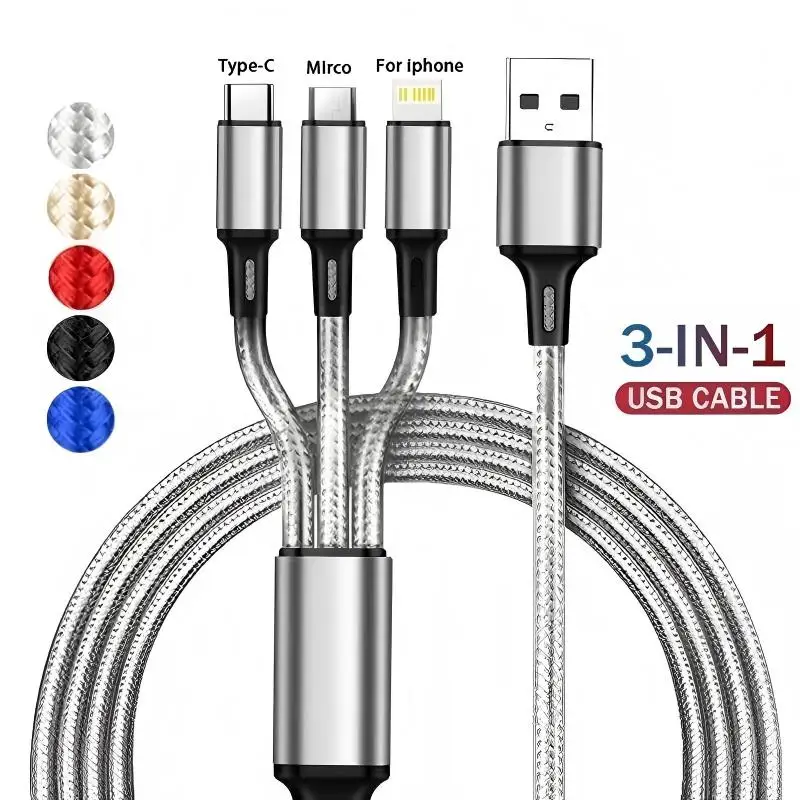
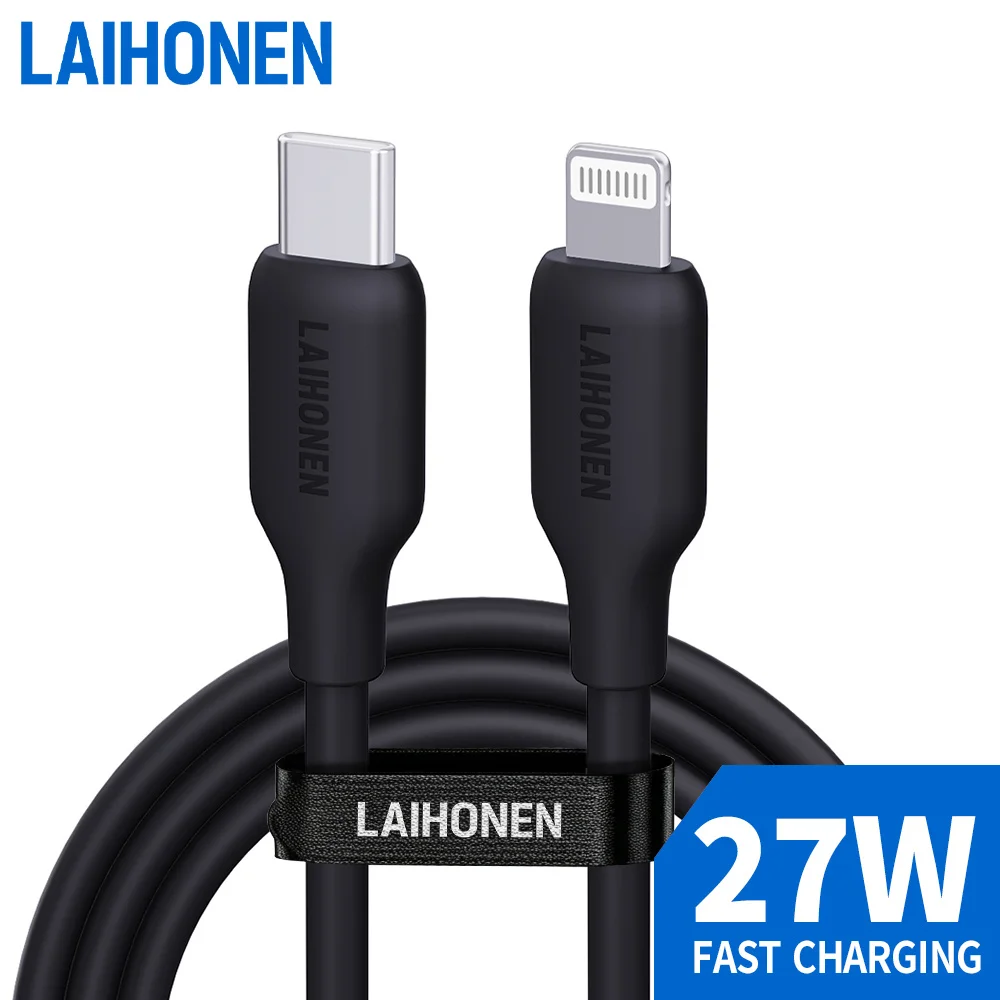
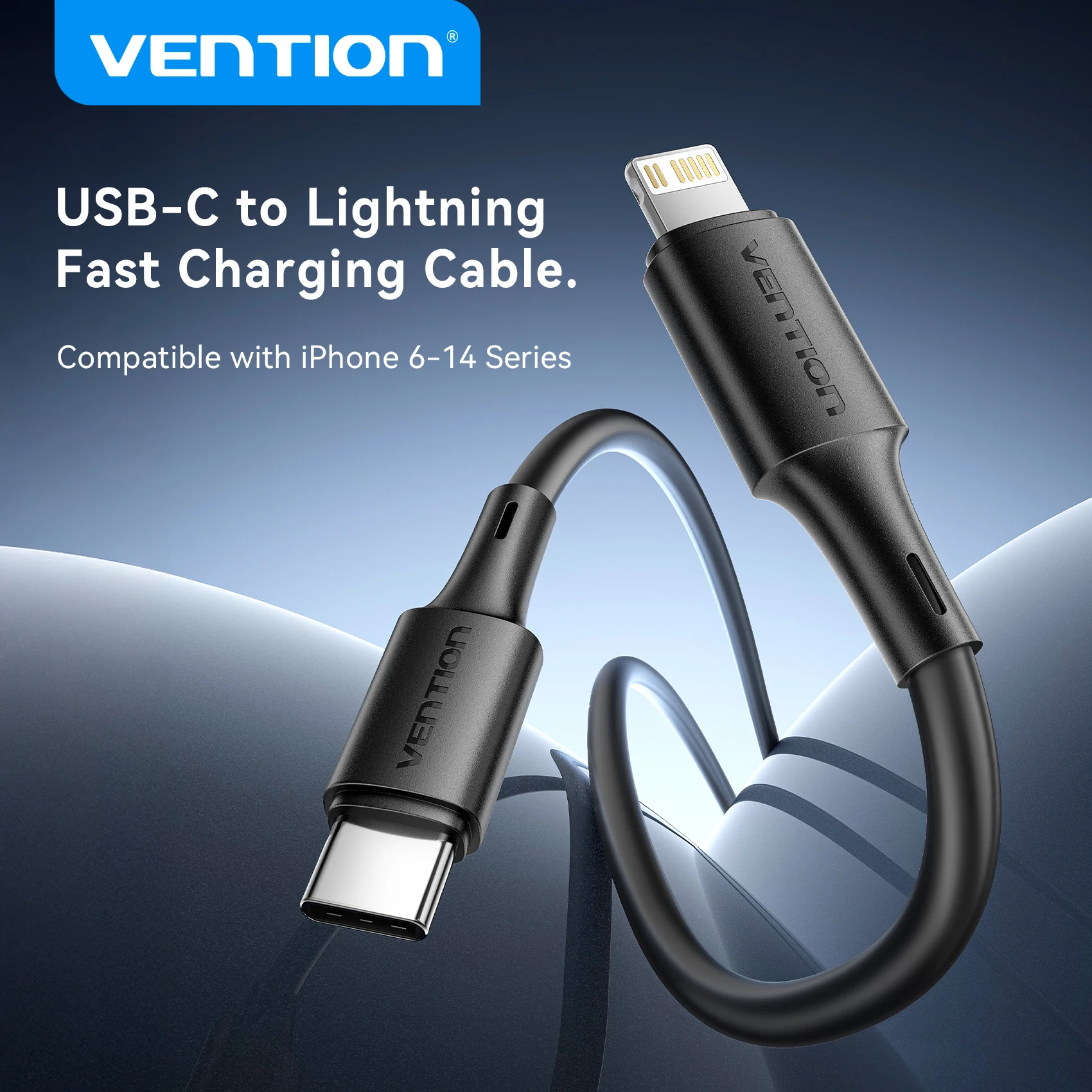
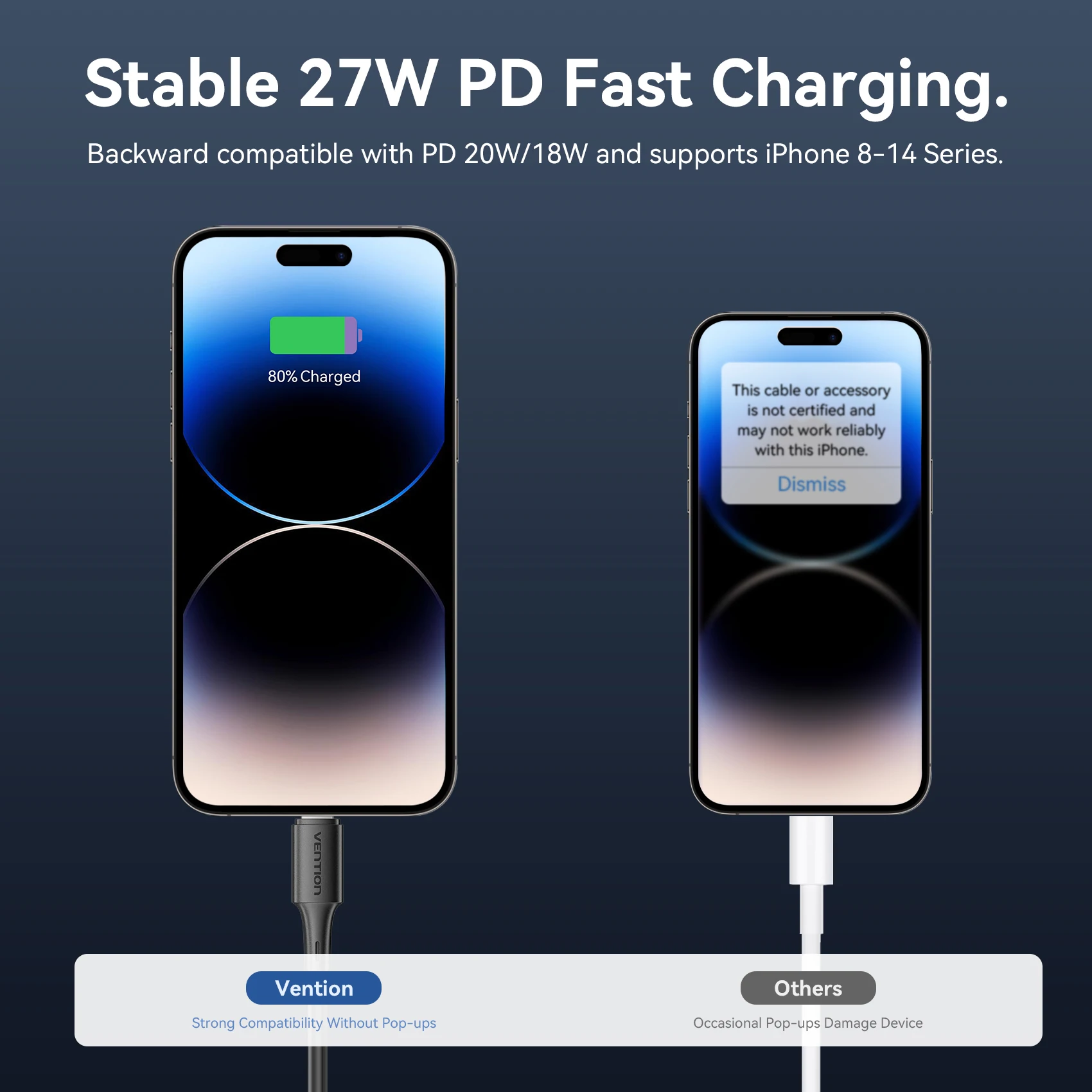
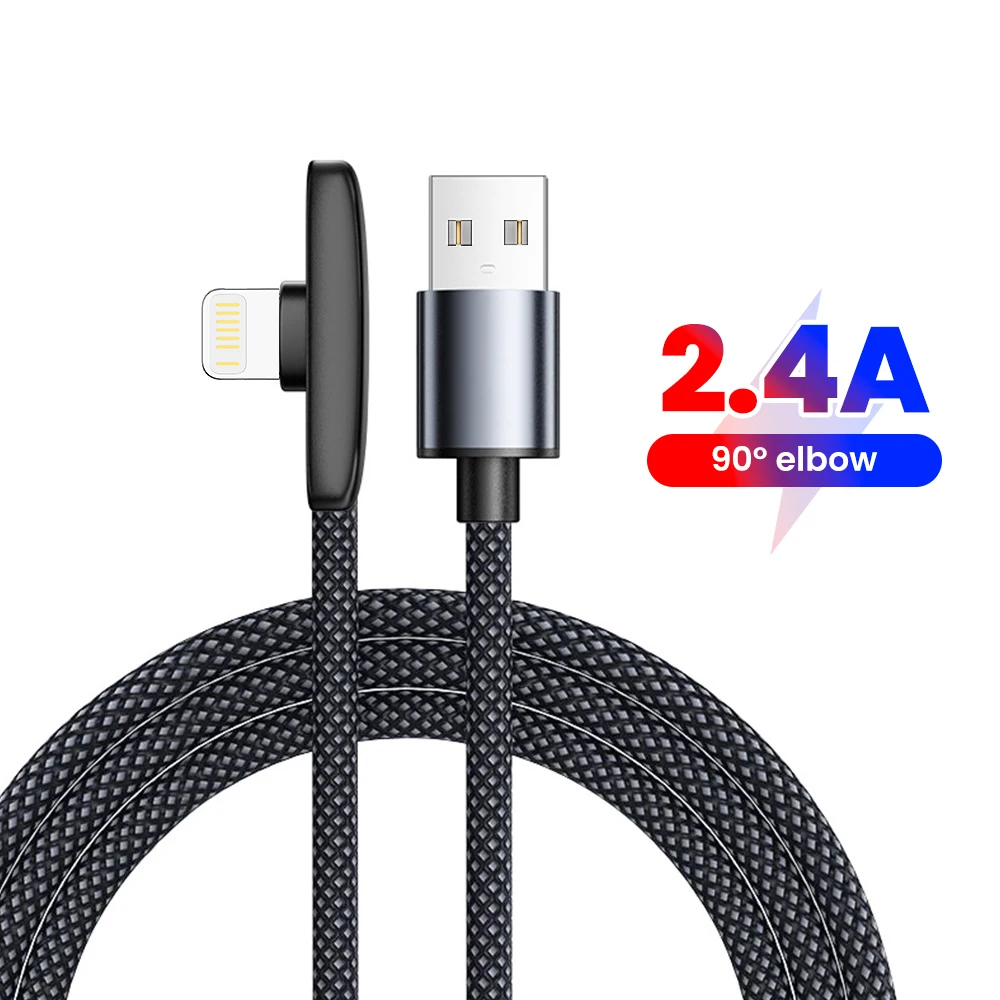
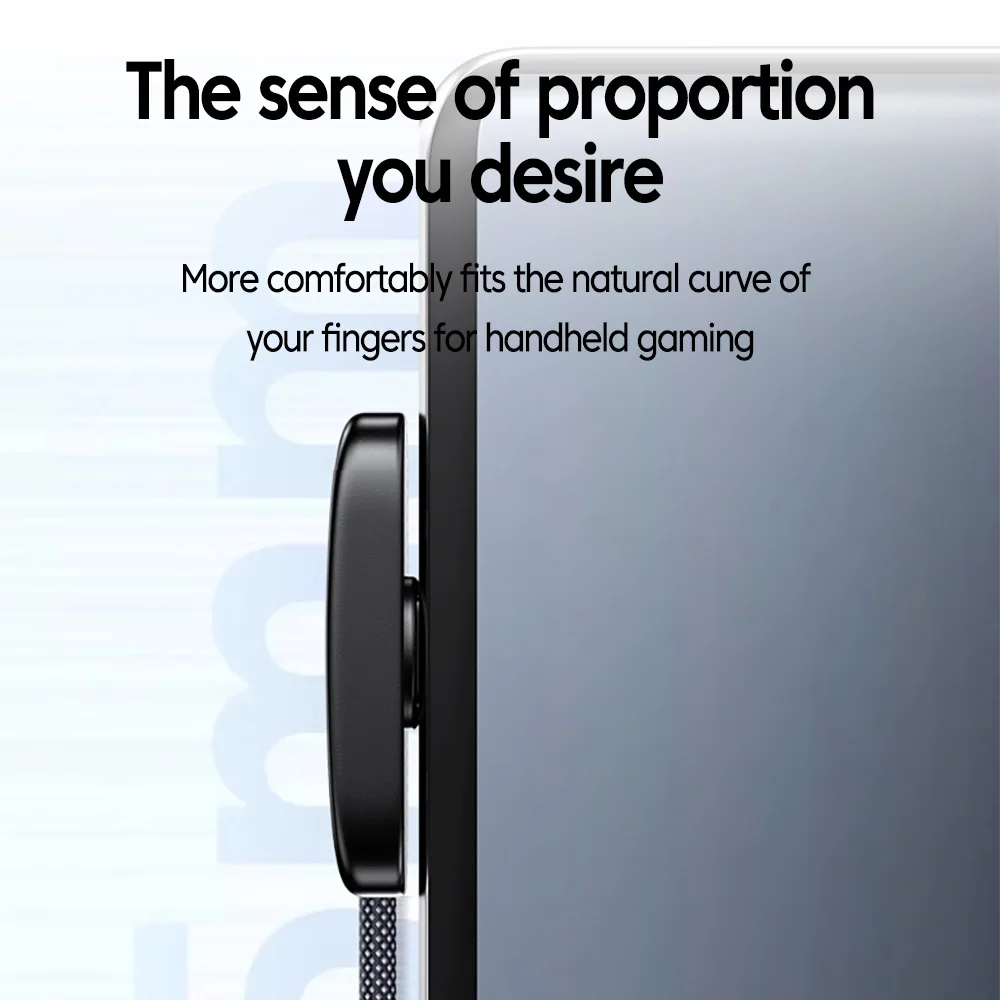
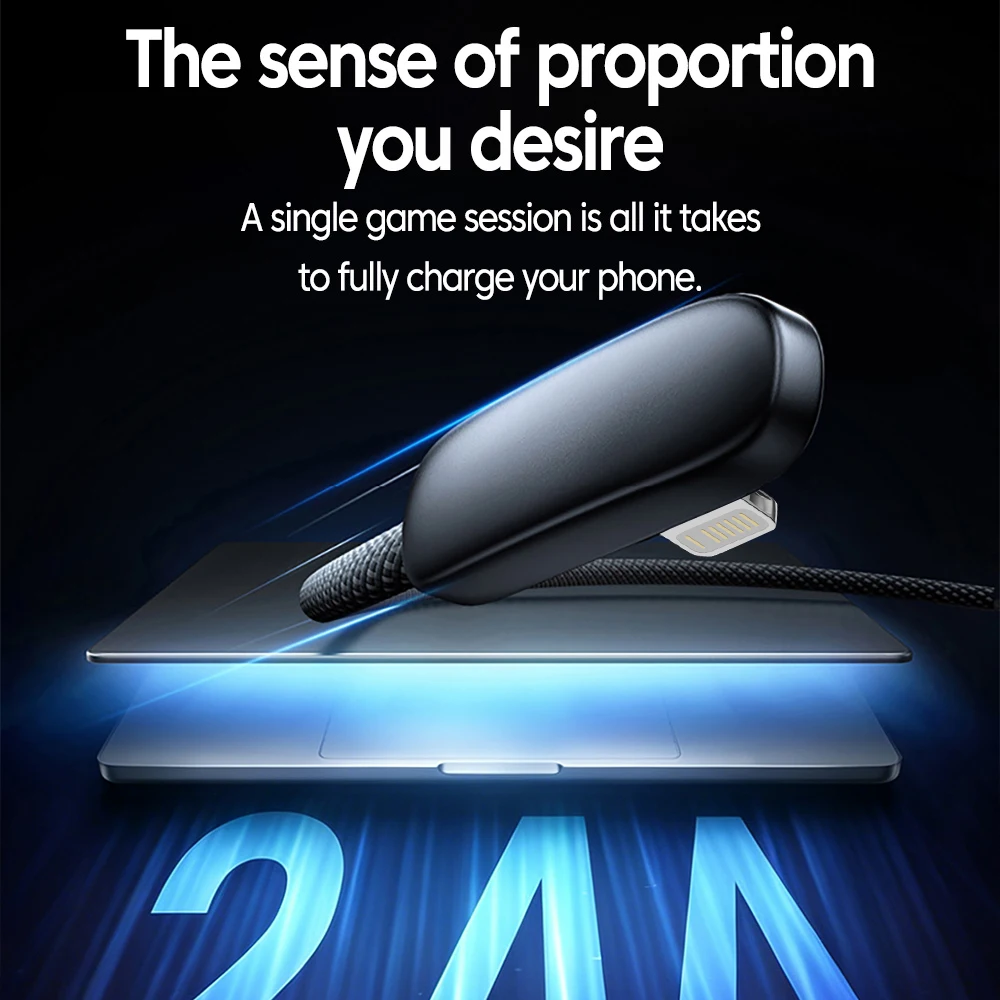
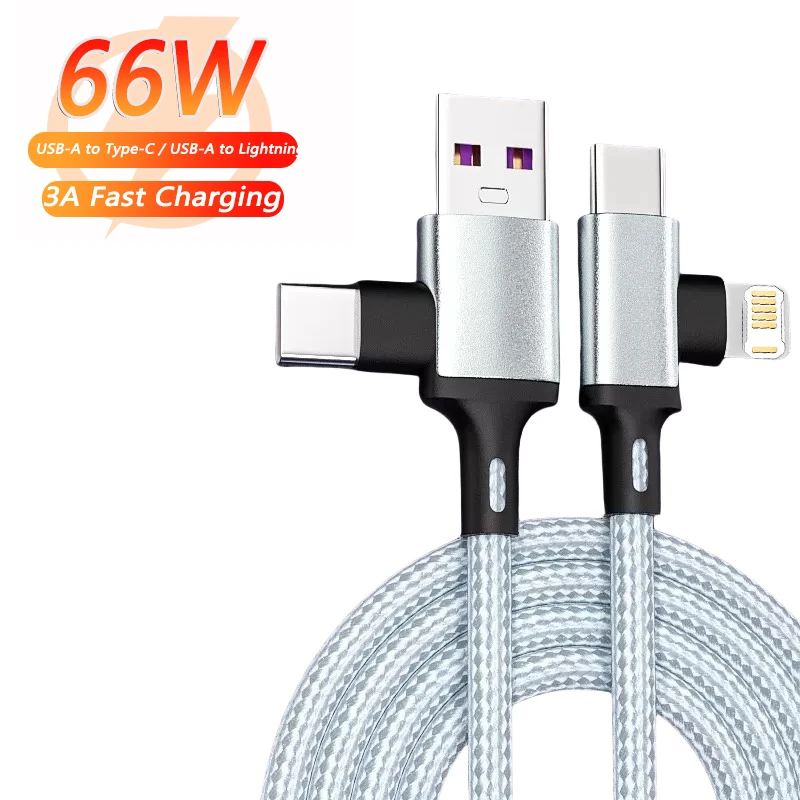
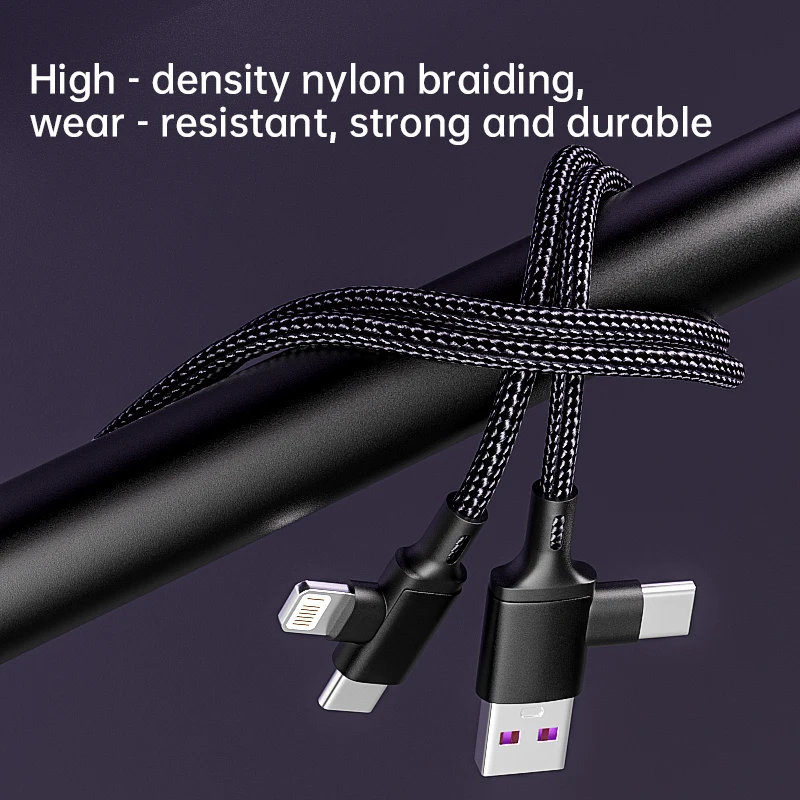
- Charging cables: USB-C, USB-A and Lightning, cables with three plugs for a house of different phones, and braided, right-angled, short and long cables. See charging cables.
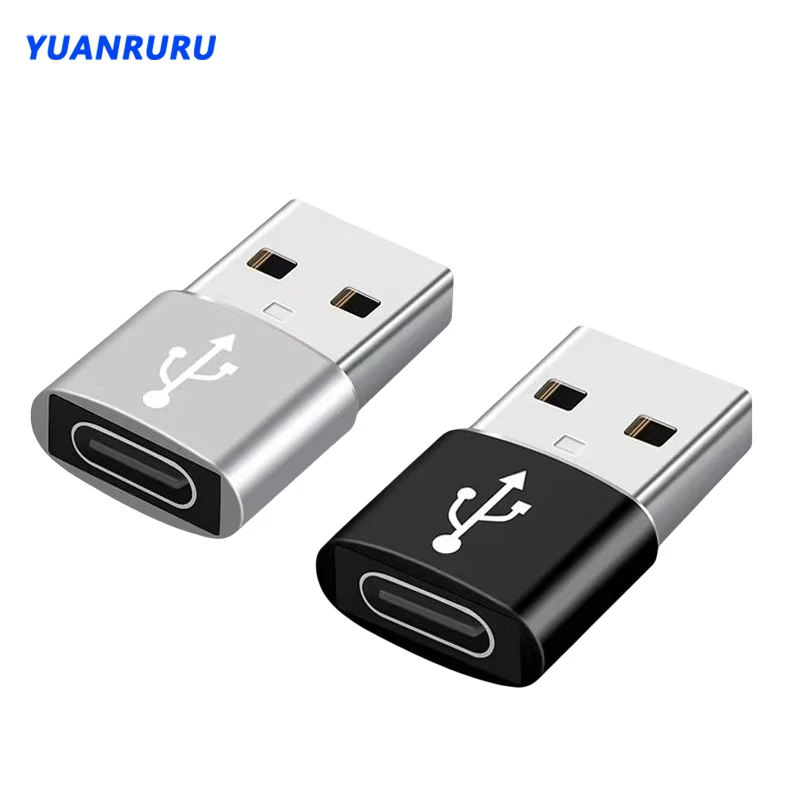
- Adapters and converters let one plug work with another, for headphones, USB sticks and the move from Lightning to USB-C. See adapters and converters.
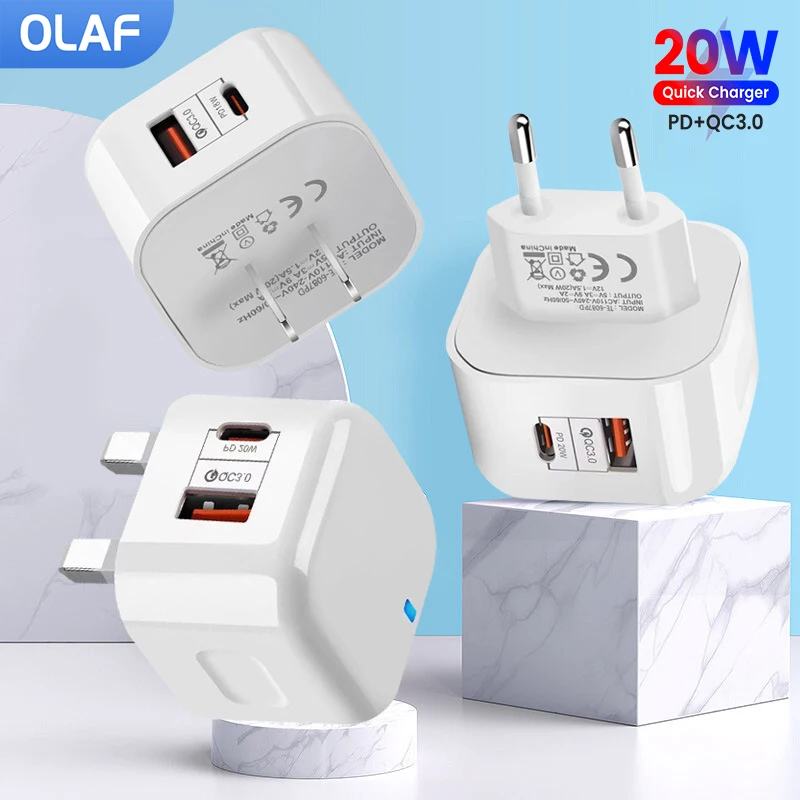
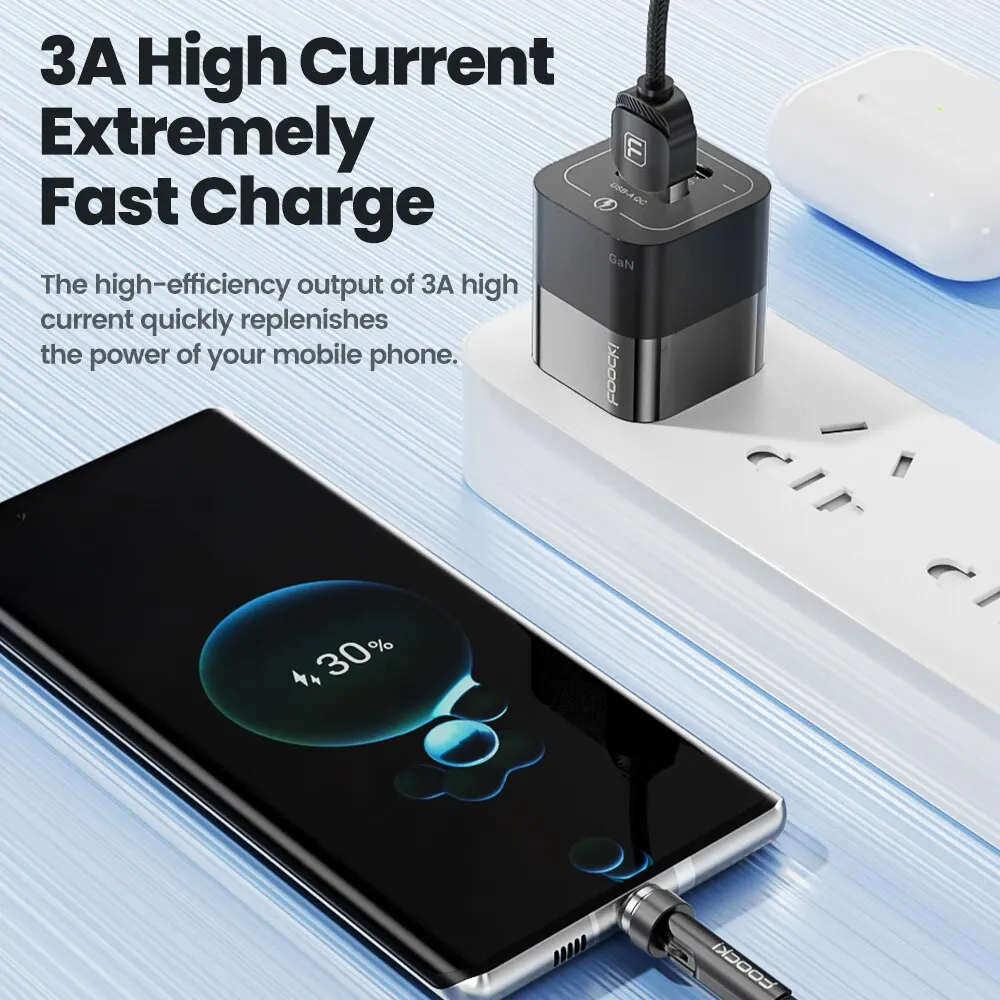
- Wall chargers with a UK three-pin plug and USB-C with USB Power Delivery, some with more than one port. See wall chargers.
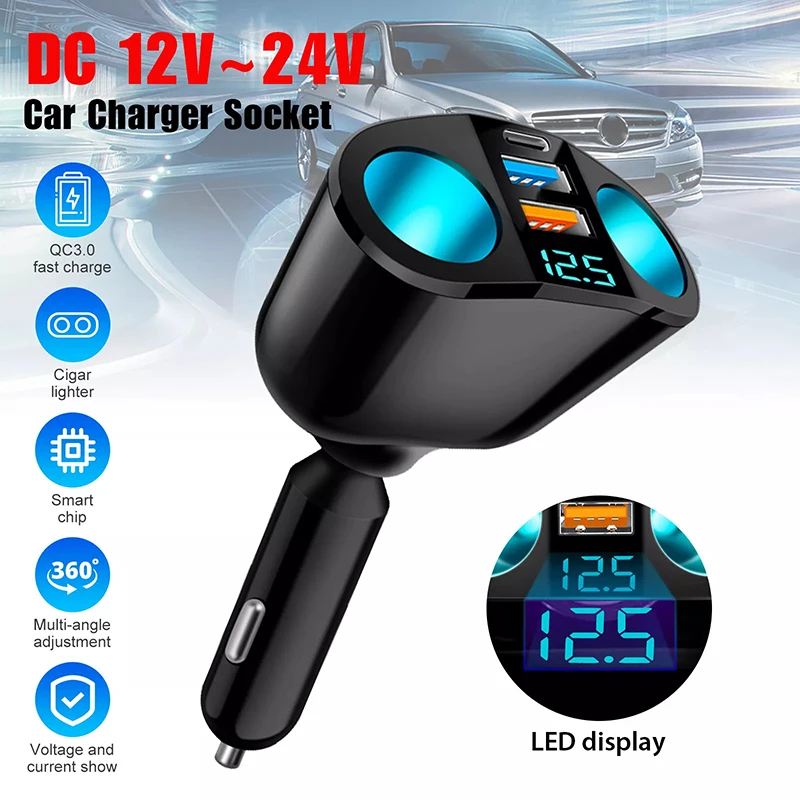
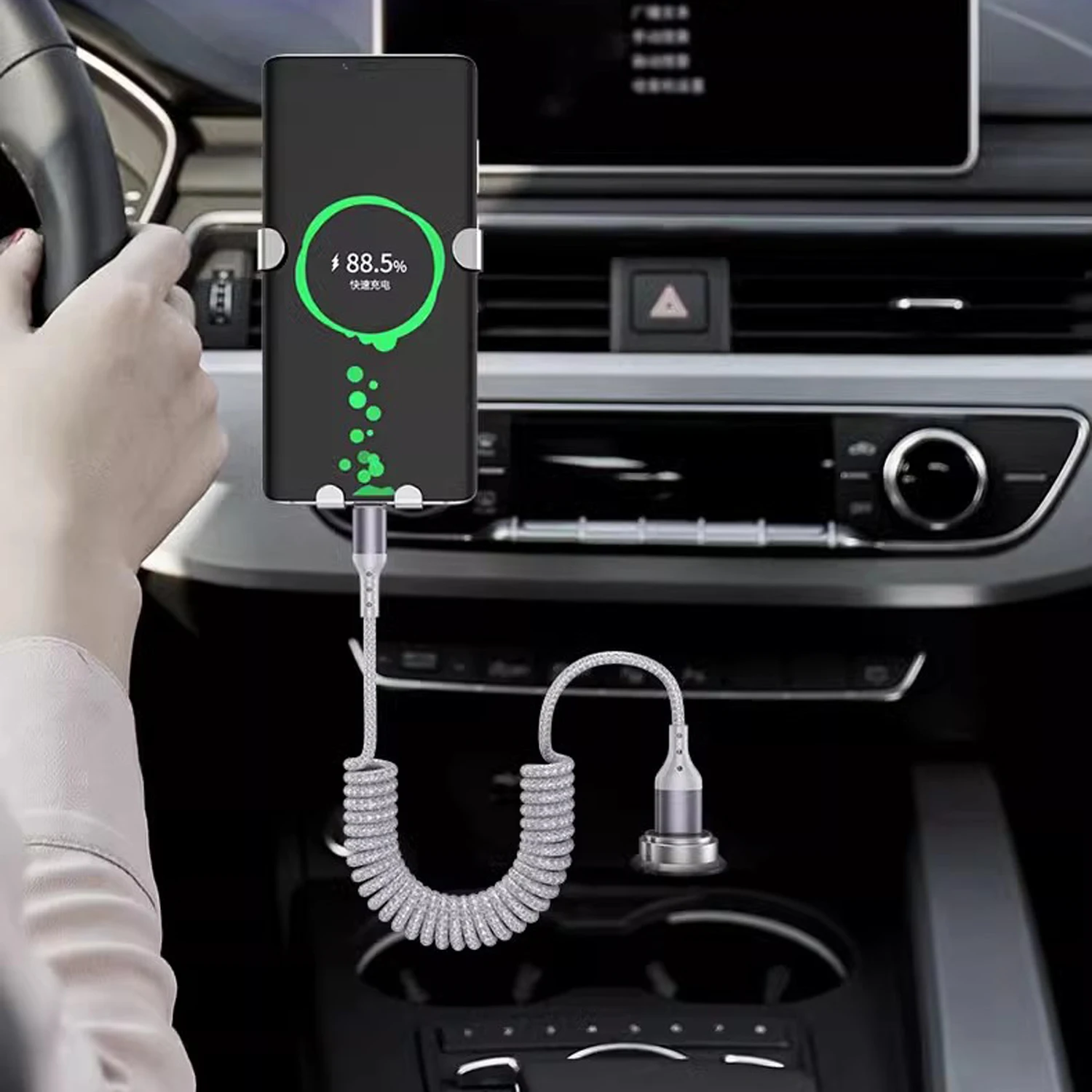
- Car chargers for the car's 12V power socket, with one or two ports. See car chargers.
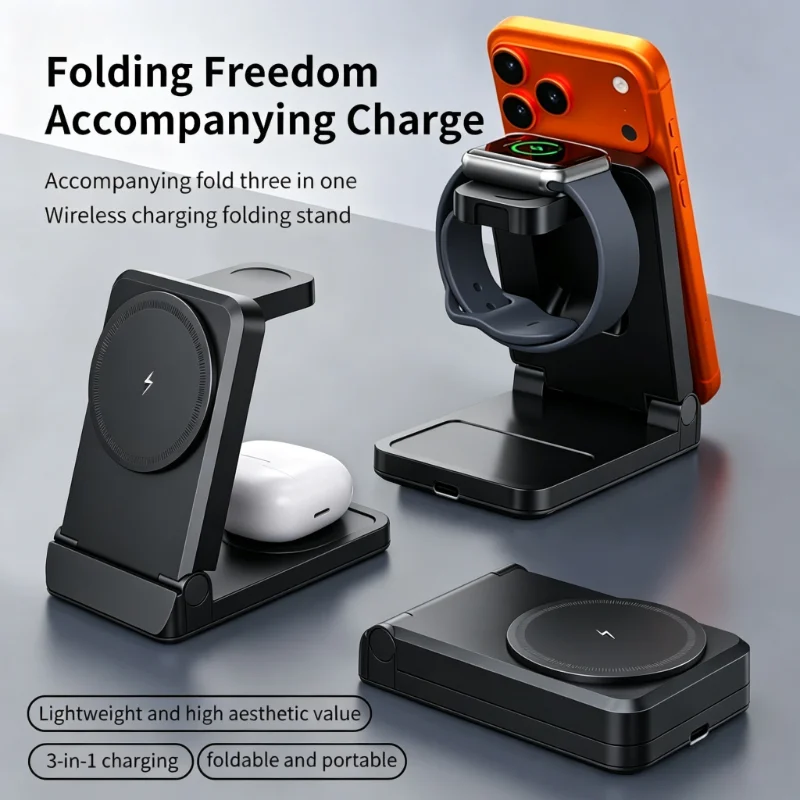
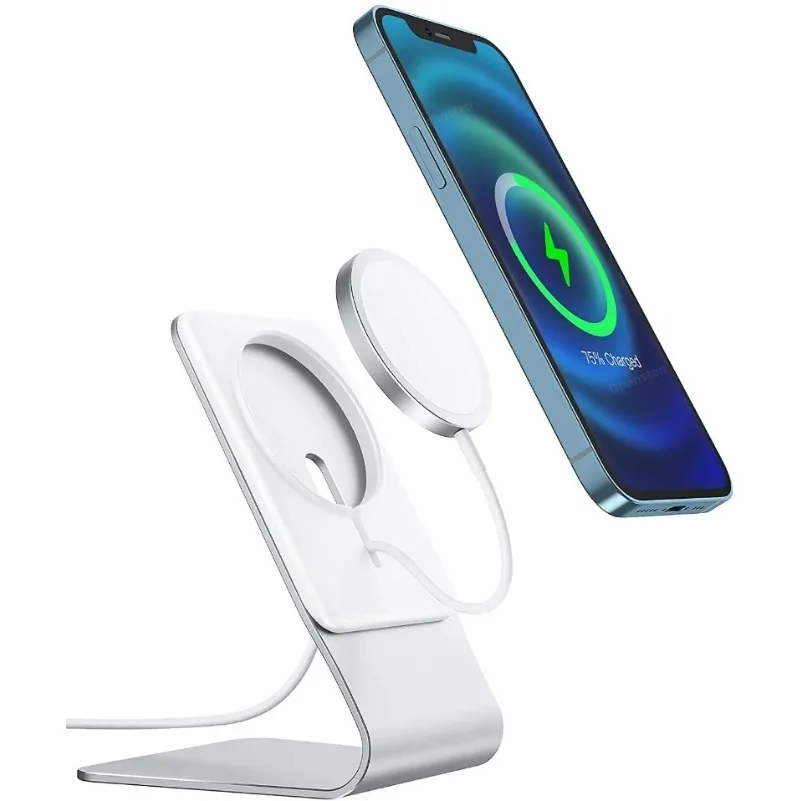
- Wireless chargers: pads, folding stands and stations for a phone, earbuds and a watch, many magnetic for MagSafe-compatible iPhones. See wireless chargers.
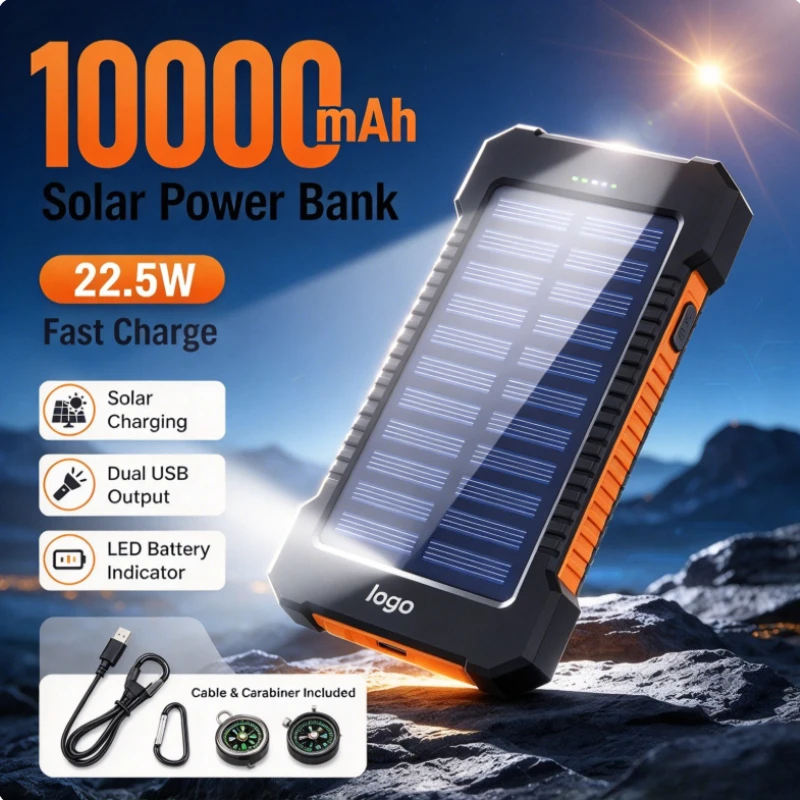
- Power banks, from pocket sizes with their cables built in to large ones for trips, and solar ones for the outdoors. See power banks.
- Charging docks that hold the phone upright on a desk as it charges. See charging docks.
Start with the plug on your phone
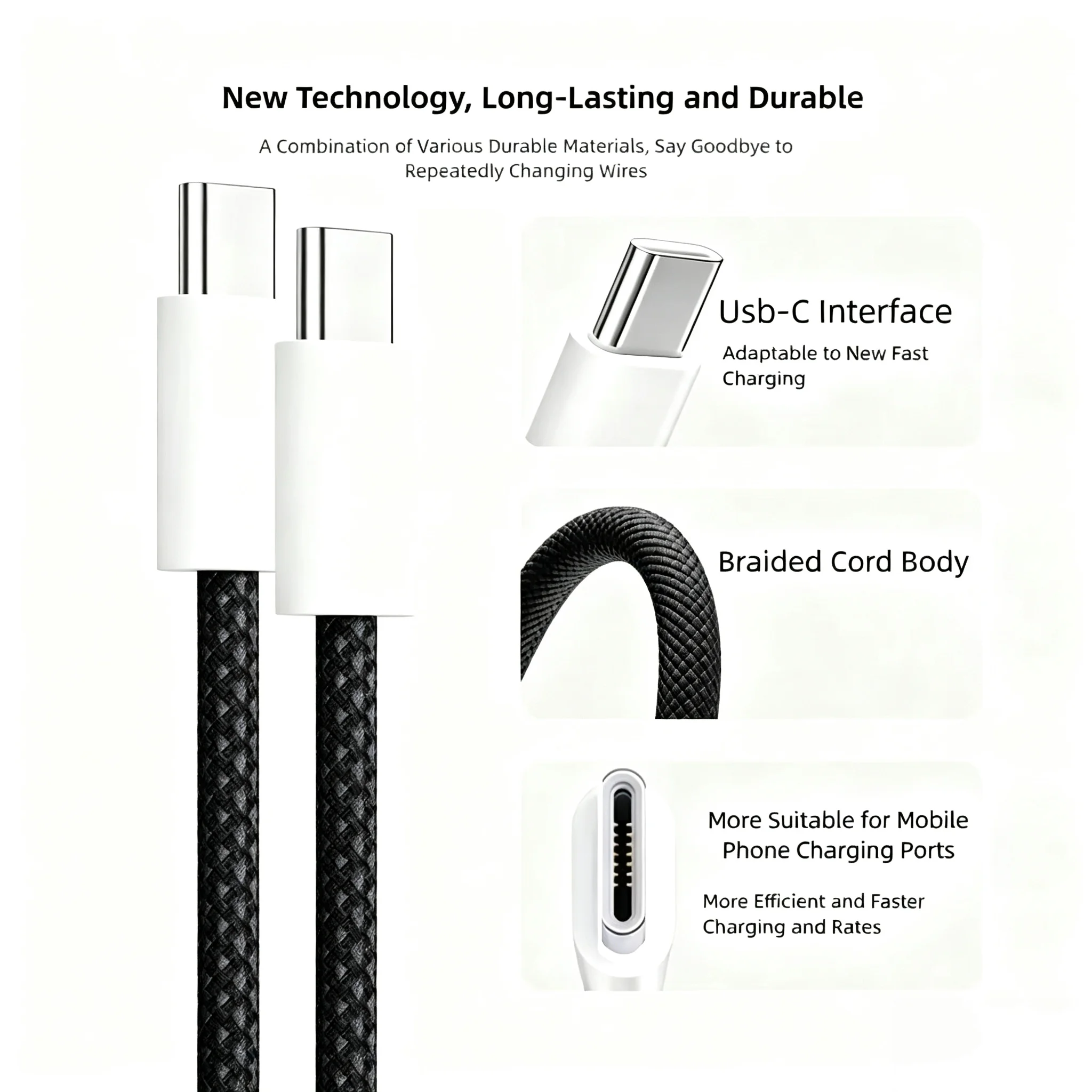
Look at the socket at the bottom of the phone. A rounded oval is USB-C, on iPhone 15 and later and nearly every recent Android phone. A narrower slot with a flat bar inside is Lightning, on iPhones from the iPhone 5 to the iPhone 14. Then look at the charger: an older one has the larger, rectangular USB-A socket, a newer one USB-C. The guide to which charging cable your phone needs goes through it in full.
Getting the speed you paid for
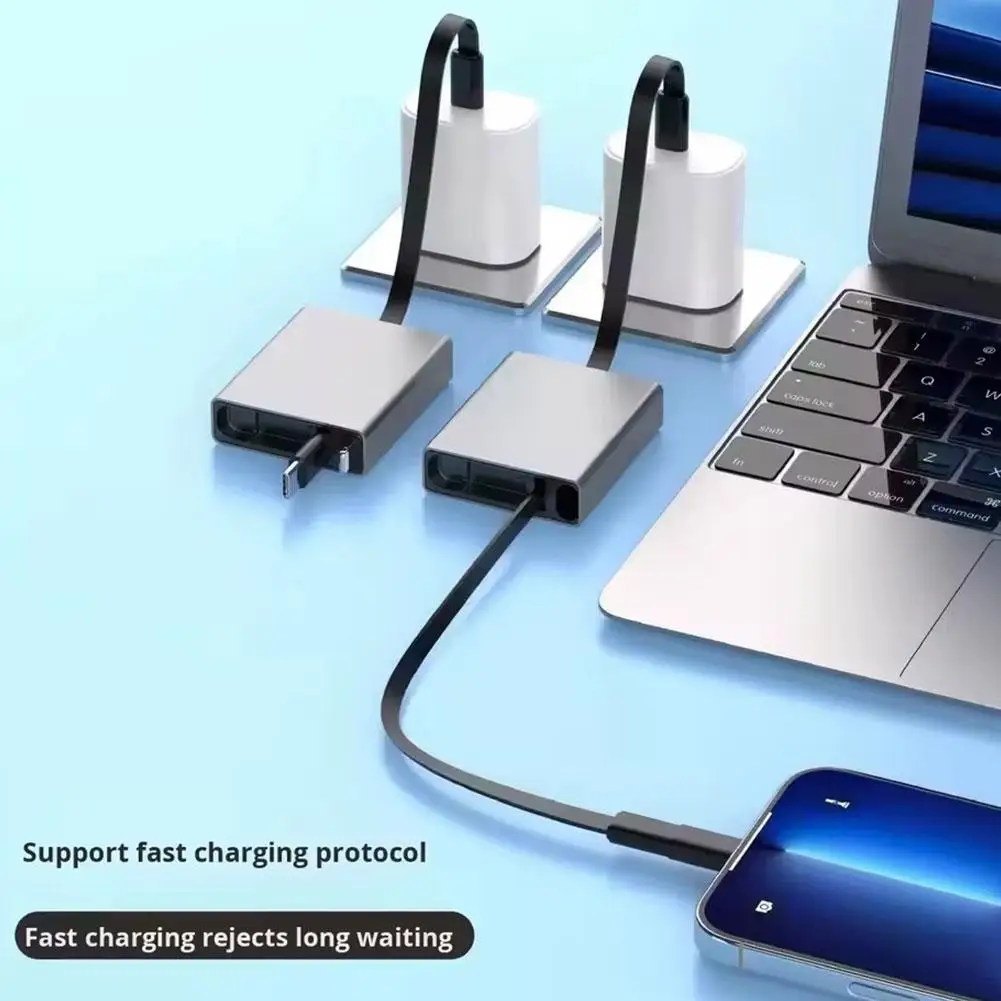
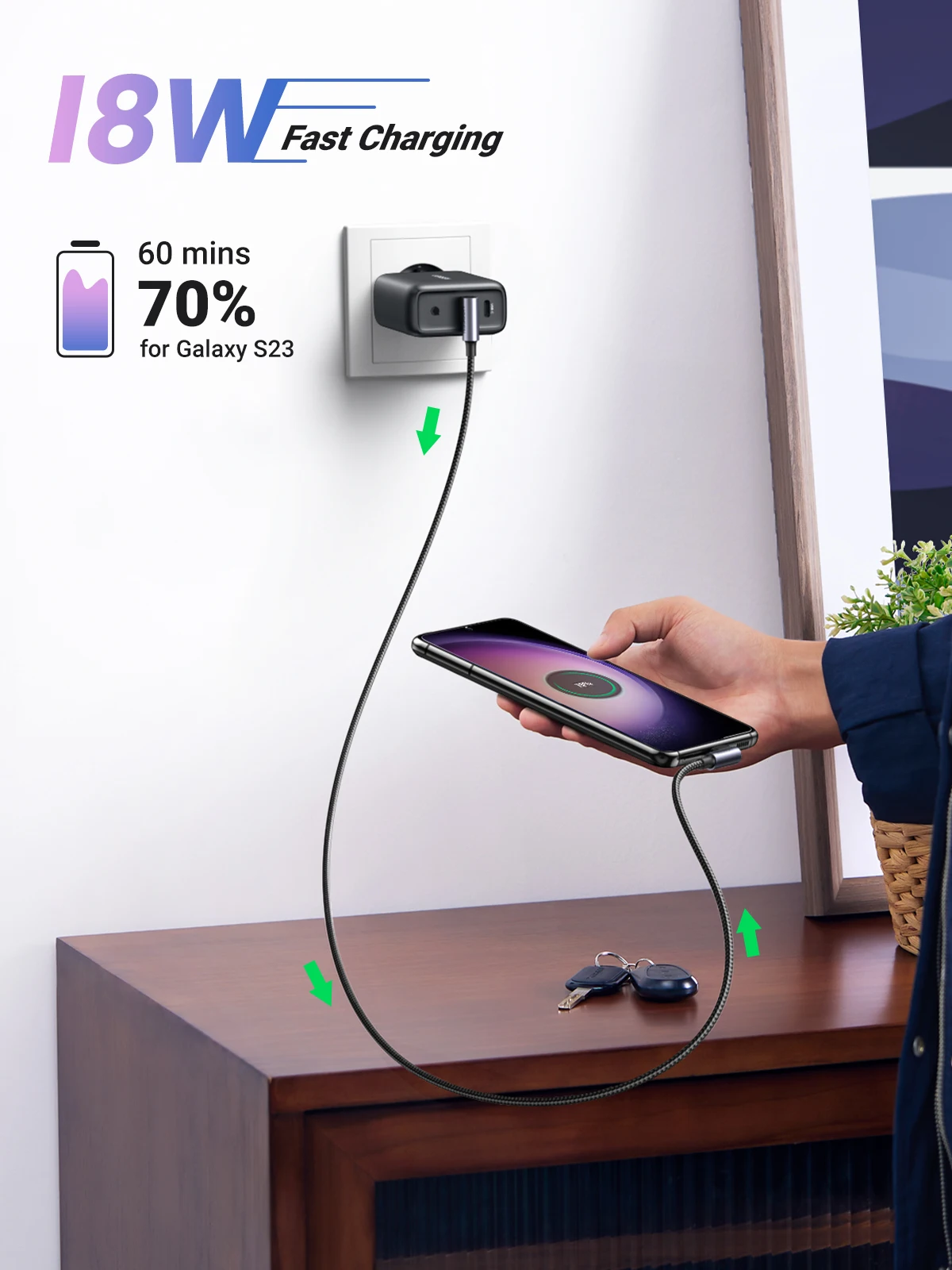
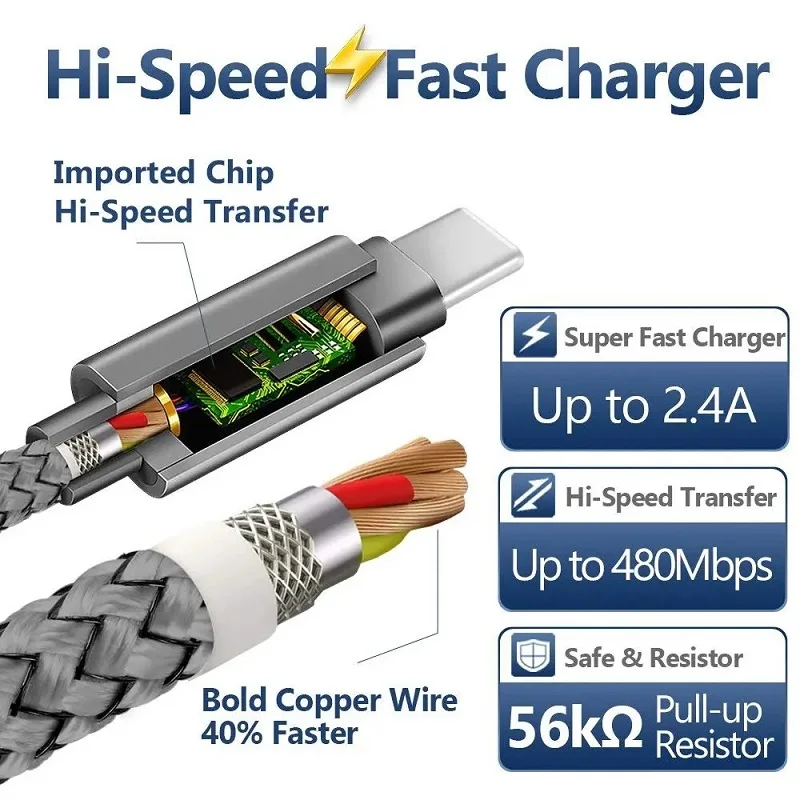
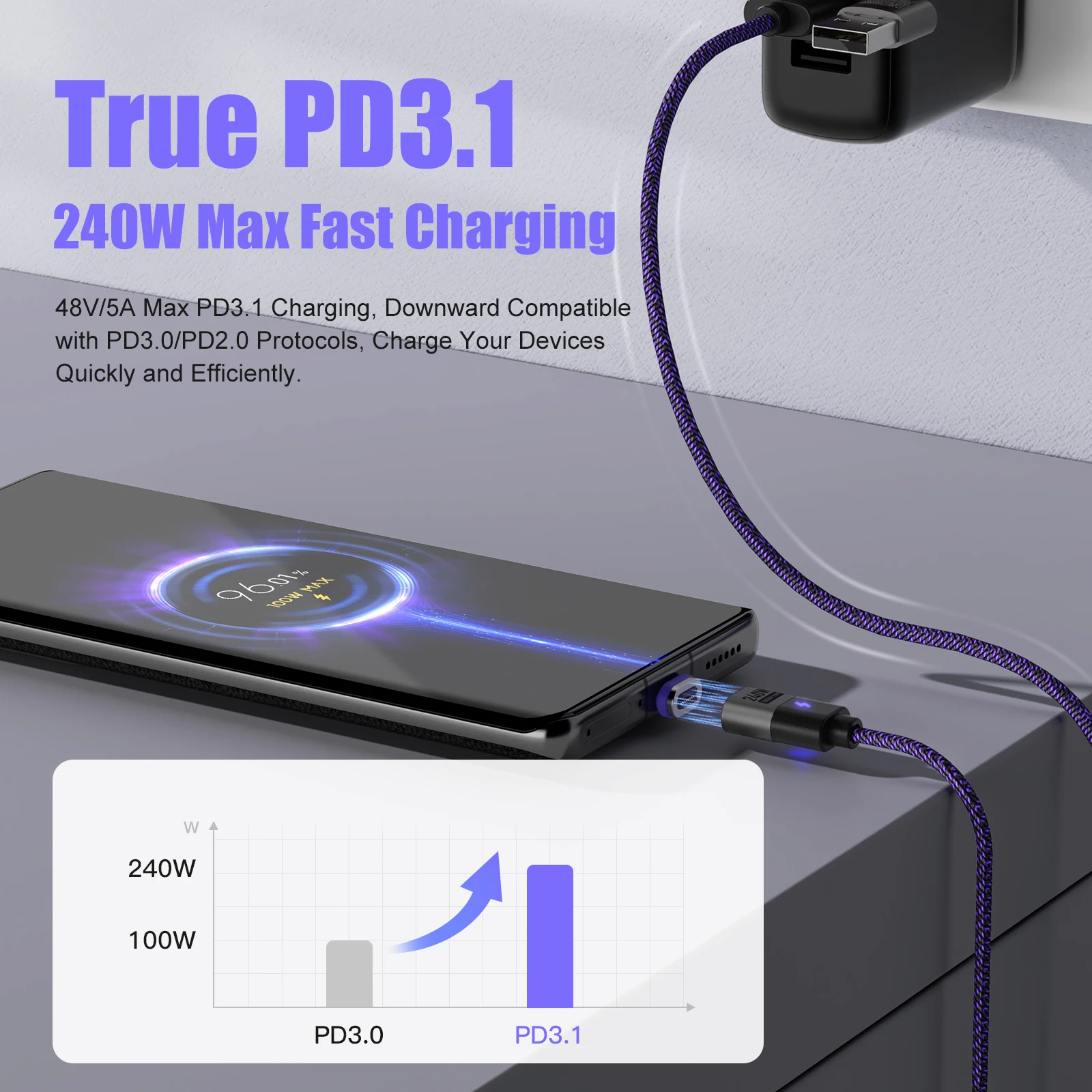
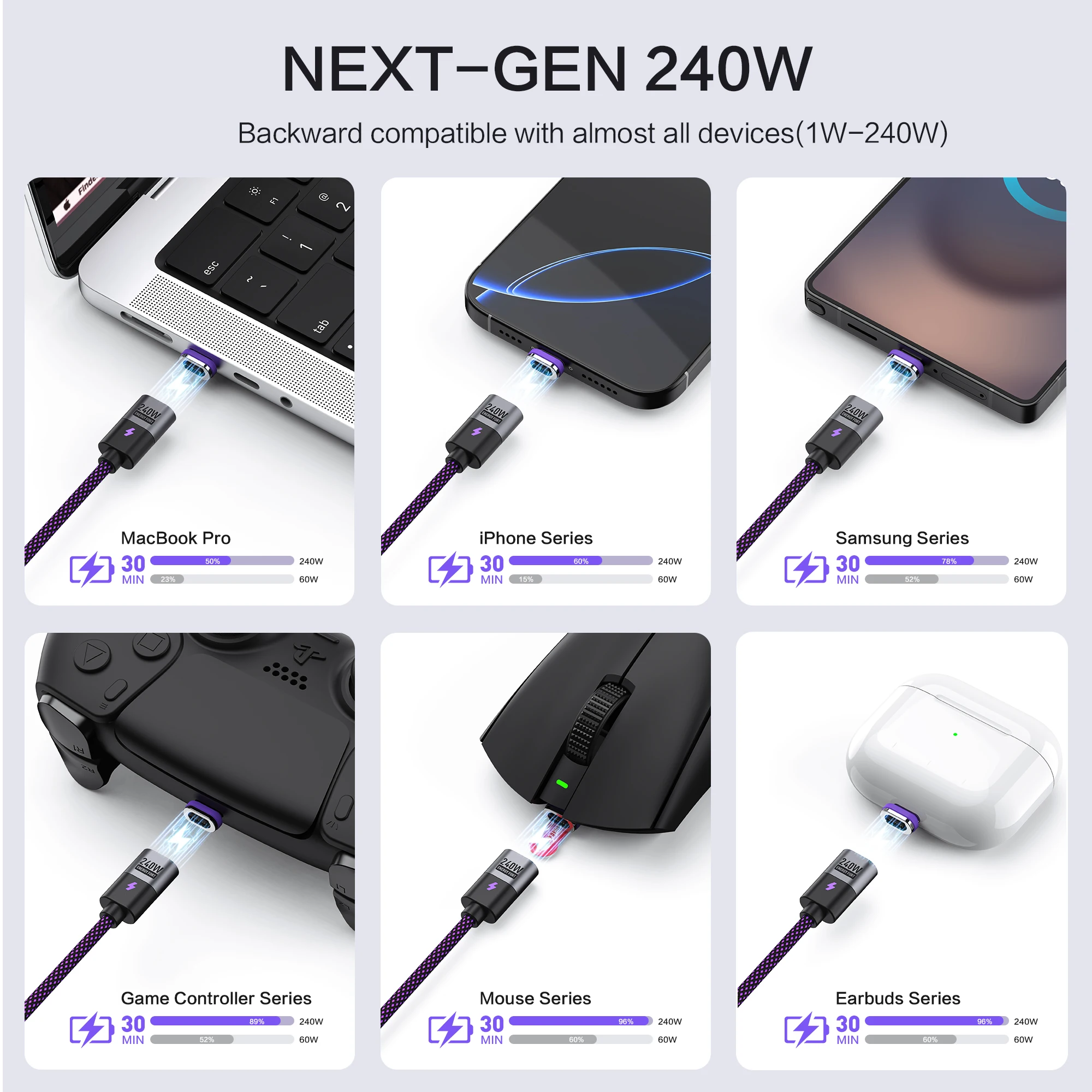
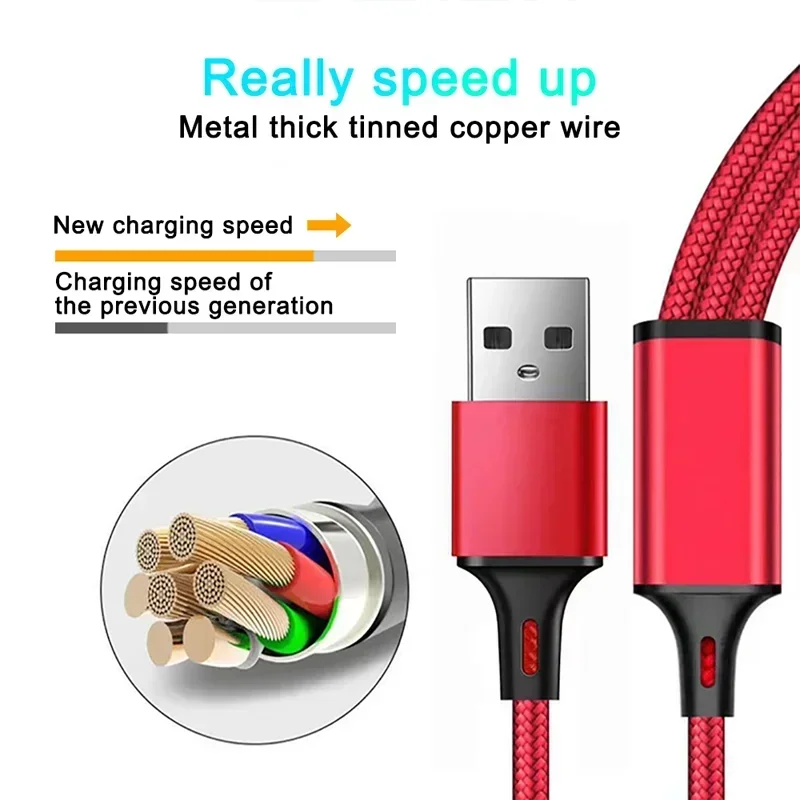
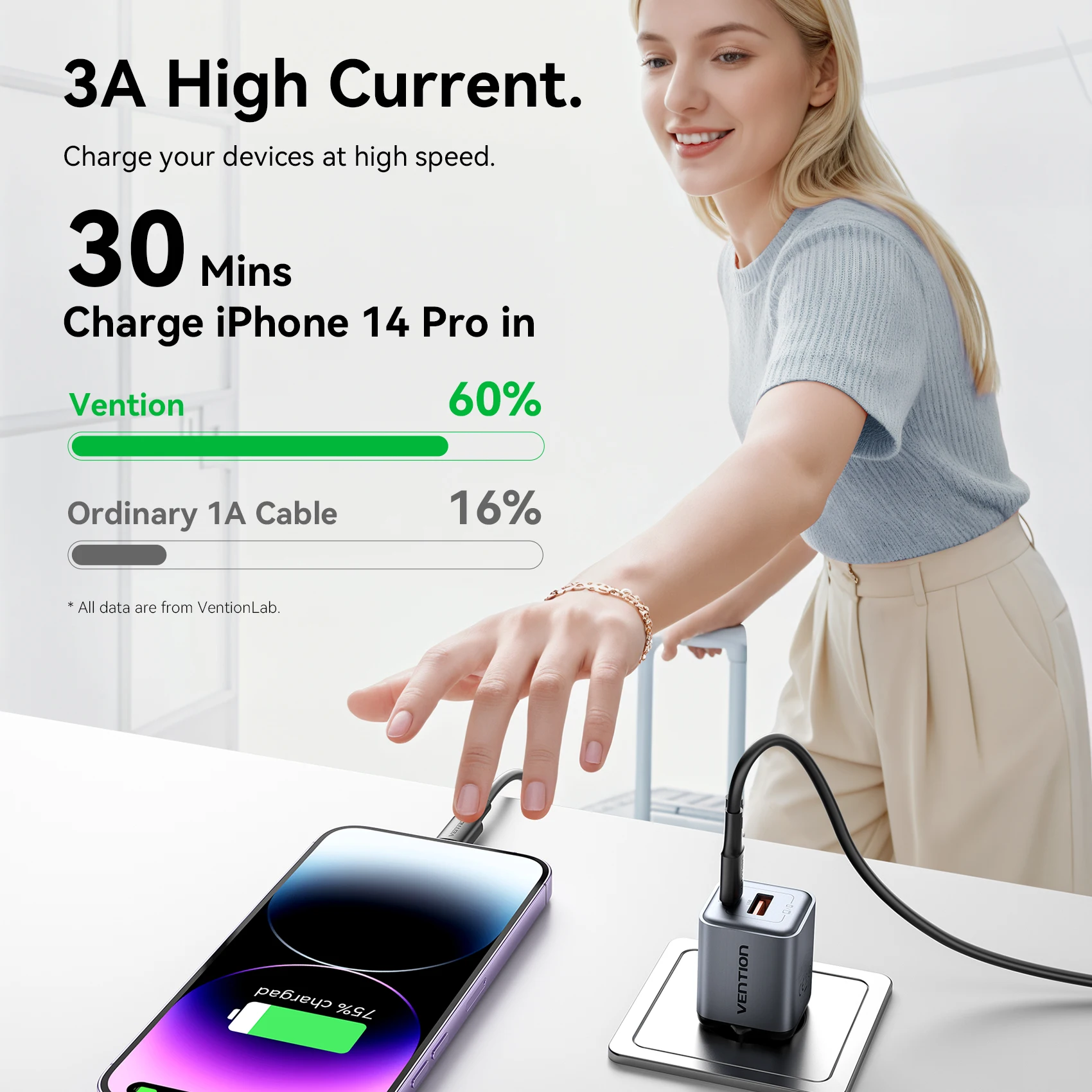
A phone charges at the speed that the phone, the charger and the cable can all manage together, so the slowest of the three sets the pace. For fast charging over USB-C, look for USB Power Delivery, often written USB PD, and the wattage. Samsung Galaxy phones and recent Google Pixels charge fastest on a charger that also supports PPS. For most recent phones, a charger of 20W to 45W covers fast charging. A bigger charger will not harm a phone that takes less: the phone takes only the power it asks for. The guide to fast charging explains watts, PD and PPS.
Charging safely
At home, choose a charger with a built-in UK three-pin plug, marked with a brand, a model number, a UKCA or CE mark and its output. Charge in the open, not under a pillow, and stop using any charger or cable that is cracked, frayed, scorched or too hot to hold. The guide to choosing a safe phone charger covers the law and the warning signs.
Questions people ask about phone charging
Can one charger do every phone in the house?
Usually, yes. A USB-C charger with USB Power Delivery and PPS charges iPhones, Galaxy phones and Pixels, each at the speed it asks for. A charger with two or more ports shares its power between them.
How long does delivery take?
Delivery is included in every price and tracked to your door. Each product page says when it usually arrives.
More to look at